

Eric Steiner Piano Course, Book 2: Piano
By Eric Steiner
Item: 00-PB-0001904
$7.99
Pickup currently not available
Related Items
Eric Steiner Piano Course, Book 2: Piano Book |
$7.99
|
View |
Description
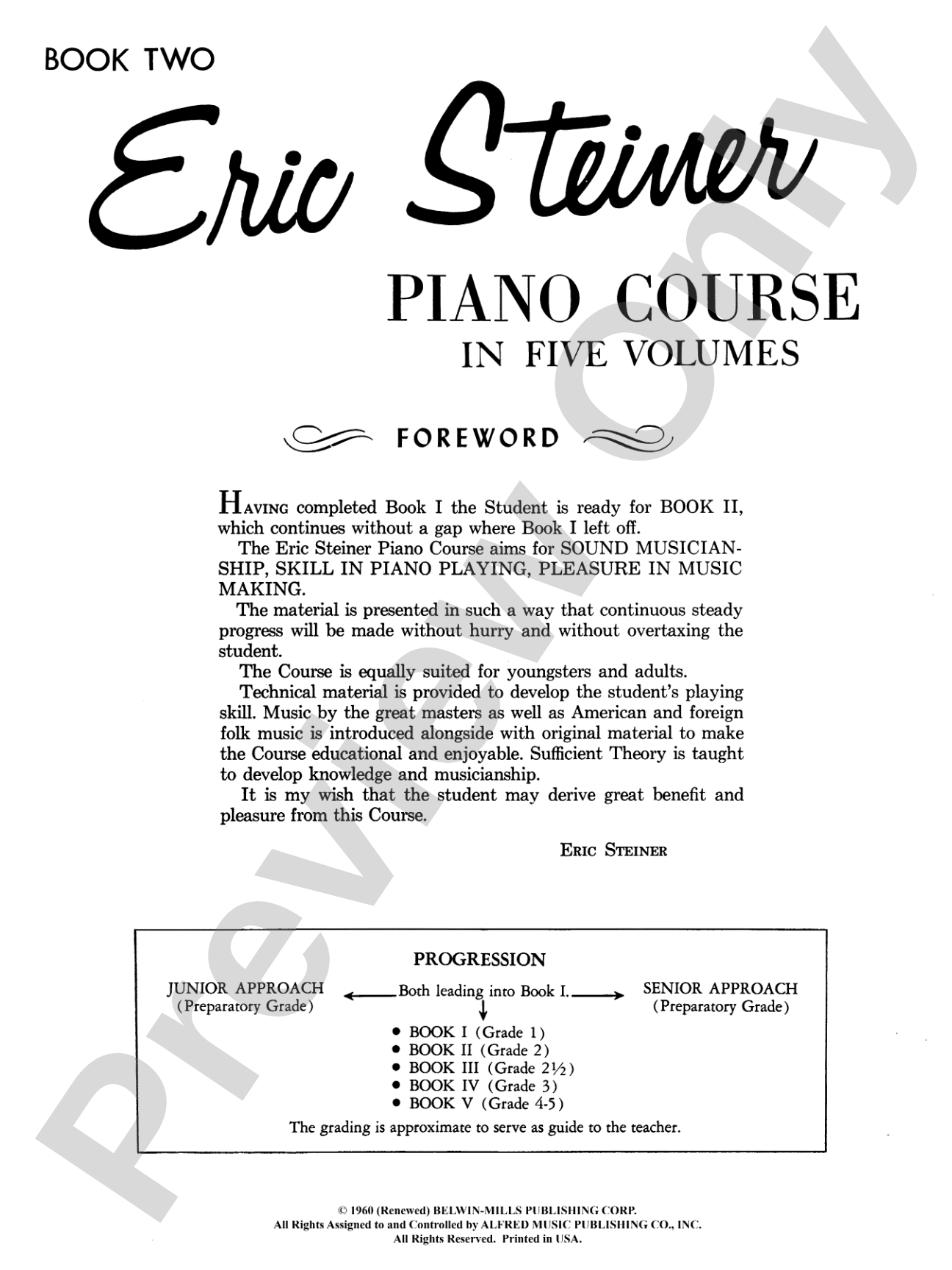
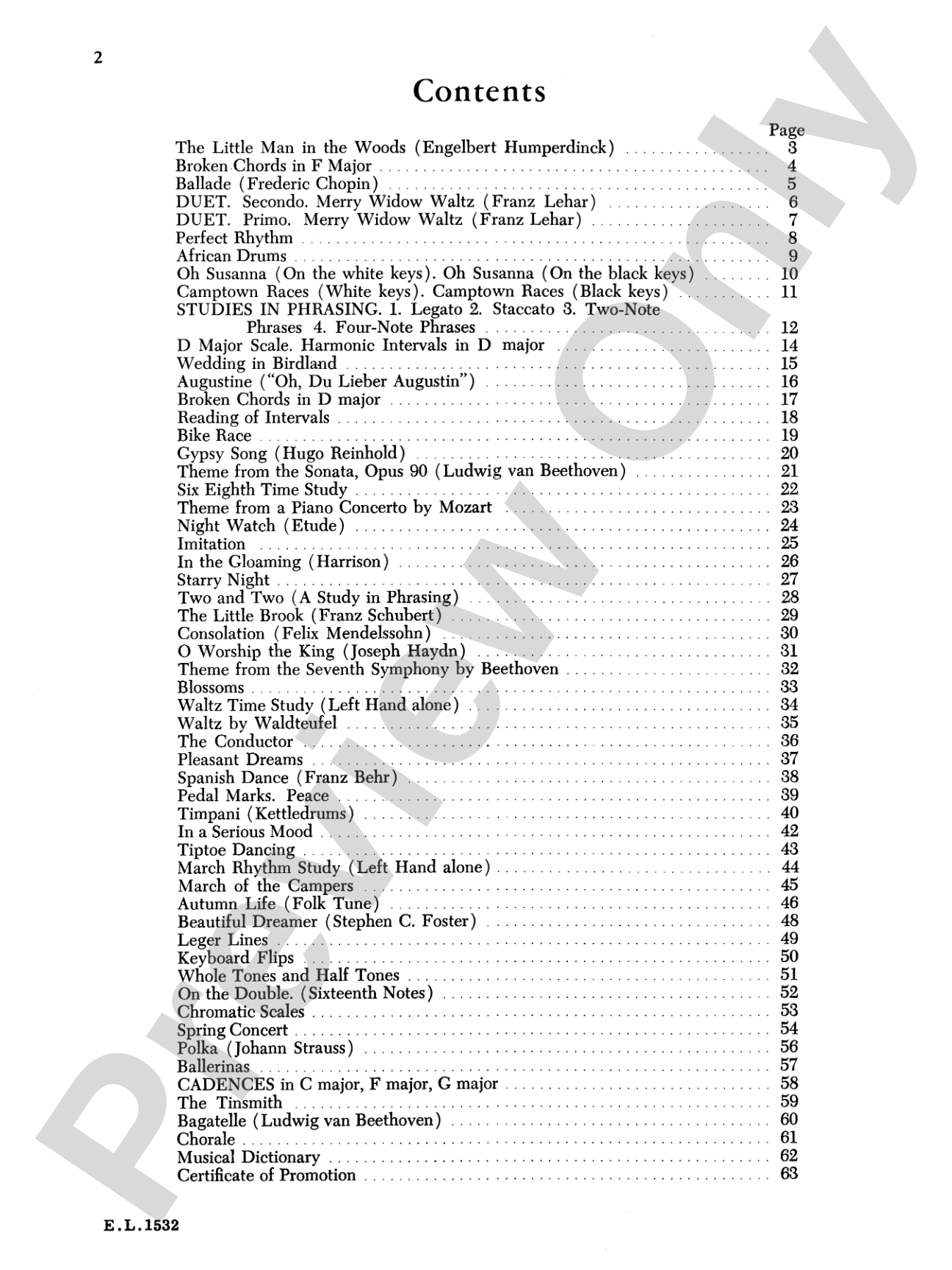
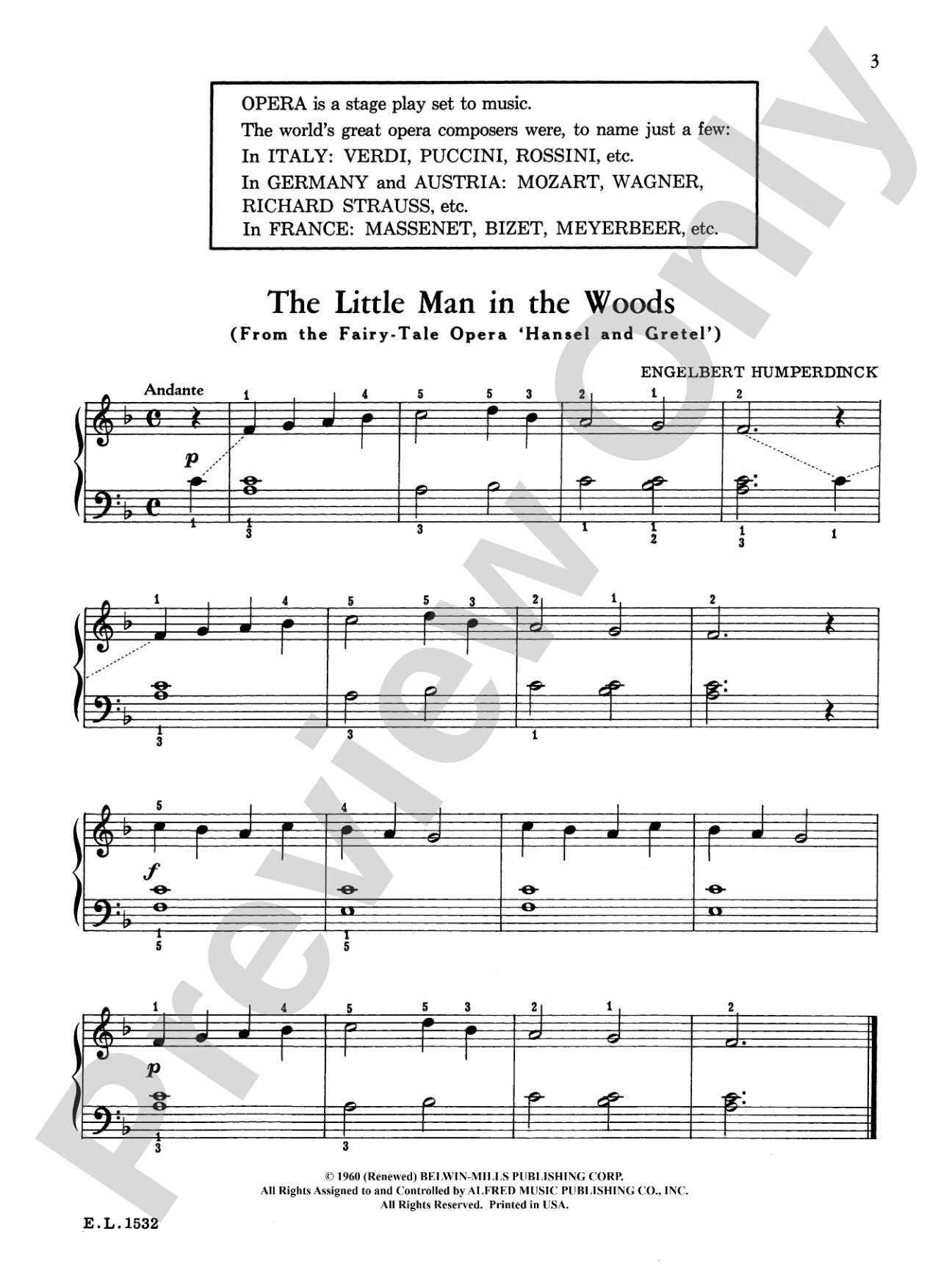
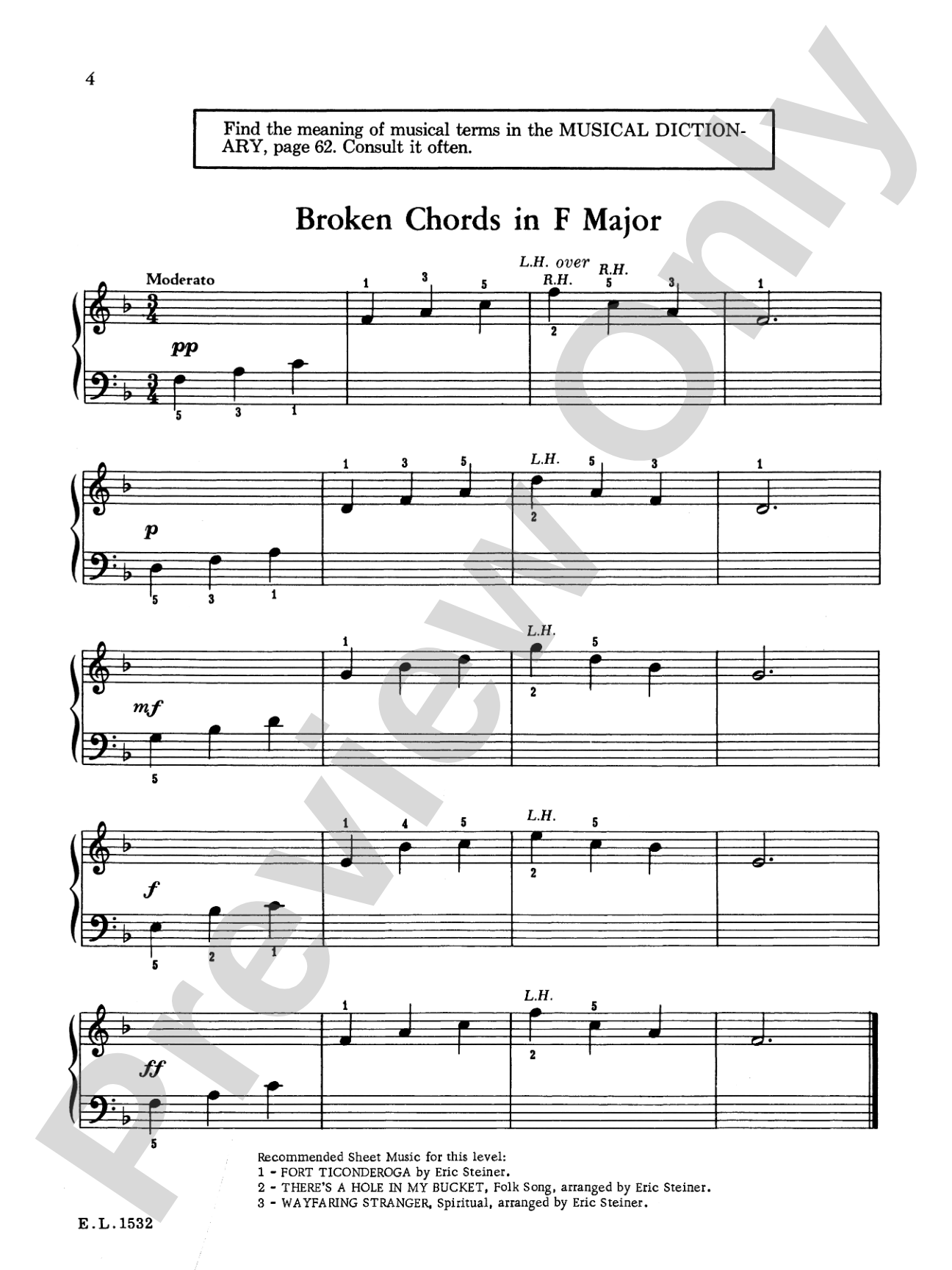
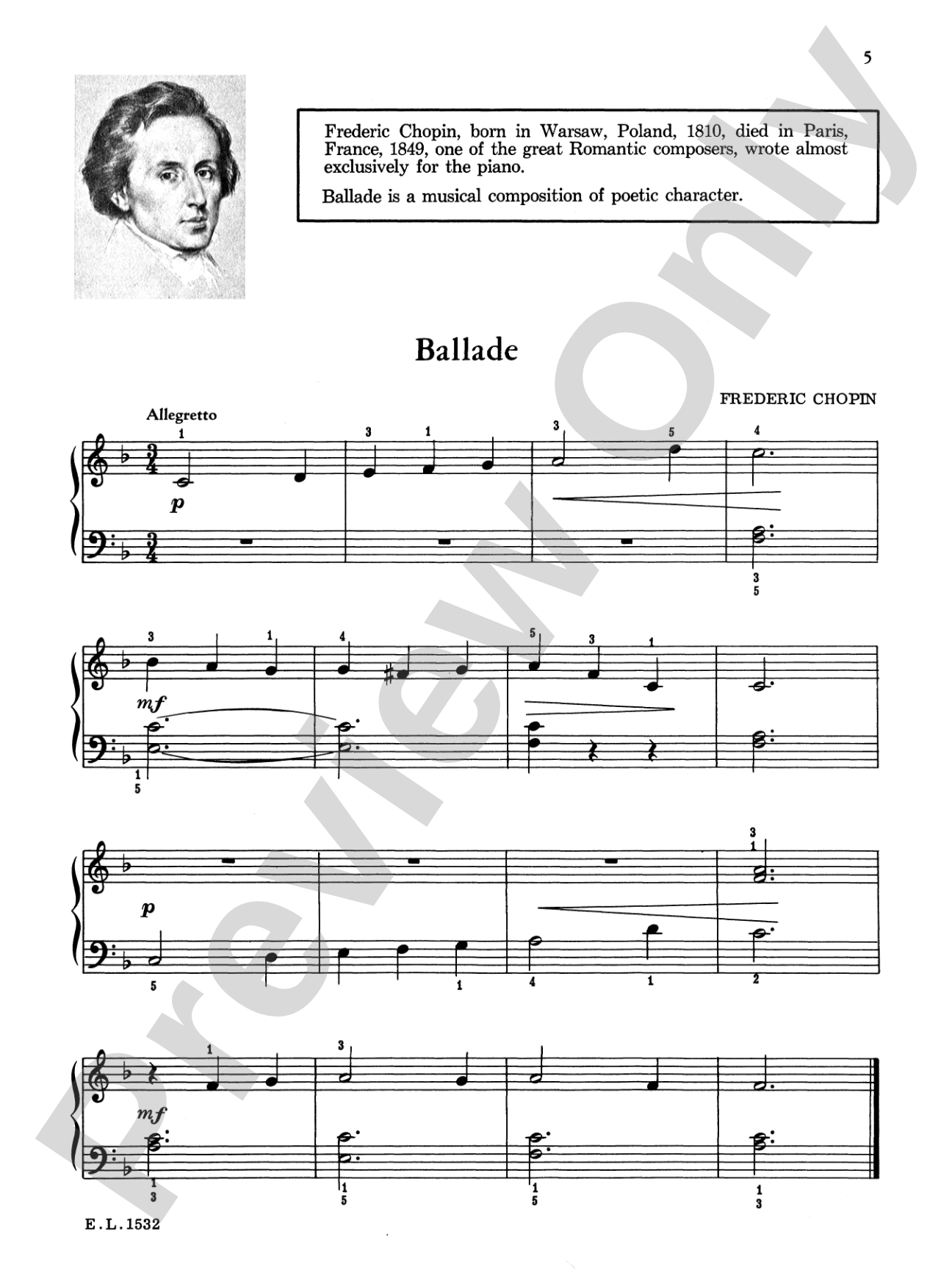
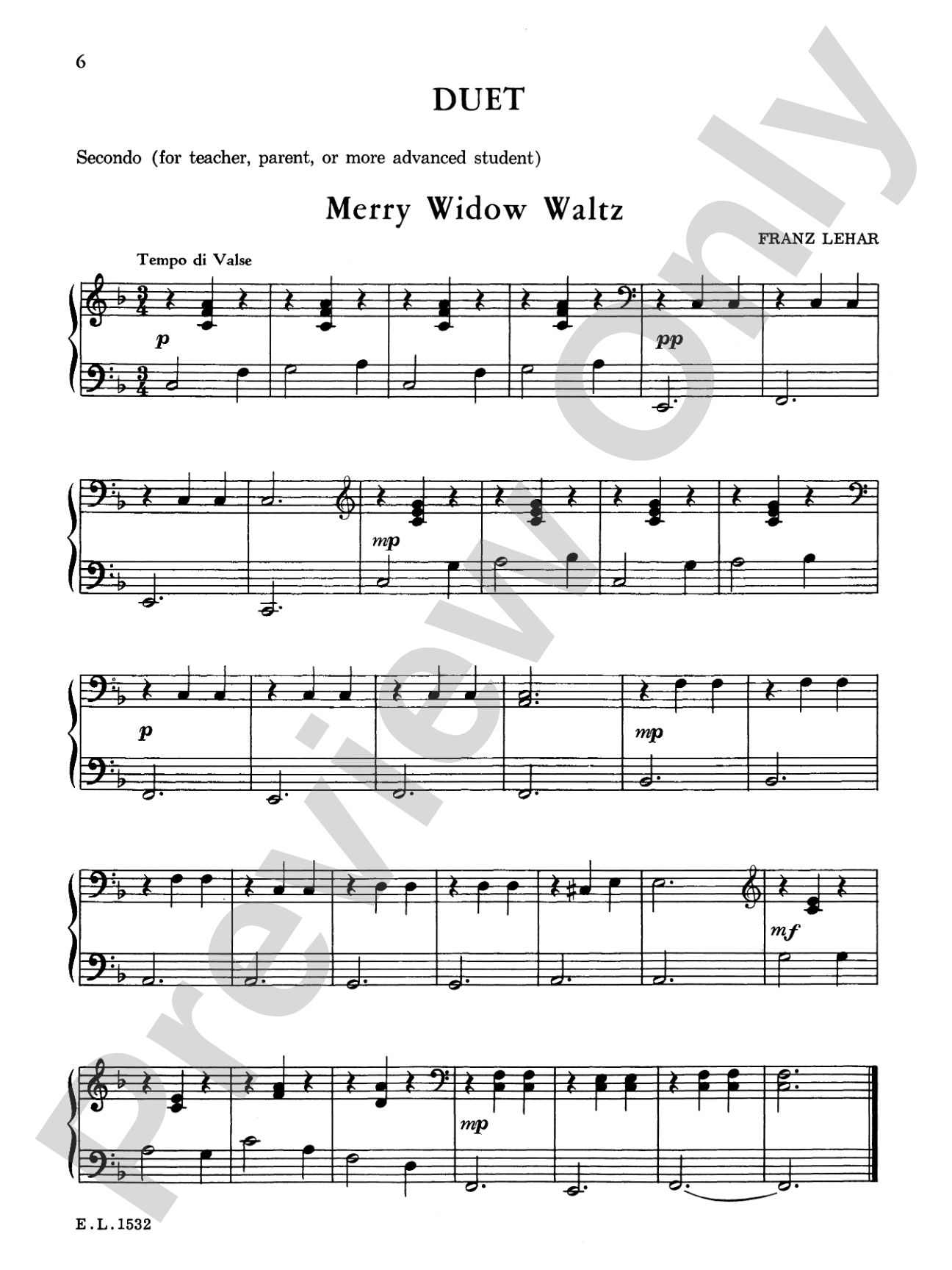
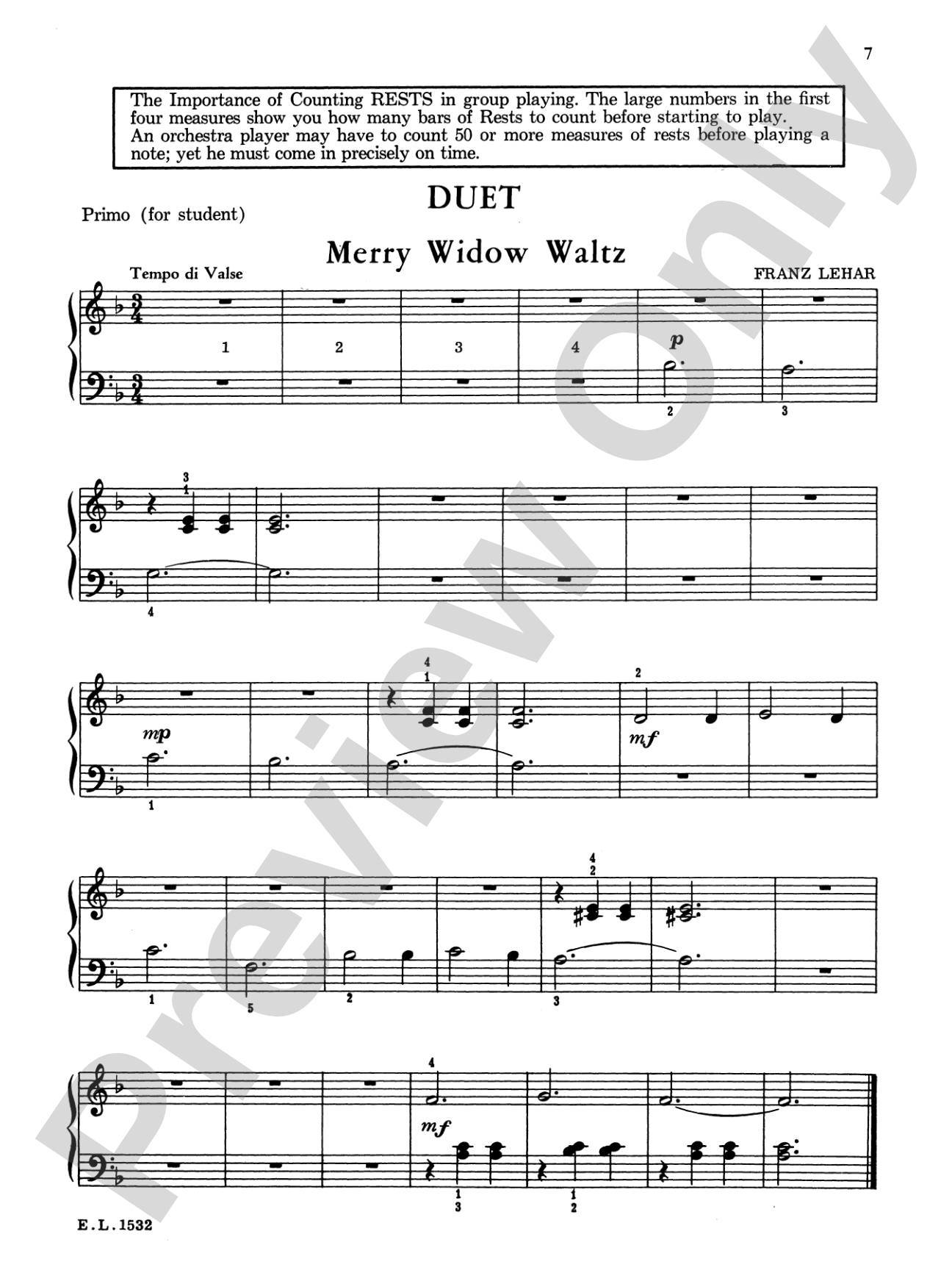
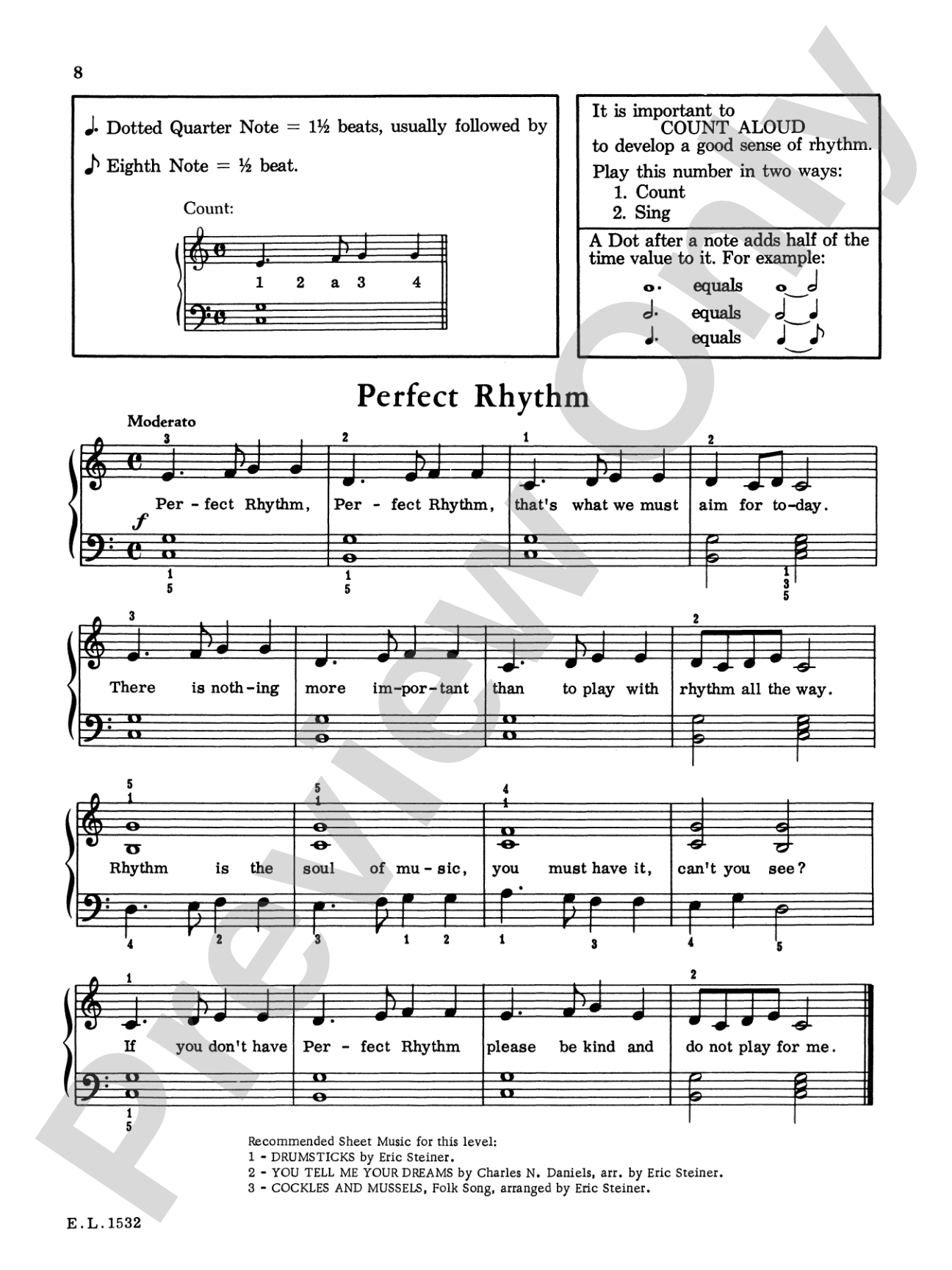
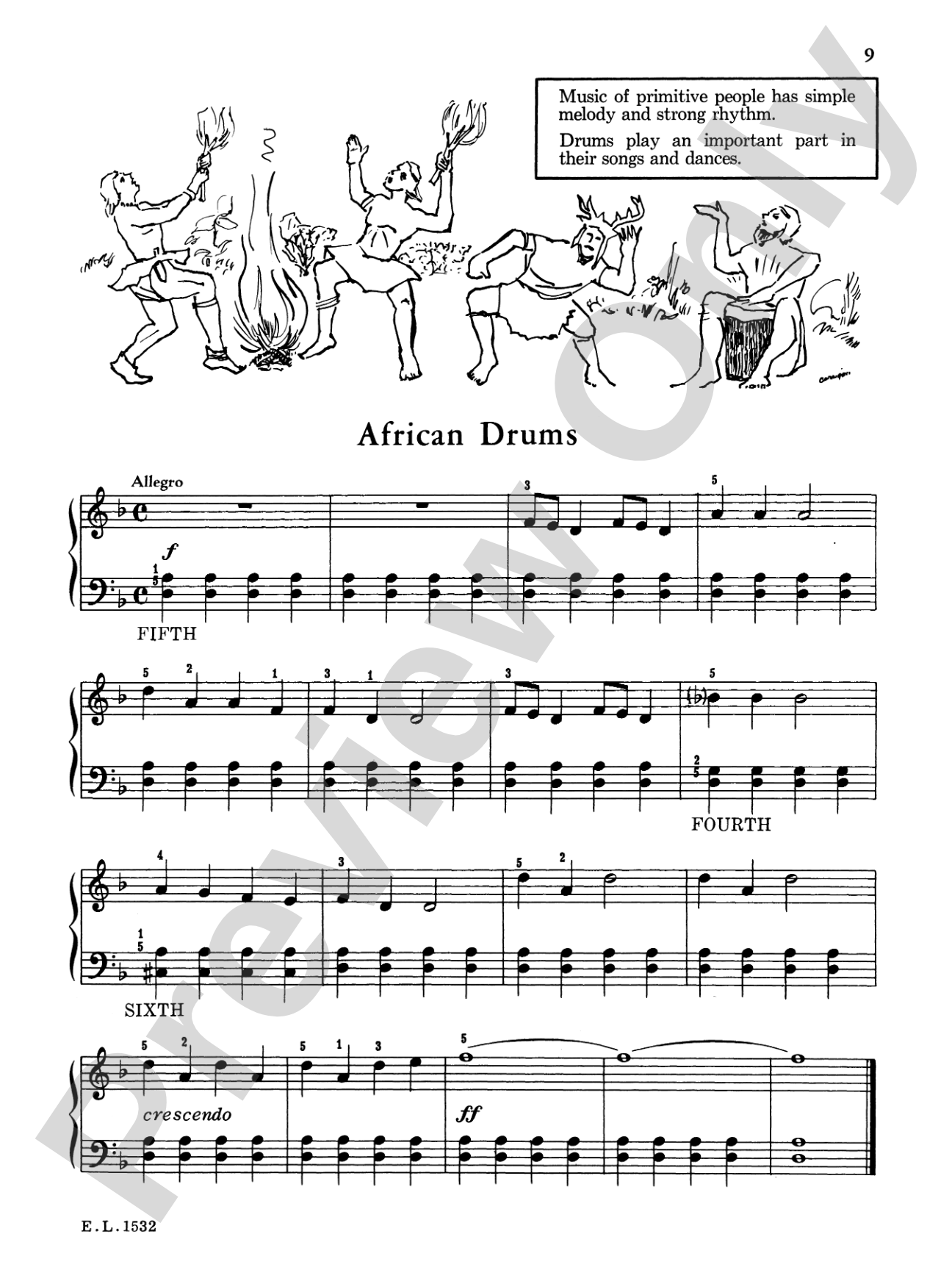
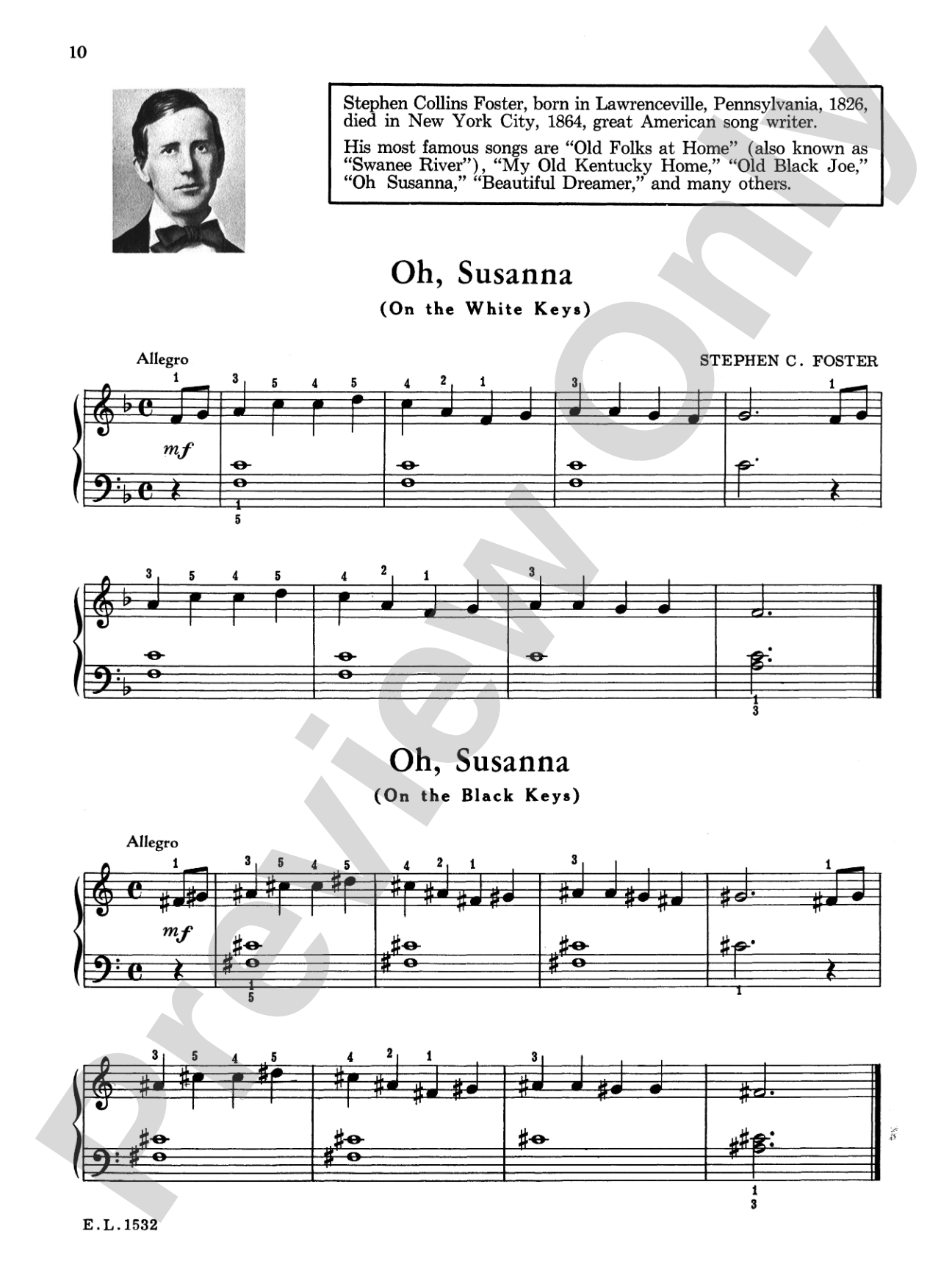
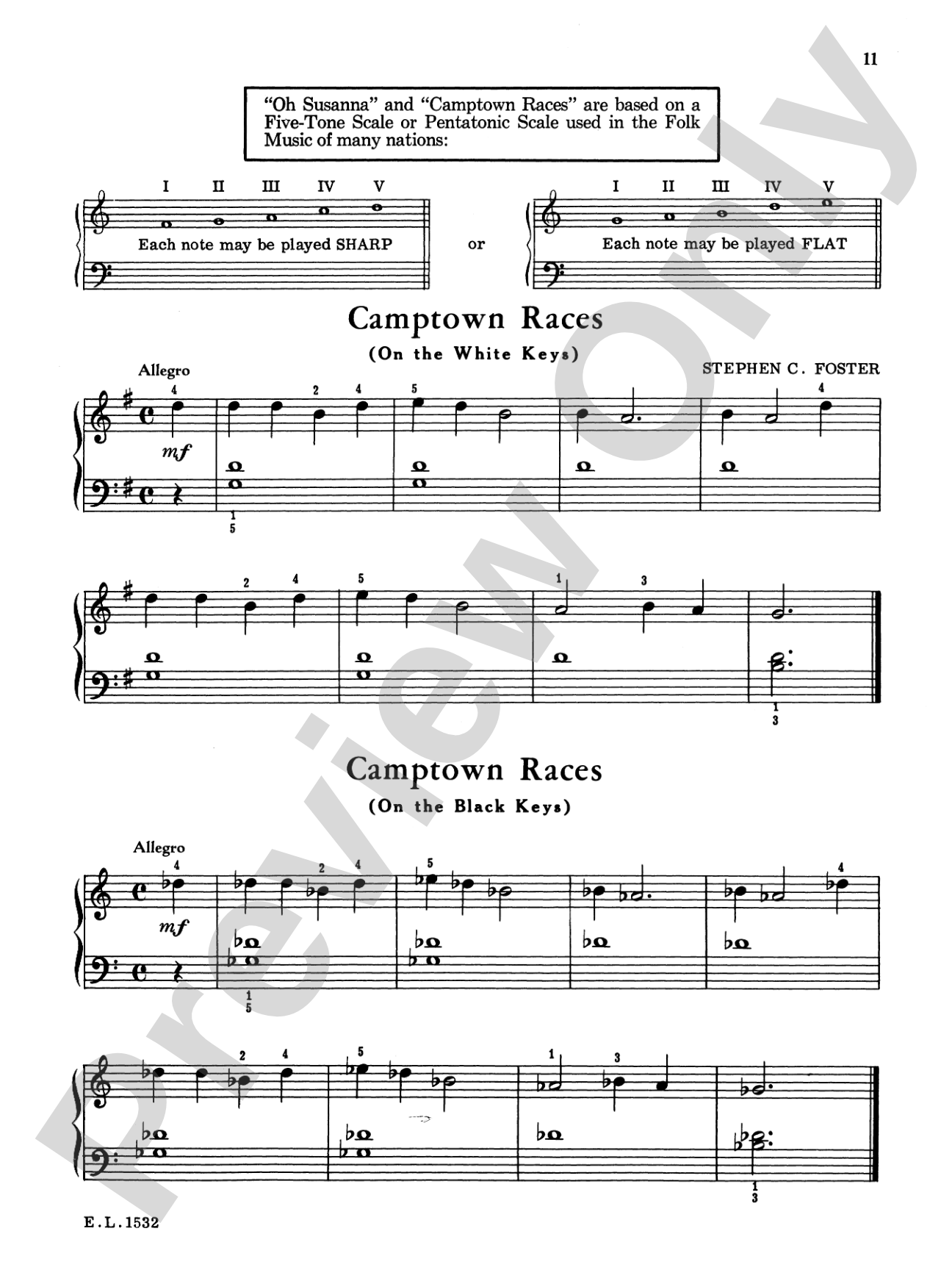
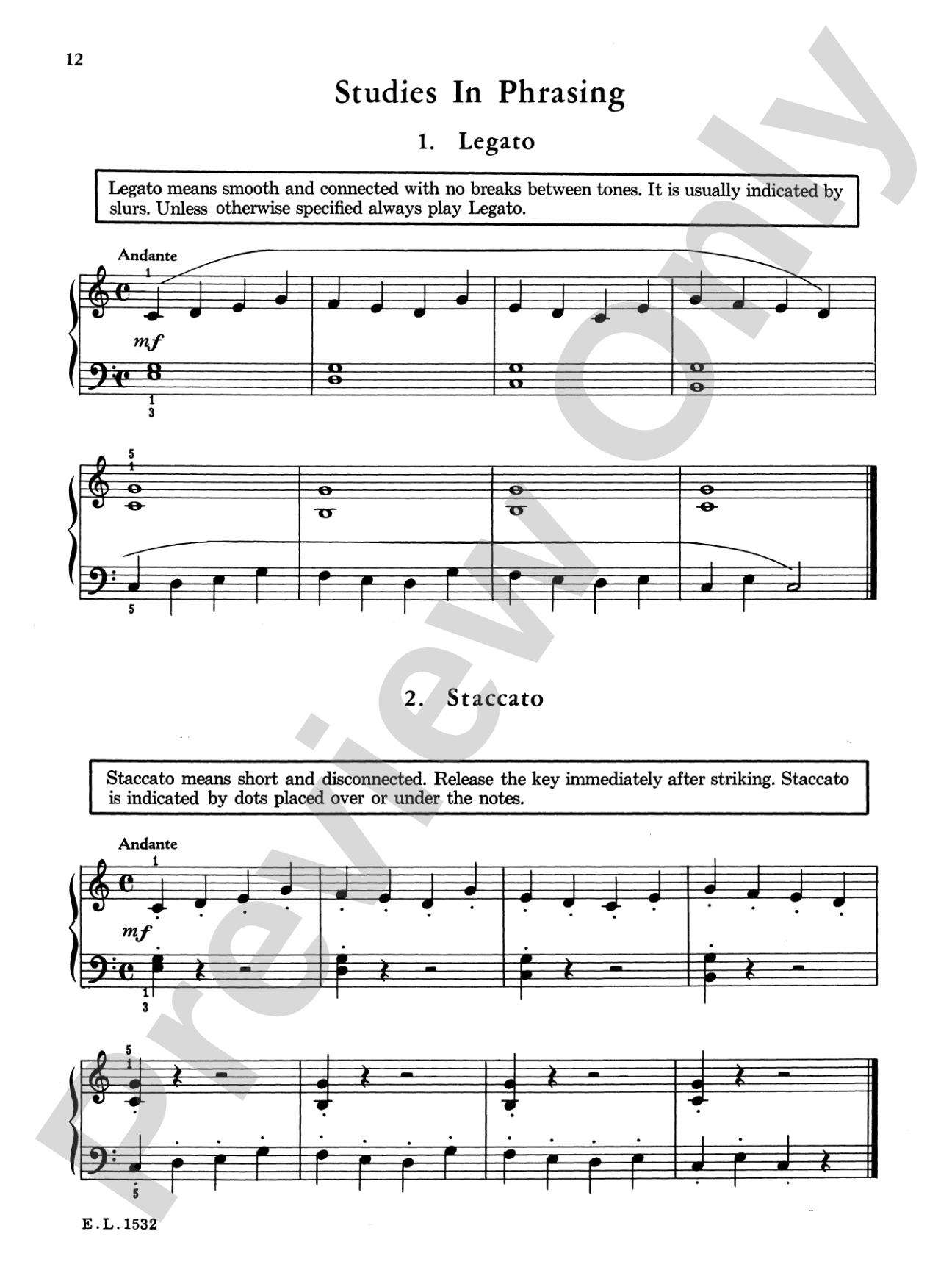
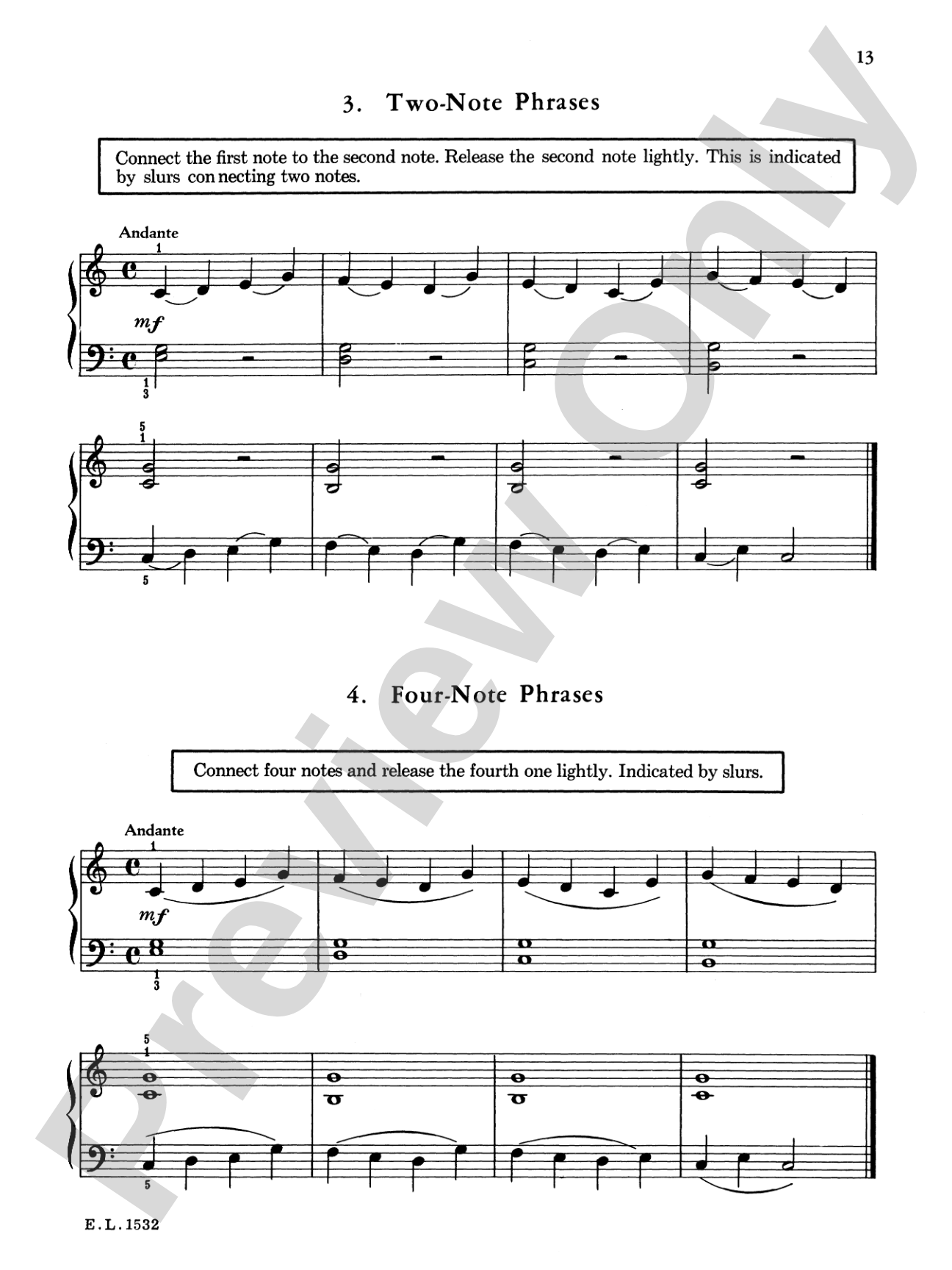
Having completed Book 1 the Student is ready for Book 2, which continues without a gap where Book 1 left off. The Eric Steiner Piano Course aims for SOUND MUSICIANSHIP, SKILL IN PIANO PLAYING, PLEASURE IN MUSICMAKING. The material is presented in such a way that continuous steady progress will be made without hurry and without overtaxing the student. The course is equally suited for youngsters and adults. Technical material is provided to develop the student's playing skill. Music by the great masters as well as American and foreign folk music is introduced alongside with original material to make the Course educational and enjoyable. Sufficient Theory is taught to develop knowledge and musicianship.


Eric Steiner Piano Course, Book 2: Piano isn't in MakeMusic Cloud just yet...but it could be. Let us know you'd like to see it, and you'll help shape what comes next. In the meantime, start a free trial and dive into thousands of interactive titles your students can play along with today.
Request This Title
Tell us you want it.
Start Your Free Trial
Explore everything that's ready to play right now.
Sample Audio
No sample audio found.
Sample Video
No sample videos found.
Additional Details
Publisher:
Alfred Music
Page Count:
64
SKU:
00-PB-0001904
More about this title
About the Composer: Eric Steiner

Eric Steiner (1911-1987) arrived in the United States in 1938 after escaping Austria during the Nazi era. A trained lawyer from the University of Vienna, he pivoted entirely to music upon immigration and became a respected pedagogue, directing the Lauter Piano School in Newark, New Jersey, and teaching privately throughout his career. His work earned him recognition within the National Guild of Piano Teachers and the New York Piano Teachers' Congress, where he served as vice president from 1951 to 1957.
Steiner's legacy rests on his conviction that piano study should develop musicianship alongside technical skill. He lectured extensively to teacher groups across multiple states and remained deeply involved in music education organizations including the New Jersey Music Educators Association and the Interstate Music Teachers Association. His influence persists decades after his death; the Eric Steiner Memorial Awards for Composition Competition, established in 1987 by the Music Educators Association of New Jersey, continues to honor his contributions to the field.
Why we love this
Book 2 picks up exactly where Book 1 concludes, eliminating the guesswork many teachers face when transitioning between method books. Steiner weaves in music by established composers and folk repertoire alongside original exercises, so students absorb real musicianship rather than plodding through disconnected etudes. The pacing is genuinely thoughtful, allowing consistent progress without the burnout that comes from overzealous advancement.
What to expect
Working through Book 2 feels like opening doors rather than climbing walls. The material unfolds naturally, introducing technical challenges only after students have developed the foundation to handle them. Music surfaces everywhere, whether through a Bach prelude, a Scottish folk tune, or an original Steiner composition, keeping the page consistently rewarding.
Who it's for
Students who have completed Book 1 and are ready to deepen their technical foundation. The method serves both young children and adult learners equally well, making it flexible across age ranges. Teachers seeking a comprehensive approach that balances technical development, music theory, and genuine repertoire will find this course aligns with their pedagogical goals.
How to get the most out of it
- Assign the original compositions alongside the transcribed masterworks so students understand that technical study and musical expression aren't separate endeavors.
- Coordinate theory assignments with the pieces being learned; Steiner embeds music fundamentals into the playing itself rather than isolating them on worksheets.
- Allow extra rehearsal time on the folk music selections since students often connect emotionally to familiar melodies and will push themselves harder to play them well.
How to use it
This book serves as the core method text for studio lessons spanning six months to a year, depending on individual student pace. It works equally well in group piano classes where differentiation is necessary, since the graduated difficulty allows stronger students to advance through material while others consolidate fundamentals. Consider scheduling a recital featuring selections from Book 2 to showcase how Steiner's diverse repertoire gives students genuine pieces worth performing.
Skills your students will build
- Reading interval relationships and harmonic progressions in treble and bass clefs
- Finger independence and hand position maintenance across extended passages
- Dynamic control and phrasing appropriate to different musical styles
- Understanding of basic music theory integrated with keyboard technique
- Interpretation of folk melodies and classical repertoire at an accessible level
- Sight-reading fluency through consistent exposure to new material