

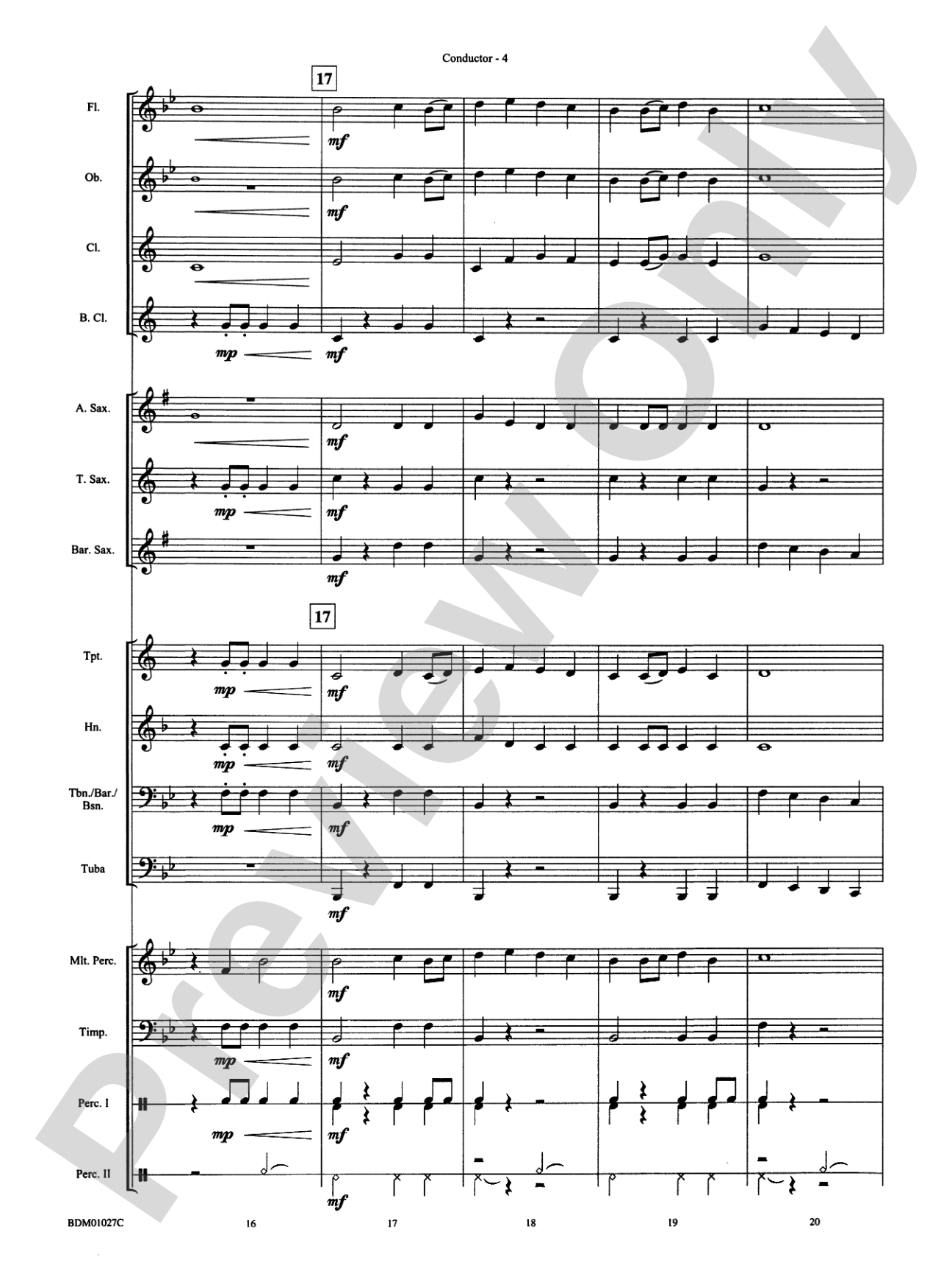
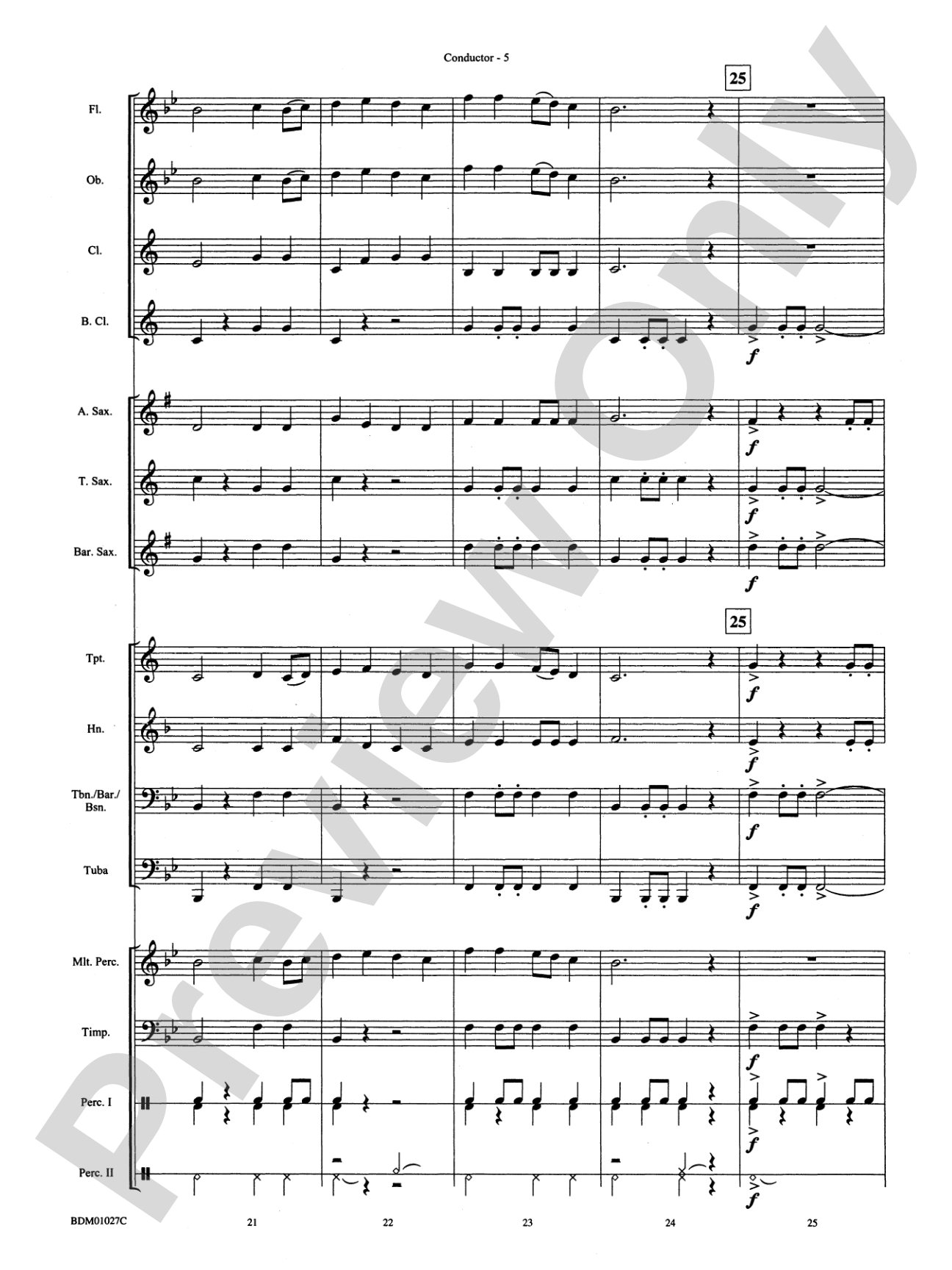
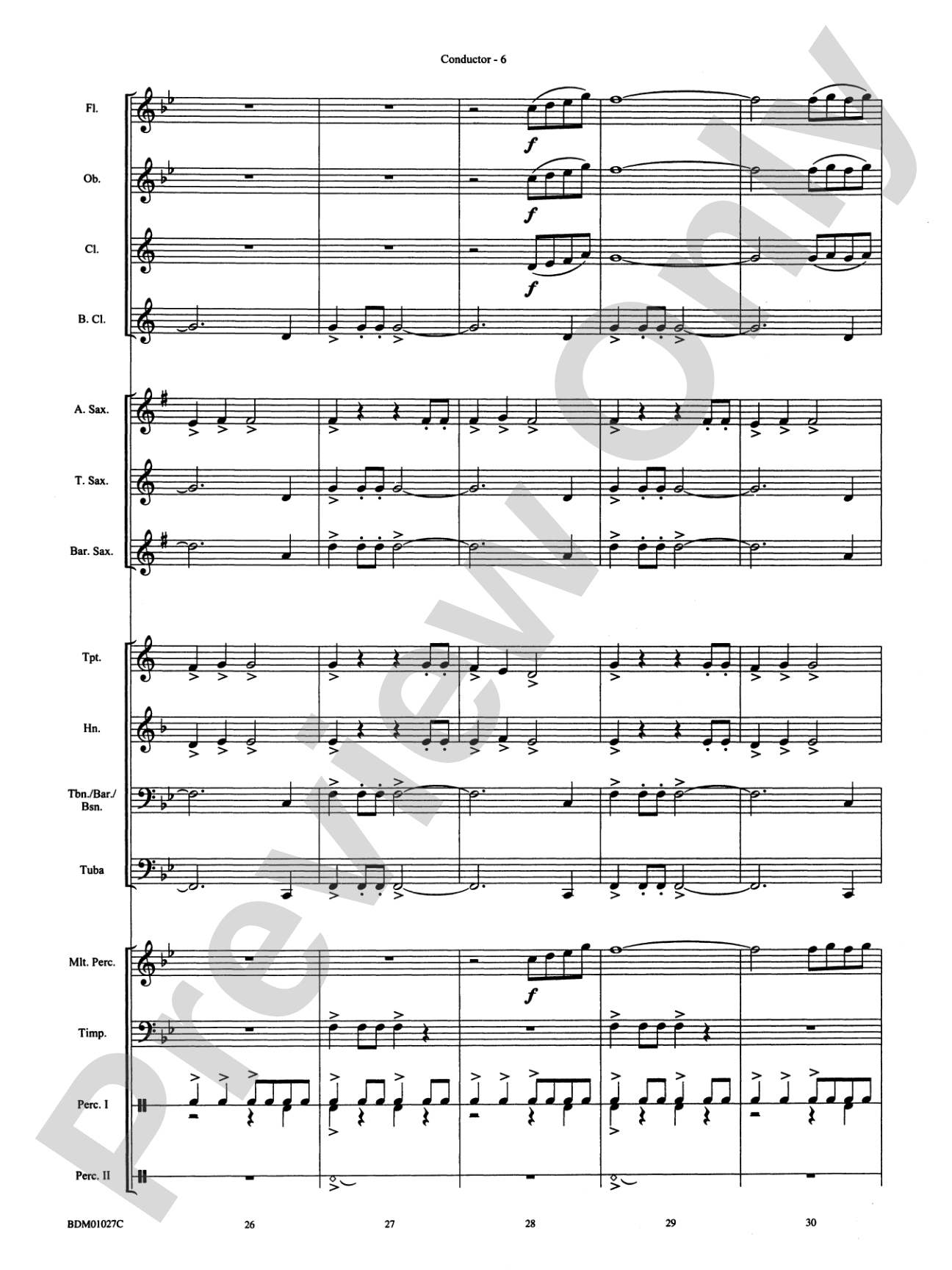
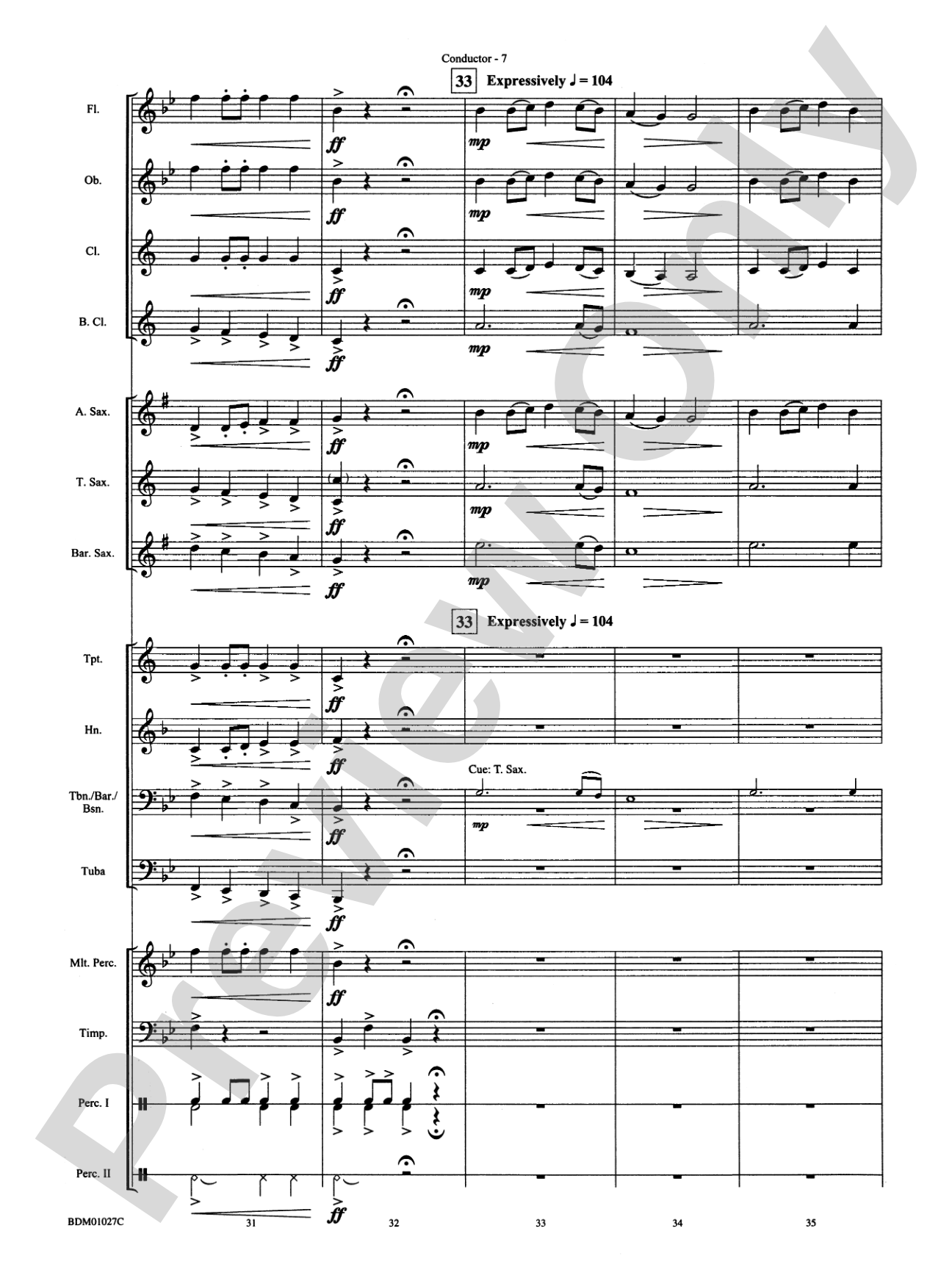
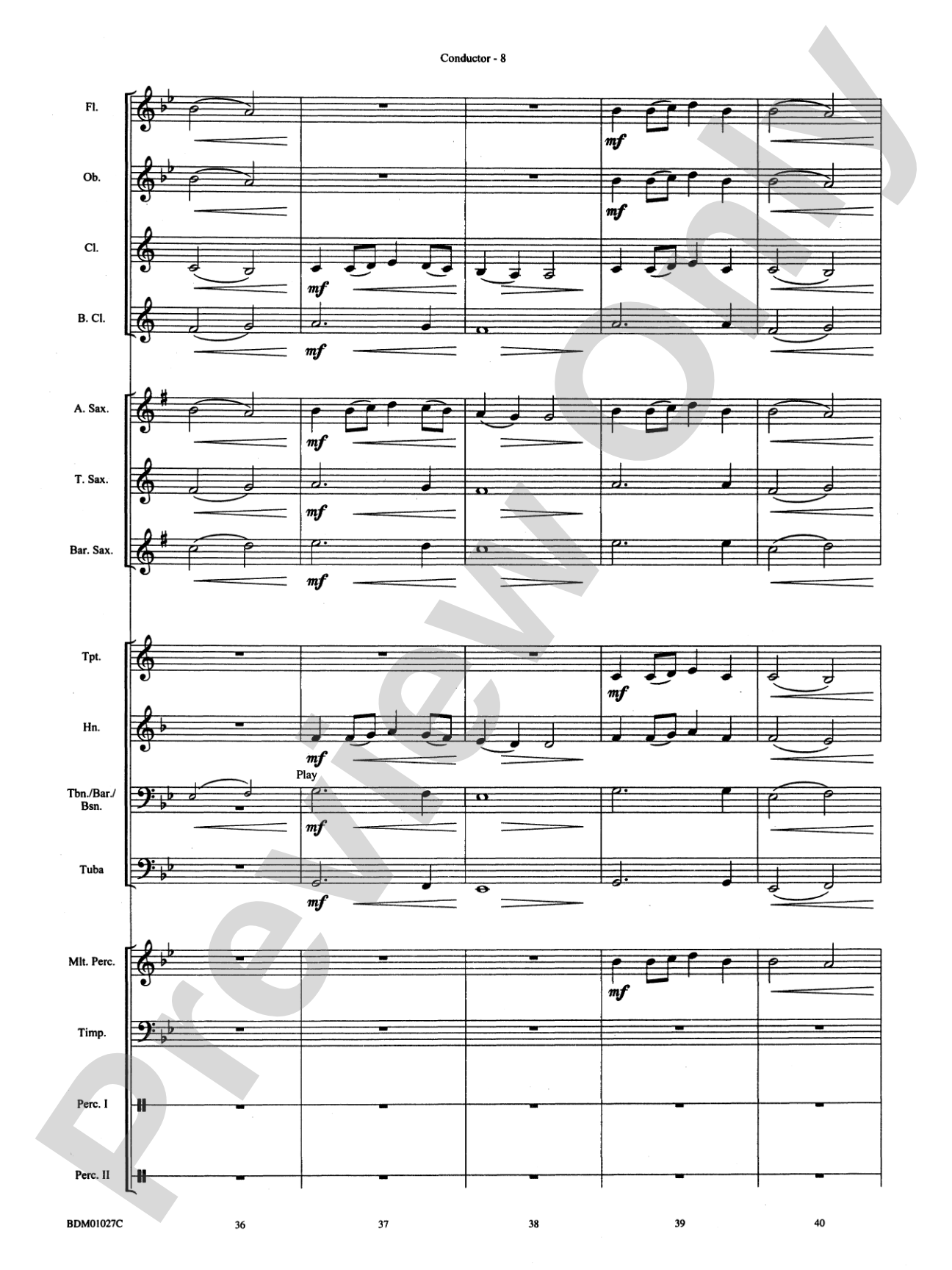
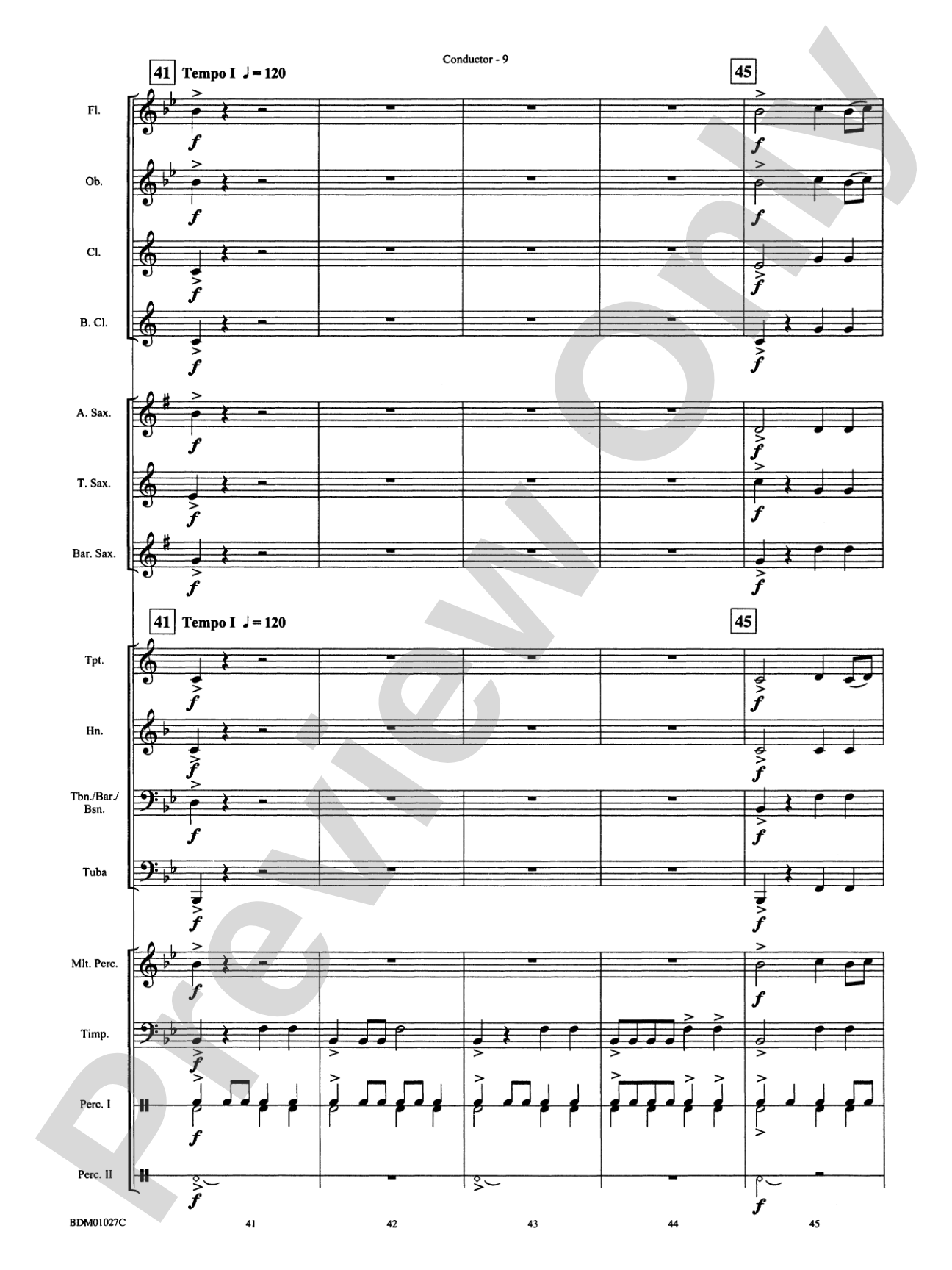
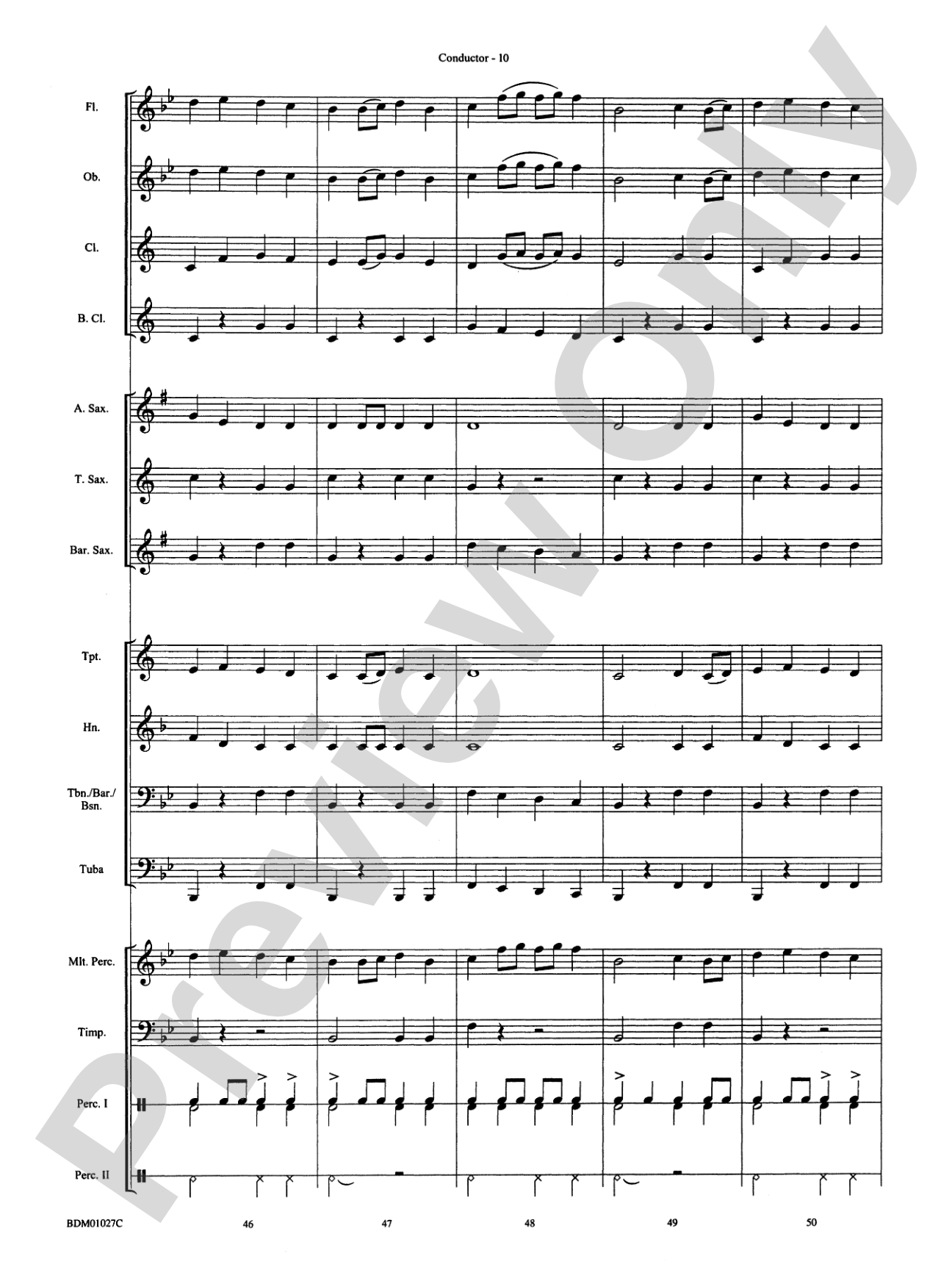
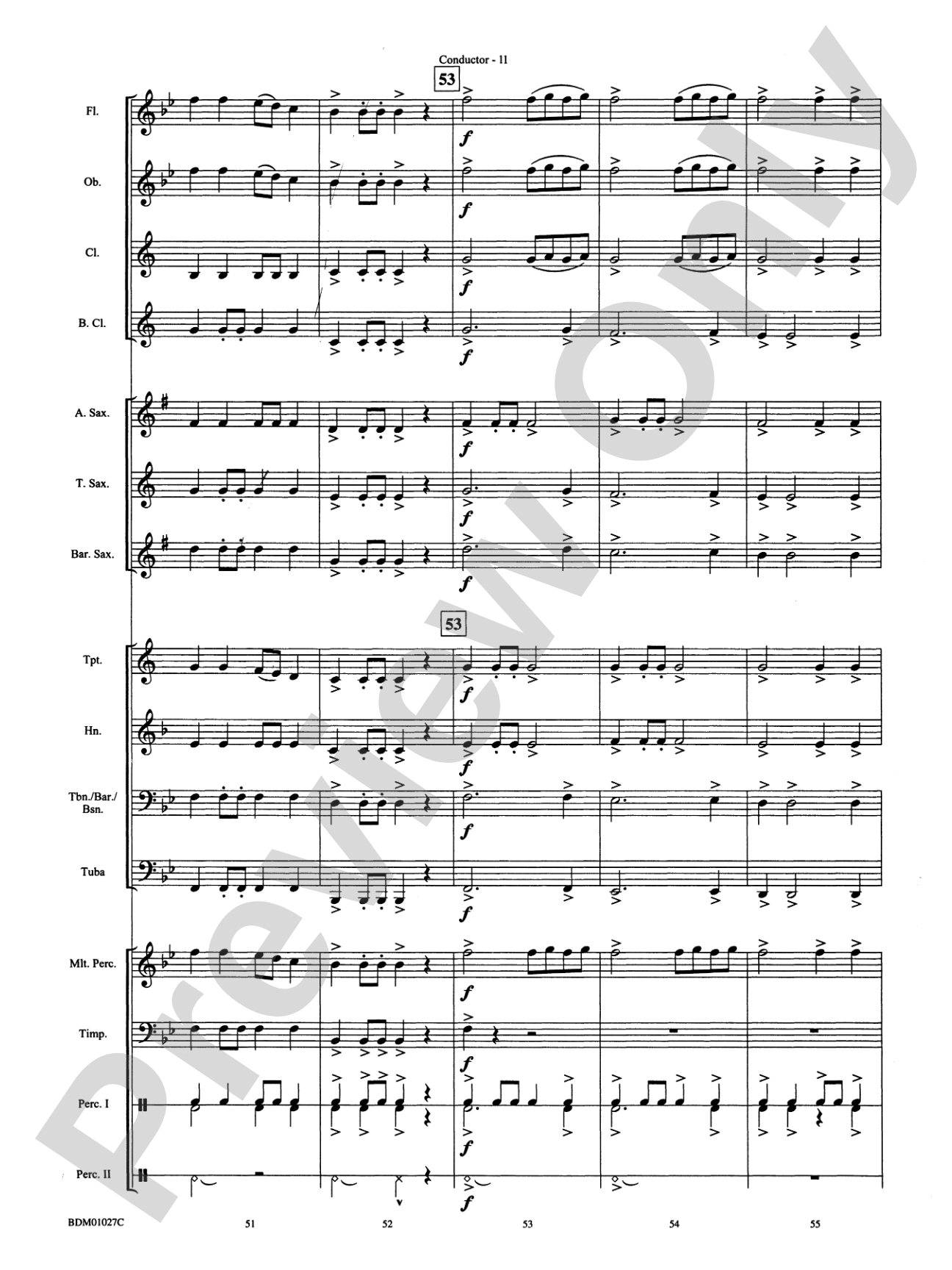
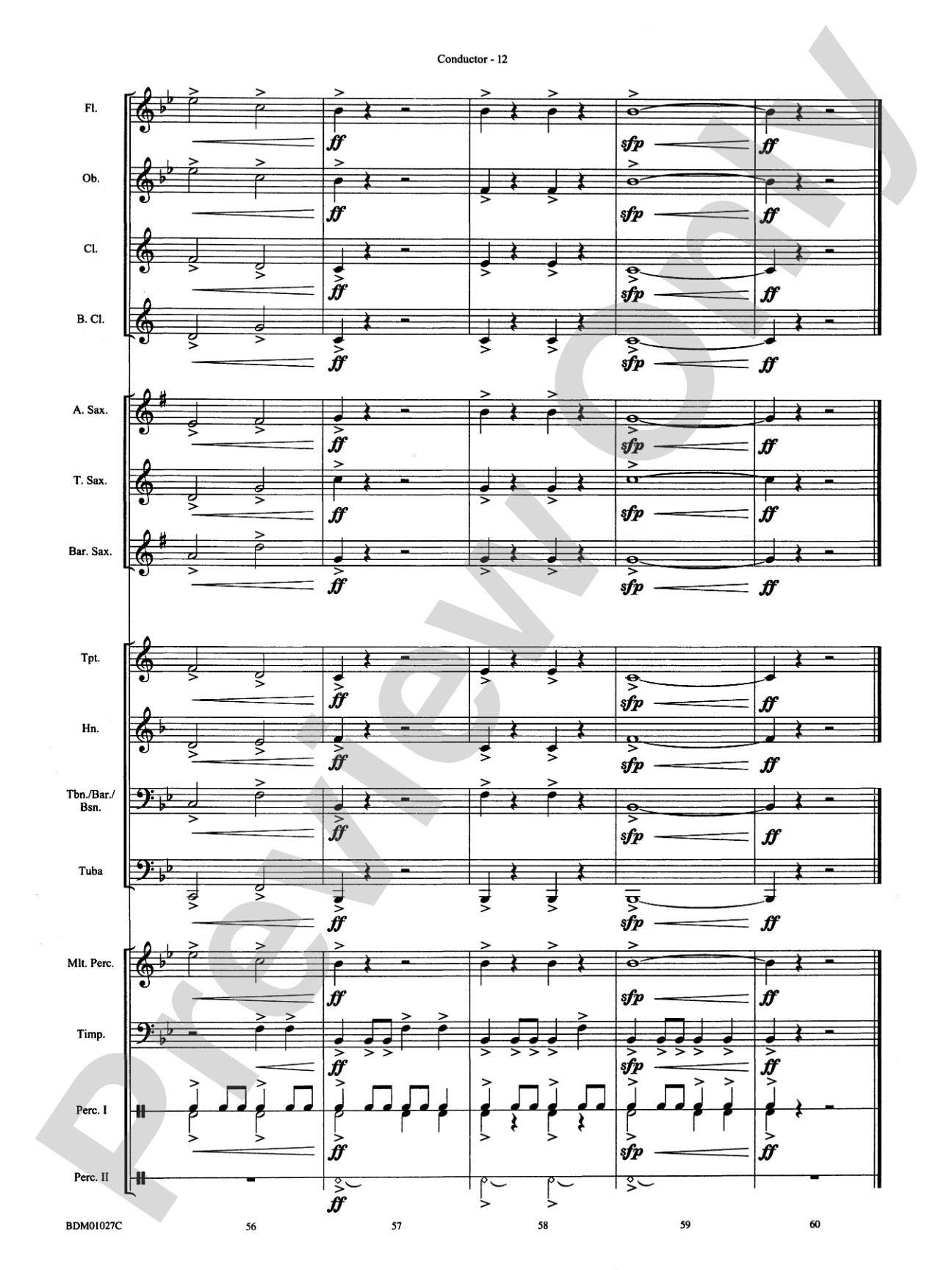



Entry of the Noblemen: Concert Band Conductor Score & Parts
By Ralph Ford
Grade: 0.5 (Very Easy)
Item: 00-PK-0002166

$50.00
Pickup currently not available
Buy Extra Parts (Digital PDF Download)
Parts Added to Cart!
Description
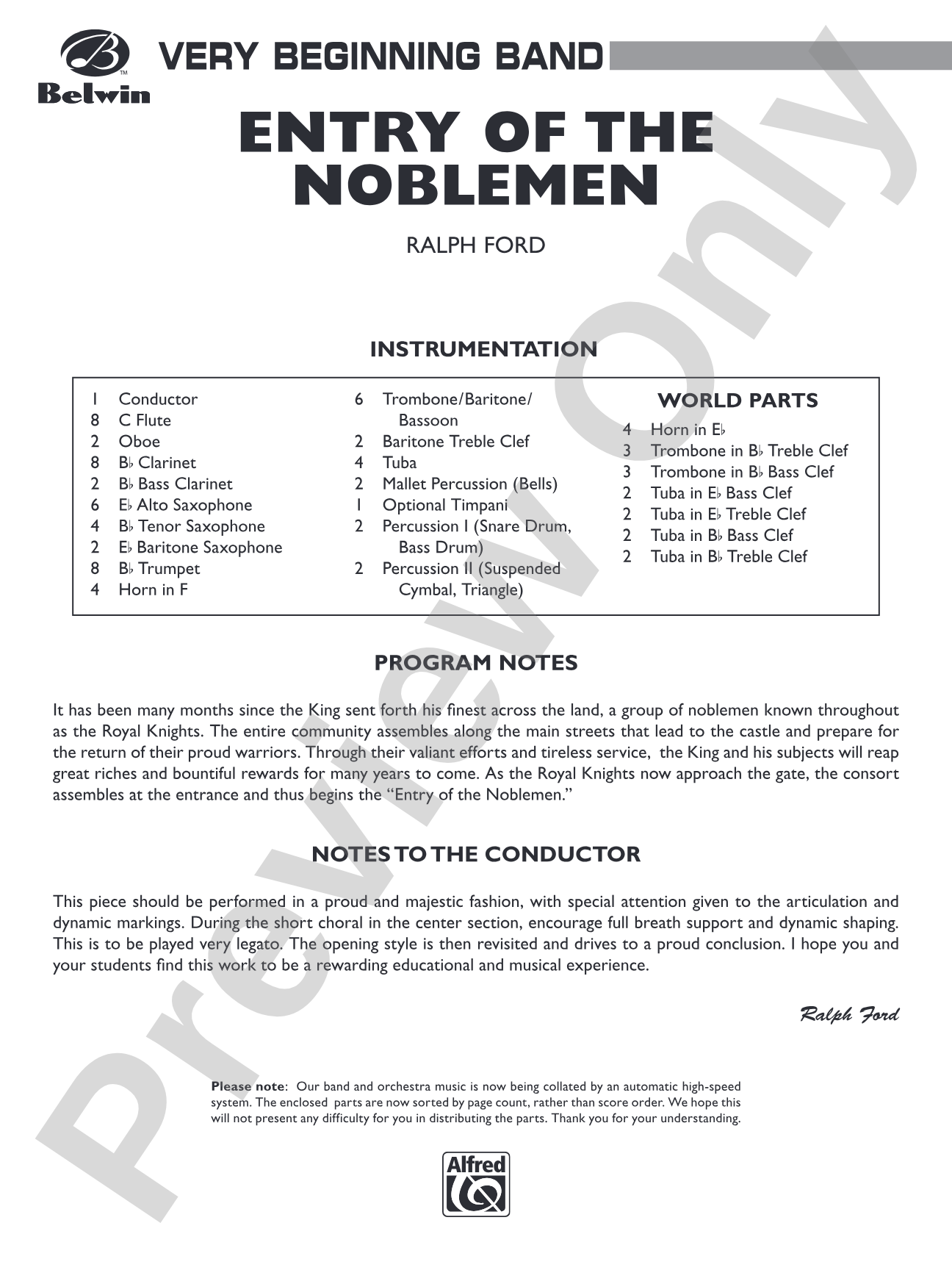
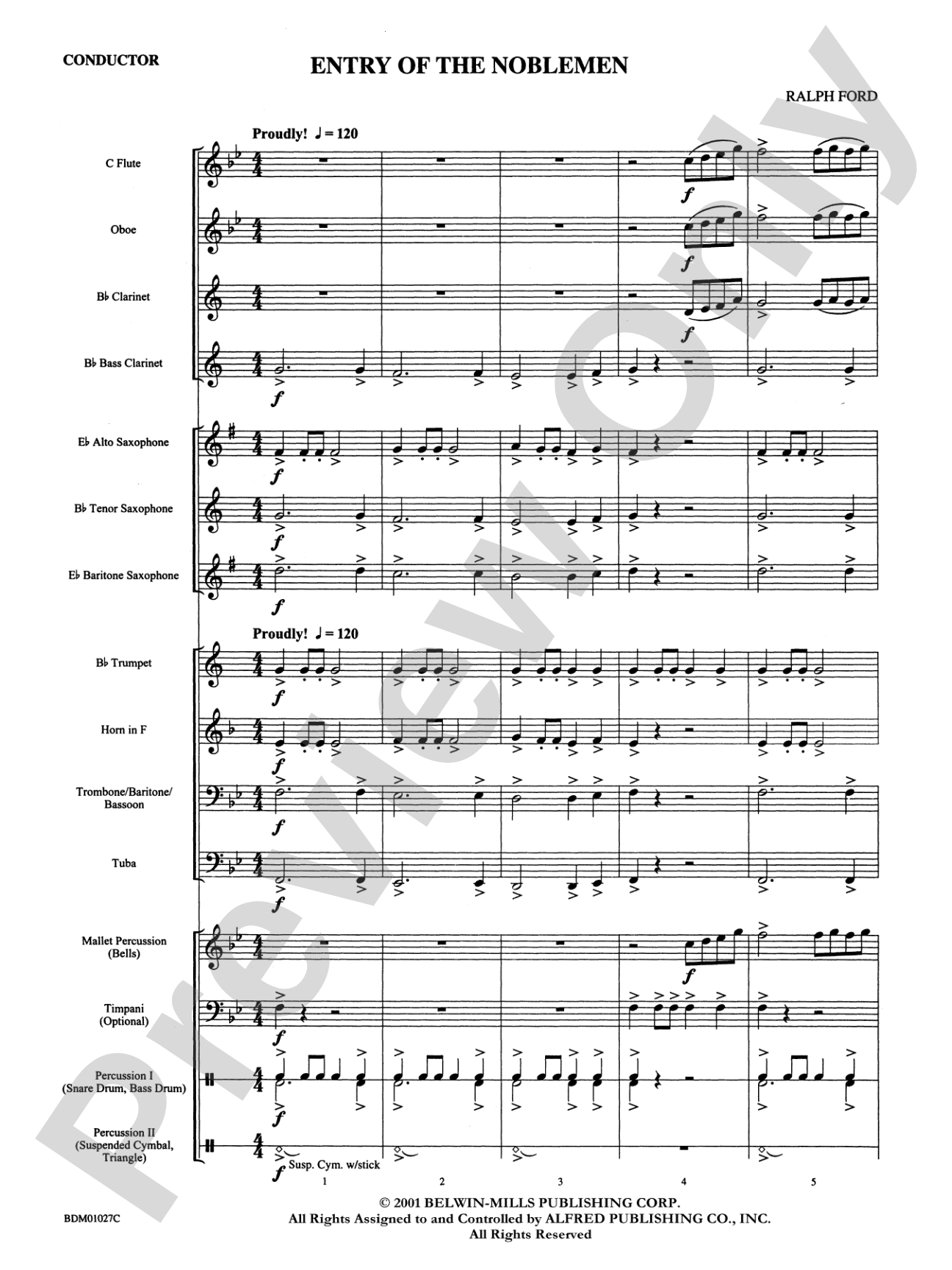
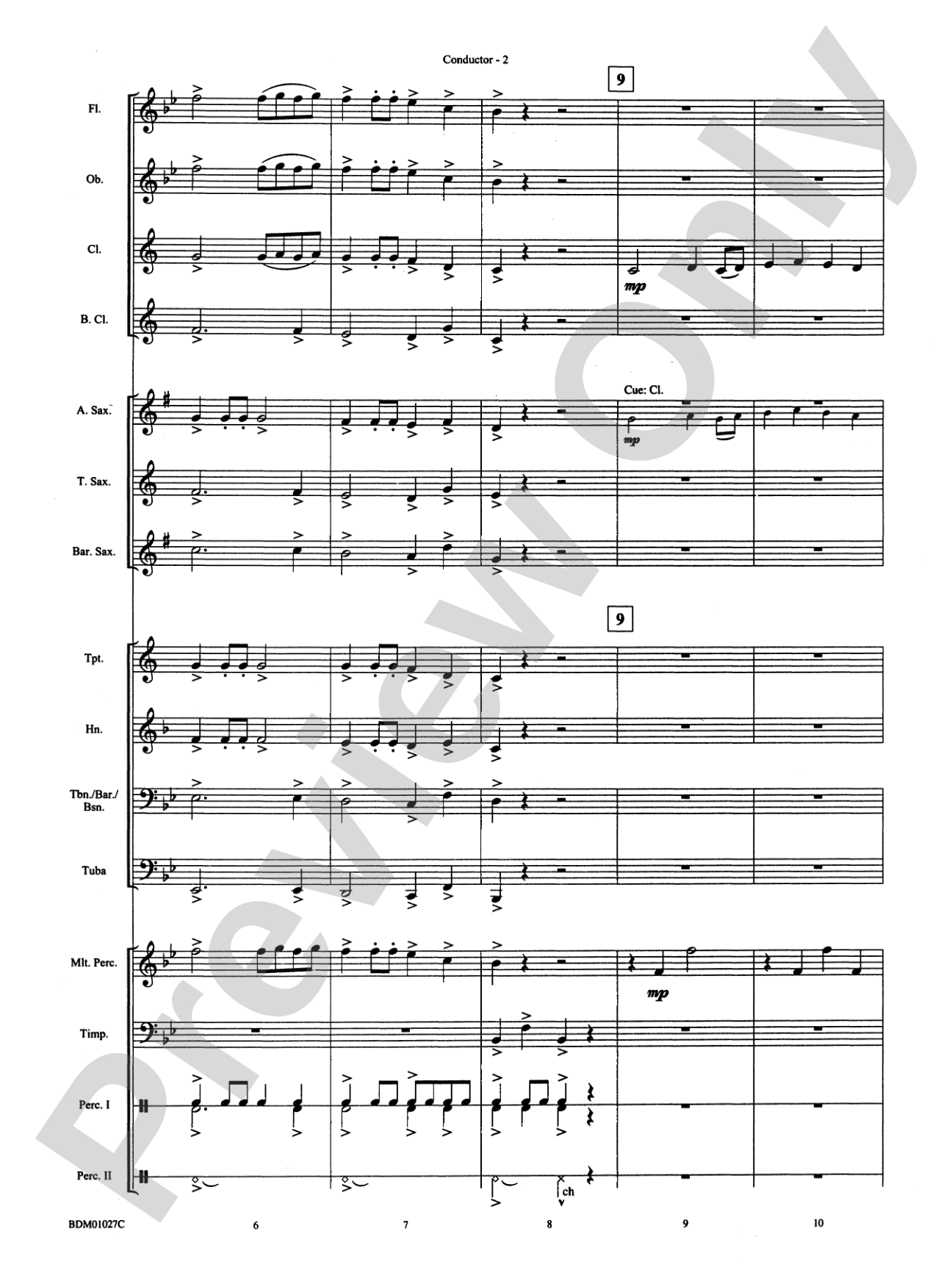
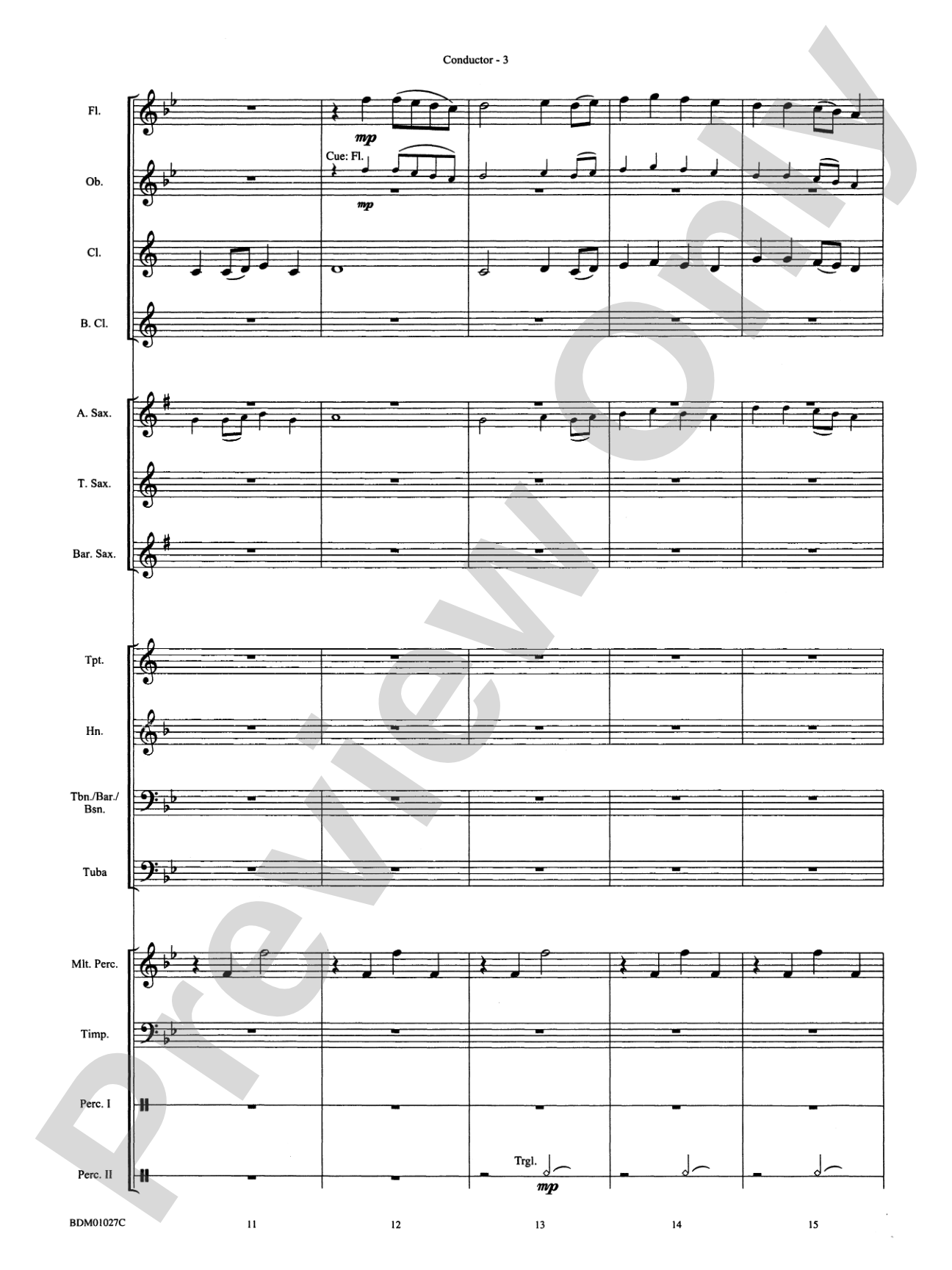
Proudly the valiant royal knights return to the kingdom. This original work begins and ends with a grand march encompassing an expressive chorale section. The contrasts permit varied teaching opportunities, including breath support, diverse dynamics, and opposing styles and articulations. An impressive choice for your first presentation.


Don't just read it, hear it, play along with it, and watch your students grow with it. In MakeMusic Cloud, Entry of the Noblemen: Concert Band Conductor Score & Parts comes alive with professional accompaniment, adjustable tempo, and built-in practice tools that turn solo practice into real progress.
Open in the Player
Jump straight in and assign it today.
Start Your Free Trial
Open this title and explore the full library in minutes.
Sample Audio
1
Audio File
--:--
0:00
0:00
Sample Video
No sample videos found.
Additional Details
Series:
Belwin Very Beginning Band
Publisher:
Alfred Music
Page Count:
126
SKU:
00-PK-0002166
More about this title
About the Composer: Ralph Ford

Ralph Ford has shaped music education and professional practice across multiple disciplines since the mid-1980s. After earning his Master of Science degree from Troy State University in 1988, where he also served as staff arranger and faculty member, he built a career encompassing university teaching, conducting, composing, arranging, and media work that spans broadcast, commercial, and educational sectors. His output as an exclusive composer and arranger for the Belwin division of Alfred Music exceeds 250 published titles across orchestra, concert band, jazz ensemble, and marching band.
Beyond the page, Ford has established himself as a clinician and commissioned composer whose works are performed by university, military, professional, community, and school ensembles worldwide. His professional experience extends to live radio broadcasts, television production, voice-over work, recording sessions, and the creation of news music packages for national network affiliates. This combination of deep pedagogical experience and real-world media expertise informs his approach to accessible, musically substantive compositions for developing ensembles.
Why we love this
Ford captures the pageantry and formality of a royal processional while building in genuine teaching moments that don't feel forced. The structural contrast between the grand march and the expressive chorale gives young conductors real interpretive choices and their students genuine stylistic variety to explore, making this an ideal early-season confidence builder for conductors stepping into the podium for the first time.
What to expect
A ceremonial procession that pauses for reflection before resuming its stately march. The opening fanfare announces arrival; the middle section invites listening inward; the return offers triumph tempered by grace.
Who it's for
Beginning band directors preparing their first concert and young musicians still mastering fundamental technique and intonation. The grade 0.5 level ensures all sections can participate with success while encountering real musical problems worth solving.
How to get the most out of it
- Shape the march sections with clear articulation and crisp attacks; mark the score where breath support should feel firm and supported to sustain the nobility of the opening and closing.
- Find the lyrical singing quality in the chorale section by encouraging players to approach sustained notes with a warm, connected tone rather than a detached march style.
- Balance the dynamic contrasts deliberately. The shift from grand to expressive will register most powerfully if the march material is not played at maximum volume, leaving dynamic room for the transition.
How to use it
Program this as your opening number at a fall concert or festival appearance. Its brevity, accessibility, and immediate musical payoff make it an excellent choice to establish ensemble confidence before moving into longer or more technically demanding work. Directors often find it serves as a perfect early-season finishing piece while still building the foundational skills students will need throughout the year.
Skills your students will build
- Sustained breath support in both march and chorale contexts
- Dynamic control across a wide range (grand to expressive)
- Articulation variety (crisp attacks versus singing legato)
- Responding to conductor's interpretation and interpretation choices
- Ensemble balance and blend across contrasting musical styles