
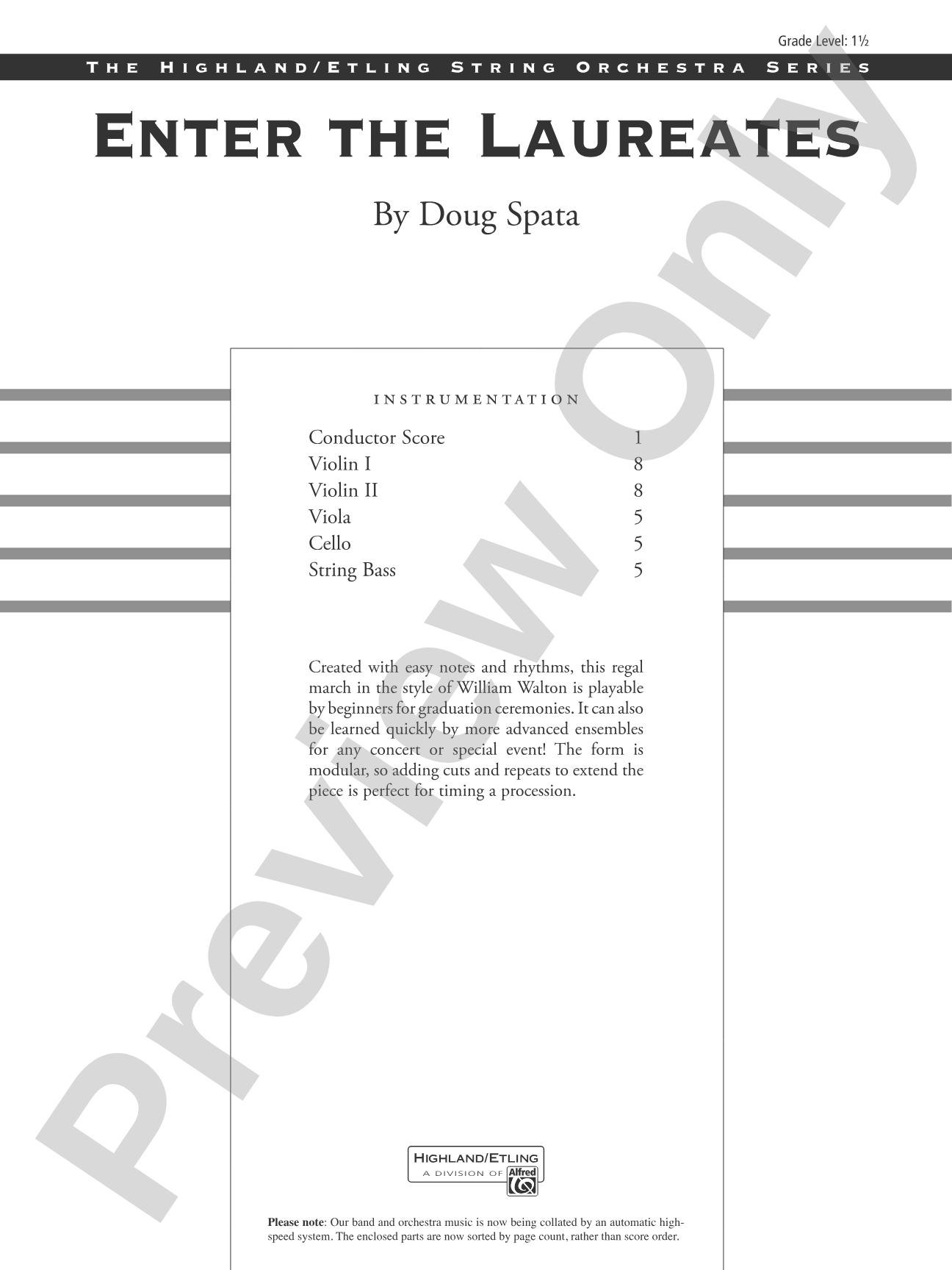
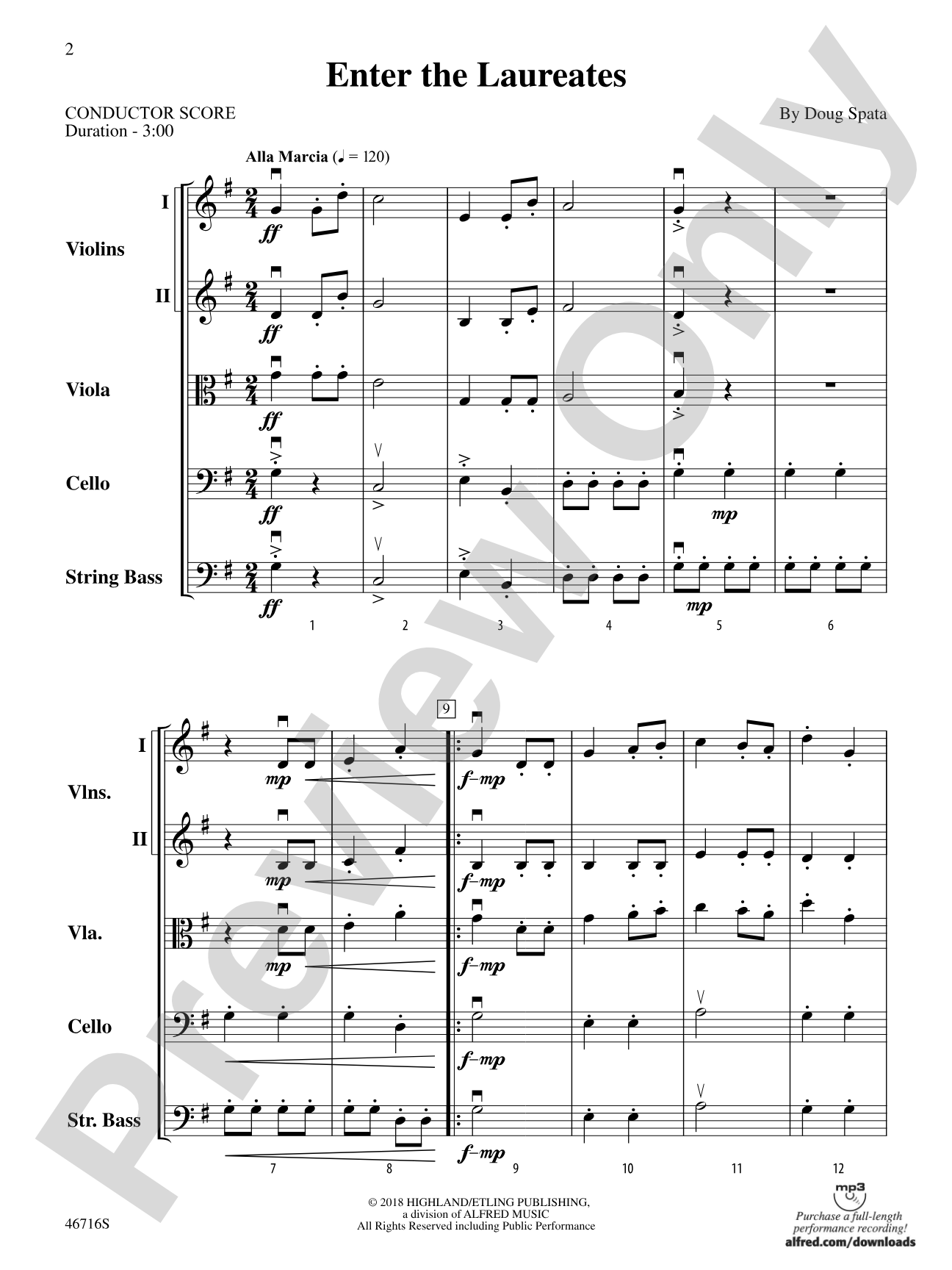
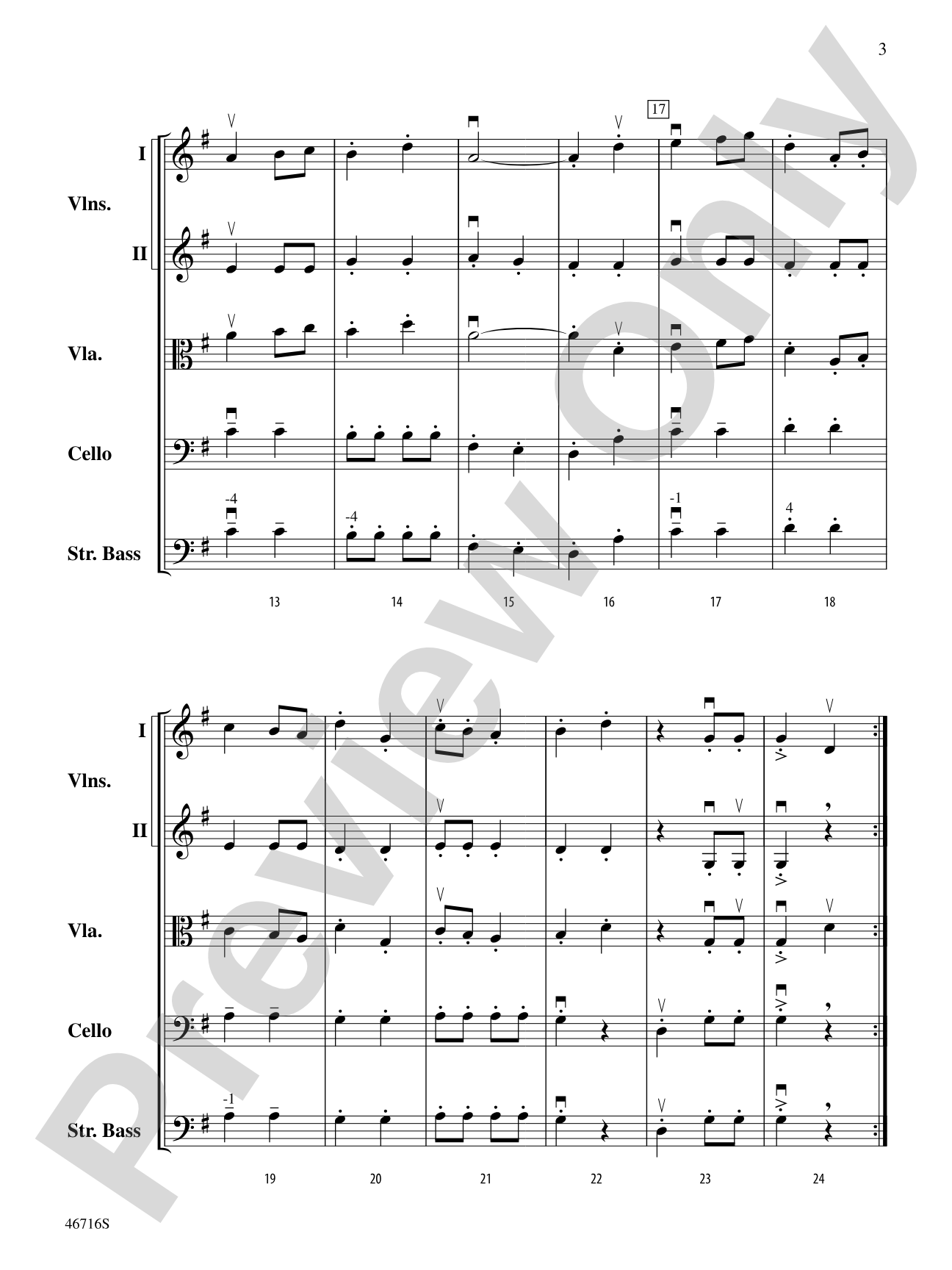
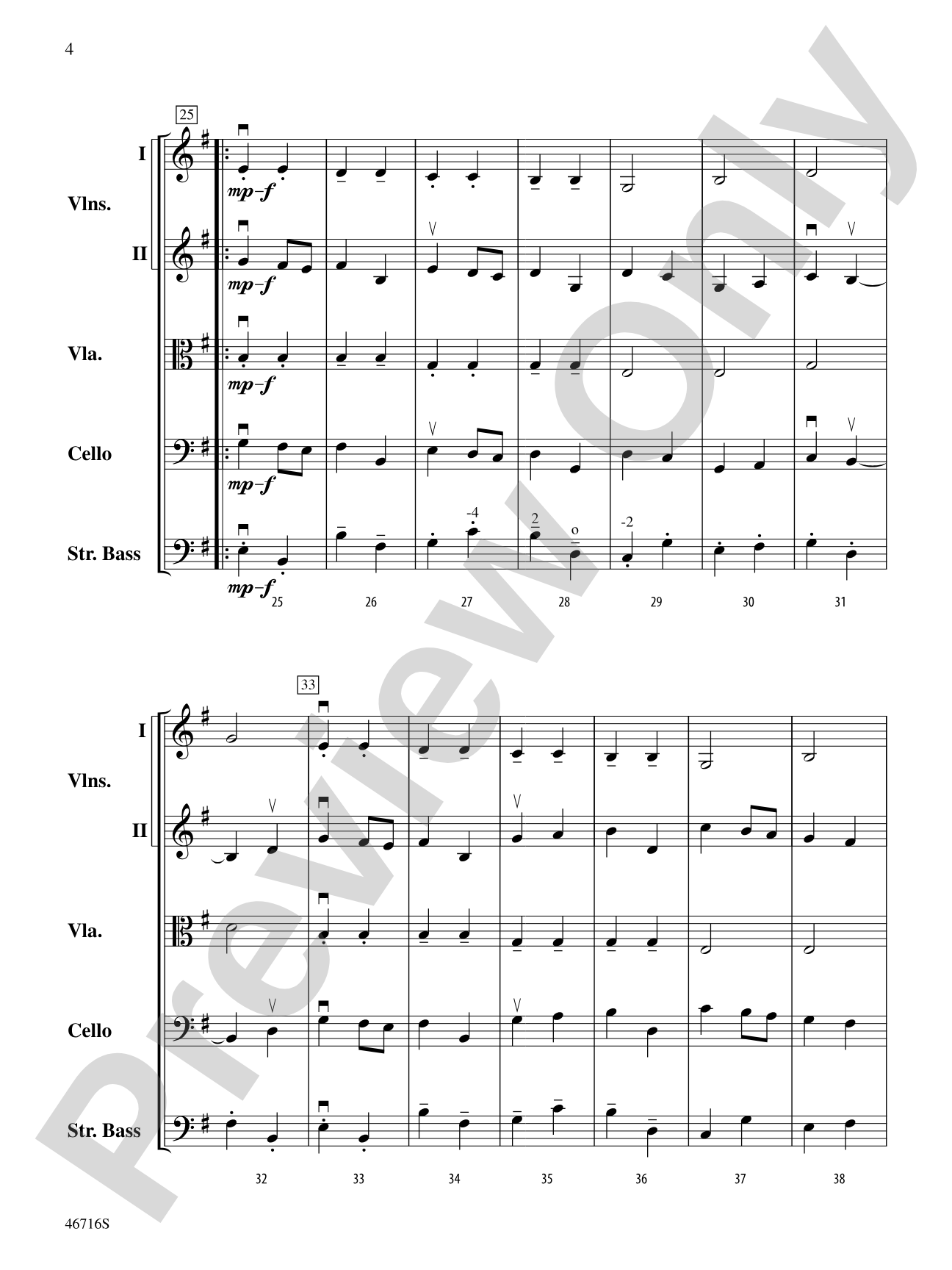

Enter the Laureates: String Orchestra Conductor Score & Parts
By Doug Spata
Grade: 1.5
Item: 00-PK-0007558

$49.00
Pickup currently not available
Buy Extra Parts (Digital PDF Download)
| Product | Price | Quantity |
|---|---|---|
| Enter the Laureates: Score | $9.00 | |
| Enter the Laureates: 1st Violin | $5.99 | |
| Enter the Laureates: 2nd Violin | $5.99 | |
| Enter the Laureates: Viola | $5.99 | |
| Enter the Laureates: Cello | $5.99 | |
| Enter the Laureates: String Bass | $5.99 |
Parts Added to Cart!
Description
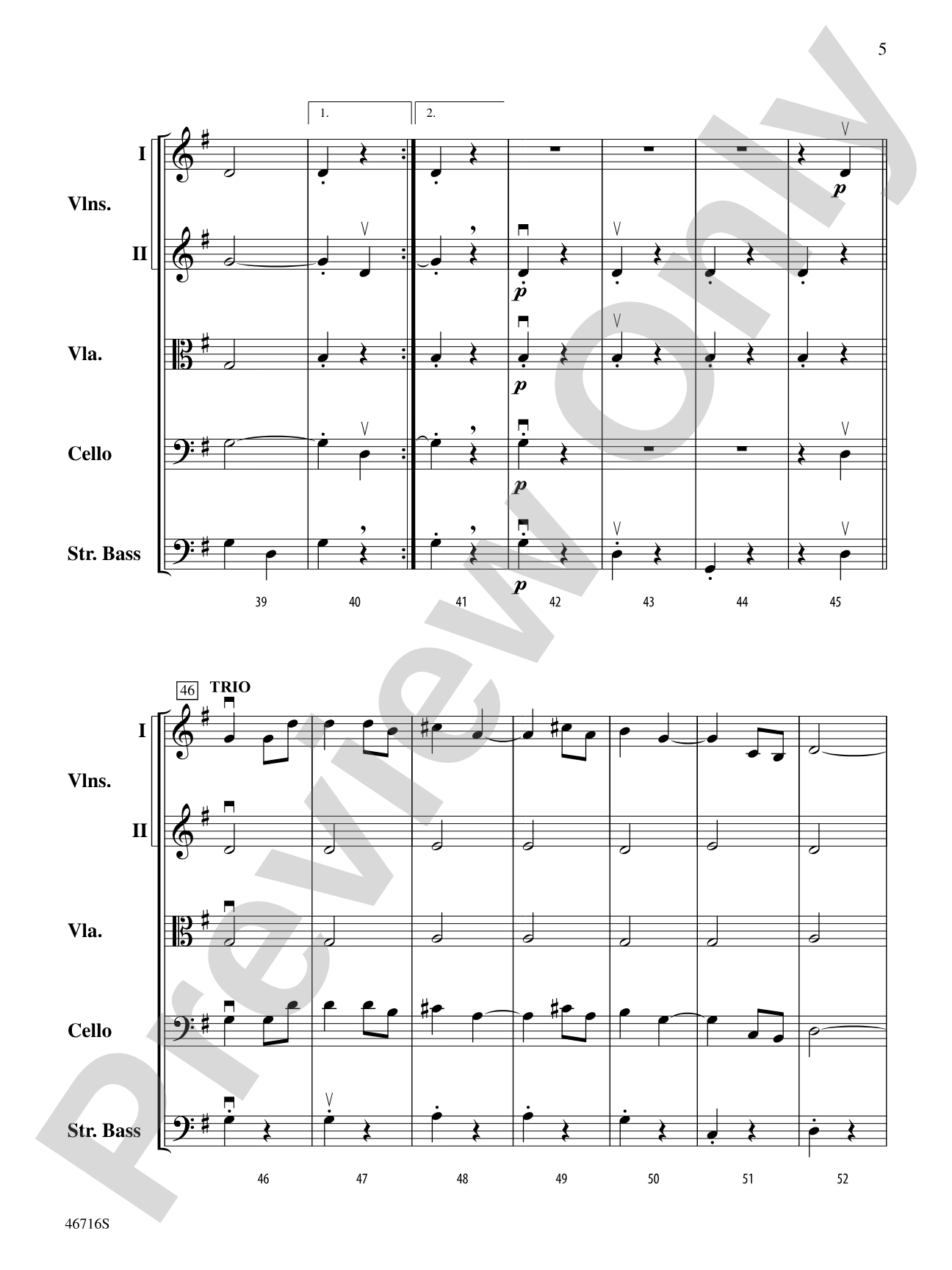
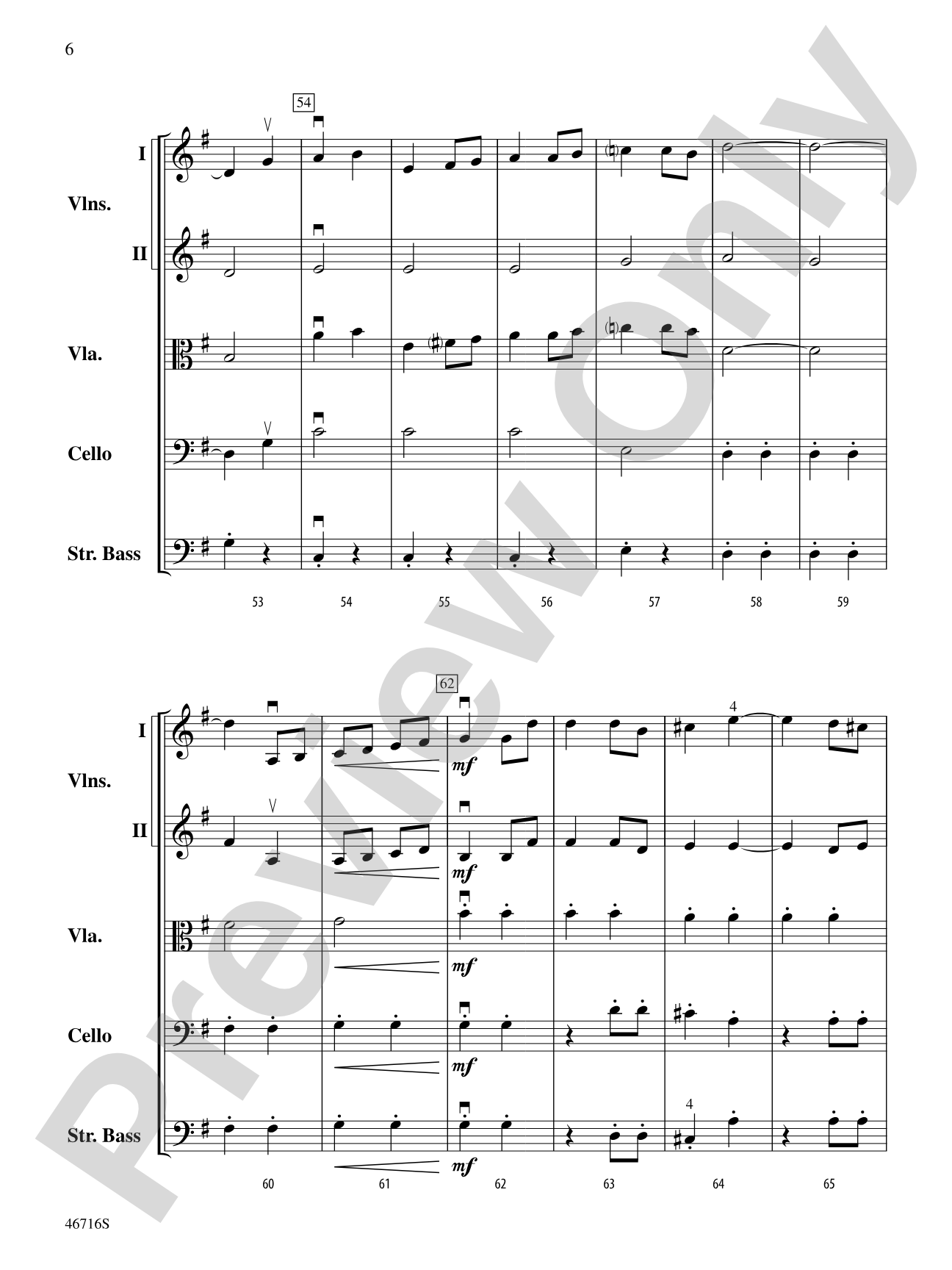
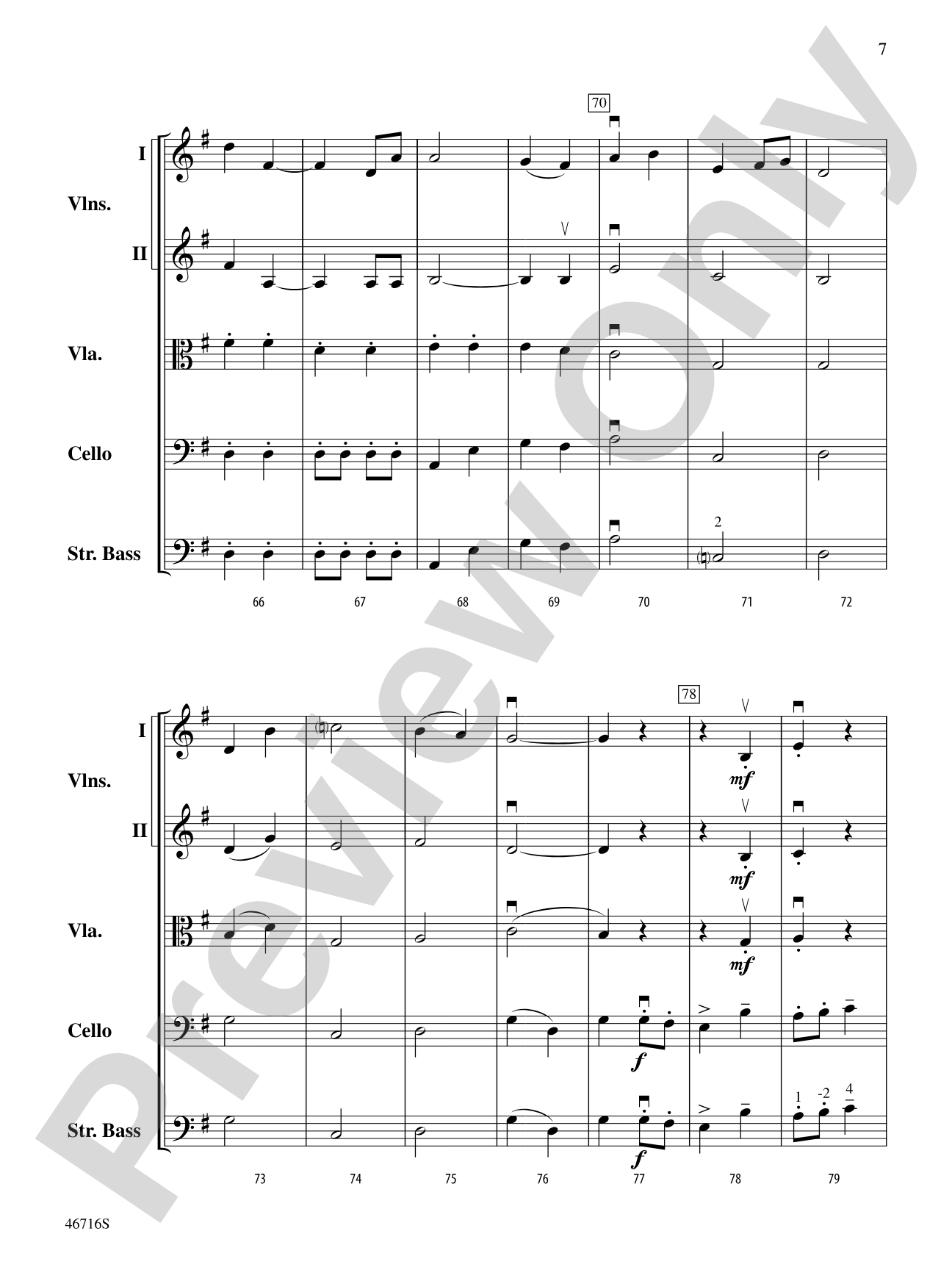
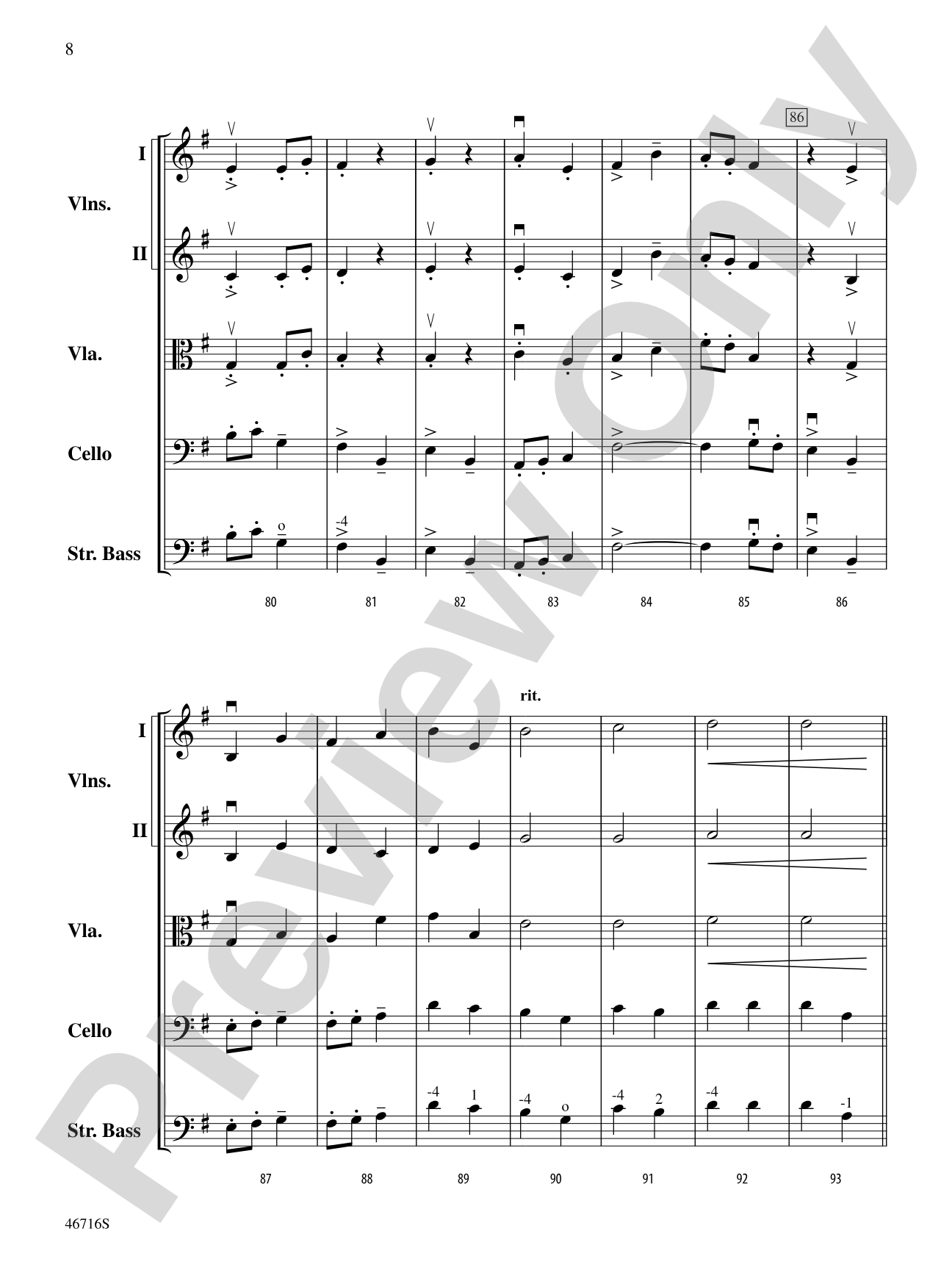
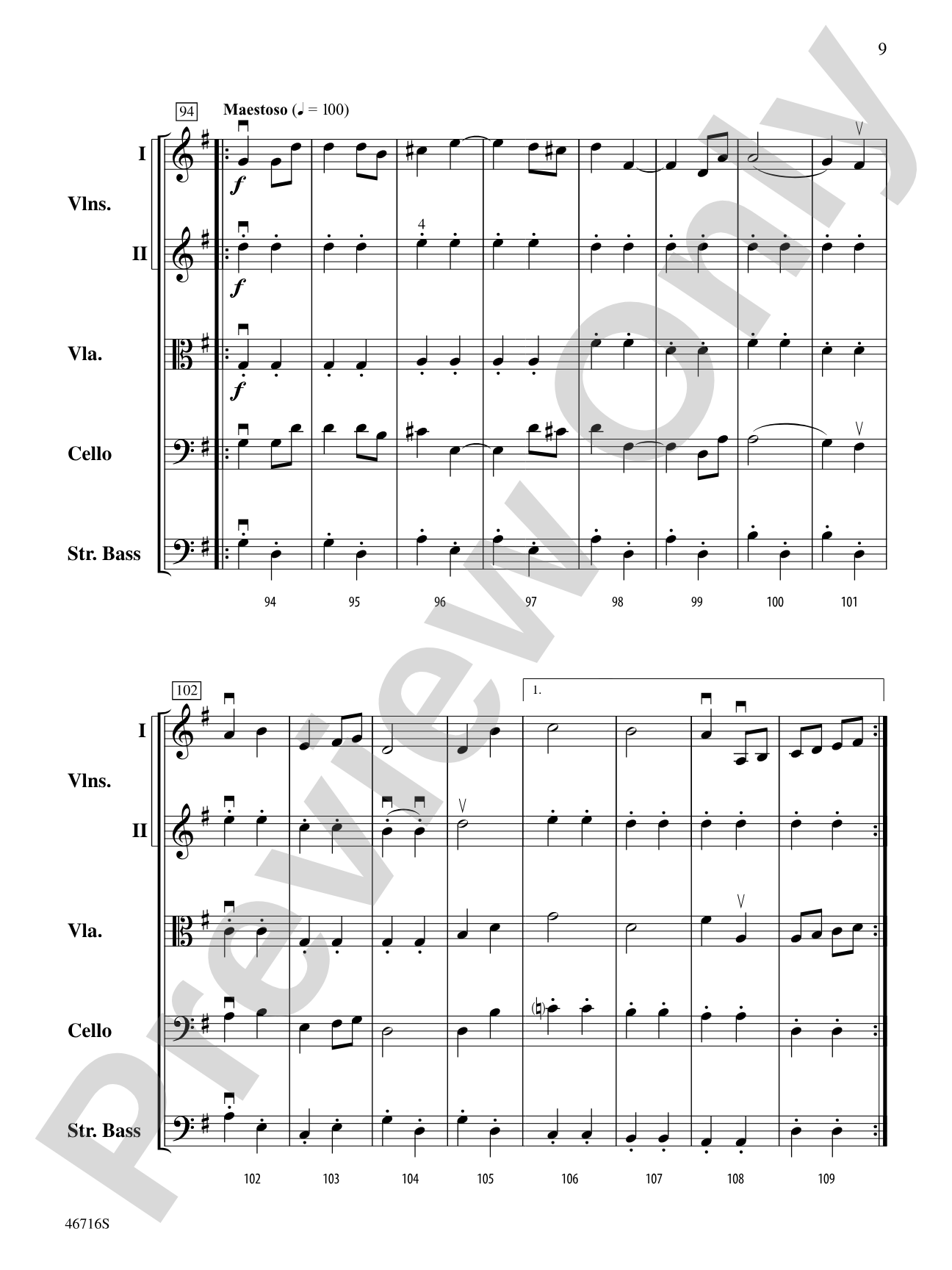
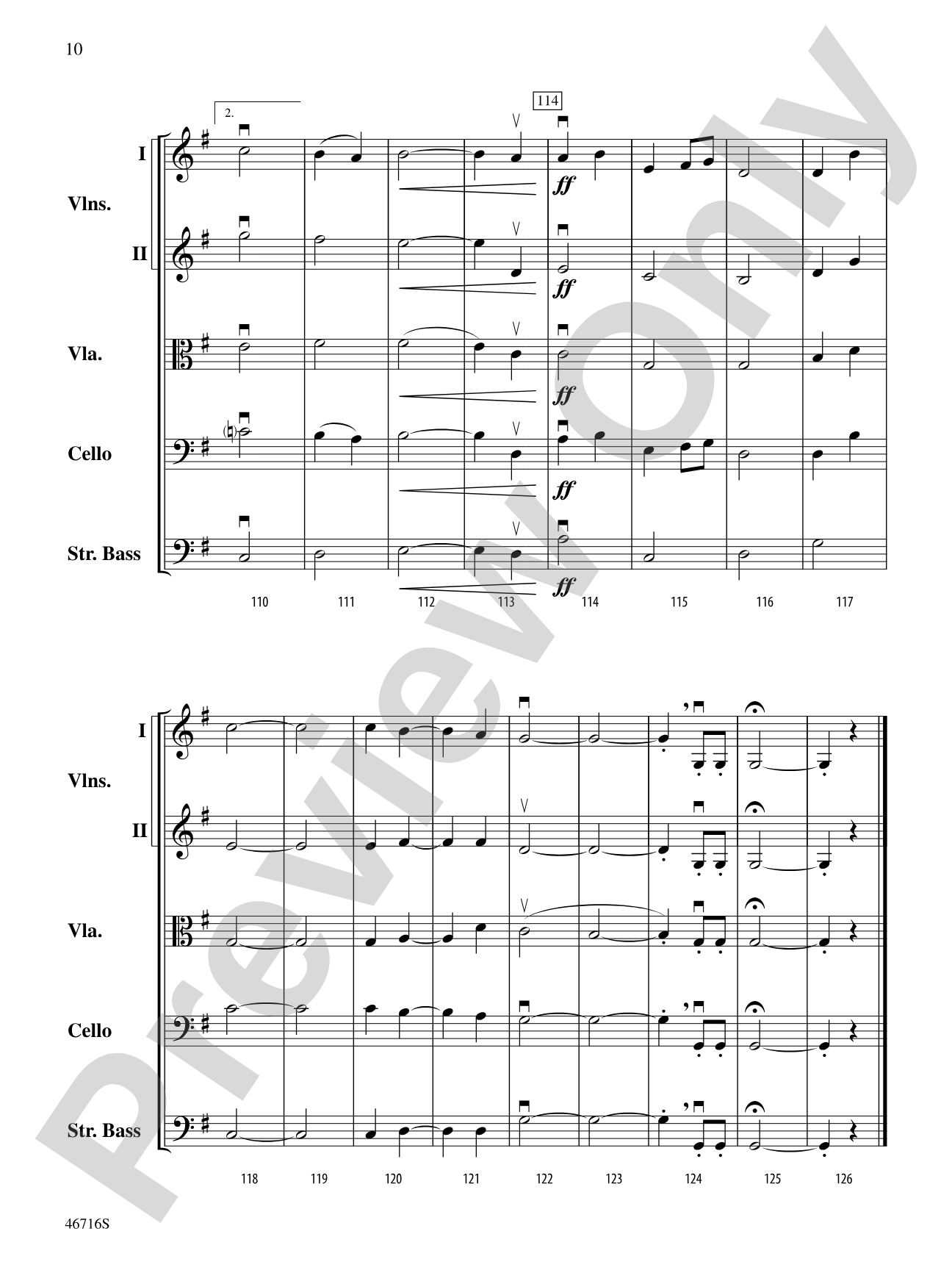
Created with easy notes and rhythms, this regal march in the style of William Walton is playable by beginners for graduation ceremonies. It can also be learned quickly by more advanced ensembles for any concert or special event. The form is modular, so adding cuts and repeats to extend the piece is perfect for timing a procession. "Enter the Laureates" by Doug Spata is the perfect way to showcase your orchestra at community events!


Don't just read it, hear it, play along with it, and watch your students grow with it. In MakeMusic Cloud, Enter the Laureates: String Orchestra Conductor Score & Parts comes alive with professional accompaniment, adjustable tempo, and built-in practice tools that turn solo practice into real progress.
Open in the Player
Jump straight in and assign it today.
Start Your Free Trial
Open this title and explore the full library in minutes.
Sample Audio
1
Audio File
--:--
0:00
0:00
Sample Video
Additional Details
Series:
Highland/Etling String Orchestra
Publisher:
Alfred Music
Page Count:
124
SKU:
00-PK-0007558
More about this title
About the Composer: Doug Spata

Doug Spata trained as a clarinetist but found his primary voice through composing for strings. His years in the orchestra classroom shaped a compositional approach that balances musical sophistication with genuine accessibility for student musicians. His works have earned recognition at national and international levels and appear regularly on concert programs across North America and beyond.
Beyond student repertoire, Spata has written operas, ballet scores, symphonies, and chamber works spanning all ensemble sizes. His ability to craft music that engages both emerging musicians and seasoned audiences explains why his catalog remains a staple in orchestra programs everywhere.
Why we love this
This march captures the ceremonial weight of Walton's style without requiring advanced technical skills, making it genuinely playable for a 1.5-level ensemble while sounding polished and dignified. The modular structure gives you real control over pacing; you can shape the piece to fit your procession timing rather than forcing the event into a predetermined length. Spata writes with clear orchestral voice leading that lets beginning string players hear themselves as part of something grander than their individual skill level.
What to expect
Stately and processional, with the pomp of a royal march but none of the complexity. The regal character unfolds naturally from straightforward melodies and clean rhythmic writing, creating an atmosphere of occasion without bombast.
Who it's for
String orchestras at the beginner level looking for music that serves a ceremonial purpose without requiring extensive rehearsal time. Advanced ensembles can also program this for quick concert preparation, making it ideal for spring schedules when time is tight. Directors seeking repertoire specifically suited to graduation, processional, or formal event settings.
How to get the most out of it
- Map out your cuts and repeats well before the first rehearsal so students understand the architecture of the piece from the start.
- Bring the march character forward in rehearsals by having students imagine the physical procession as they play; this focus on forward motion helps tighten rhythm and ensemble precision.
- Balance the parts carefully during passages where multiple voices carry the melody; beginners often need reminders about which line leads and which accompanies.
- Use the modular form to your advantage in final rehearsals by running different cut combinations so the ensemble stays flexible if timing adjustments are needed on performance day.
How to use it
This is an obvious choice for graduation ceremonies where your orchestra provides the procession music, but consider it also as a concert opener that sets a formal, dignified tone for the evening. For schools with spring fundraisers, community days, or awards banquets, the piece can mark a significant moment in the program while keeping rehearsal demands reasonable during an already packed season.
Skills your students will build
- Reading and performing in march form and tempo
- Balancing melody and accompaniment voices within an orchestral texture
- Responding to conductor's cues for cuts and extended repeats
- Executing clean rhythmic coordination as a full ensemble
- Understanding regal orchestration and ceremonial character in music