
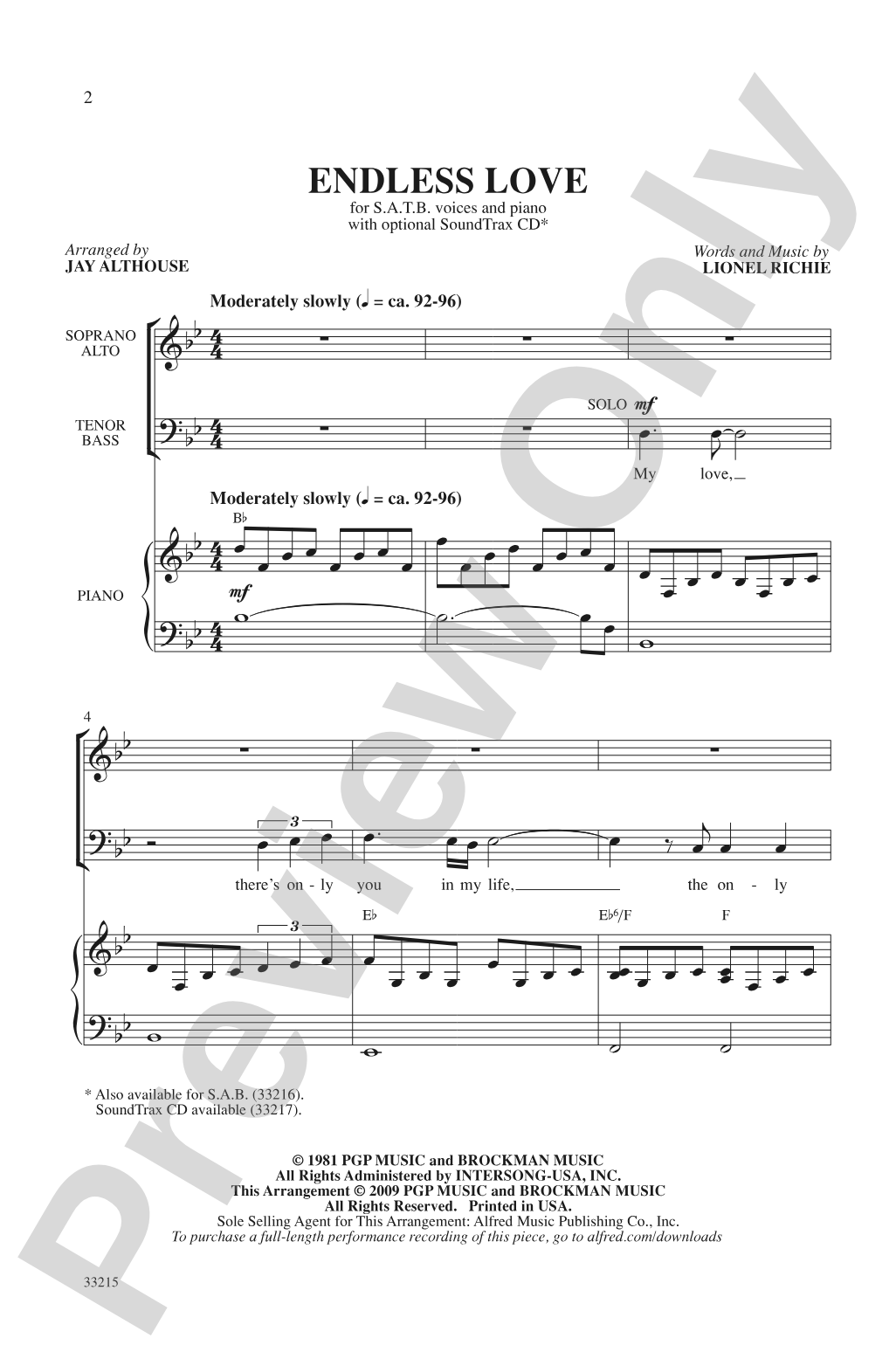
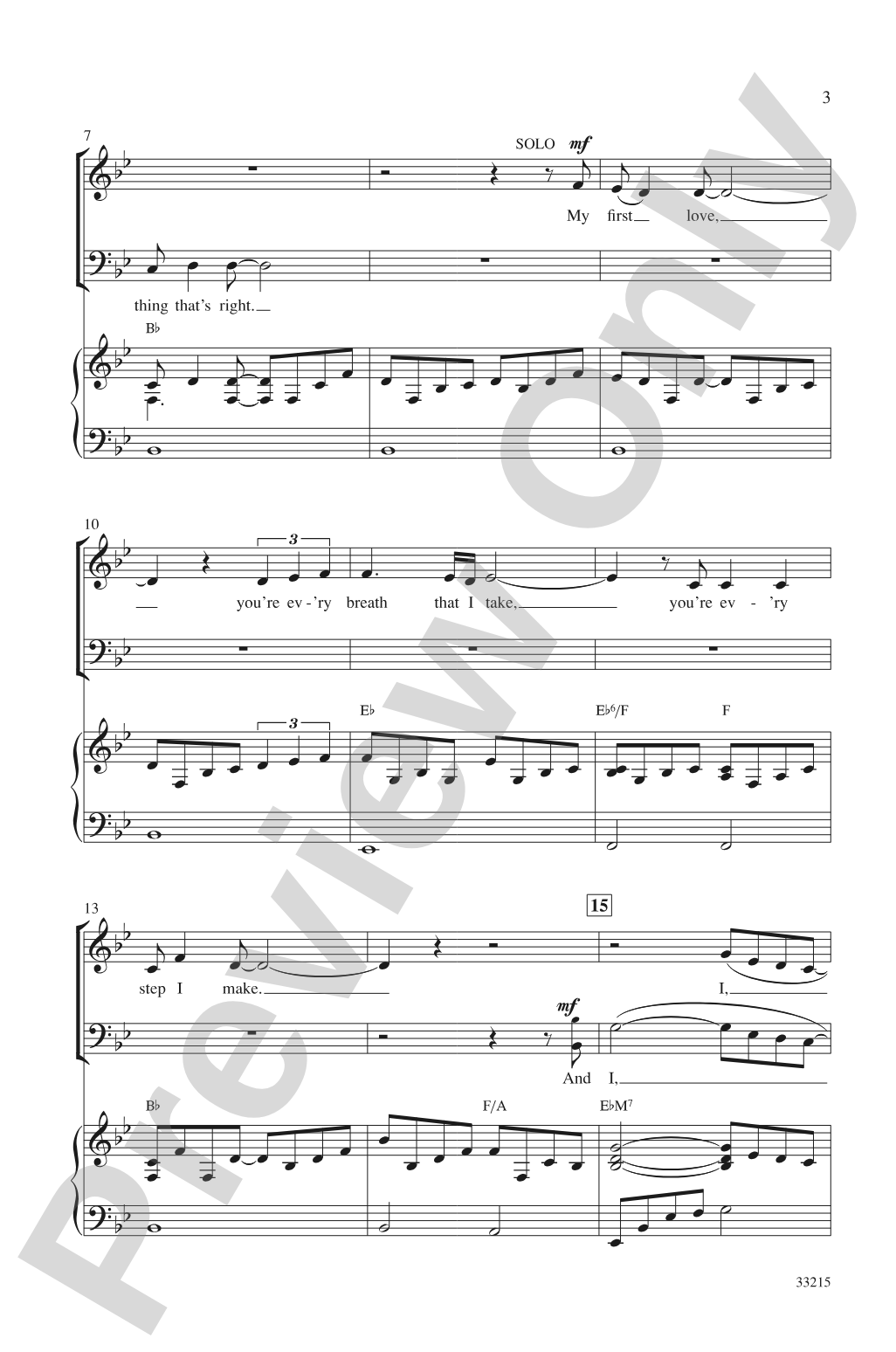
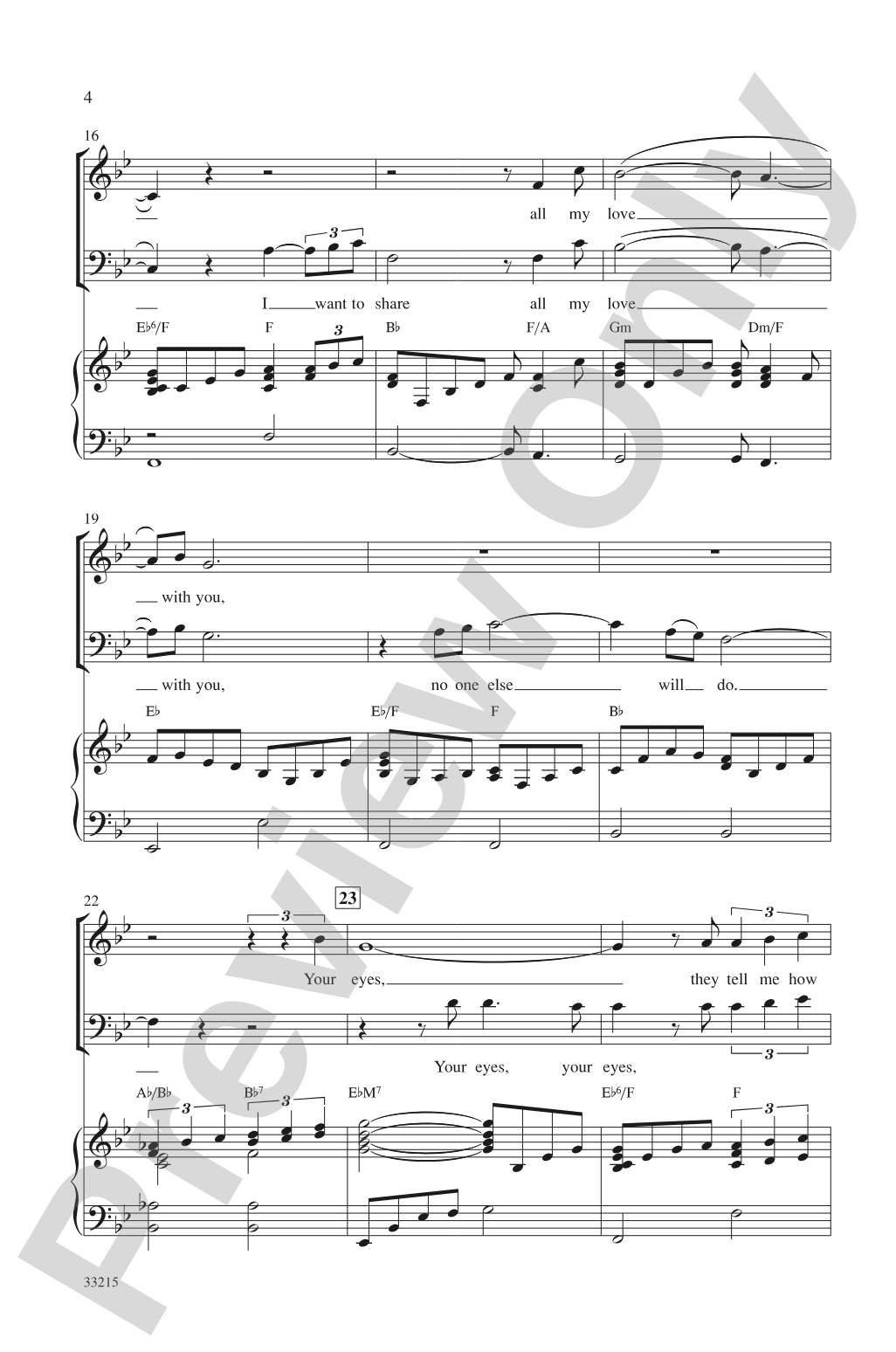

Endless Love: SATB Choral Octavo
Words and music by Lionel Richie / arr. Jay Althouse
Item: 00-PO-0007774
$1.85
Minimum order quantity: 20 copies
Pickup currently not available
Description
Sung by Will and Rachel in the fantastic "Ballad" episode of Glee, this song was originally recorded in 1981 as a duet between Diana Ross and singer/composer Lionel Richie. Jay's arrangement features a great duet up front for two of your stars!


Endless Love: SATB Choral Octavo isn't in MakeMusic Cloud just yet...but it could be. Let us know you'd like to see it, and you'll help shape what comes next. In the meantime, start a free trial and dive into thousands of interactive titles your students can play along with today.
Request This Title
Tell us you want it.
Start Your Free Trial
Explore everything that's ready to play right now.
Sample Audio
1
Audio File
--:--
0:00
0:00
Sample Video
No sample videos found.
Additional Details
Series:
Alfred Pop Choral Series
Publisher:
Alfred Music
Page Count:
12
SKU:
00-PO-0007774
More about this title
About the Composer: Lionel Richie
Lionel Richie emerged as one of the defining voices of 1980s pop and soul music, known for his ability to craft melodies that resonate across generations. His gift for writing songs that balance emotional depth with broad accessibility made him a dominant force in both the Commodores and his solo career, with numerous Grammy Awards and multi-platinum albums to his name.
For music educators, Richie's catalog offers accessible yet sophisticated repertoire that students recognize and connect with immediately. His harmonic language and vocal phrasing remain relevant teaching tools, and his songs consistently engage young singers because they hear themselves in the material.
Why we love this
Jay Althouse's arrangement captures what made this song a crossover phenomenon while remaining genuinely singable for high school and community choirs. The featured duet front and center gives your strongest vocalists a moment to shine, and the supporting SATB harmonies are written with enough sophistication to keep the arrangement from feeling like a backing track. Students know this song; they'll bring genuine emotion to it.
What to expect
Warm and unhurried, with the kind of sustained melodic lines that sit comfortably in the voice. The arrangement captures the original's intimate character even in full four-part harmony, creating space for genuine connection between the singers and the listeners.
Who it's for
High school and community choirs looking for a contemporary pop song with enough vocal substance to feel like real repertoire. Directors who want a showstopper that appeals to singers and audiences alike while maintaining musical integrity. This works equally well for groups with strong soloists who can carry a duet and for choirs ready to explore pop arranging beyond novelty charts.
How to get the most out of it
- Balance the opening duet carefully so both soloists project equally without either one dominating. The melody line should be the focal point, with the harmony part supporting from underneath.
- Shape the phrase arc in the verse sections by allowing the dynamics to swell subtly toward each harmonic change rather than staying at a single volume throughout.
- Lock the rhythm section (or recorded accompaniment if you're using it) with your basses and altos first; once that foundation feels solid, the upper voices will sit naturally on top.
- Attend to vowel consistency across the choir during sustained passages. The richness of this song depends on unified vowel shapes, especially in longer notes.
How to use it
Pair this with other pop and contemporary numbers as part of a concert that celebrates music students actually listen to, or use it as a showcase moment for your best duet pairing. The emotional core makes it work well in spring concerts alongside more traditional ballads, or as a closing number that sends audiences out feeling moved.
Skills your students will build
- Sustaining long, lyrical phrases without breath in awkward places
- Balancing duet dynamics (solo vs. ensemble support)
- Singing pop-style vowel modifications and stylistic phrasing
- Maintaining four-part harmonic support while featured soloists perform
- Working with recorded accompaniments (if using the available option)