Enchanted Waltz Sheet Music Preview

Enchanted Waltz: Piano

By Mary Leaf

Item: 98-DW9474

Digital Download
$2.95
Description
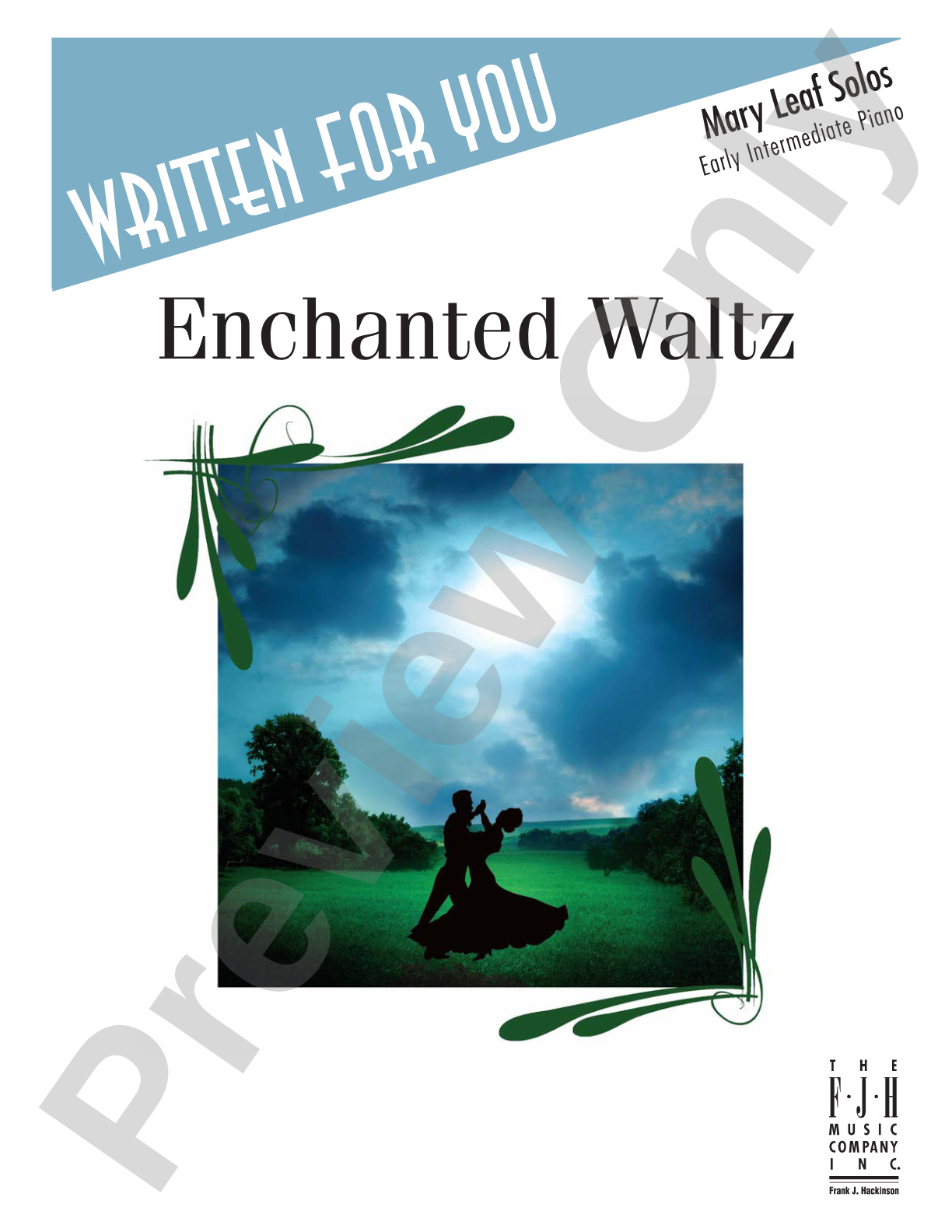
A mood of enchantment begins with the very first measure of this concise and graceful waltz in D minor. This easy, flowing waltz with a simple bass line has tenutos that highlight voicing in the right hand. This piece calls for harmonic pedaling, dynamic nuances, and artistic use of rubato.

Enchanted Waltz: Piano isn't in MakeMusic Cloud just yet...but it could be. Let us know you'd like to see it, and you'll help shape what comes next. In the meantime, start a free trial and dive into thousands of interactive titles your students can play along with today.

Sample Audio
No sample audio found.
Sample Video
Additional Details
Series: Written For You
Publisher: The FJH Music Company, Inc.
SKU: 98-DW9474

More about this title

Why we love this

Mary Leaf writes for real pianists at the intermediate level, and this waltz proves it. She understands how to balance technical accessibility with genuine musical substance; the piece demands interpretive choices (rubato, pedaling, dynamic shaping) that make students feel like artists, not just note-readers.

What to expect

From the opening measure, an atmosphere of subtle magic settles over the keyboard. The piece flows with the natural ease of a Viennese waltz, yet its minor key and restrained harmonic language create an intimate, dreamy quality rather than brilliant salon brilliance. There's lightness here, but also contemplative depth.

Who it's for

Early intermediate pianists ready to move beyond mechanically executing rhythms and into expressive interpretation. Students should have secure 3/4 meter fluency and enough hand independence to manage a simple waltz bass while attending to right-hand voicing.

How to get the most out of it

  • Experiment with harmonic pedaling to sustain chords across the waltz accompaniment without muddying the clarity of the melody; change the pedal as the harmony shifts rather than holding it throughout a full measure.
  • Shape the tenuto marks as expressive articulations that lift the right-hand voicing, not as heavy attacks. Think of them as invitations to singers how pianists sculpt line.
  • Apply rubato that breathes with the dance itself. The waltz rhythm is strict, but the melody can lean forward and settle back within the measure to create that enchanted, floating quality.
  • Use dynamic nuance to create a sense of mystery; the D minor key and simple texture offer space for soft passages that draw listeners in, contrasted with moments of gentle crescendo.

How to use it

This works beautifully as a standalone recital piece or as part of a student showcase that pairs well with other character pieces. Consider programming it alongside contrasting major-key waltzes or classical-era dance forms to highlight the emotional range available within a single dance genre.

Skills your students will build

  • Harmonic pedaling and pedal changes aligned with harmonic rhythm
  • Reading and interpreting tenuto as a shaping device
  • Application of rubato while maintaining waltz meter
  • Dynamic nuance and expression-driven interpretation in minor keys
  • Voice leading awareness in the right hand

You May Also Like