

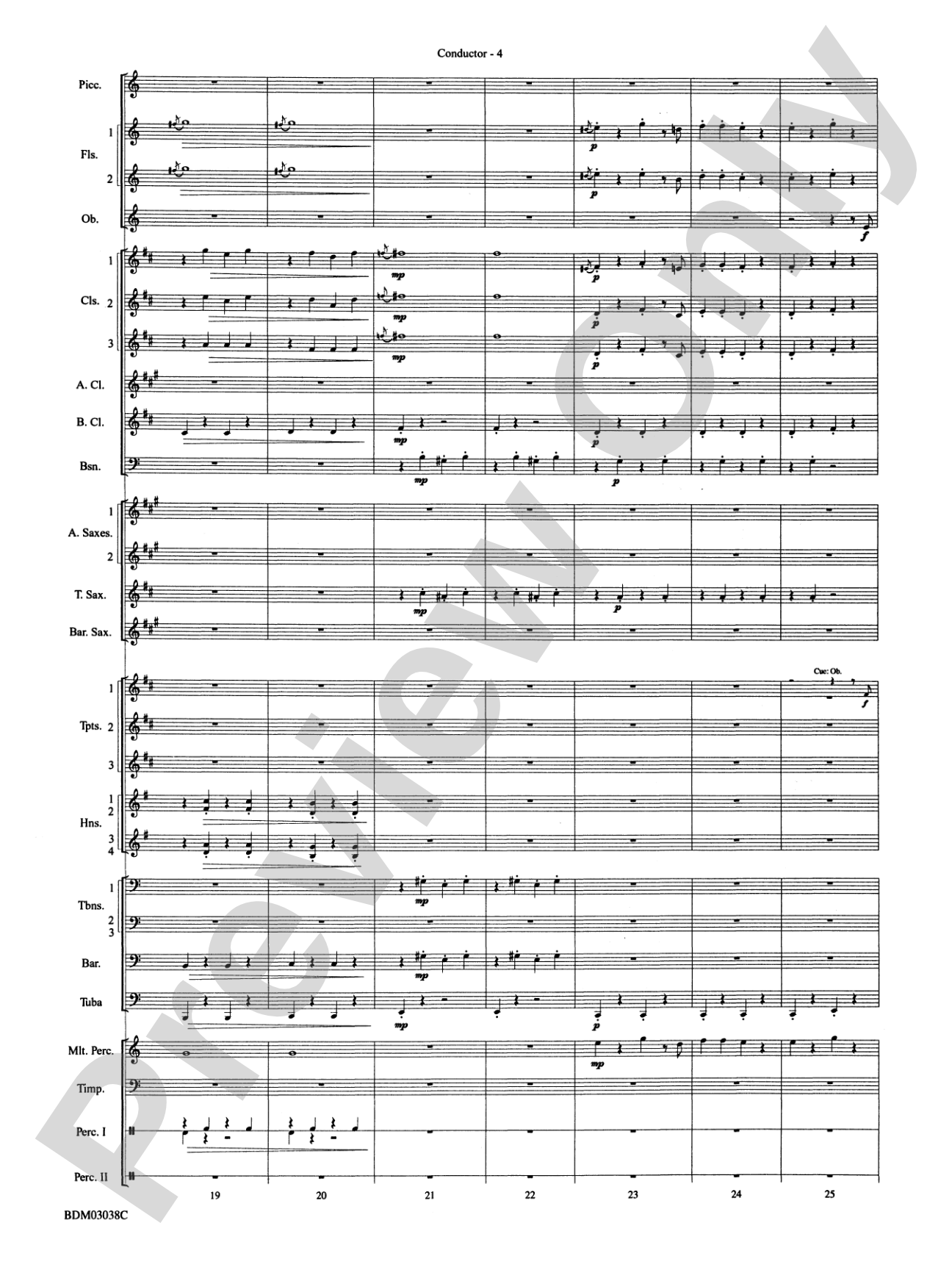
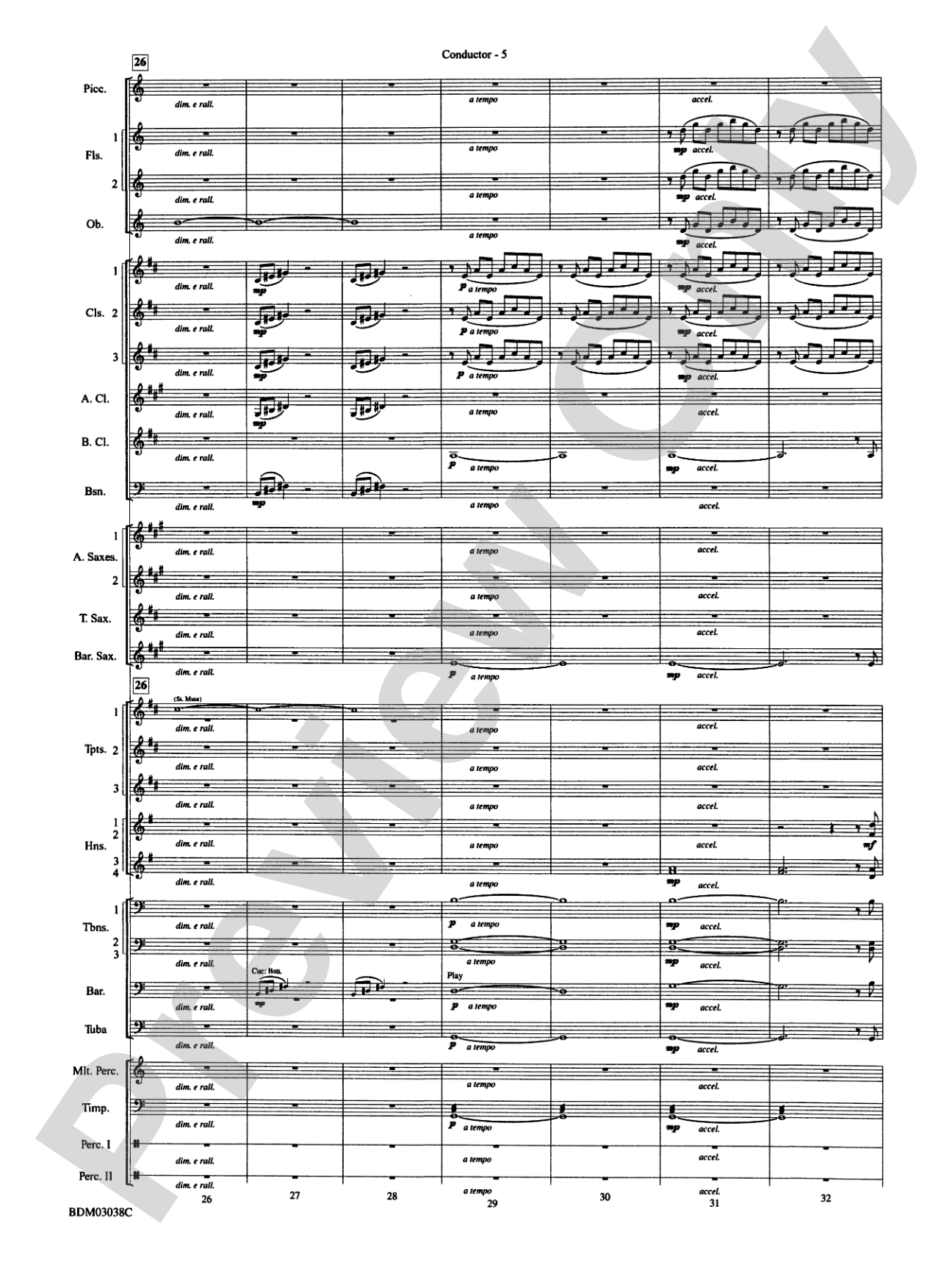
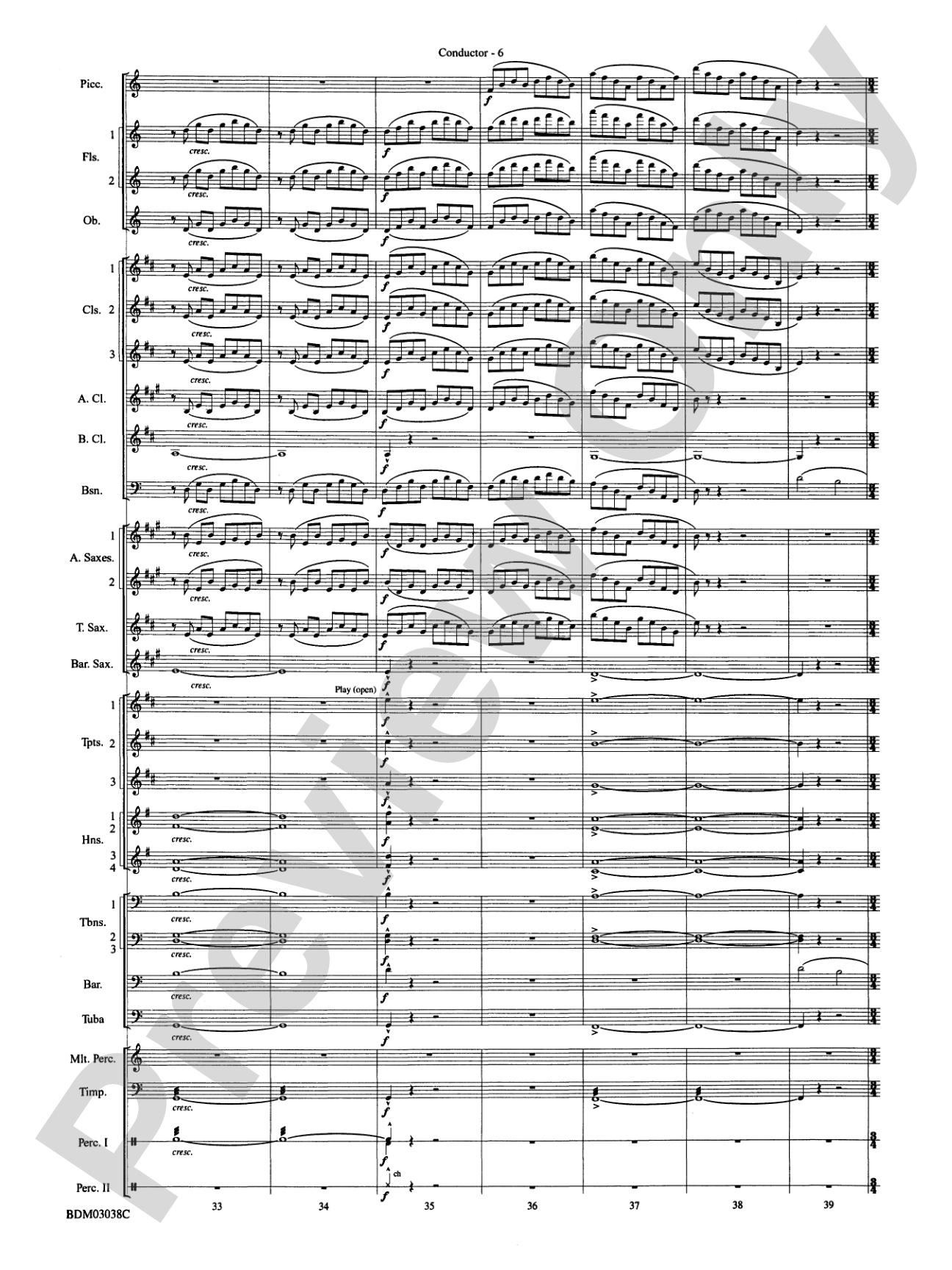
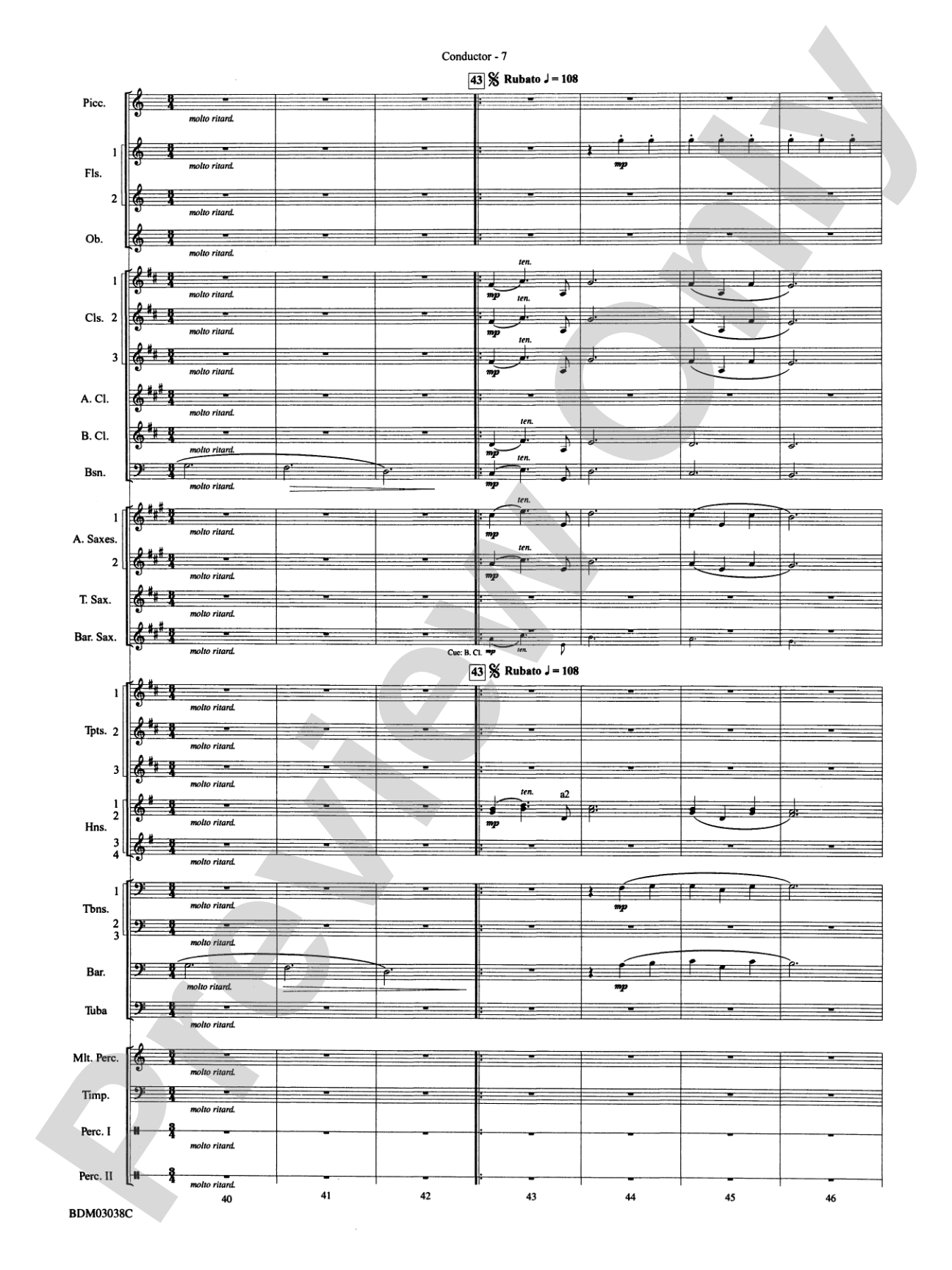
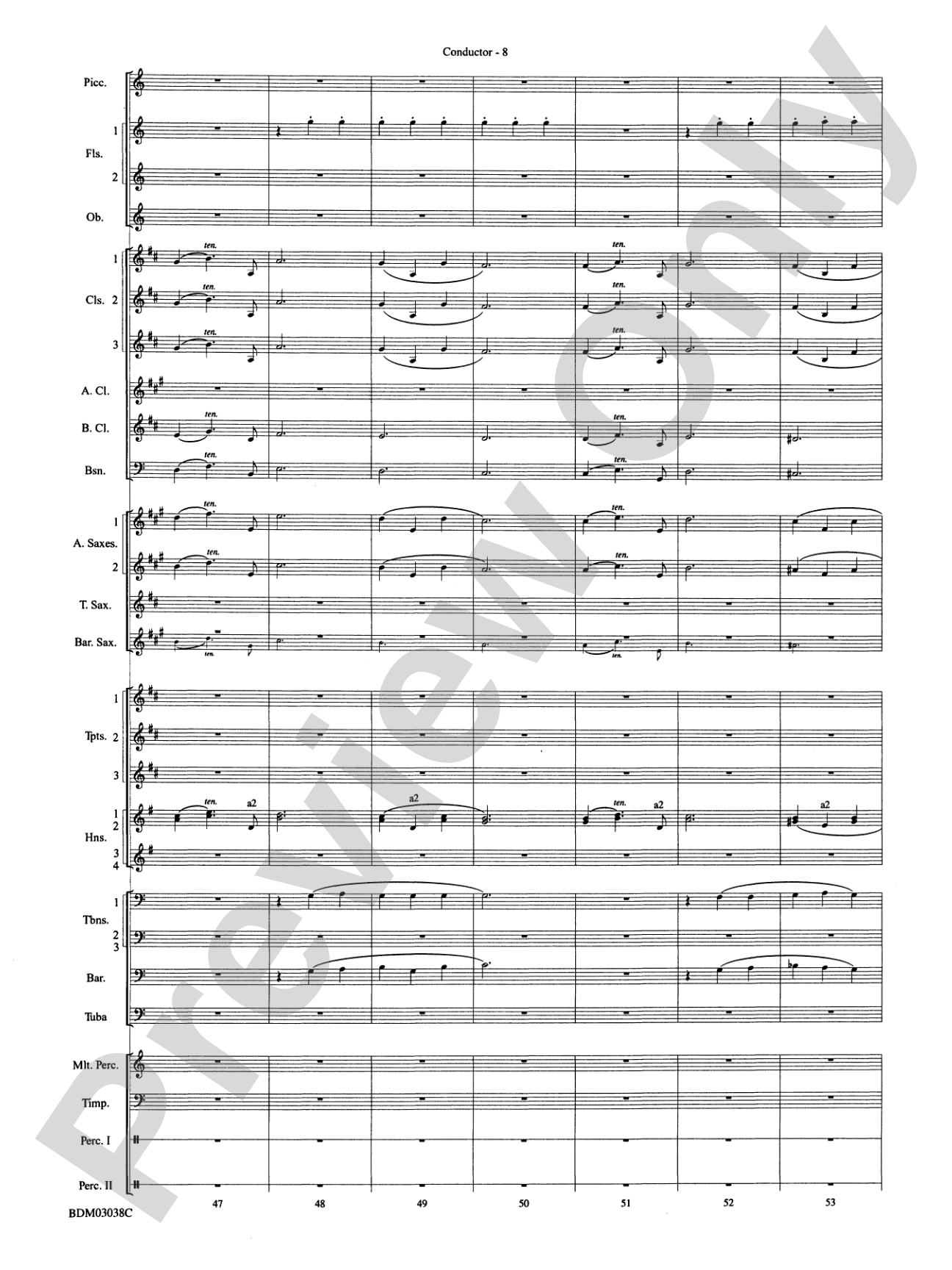
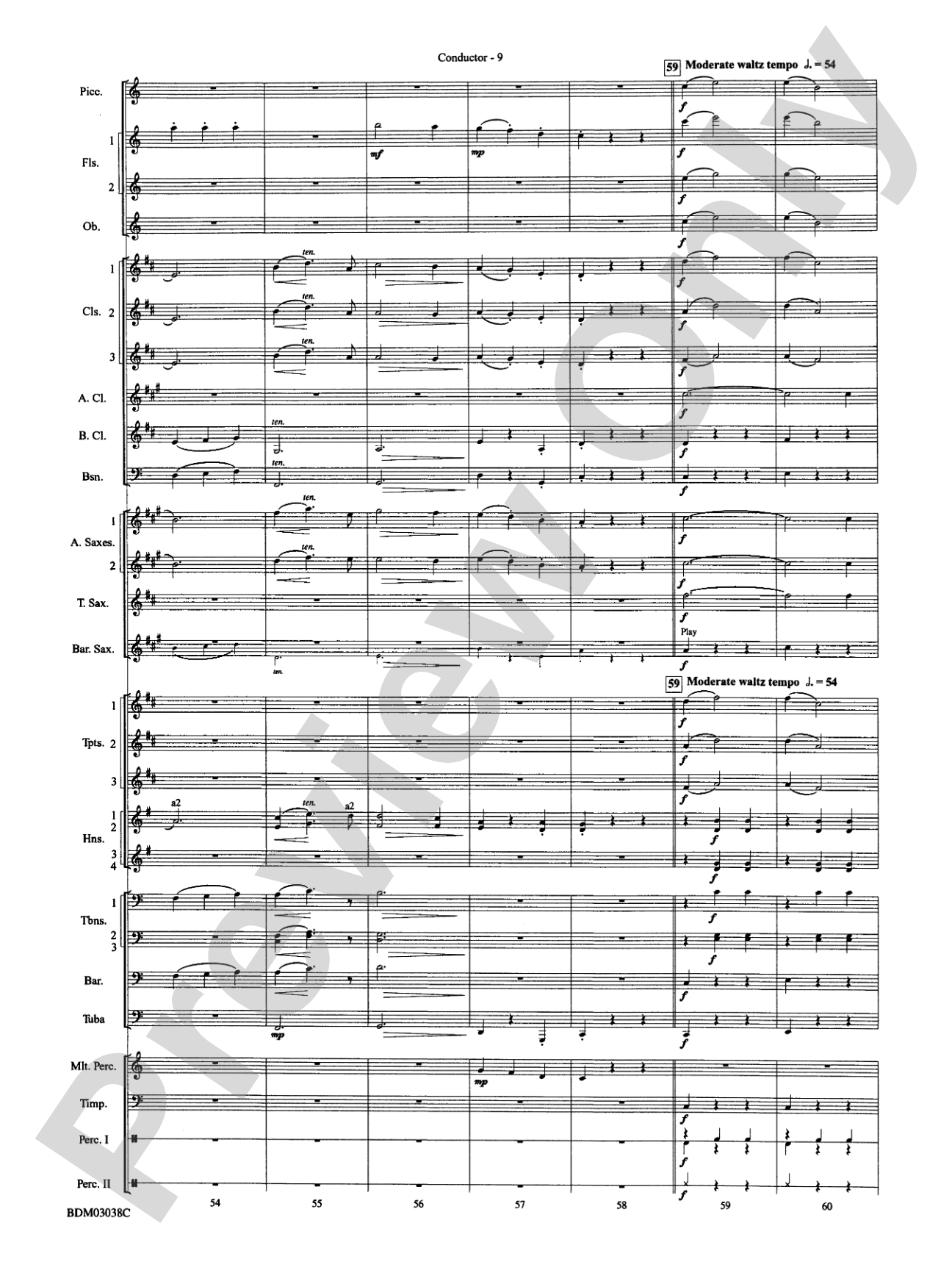
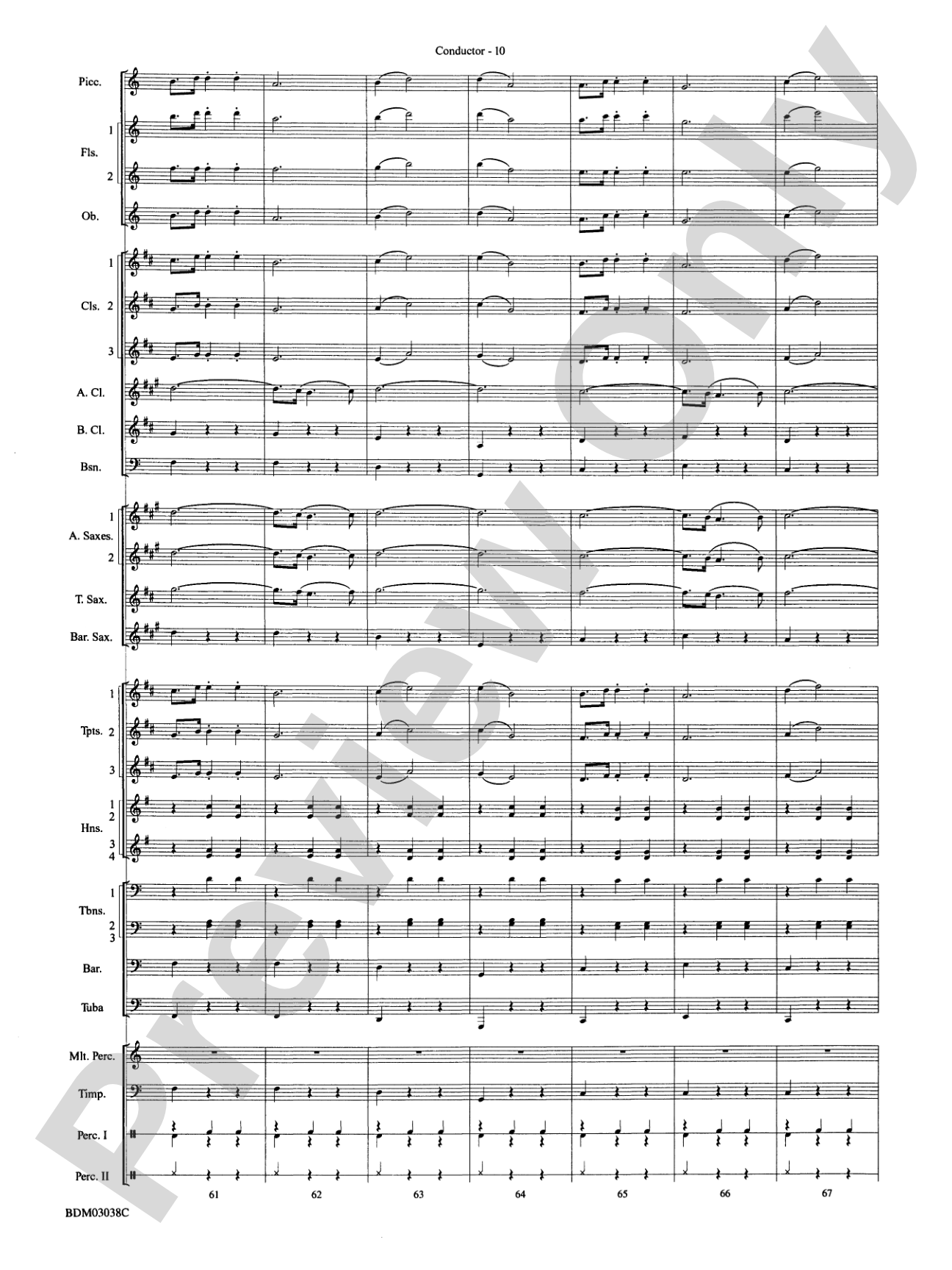
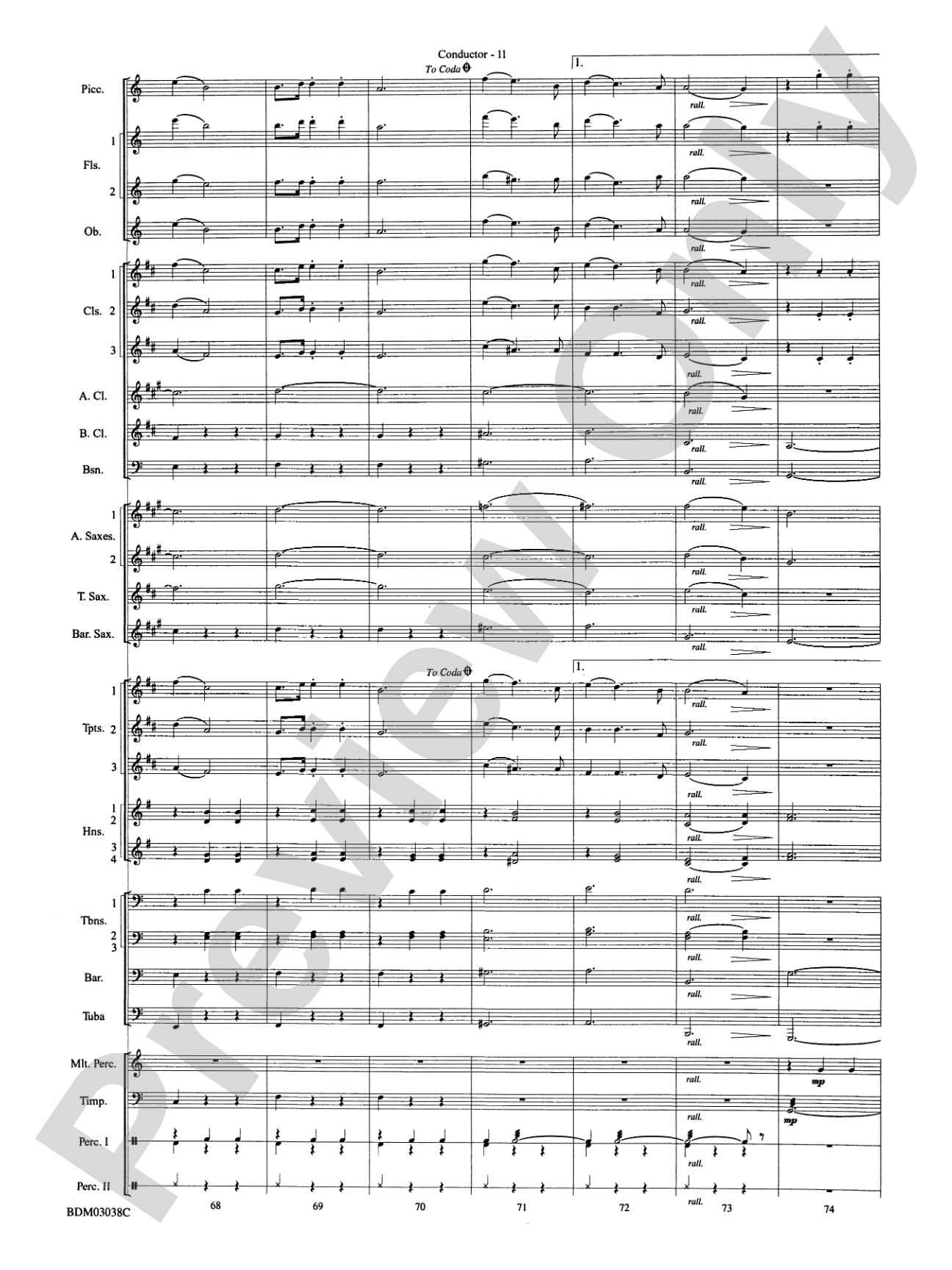
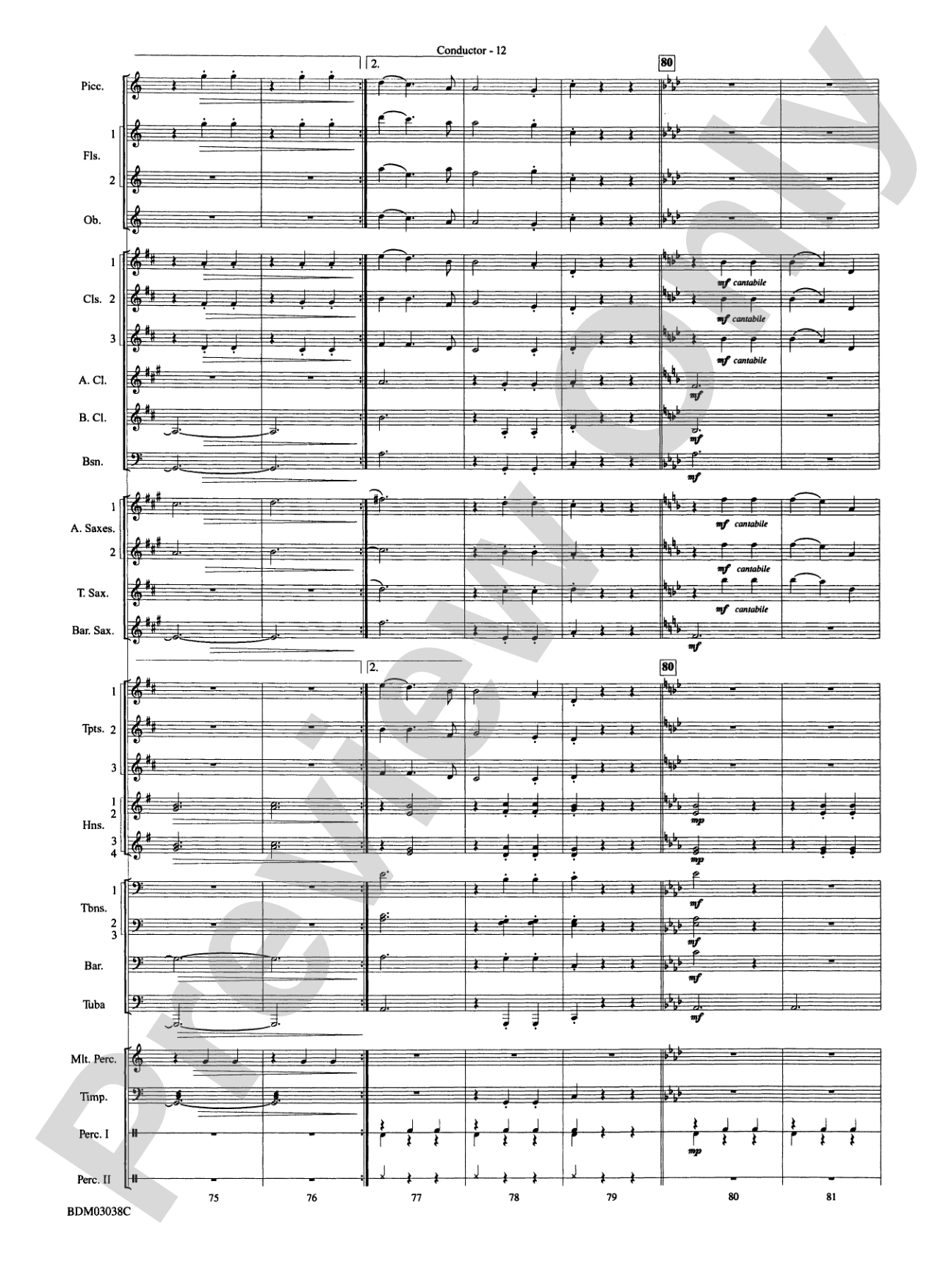
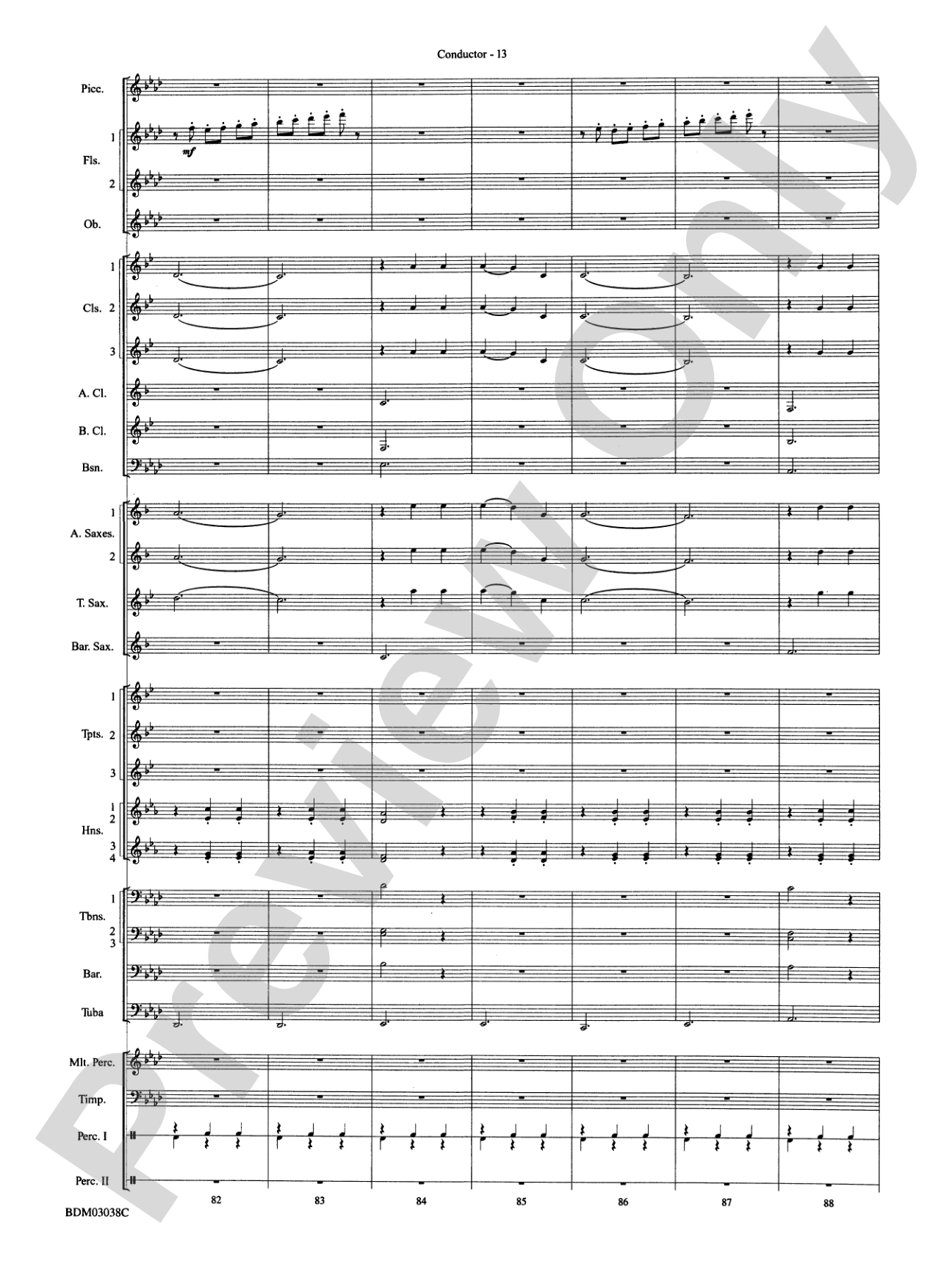
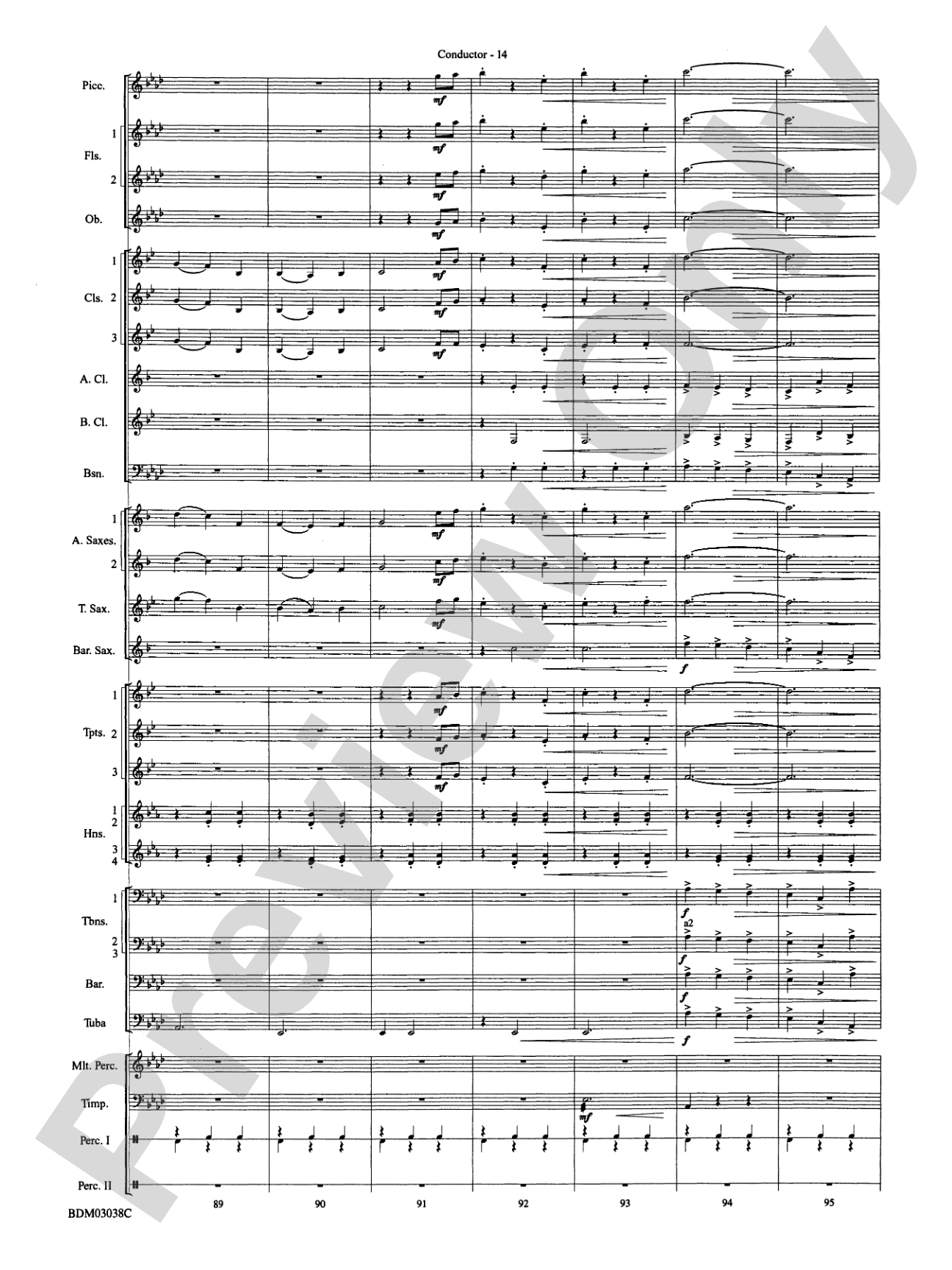
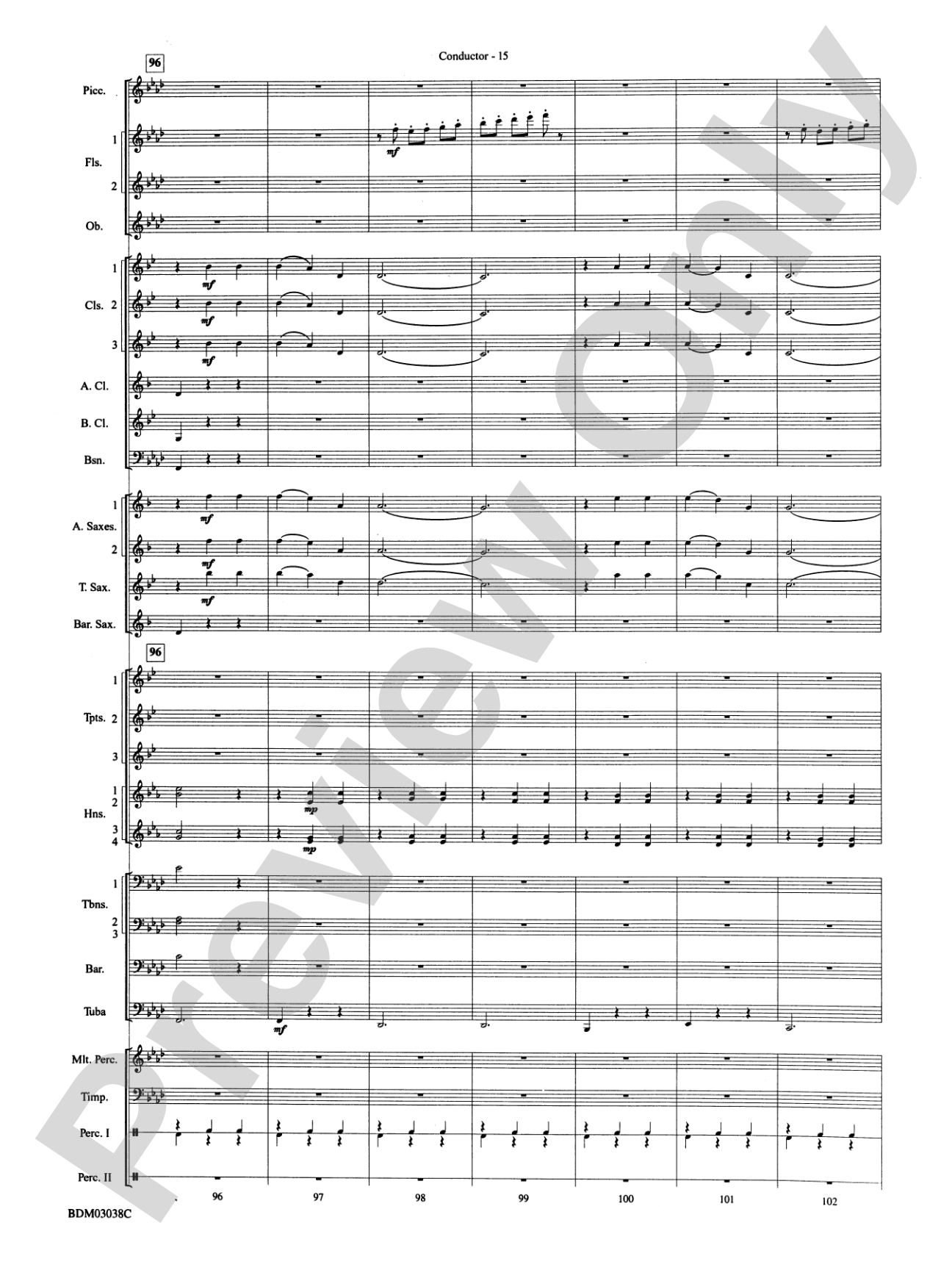
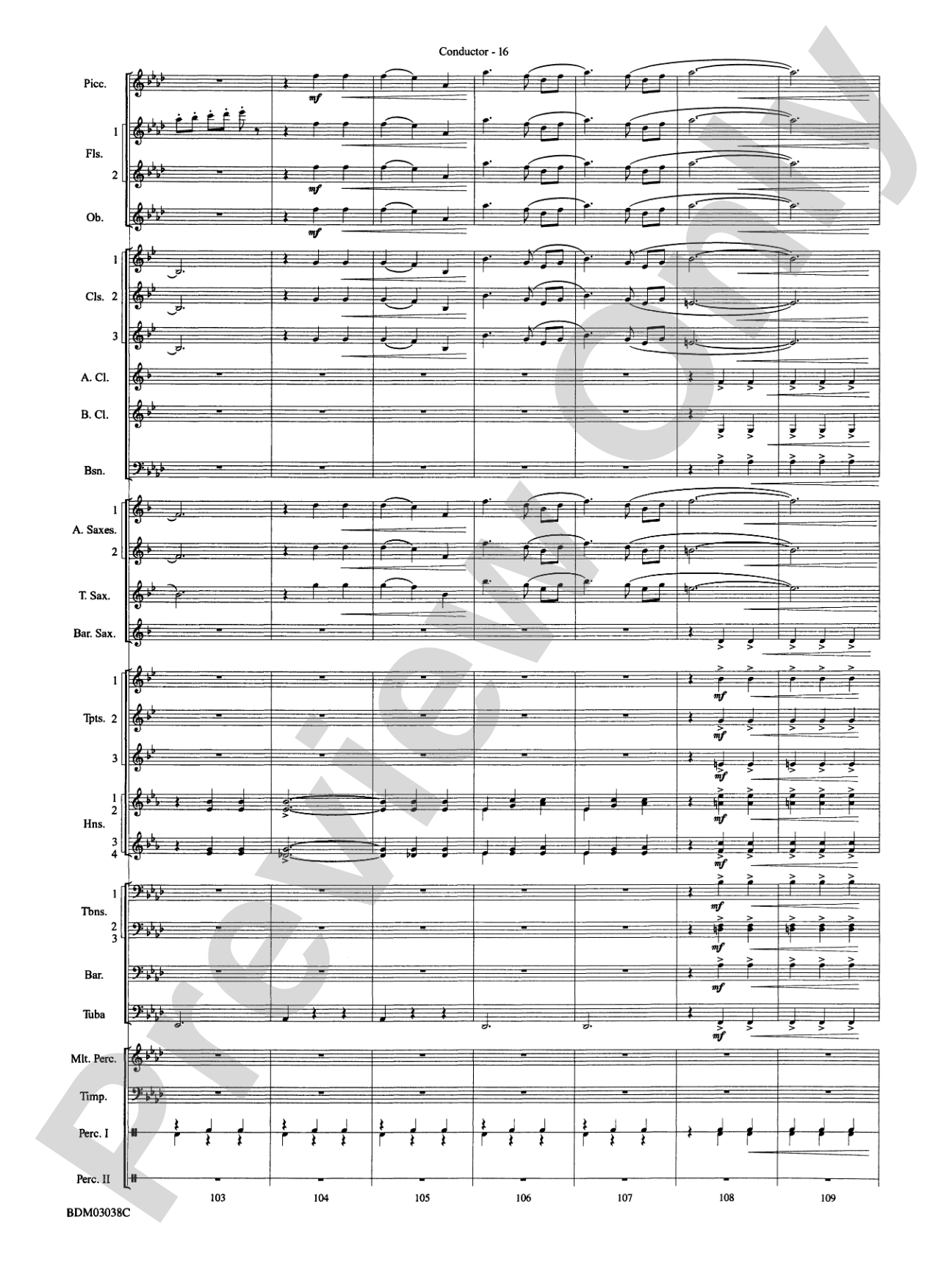
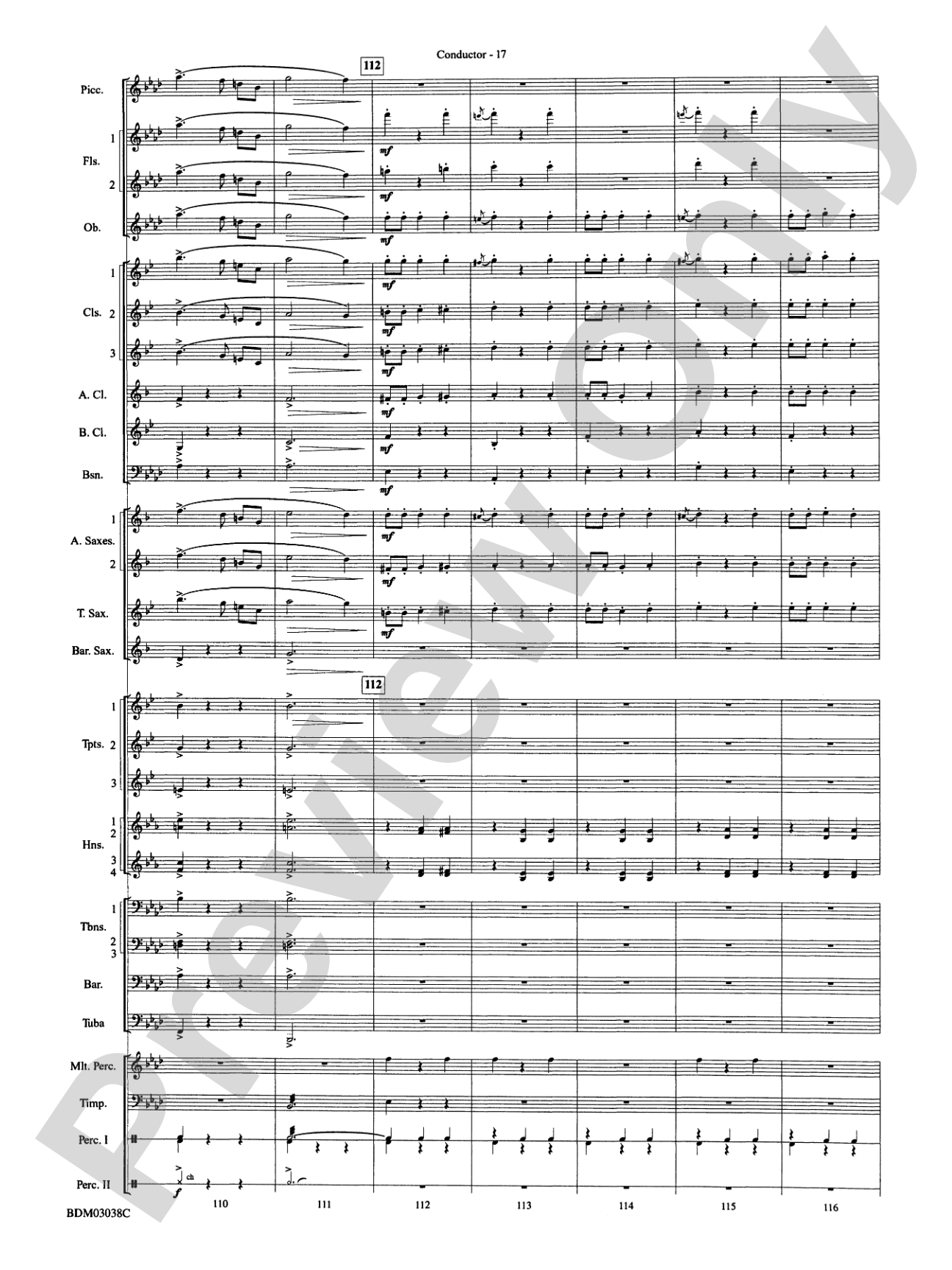
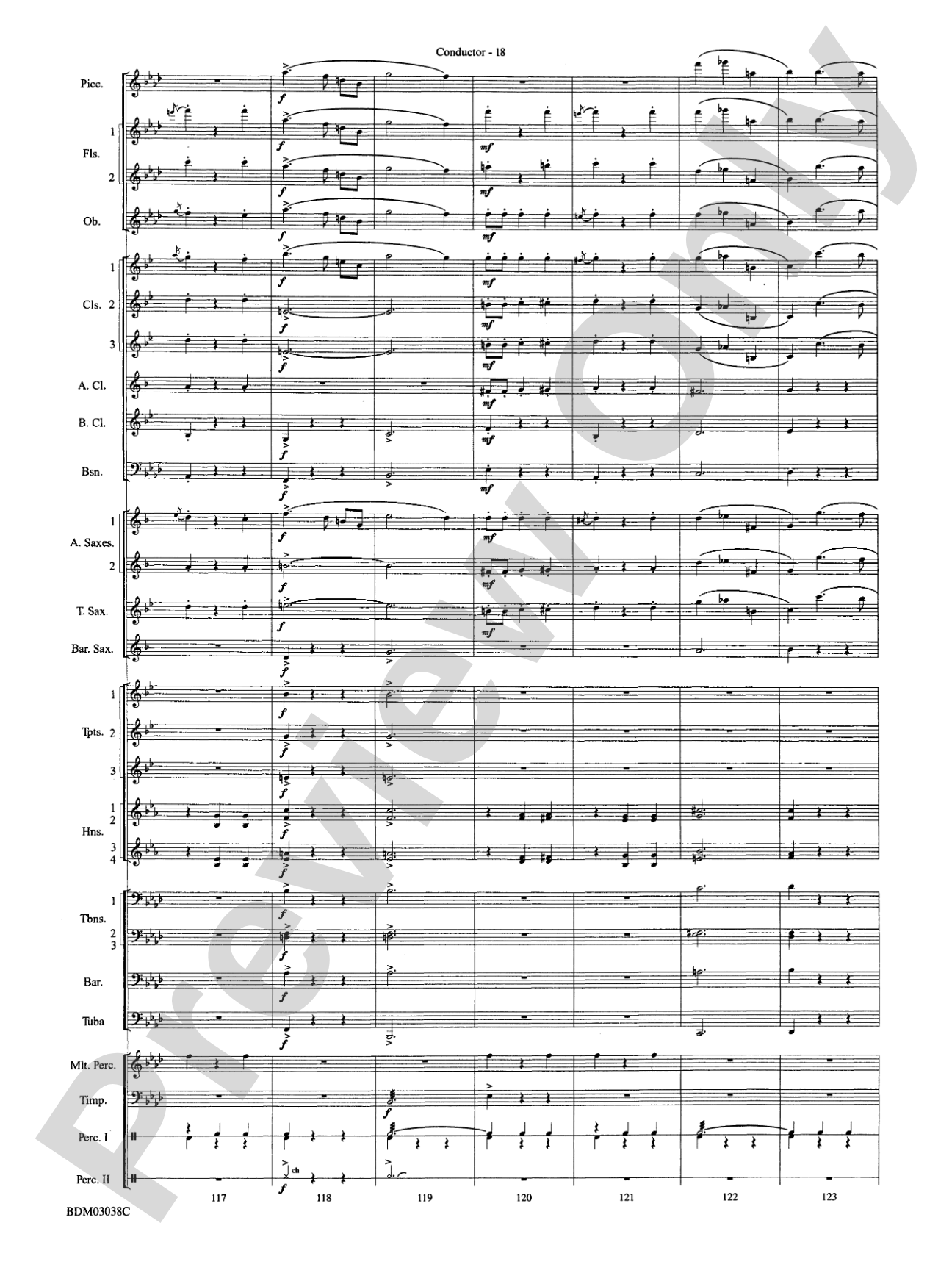
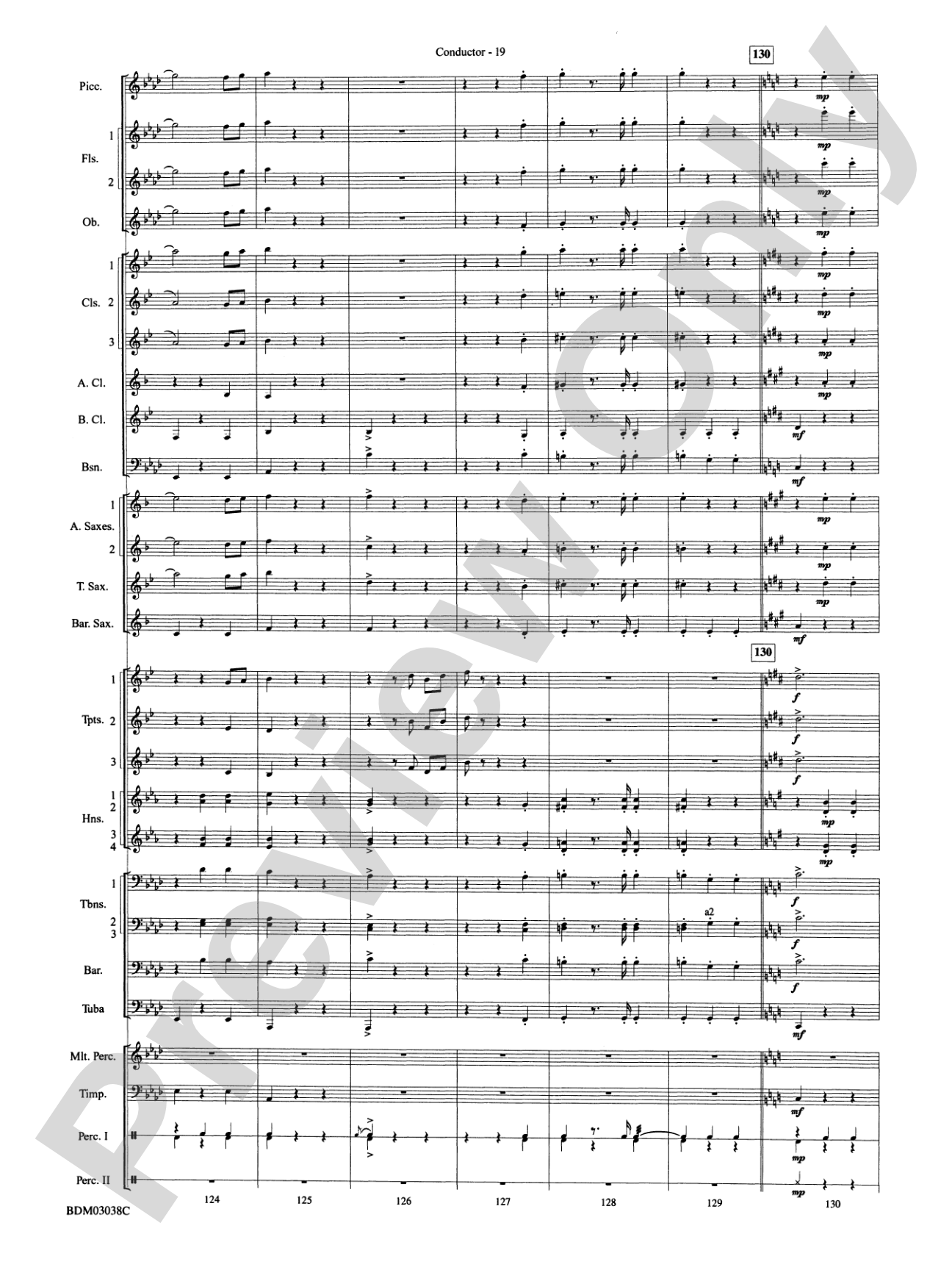
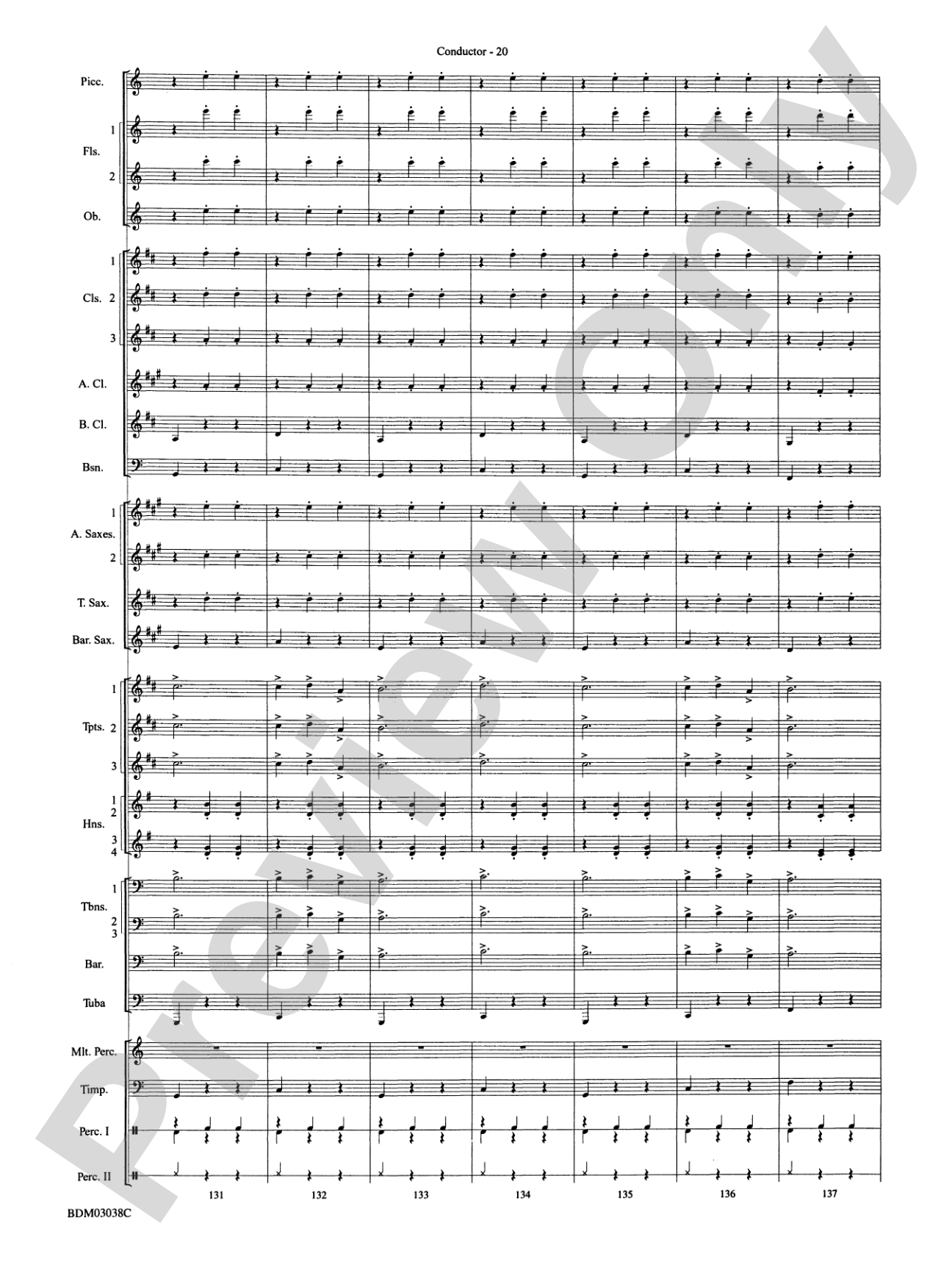
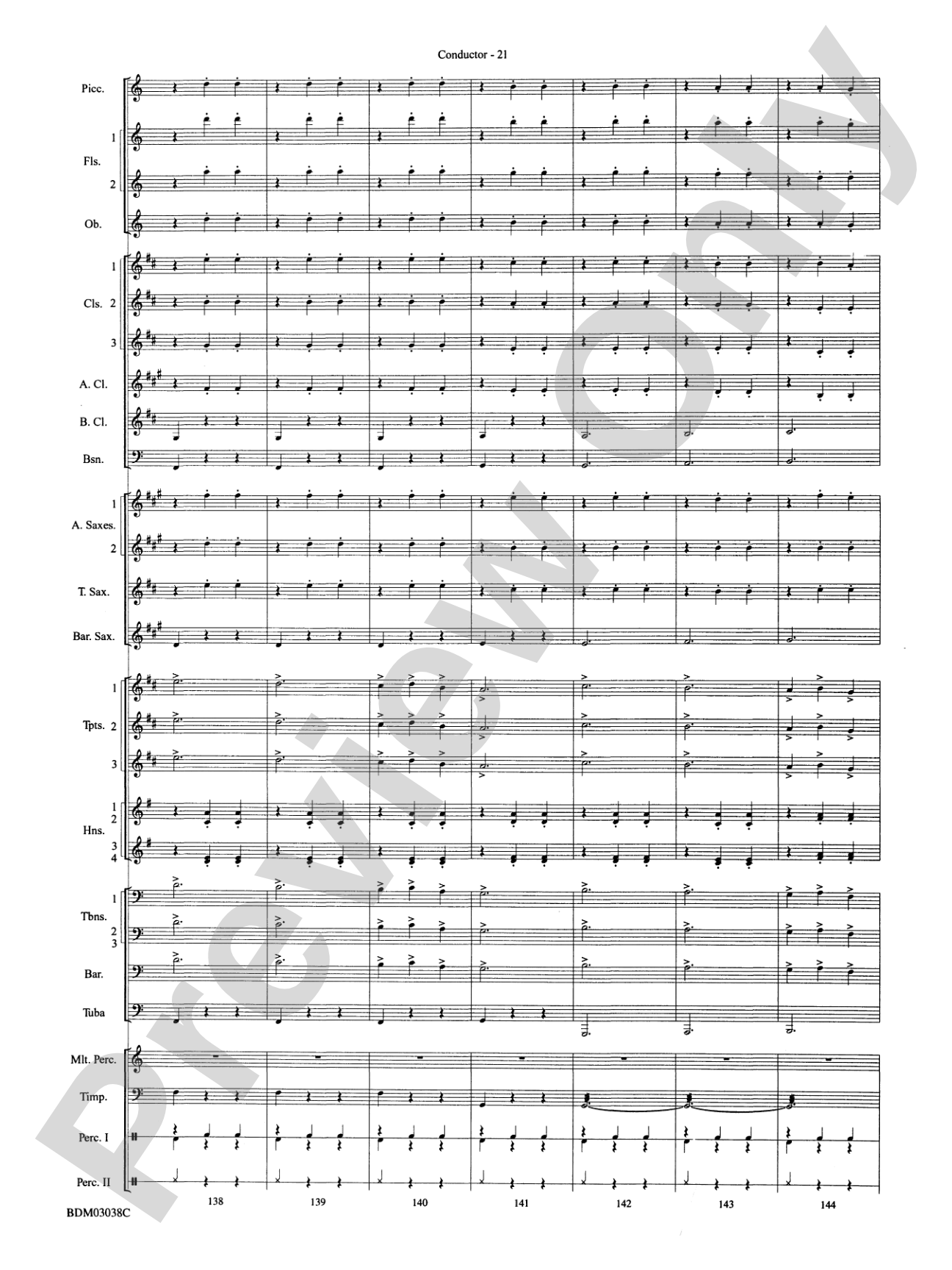
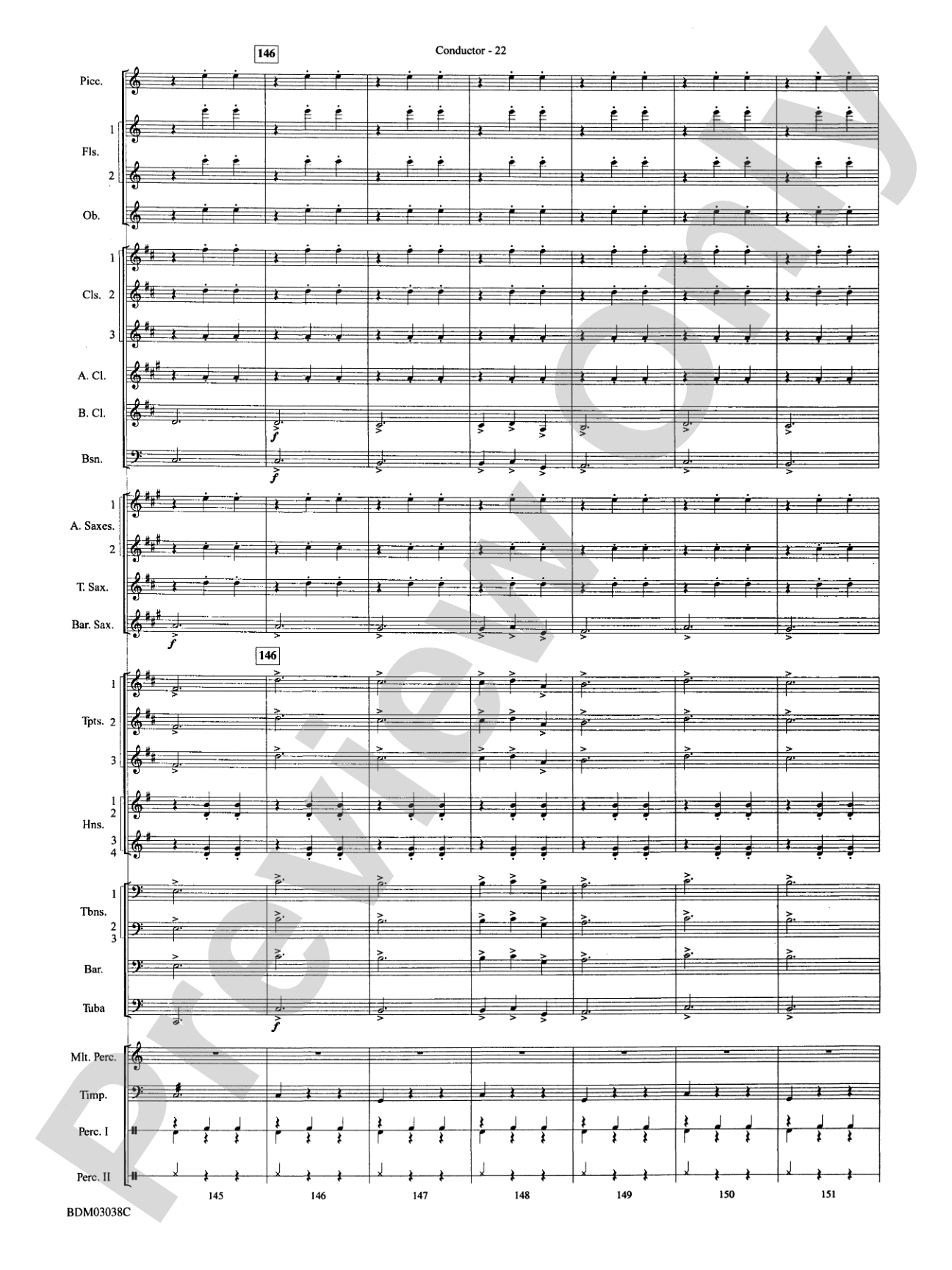
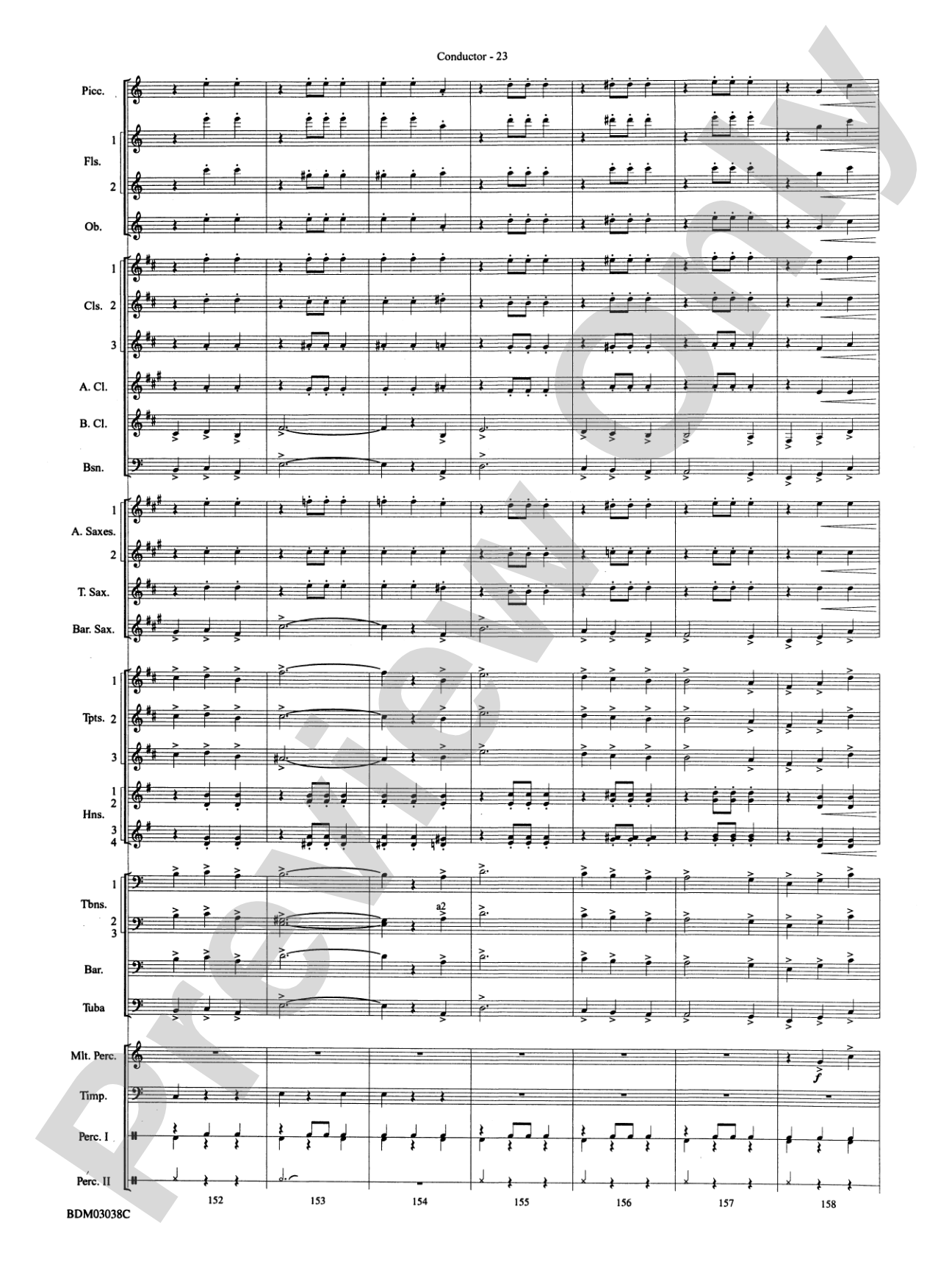
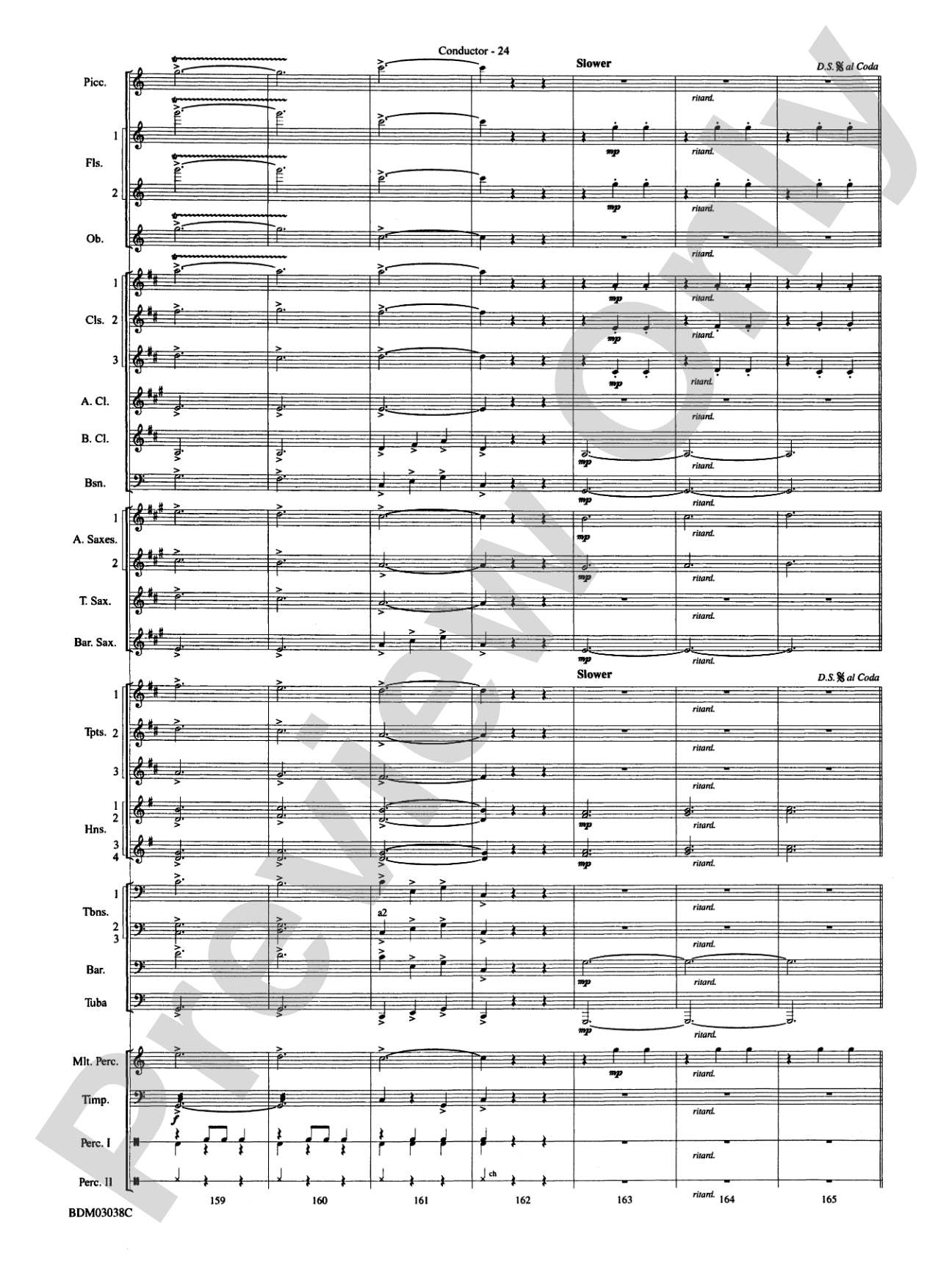
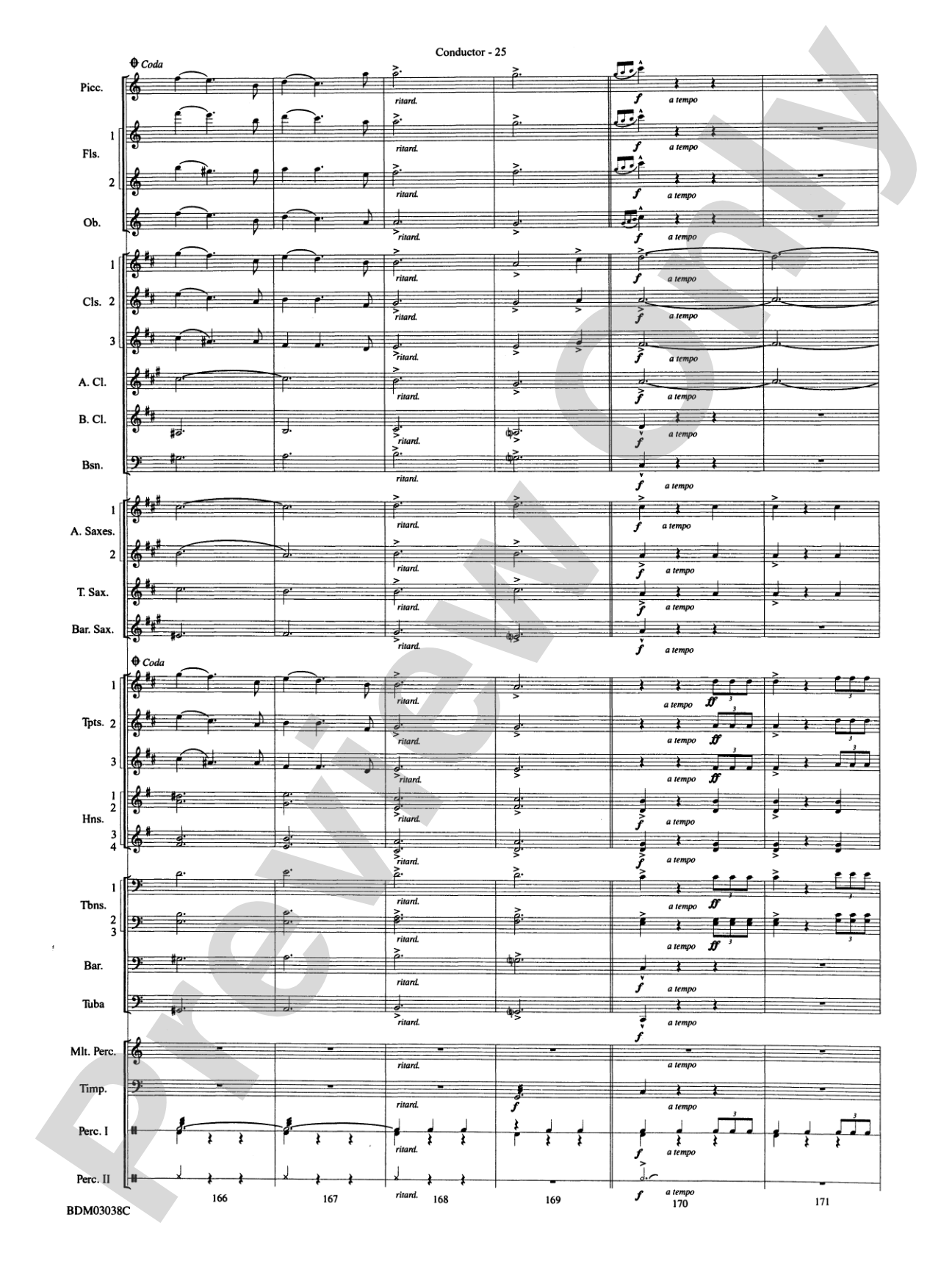
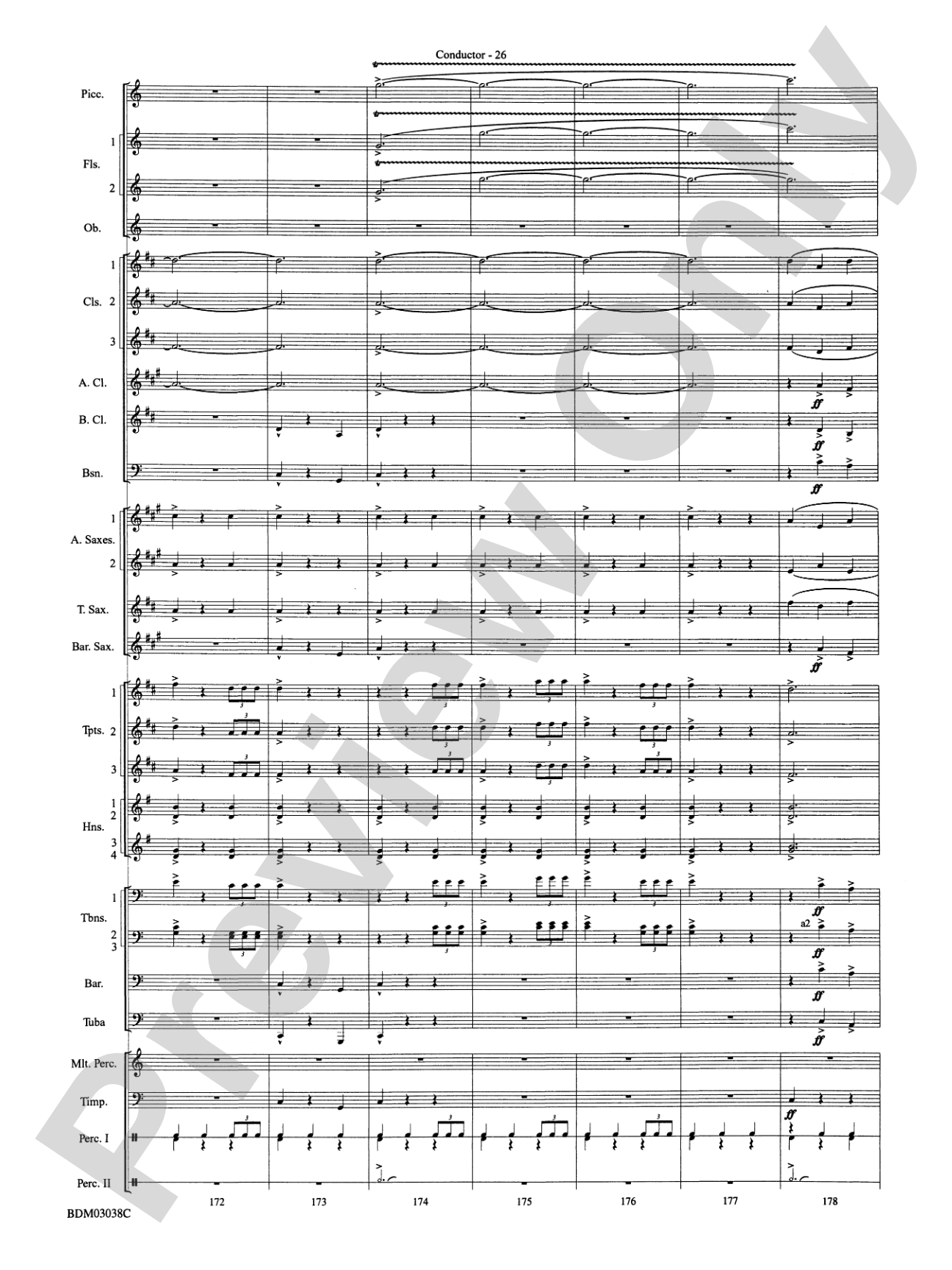
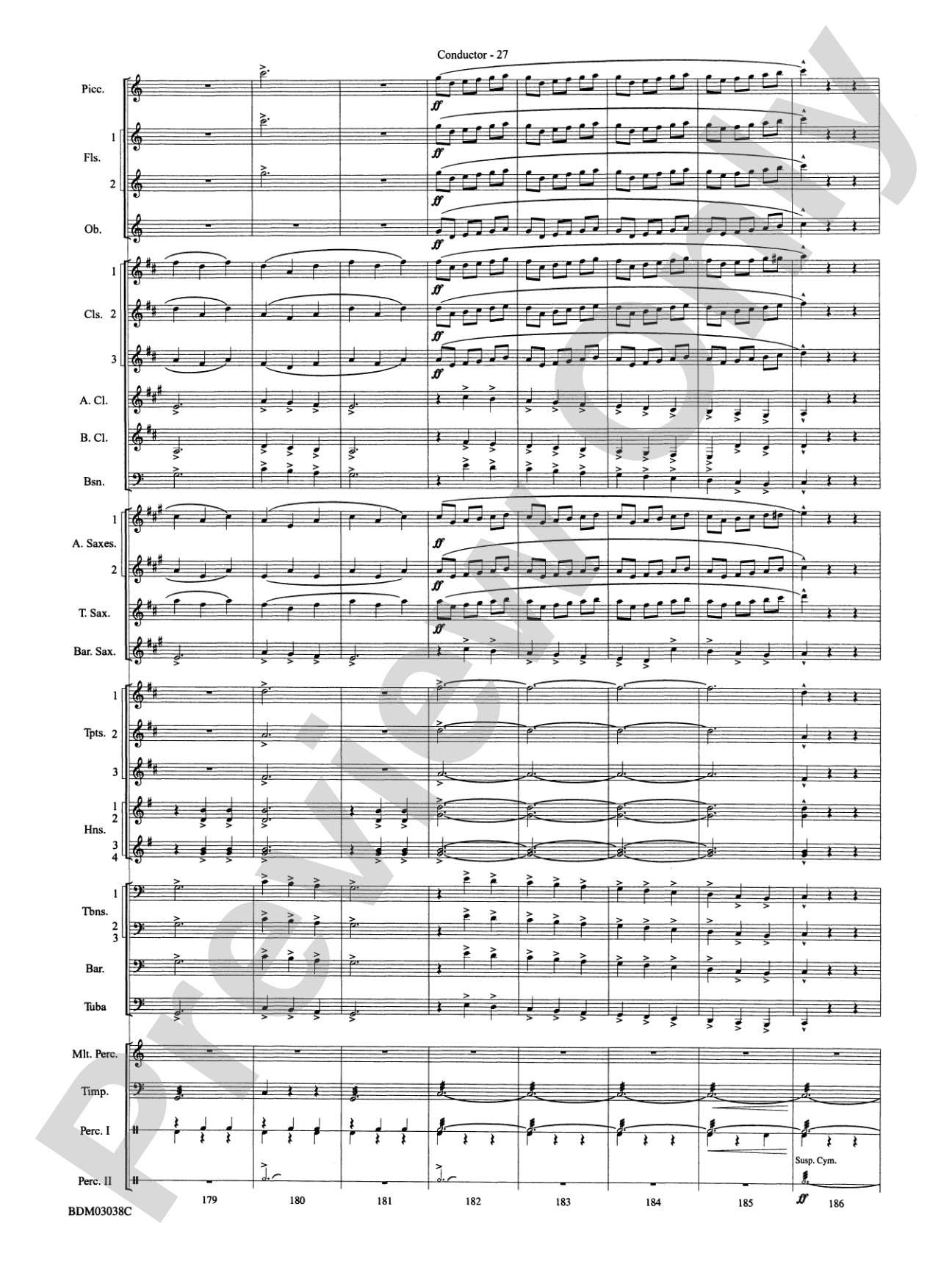
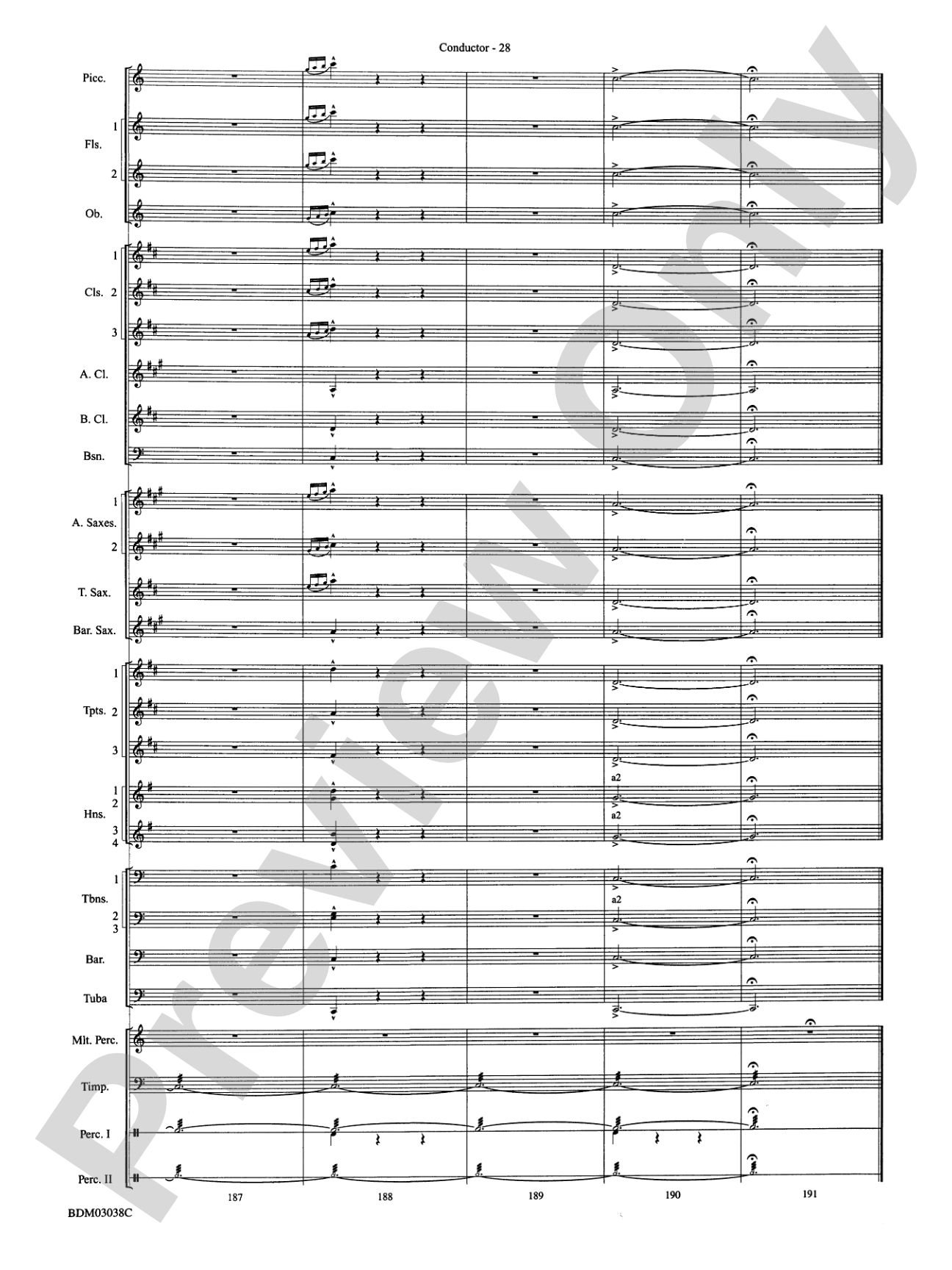



Emperor Waltz, Op. 437
By Johann Strauss, Jr. / arr. Jack Bullock
Grade: 4 (Medium)
Item: 00-PK-0005343

$90.00
Pickup currently not available
Buy Extra Parts (Digital PDF Download)
Parts Added to Cart!
Description
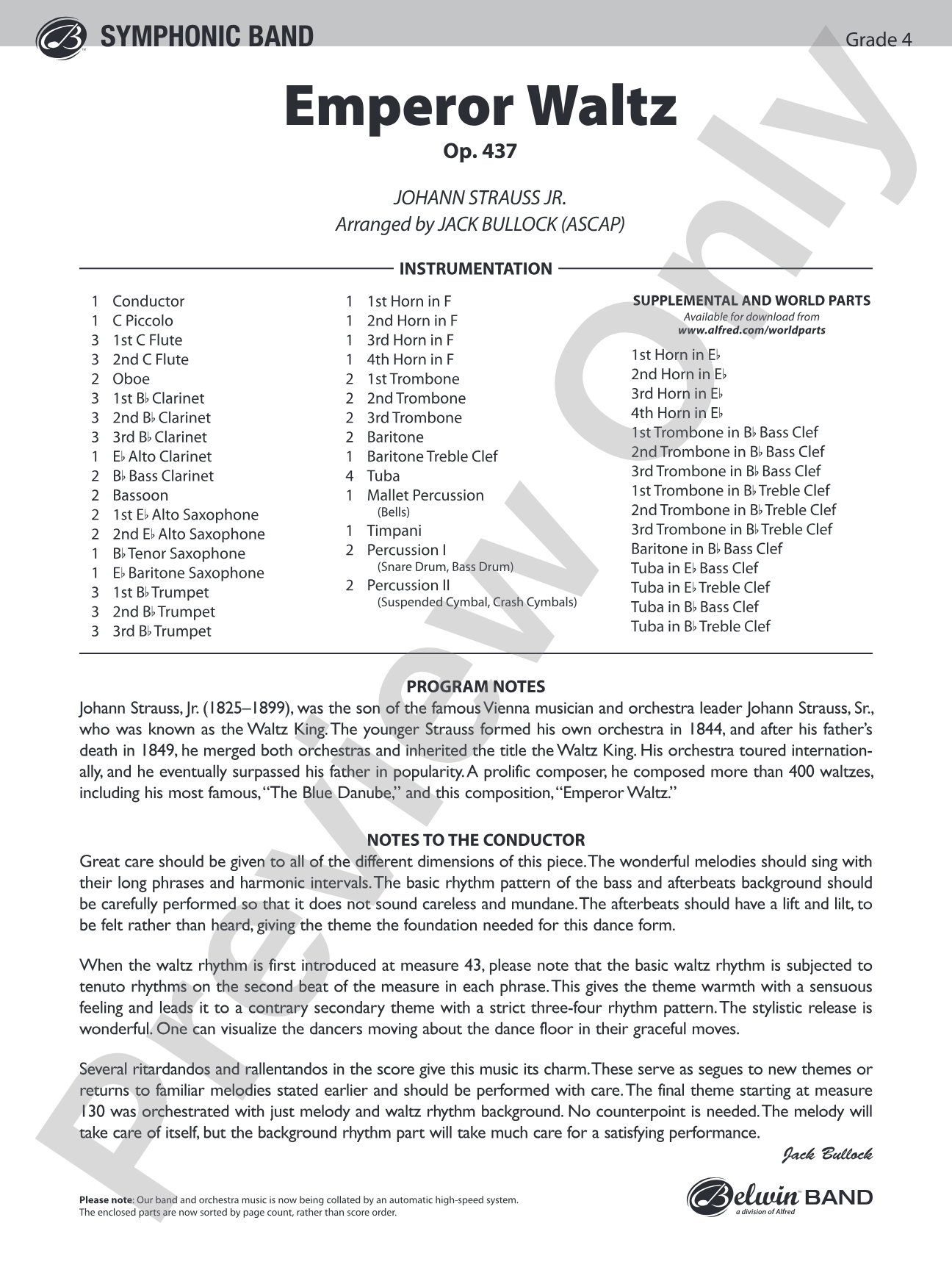
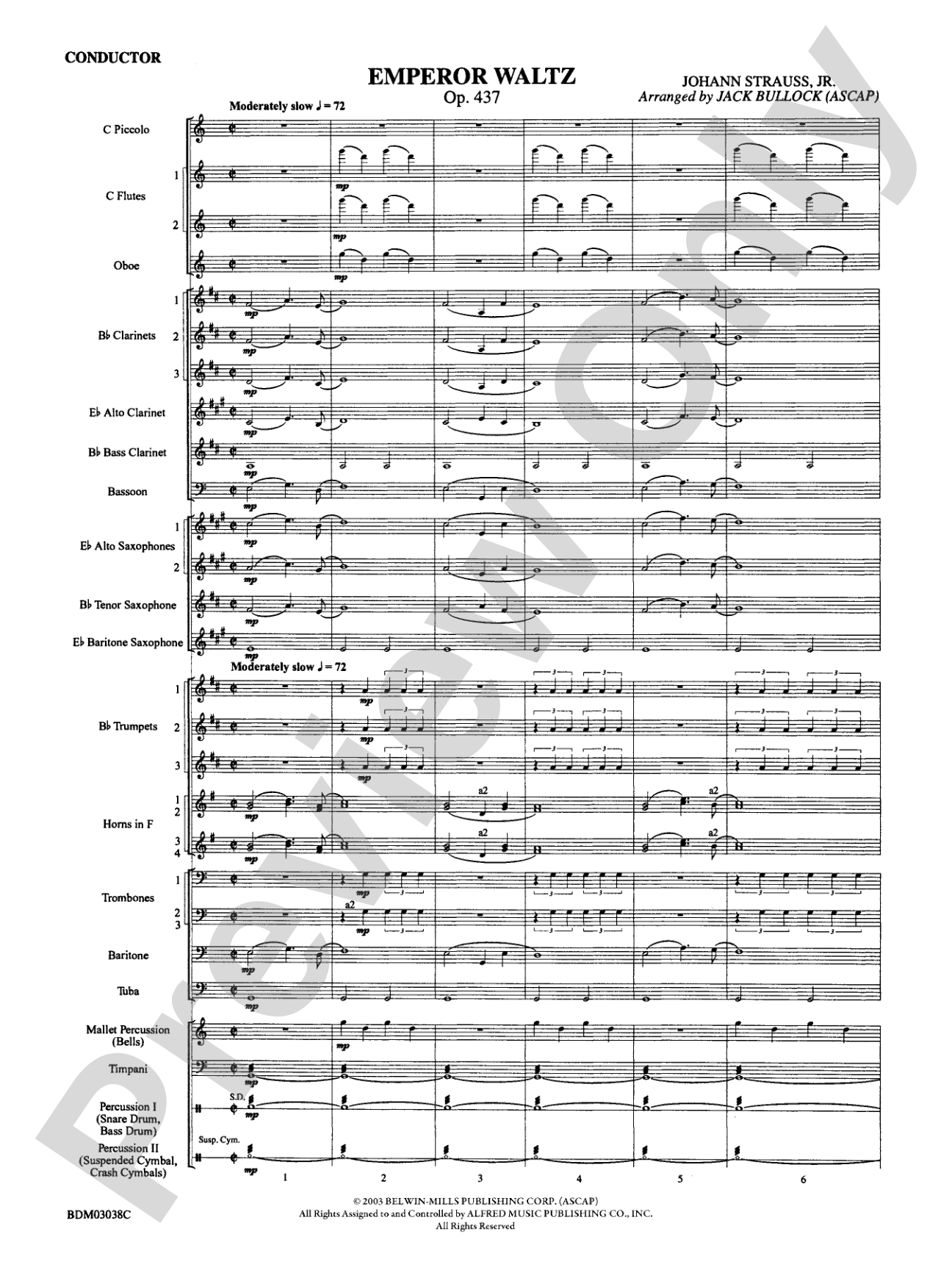
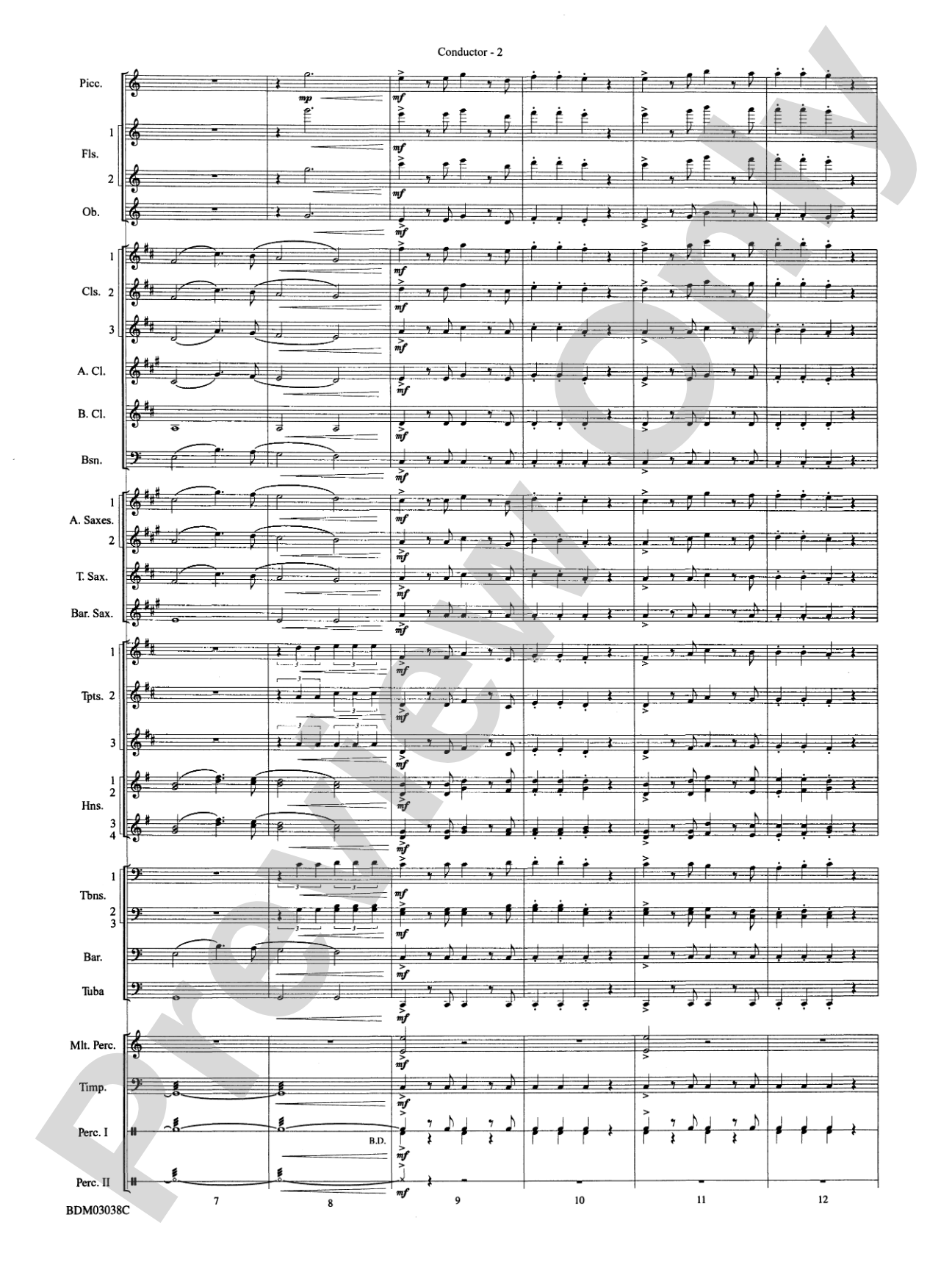
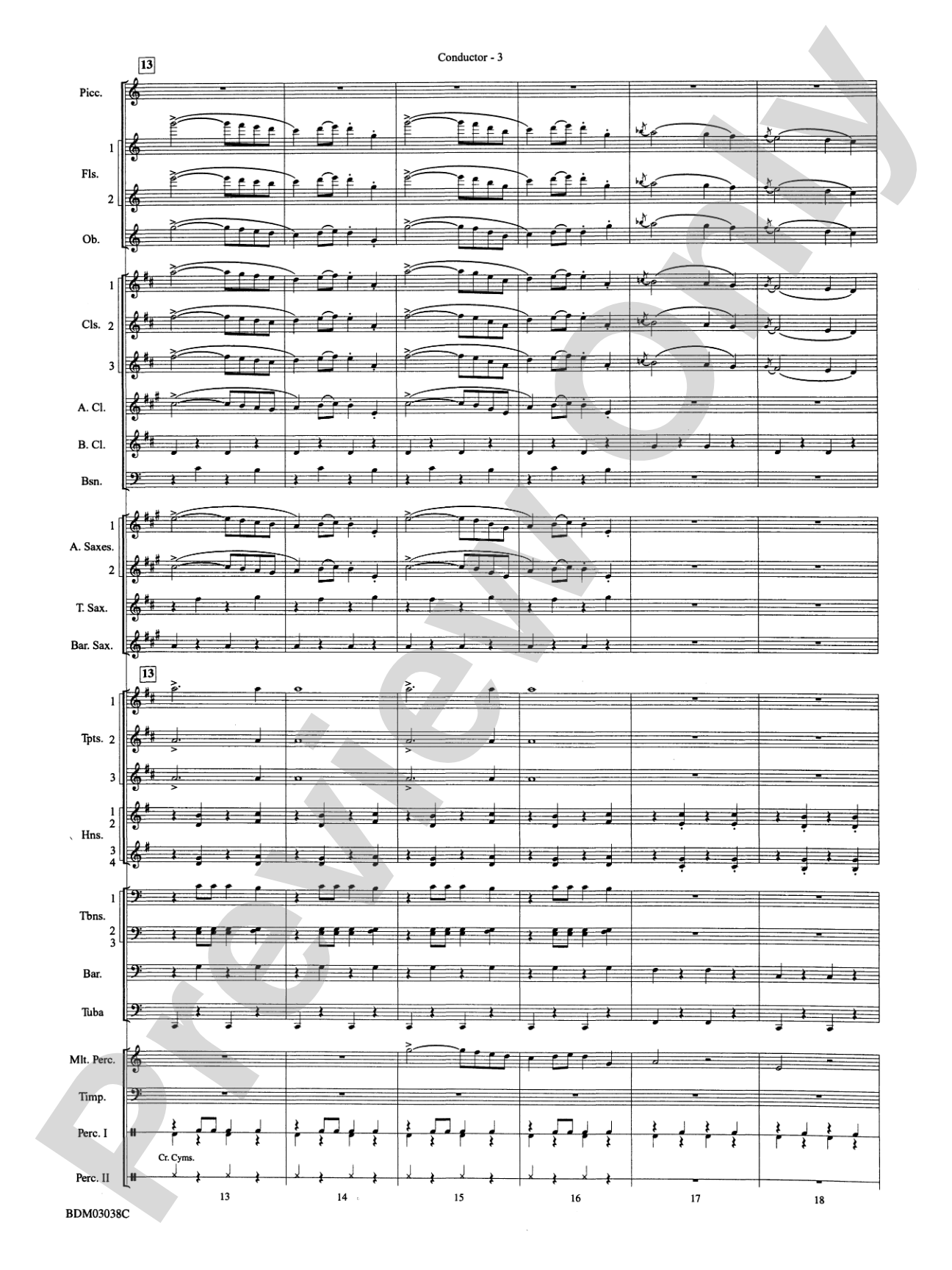
The Emperor is the epitome of Johann Strauss, Jr. waltzes. Johann inherited his father's title, "the Waltz King." The Emperor Waltz is a very musical work that explores numerous textures while retaining the traditional waltz pulse in a stunningly beautiful setting. (5:14)


Don't just read it, hear it, play along with it, and watch your students grow with it. In MakeMusic Cloud, Emperor Waltz, Op. 437 comes alive with professional accompaniment, adjustable tempo, and built-in practice tools that turn solo practice into real progress.
Open in the Player
Jump straight in and assign it today.
Start Your Free Trial
Open this title and explore the full library in minutes.
Sample Audio
1
Audio File
--:--
0:00
0:00
Sample Video
No sample videos found.
Additional Details
Series:
Belwin Symphonic Band
Publisher:
Alfred Music
Page Count:
244
SKU:
00-PK-0005343
More about this title
About the Composer: Johann Strauss
Johann Strauss, Jr. (1825-1899) inherited both his father's mantle and his gift for melody. The younger Strauss elevated the waltz from ballroom staple to concert hall centerpiece, composing nearly 500 works that showcase sophisticated orchestration, surprising harmonic turns, and an inexhaustible gift for memorable tunes. His legacy rests on the conviction that dance music could be intellectually engaging and emotionally moving simultaneously.
The Emperor Waltz stands among his finest achievements, ranking with the Blue Danube as a signature work. Strauss wrote it in 1889 to commemorate the 40th jubilee of the Austrian Emperor Franz Joseph I, and the piece became an instant favorite across Europe. It remains a staple of orchestral and band repertoire precisely because it balances technical brilliance with genuine tunefulness.
Why we love this
Jack Bullock's arrangement captures the grandeur and textural richness of this masterwork while keeping the writing idiomatically suited to band. The piece unfolds through distinct sections that give every section of your ensemble moments to shine, and the traditional waltz foundation makes it accessible to audiences regardless of their classical music experience. Programming a Strauss waltz of this caliber signals that your band takes both entertainment and artistry seriously.
What to expect
Elegant, sweeping, and unfailingly charming. The Emperor Waltz radiates confidence and sophistication, gliding from one gorgeous melody to the next while maintaining the irresistible momentum of the waltz form. There is genuine brilliance in the orchestration without a trace of showiness; this is refinement in motion.
Who it's for
This arrangement works beautifully for concert bands at the Grade 4 level and above. Directors seeking a major-league work that audiences genuinely want to hear will find it here, and players benefit from tackling music of serious compositional merit that still lands with immediate emotional impact.
How to get the most out of it
- Maintain a steady, elegant pulse throughout. The waltz rhythm should feel like a gentle lift rather than a mechanical beat; conductor and ensemble must agree on the subdivision before rehearsal.
- Balance the prominent woodwind passages with clarity and warmth. The clarinet and flute solos need space to breathe without drowning the harmonic support underneath.
- Shape the multiple melodic sections with clear crescendos and diminuendos. Strauss composed this piece to showcase contrast, so treat each theme as a distinct musical statement.
- Give the brass section careful attention to blend and balance. The Emperor Waltz often features brassy textures that can dominate; ensure horns and trumpets complement rather than overwhelm the overall sonority.
How to use it
Close a concert with this work to leave your audience smiling and satisfied. The piece works equally well as an opener if you want to establish a sophisticated, engaging tone early. It pairs naturally with other concert band arrangements of light classical works, or program it alongside a more contemporary band piece to demonstrate range.
Skills your students will build
- Maintaining steady pulse across multiple theme statements
- Balancing competing melodic lines within the same section
- Shaping long phrases with intentional dynamic contour
- Executing rapid articulation changes in woodwind and brass passages
- Reading and executing the traditional waltz rhythm with elegance rather than metronomic precision