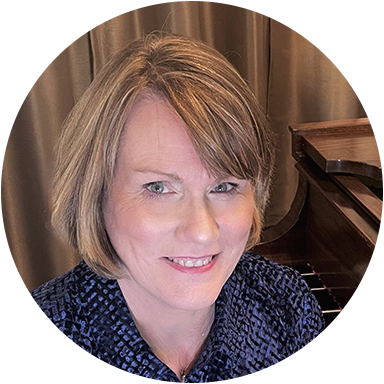
Jennifer Linn brings three decades of piano teaching experience to every piece she writes. A concert pianist and graduate of the UMKC Conservatory of Music, she has delivered master classes and workshops across the United States, Canada, and India while maintaining an active independent studio teaching students of all ages.
Linn has composed and arranged over 300 works for piano students through major publishers including Hal Leonard, Alfred, and G. Schirmer. Her contributions to music education earned her the 2013 UMKC Alumni of the Year award and the 2020 Albert Nelson Marquis Lifetime Achievement Award. From 2009 to 2019, she served as Manager of Educational Piano for Hal Leonard LLC, a role that deepened her understanding of what student pianists actually need to grow.
Why we love this
Linn writes with genuine restraint. Emerald Lake uses a Grade 3 palette without resorting to empty finger exercises or saccharine melody. The blending of classical form with new age sensibility gives intermediate students something genuinely beautiful to work toward, not just something to get through.
What to expect
Emerald Lake evokes quiet reflection with crystalline clarity. The piece unfolds like water catching light, combining classical structure with impressionistic sonorities that invite students to listen for colors within a narrow dynamic range.
Who it's for
Intermediate pianists ready for pieces that reward attention to tone production and phrasing. This works equally well in studio lessons and group piano classes for students who have mastered basic hand position and rhythmic accuracy.
How to get the most out of it
Balance the melody against a supporting left hand by allowing your wrist to breathe with each phrase. Tension in your arm will flatten the tone.
Pedal changes should align with harmonic shifts rather than instinctive foot reflexes. Listen for clarity between chord areas before depressing the pedal.
Build dynamic contrast gradually across the form. Resisting the urge to play forte immediately in the middle section makes the return feel earned.
How to use it
Pair this with repertoire from different eras to showcase how contemporary composers honor classical architecture. It works as a recital standalone or as a contemplative anchor within a program of contrasting character pieces.
Skills your students will build
Sustaining legato across hand position shifts
Executing precise pedal timing with harmonic awareness
Creating tonal differentiation between melody and accompaniment
Building dynamic shape within a quiet to moderate range
Reading and interpreting new age compositional techniques within classical form
You May Also Like
Scan to Complete Your Purchase
Use your phone's camera to scan the code below
You'll log in on your phone and the order will be added to your account