
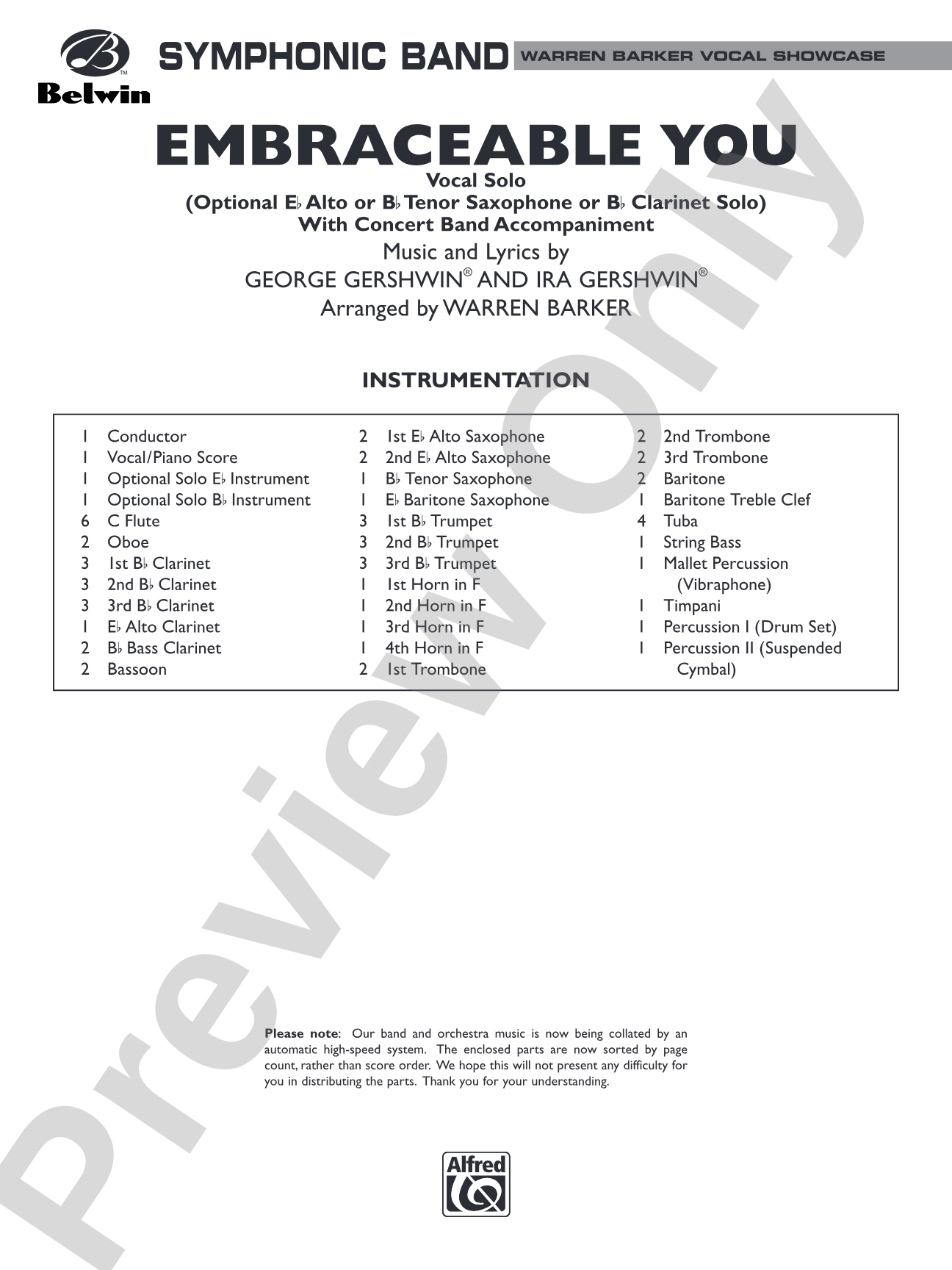

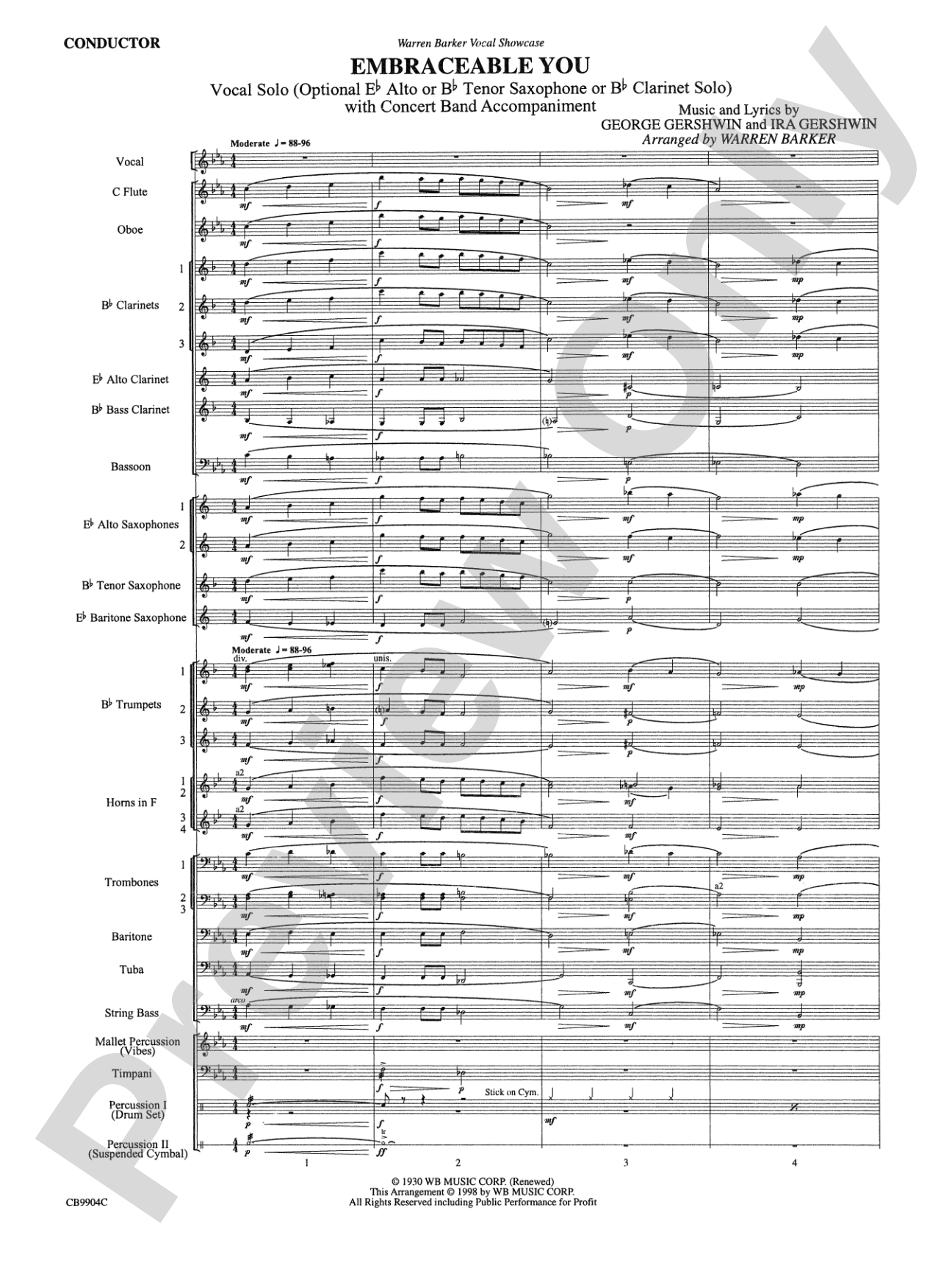
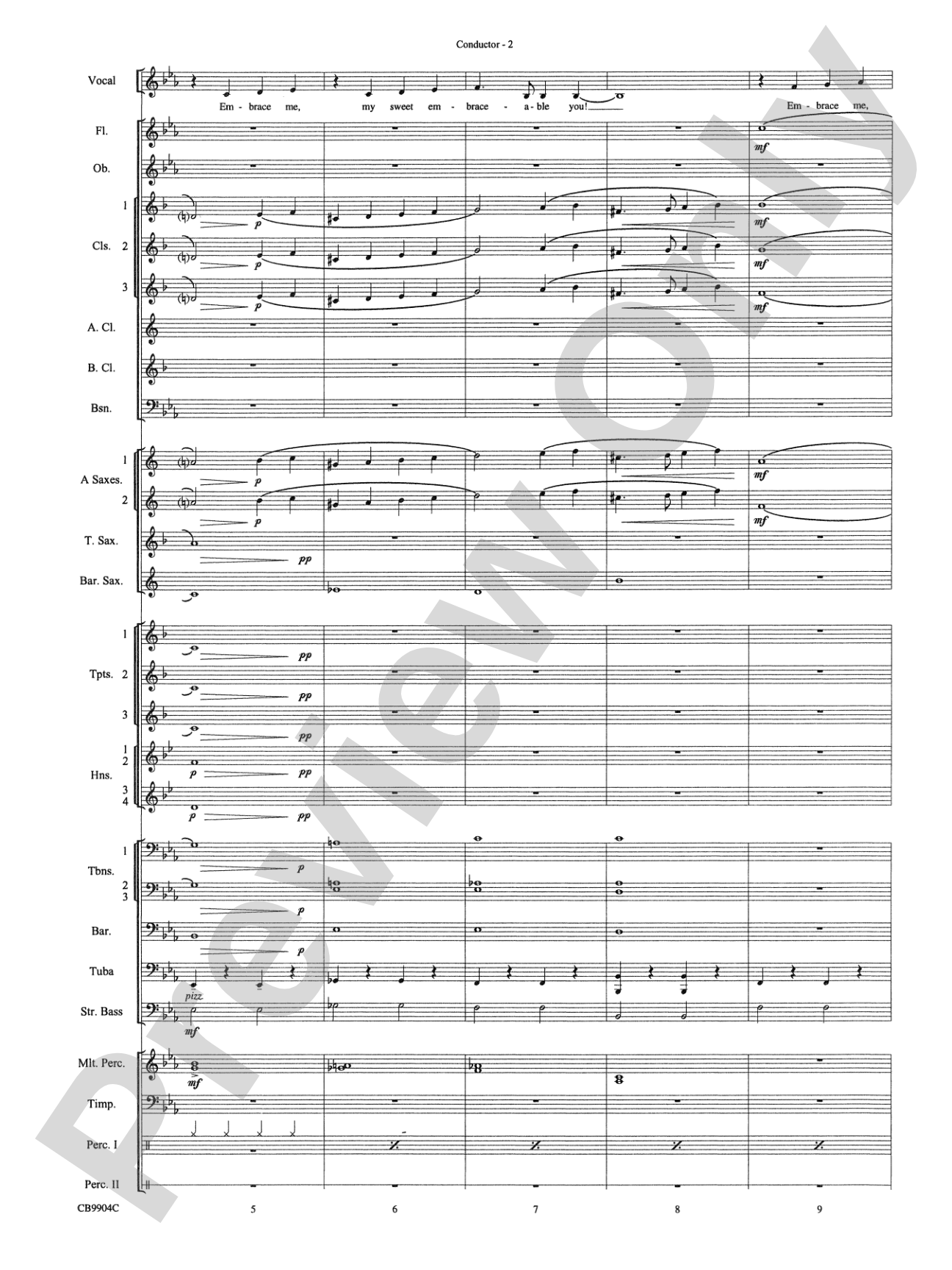
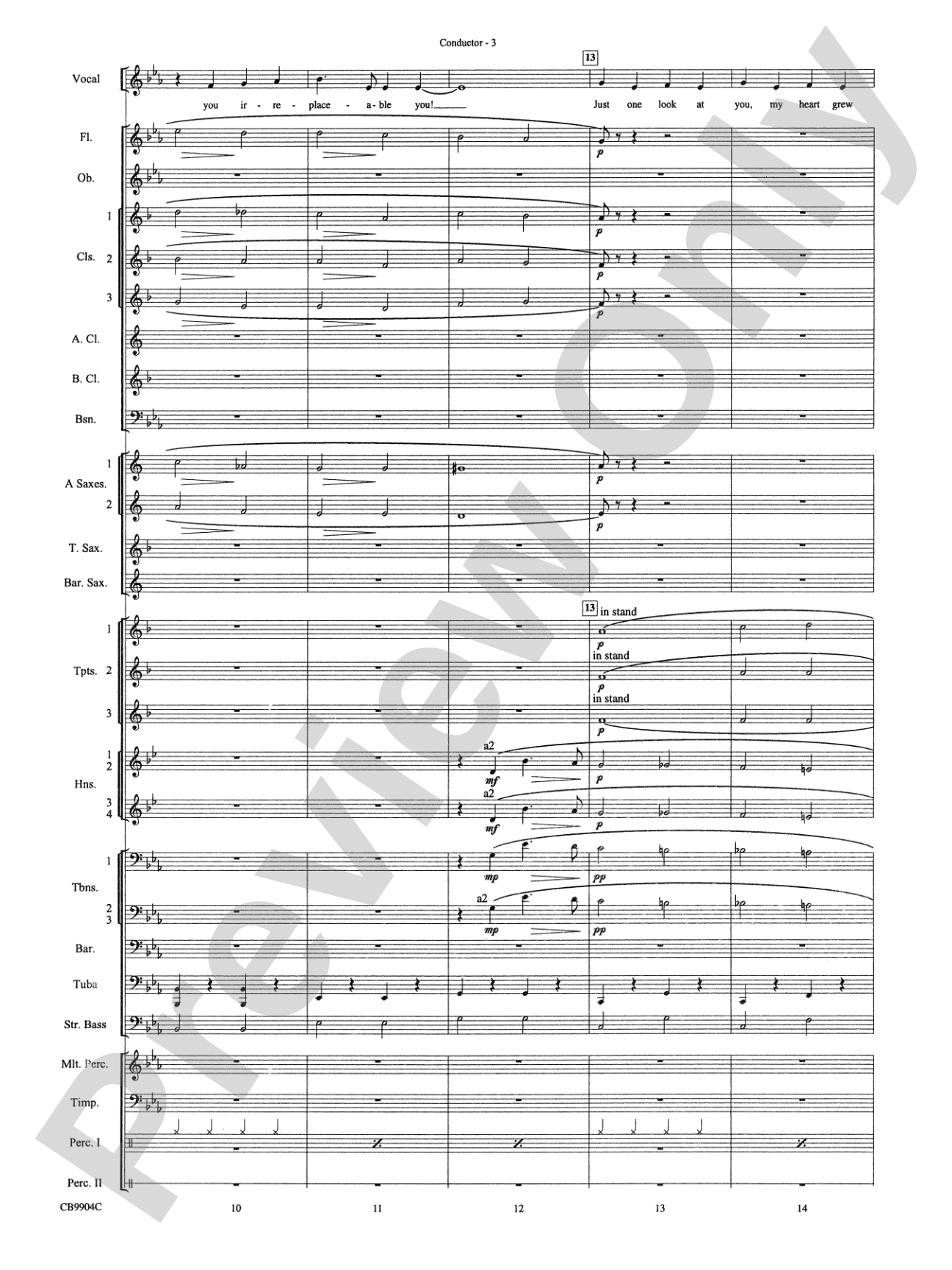
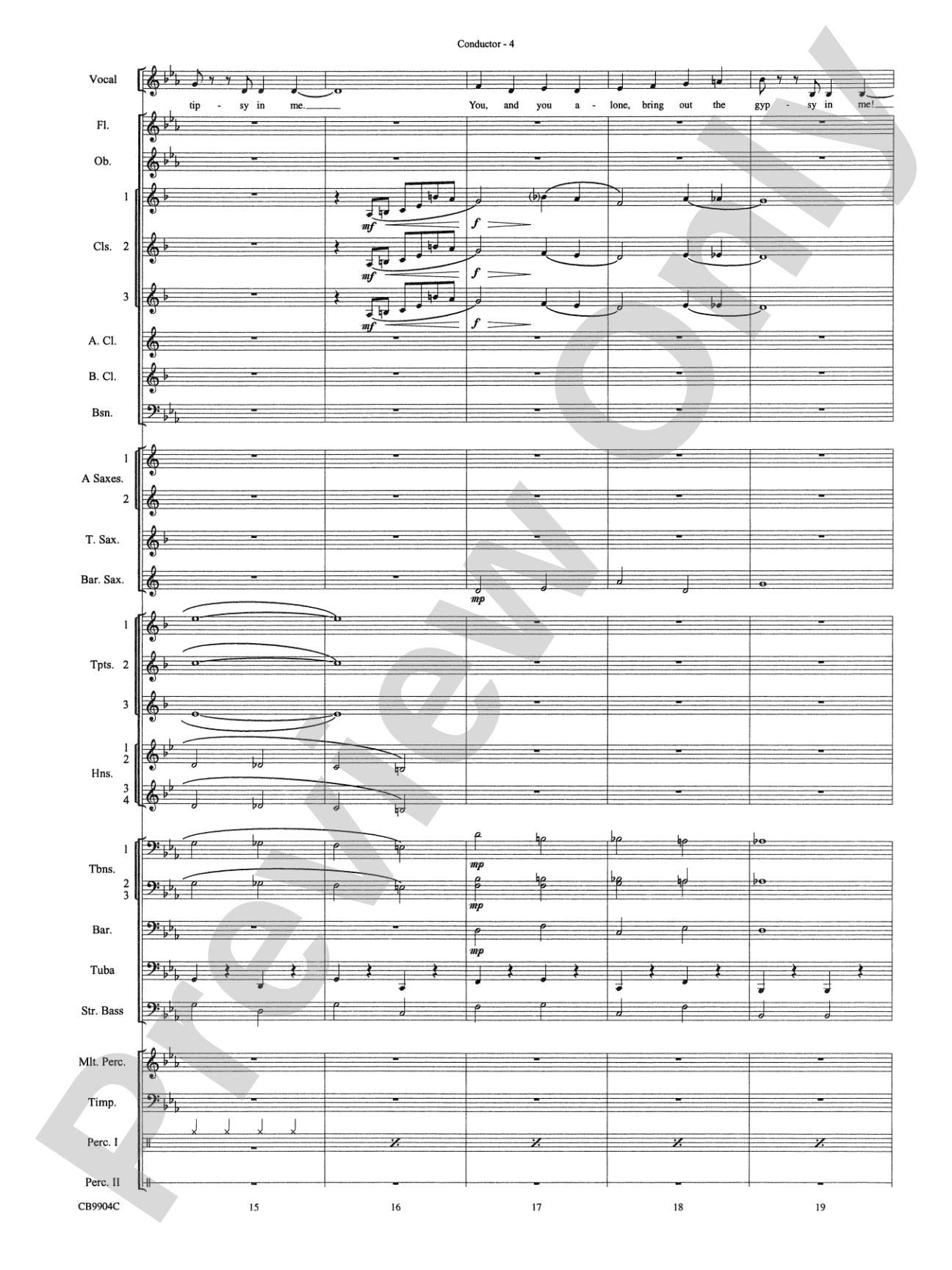
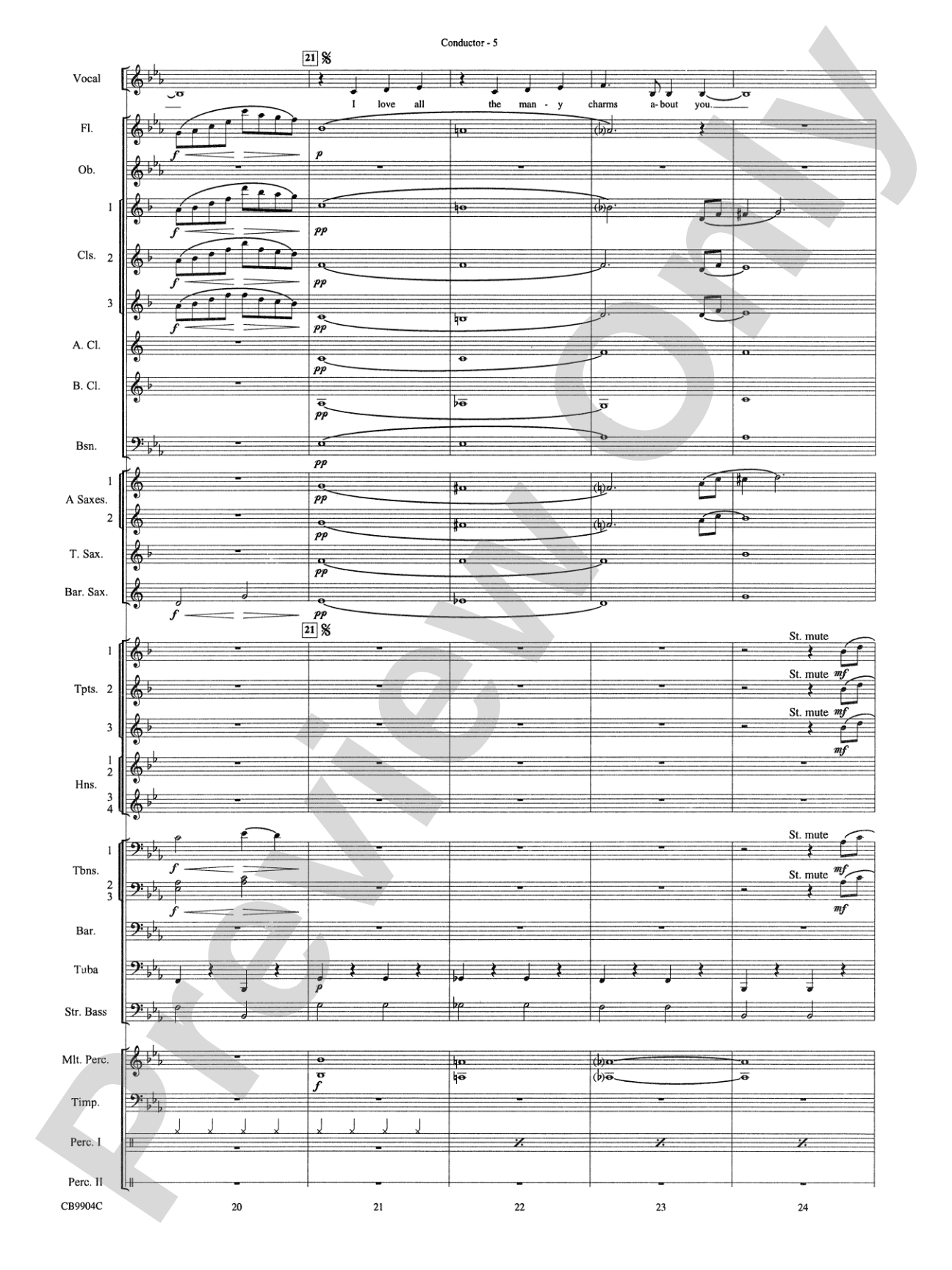
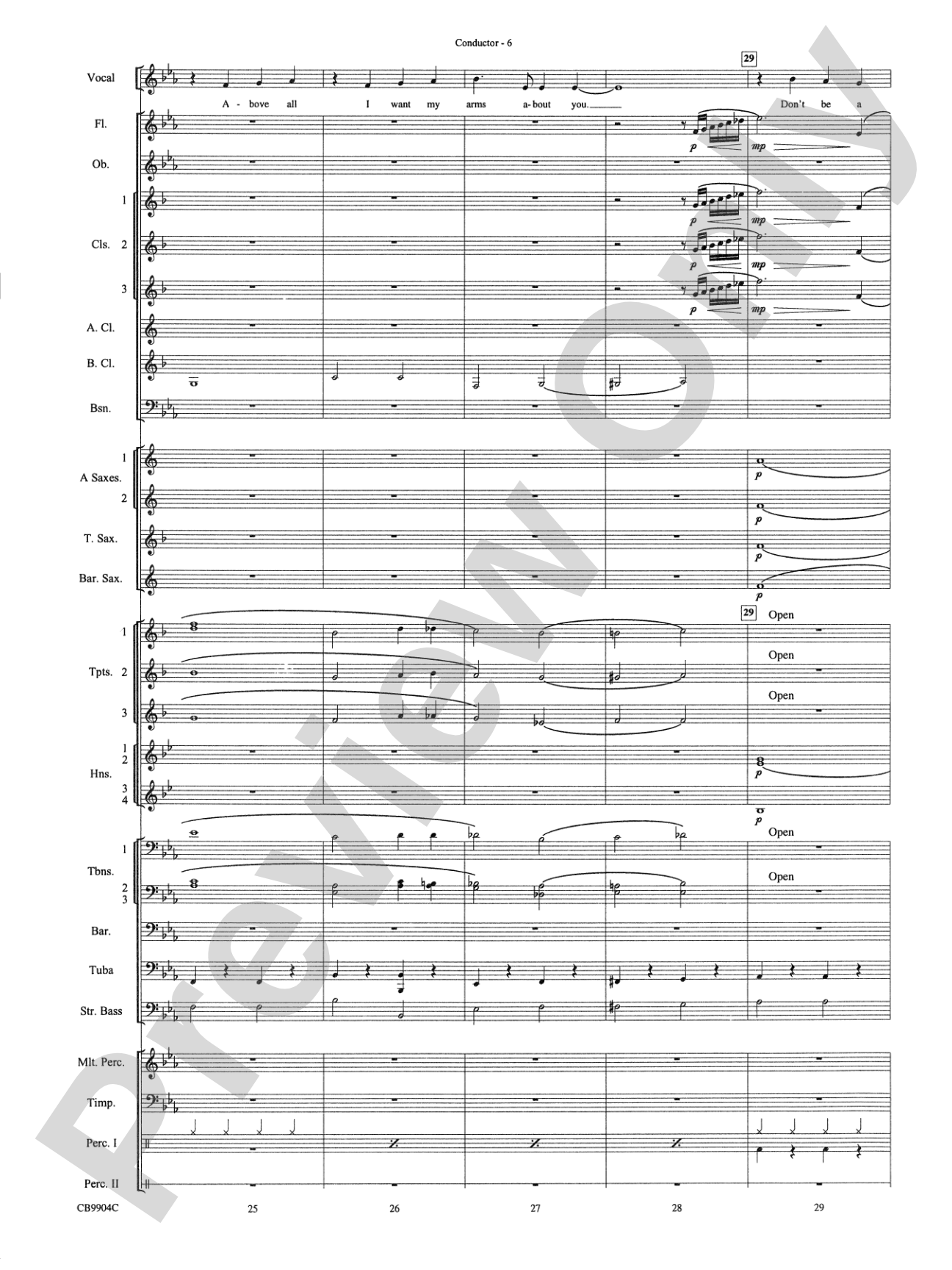
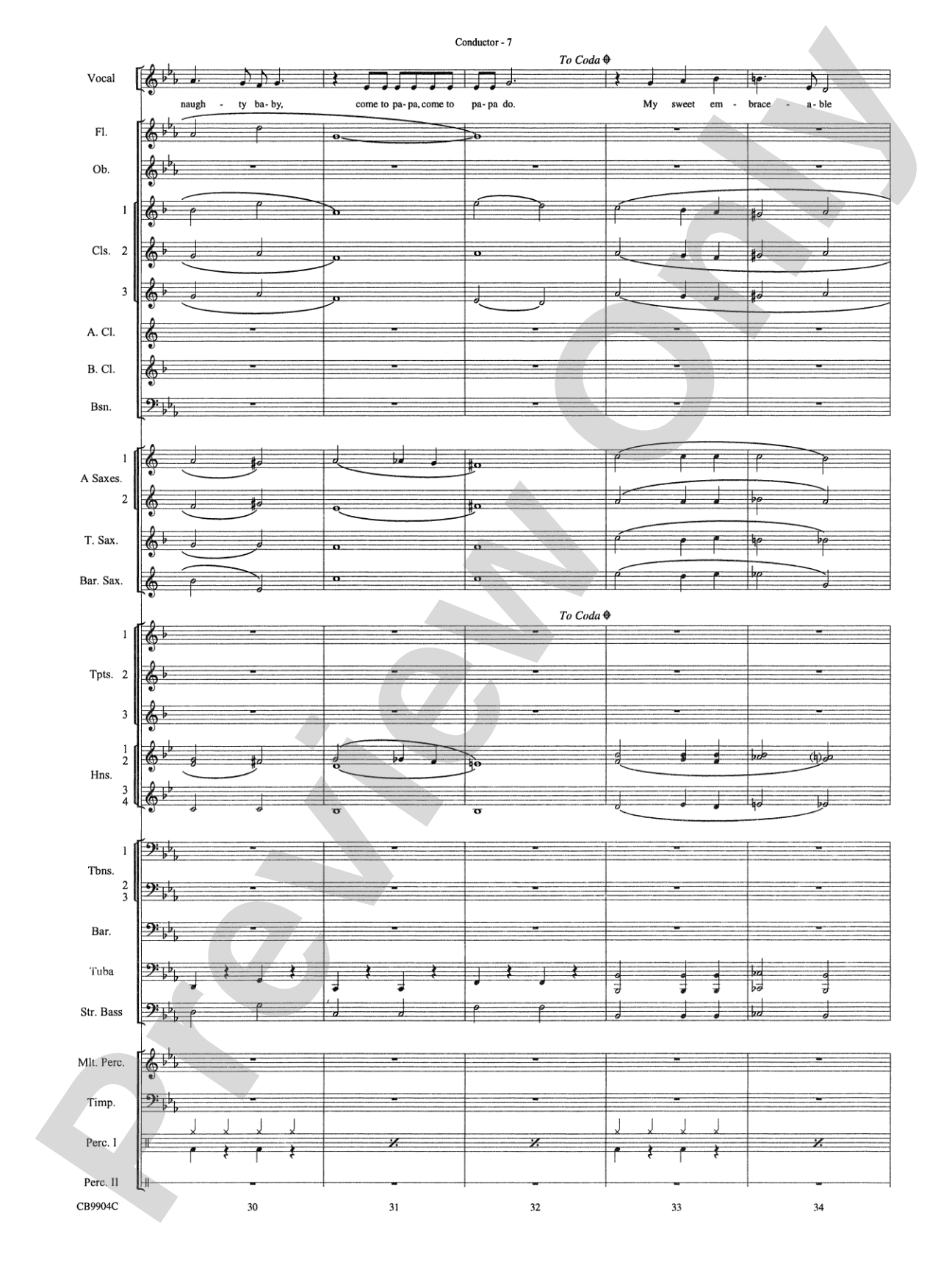
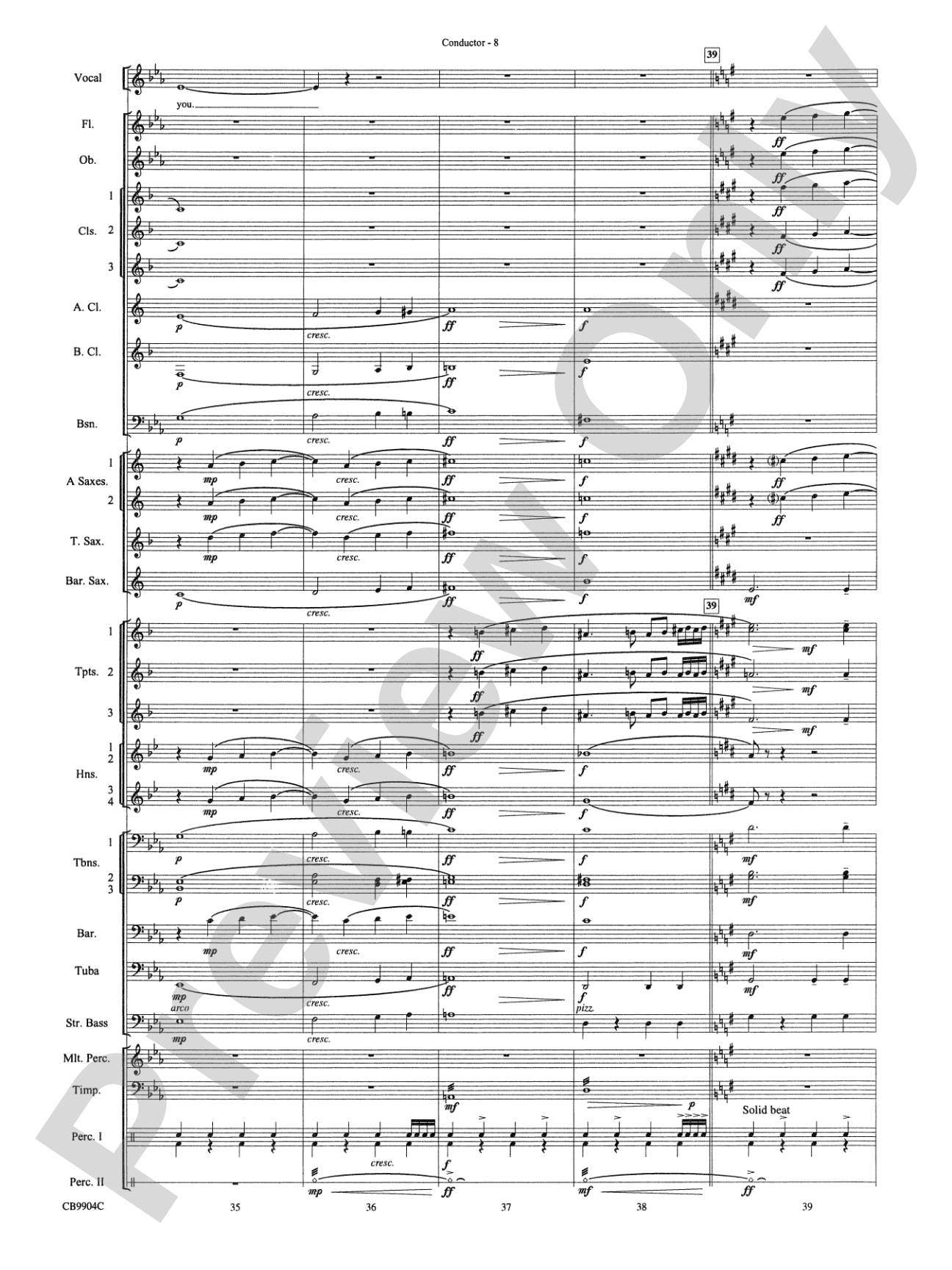
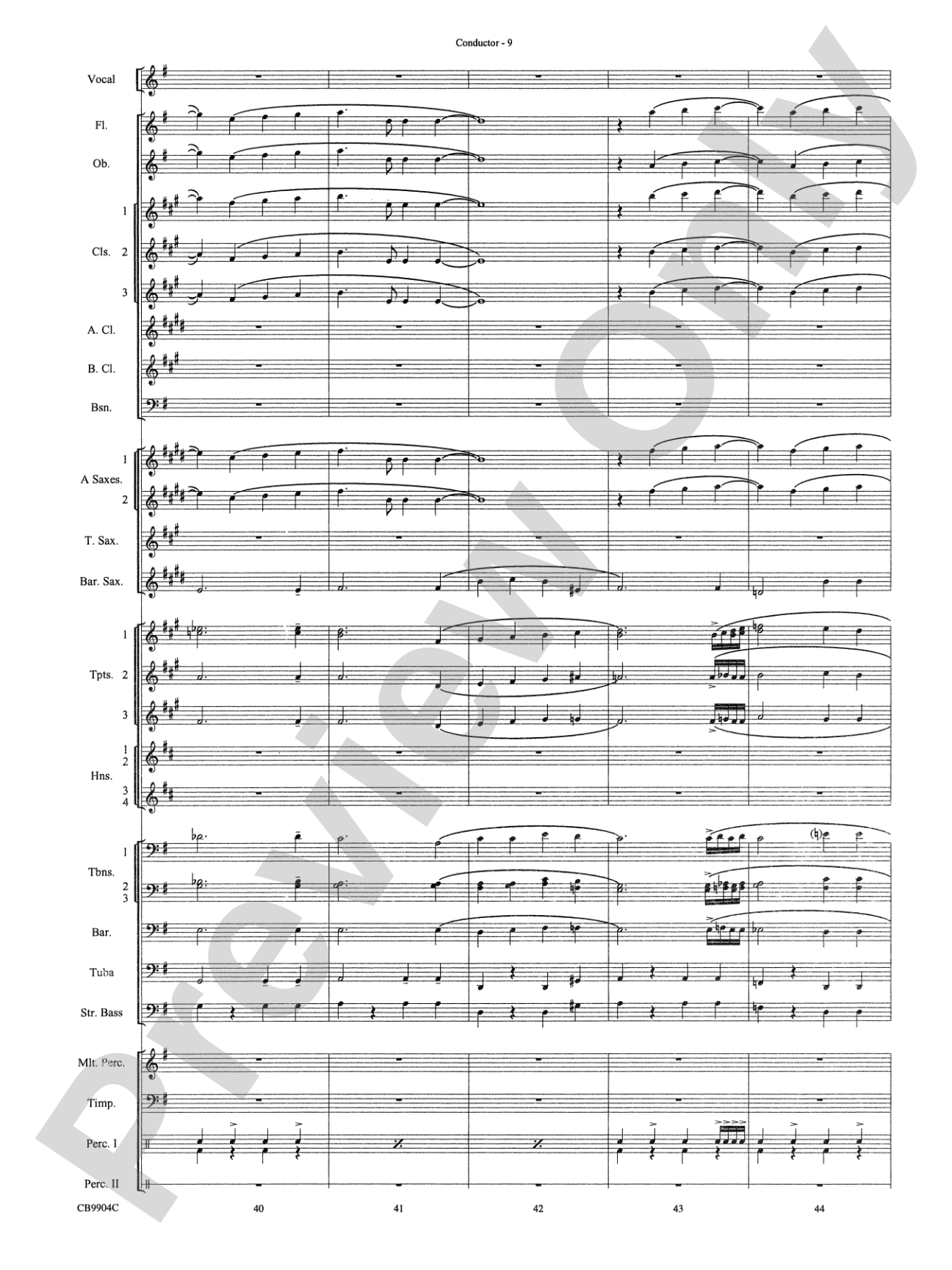
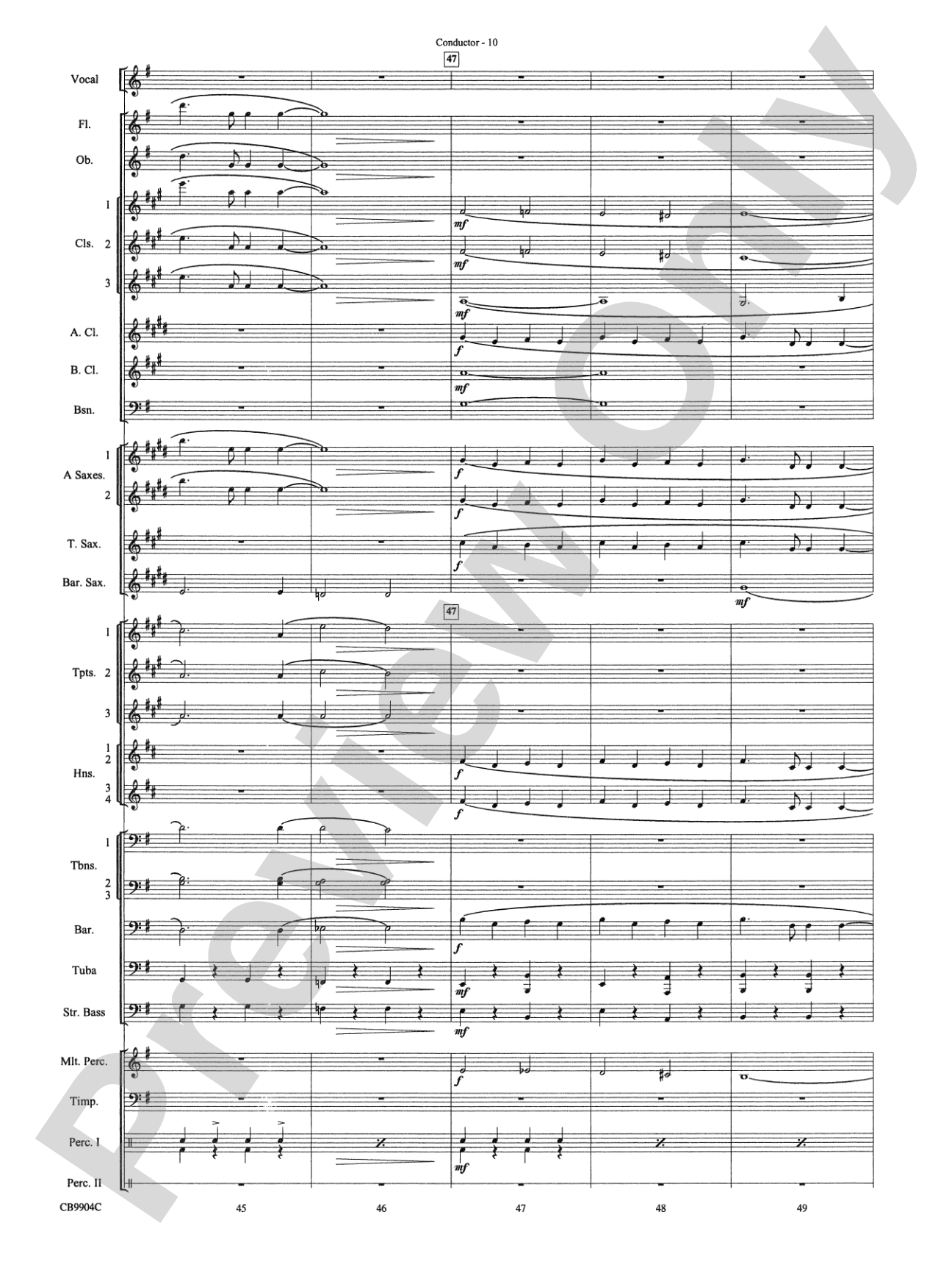
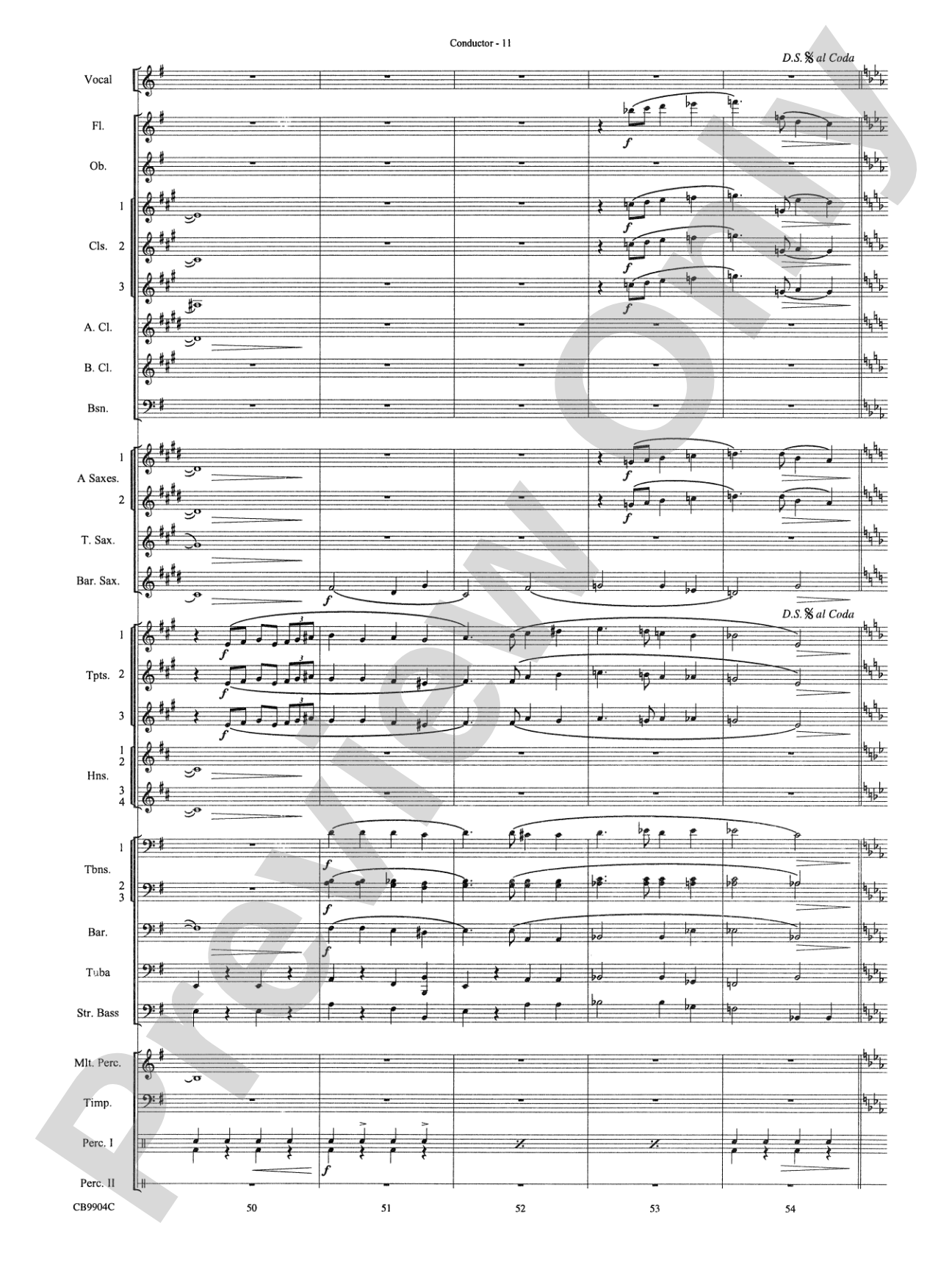
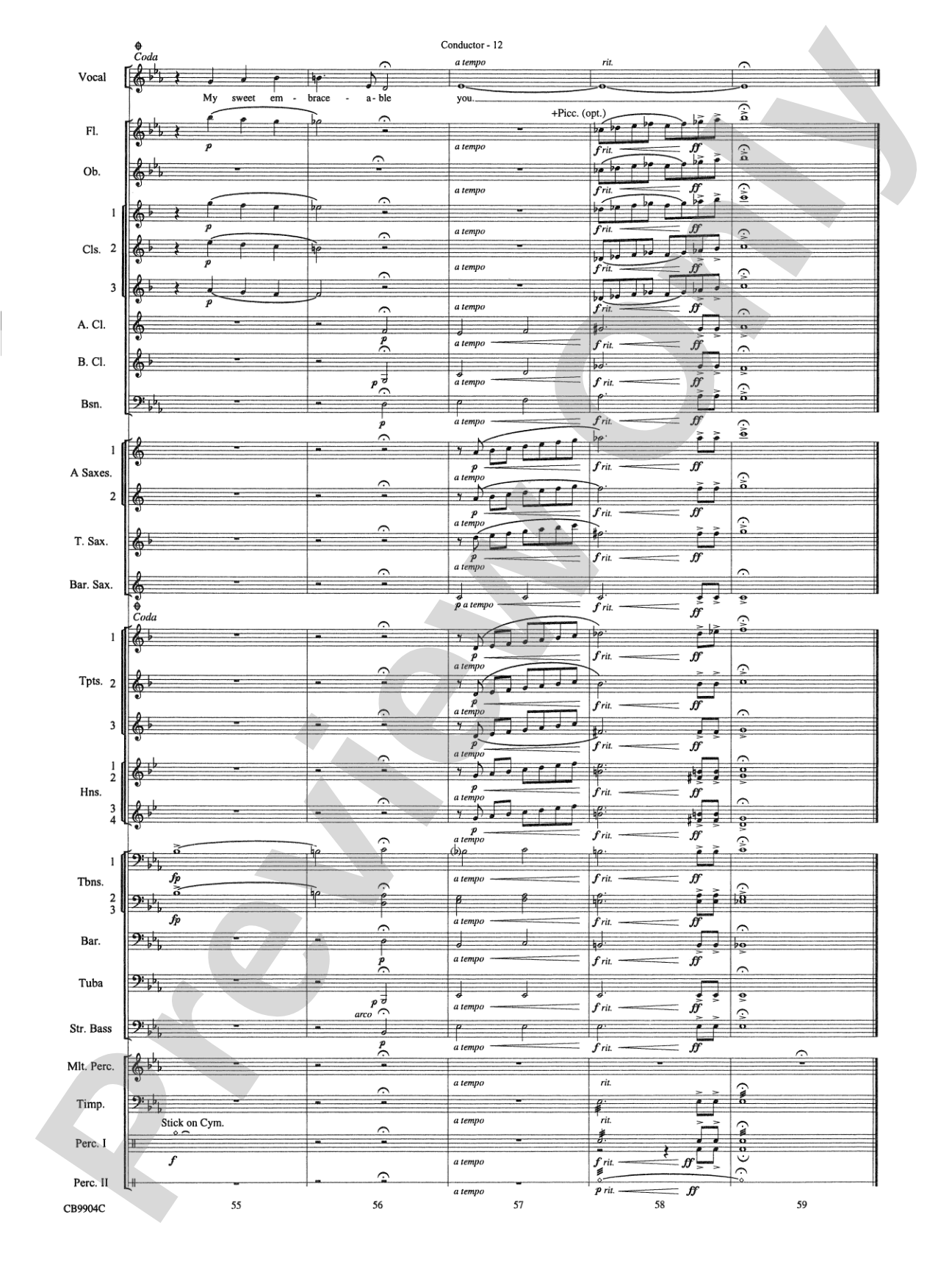



Embraceable You: Concert Band Conductor Score & Parts
Vocal Solo or Optional E-flat or B-flat Instrument Solo
By George Gershwin and Ira Gershwin / arr. Warren Barker
Grade: 4 (Medium)
Item: 00-PK-0002335

$87.00
One moment…
Description
A precious few melodies written each year become standards, tunes that become so much a fabric of our lives that they live on generation after generation. Here is one of the classics from the brothers Gershwin, George and Ira. For your vocal soloist (or optional E-flat or B-flat instrumentalists), this marvelous melody from the Broadway Musical Girl Crazy will be recognized and enjoyed by your entire audience. An absolute winner! (3:18) Medium


Don't just read it, hear it, play along with it, and watch your students grow with it. In MakeMusic Cloud, Embraceable You: Concert Band Conductor Score & Parts comes alive with professional accompaniment, adjustable tempo, and built-in practice tools that turn solo practice into real progress.
Open in the Player
Jump straight in and assign it today.
Start Your Free Trial
Open this title and explore the full library in minutes.
Sample Audio
No sample audio found.
Sample Video
No sample videos found.
Additional Details
Series:
Pop Symphonic Band
Publisher:
Alfred Music
Page Count:
130
SKU:
00-PK-0002335
More about this title
About the Composer: George Gershwin
George Gershwin (1898-1937) bridged the worlds of concert music and American popular song with unprecedented sophistication. His compositions for Broadway, film, and the concert hall drew on jazz idioms, folk melodies, and European classical forms to create a distinctly American musical voice that remains unmatched in its immediacy and emotional depth.
Gershwin's gift for memorable melody combined with his harmonic innovation made him a natural choice for musical theater. He collaborated with his brother Ira, a lyricist of rare wit and craft, to create standards that have outlasted countless more pretentious works. His influence on American composers and arrangers continues to shape how we think about vernacular music elevated to art.
Why we love this
Warren Barker's arrangement respects the song's essential character while giving concert band the full harmonic and textural resources to make it sing. The optional instrumental soloists (E-flat or B-flat) mean you can showcase a vocalist or pivot to an instrumental feature depending on your ensemble's strengths. This is the kind of repertoire that reminds audiences why they came to the concert in the first place.
What to expect
Warm, romantic, and deeply familiar. The melody unfolds with the casual elegance of a song overheard at a jazz club or sung under the stars. Gershwin's harmonic language adds subtle sophistication beneath the tune's apparent simplicity, creating a piece that satisfies both casual listeners and musicians who notice the craft.
Who it's for
Concert bands at the Grade 4 level looking to program a universally recognized standard that appeals across age groups and community contexts. Directors who want to feature a strong vocalist or capable woodwind or brass soloist within a sophisticated musical framework.
How to get the most out of it
- Balance the soloist carefully against the band so the melody sits cleanly above the accompaniment; use the dynamic markings to guide the ensemble's restraint.
- Pay special attention to the harmonic motion in the bridge, where Gershwin's sophisticated chord changes deserve clear voice leading in the woodwind and brass sections.
- Shape the melody with genuine legato phrasing rather than mechanical note-reading; this is a song first and should breathe like one.
- If using an instrumental soloist, ensure they understand the vocal character of the line and the rubato flexibility that the song style demands.
How to use it
Open a concert with this piece to establish an accessible, audience-friendly tone, or place it mid-program as a breather between heavier works. It pairs naturally with other Great American Songbook standards and Broadway repertoire, making it ideal for pops concerts or community celebration programs.
Skills your students will build
- Balancing solo and ensemble textures with dynamic control
- Sustaining legato phrasing across longer melodic lines
- Recognizing and executing sophisticated harmonic progressions
- Performing swing-inflected rhythms and jazz-influenced articulation