
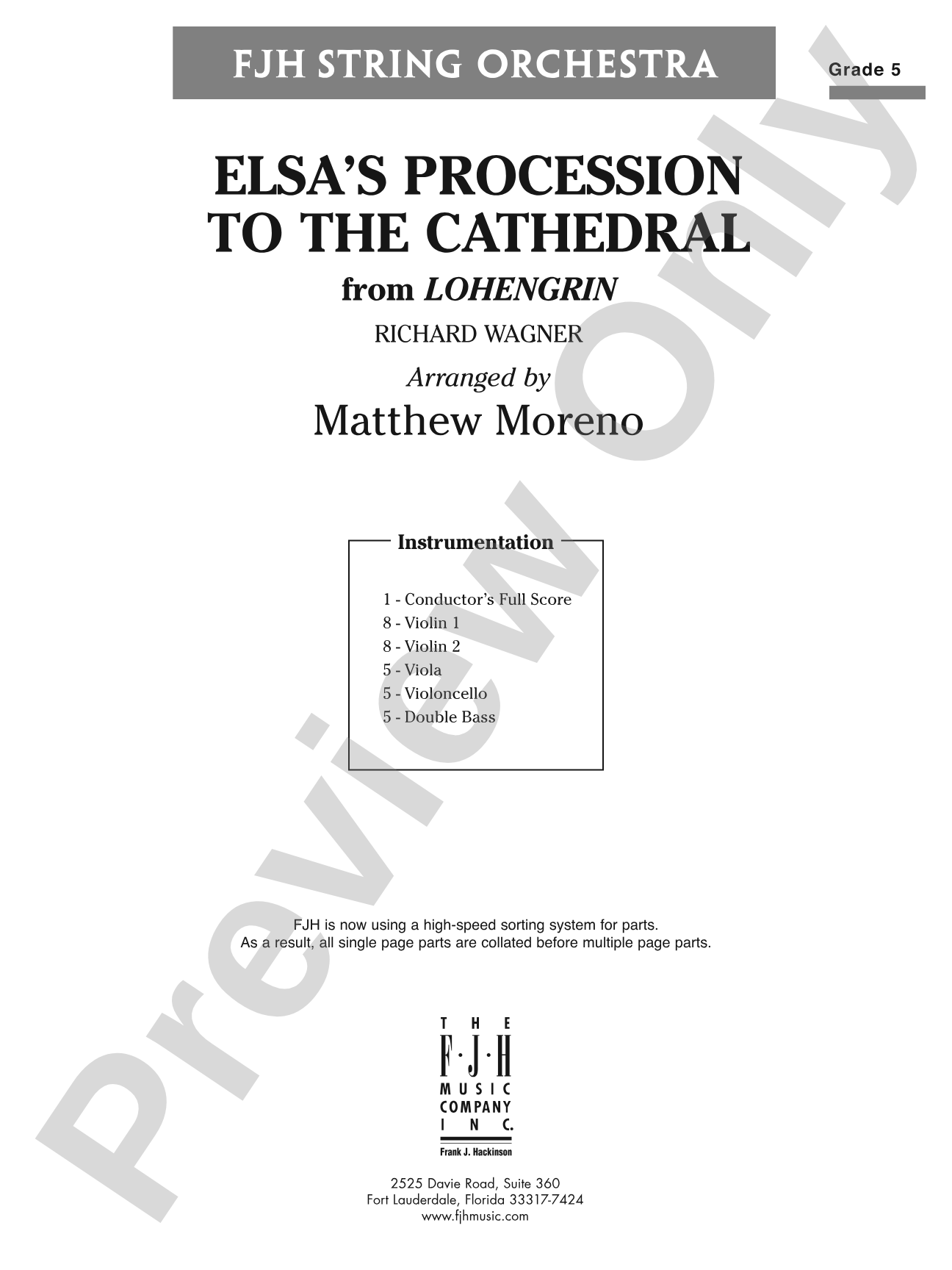
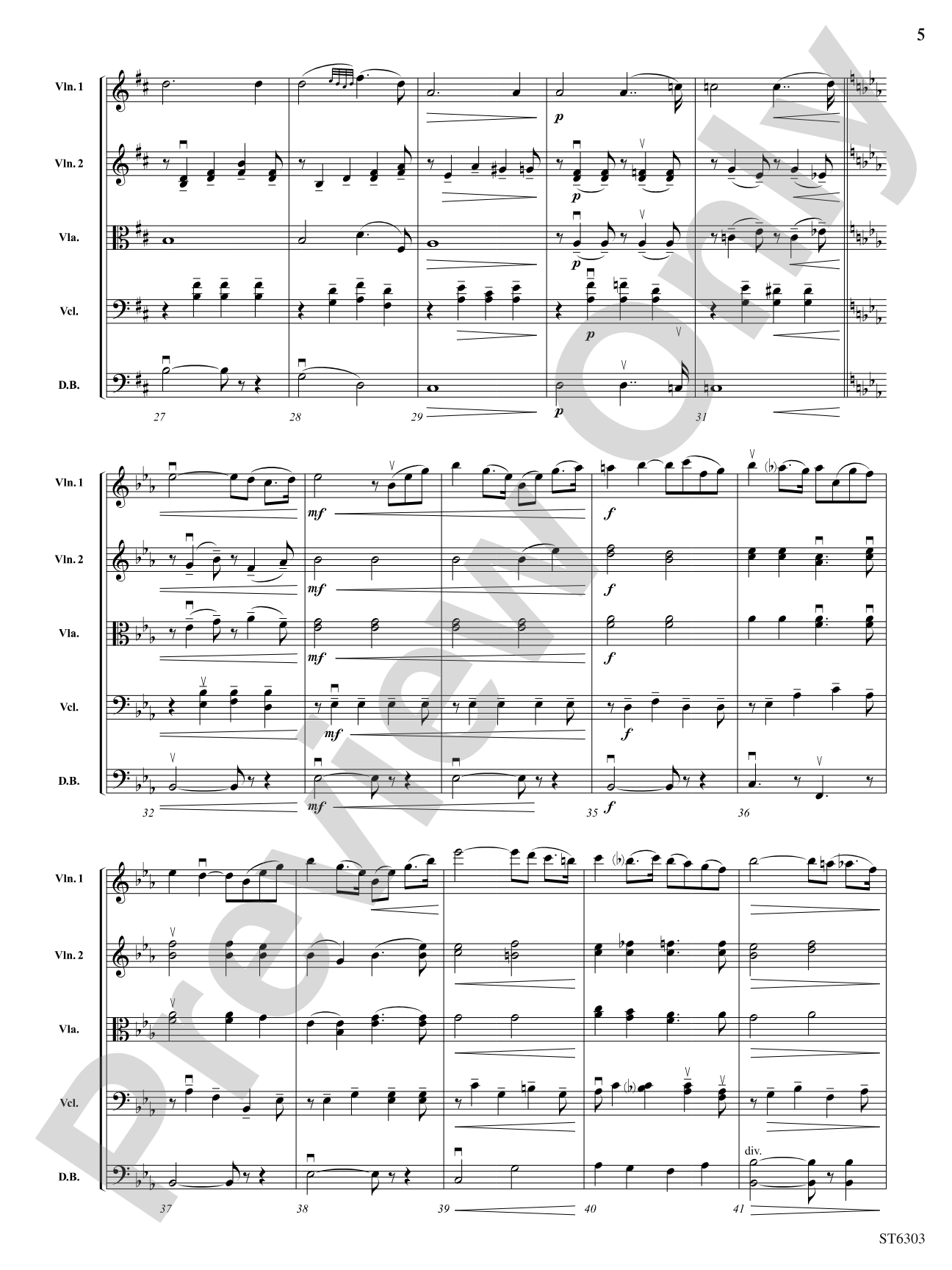
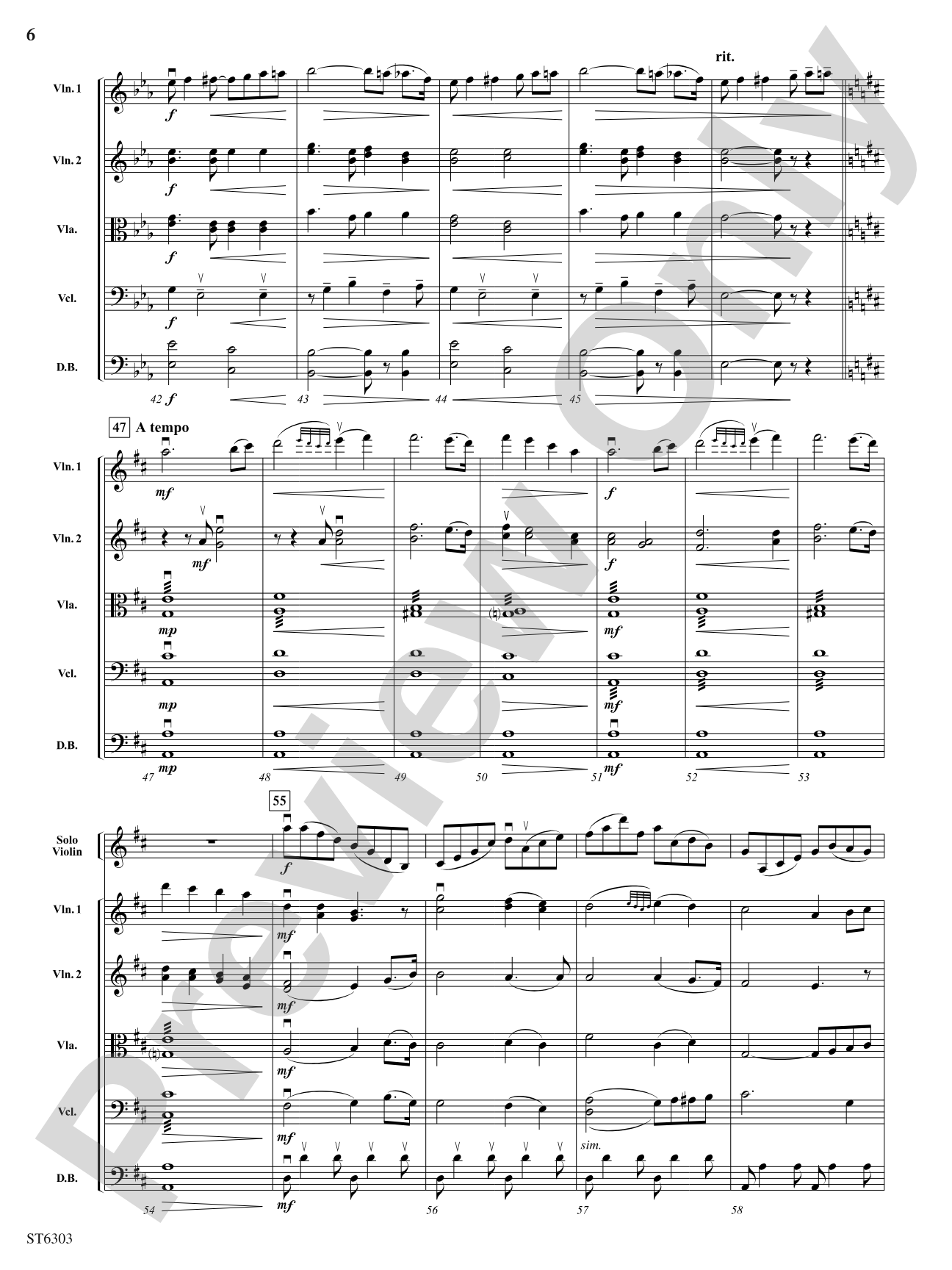
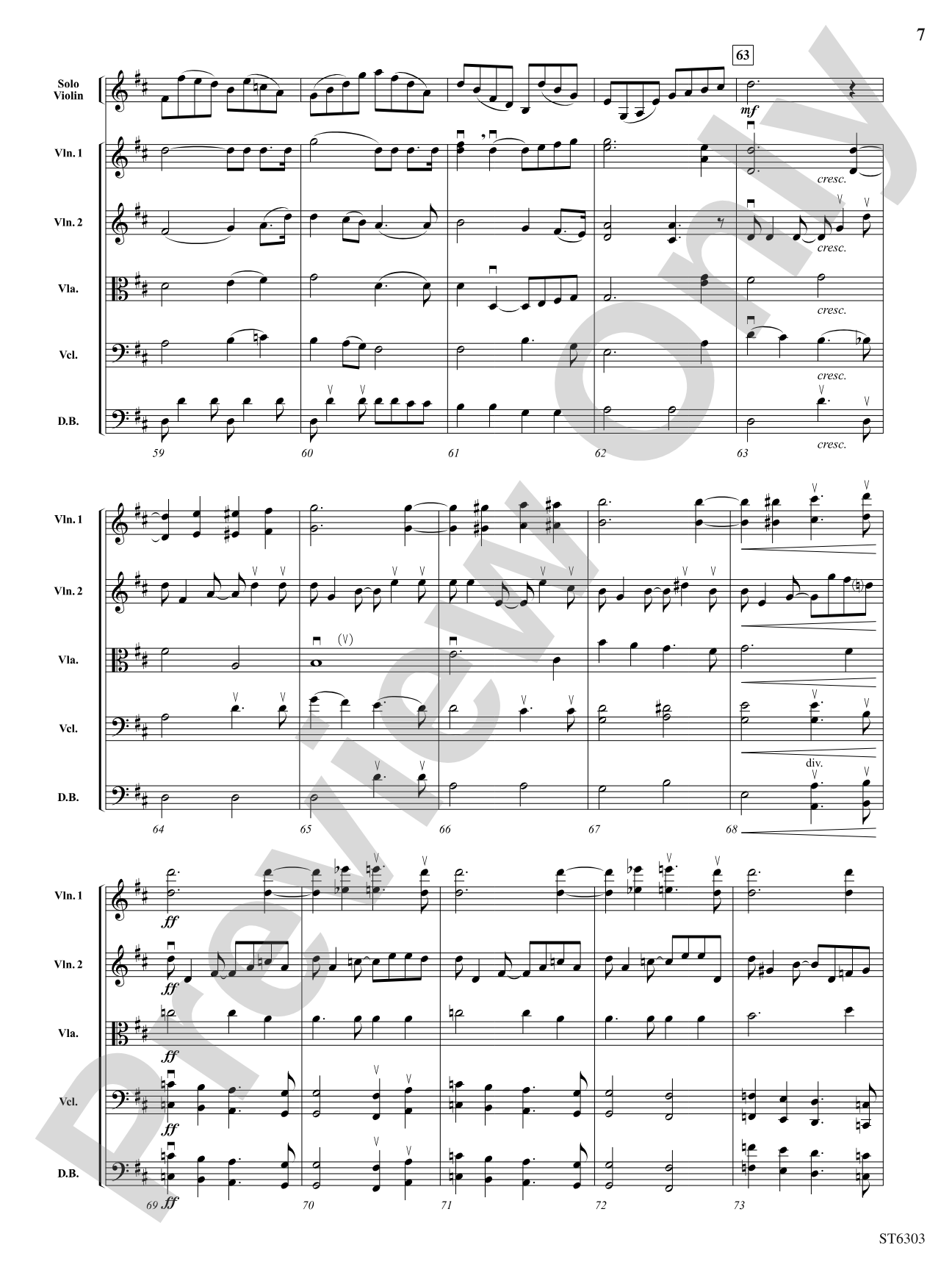
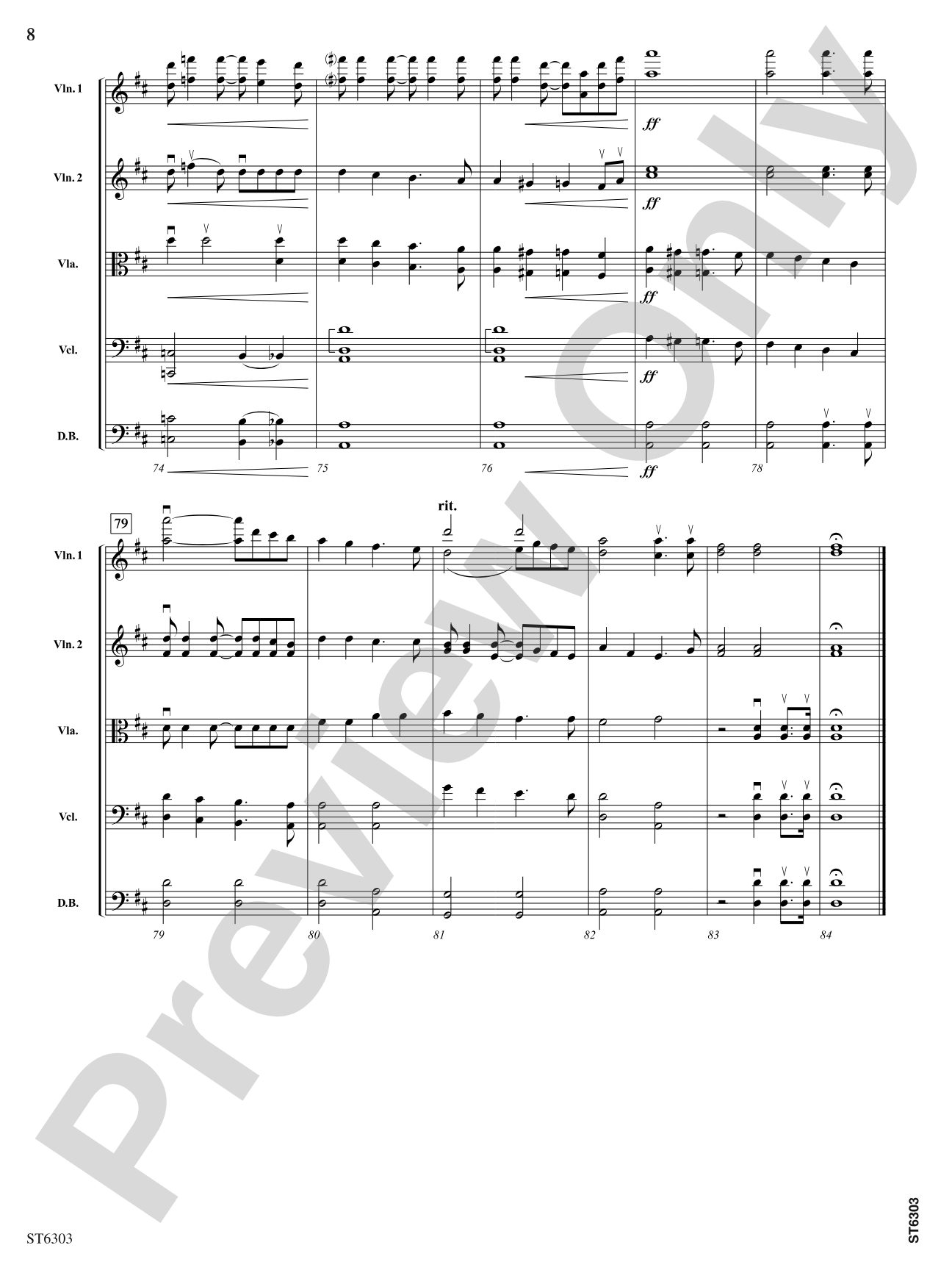

Elsa's Procession to the Cathedral: String Orchestra Conductor Score & Parts
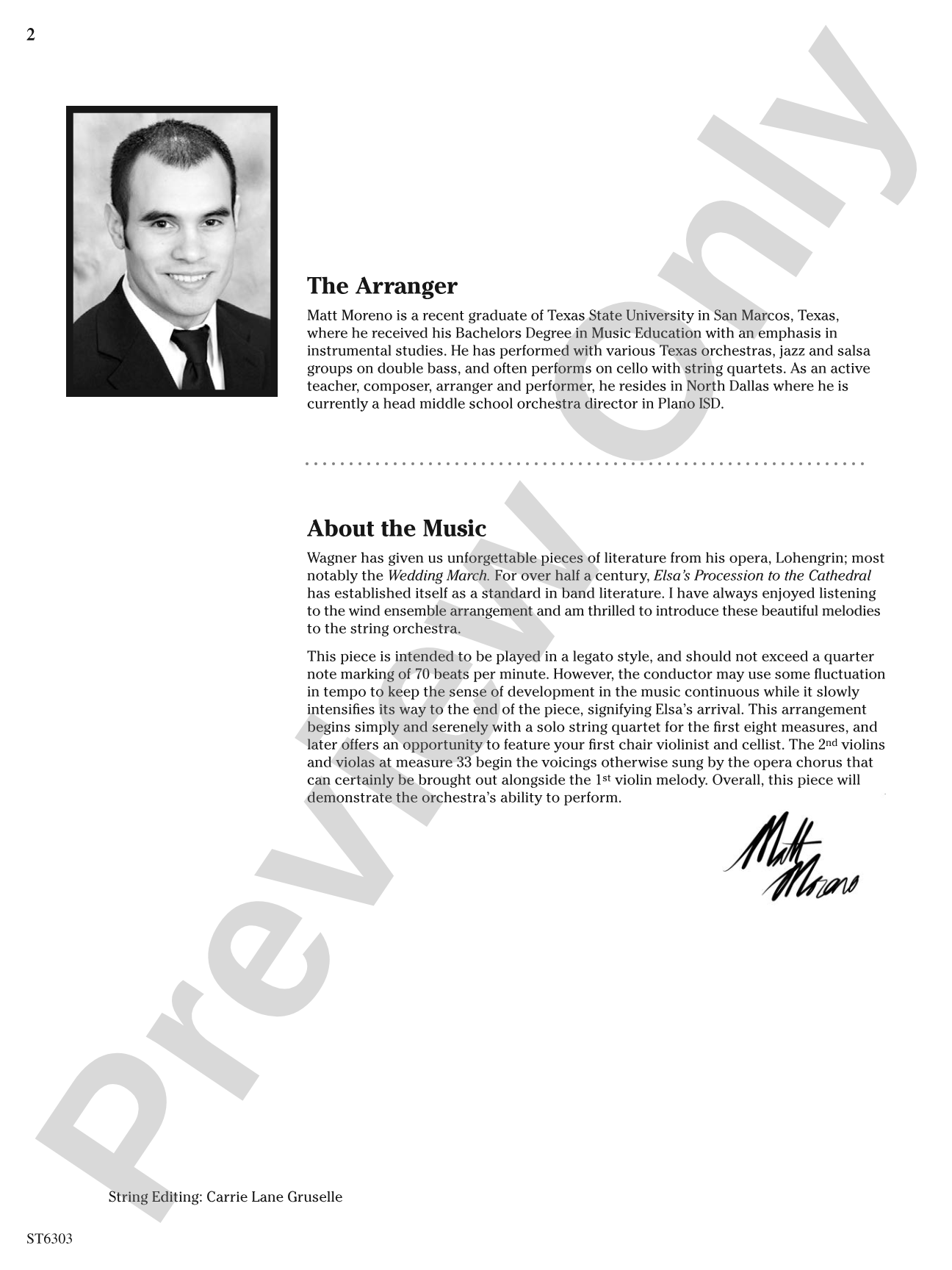
By Richard Wagner / arr. Matt Moreno
Grade: 5
Item: 98-DST6303

$70.00
Pickup currently not available
Buy Extra Parts (Digital PDF Download)
Parts Added to Cart!
Description
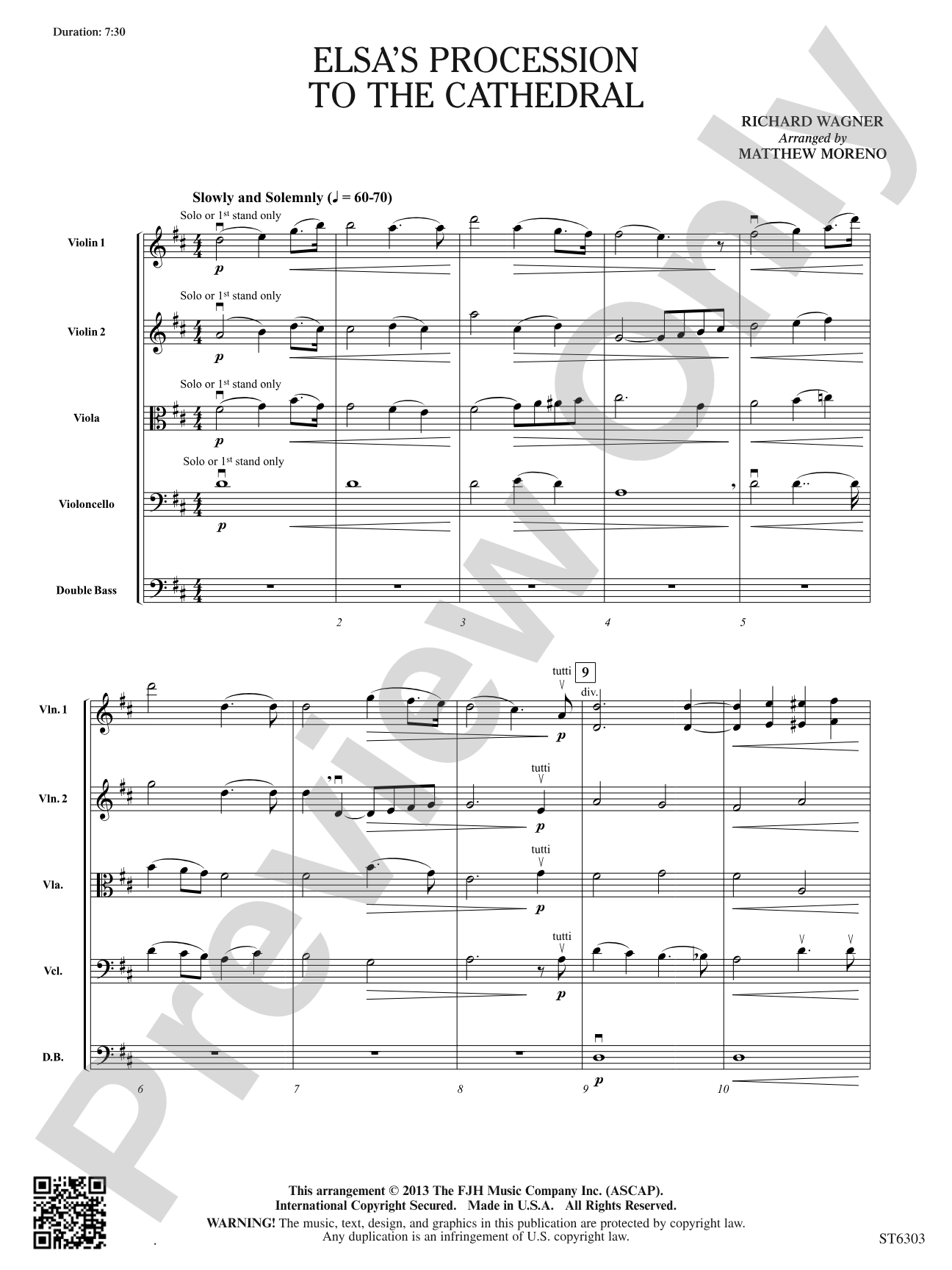
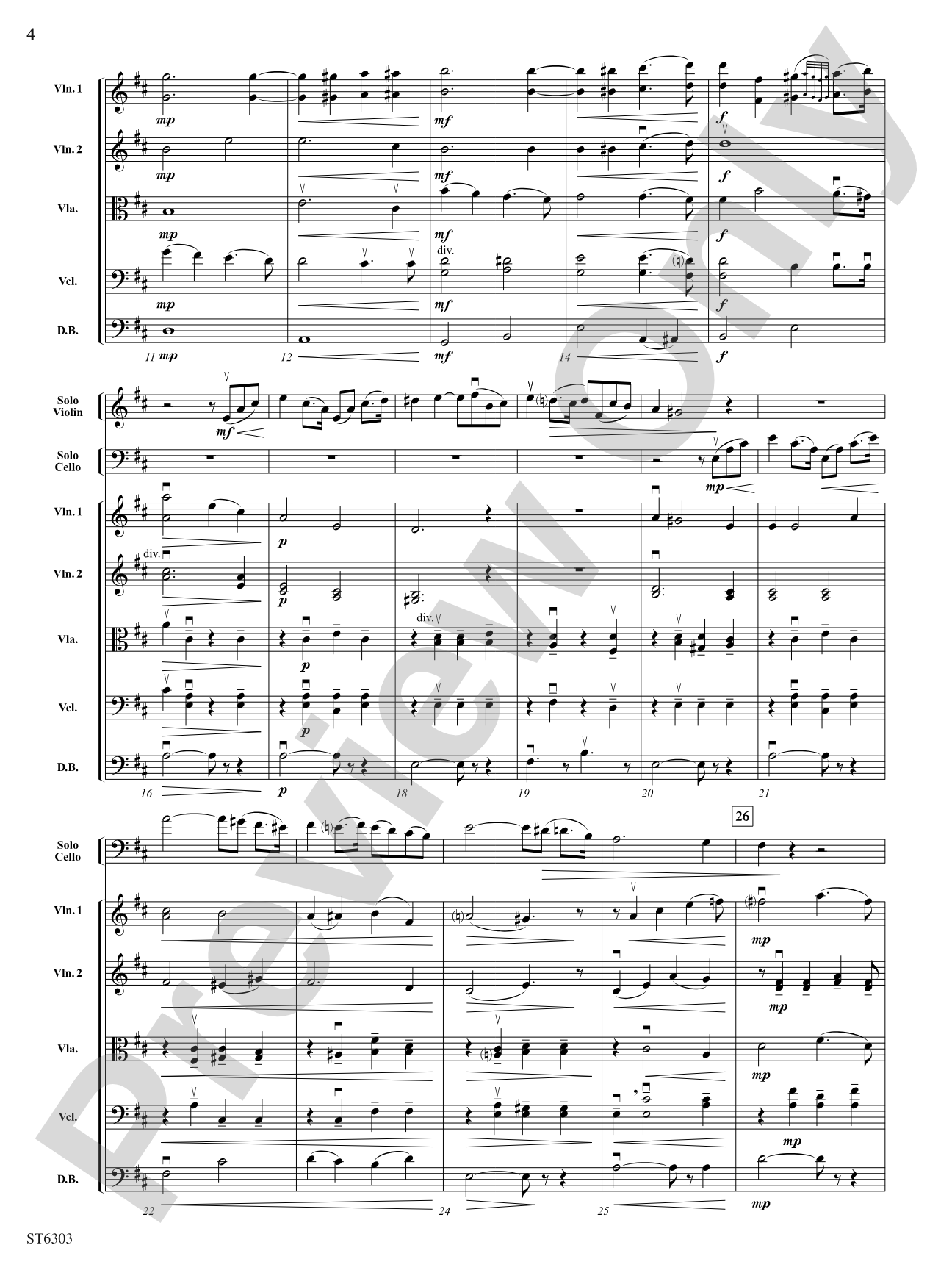
Introduce your orchestra and audience to this passionate arrangement from Wagner's famous opera, Lohengrin. This transcription keeps the textures and colors amazingly true to the full operatic score while featuring solo violin and cello. Equally powerful for chamber orchestras or large string orchestras, this work is sure to make a profound impact at your performance. Stunning.


Don't just read it, hear it, play along with it, and watch your students grow with it. In MakeMusic Cloud, Elsa's Procession to the Cathedral: String Orchestra Conductor Score & Parts comes alive with professional accompaniment, adjustable tempo, and built-in practice tools that turn solo practice into real progress.
Open in the Player
Jump straight in and assign it today.
Start Your Free Trial
Open this title and explore the full library in minutes.
Sample Audio
1
Audio File
--:--
0:00
0:00
Sample Video
No sample videos found.
Additional Details
Series:
FJH String Orchestra
Publisher:
The FJH Music Company, Inc.
SKU:
98-DST6303
More about this title
About the Composer: Richard Wagner
Richard Wagner (1813-1883) revolutionized opera by integrating music, drama, and visual spectacle into unified artistic statements. His harmonic innovations and orchestral mastery influenced generations of composers, and his operas remain central to the operatic repertoire. For music educators, Wagner's works offer rich material for studying advanced orchestration, leitmotif technique, and the expressive possibilities of chromatic harmony.
Why we love this
Matt Moreno's transcription captures the grand ceremonial sweep of Wagner's original without sacrificing the dramatic weight that makes this passage unforgettable. Orchestras at this level can deliver genuine concert impact with a piece that audiences recognize and respect, making it an excellent choice for showcasing both ensemble maturity and technical accomplishment.
What to expect
Stately and triumphant, with an underlying emotional grandeur. The procession unfolds with deliberate nobility, carrying the listener through moments of intimate lyricism via the solo instruments before swelling into full orchestral splendor. There's pageantry here, but also genuine depth.
Who it's for
String orchestras at Grade 5 level with solid intonation and the ability to sustain lyrical playing across extended phrases. This arrangement works equally well for chamber orchestras seeking repertoire with orchestral scope and for larger ensembles preparing contest or festival repertoire with genuine musical substance.
How to get the most out of it
- Balance the solo violin and cello passages against the orchestral texture; these soloists drive the emotional arc and need clarity without overshadowing the harmonic foundation beneath them.
- Shape the phrasing across longer lines rather than phrase-by-phrase. This piece breathes as a procession, so sustained momentum through rubato and dynamic shaping creates the ceremonial quality the music demands.
- Attend carefully to the string section's dynamic unity. Achieving a cohesive forte or pianissimo across all parts makes the orchestral colors read as Wagner intended them.
How to use it
Position this as a centerpiece work on a concert featuring Romantic-era arrangements or operatic transcriptions. Its formal grandeur and recognizable source material make it particularly effective as a finale or as the anchor of a concert exploring orchestration and adaptation across repertoire periods.
Skills your students will build
- Sustaining long lyrical phrases with consistent tone and intonation
- Balancing solo and tutti textures within a single ensemble
- Reading and executing dynamic and expressive markings across a large score
- Performing in a stately, processional style without rushing
- Responding to subtle tempo and rubato decisions from the conductor