

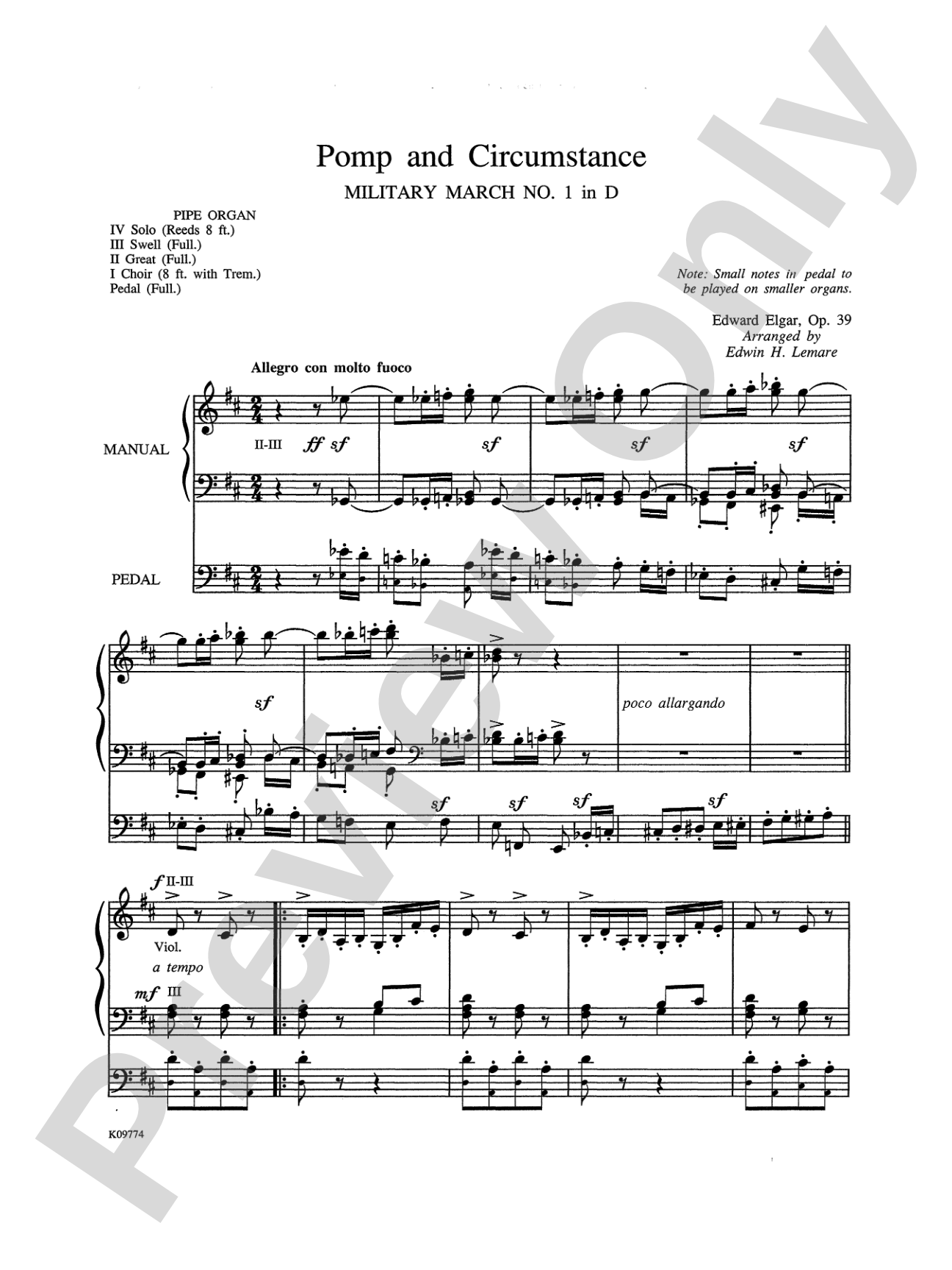
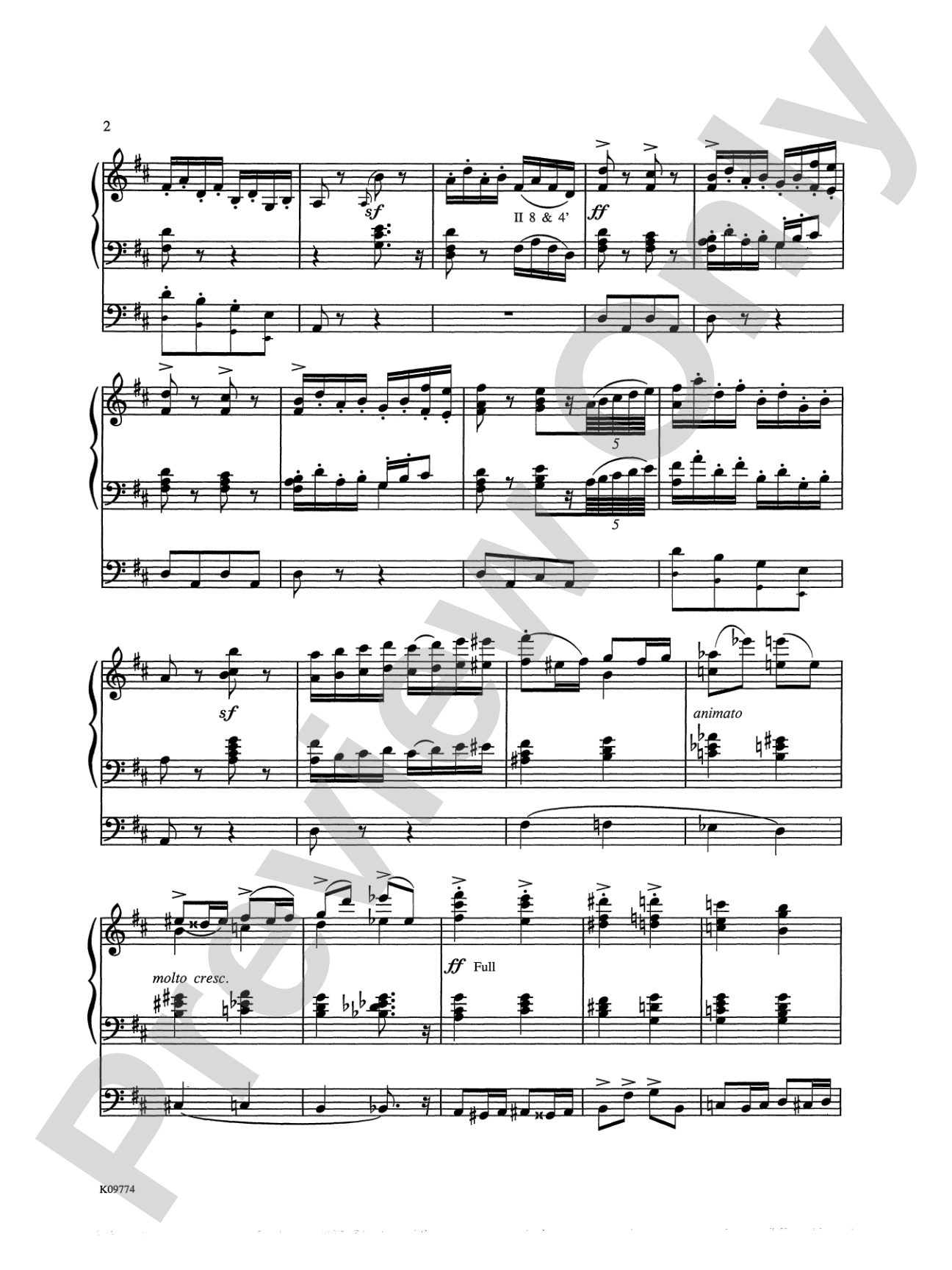
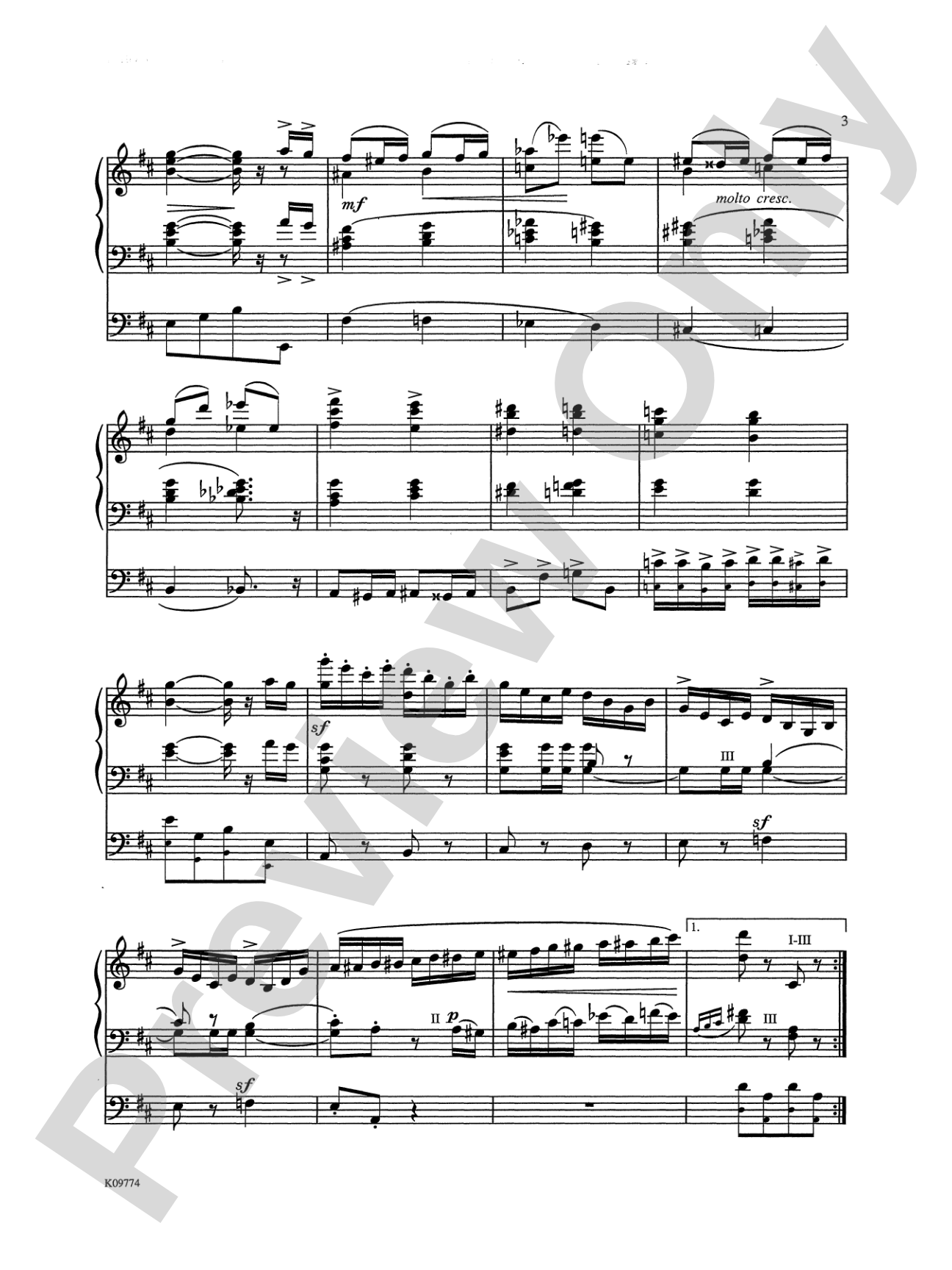
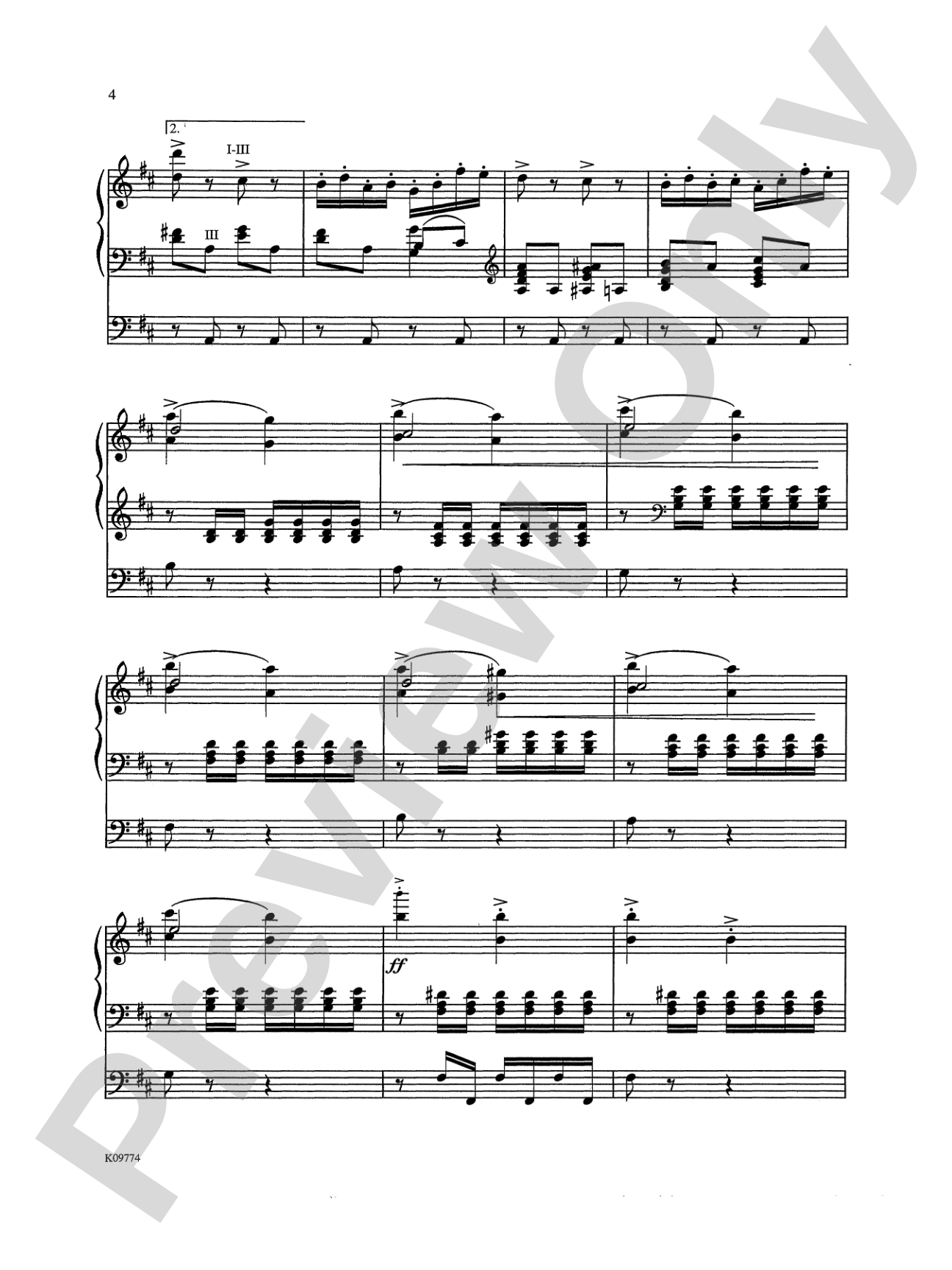
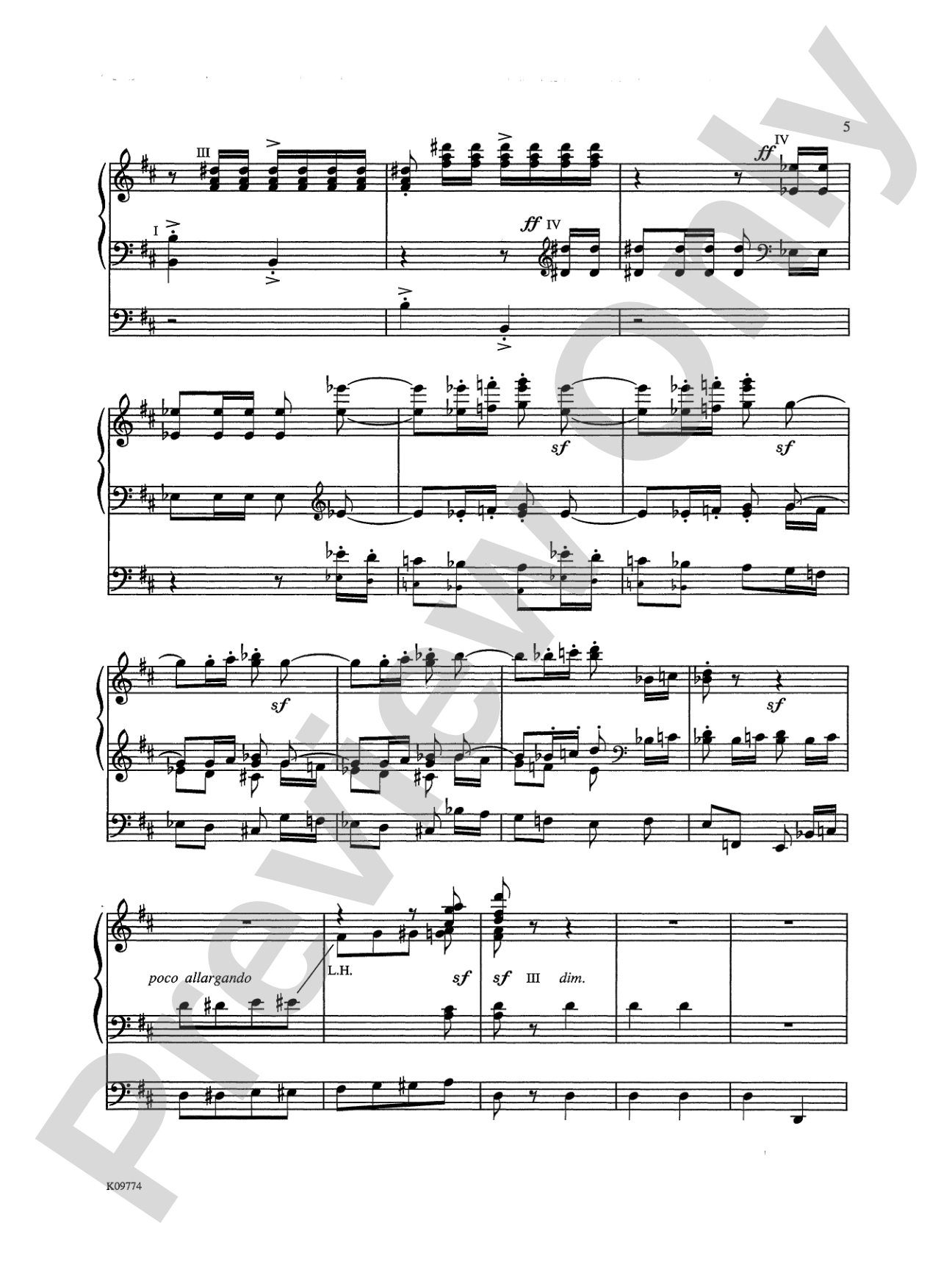
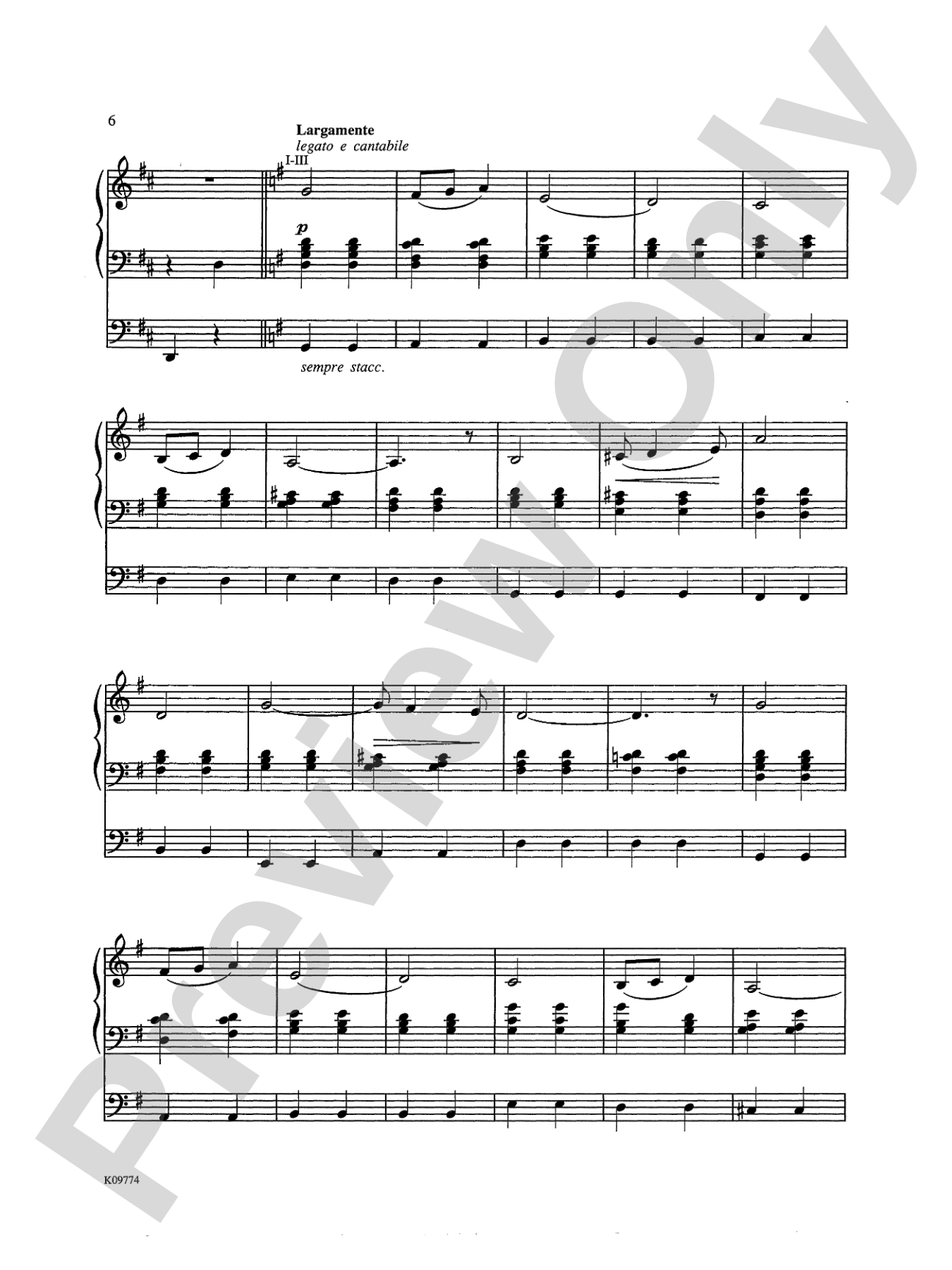
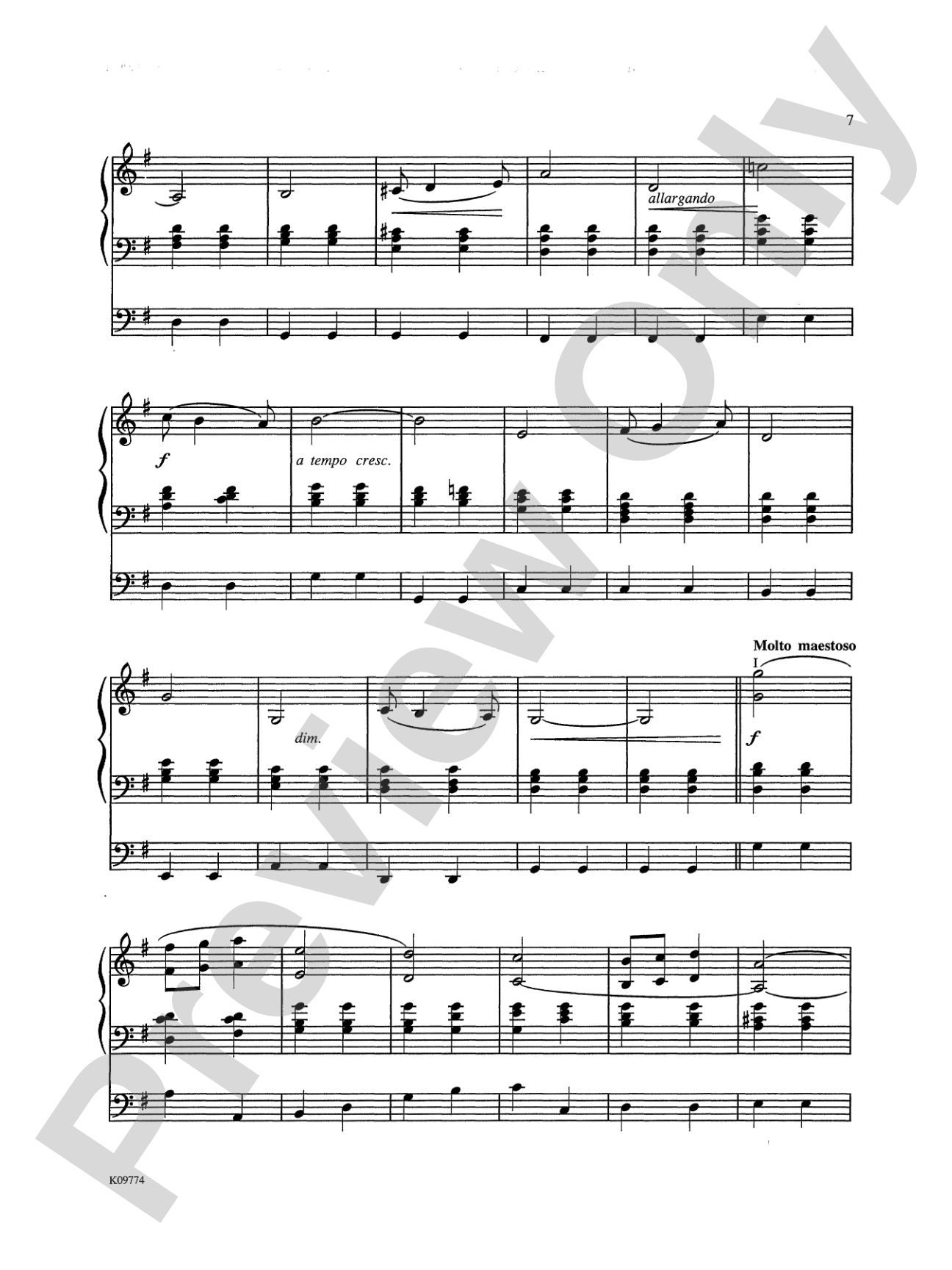
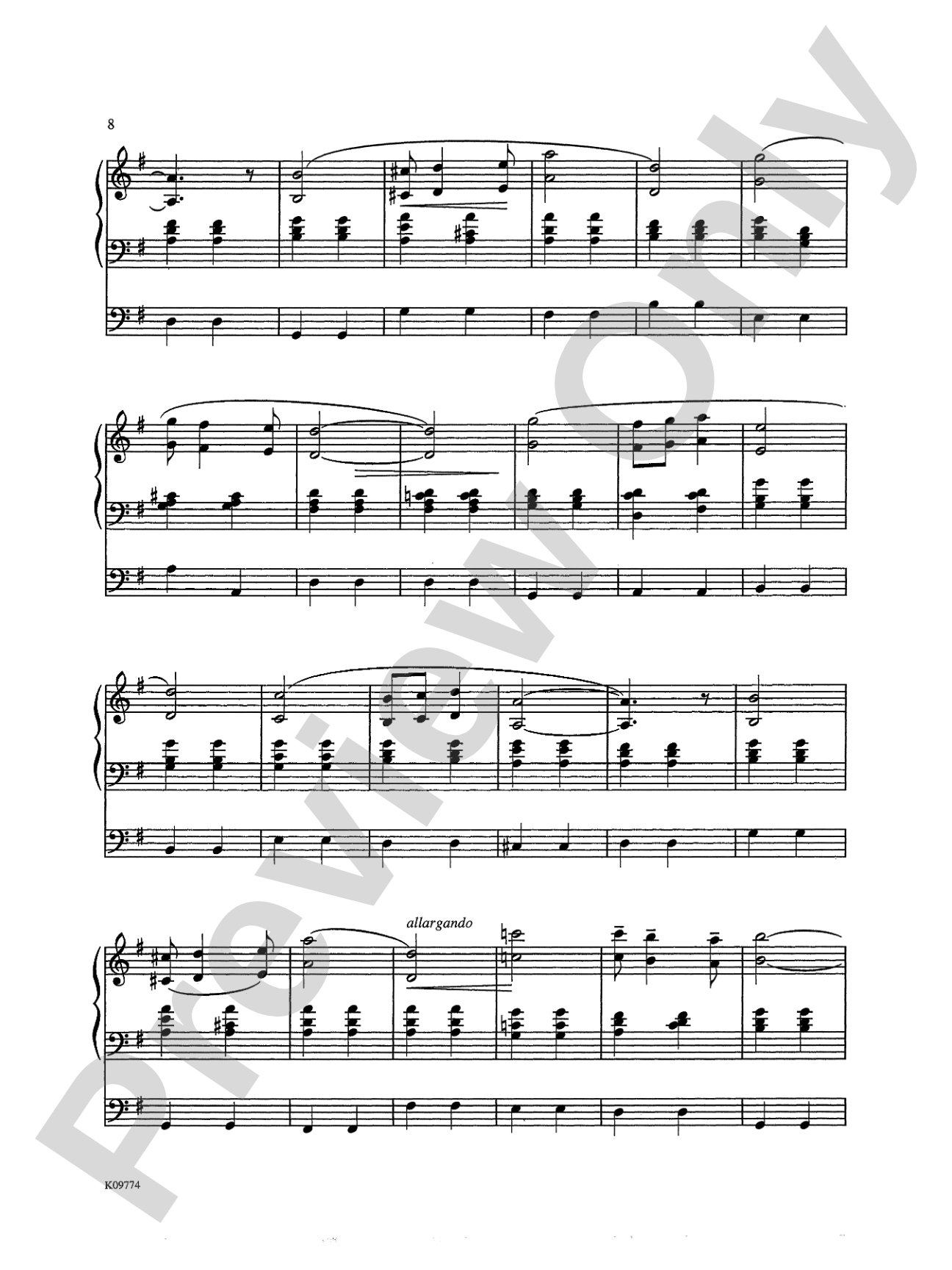
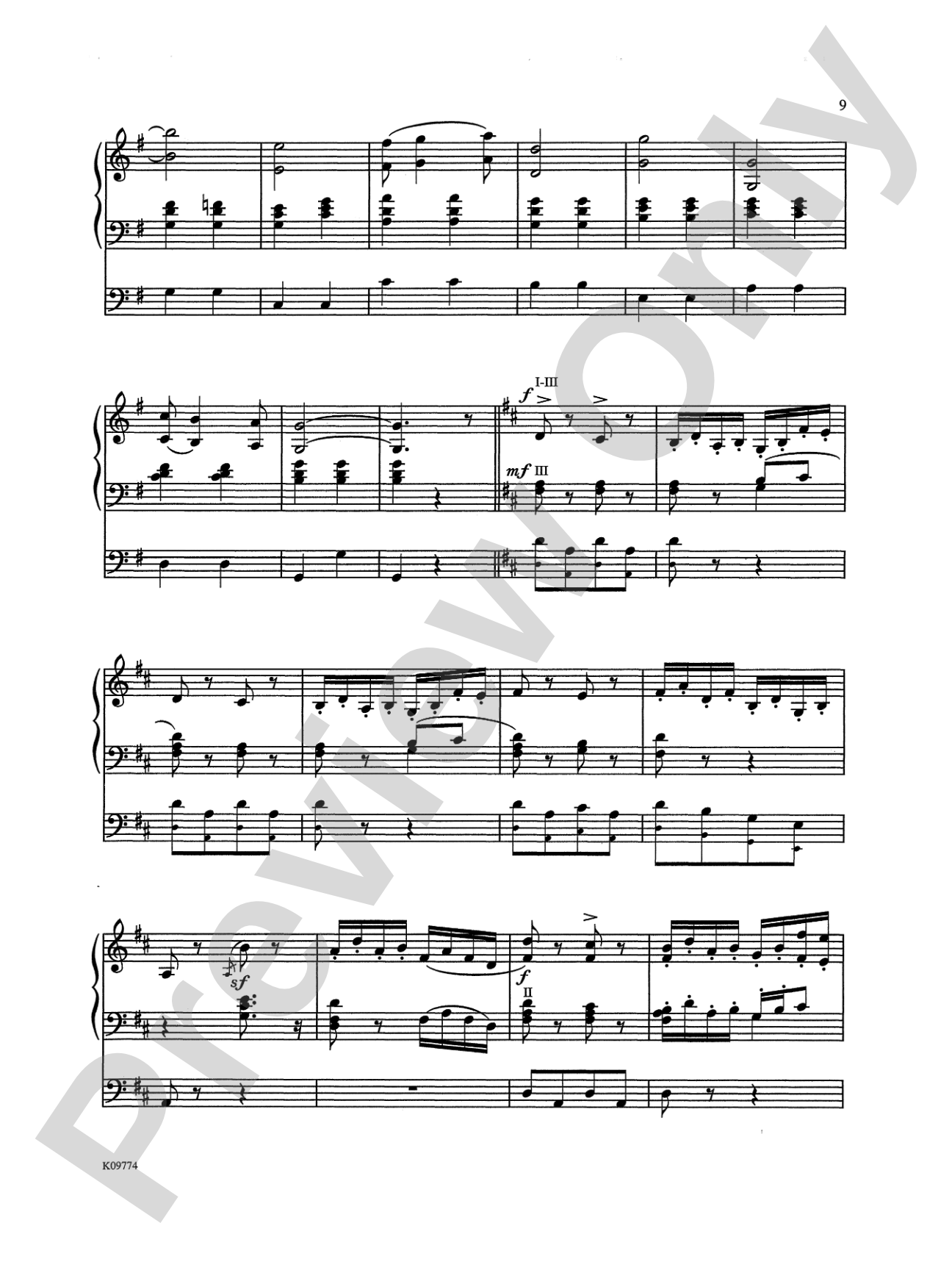
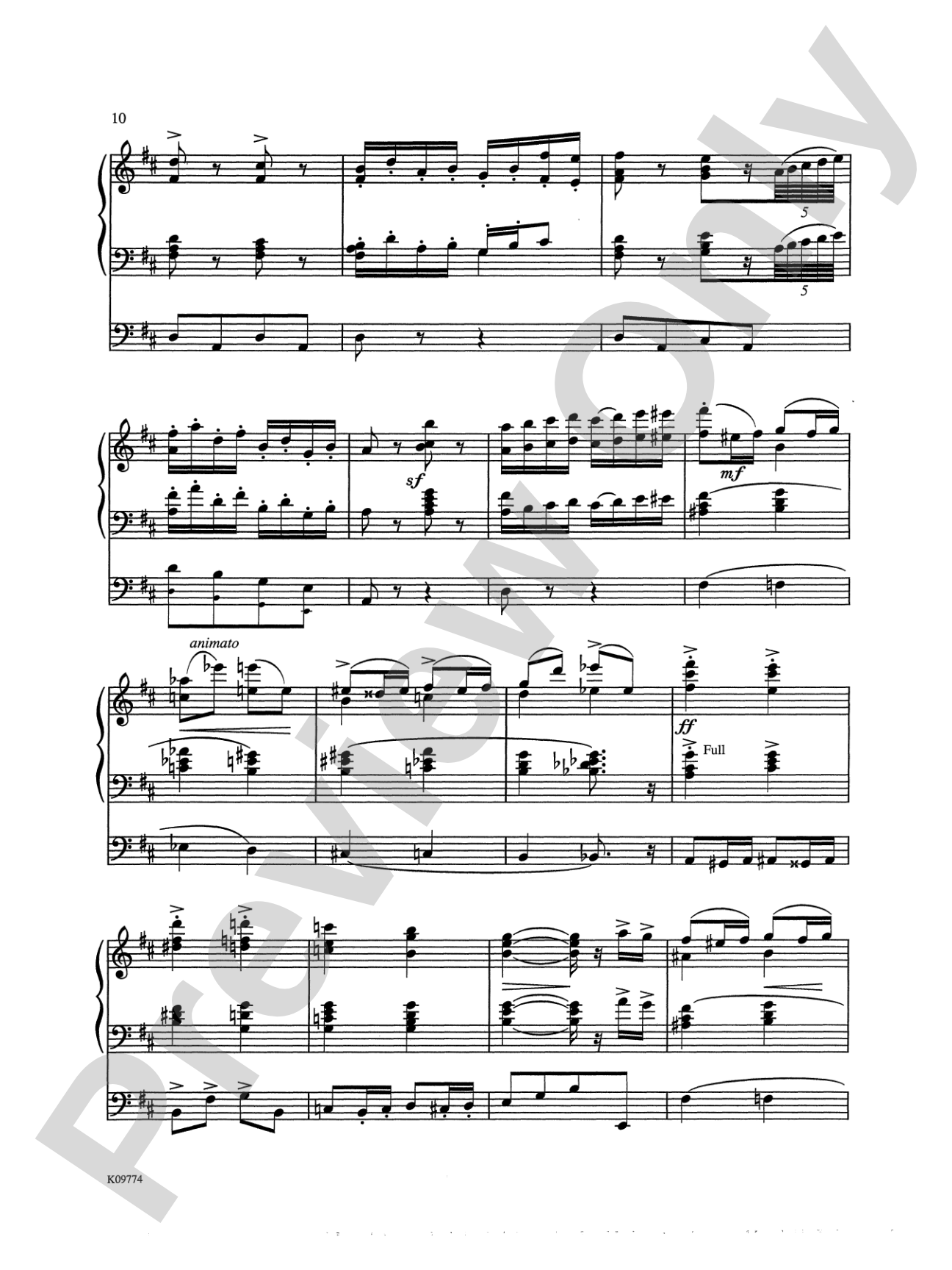
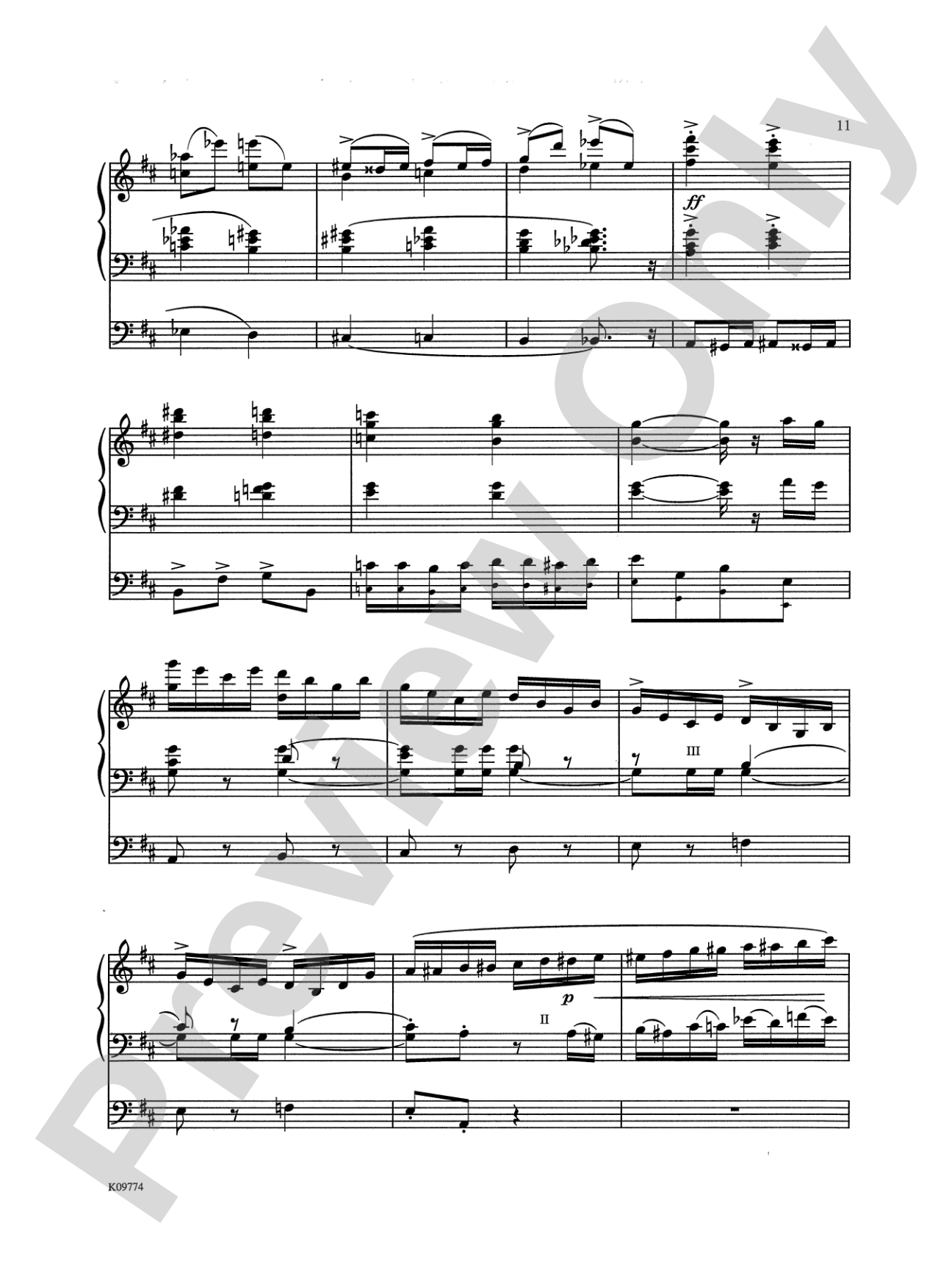
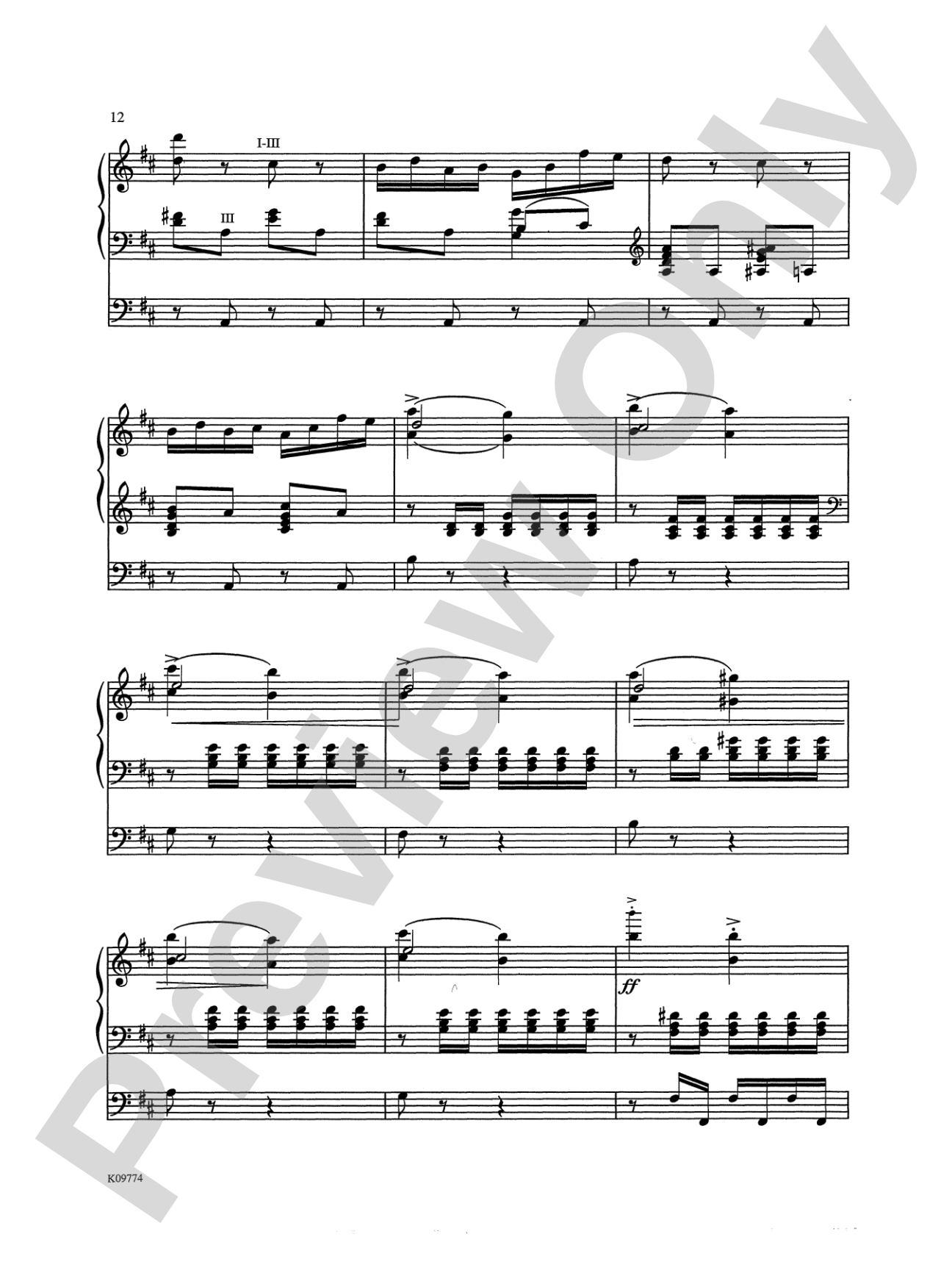
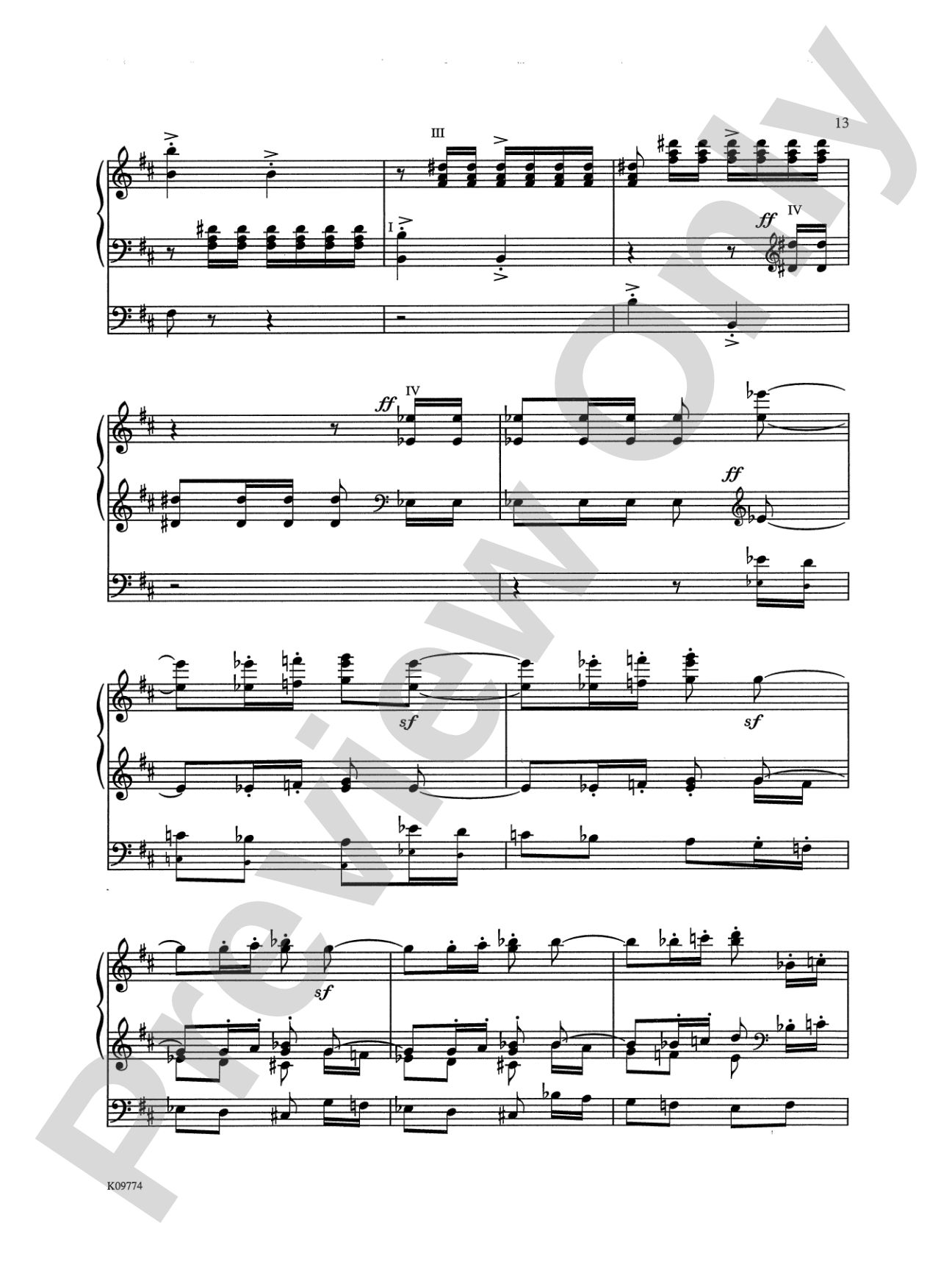
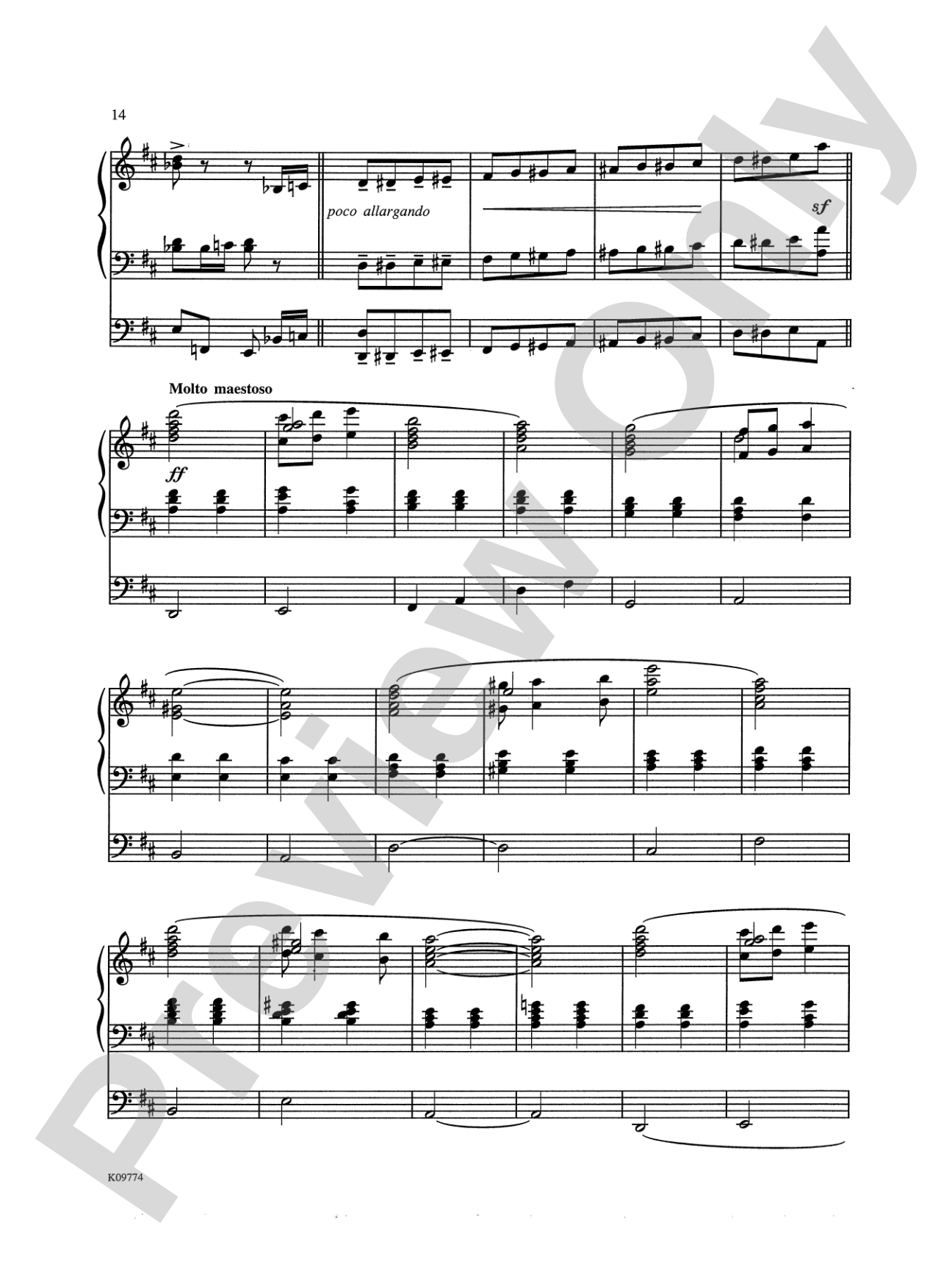
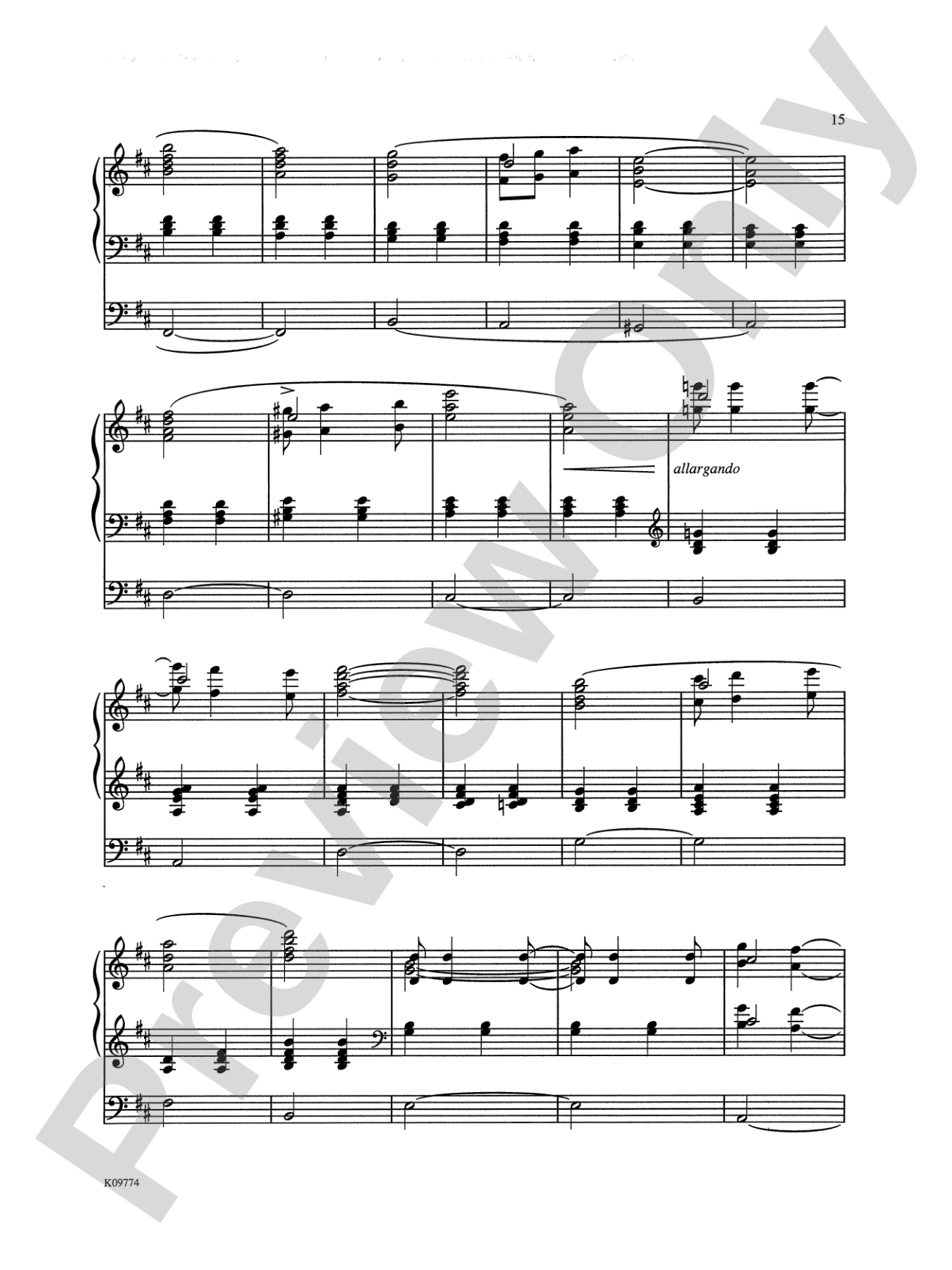
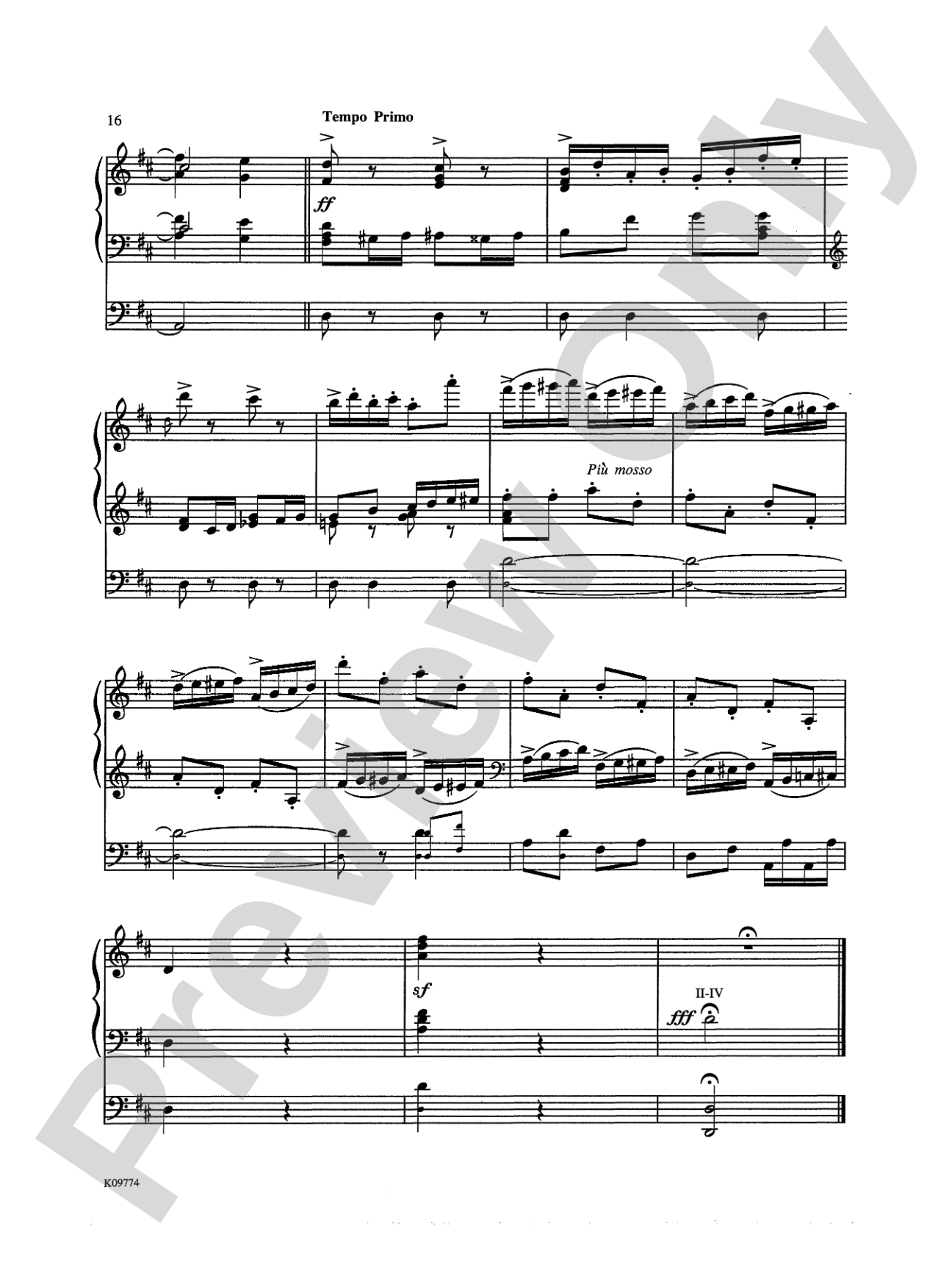



Elgar: Pomp and Circumstance No. 1 in D, Op. 39 (Arr. Edwin Henry Lemare): Organ Sheet
By Edward Elgar / arr. Edwin Henry Lemare
Item: 00-PK-0003852

$6.99
Pickup currently not available
Buy Extra Parts (Digital PDF Download)
| Product | Price | Quantity |
|---|---|---|
| Elgar: Pomp and Circumstance No. 1 in D, Op. 39 (Arr. Edwin Henry Lemare) | $5.99 |
Parts Added to Cart!
Related Items
Pomp and Circumstance No. 1 in D, Opus 39: Organ Sheet |
$6.95
|
View |
Description
(Arr. Lemare)


Don't just read it, hear it, play along with it, and watch your students grow with it. In MakeMusic Cloud, Elgar: Pomp and Circumstance No. 1 in D, Op. 39 (Arr. Edwin Henry Lemare): Organ Sheet comes alive with professional accompaniment, adjustable tempo, and built-in practice tools that turn solo practice into real progress.
Open in the Player
Jump straight in and assign it today.
Start Your Free Trial
Open this title and explore the full library in minutes.
Sample Audio
No sample audio found.
Sample Video
No sample videos found.
Additional Details
Series:
Kalmus Edition
Publisher:
Alfred Music
Page Count:
20
SKU:
00-PK-0003852
More about this title
About the Composer: Edward Elgar
Edward Elgar (1857, 1934) stands as one of Britain's most significant composers, a figure who elevated English music to international prominence during the late Romantic era. His gift for sweeping melody and orchestral color shaped concert halls across Europe, and his works remain central to both the classical repertoire and British cultural identity.
Why we love this
This arrangement by Edwin Henry Lemare captures the processional grandeur and emotional sweep of Elgar's most recognizable march without sacrificing the work's structural integrity. The organ version brings out the piece's ceremonial weight while offering organists a solo vehicle for one of the Romantic era's most beloved melodies. Lemare's orchestration for organ provides genuine musical substance alongside its accessibility, making it equally rewarding for performers and audiences.
What to expect
Stately and processional from the opening, with the famous trio section unfolding as a moment of lyrical beauty and reflection before the march reasserts itself with ceremonial confidence. The work moves with the dignified momentum of a grand occasion while allowing moments of tender lyricism that speak to hope and aspiration.
Who it's for
This arrangement serves organists who want a substantial, recognizable solo for graduation ceremonies, civic events, and recitals. The piece works equally well for experienced players seeking a refined interpretation of familiar material and advancing organists building their solo repertoire with repertoire of genuine musical consequence.
How to get the most out of it
- Shape the famous trio melody with a singing tone; allow rubato to breathe naturally through its arc, then return to strict time during the march sections
- Balance the accompaniment voices carefully to maintain clarity while the principal melody soars; the organ's sustain makes texture muddiness a real risk
- Register thoughtfully for the key modulations and section returns; shifting registration subtly between statements can illuminate Elgar's harmonic architecture
- Lock the pedal line with precision during the march's rhythmic passages; the lower staff movement carries much of the propulsive character
How to use it
Program this as a recessional for graduation or commencement ceremonies, where its ceremonial character and universal familiarity make it particularly fitting. It also serves well as a prelude to formal occasions, an interlude in a mixed recital, or an opening piece for a program devoted to British Romantic organ music.
Skills your students will build
- Pedal independence and rhythmic precision in march contexts
- Registration changes to highlight structural sections and harmonic movement
- Phrasing and rubato within a ceremonial framework
- Balance between melody and accompaniment voices across the keyboard