Elementary Rock and Roll Drumming: A Basic Step-by-Step Method and Study for the Younger Player Sheet Music Preview

Elementary Rock and Roll Drumming: A Basic Step-by-Step Method and Study for the Younger Player

A Basic Step-by-Step Method and Study for the Younger Player

By Roy Burns and Howard Halpern

Item: 00-PB-0001979

Digital Download
$6.99
Description
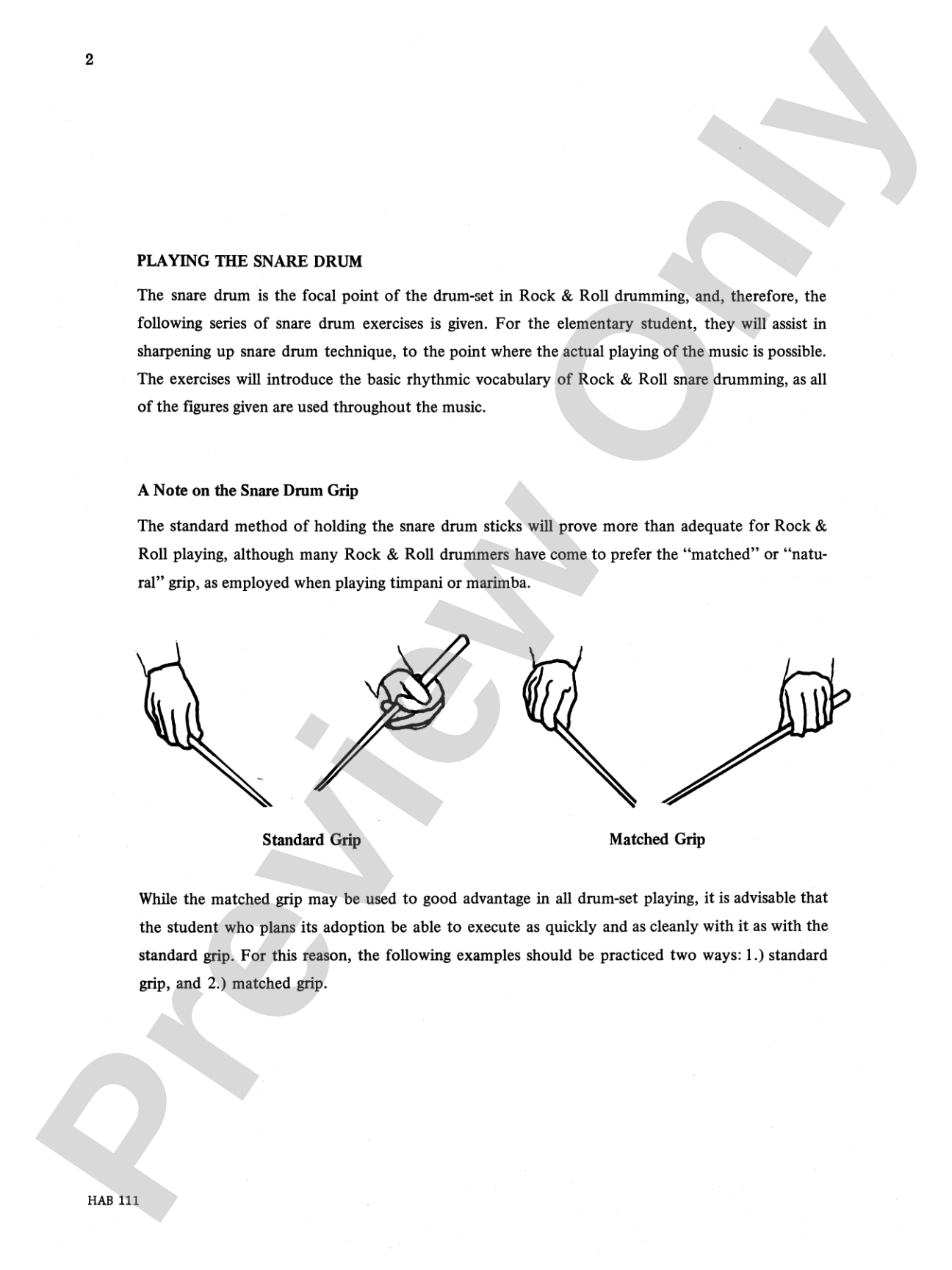
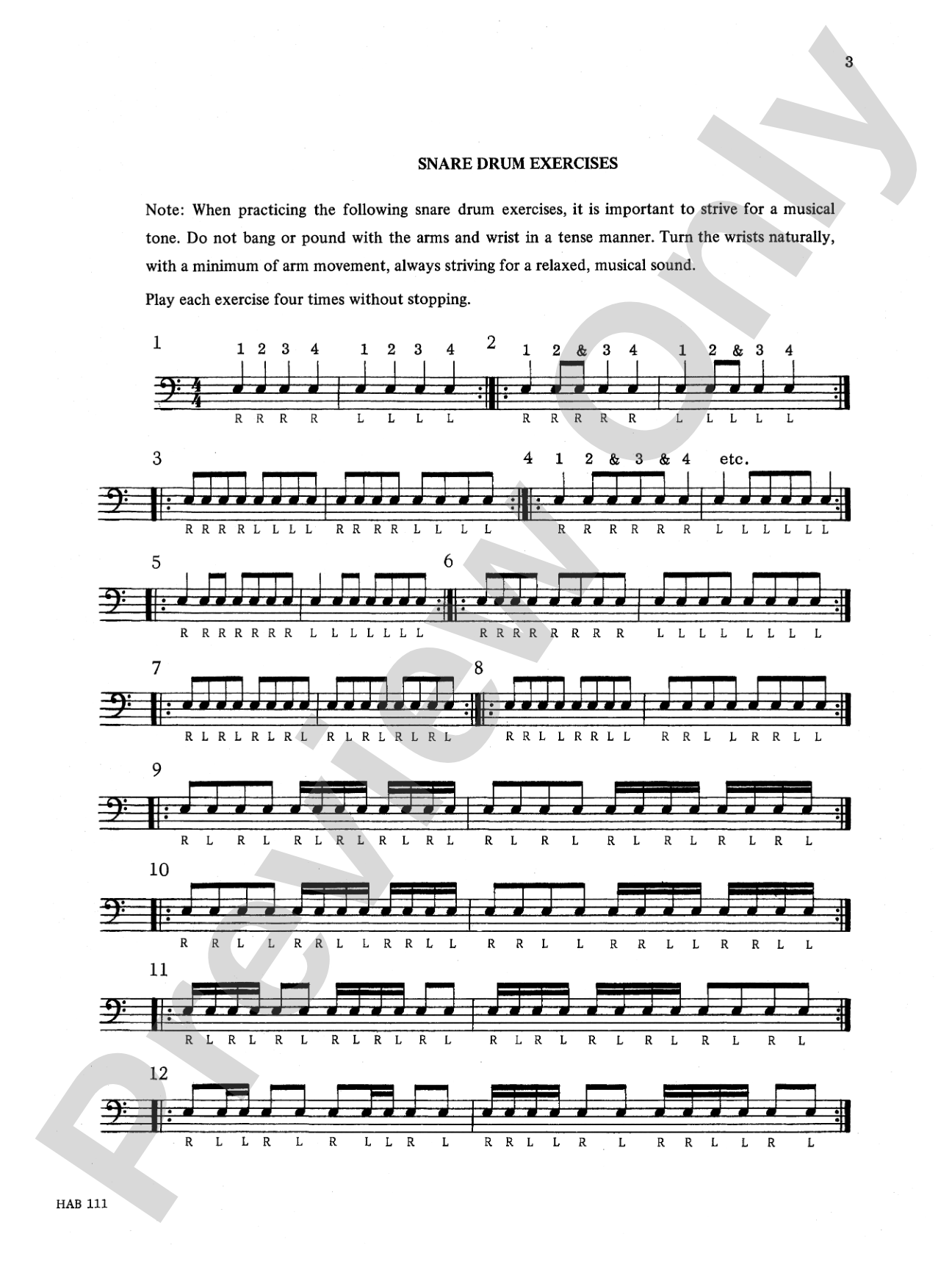
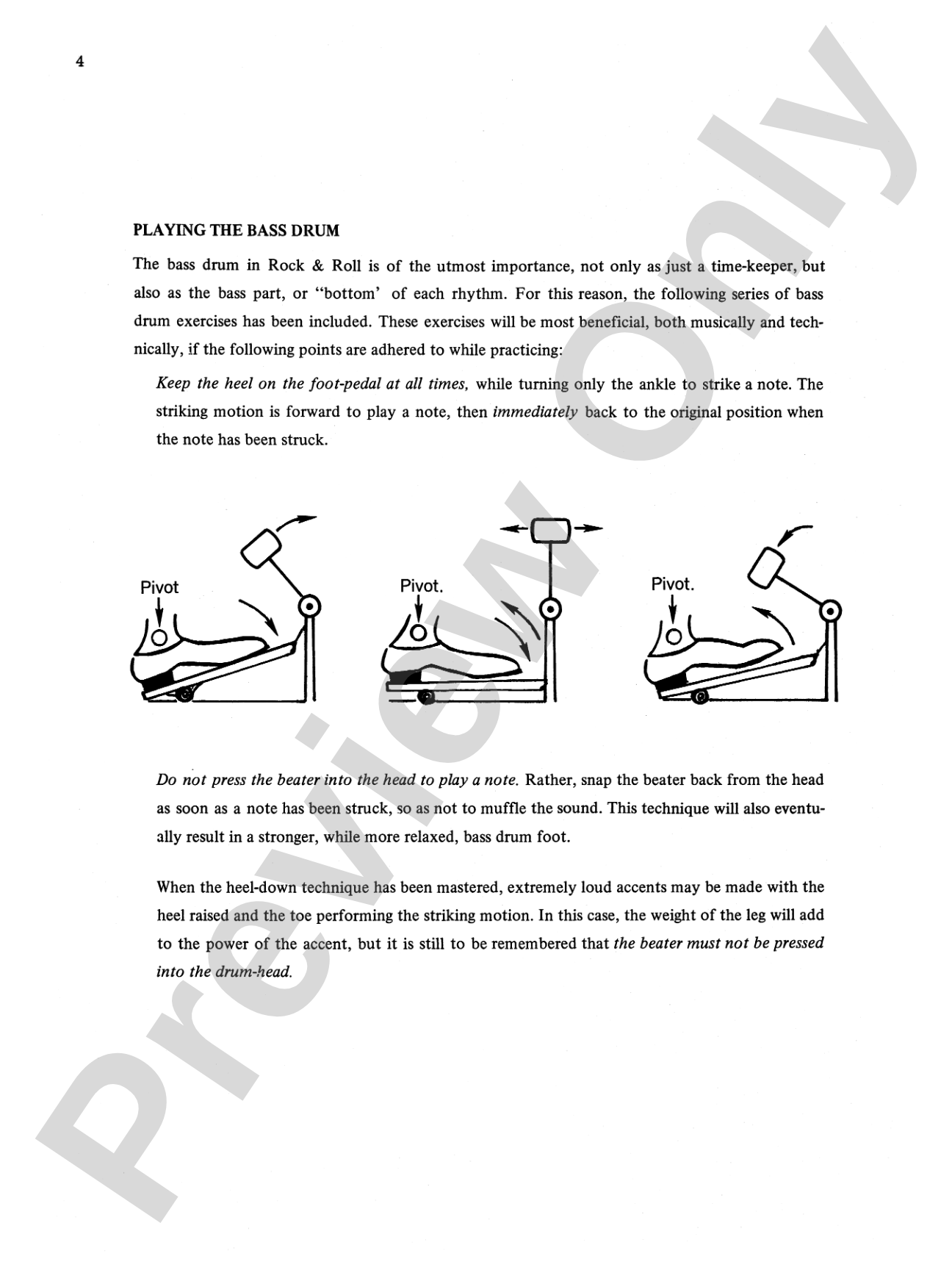
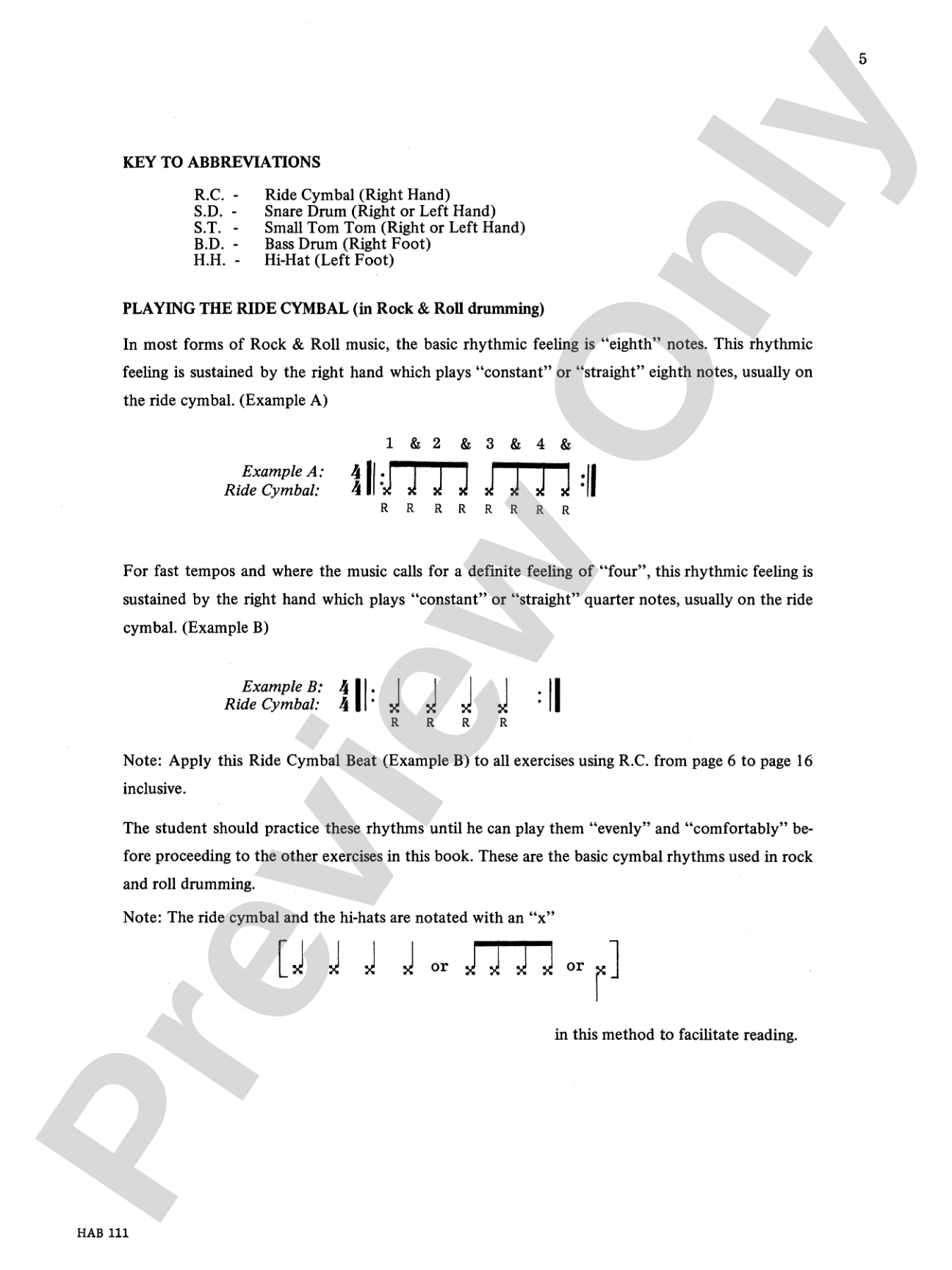
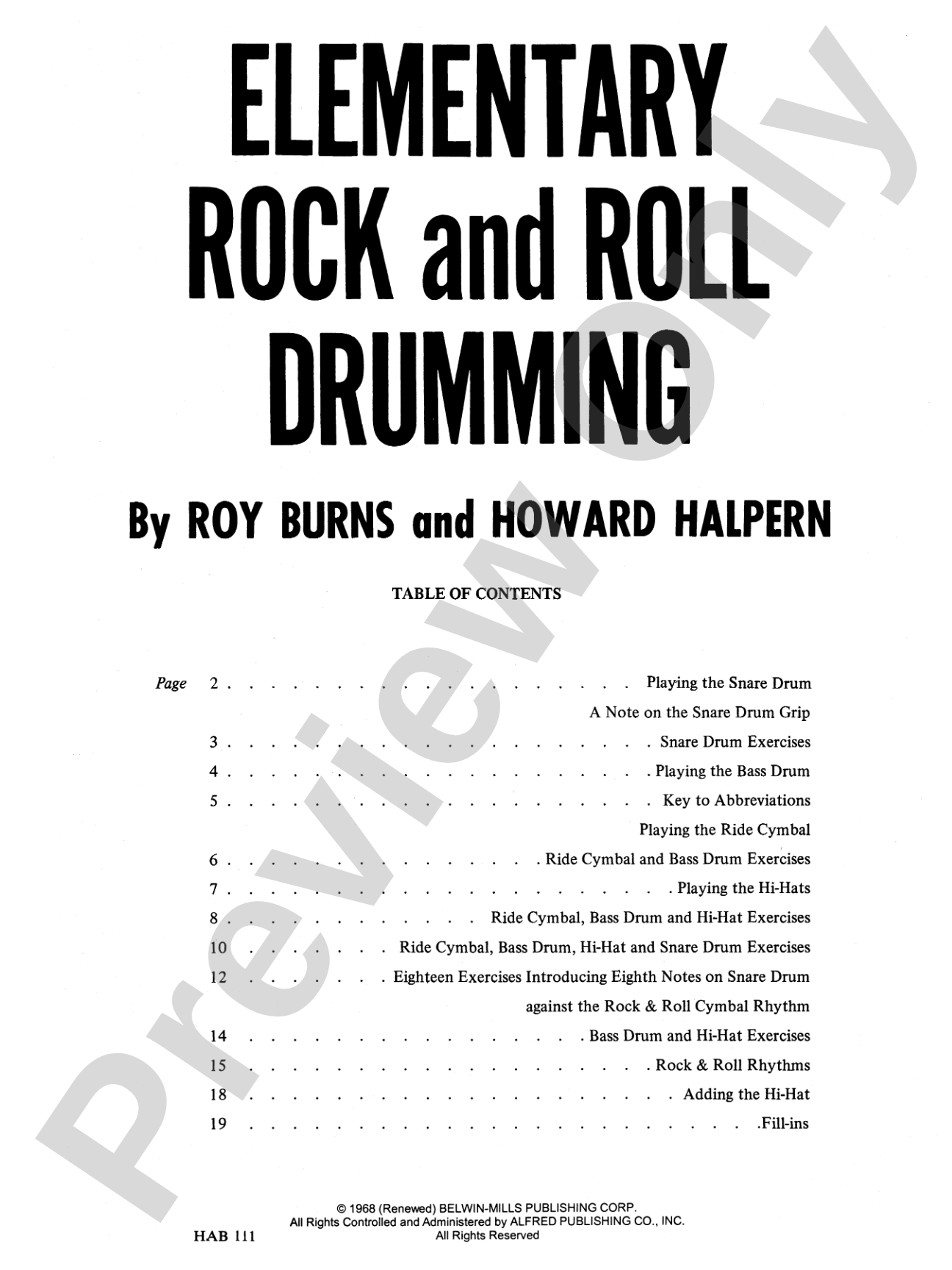
Including hand and foot independence studies, rock and roll beats, and fill-in studies.

Elementary Rock and Roll Drumming: A Basic Step-by-Step Method and Study for the Younger Player isn't in MakeMusic Cloud just yet...but it could be. Let us know you'd like to see it, and you'll help shape what comes next. In the meantime, start a free trial and dive into thousands of interactive titles your students can play along with today.

Sample Audio
No sample audio found.
Sample Video
Additional Details
Publisher: Alfred Music
Page Count: 24
SKU: 00-PB-0001979

More about this title

About the Composer: Roy Burns

Roy Burns was a legendary percussionist and educator whose contributions to drumset pedagogy shaped how generations of players approached the instrument. His method books bridged the gap between classical snare drum technique and the demands of popular music, making him an essential voice in percussion education during the mid-20th century.

Burns understood that young drummers needed systematic instruction in the coordination patterns that rock and roll demanded. His collaborative work with Howard Halpern produced materials that broke complex independence exercises into manageable, logical progressions, giving students a foundation that served them across musical styles.

Why we love this

This book cuts through the chaos of trying to teach rock drumming without a structured framework. Burns and Halpern present hand and foot independence in a way that actually sticks with young players, building from isolated movements into the fills and beats they hear on recordings.

What to expect

Satisfying and direct. These exercises develop genuine independence, so students feel the moment when their feet finally cooperate with their hands. The rock and roll context keeps things engaging while the methodical approach prevents frustration.

Who it's for

This method works for drummers roughly 8 to 14 years old who are ready to move beyond basic sticking patterns and want real rock and roll skills. If you're teaching young players who want to sound like drummers on actual records rather than march band snare players, this gives you the roadmap.

How to get the most out of it

  • Start with the hand studies before tackling the full drum kit coordination. Isolating patterns on a practice pad builds muscle memory without the cognitive load of managing four limbs at once.
  • Record yourself playing the fills so you can hear how they land in real time. Young drummers often play mechanically until they listen to their own sound and adjust.
  • Keep a steady metronome pulse even when the written exercises don't explicitly notate it. This trains your internal clock for when you move to playing songs.
  • Return to the foot independence studies weekly, even after moving forward in the book. These patterns resurface constantly in actual rock repertoire.

How to use it

Assign this as individual study material for any drummer in your band or percussion ensemble who wants to develop rock credentials for jazz combos or rock history projects. It works equally well as a summer practice assignment for players who need to strengthen their coordination before ensemble season starts.

Skills your students will build

  • Hand and foot independence (simultaneous single and double strokes)
  • Rock and roll beat patterns and variations
  • Fill-in construction and execution
  • Reading drum notation on standard kit layout
  • Steady pulse maintenance under coordination demands

You May Also Like