

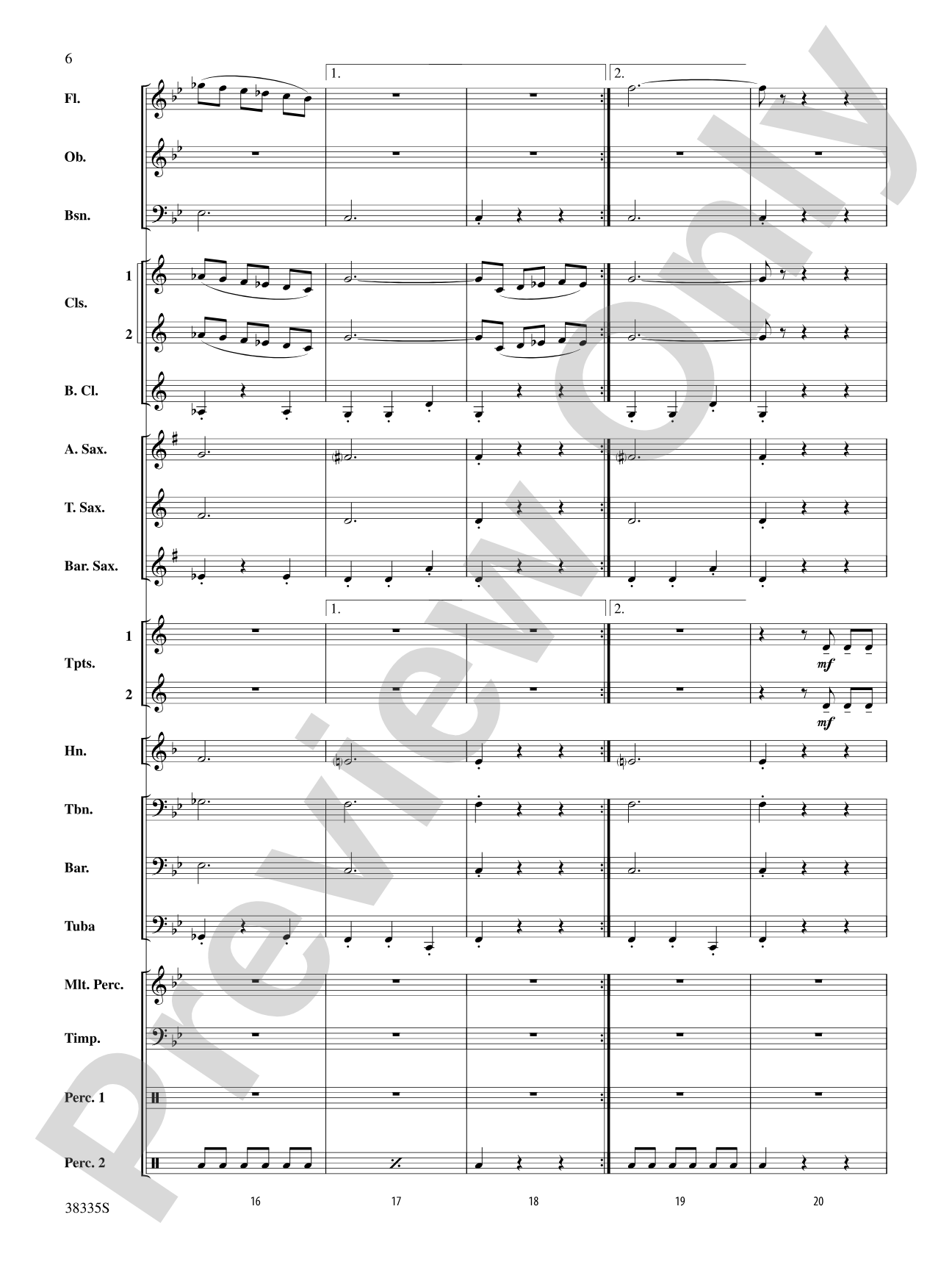
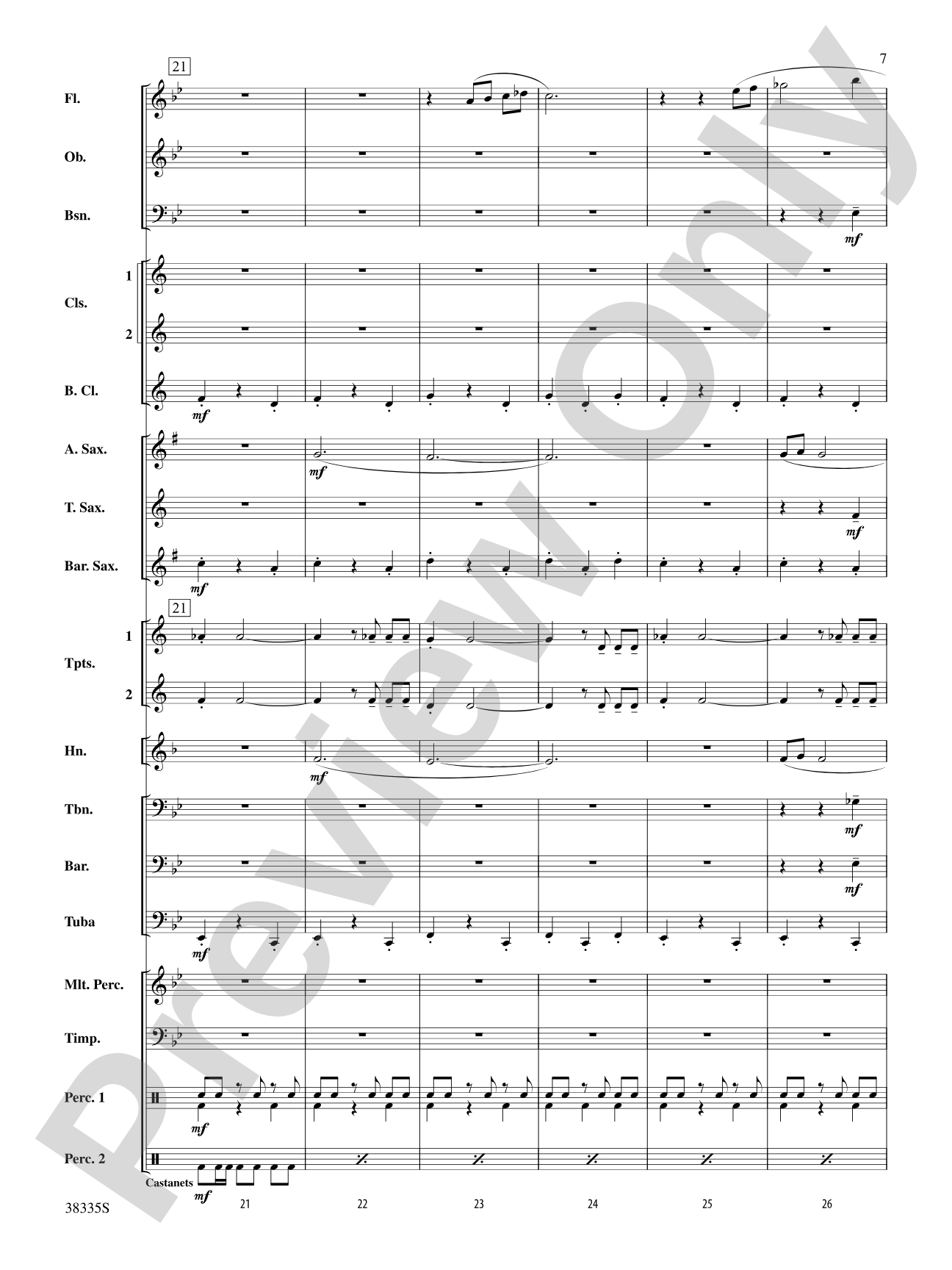
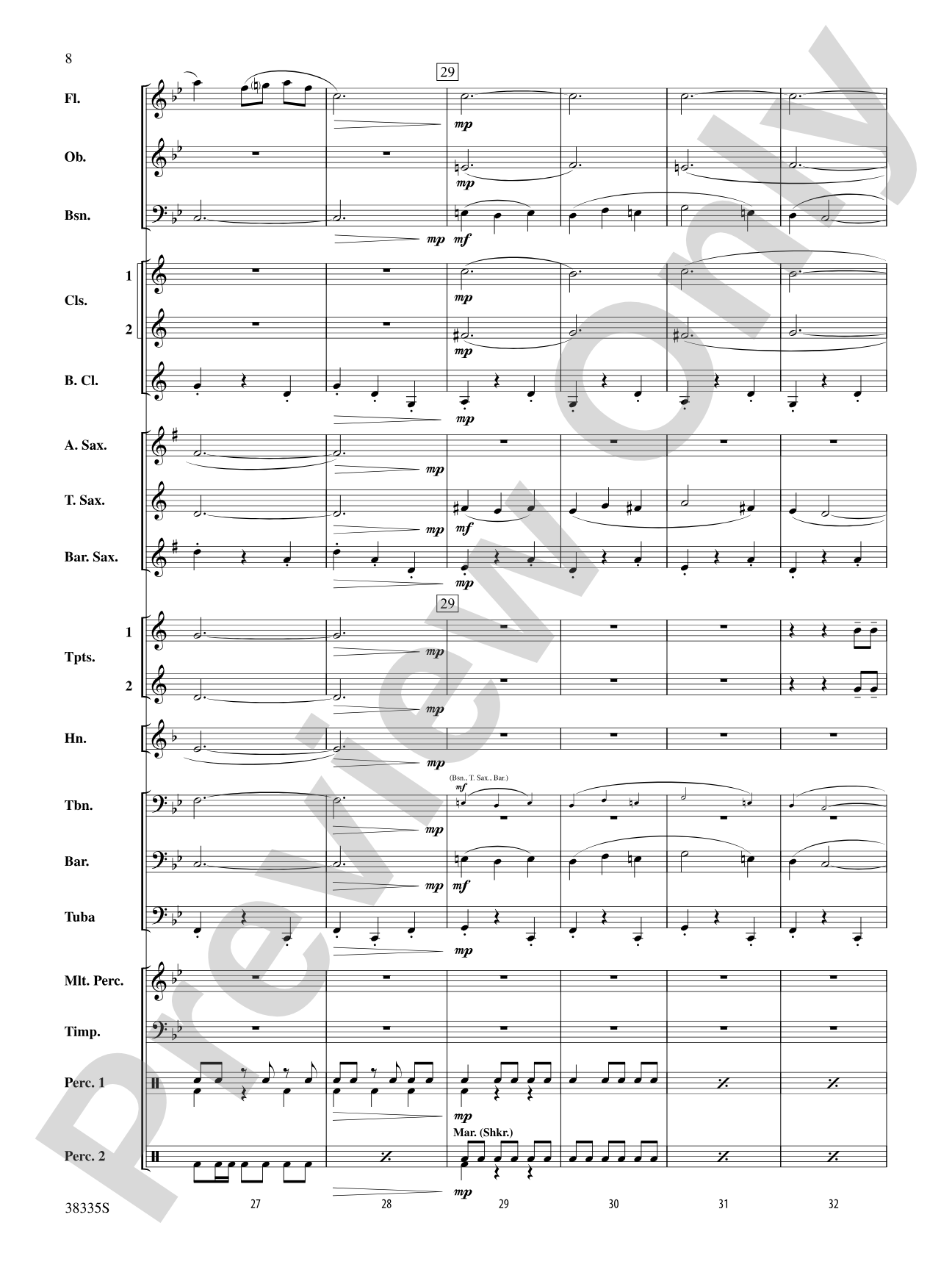
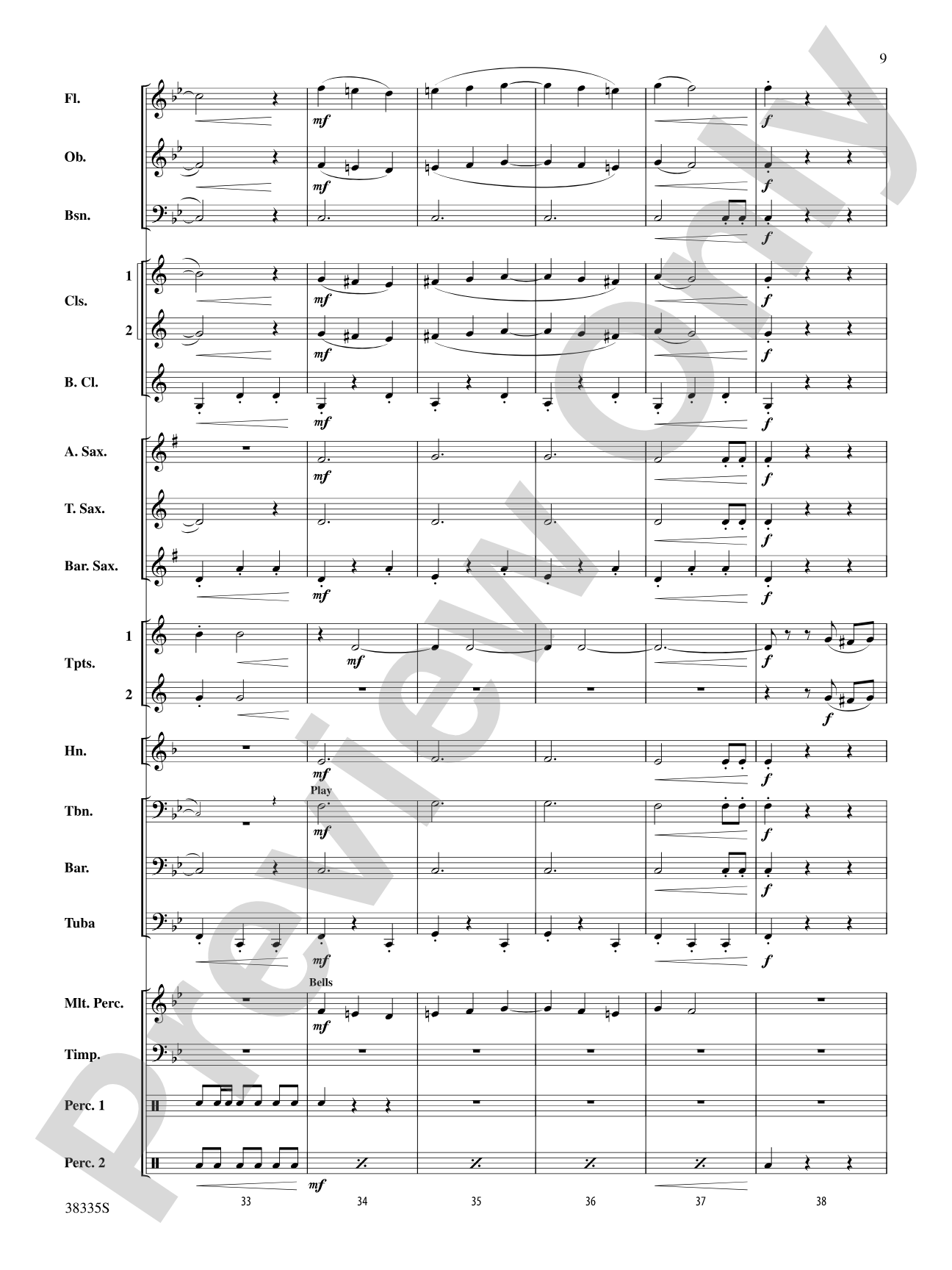
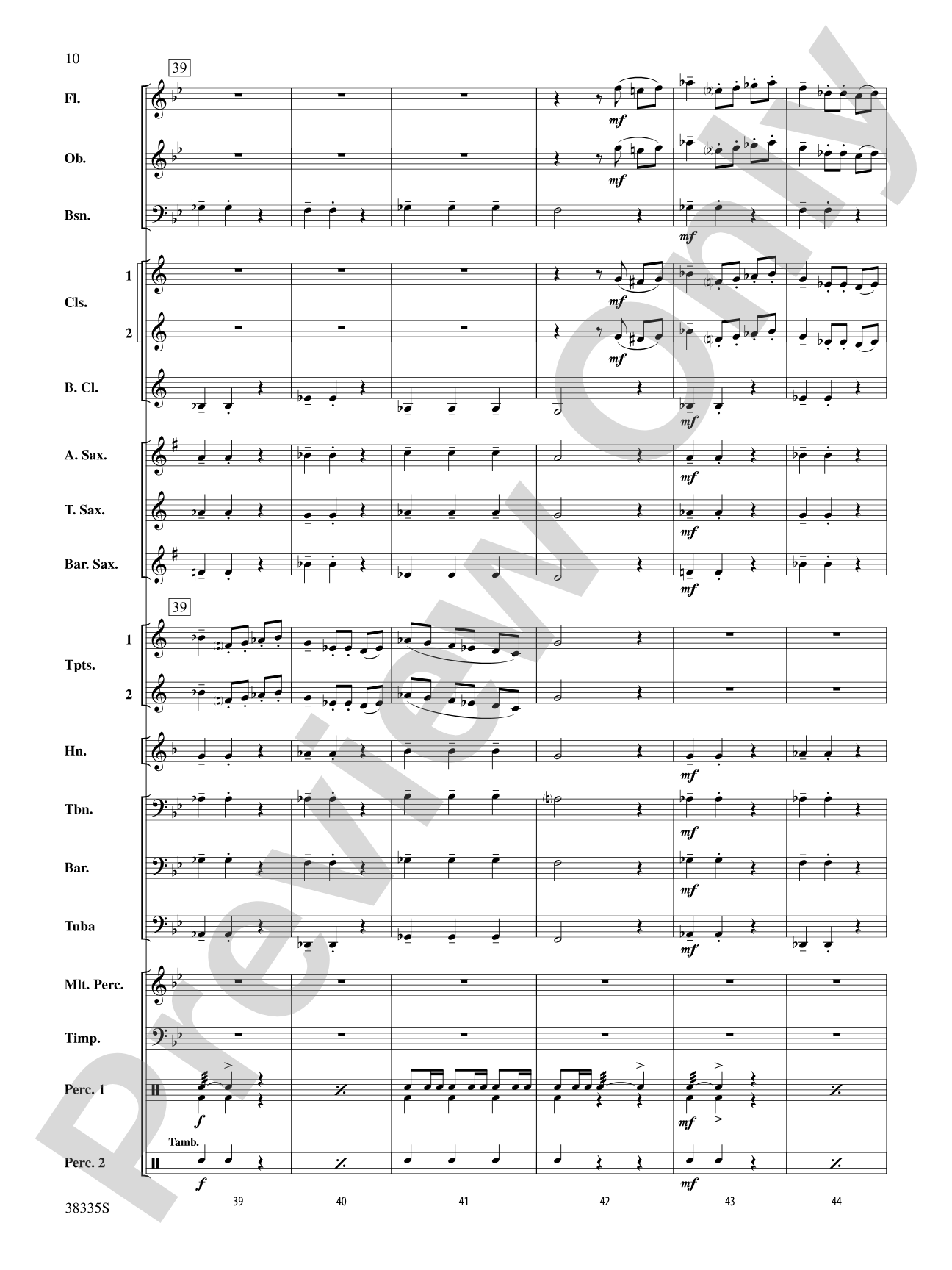
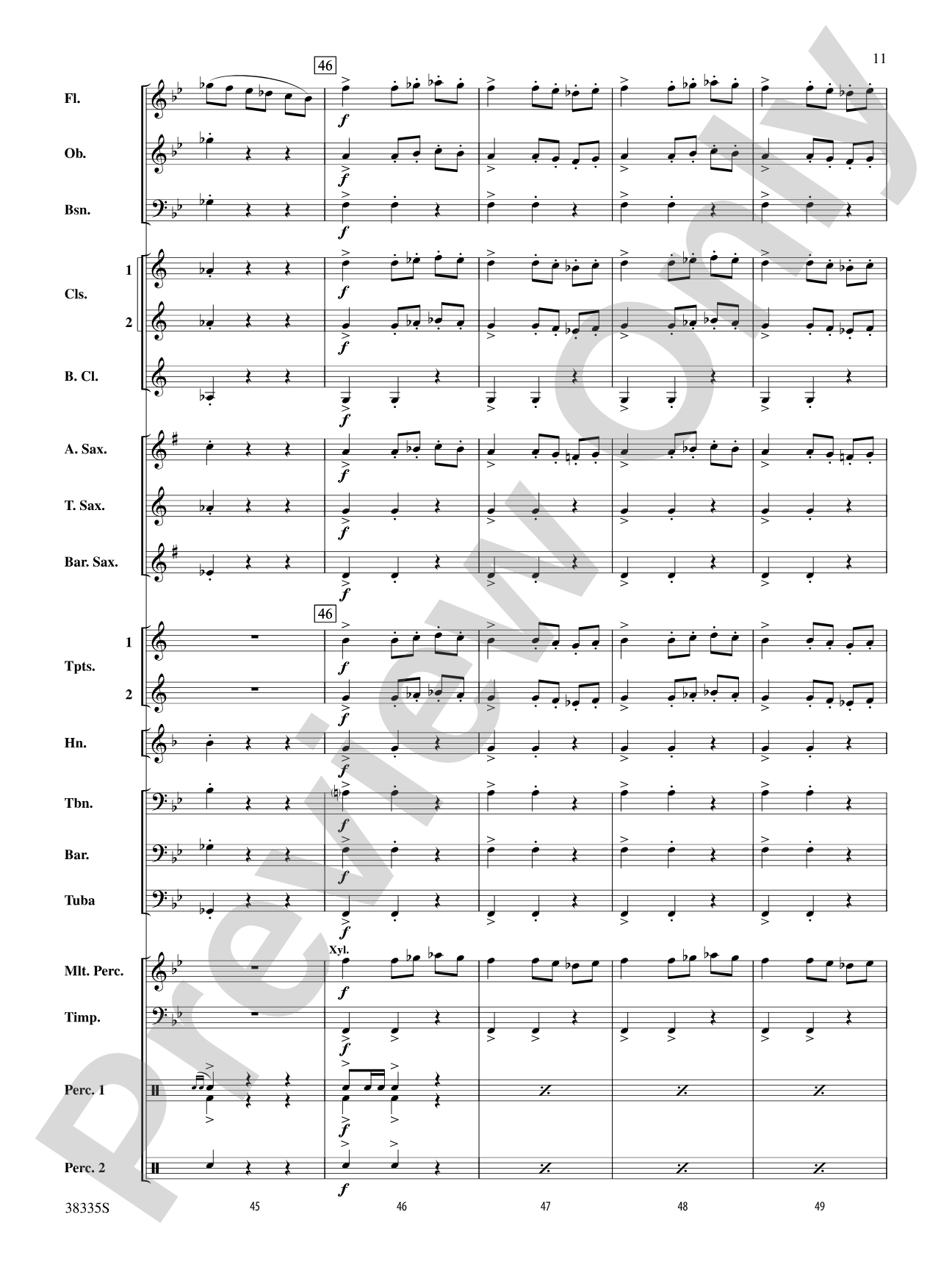
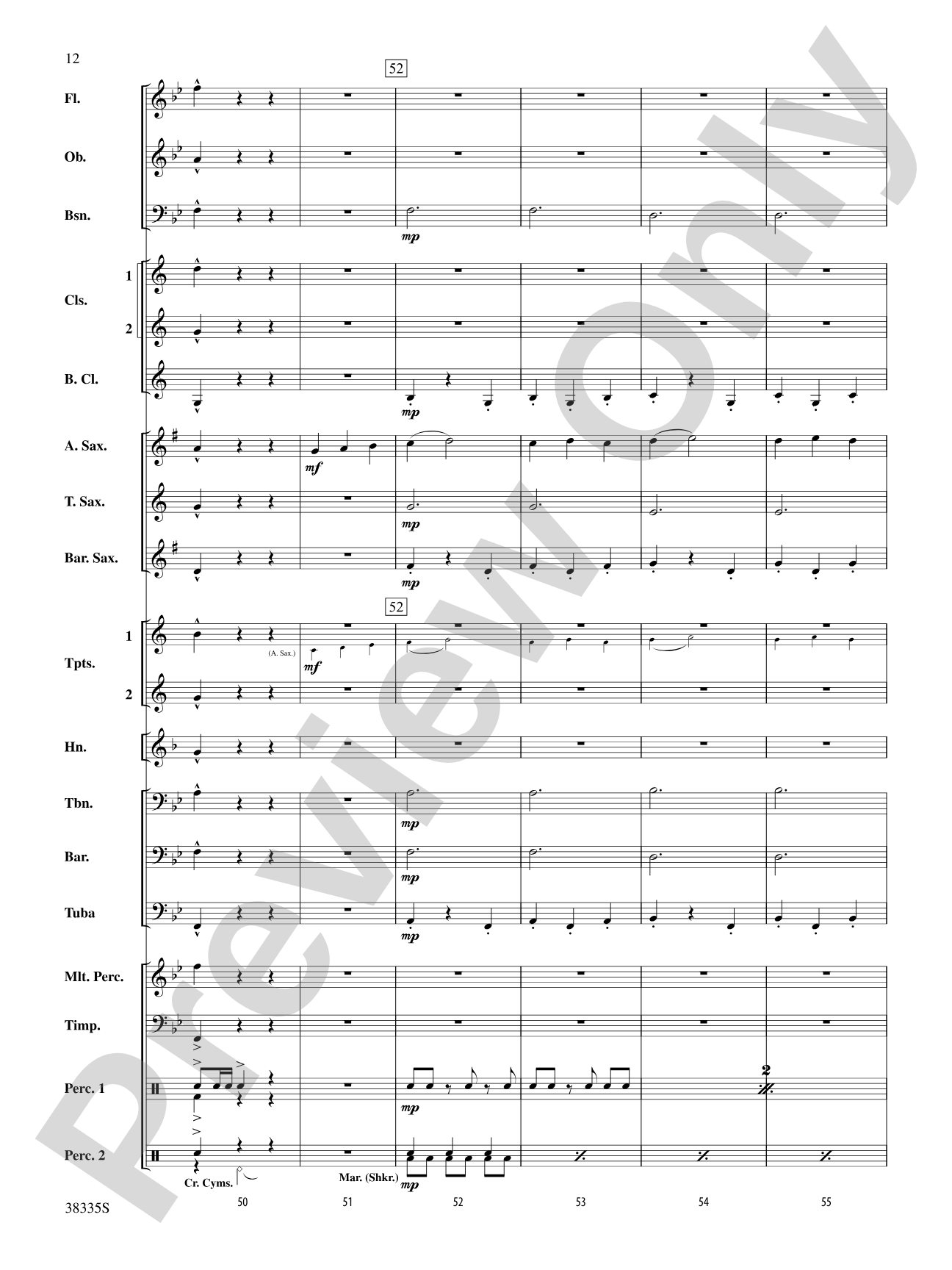
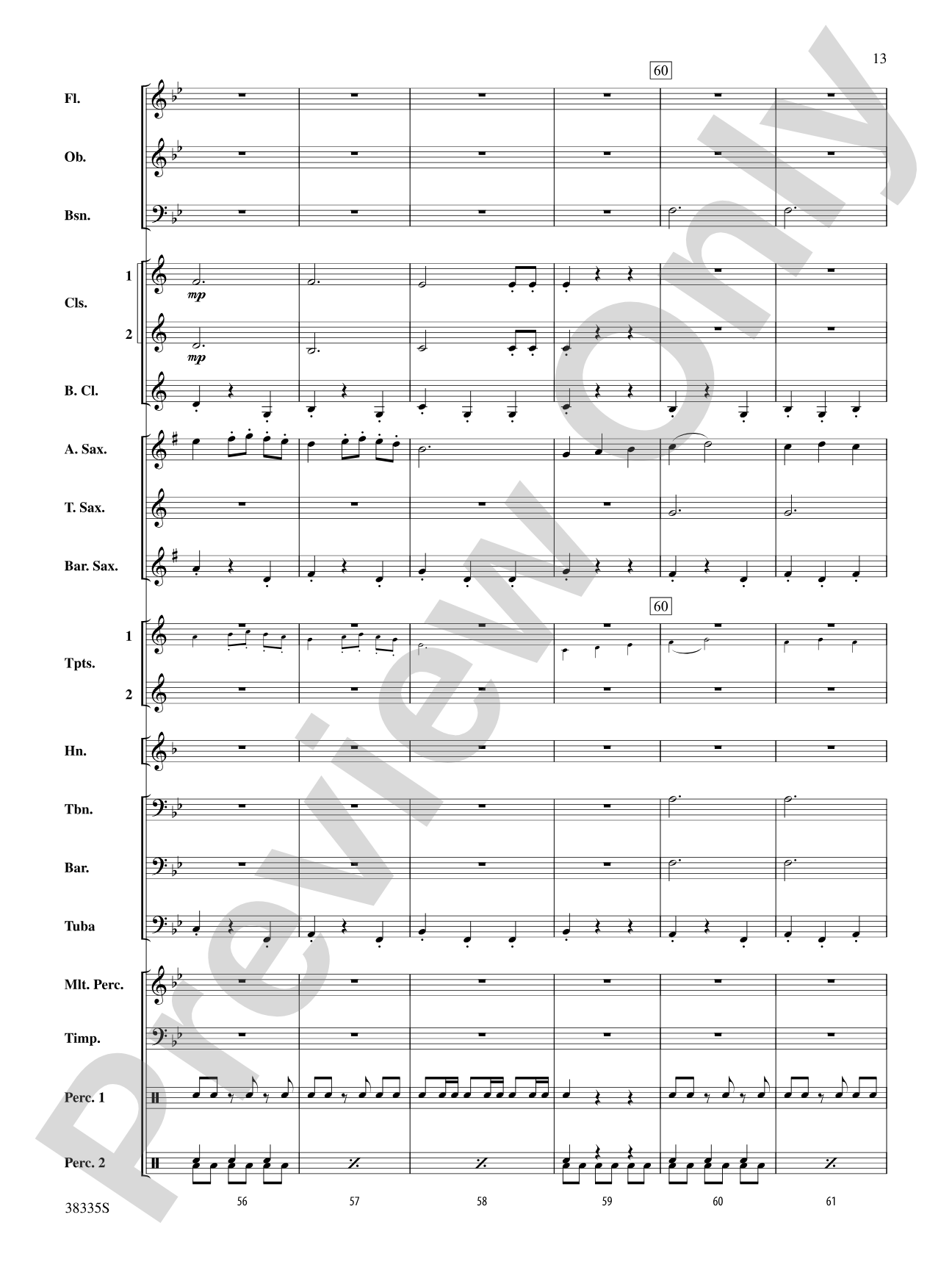
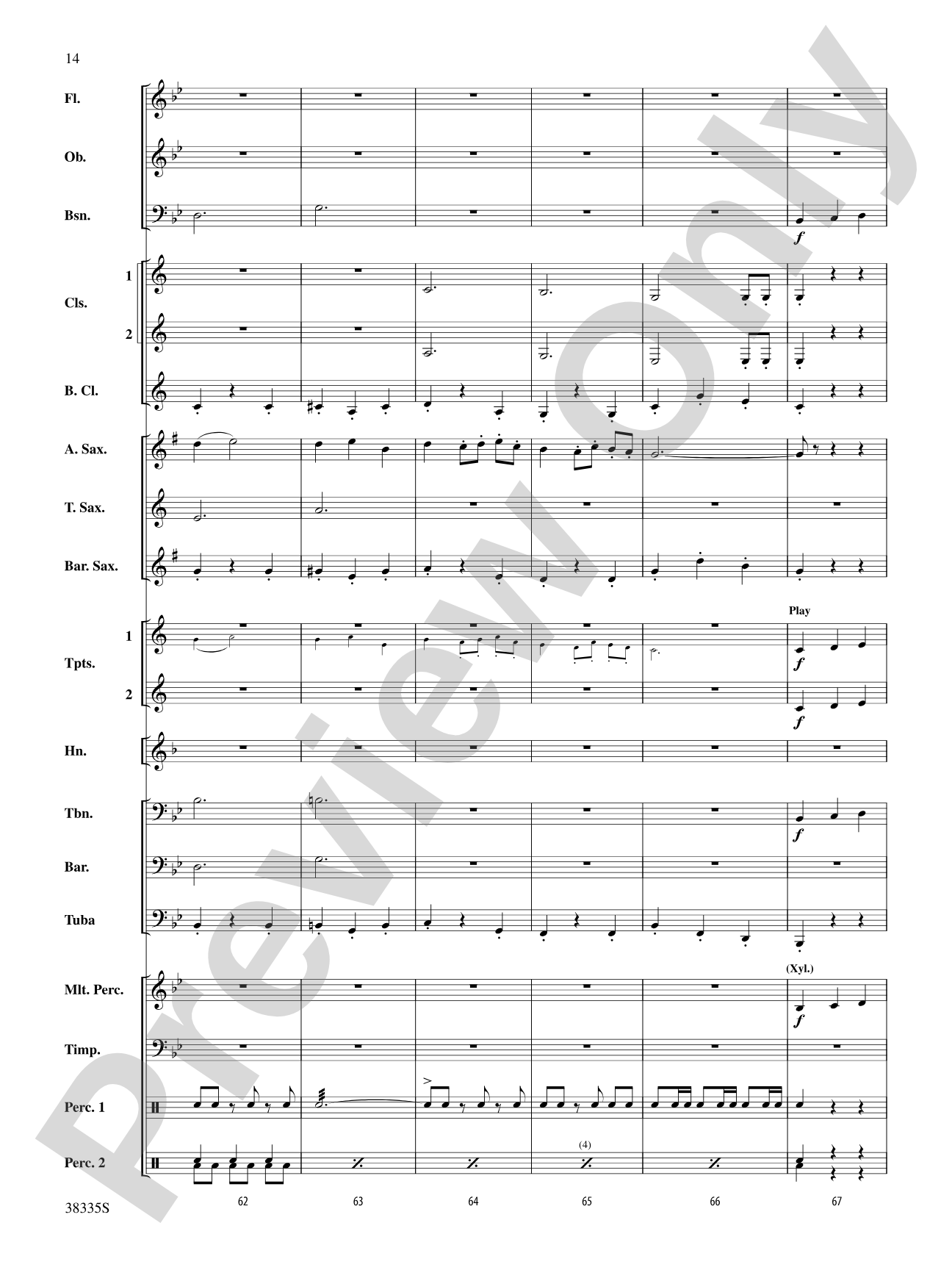
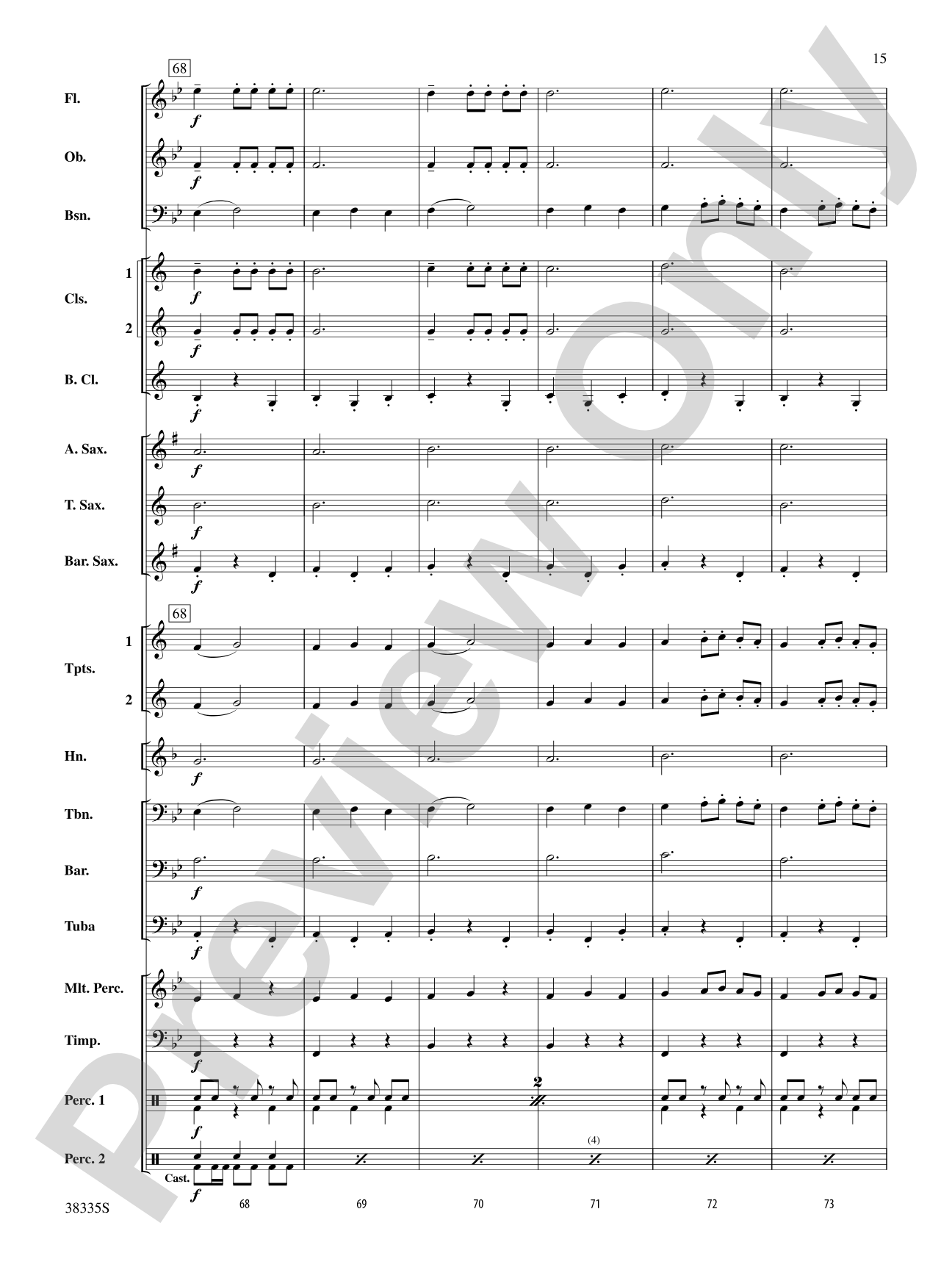
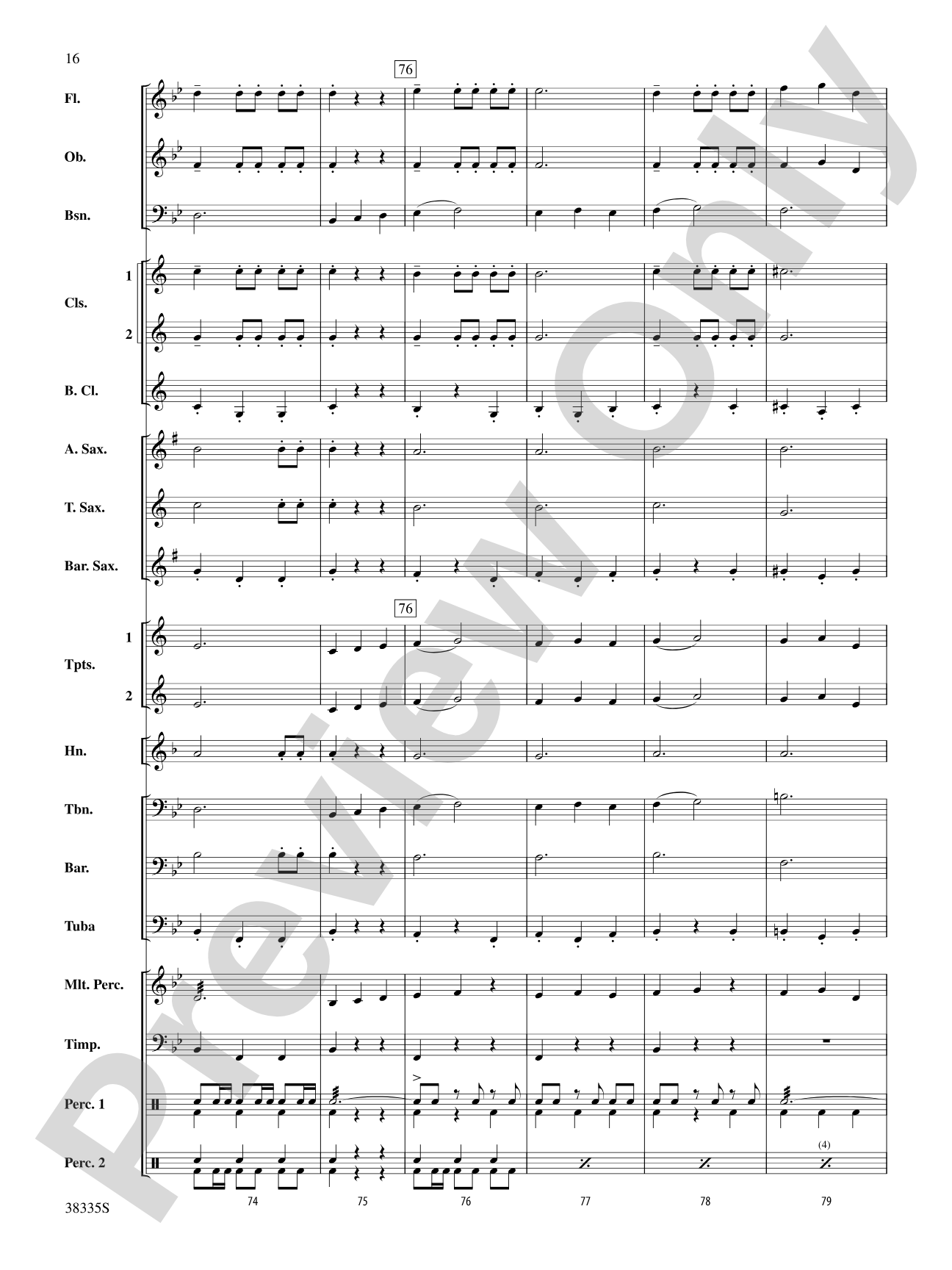
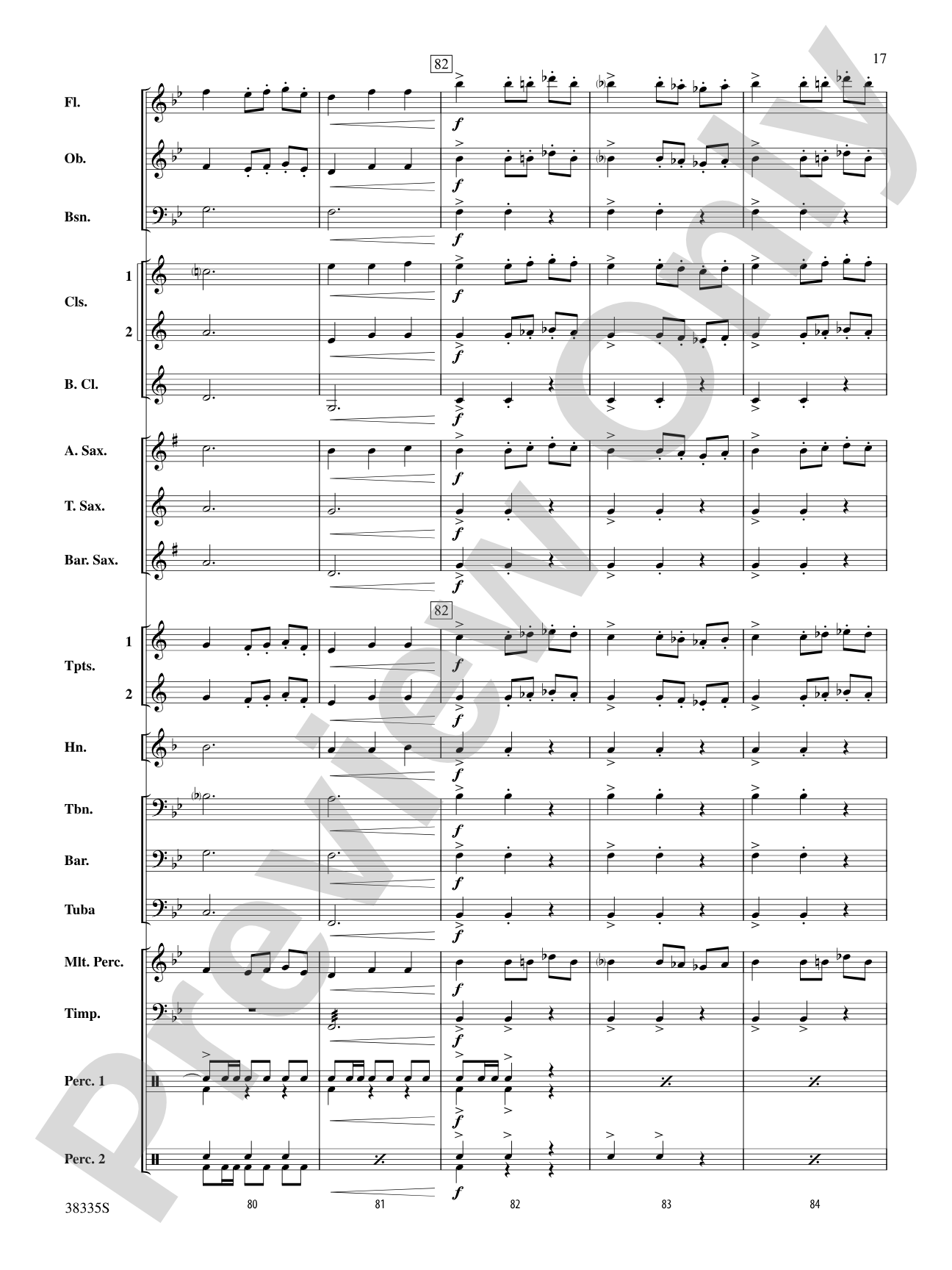
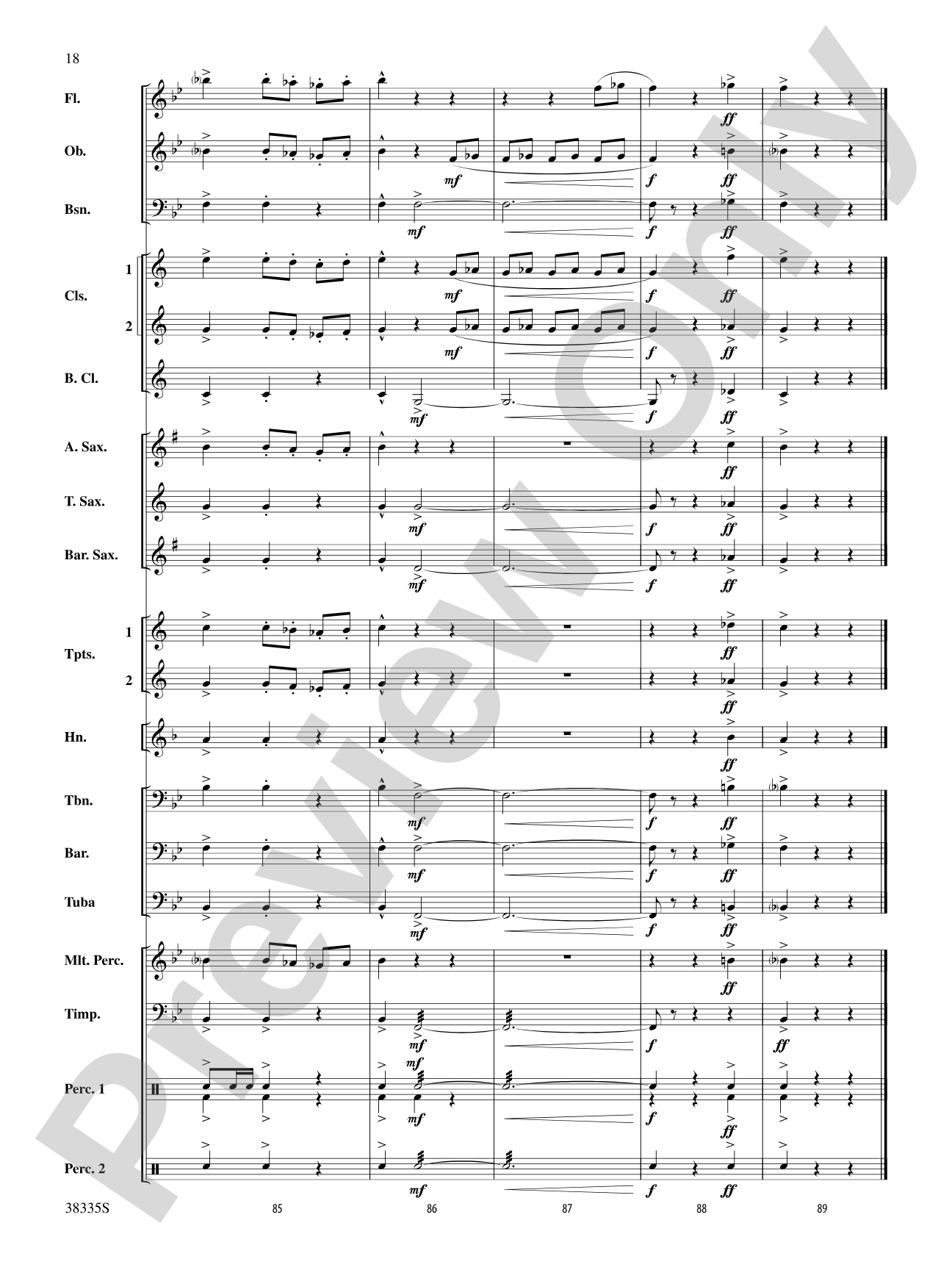

El Relicario: Score
By José Padilla / arr. Michael Story
Grade: 2 (Easy)
Item: 00-PR-0004110
$10.00
Pickup currently not available
Description
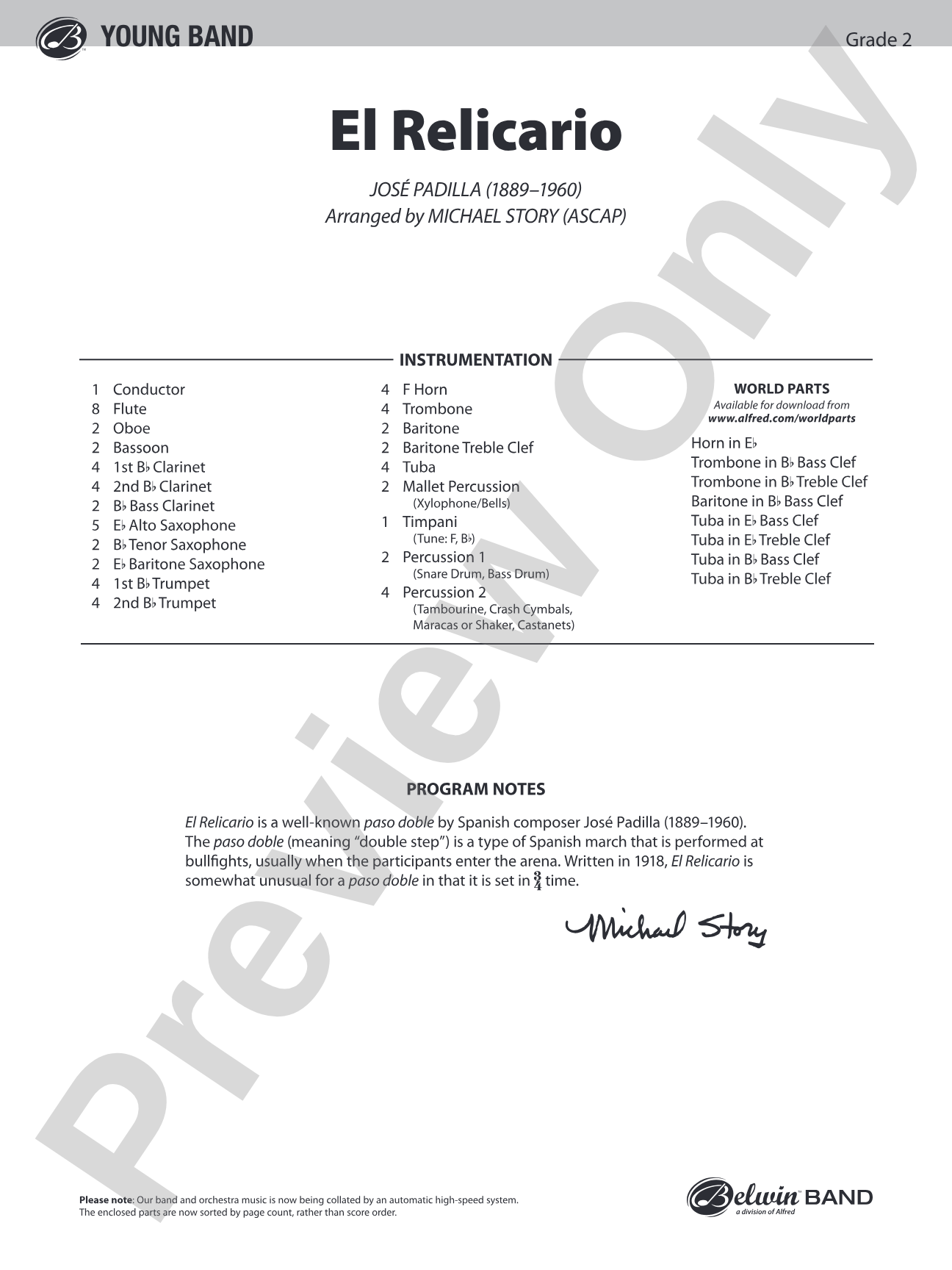
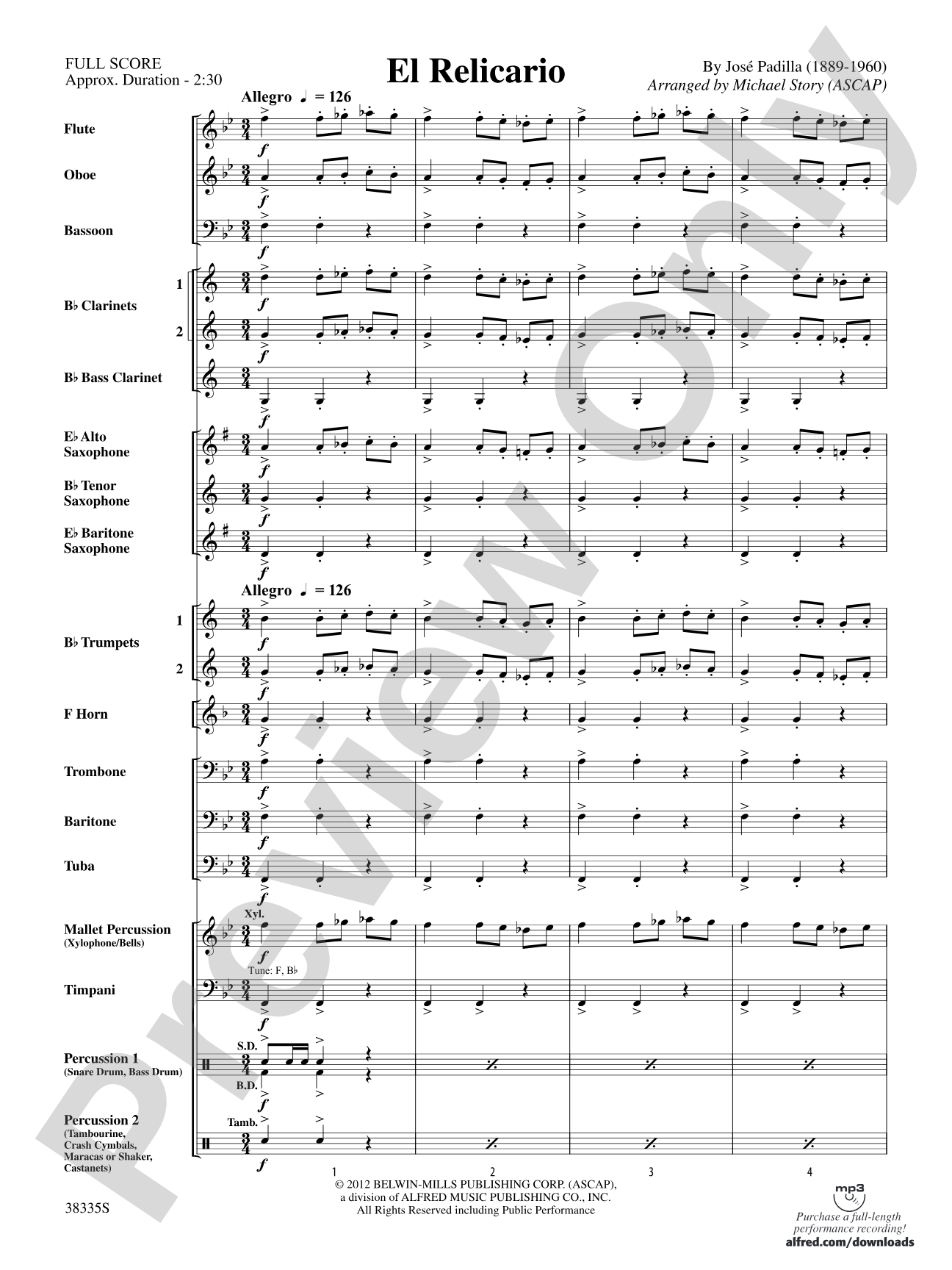
"El Relicario" is a well-known pasodoble by Spanish composer José Padilla (1889--1960). The pasodoble (meaning "double step") is a type of Spanish march that is performed at bullfights, usually when the participants enter the arena. An enchanting Spanish flourish for your developing band . . . Olé! (2:30) This title is available in MakeMusic Cloud.


Don't just read it, hear it, play along with it, and watch your students grow with it. In MakeMusic Cloud, El Relicario: Score comes alive with professional accompaniment, adjustable tempo, and built-in practice tools that turn solo practice into real progress.
Open in the Player
Jump straight in and assign it today.
Start Your Free Trial
Open this title and explore the full library in minutes.
Sample Audio
1
Audio File
--:--
0:00
0:00
Sample Video
No sample videos found.
Additional Details
Series:
Belwin Young Band
Publisher:
Alfred Music
Page Count:
250
SKU:
00-PR-0004110
More about this title
About the Composer: Jose Padilla
José Padilla (1889–1960) was a Spanish composer and lyricist who became one of the most prolific creators of zarzuela and popular Spanish music in the early twentieth century. His works captured the spirit of Spanish culture, blending traditional folk idioms with accessible melodies that resonated across concert halls, theaters, and streets throughout Spain and Latin America.
Why we love this
Michael Story's arrangement preserves the swagger and infectious rhythmic drive of Padilla's original while sitting comfortably within the abilities of a developing ensemble. The pasodoble form gives your band a chance to perform an authentic Spanish tradition without requiring advanced technical facility, making it an ideal vehicle for introducing students to world music alongside classical and contemporary repertoire.
What to expect
El Relicario pulses with Spanish pageantry and spirited confidence. The pasodoble's characteristic march rhythm creates forward momentum and theatrical flair, evoking the colorful ceremony of a bullfighting procession while remaining approachable and genuinely fun to play.
Who it's for
Grade 2 bands with secure fundamentals and steady rhythmic control will find this arrangement accessible and satisfying. Student musicians benefit from encountering a non-Western musical tradition performed within their current technical range, and conductors gain an engaging concert piece that rewards attention to style and articulation.
How to get the most out of it
- Anchor the march rhythm with crisp, articulated eighth notes in the low brass and woodwinds; the pasodoble's character depends on rhythmic clarity rather than legato phrasing.
- Let the melody sing through the upper woodwinds and trumpets, but keep the accompaniment lean and forward-moving so the line doesn't get buried.
- Shape the dynamics within phrases rather than treating each section as static; the piece breathes naturally if you allow subtle crescendos and diminuendos to follow the melodic contour.
How to use it
Program this early in a concert or as part of a multicultural set to establish energy and variety. Its two-and-a-half-minute length makes it an efficient opener or transition piece that also works well on family concerts or school assemblies where accessible cultural content engages a broad audience.
Skills your students will build
- Executing characteristic pasodoble rhythms (dotted eighths and sixteenths paired with quarter-note pulse)
- Maintaining steady tempo and articulation in march-style accompaniment patterns
- Balancing melody and accompaniment in a homophonic texture
- Recognizing and performing Spanish musical idioms and style conventions
- Reading and executing properly scored ensemble parts in a digital download format