El Pato Loco Cover Image

El Pato Loco: Concert Band Conductor Score

$11.00 USD
Sale price  $11.00 USD Regular price 
Skip to product information
El Pato Loco Cover Image

El Pato Loco: Concert Band Conductor Score

The Crazy Duck

By William Owens

Grade: 1

Item: 98-B1441S

$11.00
Shipped

One moment…

Description
Add some south-of-the-border flare to your next concert with this whimsical novelty work! Dedicated to those wacky, web-footed waterfowl that wander innocently through our parks vying for a quick snack, the music is based on Latin-style rhythms that are supported by an array of percussion instruments. You’ll even hear moments alluding to the great Toreador as the crazy duck comes for you! Lots of fun!

El Pato Loco: Concert Band Conductor Score isn't in MakeMusic Cloud just yet...but it could be. Let us know you'd like to see it, and you'll help shape what comes next. In the meantime, start a free trial and dive into thousands of interactive titles your students can play along with today.

Sample Pages

Sample Audio
No sample audio found.
Sample Video
Additional Details
Series: FJH Beginning Band
Publisher: The FJH Music Company, Inc.
UPC: 241444494028
SKU: 98-B1441S

More about this title

About the Composer: William Owens
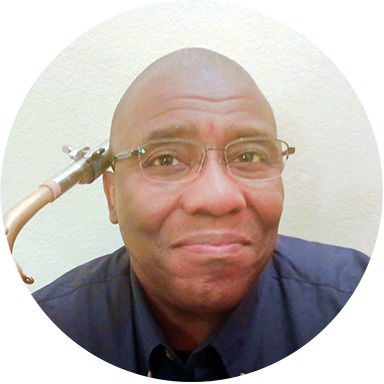
William Owens

William Owens brings three decades of classroom experience to his compositional work. A VanderCook College of Music graduate and former Texas band director, he has built a catalog of over 300 pieces that balance musical integrity with genuine pedagogical insight. His works appear on state required music lists and serve as teaching staples across North America.

Owens has received commissions from the American Bandmasters Association, Phi Beta Mu International, and college music programs. He holds memberships in ASCAP and the Texas Music Educators Association, and was honored as a Distinguished Alumnus by VanderCook. Since his formal retirement in 2014, he continues to compose and clinician throughout the region from his home in Fort Worth.

Why we love this

Grade 1 novelty pieces that actually work in concert programs are rare, but Owens delivers one here with genuine harmonic substance beneath the fun. The Latin rhythmic framework gives your beginning students something real to play and conduct, while the percussion-driven orchestration keeps the energy infectious without overwhelming younger players. You'll hear genuine musical moments tucked inside the wackiness, including that clever Toreador nod that always gets smiles from the audience.

What to expect

Rollicking and good-natured, like watching a duck waddle confidently through a park while a Latin jazz band follows along. The piece bounces between playful melodic lines and driving rhythmic grooves, with percussion colors that paint the scene. There's an undercurrent of musical sophistication that keeps it from ever feeling silly or patronizing.

Who it's for

Beginning concert bands that need a crowd-pleaser with substance. This works especially well for spring concerts or end-of-year programs where you want to celebrate your students' progress with something lighter than a full-concert diet of marches and standard fare.

How to get the most out of it

  • Keep the Latin rhythms crisp and even across the ensemble. Young players often rush the faster figures, so mark those in rehearsal and isolate them with the rhythm section first.
  • Balance the percussion color against the winds. The whole point of this piece is the rhythmic interplay, so the drums and Latin percussion need room to speak without being buried.
  • Let the Toreador reference land clearly. When that melodic moment arrives, shape it distinctly so the audience catches the musical joke.

How to use it

Slot this early in a concert to establish an upbeat tone and build audience engagement. It pairs well alongside other Grade 1 novelties or lighter character pieces, and gives your band a breather before moving into more substantial repertoire. The piece also works beautifully as a contest warm-up number or in a family concert context.

Skills your students will build

  • Latin rhythm patterns (clave, tumbao, and syncopated figures)
  • Percussion section coordination and balance with wind parts
  • Reading and executing straightforward melodic lines at quick tempos
  • Maintaining pulse integrity through rhythmically active accompaniment
  • Listening to and responding to sectional cues in a percussion-driven texture

You May Also Like