

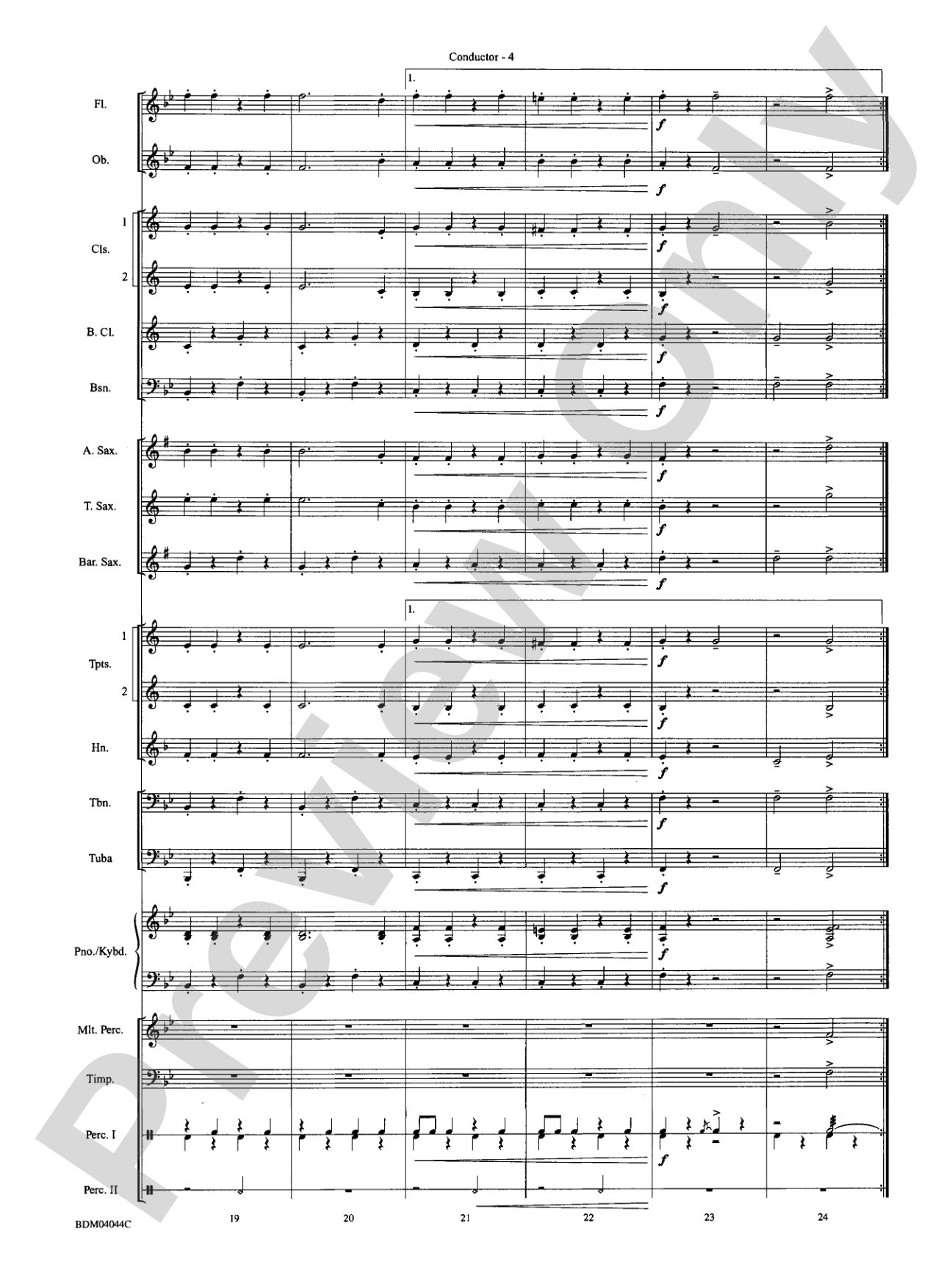
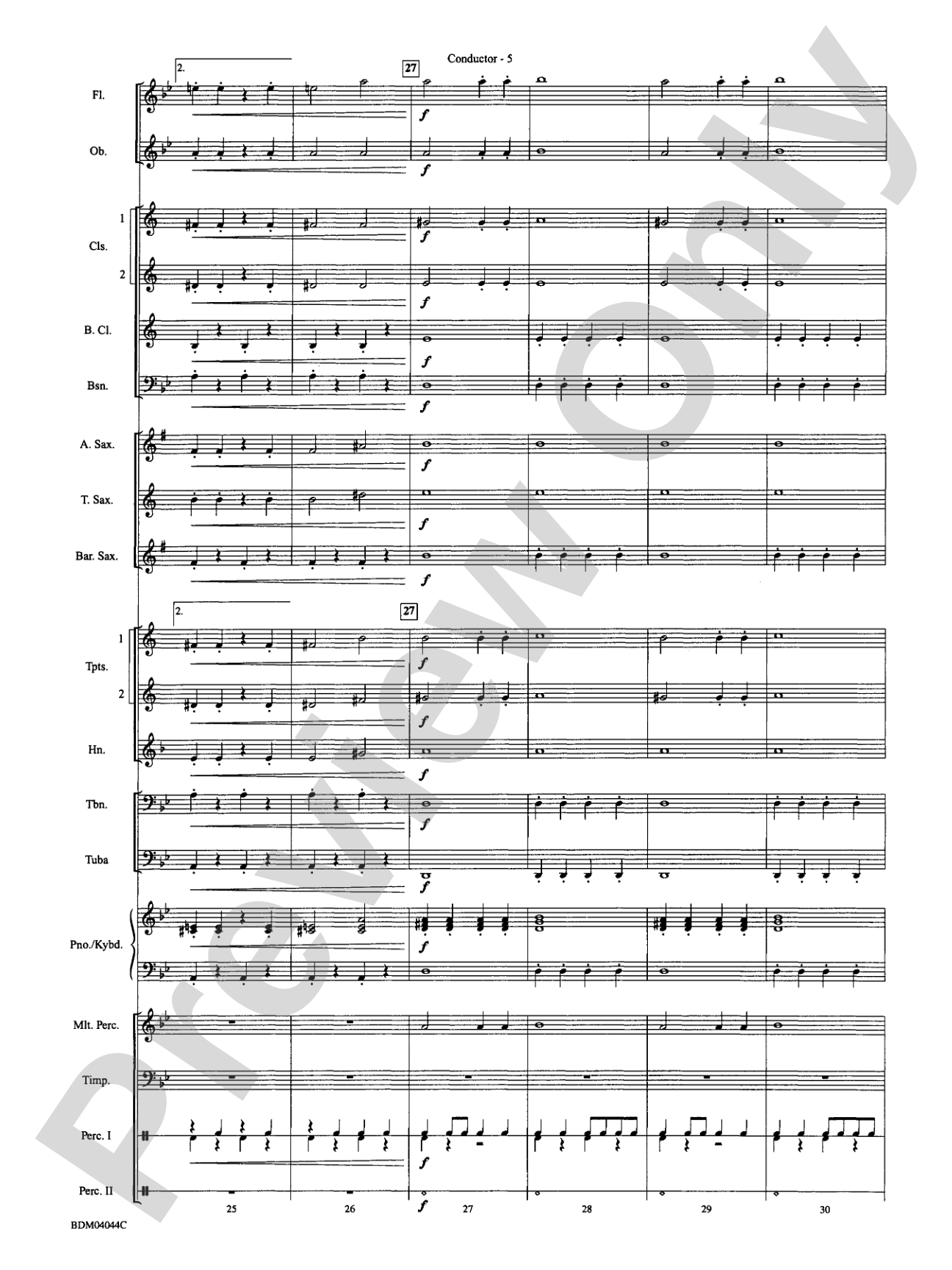
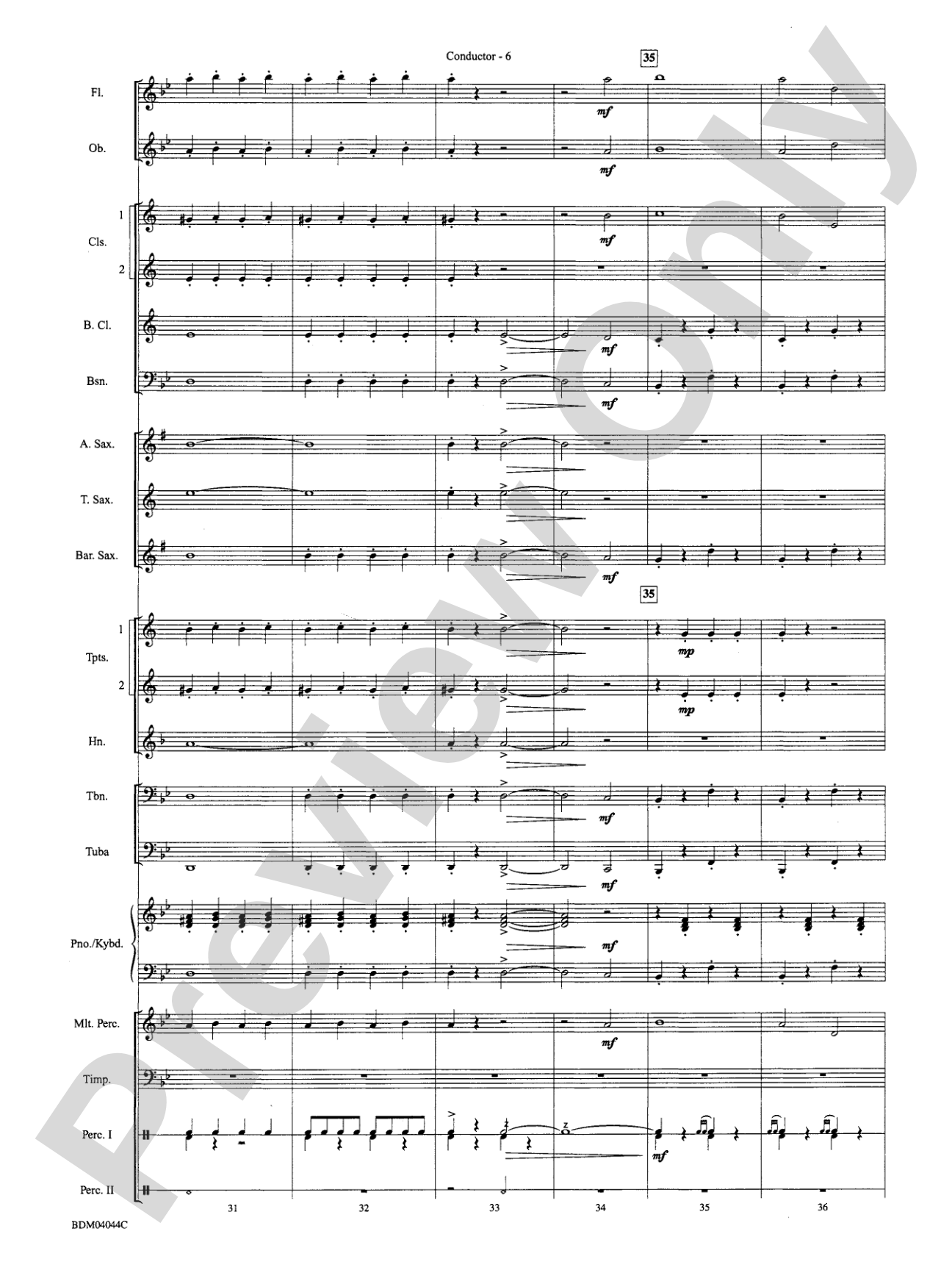
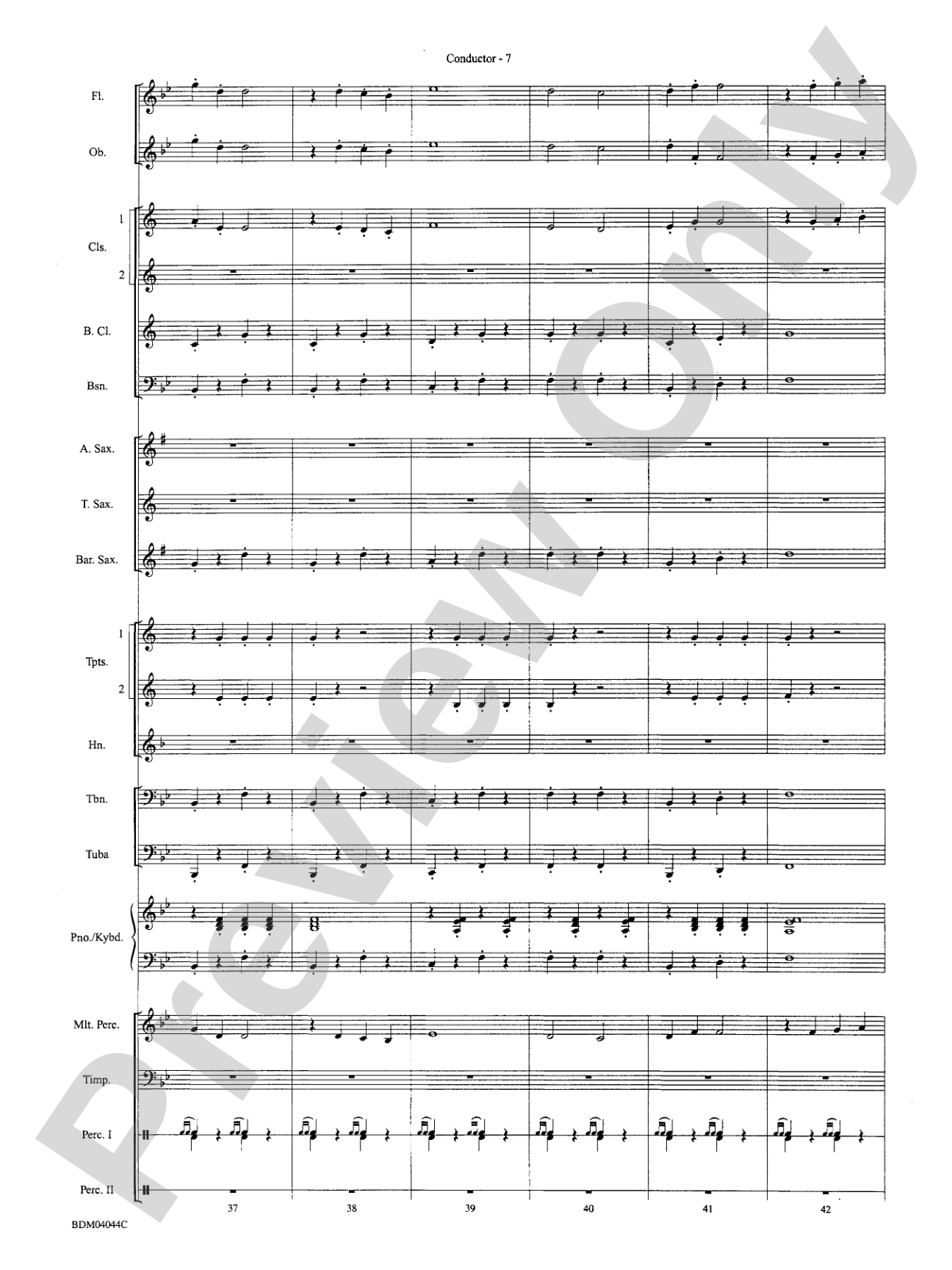
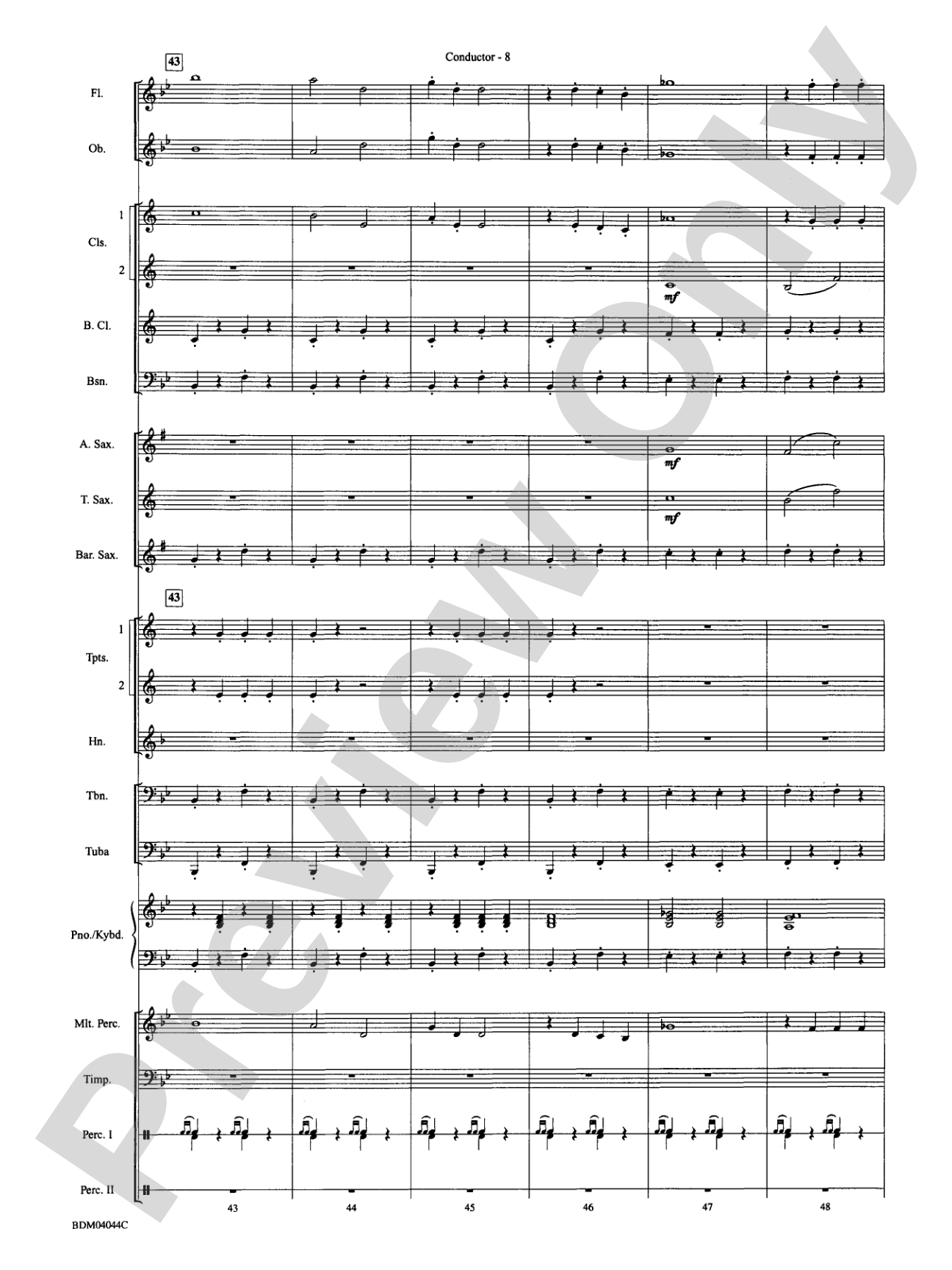
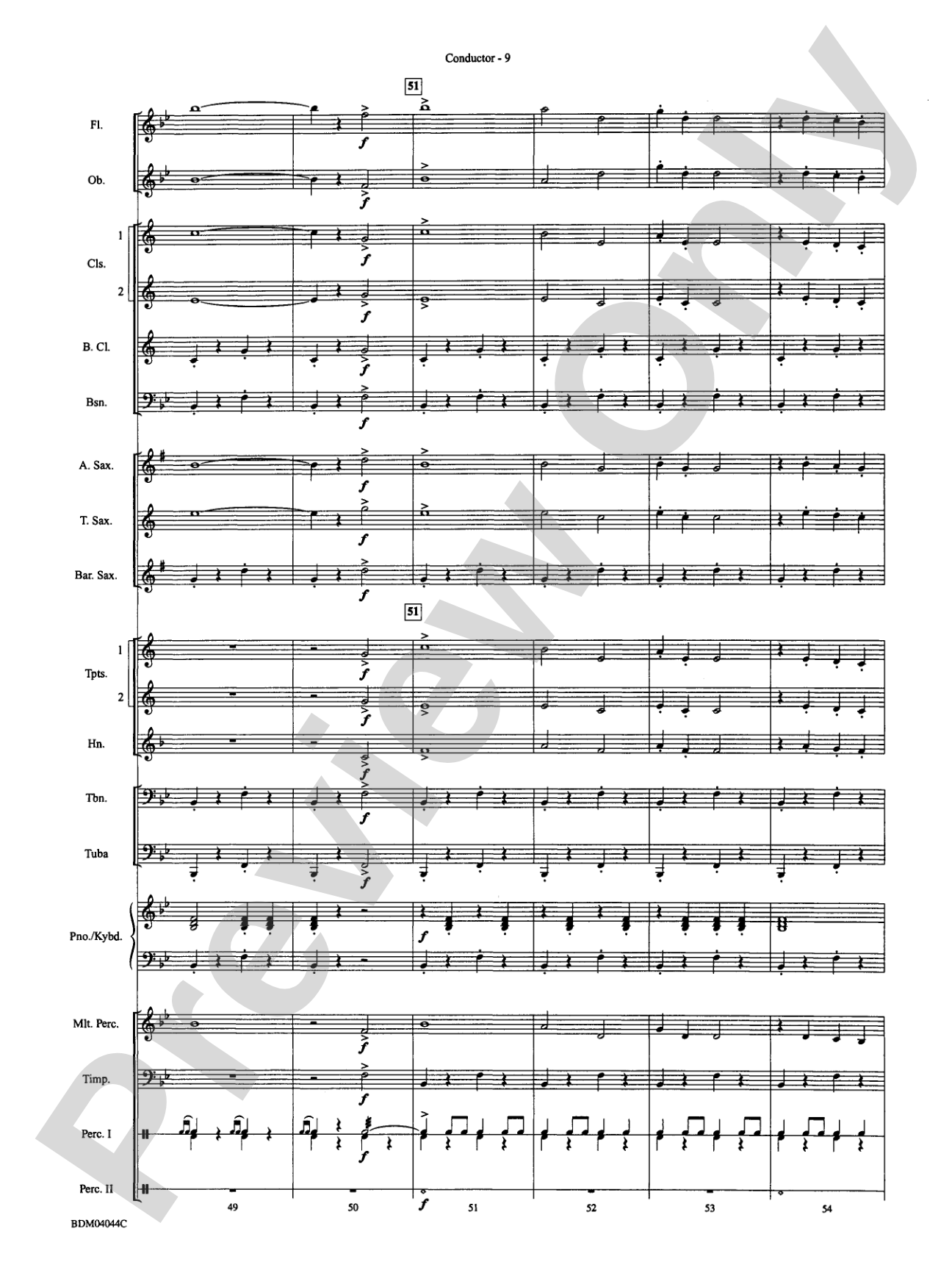
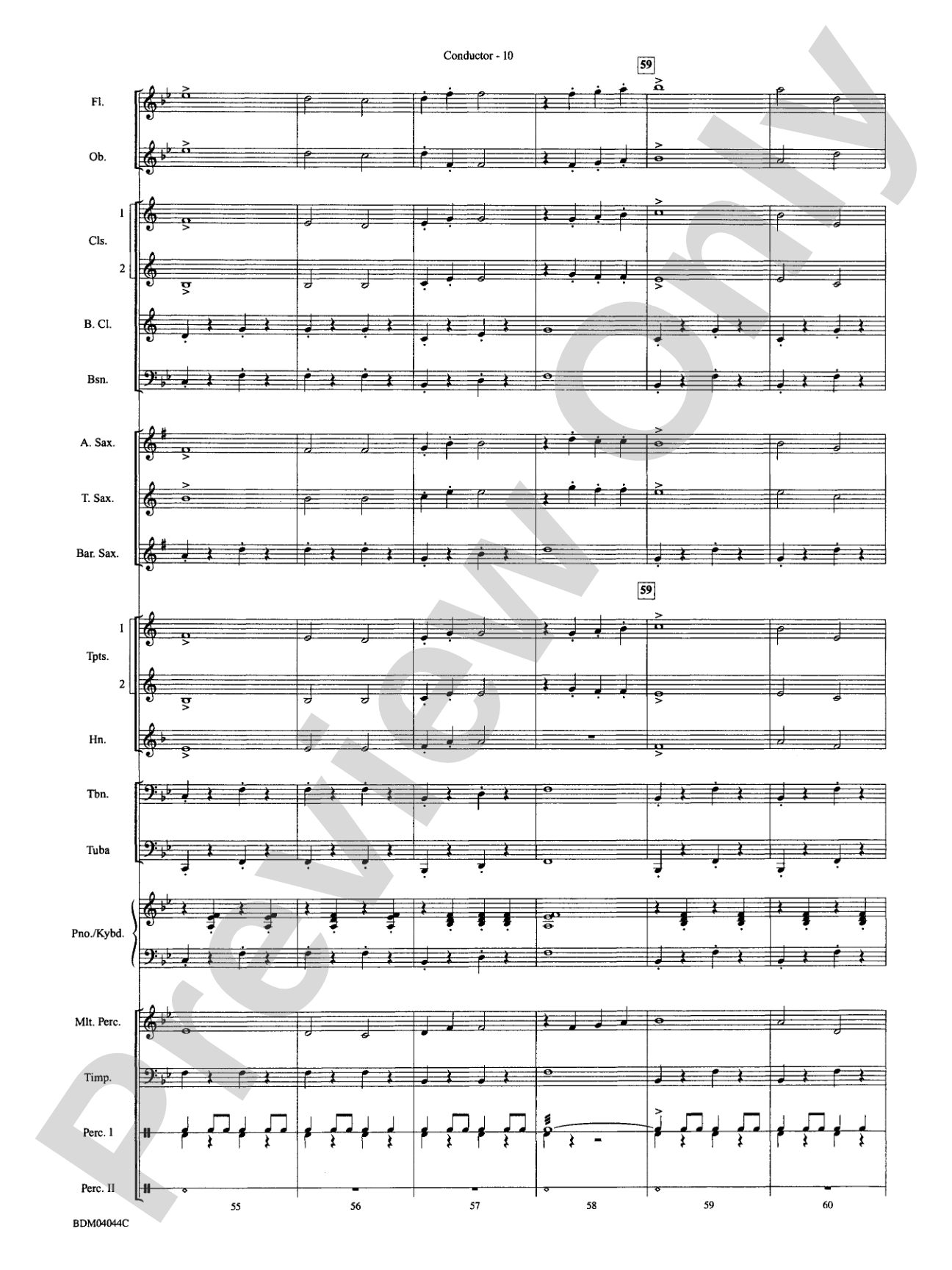
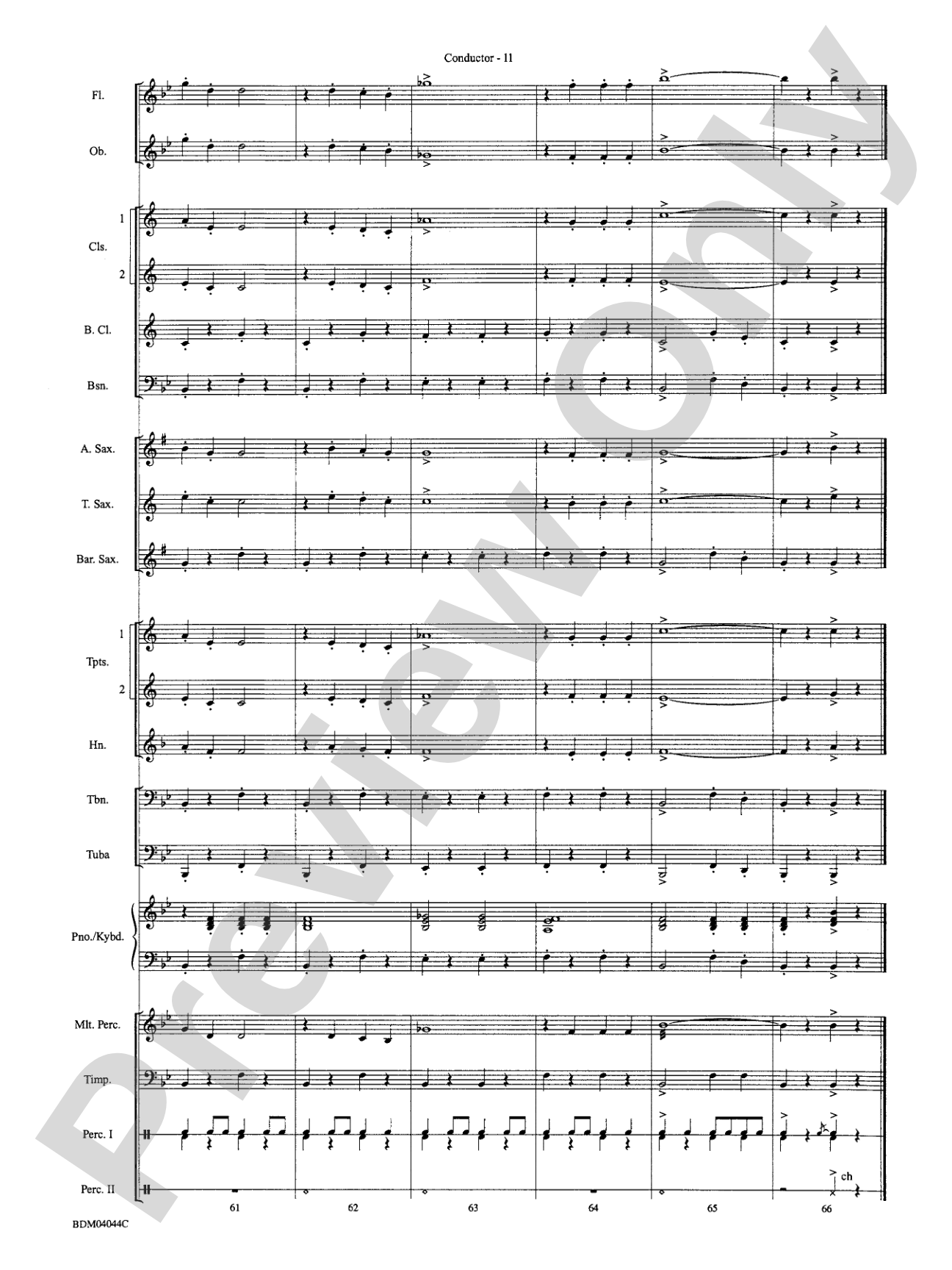




El Capitan: Concert Band Conductor Score & Parts
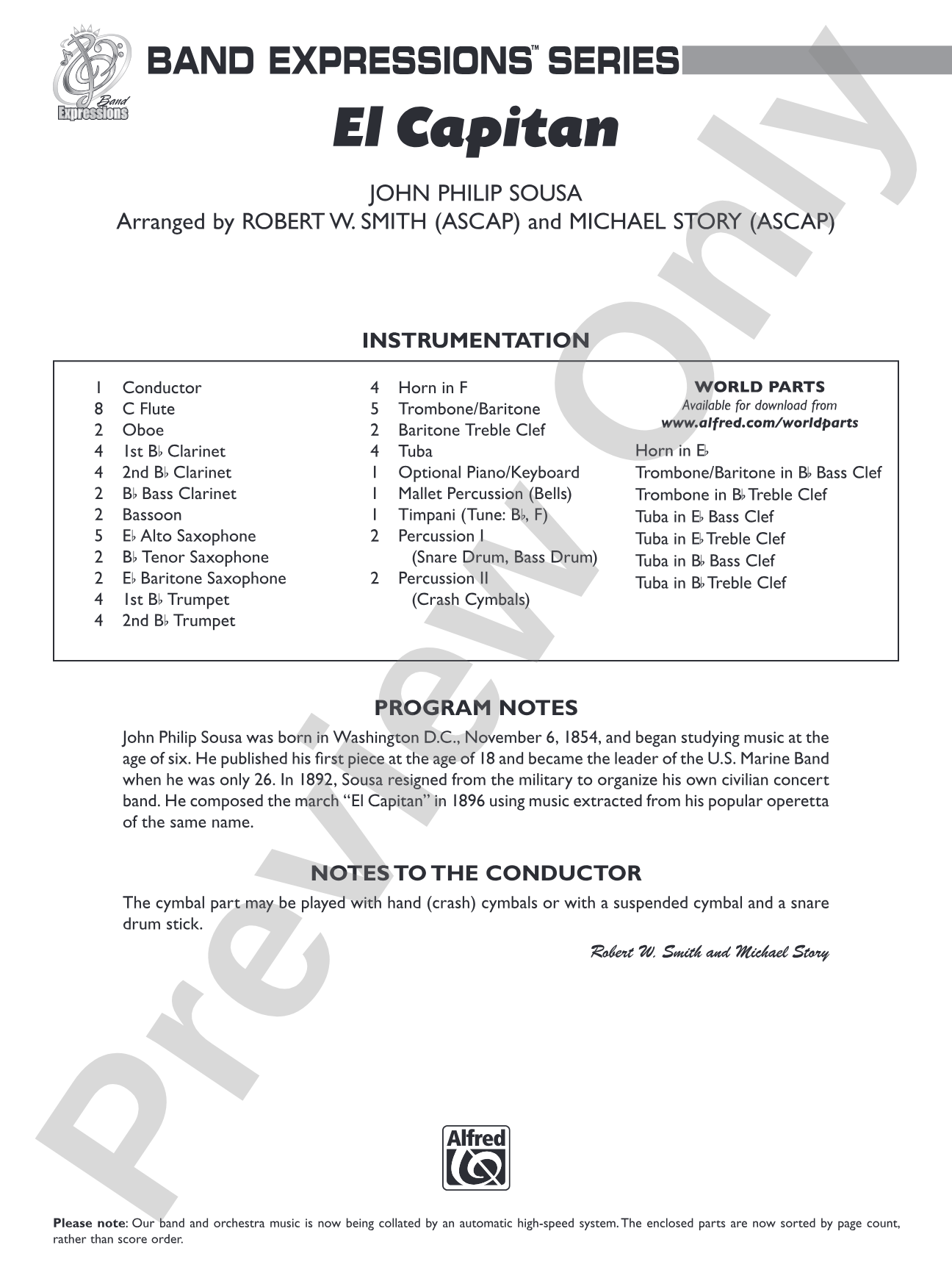
By John Philip Sousa / arr. Robert W. Smith and Michael Story
Grade: 1.5 (Very Easy to Easy)
Item: 00-PK-0005802

$55.00
Pickup currently not available
Buy Extra Parts (Digital PDF Download)
| Product | Price | Quantity |
|---|---|---|
| El Capitan: Score | $8.00 | |
| El Capitan: Flute | $3.00 | |
| El Capitan: Oboe | $3.00 | |
| El Capitan: 1st B-flat Clarinet | $3.00 | |
| El Capitan: 2nd B-flat Clarinet | $3.00 | |
| El Capitan: B-flat Bass Clarinet | $3.00 | |
| El Capitan: Bassoon | $3.00 | |
| El Capitan: E-flat Alto Saxophone | $3.00 | |
| El Capitan: B-flat Tenor Saxophone | $3.00 | |
| El Capitan: E-flat Baritone Saxophone | $3.00 | |
| El Capitan: 1st B-flat Trumpet | $3.00 | |
| El Capitan: 2nd B-flat Trumpet | $3.00 | |
| El Capitan: 1st F Horn | $3.00 | |
| El Capitan: 1st Trombone | $3.00 | |
| El Capitan: Baritone T.C. | $3.00 | |
| El Capitan: Tuba | $3.00 | |
| El Capitan: Piano Accompaniment | $3.00 | |
| El Capitan: Mallets | $3.00 | |
| El Capitan: Timpani | $3.00 | |
| El Capitan: 1st Percussion | $3.00 | |
| El Capitan: 2nd Percussion | $3.00 |
Parts Added to Cart!
Description
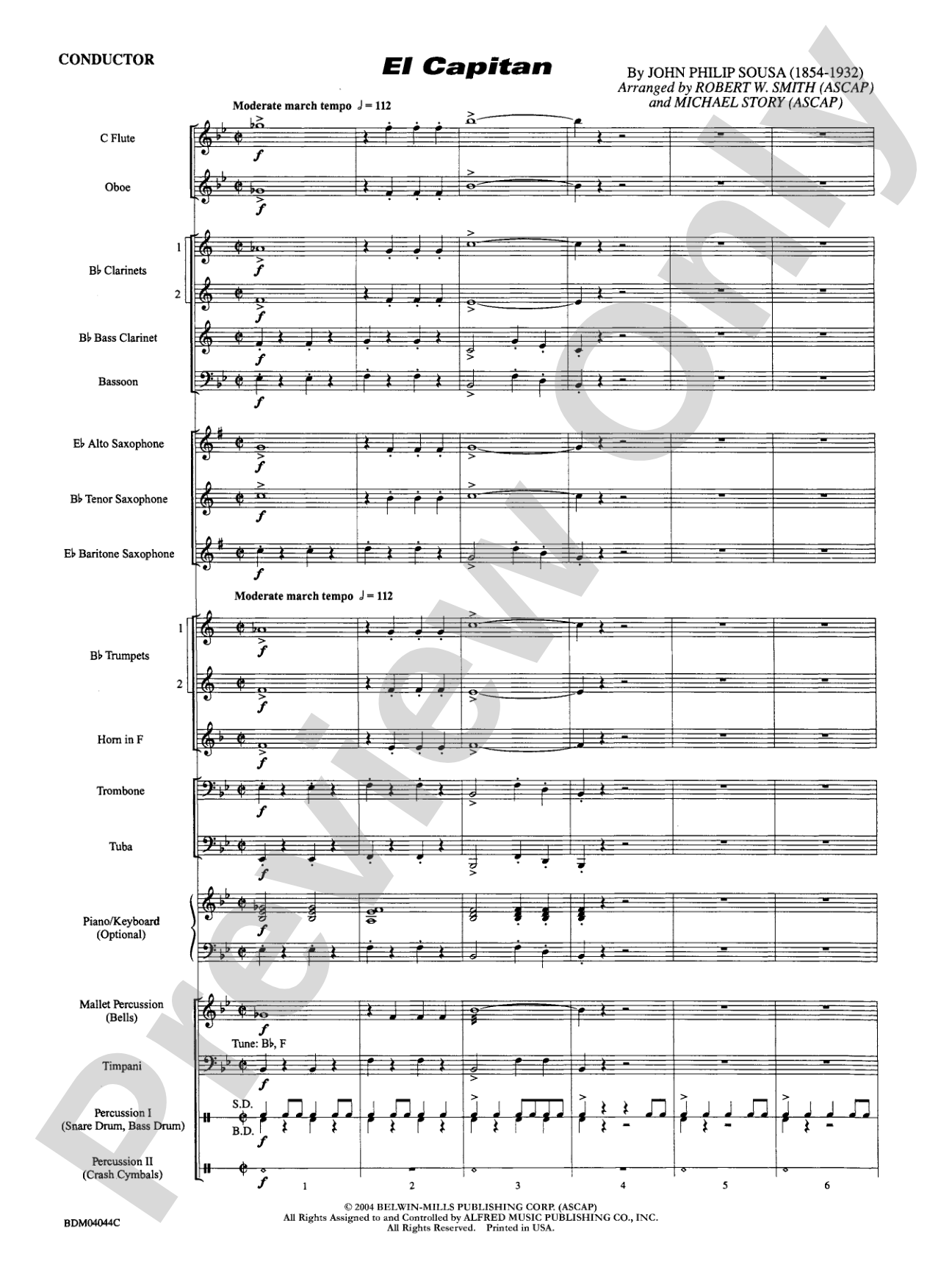
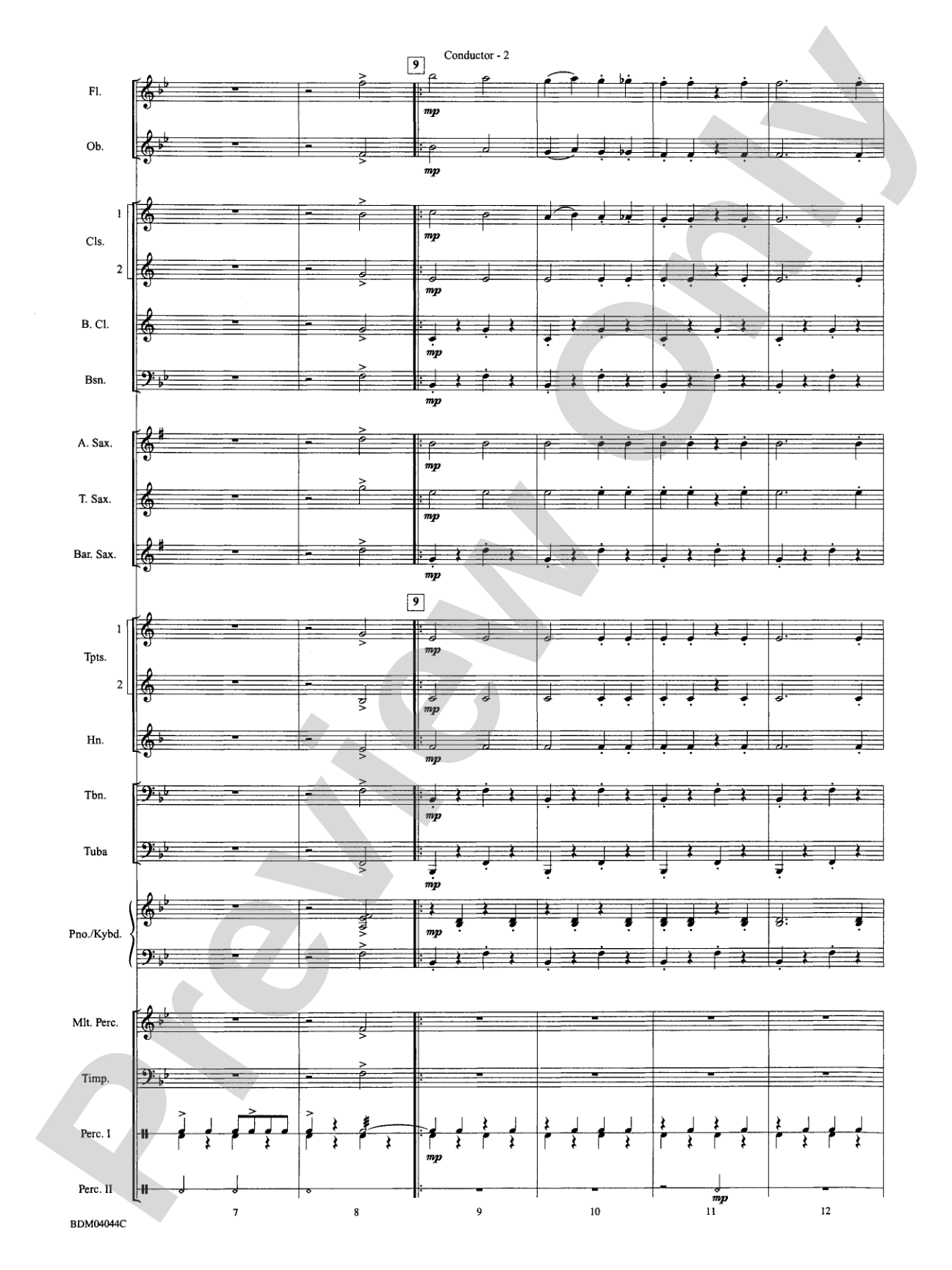
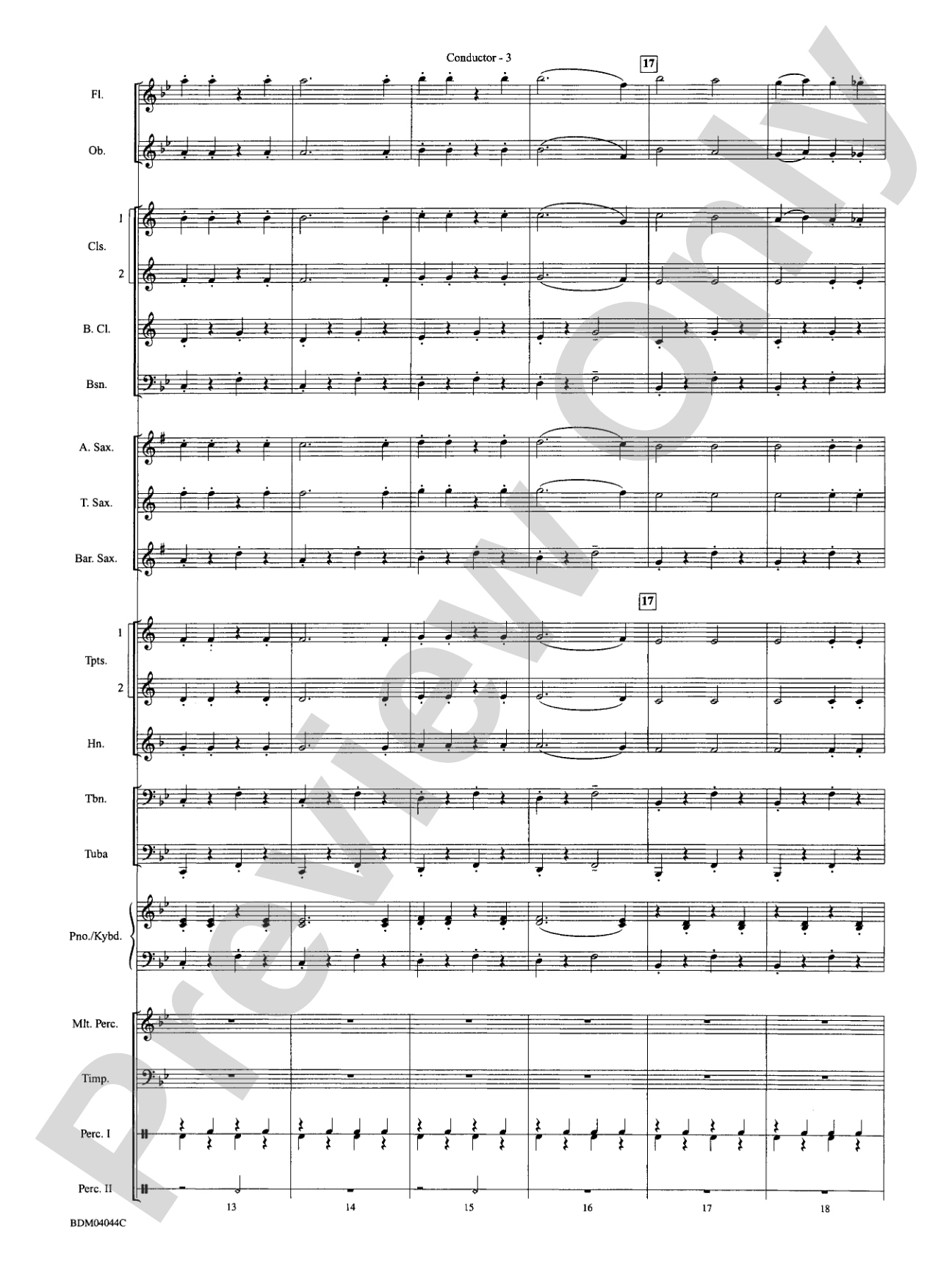
This wonderful Sousa march has been scored for your second-year students. Even with the rhythms simplified, the excitement remains. El Capitan is a rousing addition to any program. (1:31)


Don't just read it, hear it, play along with it, and watch your students grow with it. In MakeMusic Cloud, El Capitan: Concert Band Conductor Score & Parts comes alive with professional accompaniment, adjustable tempo, and built-in practice tools that turn solo practice into real progress.
Open in the Player
Jump straight in and assign it today.
Start Your Free Trial
Open this title and explore the full library in minutes.
Sample Audio
1
Audio File
--:--
0:00
0:00
Sample Video
No sample videos found.
Additional Details
Series:
Band Expressions
Publisher:
Alfred Music
Page Count:
124
SKU:
00-PK-0005802
More about this title
About the Composer: John Philip Sousa
John Philip Sousa (1854–1932) stands as one of America's most prolific and celebrated composers of instrumental music. His marches defined an entire genre and remain central to band repertoire worldwide, performed by concert bands, military ensembles, and marching groups alike. Sousa's gift for melody, rhythmic clarity, and orchestration made him accessible to audiences everywhere while maintaining artistic substance that rewards serious musicians.
Beyond his compositional legacy, Sousa was a tireless advocate for music education and lived during the formative years of the American concert band movement. His works continue to demonstrate how accessible, joyful music can also be musically sophisticated. For student musicians, his marches offer a direct pathway to understanding form, balance, and the relationship between melody and accompaniment.
Why we love this
El Capitan gives your second-year band a genuine Sousa march to conduct and perform, not a simplification that loses the character. The arrangement by Smith and Story preserves the swagger and momentum that makes this march irresistible while meeting your students where they are rhythmically. You get a full, satisfying performance experience at a grade level where your musicians can actually hear themselves succeed.
What to expect
Sousa's signature march character shines through: confident, buoyant, with a melody that feels both grand and approachable. The piece carries the pride and pageantry of the form, moving with purpose and humor rather than bombast.
Who it's for
Conductors building the repertoire of a second-year concert band need music that excites students without overwhelming them technically. El Capitan suits groups that have conquered basic syncopation and are ready for a recognizable, substantial work that plays to an audience with real impact.
How to get the most out of it
- Conduct the march with a clear, energetic pulse. Even at this grade level, a director who conducts with confidence and forward motion elevates the entire ensemble's execution.
- Balance the inner voices carefully so the harmonic foundation stays solid. Have your altos and tenor saxophones listen for pitch support from the trombone and baritone lines.
- Shape the melody cantabile when it moves into the upper winds. A march's secondary strain should breathe, not simply march in place.
- Articulation clarity matters here more than volume. Clean attacks and consistent tonguing styles will make the rhythmic simplifications feel intentional rather than thin.
How to use it
Program this as your concert anchor or opening number when you want an audience to settle in with something they recognize and enjoy. It pairs well with other American light classics and gives a concert legitimate appeal across age groups without asking your band to sound like something they're not yet ready to be.
Skills your students will build
- Conducting and ensemble responsiveness to clear beat patterns
- Balance of melody against harmonic accompaniment
- Sustained, controlled articulation and tonguing
- Phrasing within a march form (principal theme, secondary strain, trio)
- Intonation stability in longer note values within harmonic progressions