
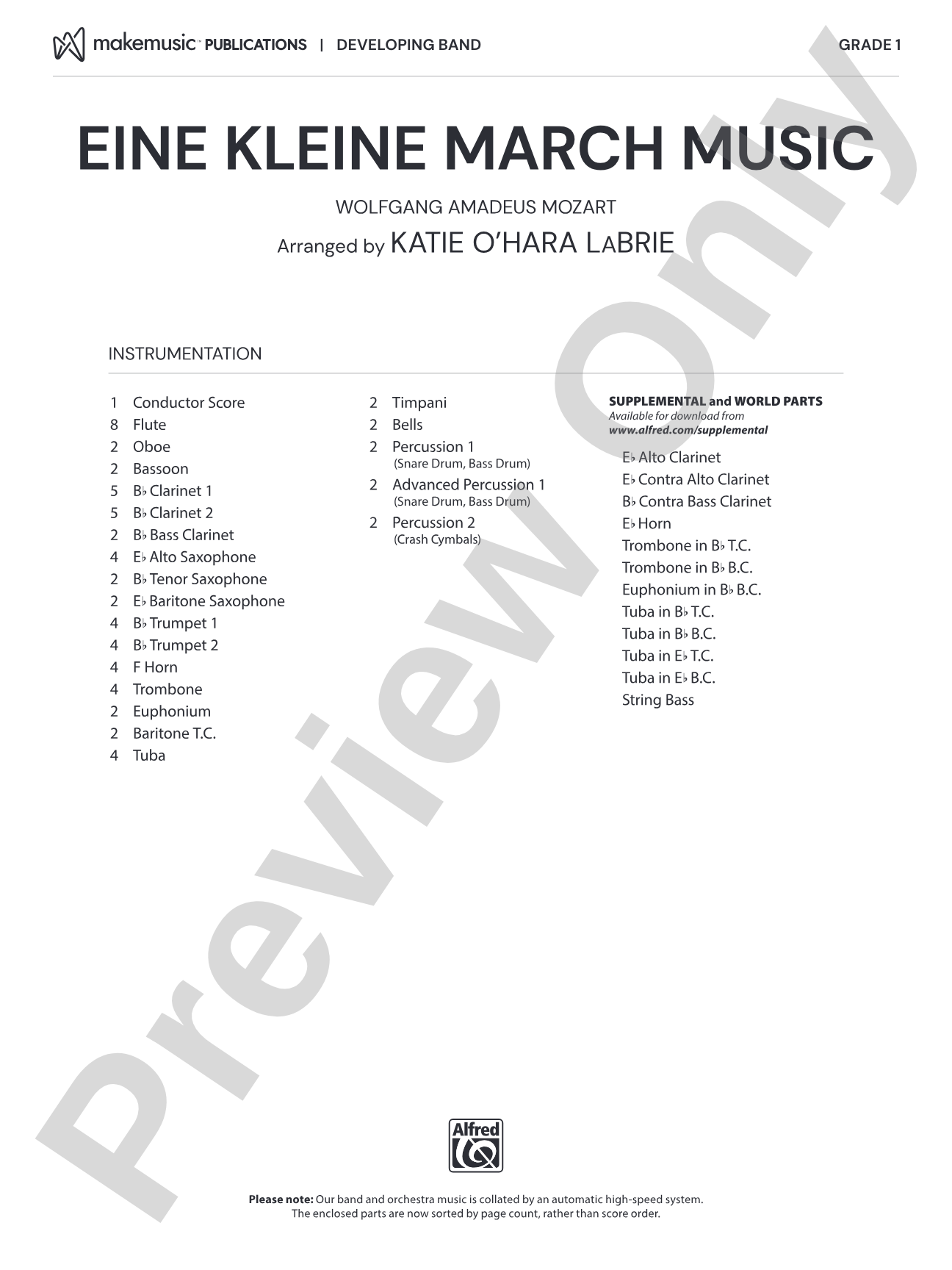
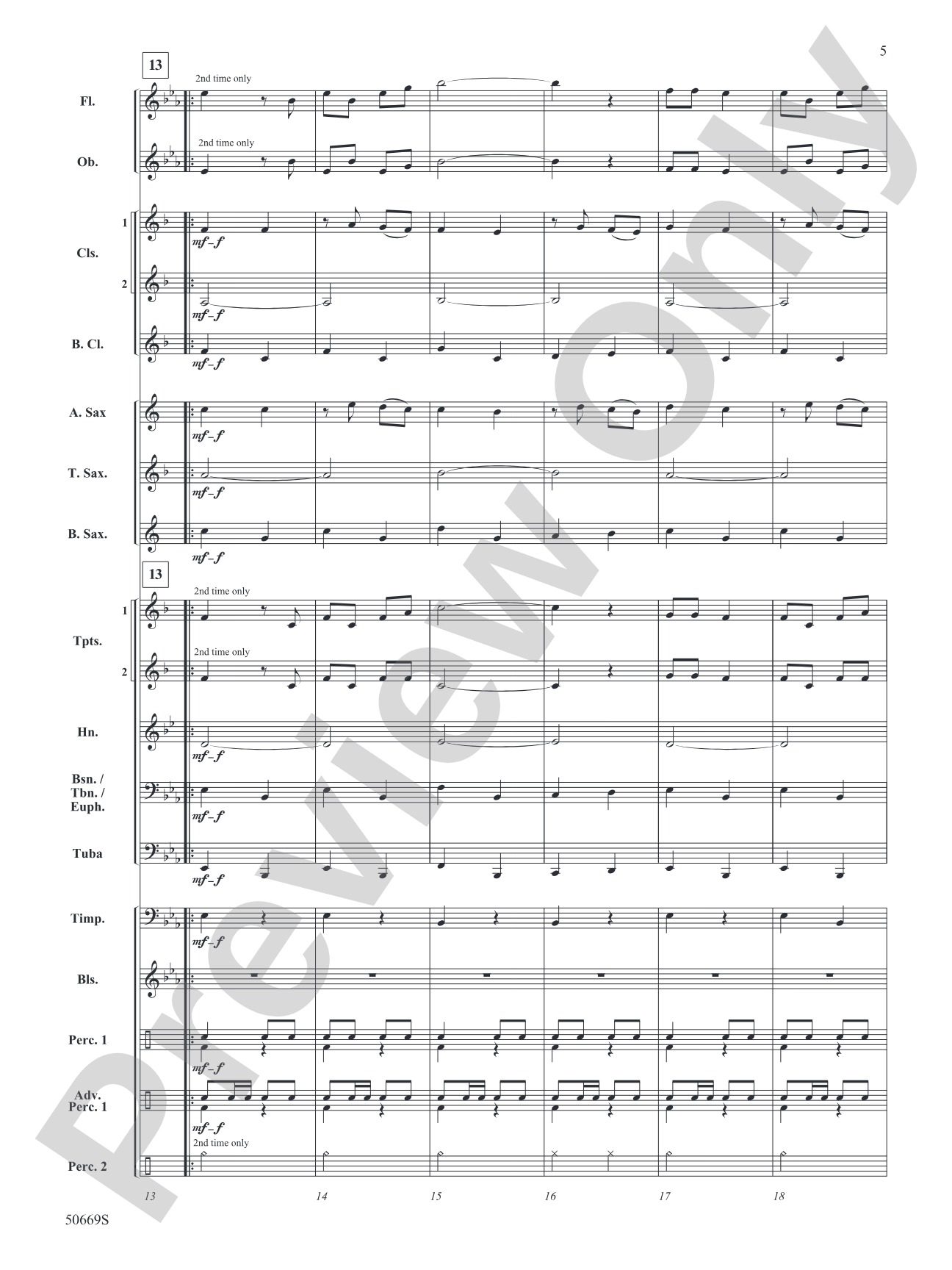
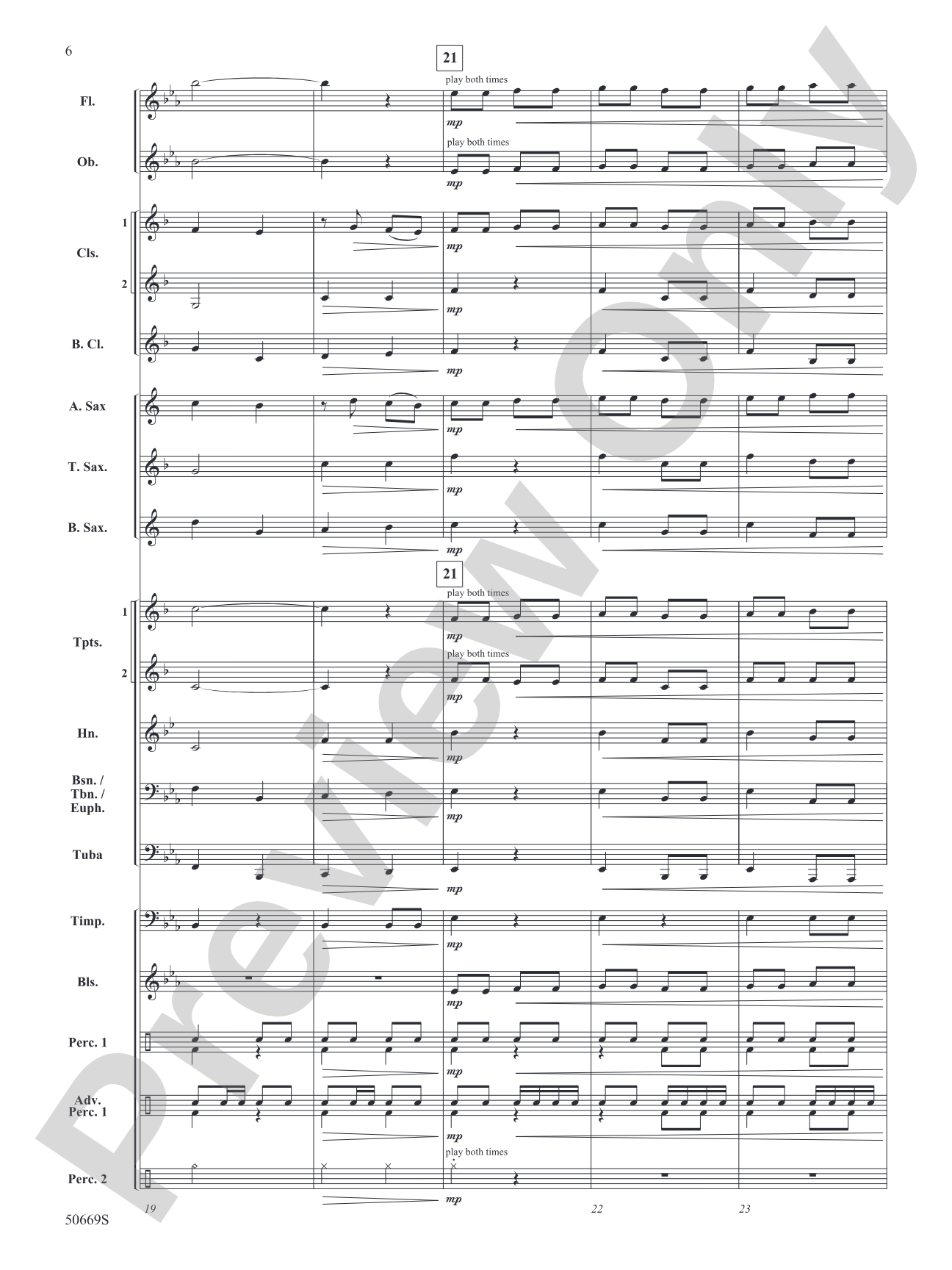
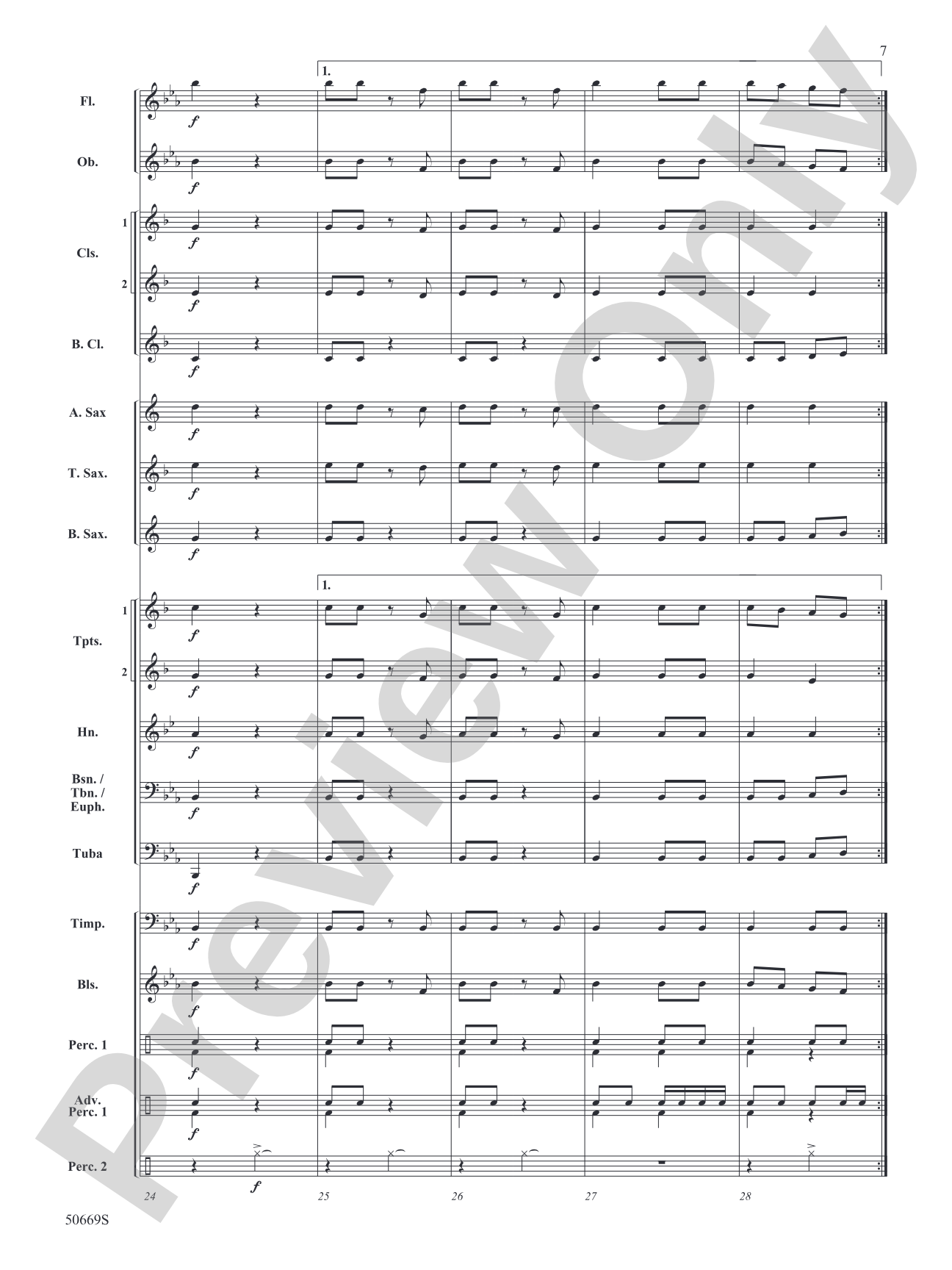
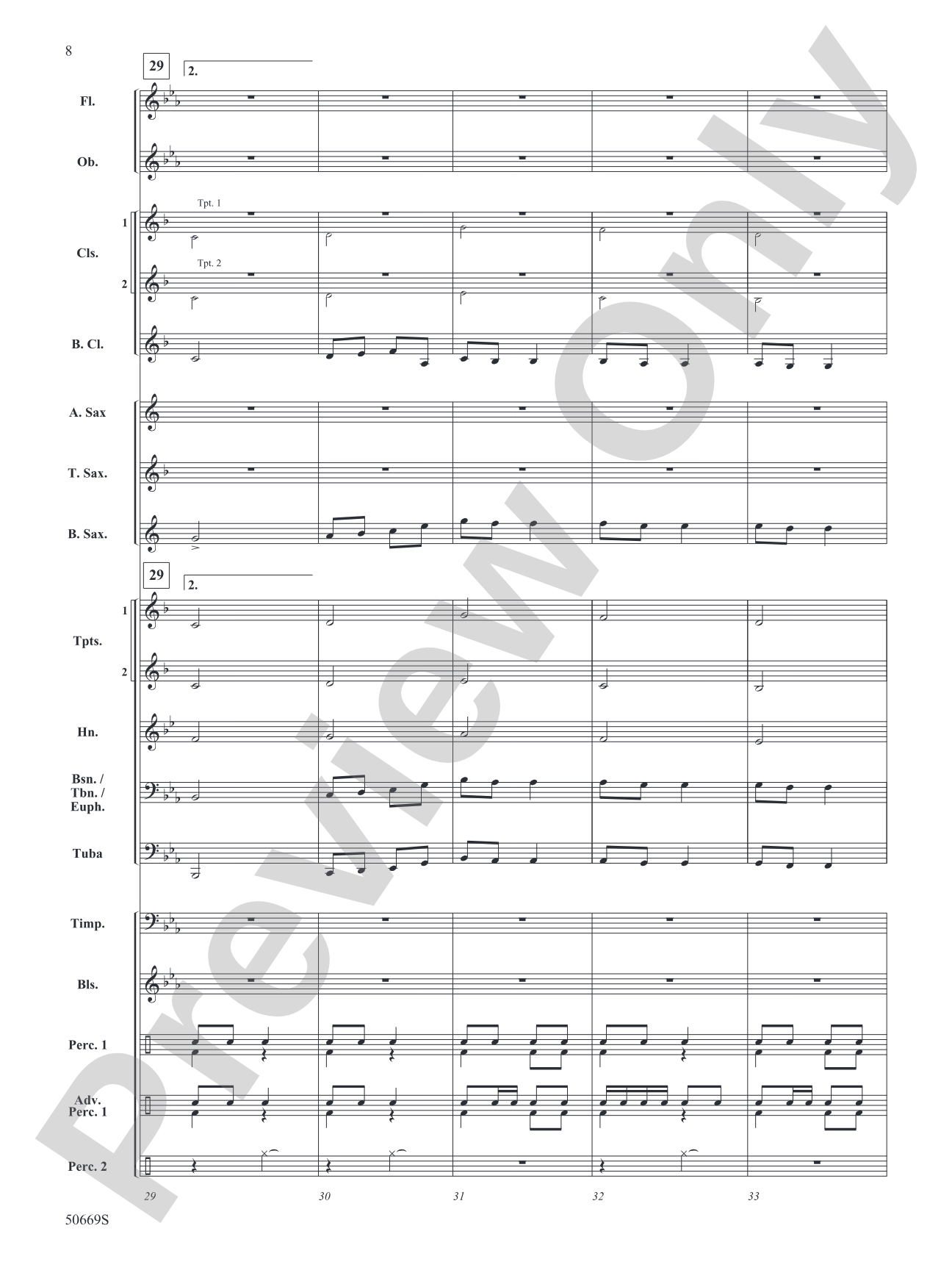
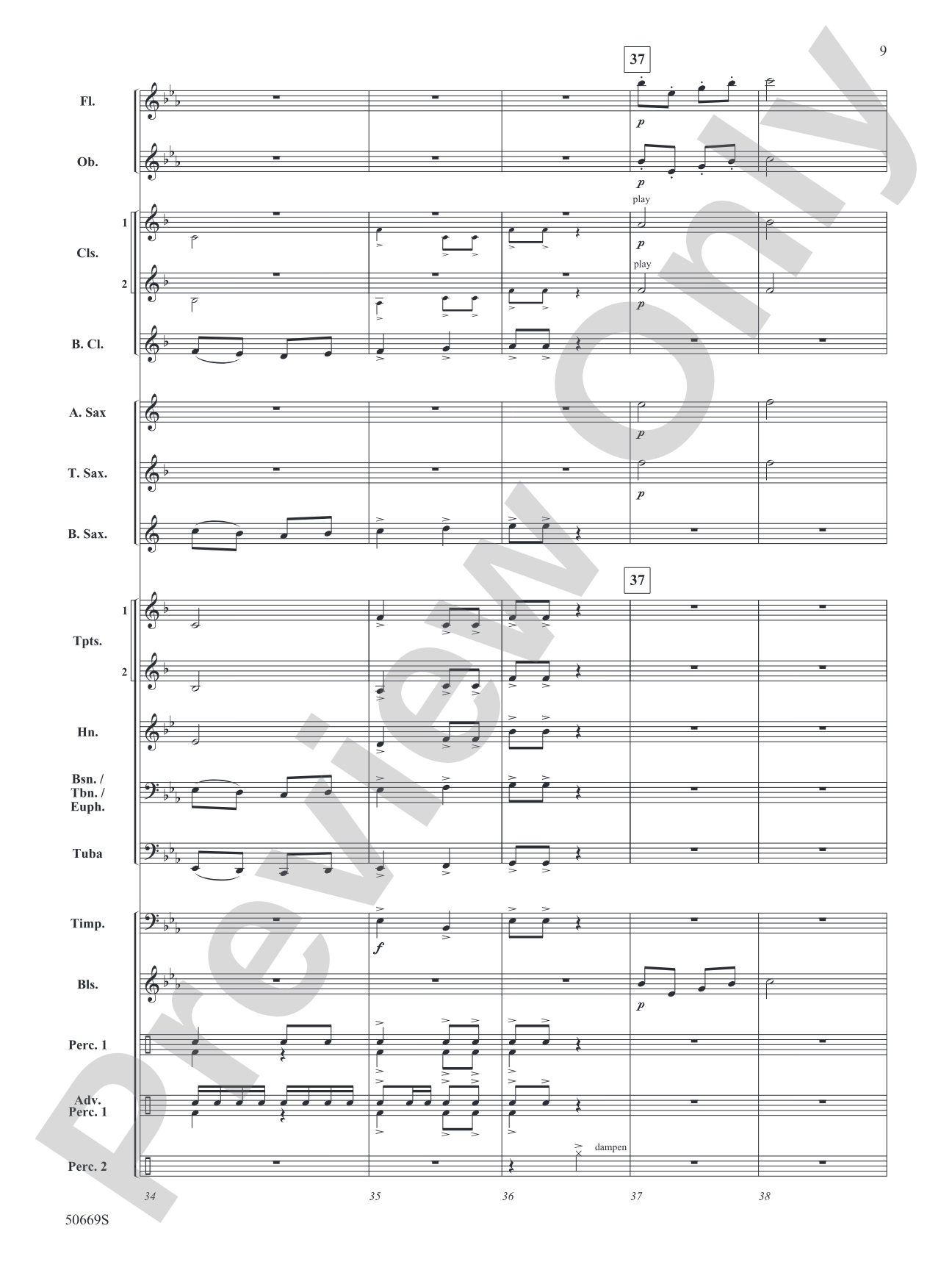
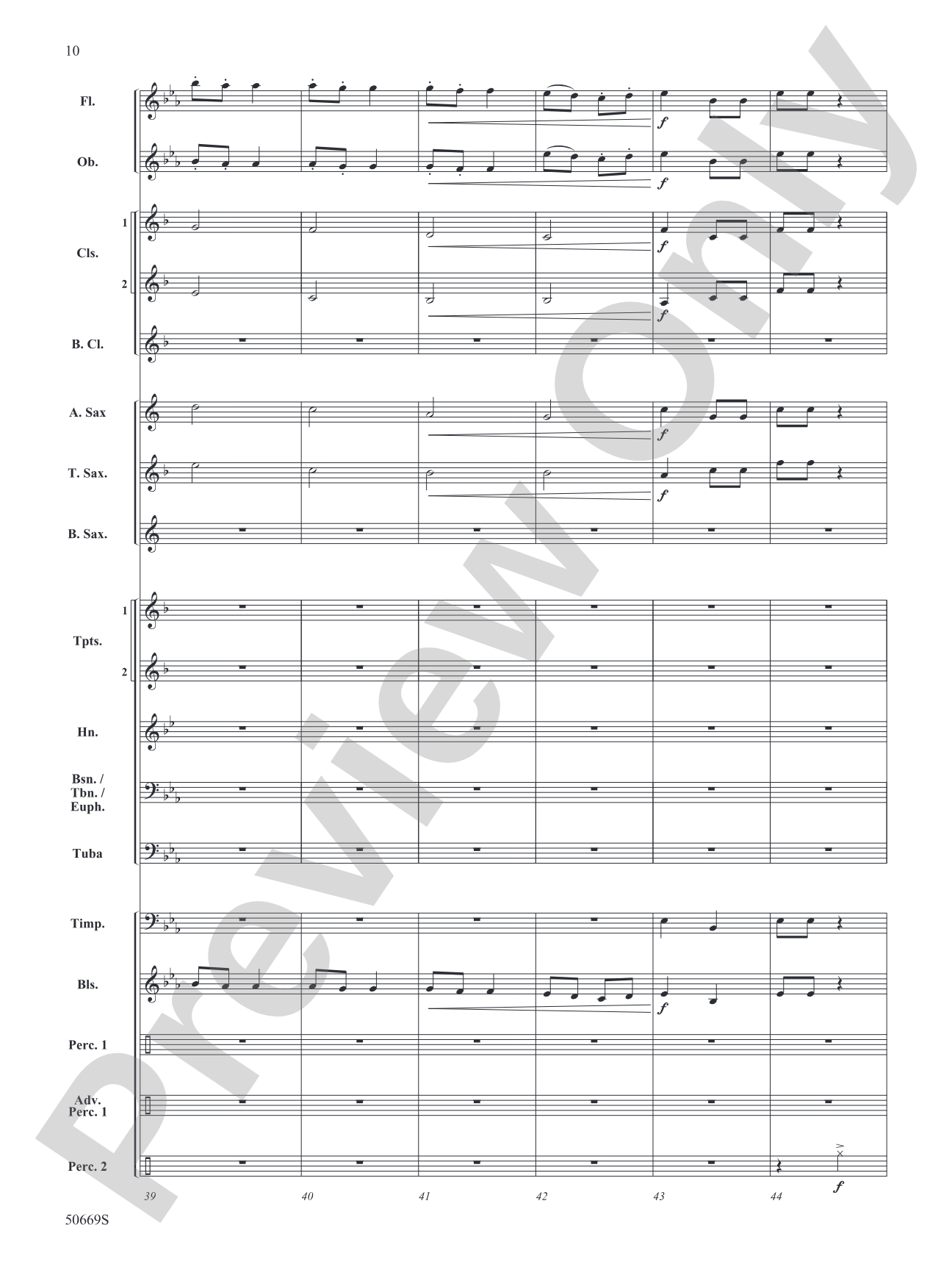
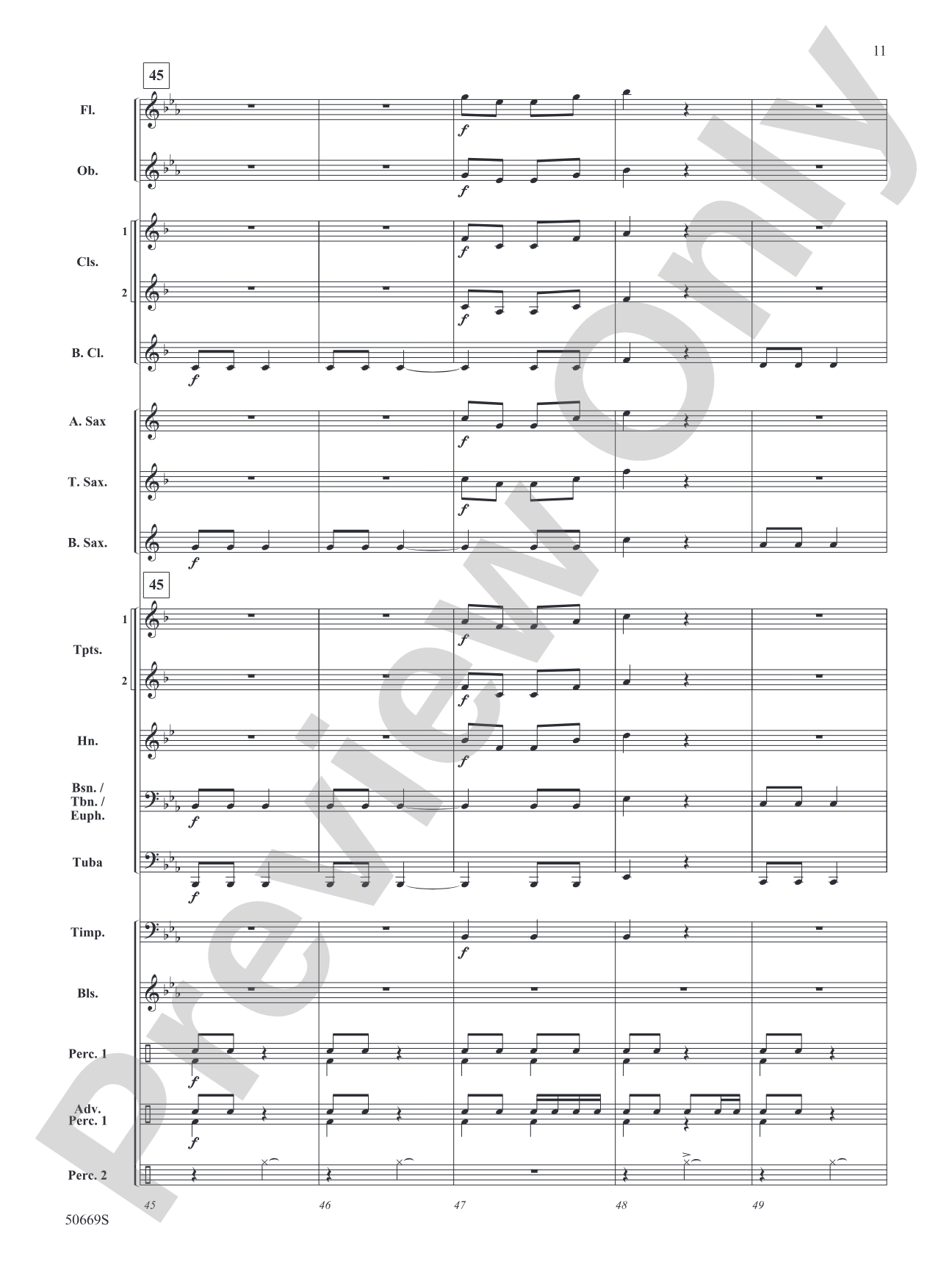
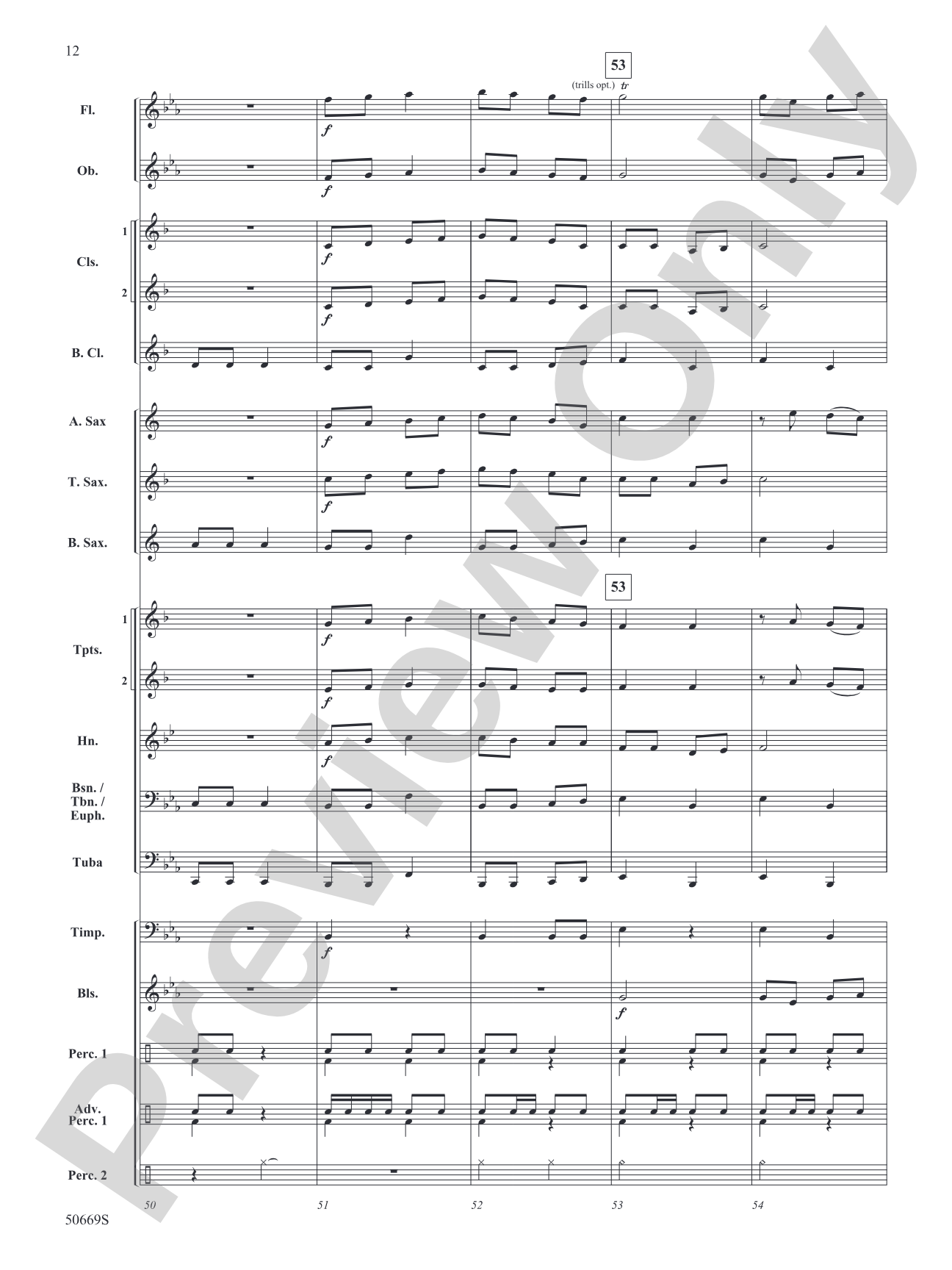
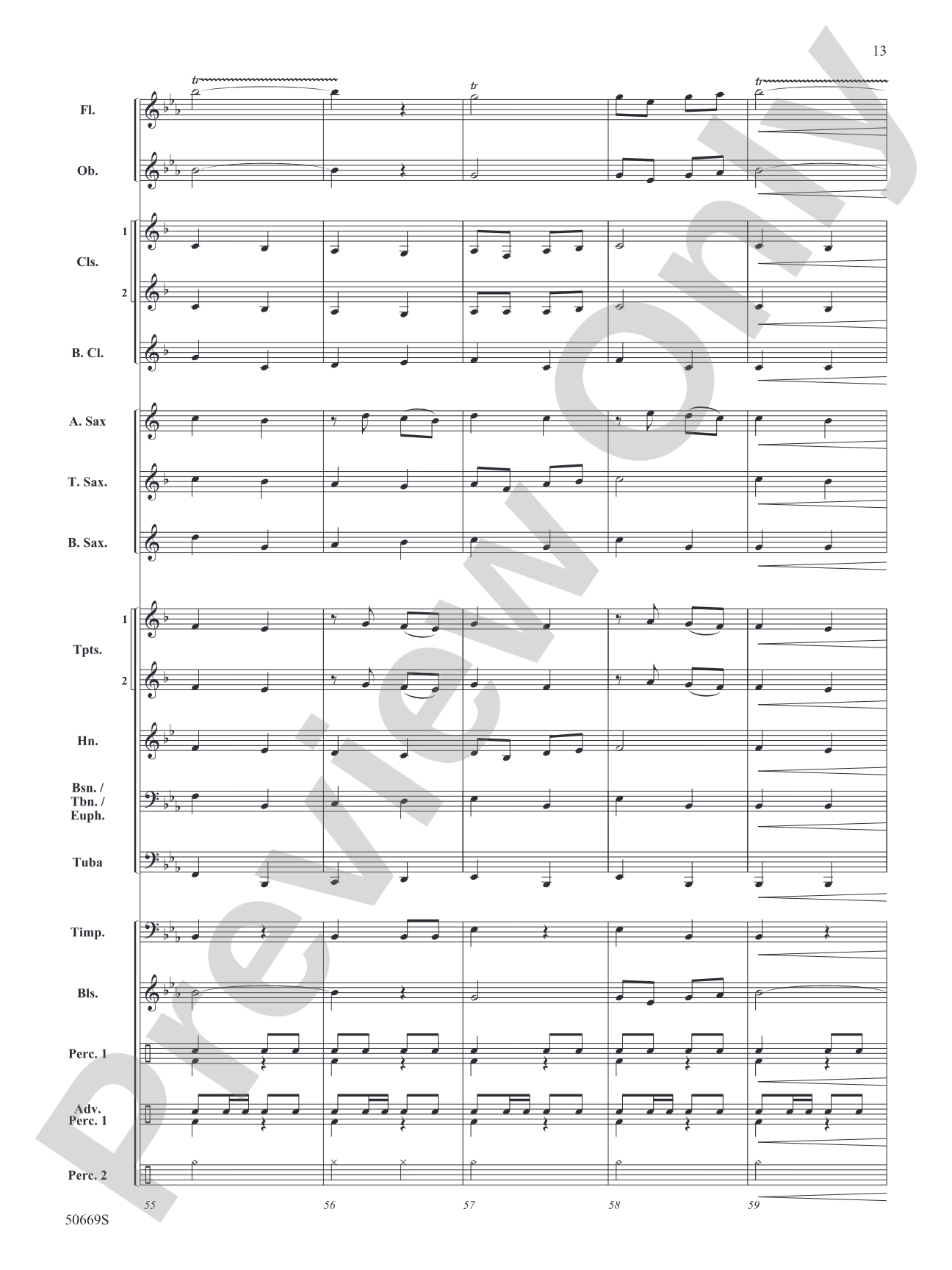
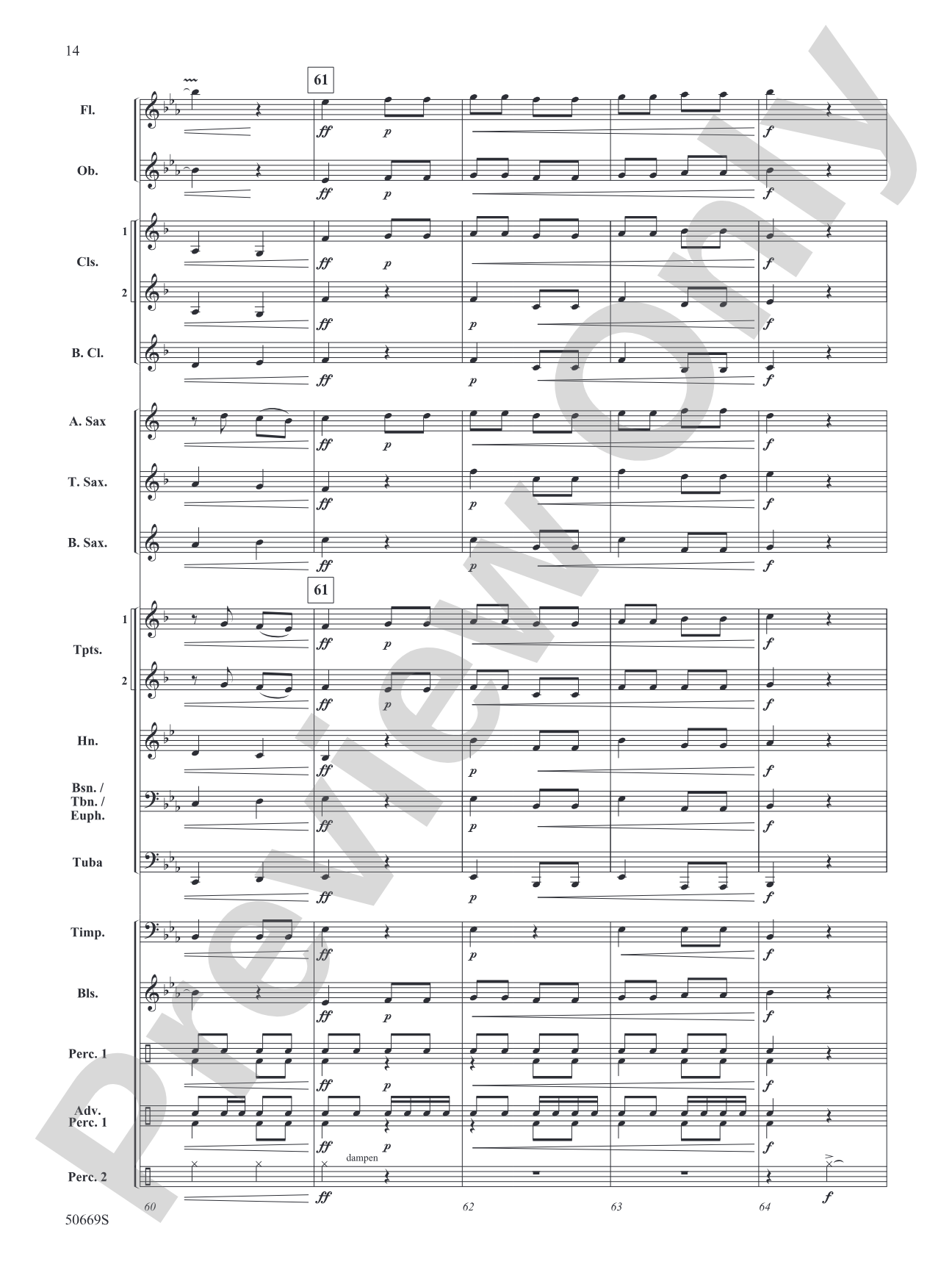
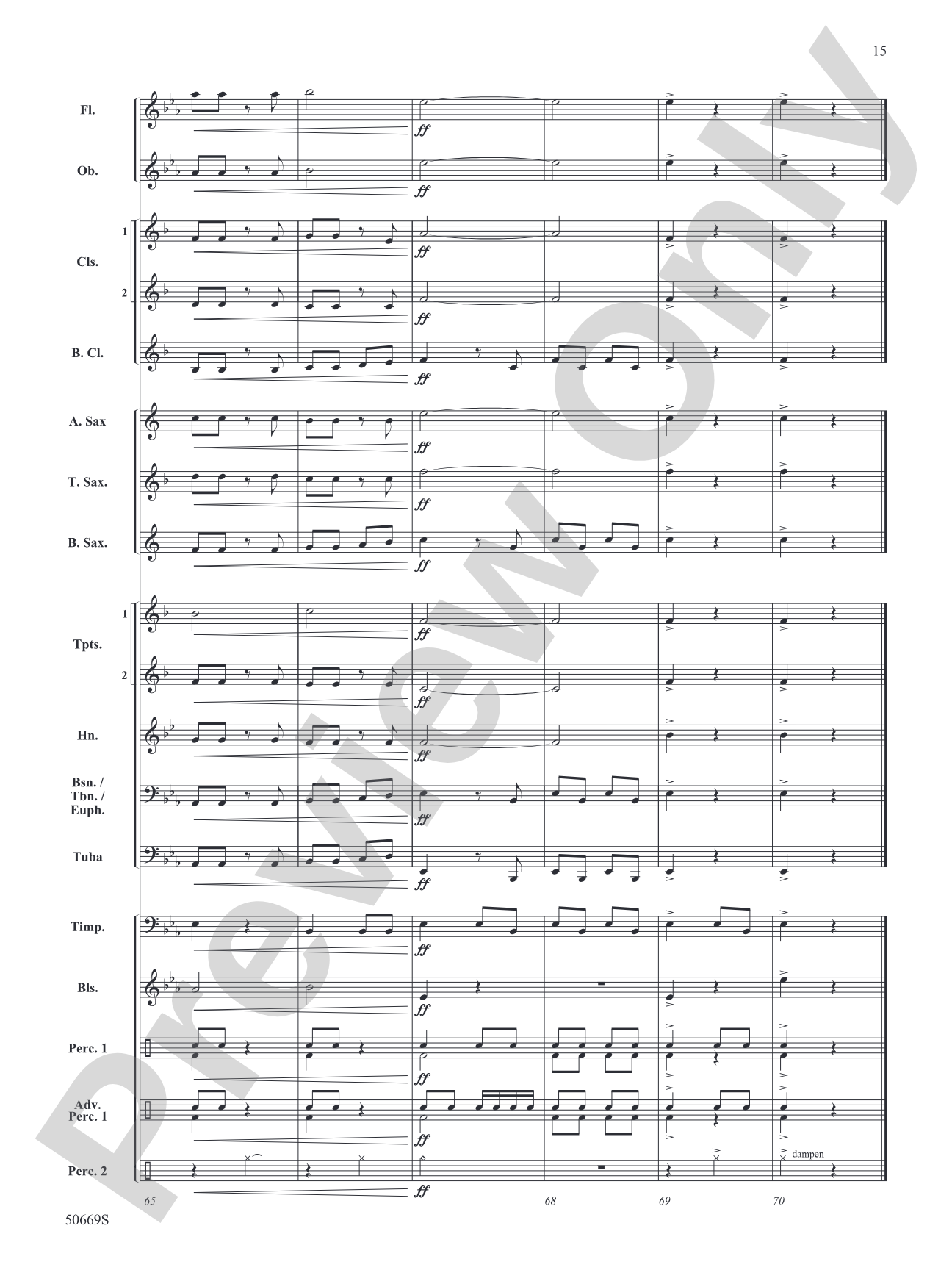

Eine Kleine March Music: Concert Band Conductor Score & Parts
By Wolfgang Amadeus Mozart / arr. Katie O'Hara LaBrie
Grade: 1
Item: 00-PK-0008703

$55.00
One moment…
Description
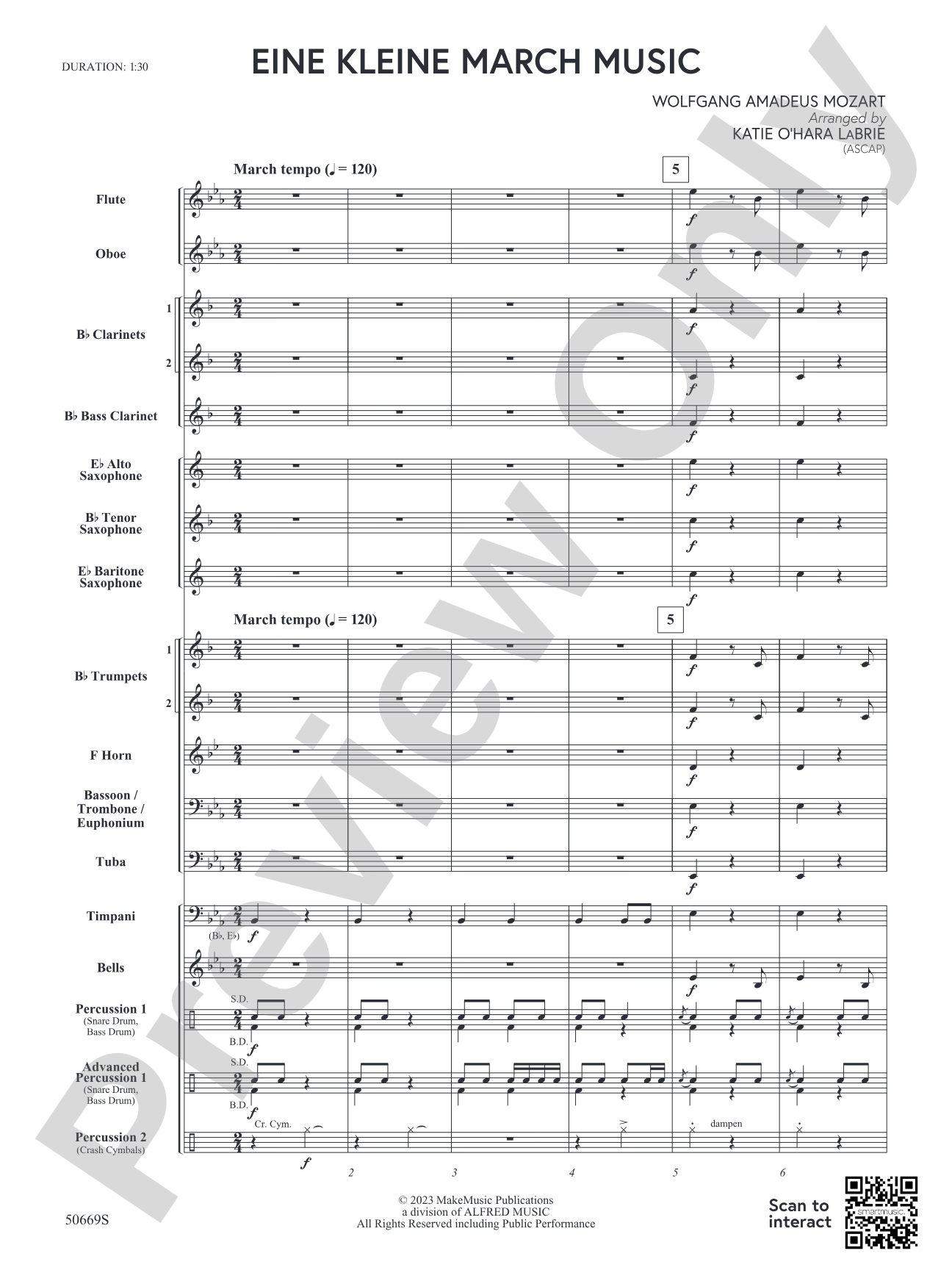
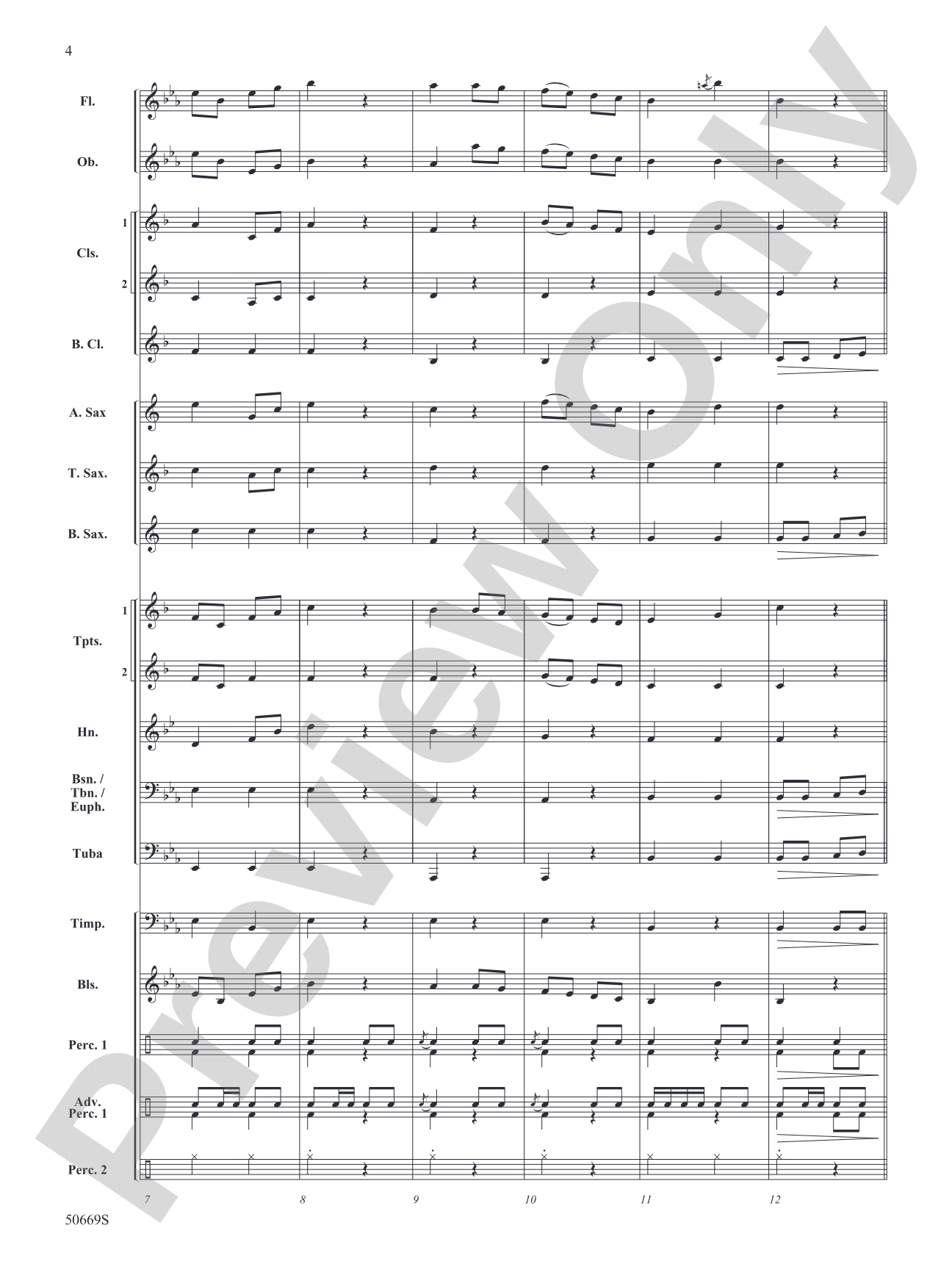
Explore multiple style periods with this clever arrangement that sets Mozart's Eine Kleine Nachtmusik in the style of a march! The familiar melodies, presented with a creative twist, are sure to make this a student favorite. Add a dogfight section and rousing final strain, and you have a winner! Eine Kleine March Music, by Katie O'Hara LaBrie, may just be your new favorite march! (1:30)


Don't just read it, hear it, play along with it, and watch your students grow with it. In MakeMusic Cloud, Eine Kleine March Music: Concert Band Conductor Score & Parts comes alive with professional accompaniment, adjustable tempo, and built-in practice tools that turn solo practice into real progress.
Open in the Player
Jump straight in and assign it today.
Start Your Free Trial
Open this title and explore the full library in minutes.
Sample Audio
1
Audio File
--:--
0:00
0:00
Sample Video
Additional Details
Series:
MakeMusic Developing Band
Publisher:
MakeMusic Publications
SKU:
00-PK-0008703
More about this title
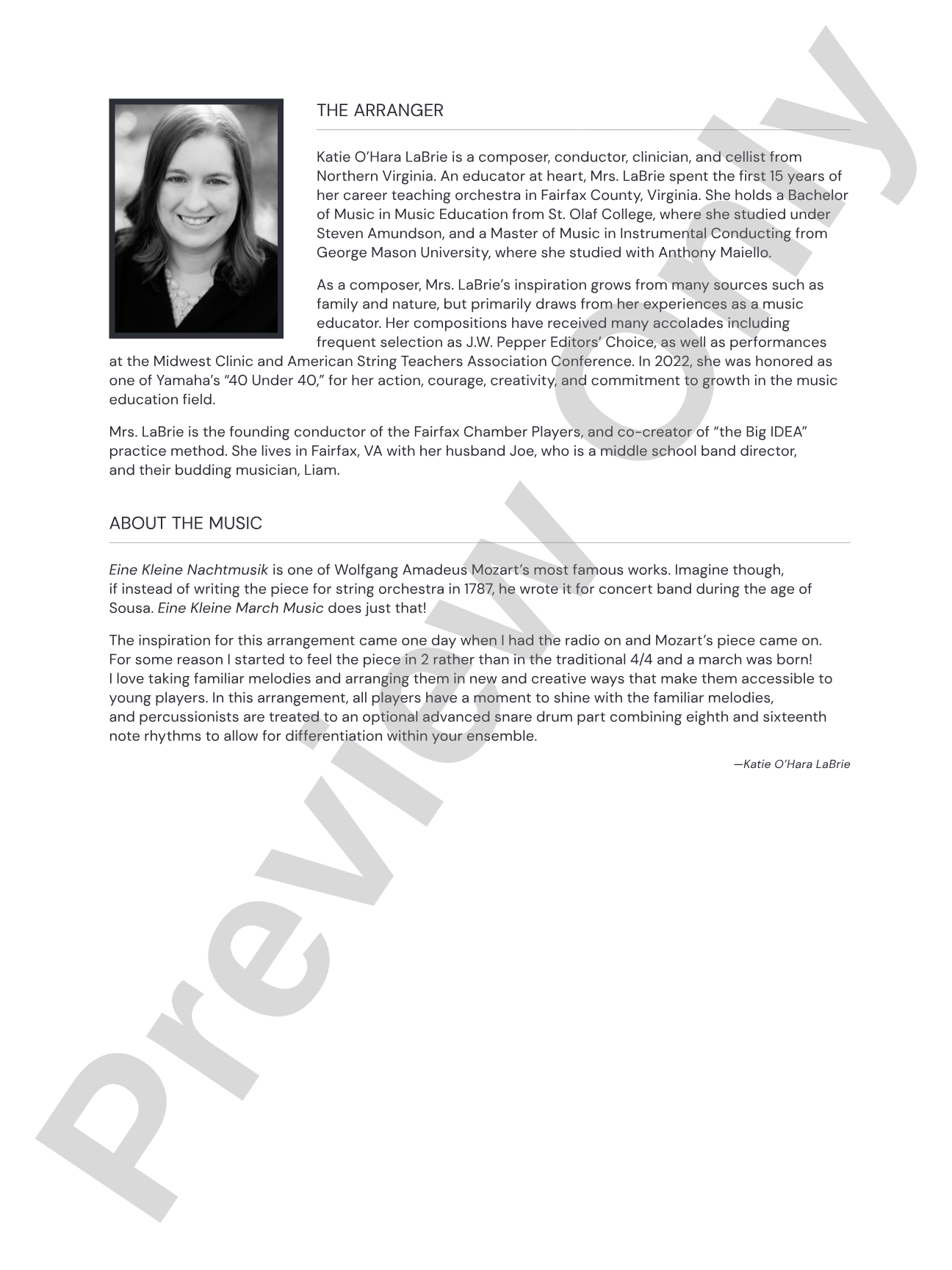
About the Composer: Wolfgang Amadeus Mozart
Wolfgang Amadeus Mozart (1756-1791) composed with such fluency and invention that he seemed to write music as naturally as others speak. Born in Salzburg, Austria, he became one of history's most prolific composers, working across every major genre: symphonies, concertos, operas, chamber music, and sacred works. His melodies are immediately singable, his forms are transparent yet sophisticated, and his harmonic language remains fresh centuries later. For music educators, Mozart represents the gold standard of musical clarity. His works teach students about phrase structure, orchestration, and the balance between simplicity and complexity.
Eine Kleine Nachtmusik stands among his most beloved compositions, a serenade originally written for strings that has become a gateway to understanding Classical-era chamber music. Its opening theme is instantly recognizable, making it ideal for arrangements that introduce students to how existing melodies can be reimagined across different styles and contexts.
Why we love this
Katie O'Hara LaBrie's arrangement transforms a beloved Classical gem into a Grade 1 march that actually sounds polished and fun to play. The dogfight section adds character and gives students something unexpected within familiar material, while the rousing final strain leaves audiences smiling. This is the kind of programming choice that demonstrates how arranging can be creative without abandoning accessibility.
What to expect
Familiar elegance meets contemporary energy. Mozart's graceful melodies sparkle in march style, creating a piece that feels both welcoming and spirited. The unexpected dogfight section adds personality and keeps players engaged, while the final strain delivers genuine satisfaction without requiring virtuosity.
Who it's for
Grade 1 concert bands seeking accessible repertoire with genuine musical substance. This works equally well for developing ensembles exploring light concert literature and for more experienced groups looking for a clever, entertaining program piece that audiences recognize immediately.
How to get the most out of it
- Balance the melodic line against the march accompaniment so Mozart's familiar tune cuts through clearly without getting buried in the rhythmic foundation.
- Let the dogfight section breathe with crisp articulation and light energy; this moment should feel playful rather than rushed.
- Bring the final strain to full voice with confidence. The rousing conclusion needs weight and commitment from the entire ensemble to land its effect.
How to use it
Program this as a concert opener or a mid-concert mood shifter that reconnects audiences with recognizable material while showcasing your band's ability to interpret and reinvent. At 1:30, it's compact enough to pair with lengthier selections or to anchor a themed concert exploring how composers and arrangers work across musical styles. This piece also works as a festival entry that judges appreciate for its craftsmanship and appropriate difficulty level.
Skills your students will build
- Recognizing melodic material across different orchestrations and styles
- Balancing melody against accompaniment figures in march style
- Executing articulation changes that shift musical character within a single piece
- Maintaining ensemble precision through rhythmically driven passages