
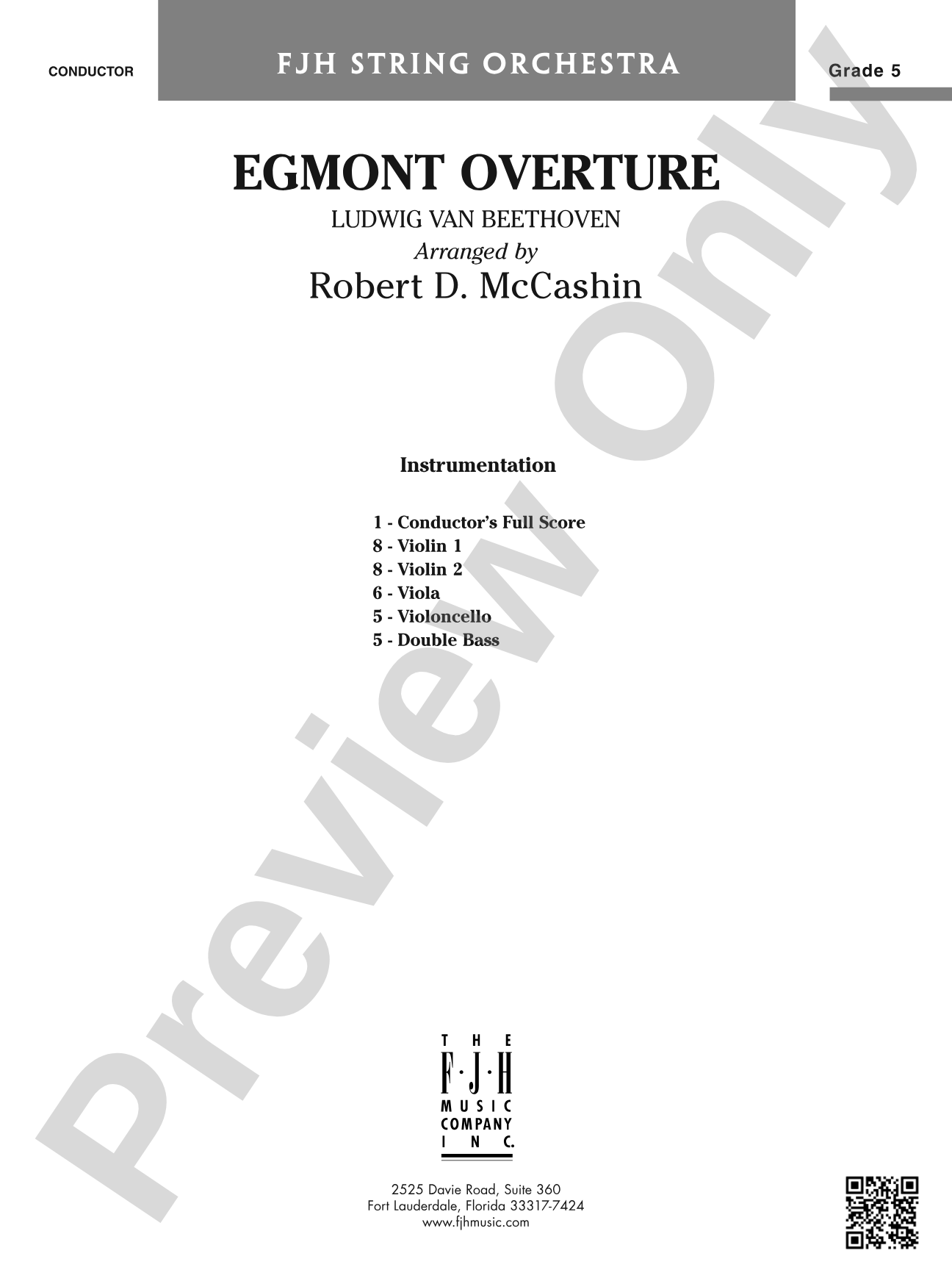
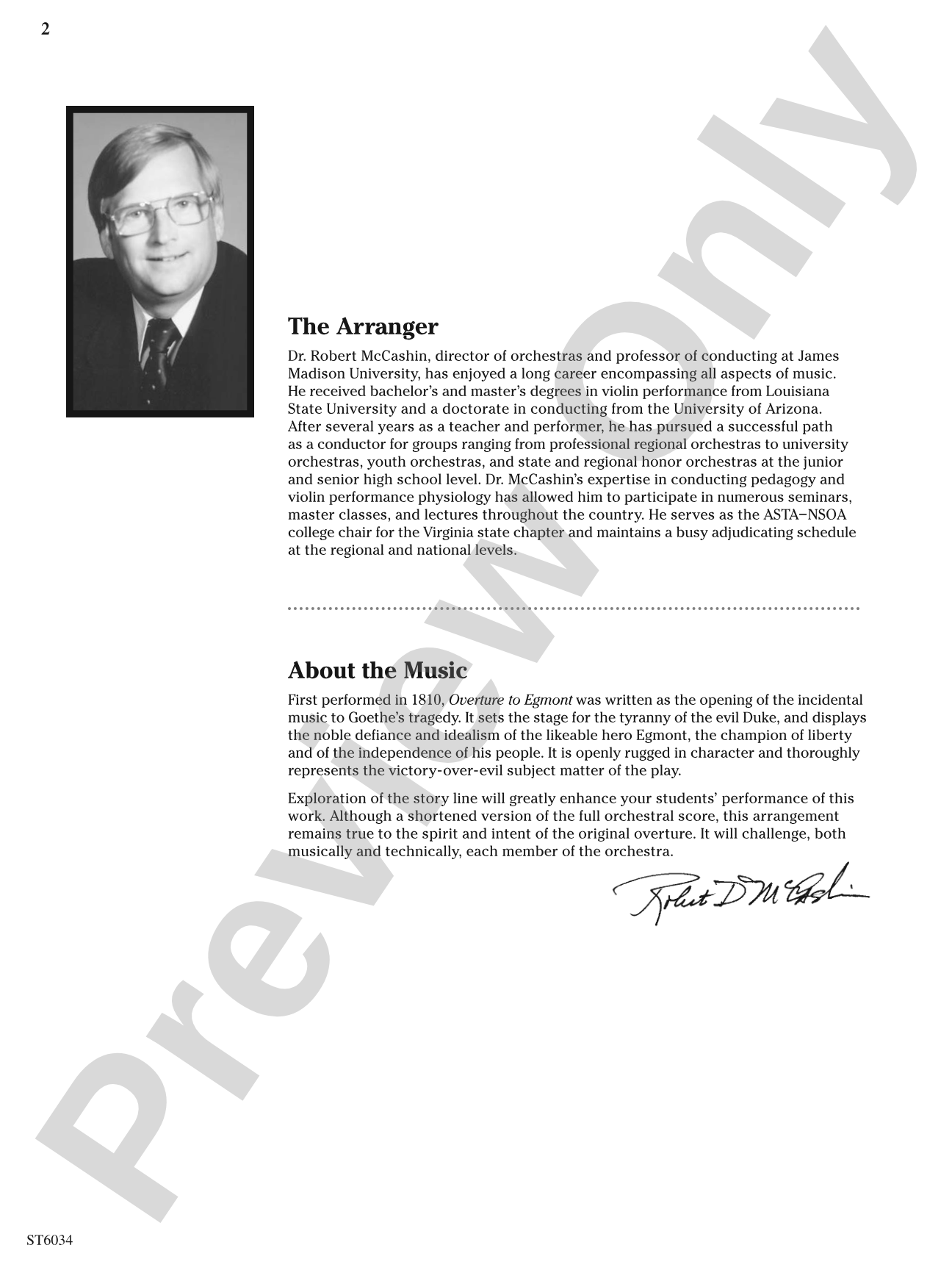
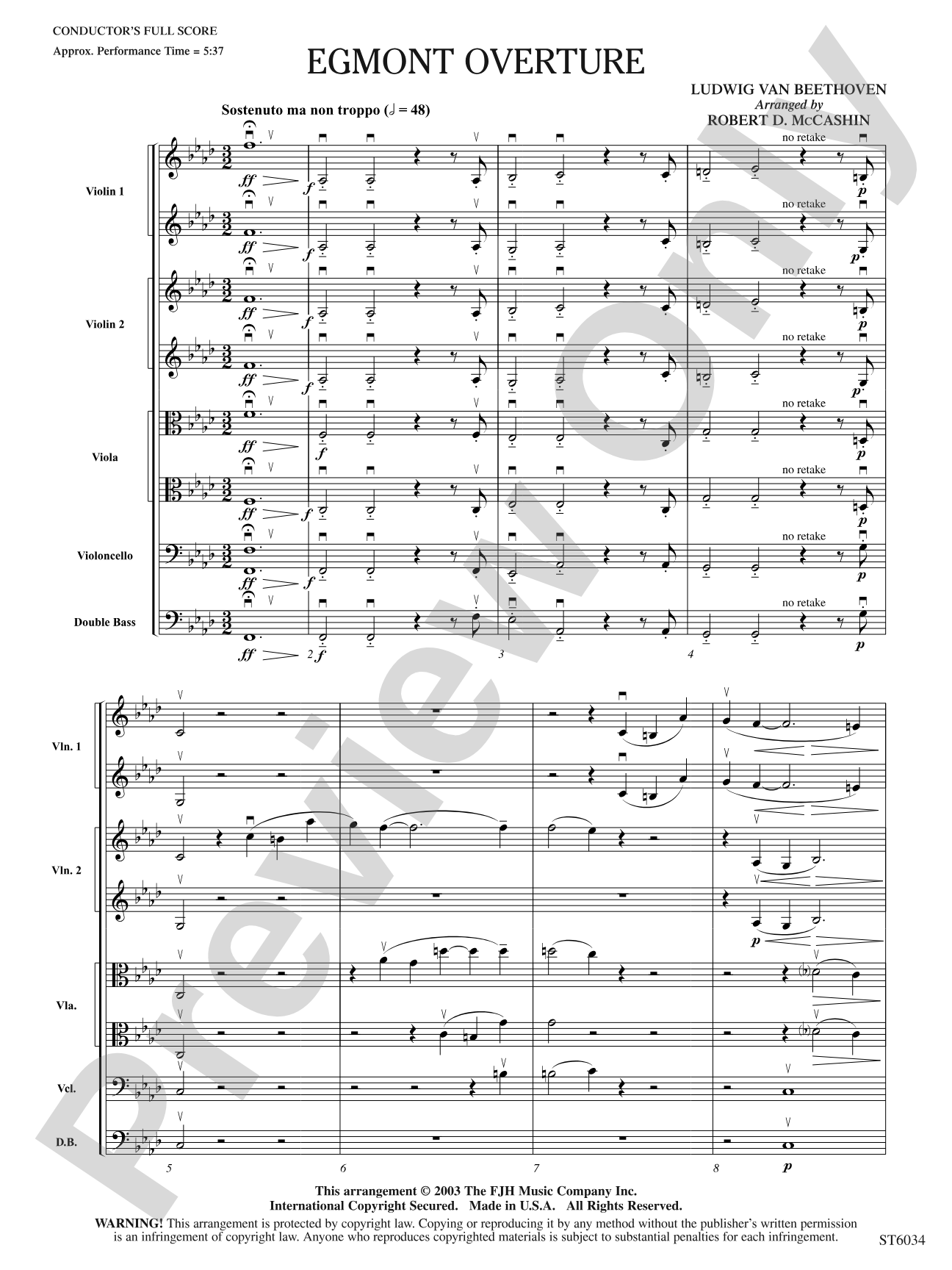
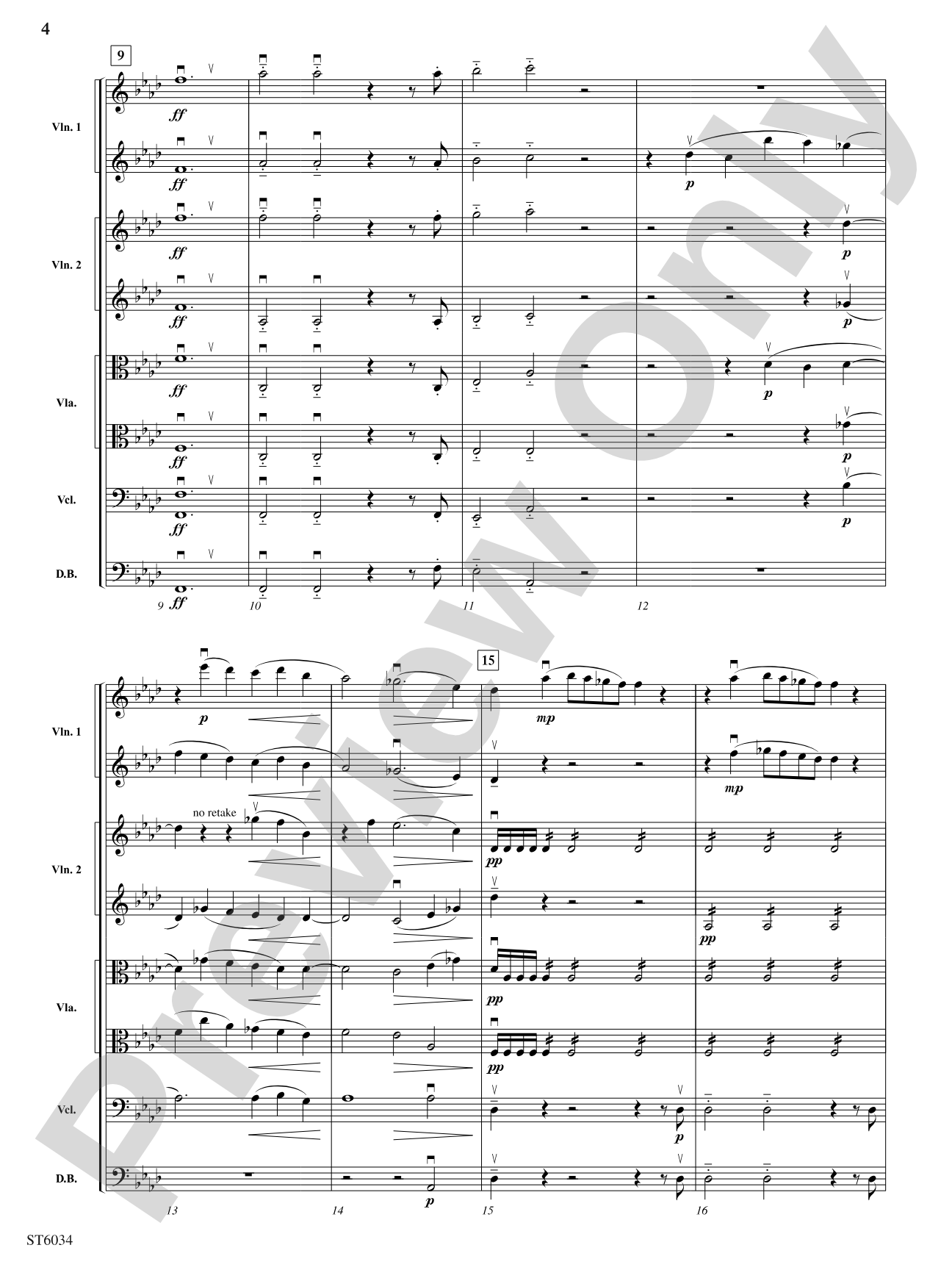
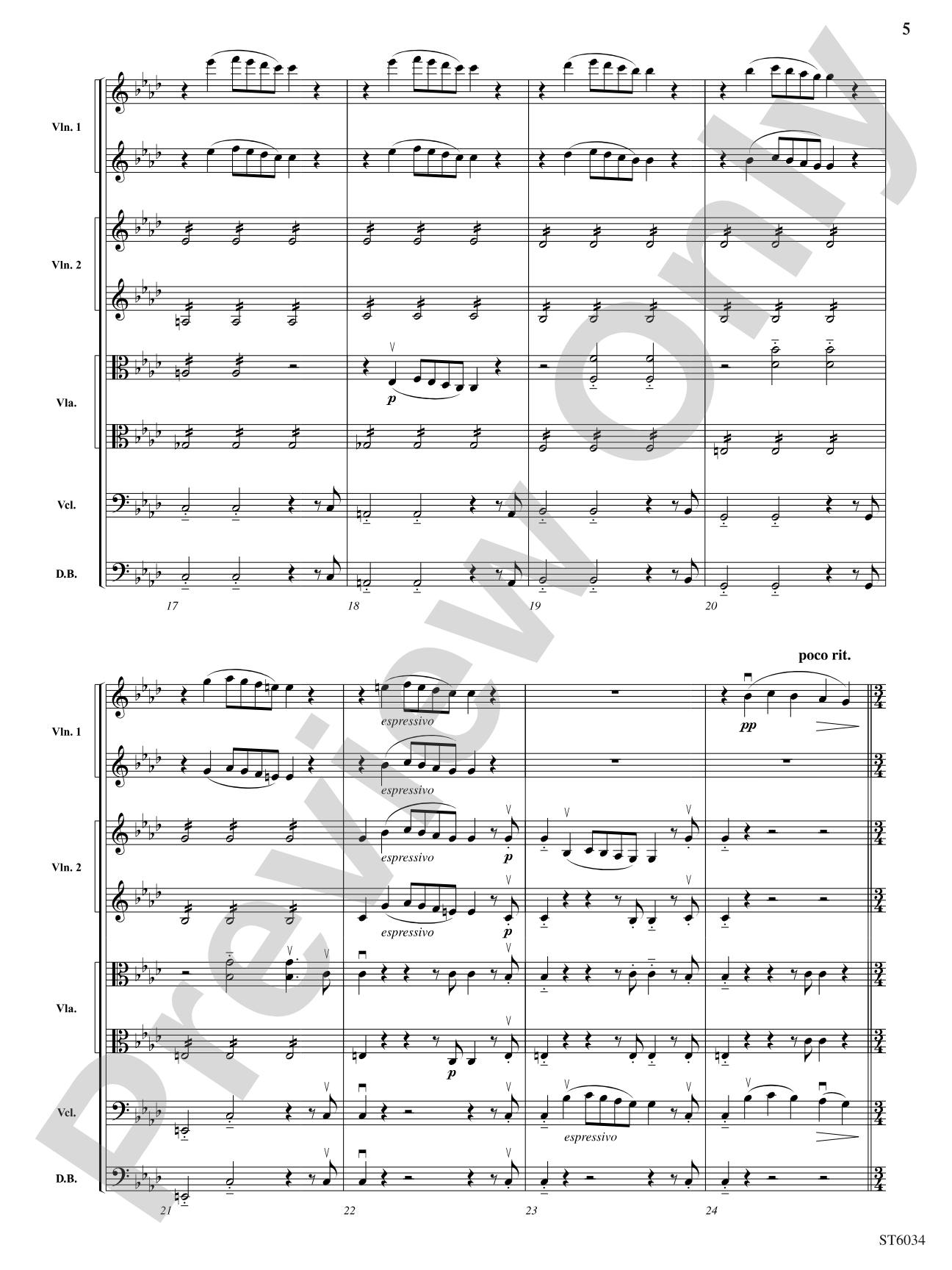
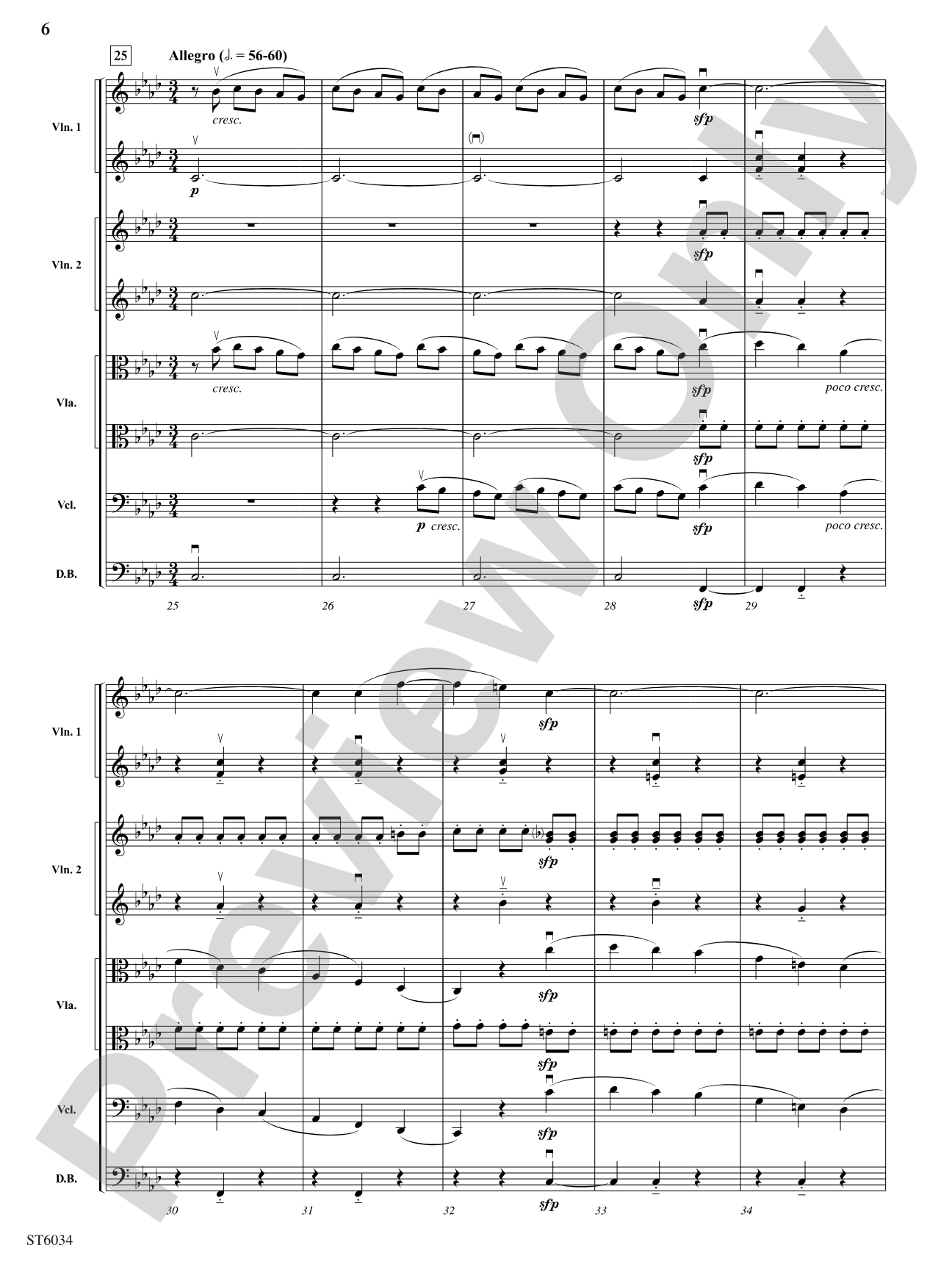
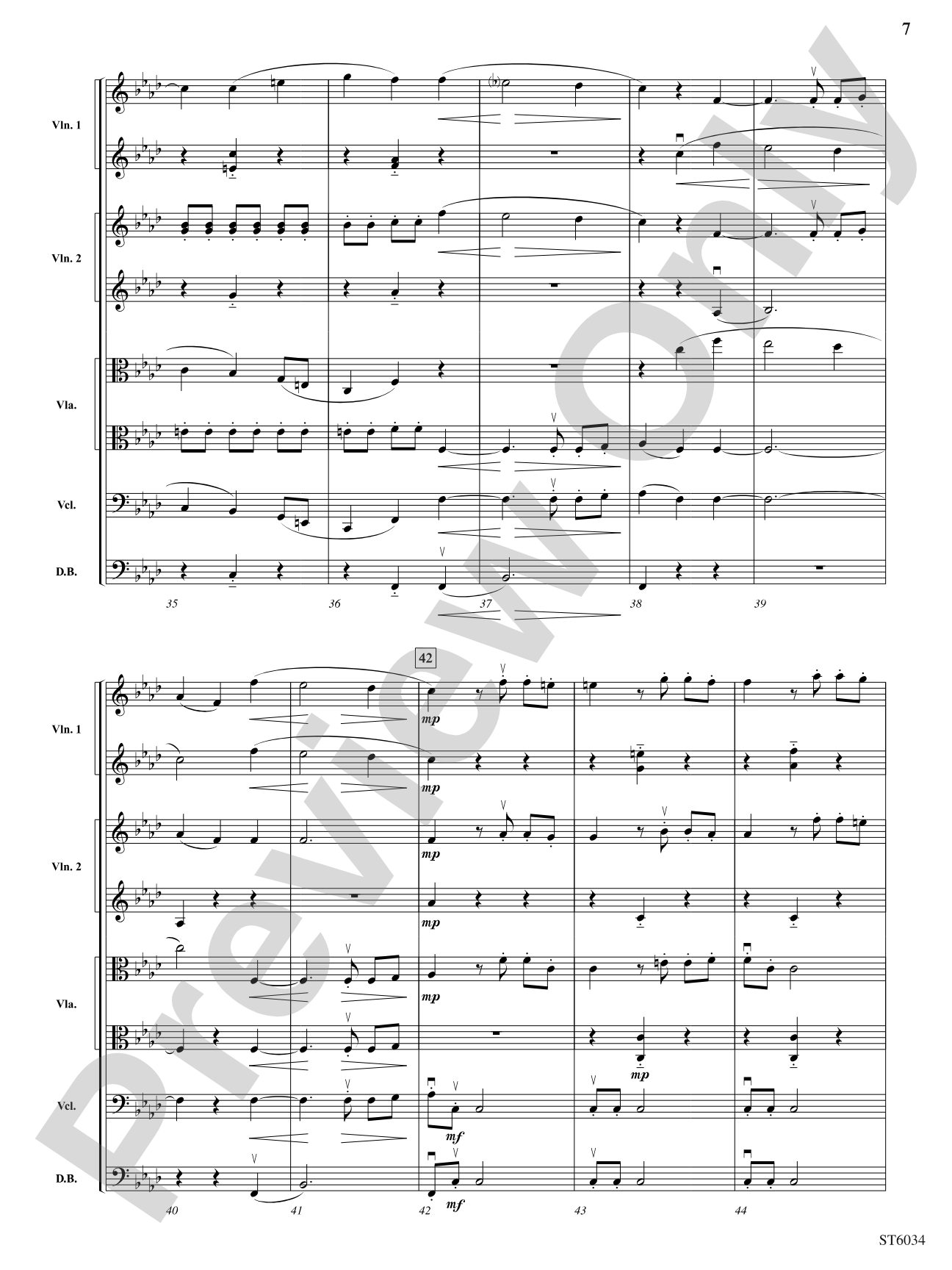
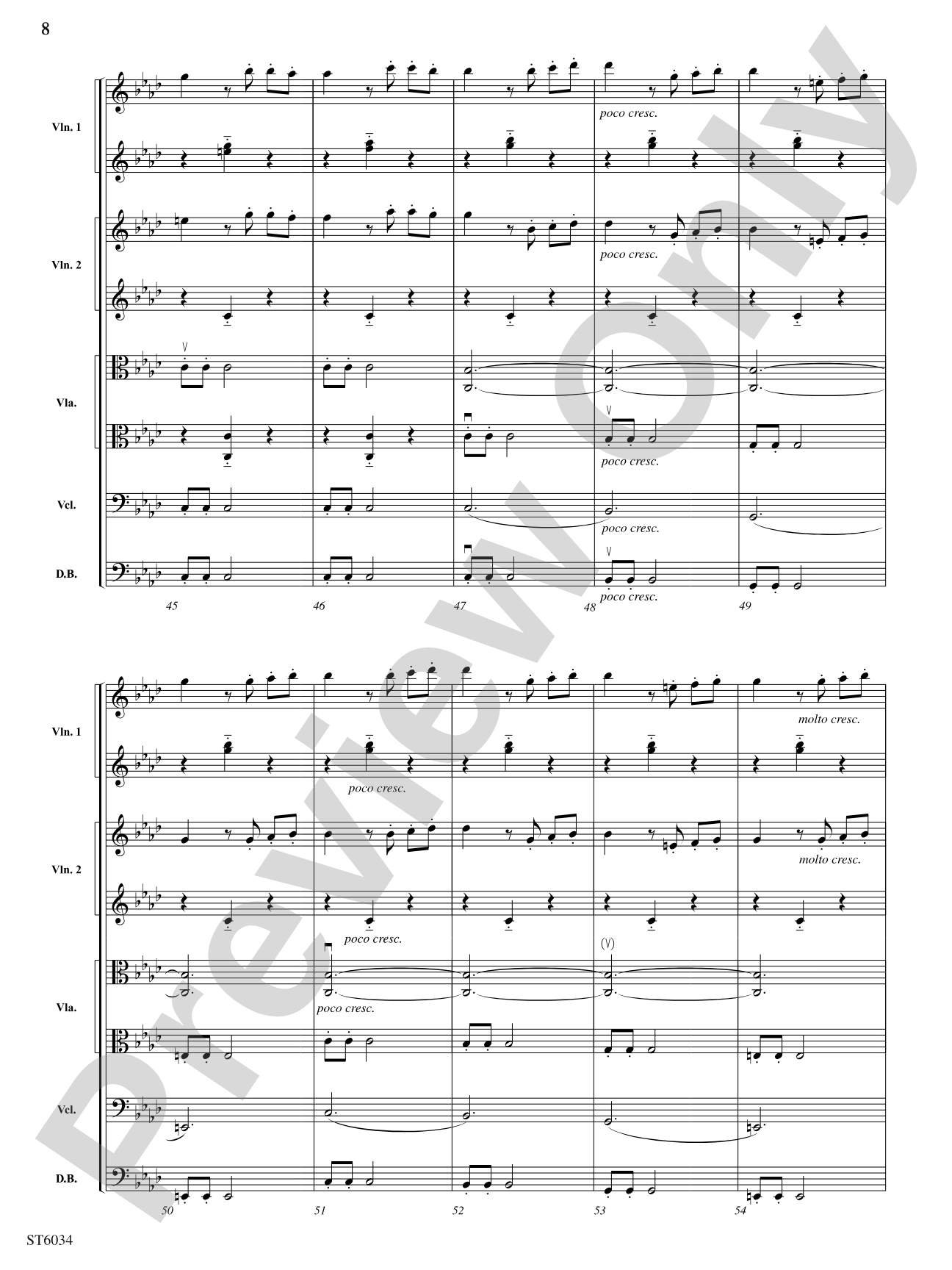
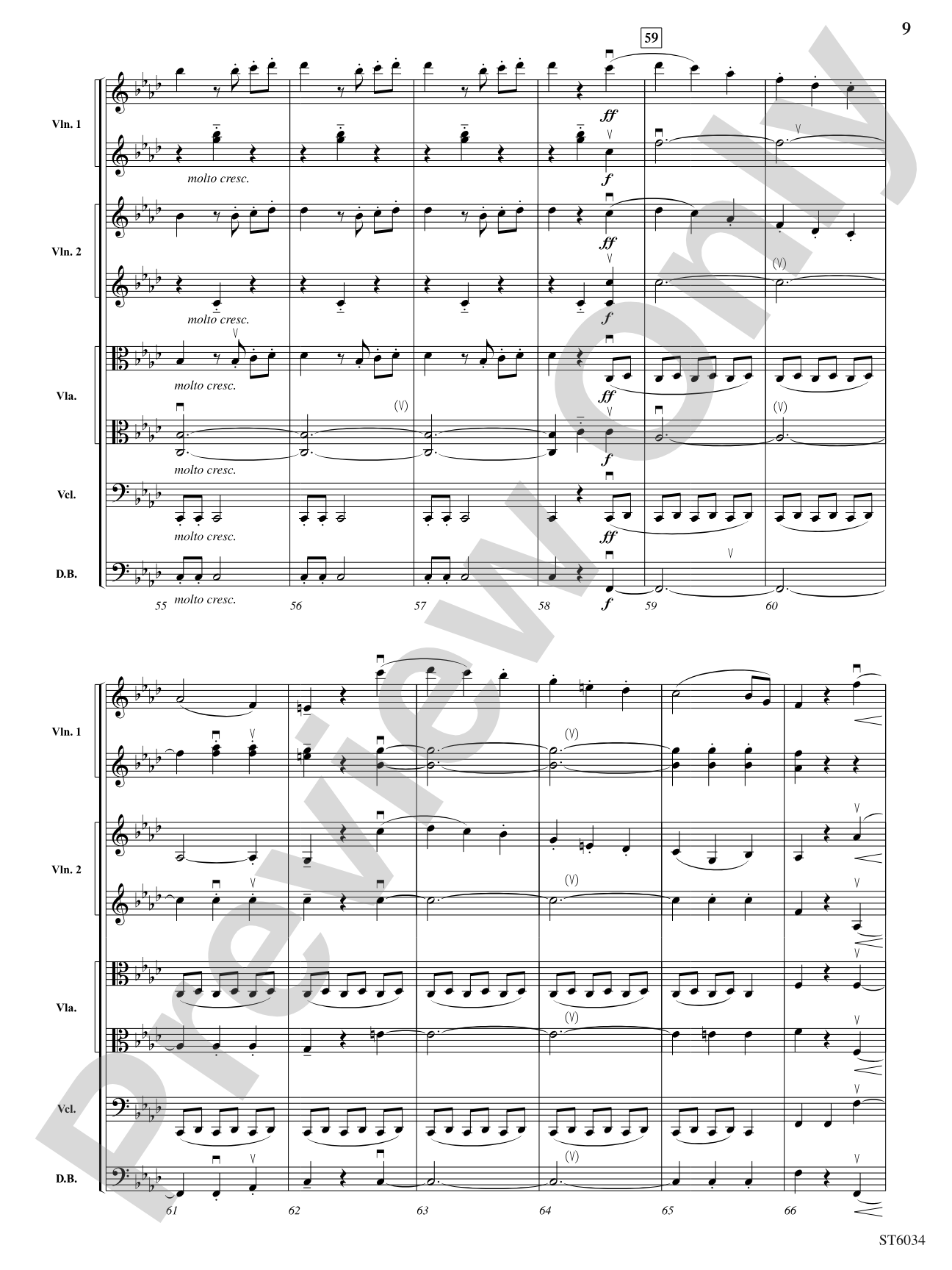
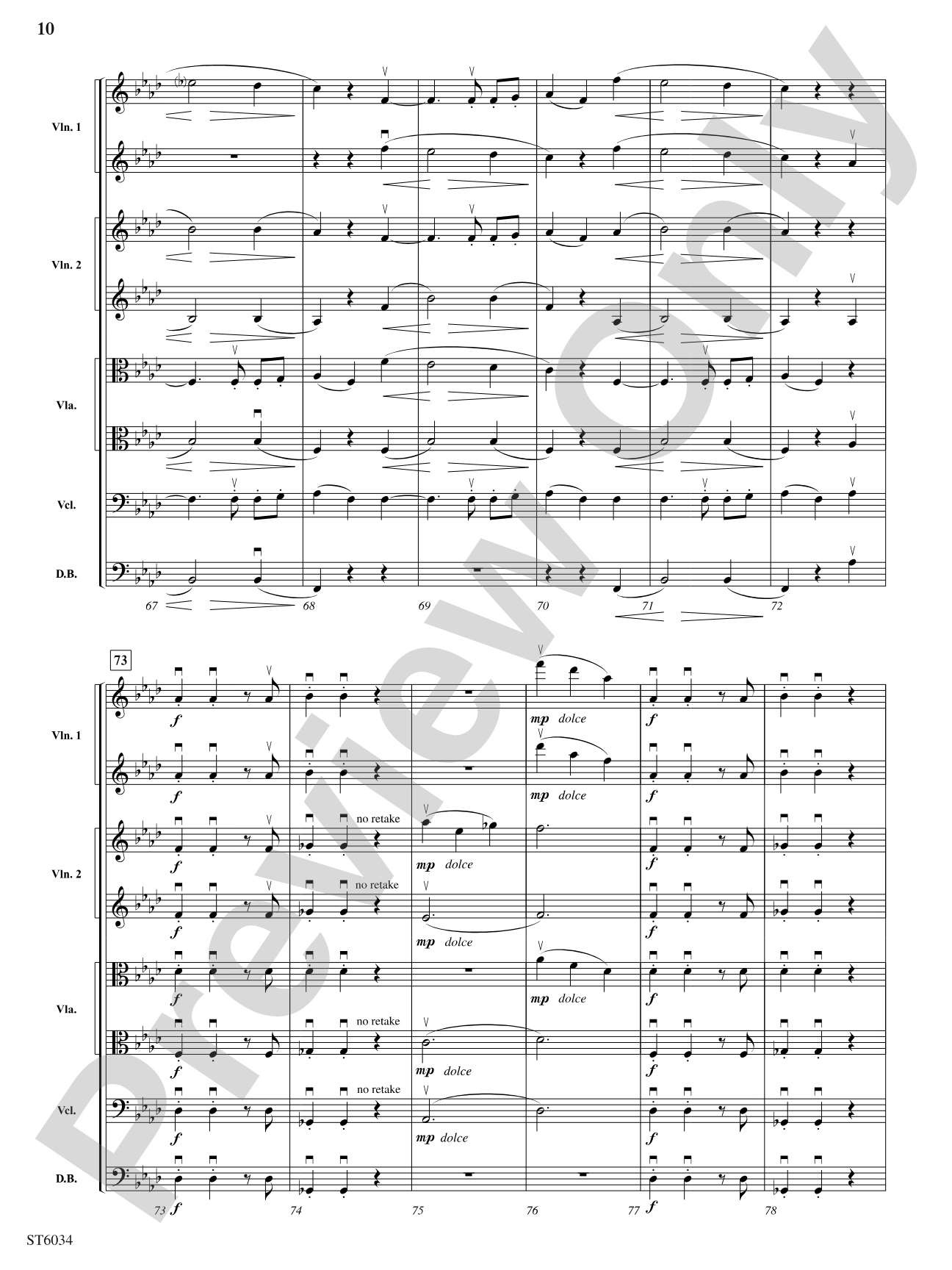
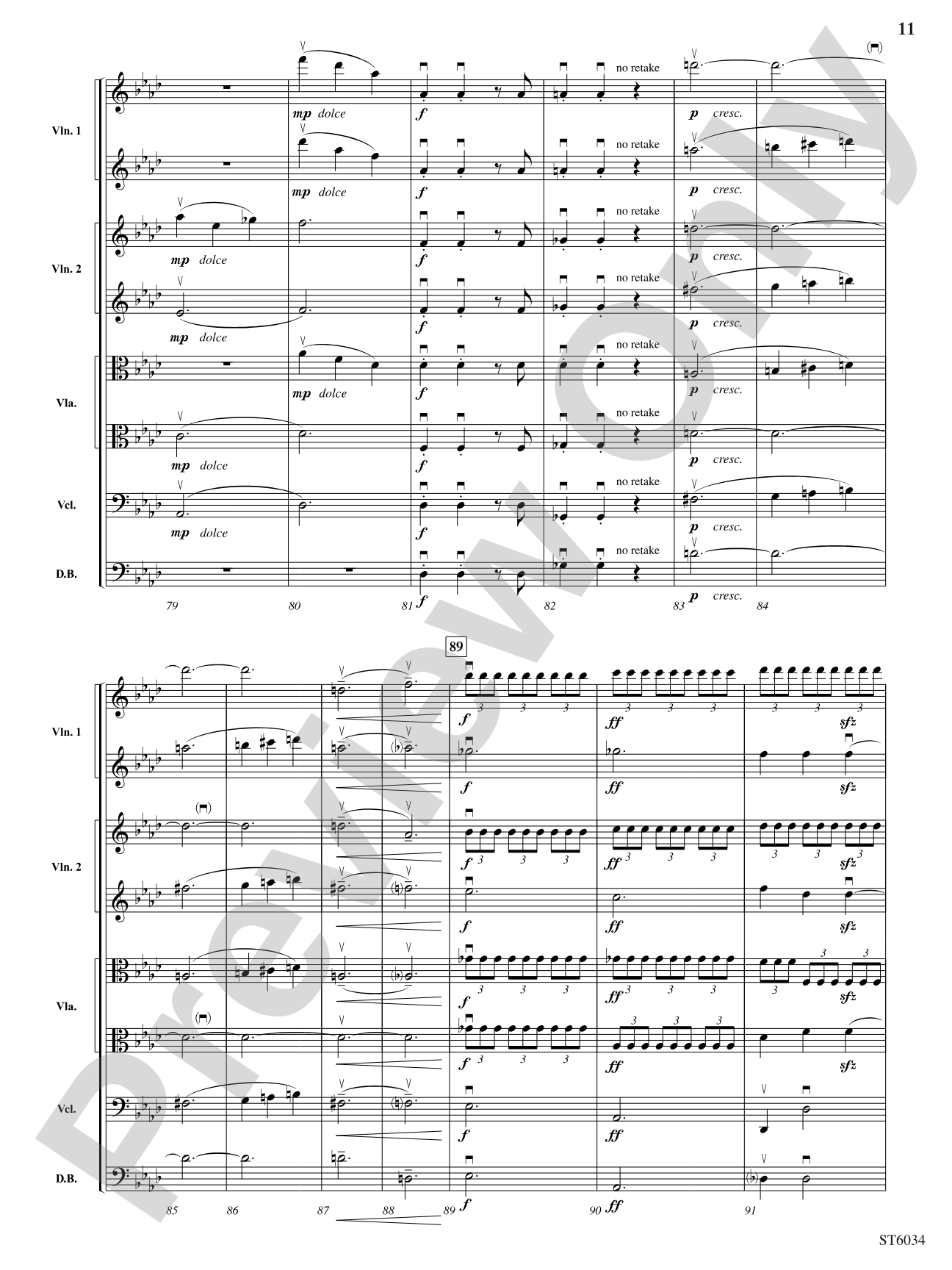
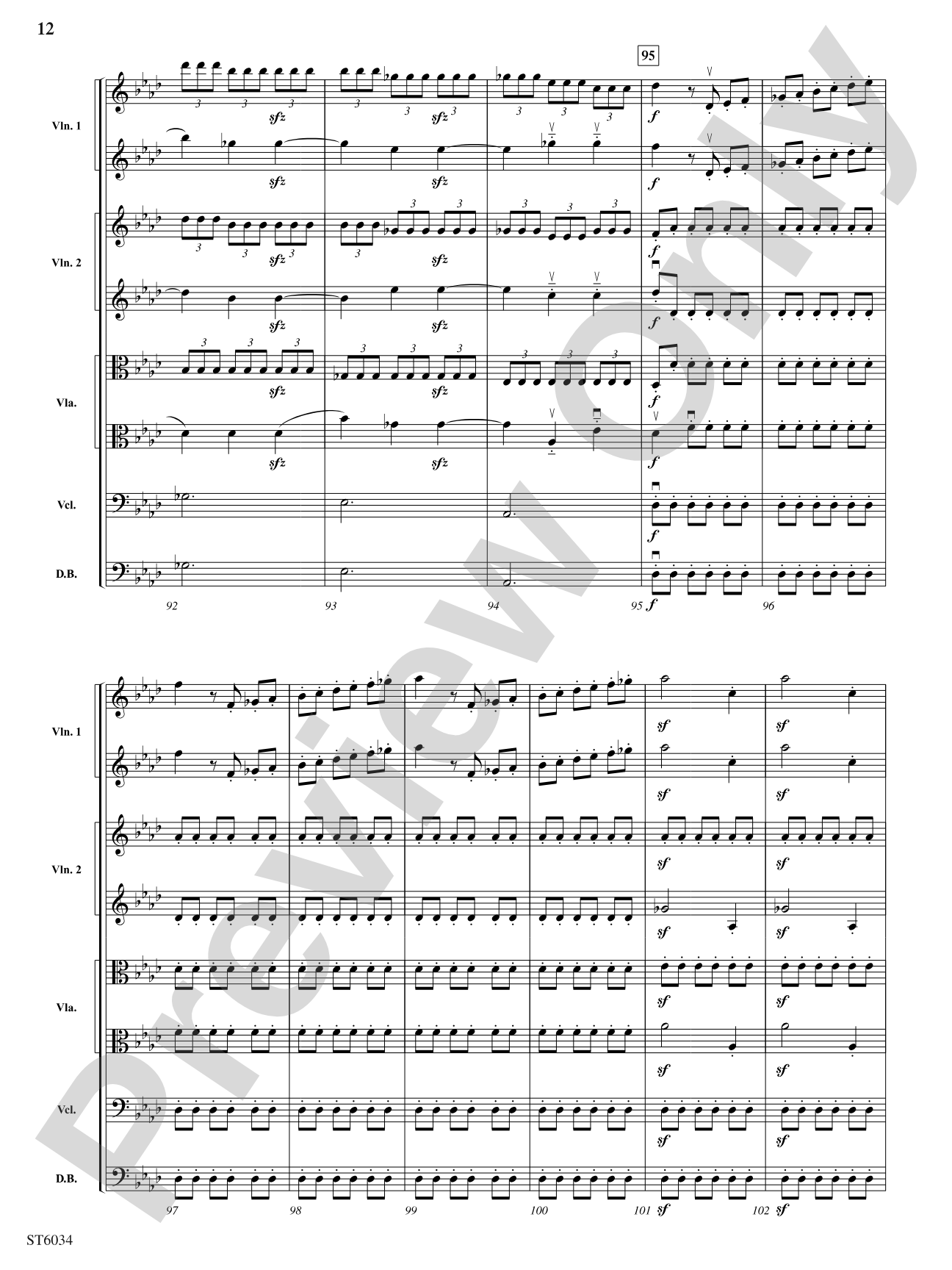
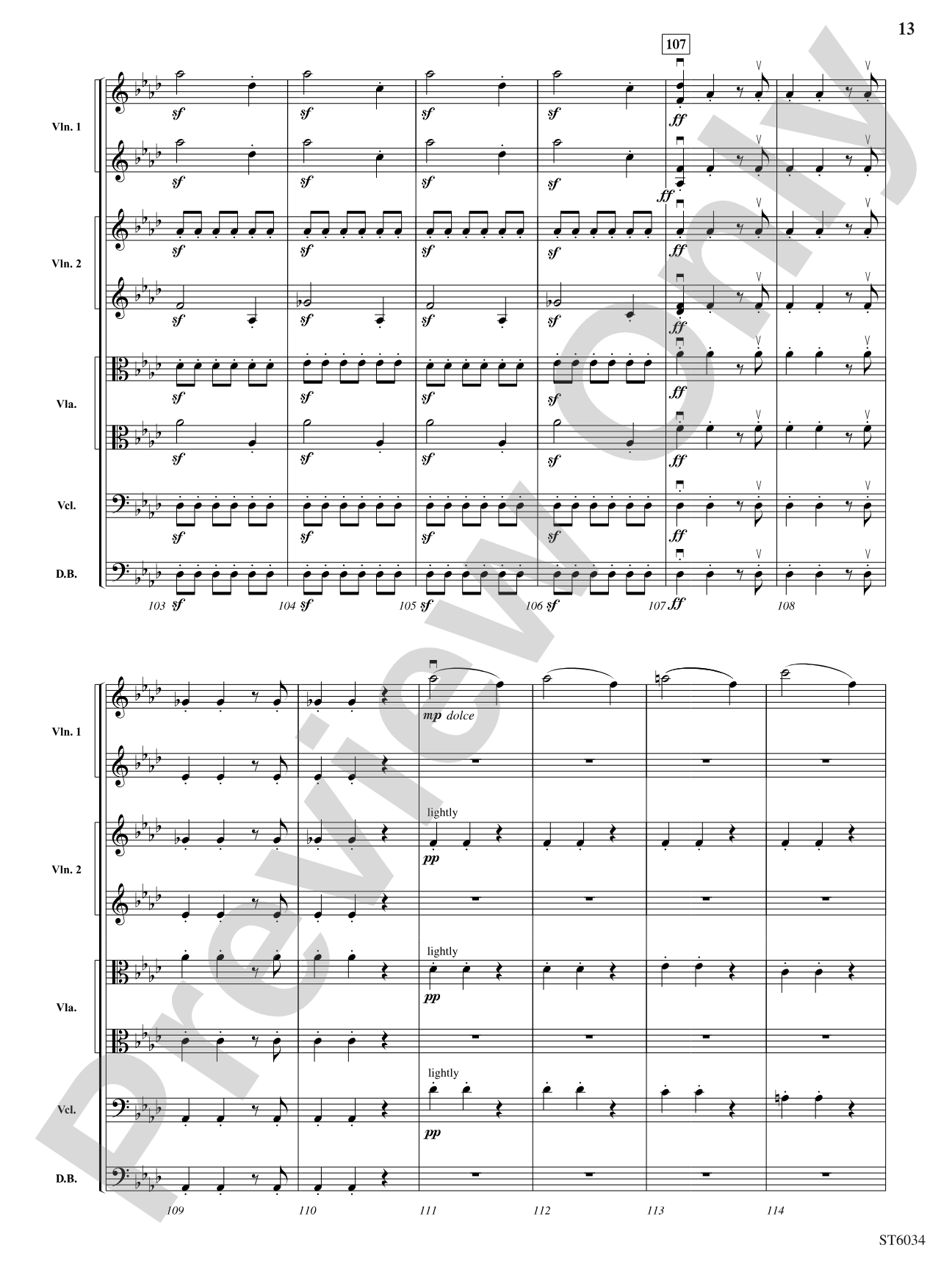
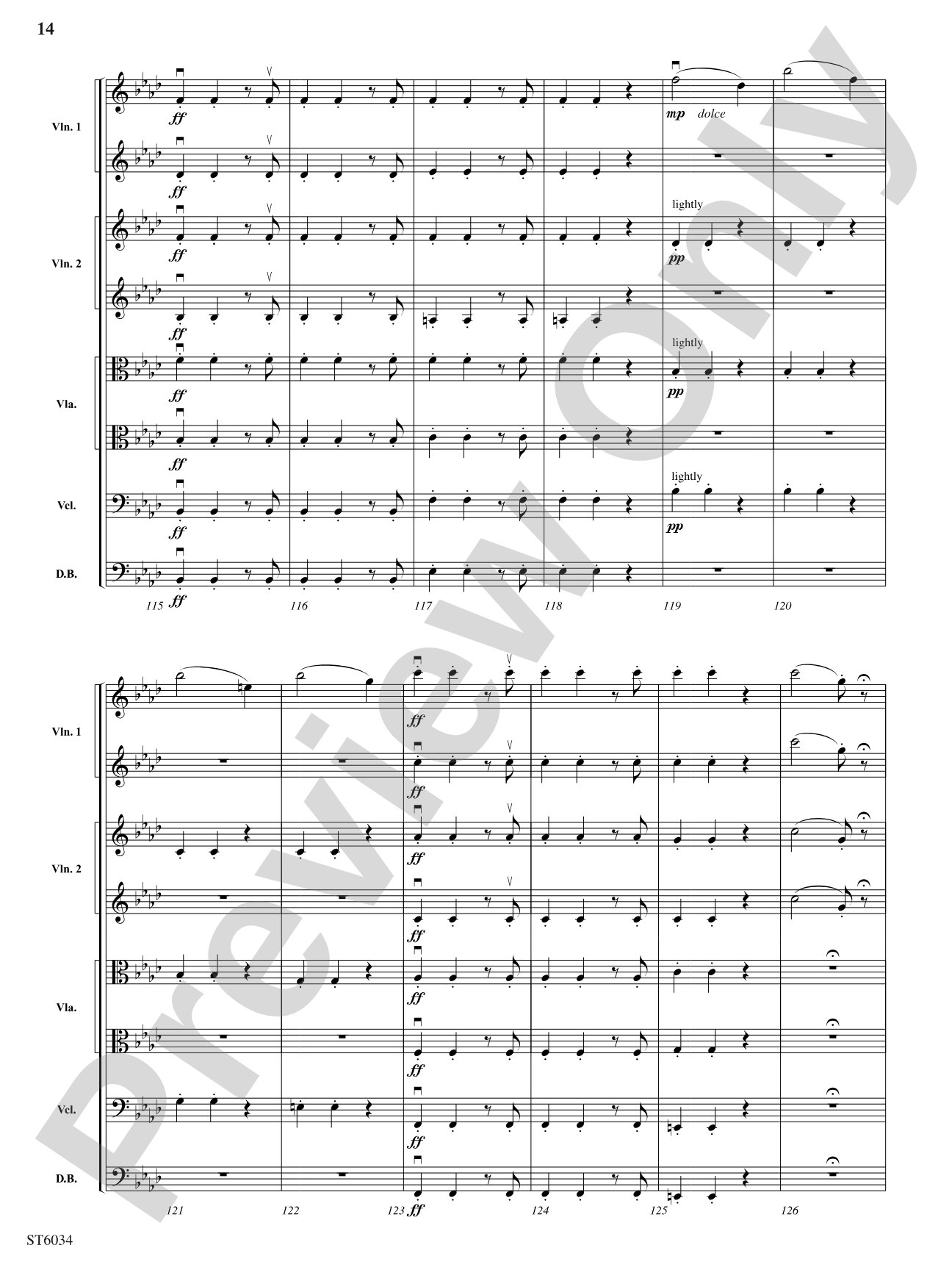
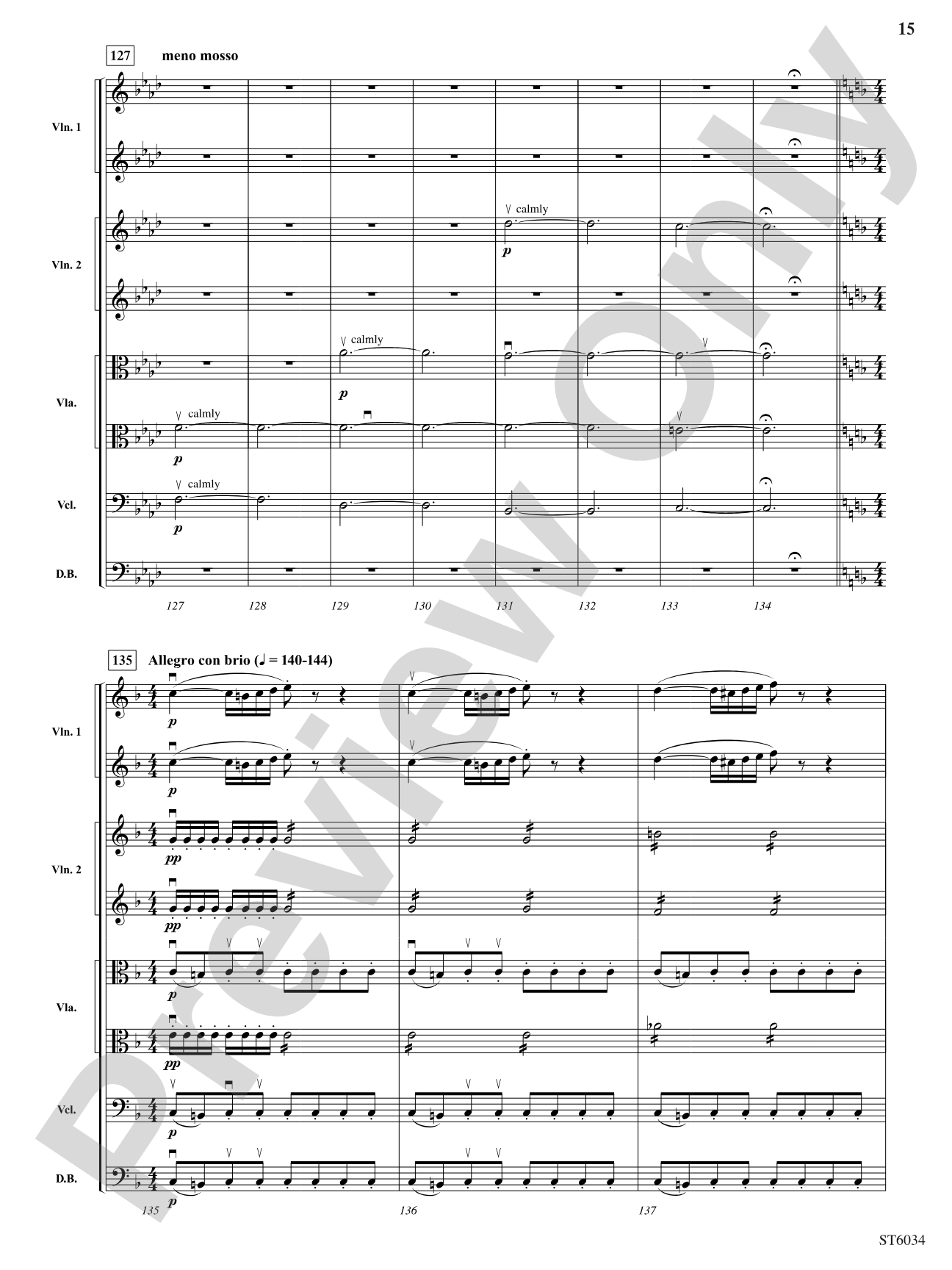
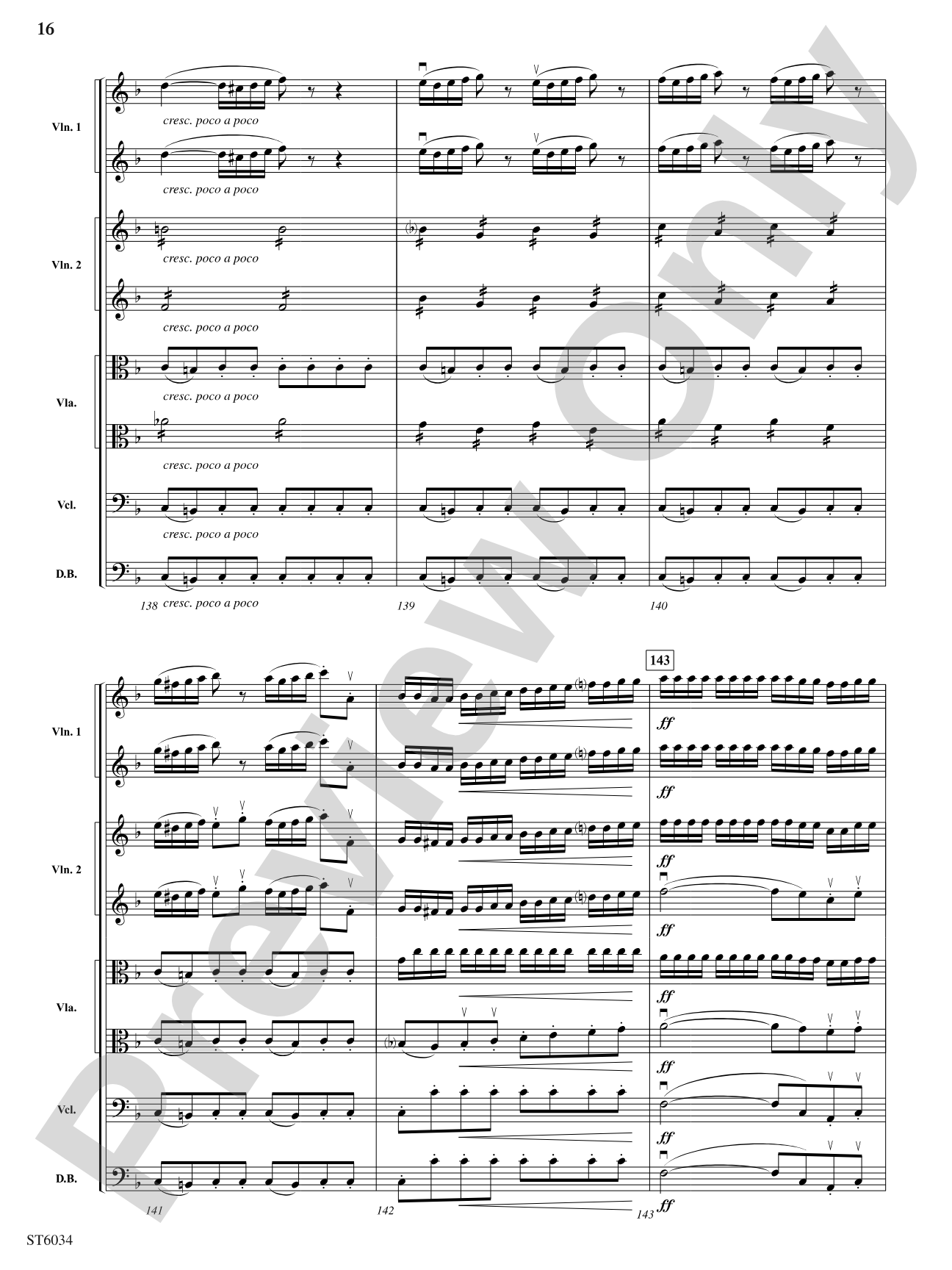
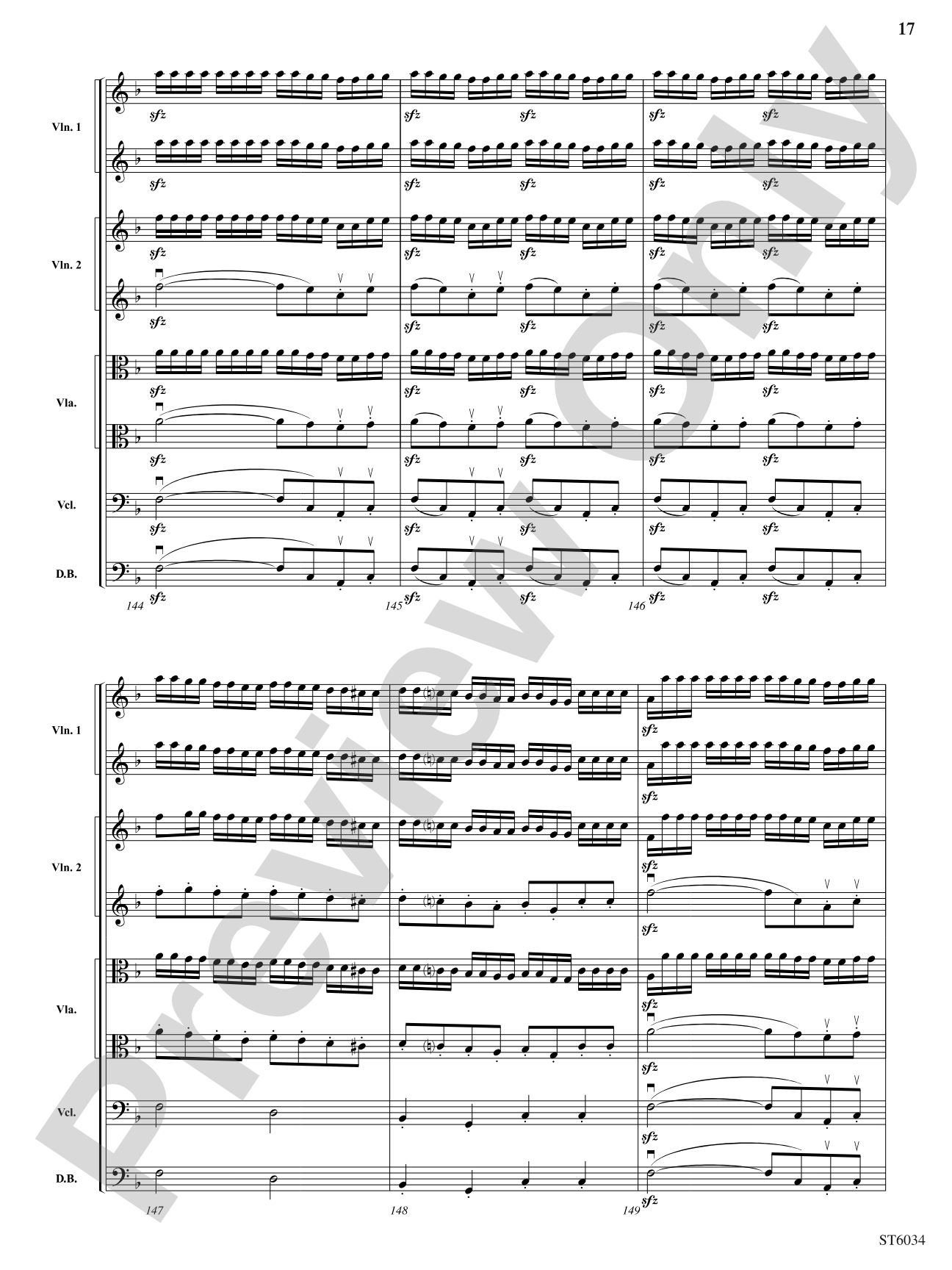
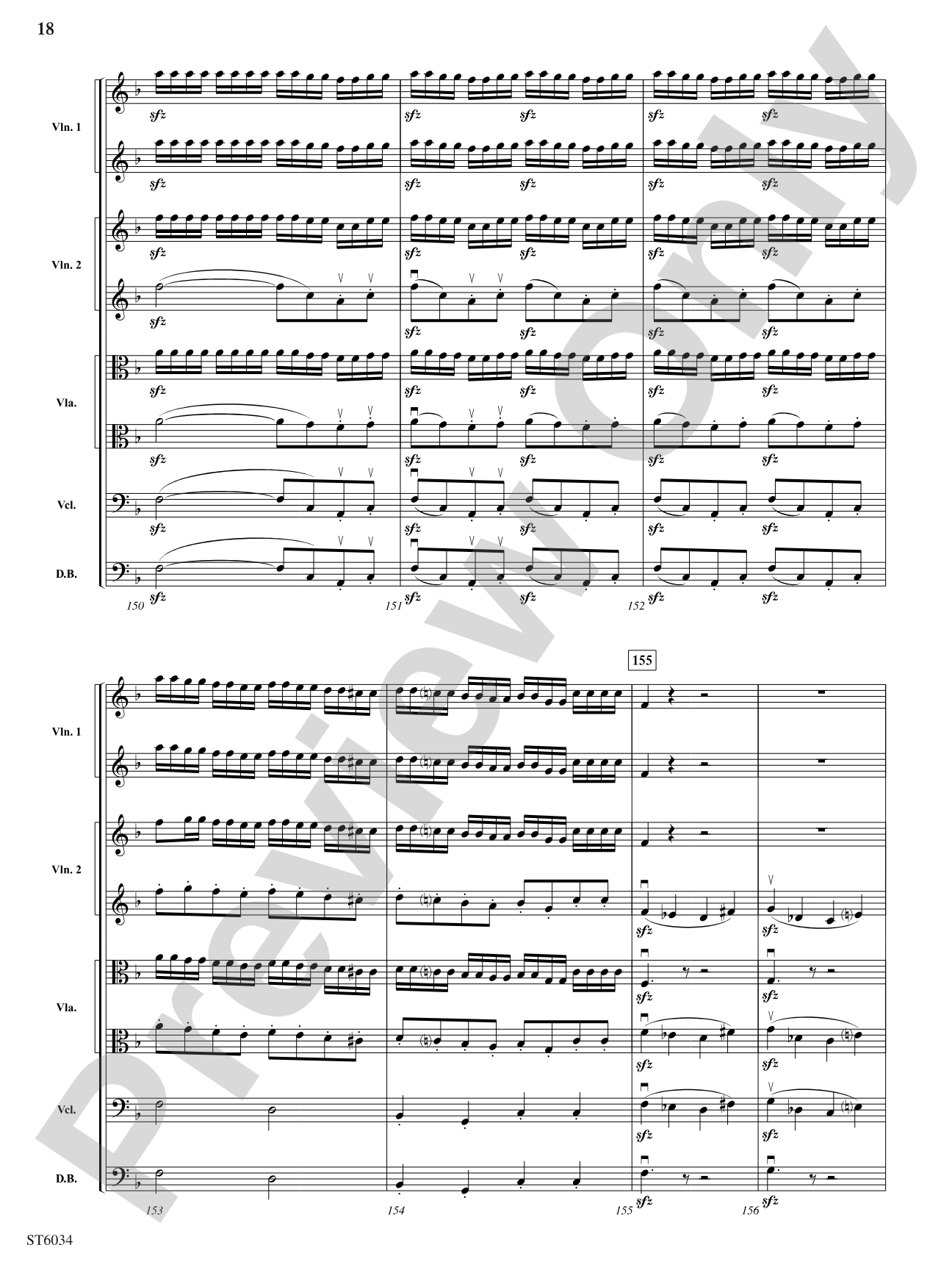
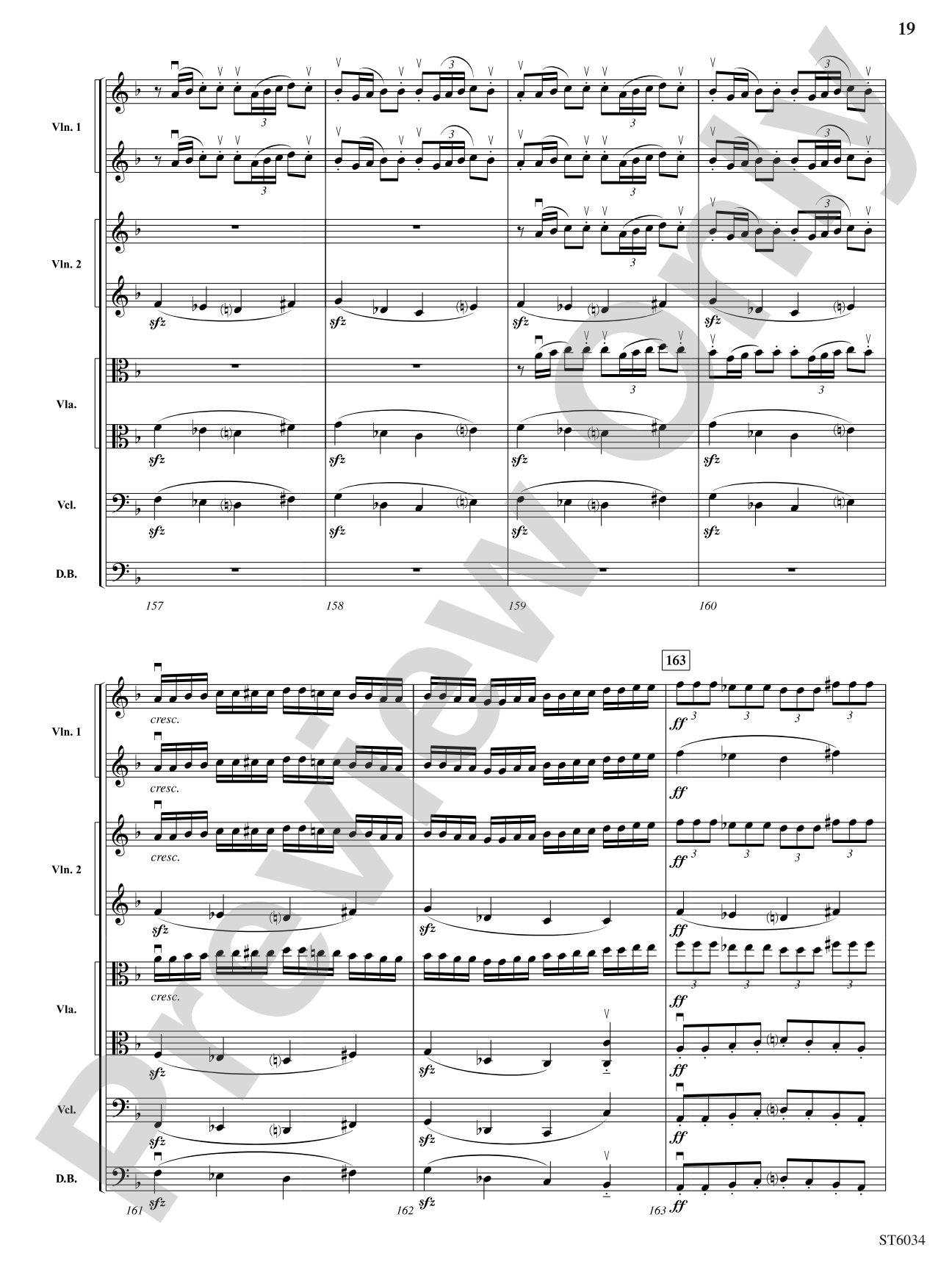
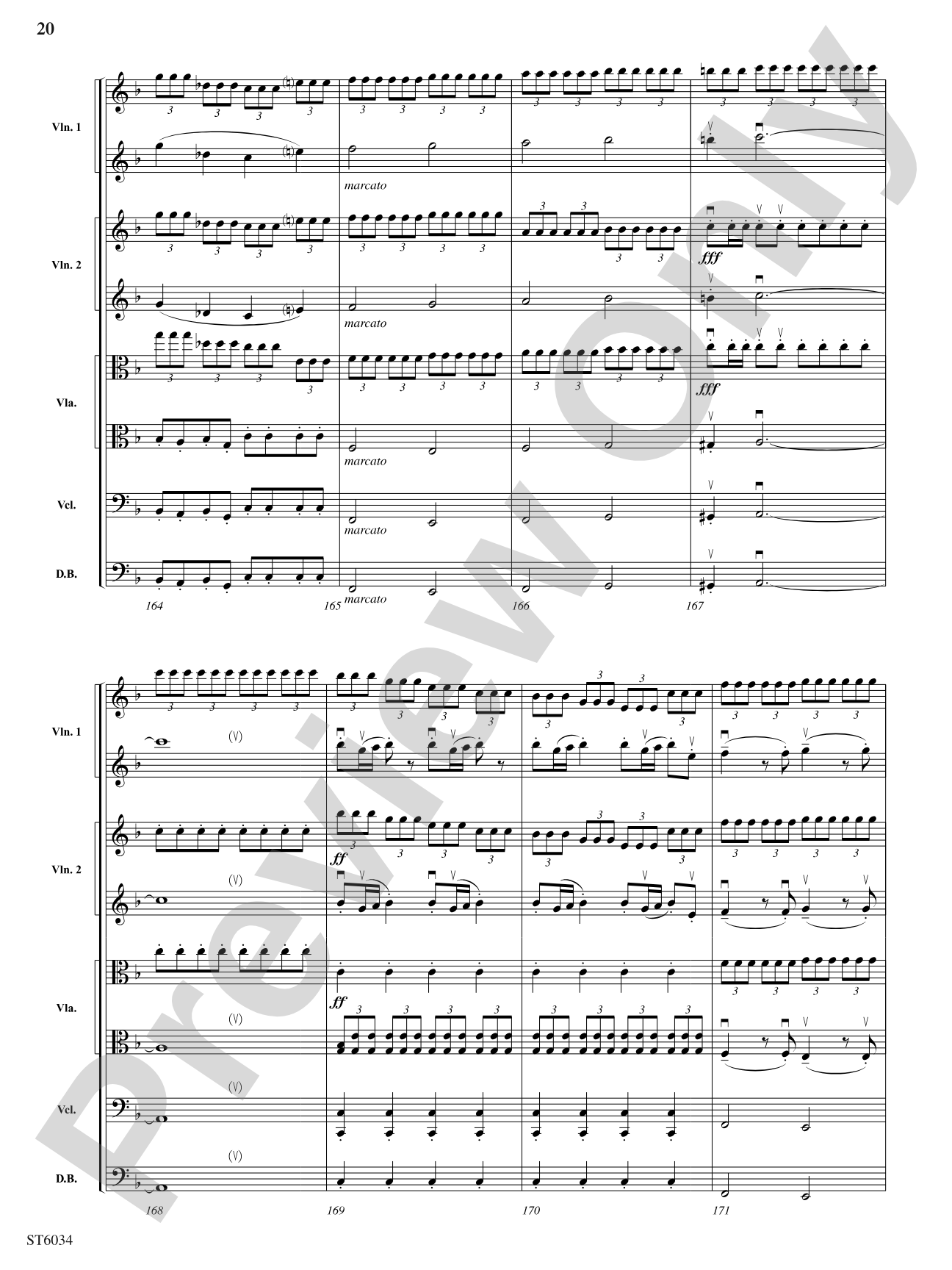
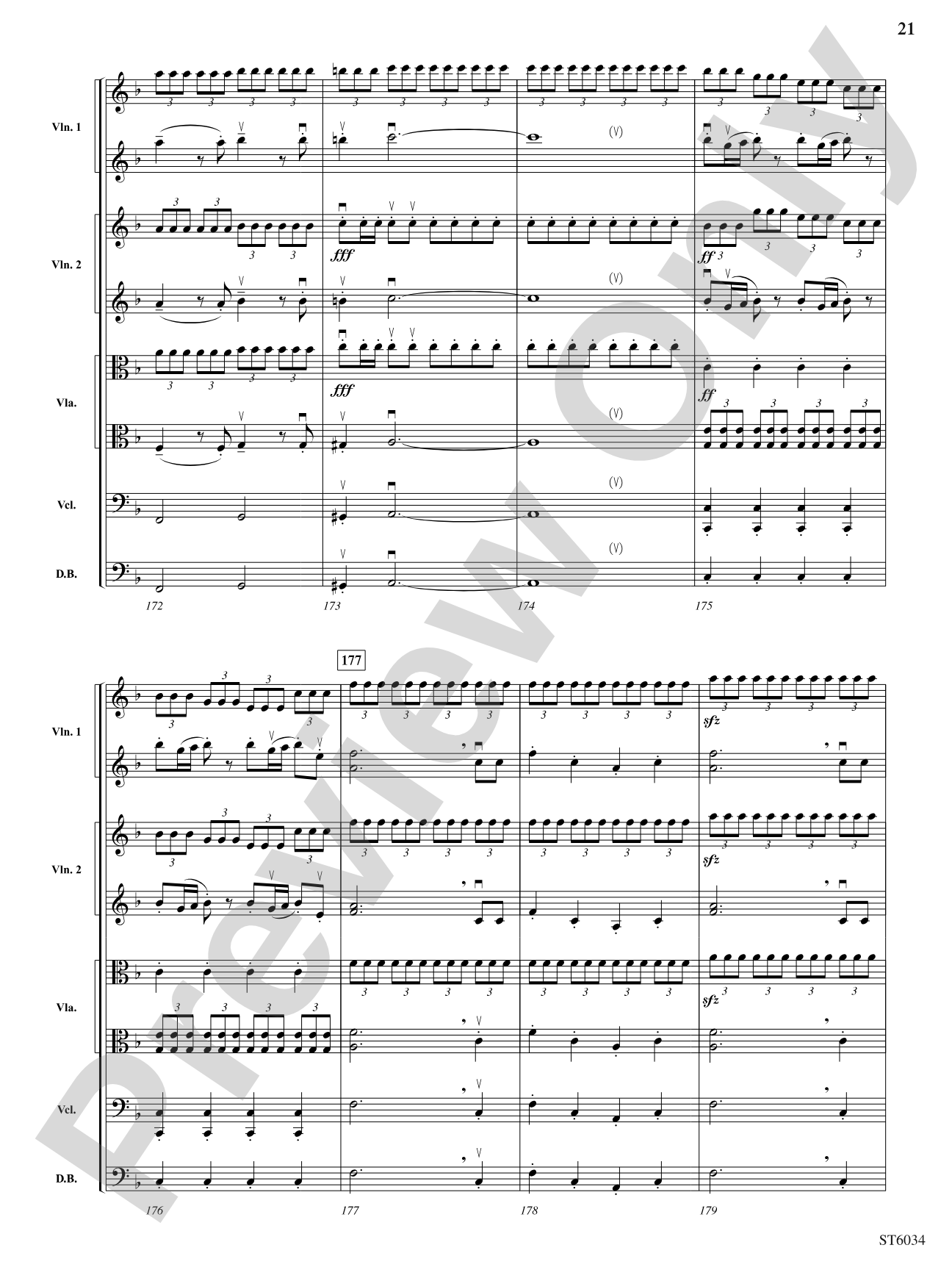
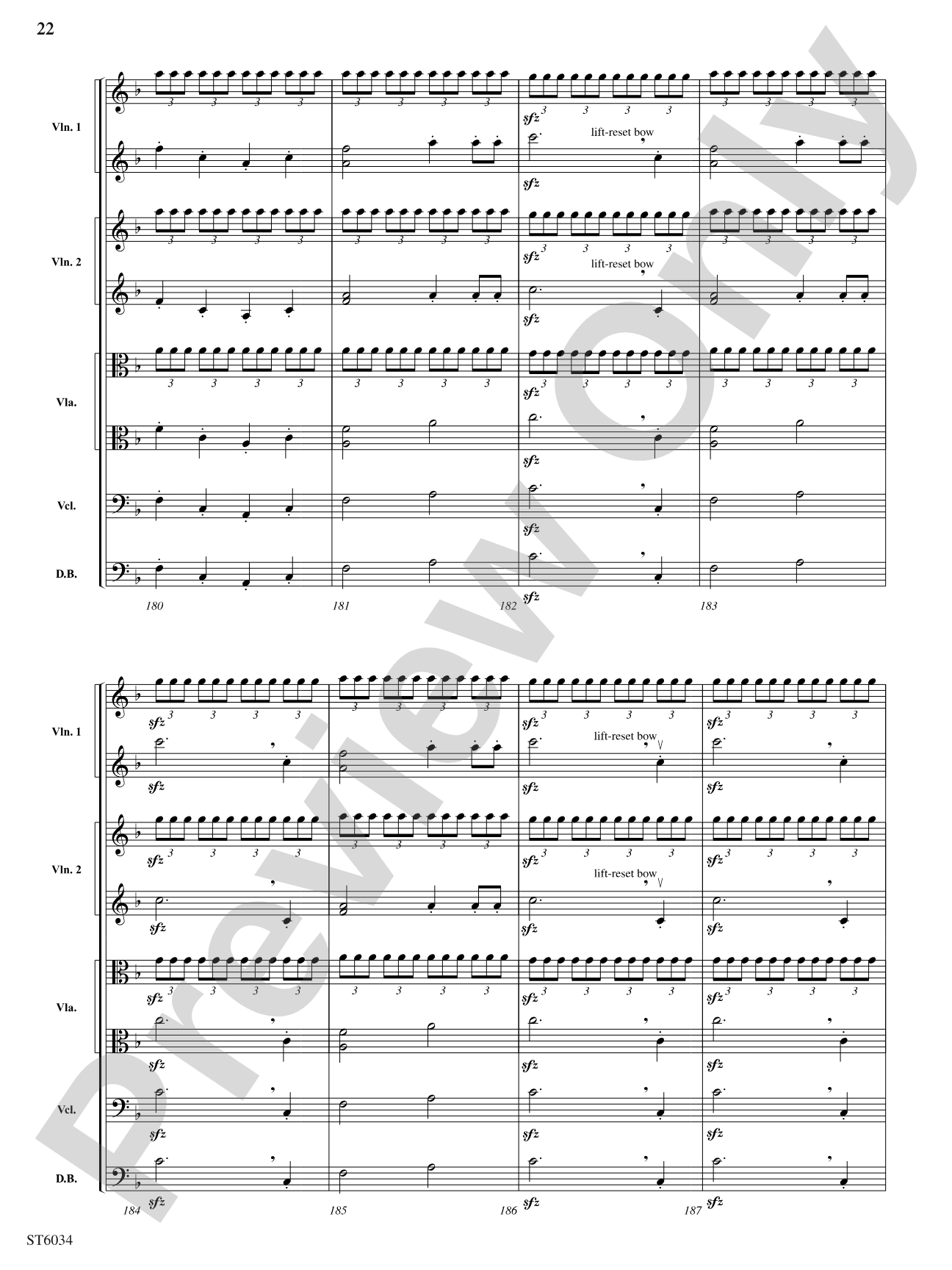
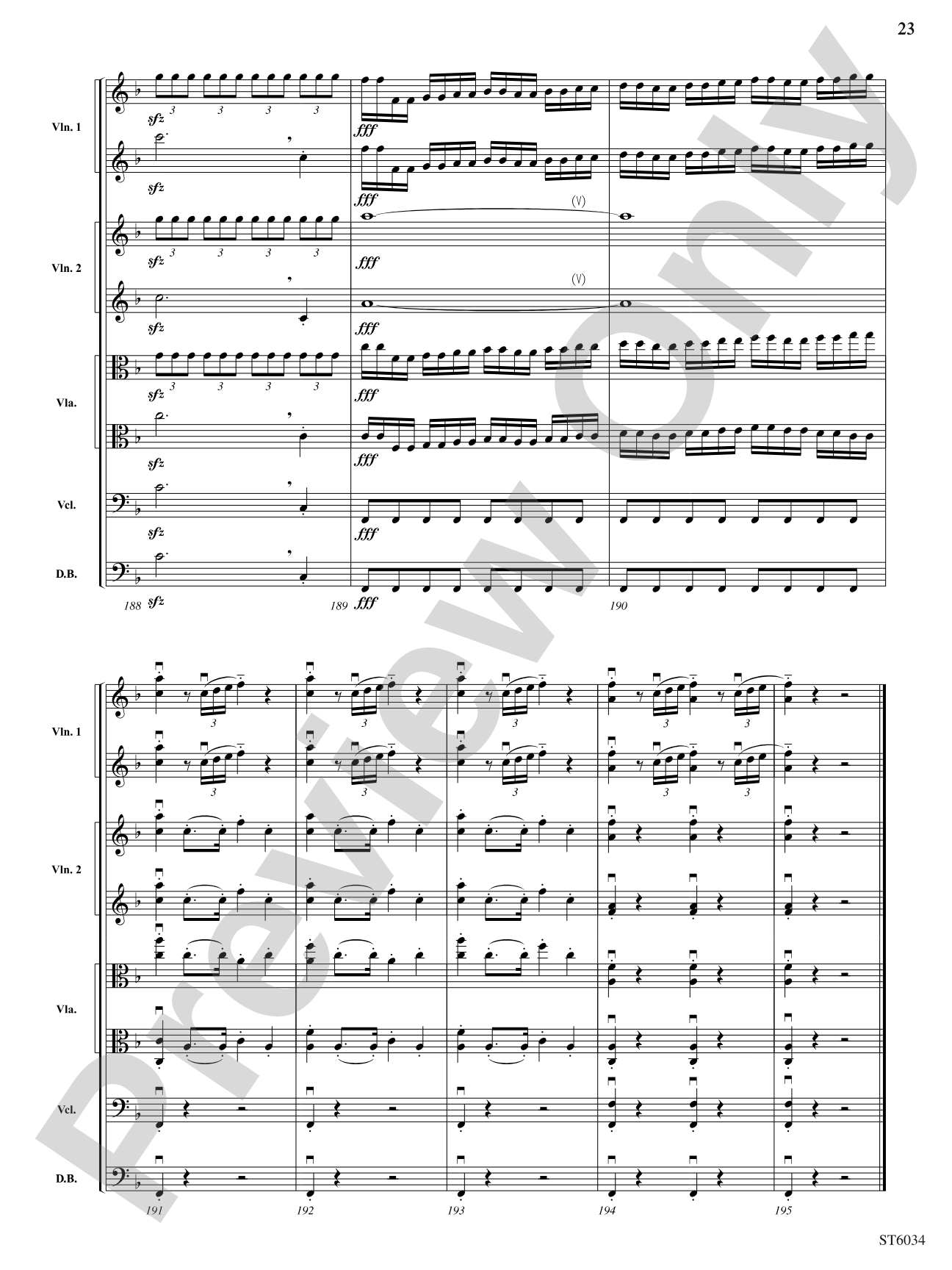

Egmont Overture: String Orchestra Conductor Score & Parts
By Ludwig van Beethoven / arr. Robert D. McCashin
Grade: 5
Item: 98-DST6034

$90.00
Pickup currently not available
Buy Extra Parts (Digital PDF Download)
| Product | Price | Quantity |
|---|---|---|
| Egmont Overture: Score | $14.00 | |
| Egmont Overture: Violin 1 | $7.00 | |
| Egmont Overture: Violin 2 | $7.00 | |
| Egmont Overture: Viola | $7.00 | |
| Egmont Overture: Violoncello | $7.00 | |
| Egmont Overture: Double Bass | $7.00 |
Parts Added to Cart!
Description
Beethoven's Egmont Overture is one of the most famous pieces in the orchestral repertoire. Until now, there has not been a string version that captures the full effect of the original. Since many directors have expressed the need for good literature for larger string programs, Robert McCashin is pleased to offer this shorter arrangement which effectively utilizes the full string orchestra. Excellent for exposing your students to a classic without having to recruit wind players.


Don't just read it, hear it, play along with it, and watch your students grow with it. In MakeMusic Cloud, Egmont Overture: String Orchestra Conductor Score & Parts comes alive with professional accompaniment, adjustable tempo, and built-in practice tools that turn solo practice into real progress.
Open in the Player
Jump straight in and assign it today.
Start Your Free Trial
Open this title and explore the full library in minutes.
Sample Audio
1
Audio File
--:--
0:00
0:00
Sample Video
No sample videos found.
Additional Details
Series:
FJH String Orchestra
Publisher:
The FJH Music Company, Inc.
SKU:
98-DST6034
More about this title
About the Composer: Ludwig van Beethoven
Ludwig van Beethoven (1770-1827) stands as one of history's most transformative composers, bridging the Classical and Romantic eras through sheer force of musical innovation. His works revolutionized what orchestral music could express, moving beyond pure entertainment to profound emotional and philosophical statements. For string orchestra directors, Beethoven's music offers an unmatched opportunity to teach students how structural integrity and harmonic daring create works of lasting power.
Why we love this
McCashin's arrangement proves that you don't need a full wind section to deliver the architectural grandeur of this masterwork. The string writing preserves Beethoven's dramatic intensity and brilliant orchestration while giving larger string programs meaningful, substantive literature that still resonates in festival adjudication.
What to expect
Dramatic momentum propels this from the opening gesture through moments of lyrical introspection and back again. The music sweeps forward with theatrical urgency, full of brilliant orchestral colors and Beethoven's signature harmonic surprises, creating an experience that feels both heroic and intimate.
Who it's for
String orchestra directors with larger ensembles who want to program a genuine masterwork without recruiting additional instrumentation. Advanced high school and college string programs will find a piece that challenges their musicianship while delivering the satisfaction of performing one of music's great overtures.
How to get the most out of it
- Balance the dramatic dynamic shifts carefully; the opening statements need to cut through, but pull back enough to let the lyrical passages breathe and reveal their melodic beauty.
- Establish a firm ensemble pulse early in rehearsal, especially through the rhythmic figures that drive the narrative forward, since the piece asks a lot from rhythmic precision across multiple string parts.
- Shape the phrasing as if telling a story with urgency and conviction; Beethoven's gestures are bold and direct, so avoid over-softening the edges even in legato passages.
- Attend closely to the divisi passages to ensure section balance doesn't collapse; weak second violin or viola lines will muddy the harmonic clarity that makes this arrangement work.
How to use it
Position this as a substantial concert opener or a showstopper that demonstrates your string program's depth to adjudicators and audiences alike. The Grade 5 difficulty and festival-appropriate length make it ideal for spring concert programming or competition seasons when you want to make a statement about repertoire quality.
Skills your students will build
- Reading and executing multiple dynamic and tempo variations within a single work
- Ensemble cohesion across complex divisi writing
- Stylistic interpretation of Classical-to-Romantic harmonic language
- Theatrical phrasing and narrative arc in orchestral music
- Balancing individual responsibility with collective sound in a large ensemble