
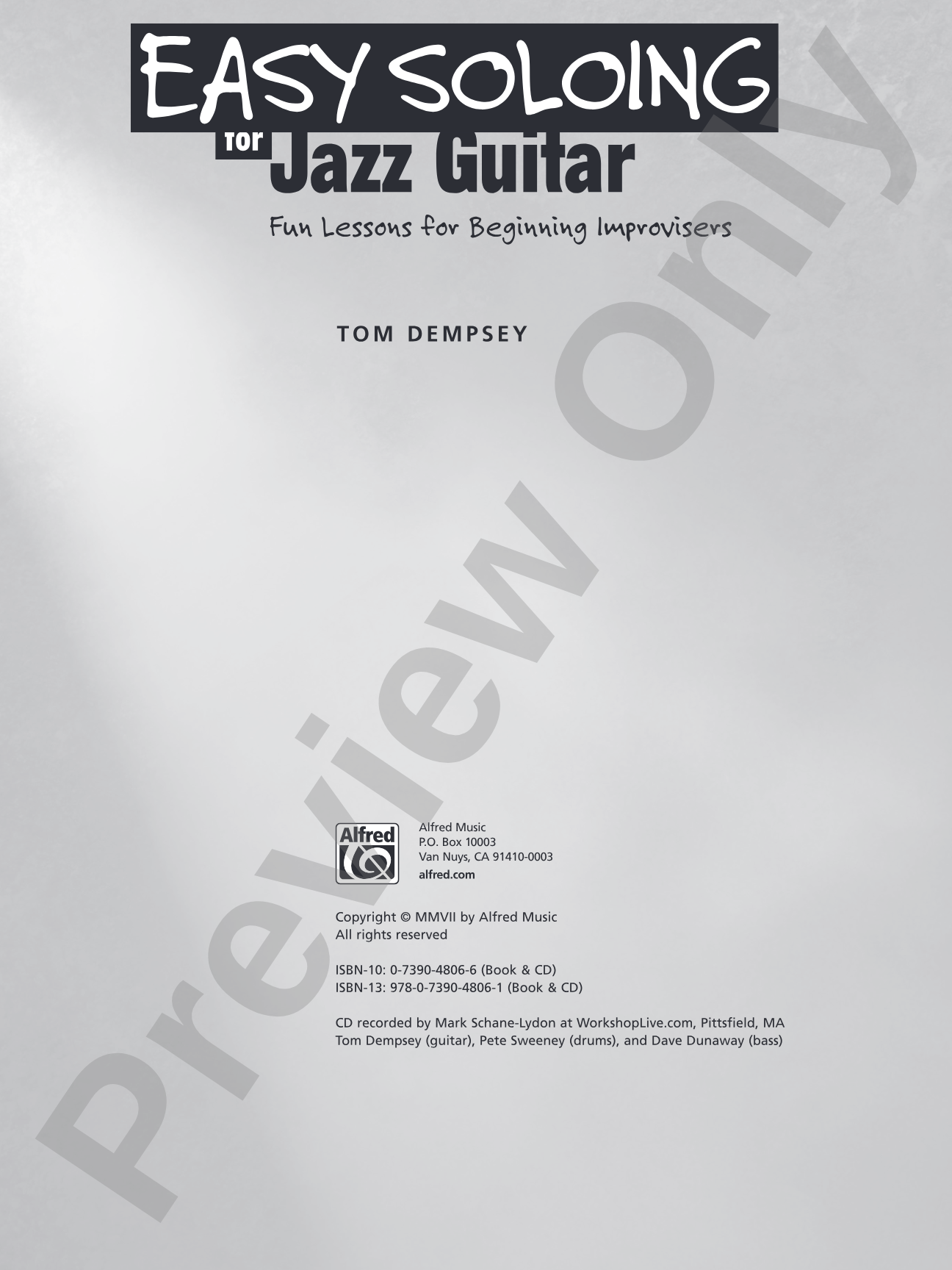
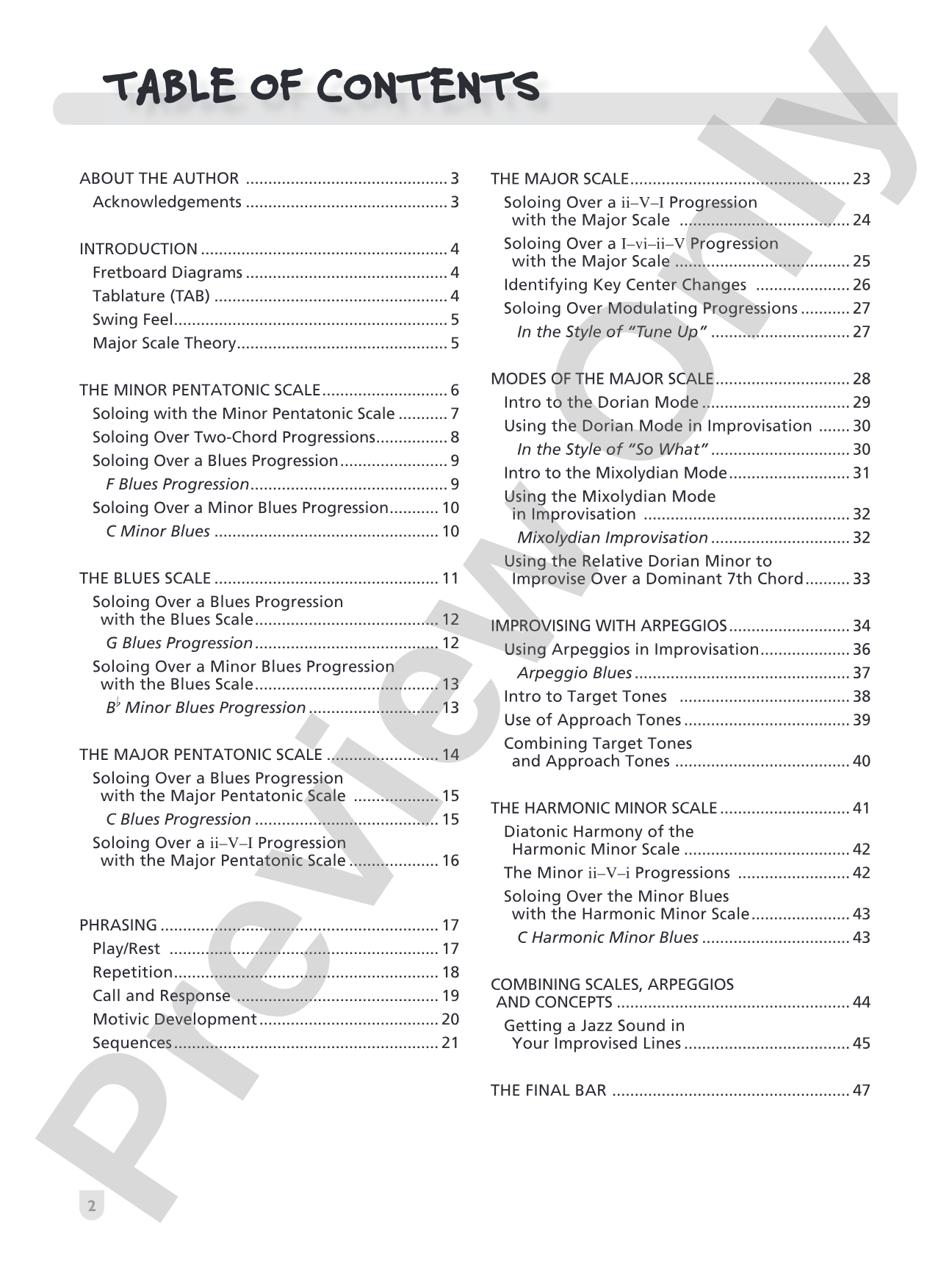

Easy Soloing for Jazz Guitar: Fun Lessons for Beginning Improvisers
Fun Lessons for Beginning Improvisers
By Tom Dempsey
Item: 00-PB-0002232
$17.99
Pickup currently not available
Related Items
Easy Soloing for Jazz Guitar: Guitar Book & Online Audio |
$17.99
|
View |
Description
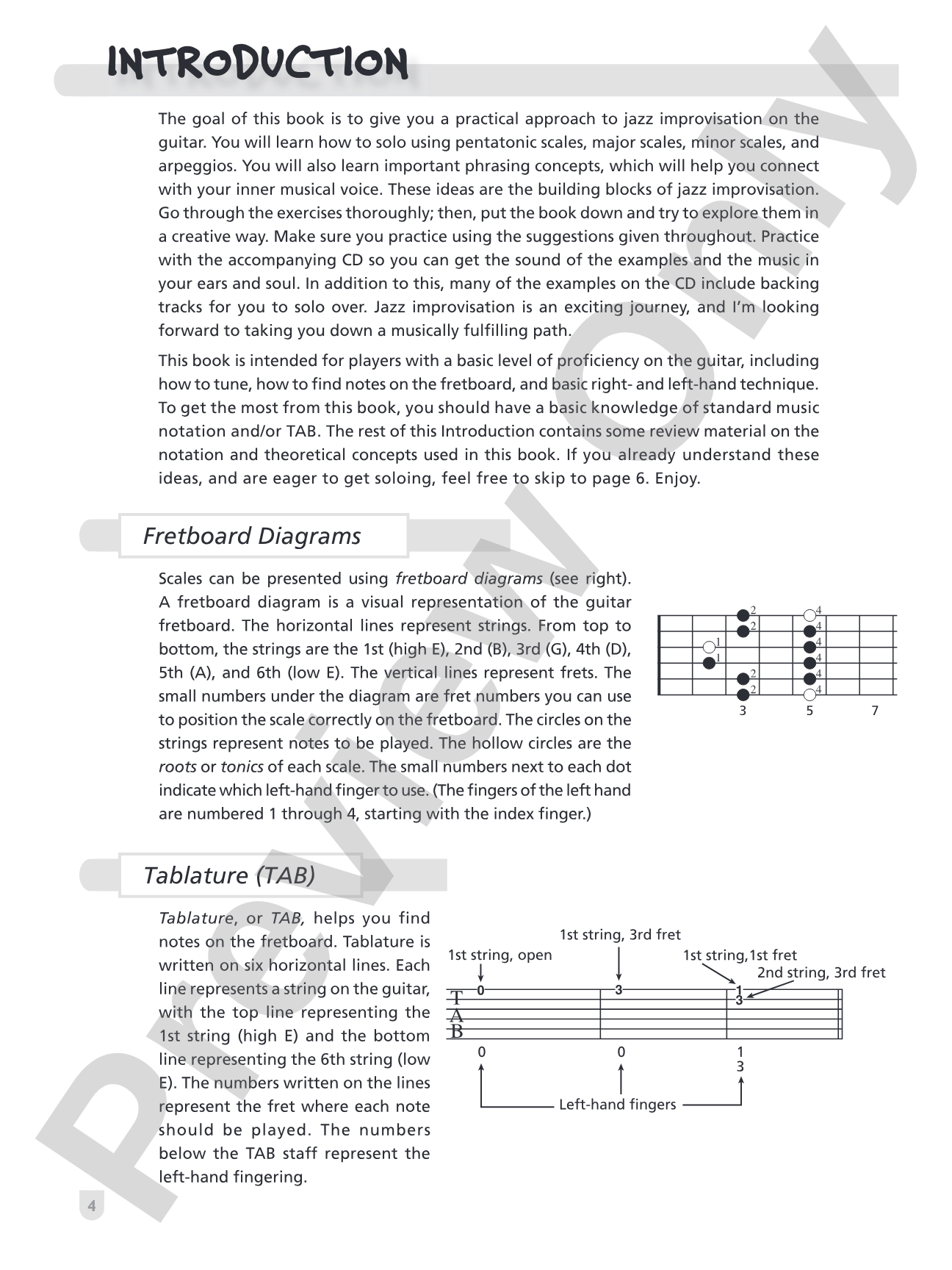
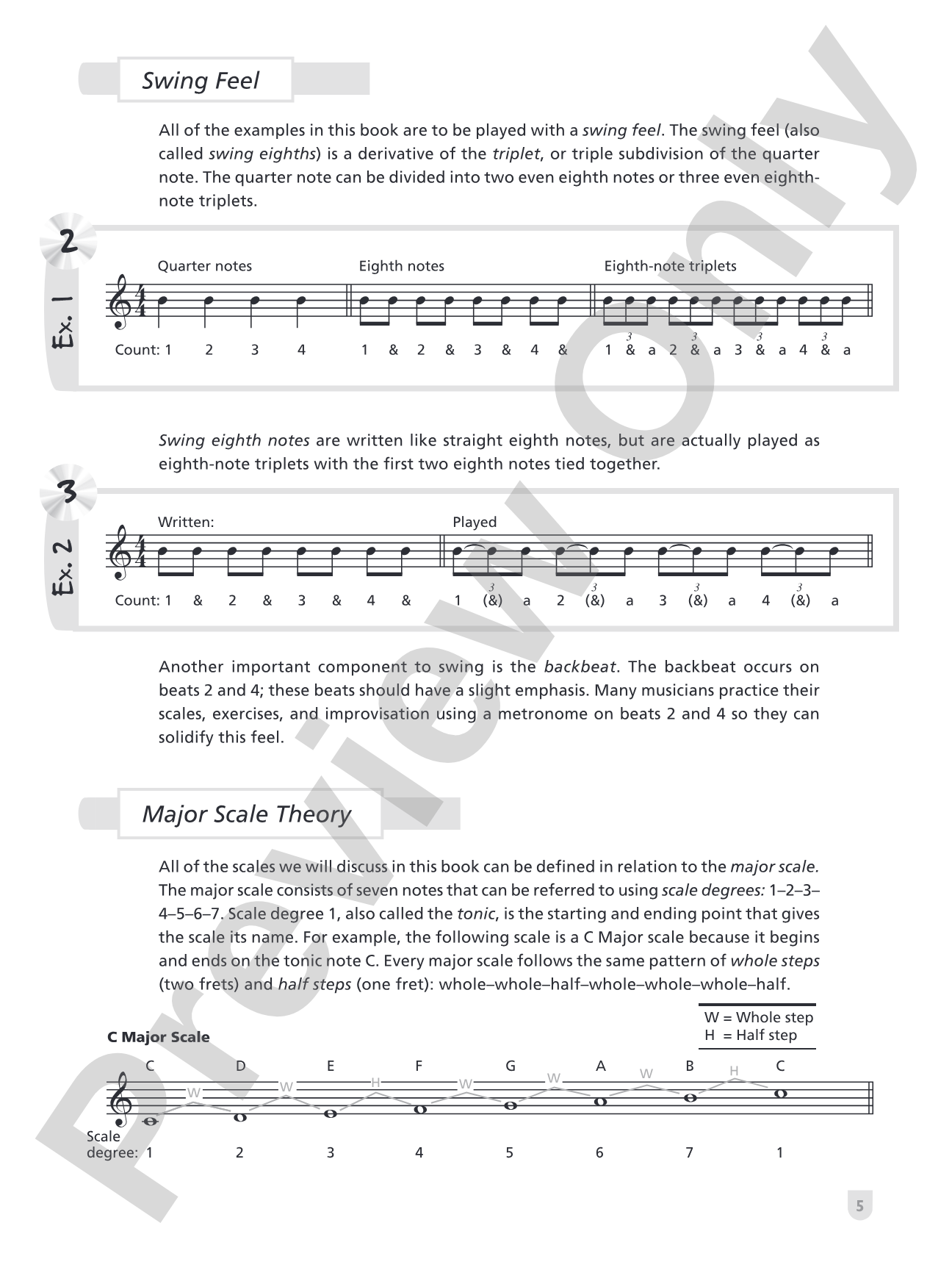
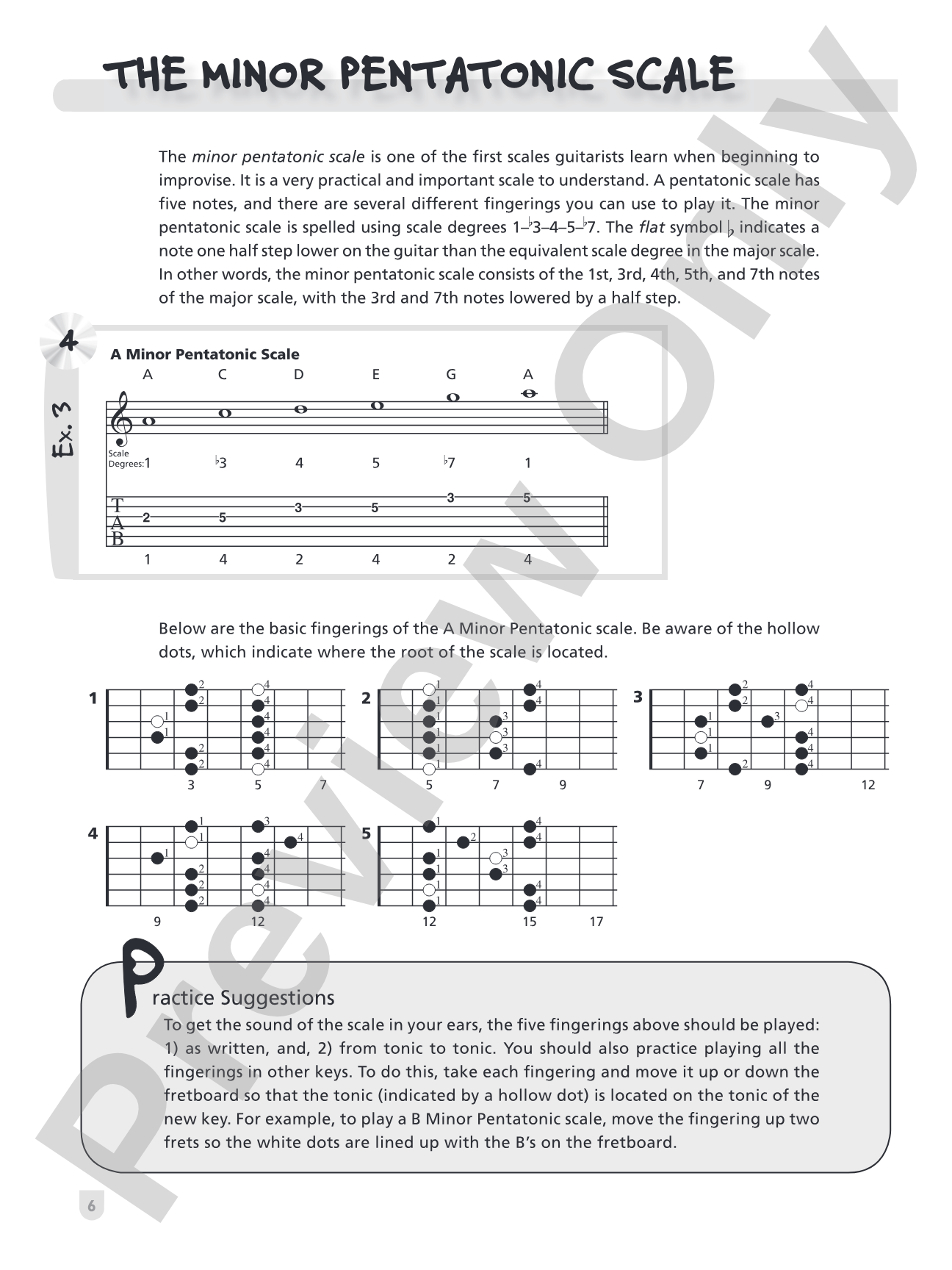
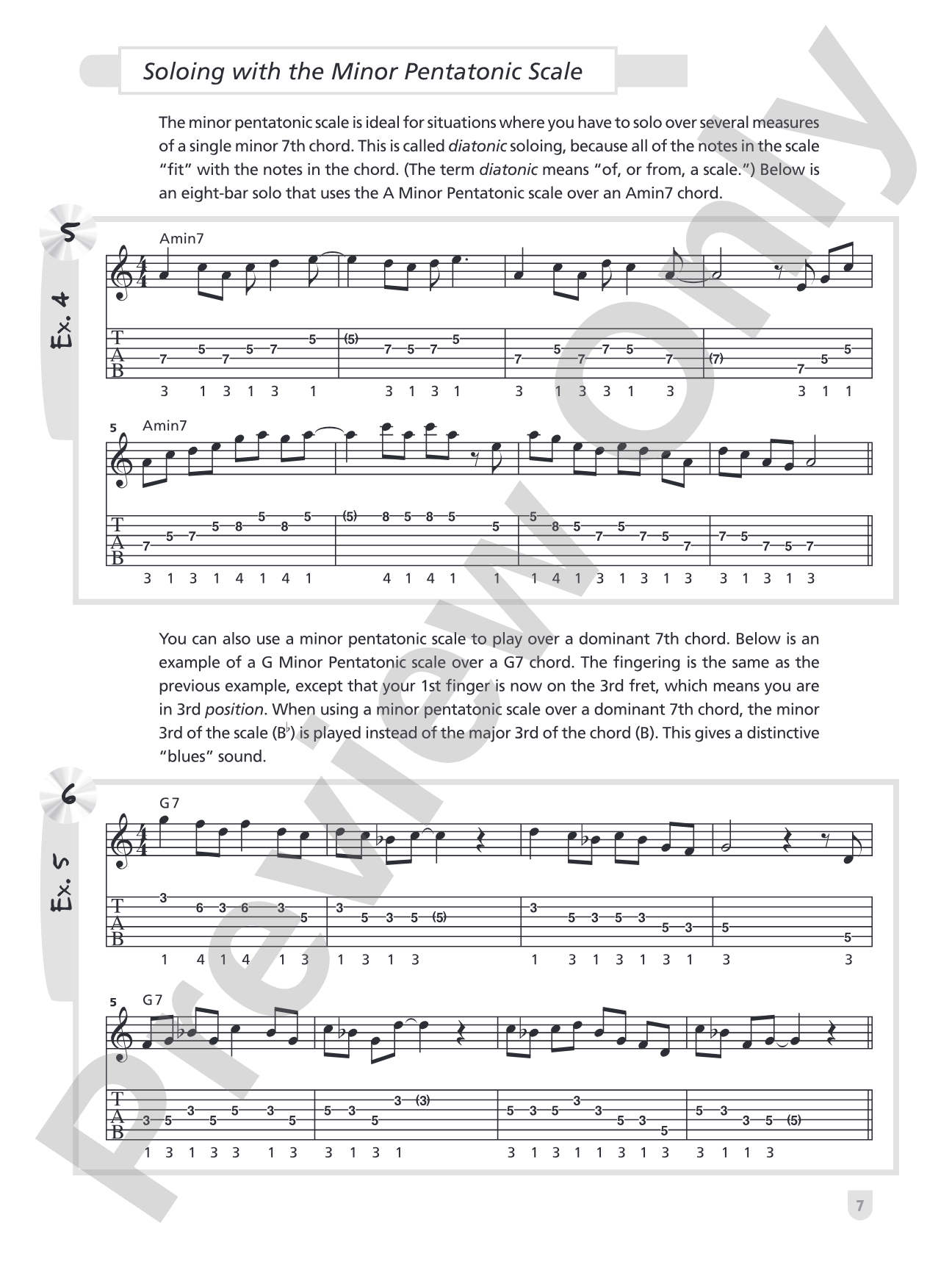
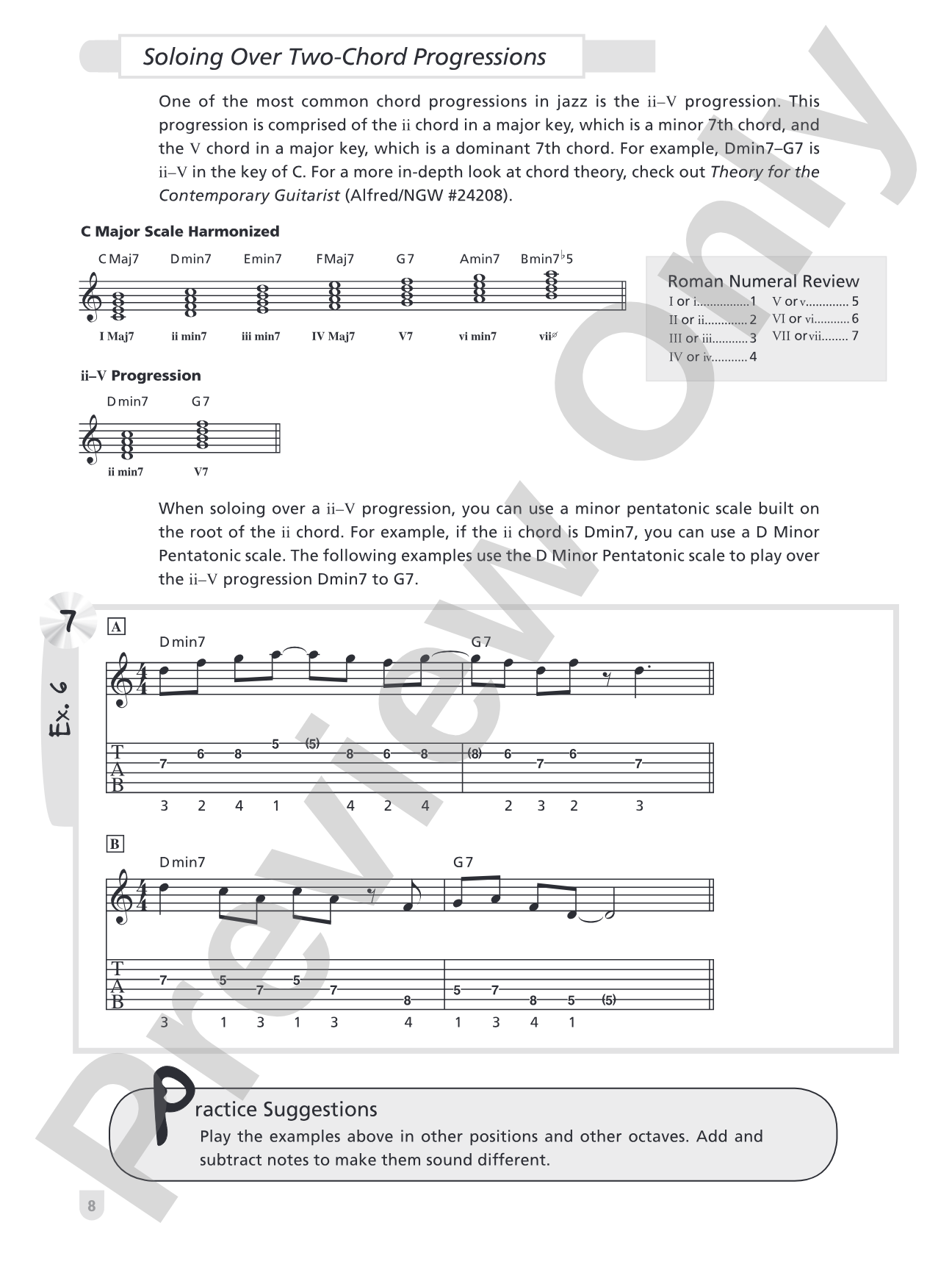
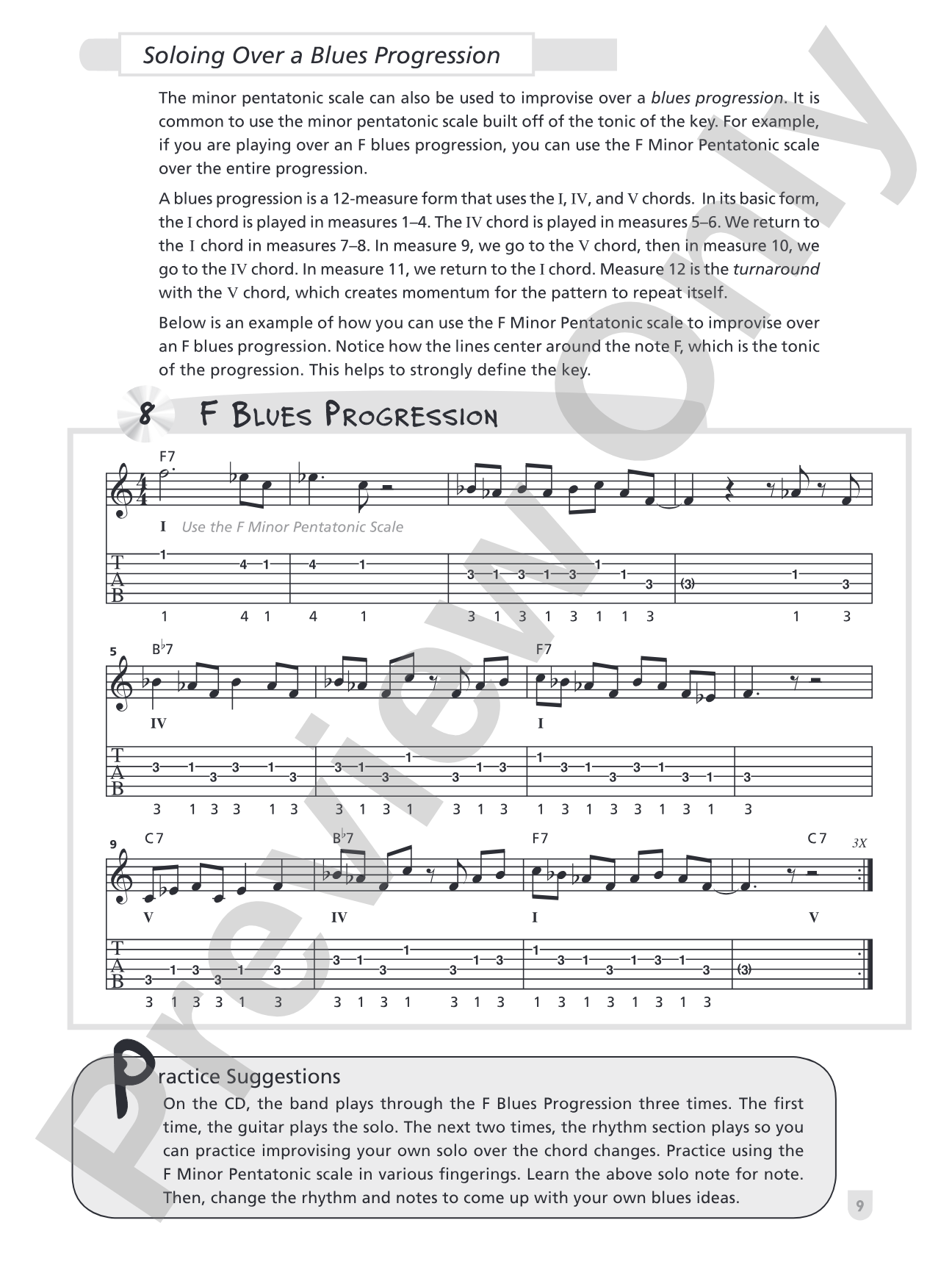
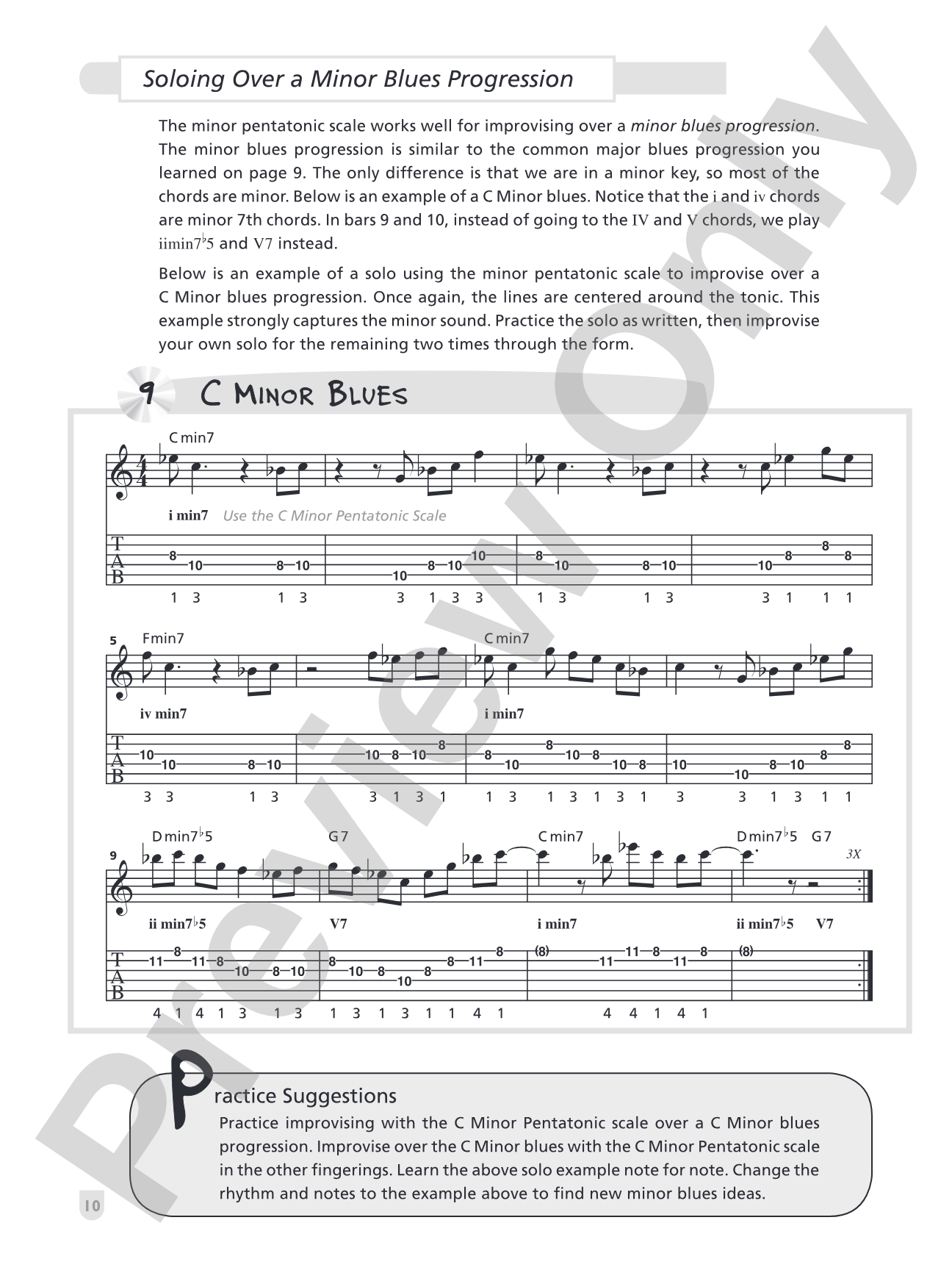
Soloing is essential to jazz. For many musicians, it is the ultimate form of self-expression. But for many people, it can be intimidating. Jazz musicians must spontaneously create solos over "tricky" chord progressions, while, at the same time, communicating from the heart. This process can seem mysterious, but Easy Soloing for Jazz Guitar shows you that it's not. This book is for musicians who already know the basics of guitar, but are looking for a low-stress introduction to the art of jazz improvisation. This easy-to-use book includes standard music notation and TAB and gives you the basic tools to make great, authentic-sounding jazz solos. Whether you are a beginning student of jazz or a more advanced player new to improvised music, you'll find what you need in this book. A recording demonstrating the examples in this book is included.


Easy Soloing for Jazz Guitar: Fun Lessons for Beginning Improvisers isn't in MakeMusic Cloud just yet...but it could be. Let us know you'd like to see it, and you'll help shape what comes next. In the meantime, start a free trial and dive into thousands of interactive titles your students can play along with today.
Request This Title
Tell us you want it.
Start Your Free Trial
Explore everything that's ready to play right now.
Sample Audio
1
Arpeggio Blues
--:--
2
C Harmonic Minor Blues
--:--
3
Motivic Development
--:--
Arpeggio Blues
0:00
0:00
Sample Video
No sample videos found.
Additional Details
Publisher:
Alfred Music
Page Count:
48
SKU:
00-PB-0002232
More about this title
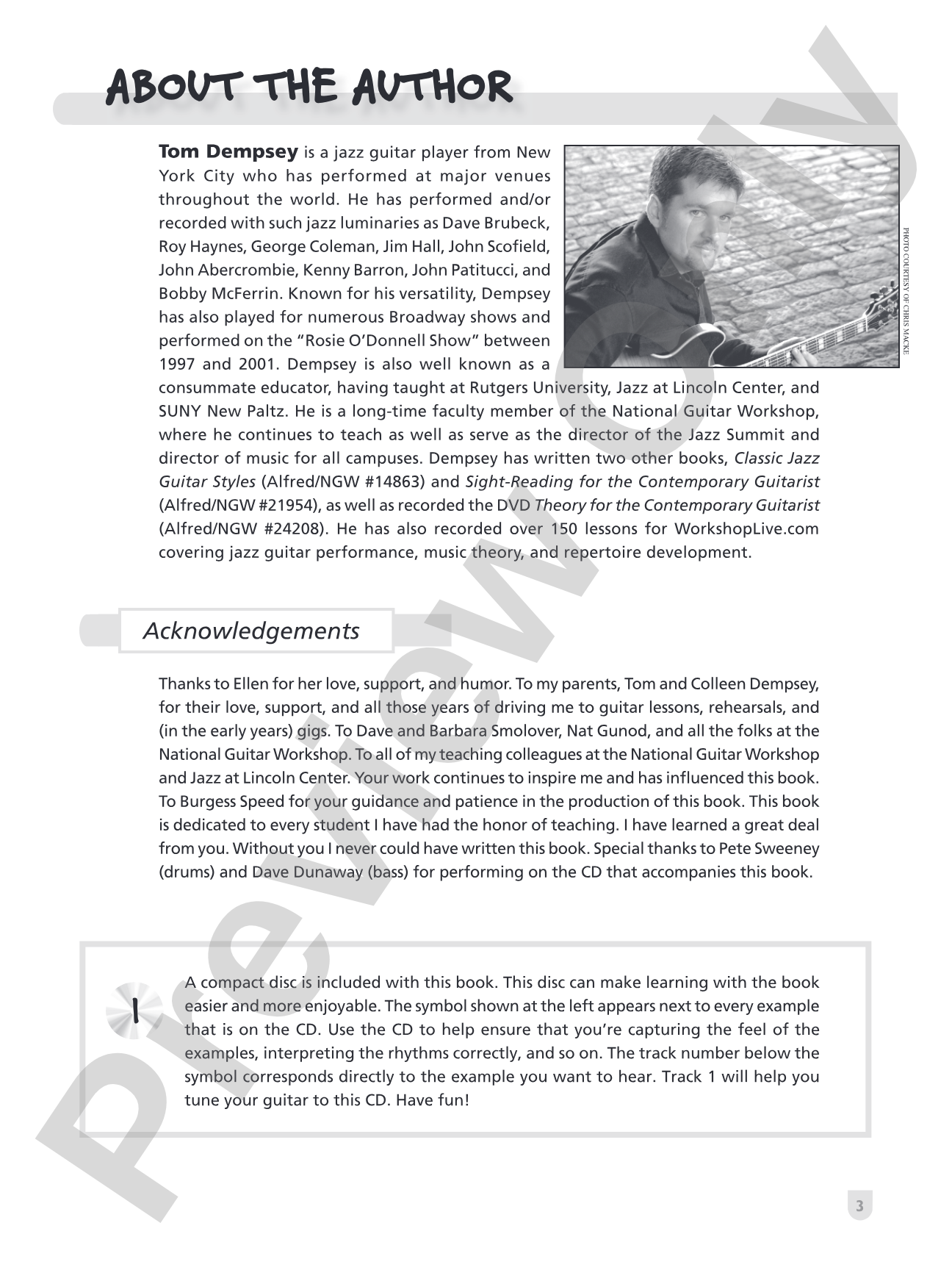
About the Composer: Tom Dempsey
Tom Dempsey brings a pragmatic approach to jazz pedagogy, grounded in his work helping guitarists cross the bridge from reading notation to spontaneous creation. His teaching philosophy centers on demystifying improvisation, stripping away the intimidation factor that often keeps capable players from engaging with jazz.
Why we love this
Dempsey refuses to overcomplicate the entry point to jazz soloing. Rather than burying students in chord theory, this book gives them usable patterns and real examples they can play immediately, building confidence through tangible results. The dual notation approach (standard and TAB) ensures no guitarist feels locked out.
What to expect
Playful and direct. The writing strips away jazz mystique and replaces it with practical encouragement. Examples build gradually, each one revealing how small melodic choices and rhythmic placements create authentic-sounding solos that feel personal, not formulaic.
Who it's for
Beginning jazz guitarists with solid technical fundamentals who feel stuck between reading lead sheets and creating their own lines. This also serves experienced classical or rock players ready to explore improvisation without overthinking it. The low-stress approach works well for self-taught learners who need scaffolding and encouragement.
How to get the most out of it
- Sing the solo line before playing it. Your voice has no frets and no mechanical habits; it clarifies what your fingers should be doing.
- Record yourself playing the backup progression on one track, then improvise over it repeatedly. Each pass teaches you something new about the changes.
- Play the written examples slowly enough that you can hear each note distinctly. Speed comes naturally once muscle memory takes hold.
- Listen to the included recording while reading the notation. Match your eye to the sound so notation stops feeling abstract.
How to use it
Slot this into your jazz ensemble curriculum for guitarists who need remedial soloing work without sitting through heavy harmonic analysis. It pairs well with rhythm section sectionals because it gives comping players a concrete sense of what soloists do over the changes they're providing. For student jazz clubs or lesson studios, assign it as supplemental material for any guitarist joining the ensemble mid-year.
Skills your students will build
- Creating simple, melodic lines over major and minor chord progressions
- Reading and interpreting chord changes in real time
- Recognizing and applying basic jazz vocabulary (approach notes, targeting, simple rhythmic displacement)
- Translating written examples into improvised playing
- Building phrase shapes and musical phrasing across multiple bars
- Matching rhythm section comping by ear