Easy Jazz Conception Trumpet Cover Image

Easy Jazz Conception Trumpet: Trumpet Book & Online Audio

$24.95 USD
Sale price  $24.95 USD Regular price 
Skip to product information
Easy Jazz Conception Trumpet Cover Image

Easy Jazz Conception Trumpet: Trumpet Book & Online Audio

15 Solo Etudes for Jazz Phrasing, Interpretation and Improvisation

By Jim Snidero

Level: Easy - Intermediate

Item: 01-ADV14762

$24.95
Shipped

One moment…

Description
For jazz phrasing, interpretation and improvisation. A new and exciting way for trumpet players to learn and practice basic jazz style. This book/audio set features 15 solo etudes based on blues and standard chord progressions, demonstrated by Ryan Kisor on trumpet along with a world-class rhythm section: Mike LeDonne, piano; Peter Washington, bass; and Kenny Washington, drums.The recording features two separate versions of each etude: one with the soloist and rhythm section and one with the rhythm section only. See and hear how the soloist phrases, play with or without the soloist and learn basic jazz style first-hand.

Easy Jazz Conception Trumpet: Trumpet Book & Online Audio isn't in MakeMusic Cloud just yet...but it could be. Let us know you'd like to see it, and you'll help shape what comes next. In the meantime, start a free trial and dive into thousands of interactive titles your students can play along with today.

Sample Pages

Sample Audio

track 1

0:00
0:00
Sample Video
Additional Details
Series: Advance Music: Easy Jazz Conception
Publisher: Advance Music
ISBN10: 3-892211-97-3
ISBN13: 978-3-892211-97-6
UPC: 805095147629
SKU: 01-ADV14762
Instrumentation: Trumpet

More about this title

About the Author: Jim Snidero
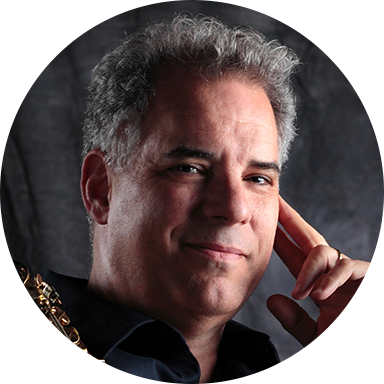
Jim Snidero

Jim Snidero has spent more than three decades establishing himself as a commanding voice in jazz composition and performance. A saxophonist of uncommon depth, he has earned recognition from Downbeat Magazine as both a "master musician" and "alto saxophone virtuoso," and his influence on the international jazz scene remains active and visible, most recently reflected in his 2017 Downbeat Critic's Poll placement.

Snidero's path to this stature began in Camp Springs, Maryland, where early musical encouragement at home and in school gave way to serious study with alto saxophone legend Phil Woods and later with Dave Liebman. After moving to New York in 1981, he built his reputation through sideman work with Brother Jack McDuff, the Mingus Big Band, Frank Wess, the Toshiko Akiyoshi Jazz Orchestra, and others before establishing himself as a bandleader. His recorded output, beginning with On Time (1984) and including the widely praised Mixed Bag (1987) and Blue Afternoon (1989), demonstrates both musical consistency and stylistic range that has defined a quarter century of creative work.

Why we love this

Snidero designed these etudes around the harmonic and rhythmic situations students encounter most often in real jazz settings, so there's no wasted material here. Ryan Kisor's demonstration recordings reveal exactly how a professional phrases through the form, articulates over the changes, and interprets the blues, while the rhythm section of Mike LeDonne, Peter Washington, and Kenny Washington provides the kind of conversational musical context that makes the learning stick.

What to expect

Accessible without being condescending. These etudes sit comfortably under the fingers while demanding genuine attention to tone, phrasing, and rhythmic placement. Playing along with this caliber of musicians raises the bar in the most encouraging way possible.

Who it's for

Trumpet players in the easy-to-intermediate range who want to move beyond reading jazz charts and develop the stylistic intuition that separates competent note-reading from jazz musicianship. This works equally well in jazz ensemble programs, small group instruction, or private studio practice.

How to get the most out of it

  • Listen to both versions of each etude multiple times before playing along. First hear how Kisor navigates the phrase architecture and handles space; then notice what the rhythm section does to support him.
  • Work without the soloist recording first to find your own interpretive choices, then compare your phrasing decisions to what you hear on the demonstration track.
  • Pay attention to how the soloist handles the blues scale and approach notes. These are the building blocks of believable jazz phrasing.
  • Slow down the online audio if needed. These etudes are deceptively simple in construction but require careful listening to execute with authenticity.

How to use it

Assign one etude per week in trumpet lessons to build jazz vocabulary alongside traditional classical study, or use them as a foundation for small combo sectionals where students can learn to listen and respond to each other. Early in the school year, they're valuable for establishing what jazz phrasing actually sounds like before moving into larger ensemble repertoire.

Skills your students will build

  • Blues phrasing and articulation over 12-bar forms
  • Targeting chord tones and using approach notes with rhythmic precision
  • Listening actively to rhythm section comping and responding musically
  • Tone control and space management within jazz standards
  • Interpreting written notes with stylistically appropriate swing and inflection

You May Also Like