Easy Jazz Conception Alto Saxophone Cover Image

Easy Jazz Conception Alto Saxophone: Saxophone Book & Online Audio

$24.95 USD
Sale price  $24.95 USD Regular price 
Skip to product information
Easy Jazz Conception Alto Saxophone Cover Image

Easy Jazz Conception Alto Saxophone: Saxophone Book & Online Audio

15 Solo Etudes for Jazz Phrasing, Interpretation and Improvisation

By Jim Snidero

Level: Easy - Intermediate

Item: 01-ADV14760

$24.95
Shipped

One moment…

Description
A new and exciting way for alto and baritone saxophone players to learn and practice basic jazz style.
This book/audio set features 15 solo etudes based on blues and standard chord progressions, demonstrated by Jim Snidero on alto saxophone along with a world-class rhythm section: Mike LeDonne, piano; Peter Washington, bass; and Kenny Washington, drums.
The recording features two separate versions of each etude: one with the soloist and rhythm section and one with the rhythm section only. See and hear how the soloist phrases, play with or without the soloist on the recording and learn basic jazz style first-hand.

Easy Jazz Conception Alto Saxophone: Saxophone Book & Online Audio isn't in MakeMusic Cloud just yet...but it could be. Let us know you'd like to see it, and you'll help shape what comes next. In the meantime, start a free trial and dive into thousands of interactive titles your students can play along with today.

Sample Pages

Sample Audio

track 1

0:00
0:00
Sample Video
Additional Details
Series: Advance Music: Easy Jazz Conception
Publisher: Advance Music
UPC: 805095147605
SKU: 01-ADV14760
Instrumentation: Alto Saxophone

More about this title

About the Author: Jim Snidero
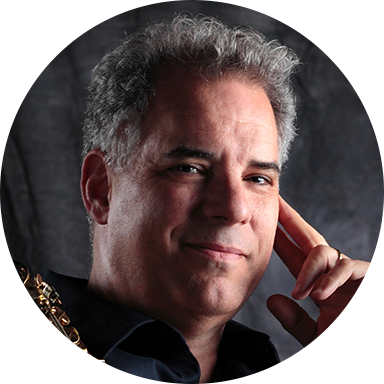
Jim Snidero

Jim Snidero's three-decade career has established him as one of contemporary jazz's most respected alto saxophonists and educators. Downbeat Magazine recognized him as both a "master musician" and "alto saxophone virtuoso," and his placement in the 2017 Downbeat Critic's Poll confirms his enduring influence on the international jazz landscape.

Snidero's path to this standing began in Camp Springs, Maryland, where early musical training set the foundation for a serious commitment to the instrument. Study with Phil Woods during his teenage years and later work with Dave Liebman accelerated his development considerably. His move to New York in 1981 proved pivotal; he quickly established himself through sideman work with Brother Jack McDuff, the Mingus Big Band, Frank Wess, and the Toshiko Akiyoshi Jazz Orchestra, before leading his own sessions. Albums like Mixed Bag and Blue Afternoon demonstrate the stylistic range and musical maturity that have made him a trusted voice in jazz composition and pedagogy.

Why we love this

Snidero strips away the mystique of jazz phrasing by letting students hear exactly how a master soloist navigates blues and standard changes. The dual recordings, with and without the soloist, create genuine learning opportunities rather than just passive listening. You get a rhythm section (LeDonne, Washington, Washington) that sounds like the real thing because it is, giving your students context for how jazz actually breathes and swings.

What to expect

The etudes sit in an accessible register and use straightforward blues and standard progressions, so the focus lands squarely on style and articulation rather than technical fireworks. Playing along with Snidero and this A-list rhythm section produces an immediate sense of playing real jazz, even when you're still working out the basics.

Who it's for

Alto and baritone saxophonists at the early-intermediate level who want to understand jazz language through direct imitation rather than theoretical study. This book works for students ready to move beyond classical phrasing but still building foundational skills in swing feel and blues vocabulary.

How to get the most out of it

  • Sing the etude before touching your saxophone. Snidero's phrasing comes from vocal logic, not digital technique, and your voice will teach you the natural breath points and microtiming that make jazz swing.
  • Listen to the full version multiple times without your horn. Absorb the soloist's articulation, space between phrases, and how dynamics shift across the progression before you attempt to match it.
  • Play along with the rhythm section-only version at a slower tempo first. Lock into the drummer's pocket rather than rushing the beat, which is the most common mistake students make at this level.
  • Record yourself and compare your tone directly to the demonstration. Jazz tone quality matters as much as accuracy, and hearing the difference between your sound and Snidero's teaches tone work more effectively than any description.

How to use it

Use these etudes as core material in a jazz ensemble or small group curriculum, programming one or two per week as students develop their jazz vocabulary. They're also ideal for individual lesson study, where a student can work through an etude over several weeks before moving to the next one. The recorded accompaniment makes them valuable for independent practice, especially when a live rhythm section isn't available.

Skills your students will build

  • Swing articulation and jazz phrasing over blues progressions
  • Listening to and responding to a rhythm section's feel and tempo
  • Approaching standard jazz changes with clear melodic intent
  • Building tone control and dynamic shape in a jazz context
  • Transcription by ear through imitation of a professional soloist

You May Also Like