
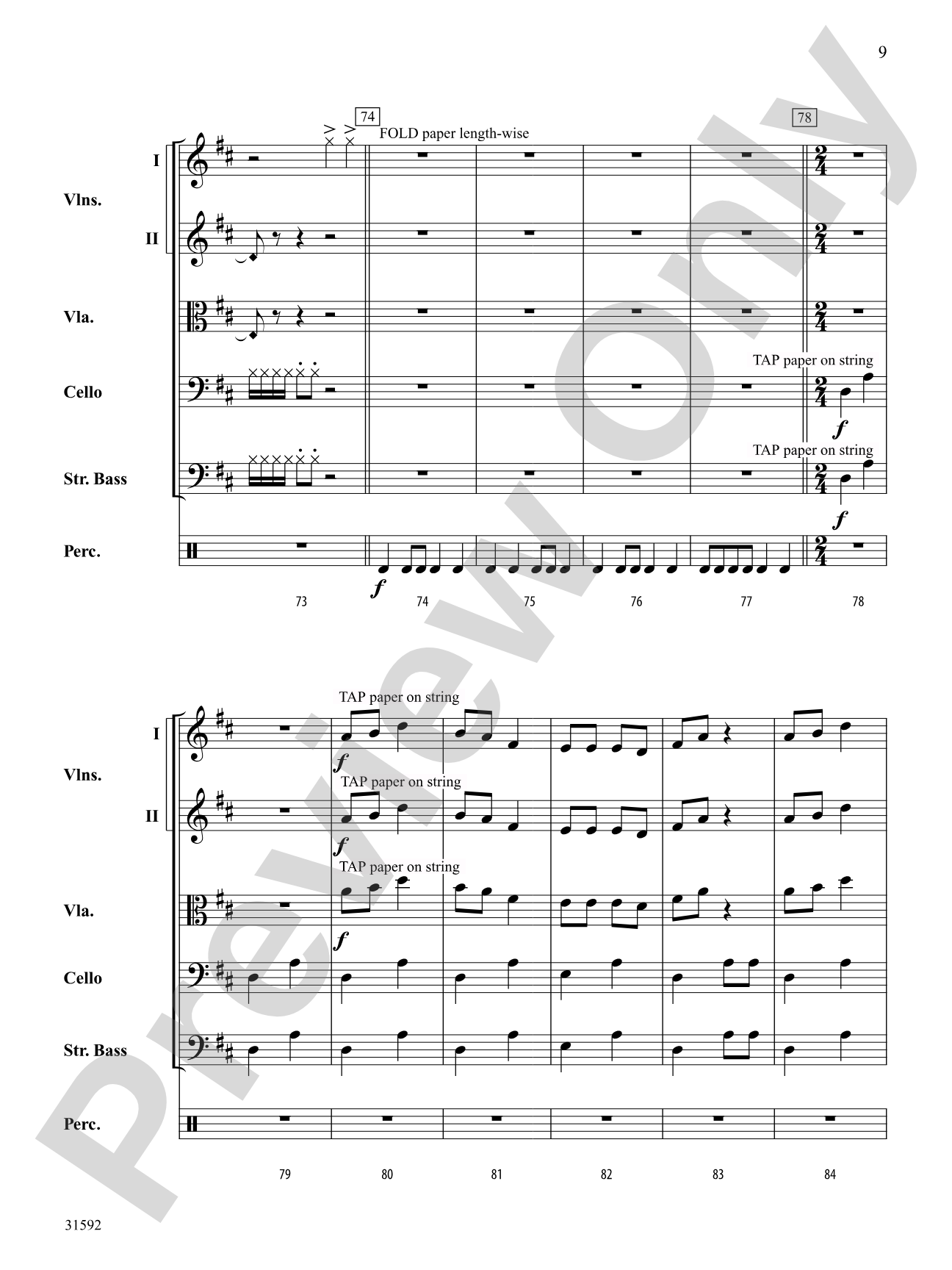
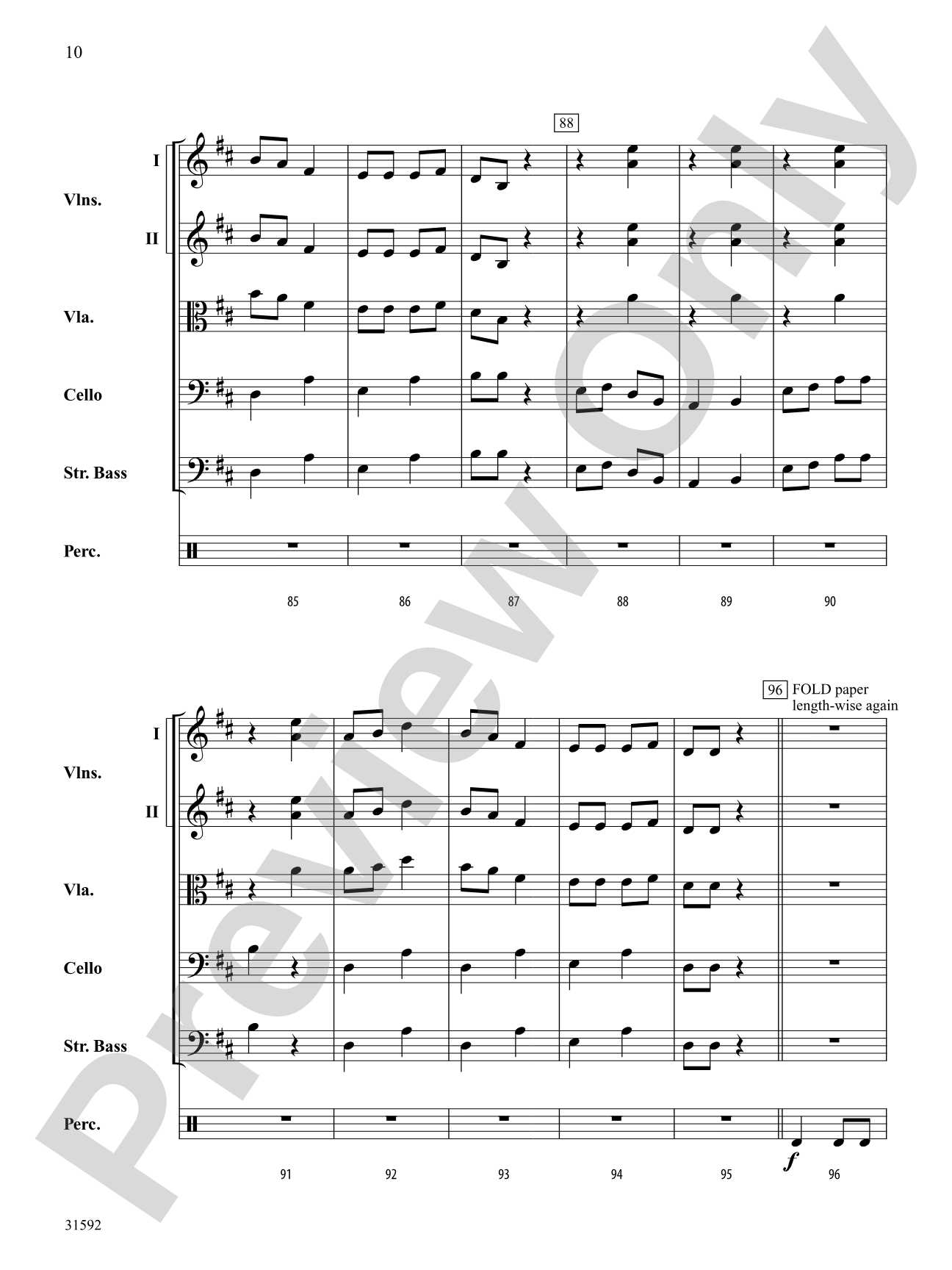
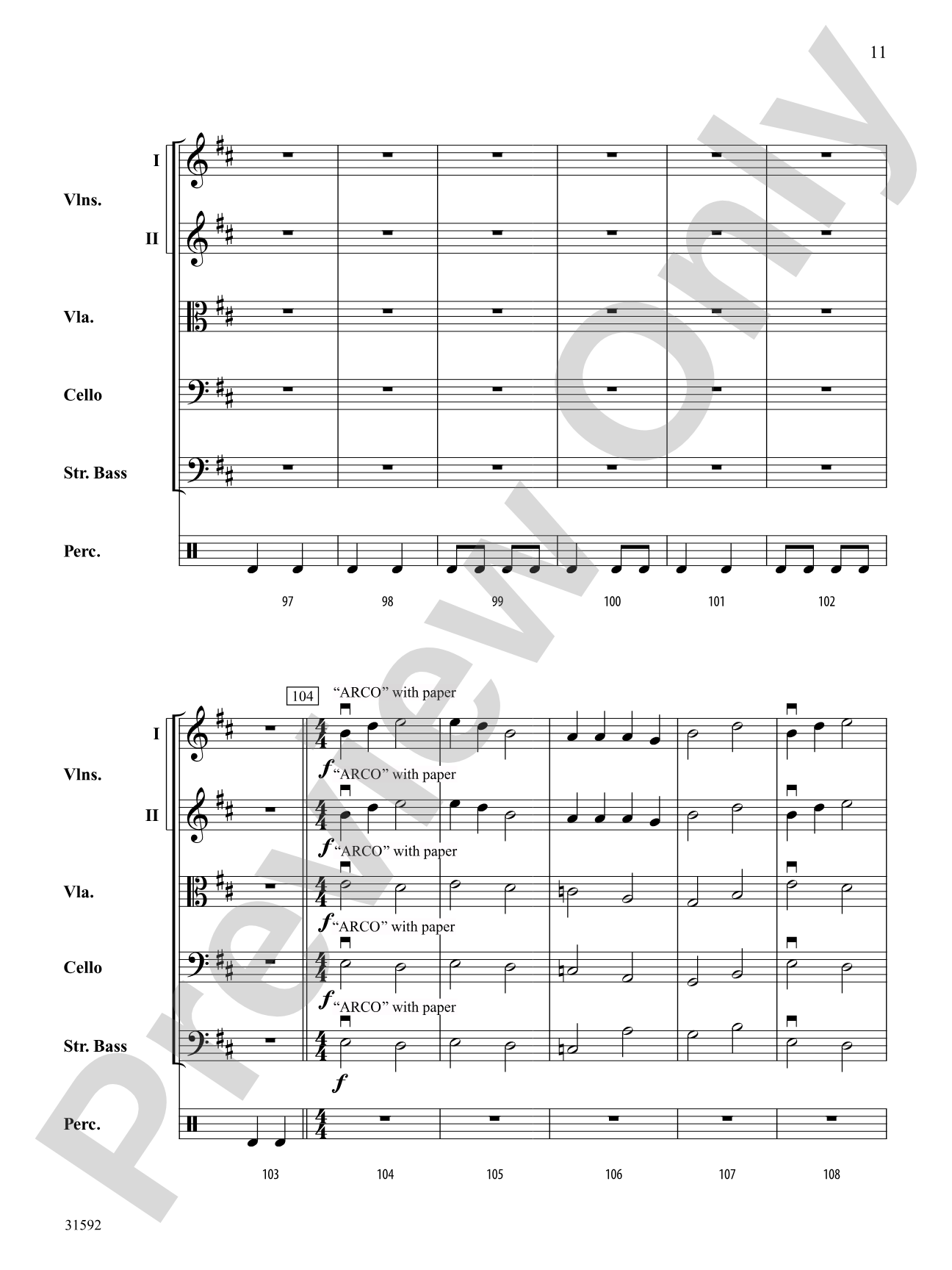
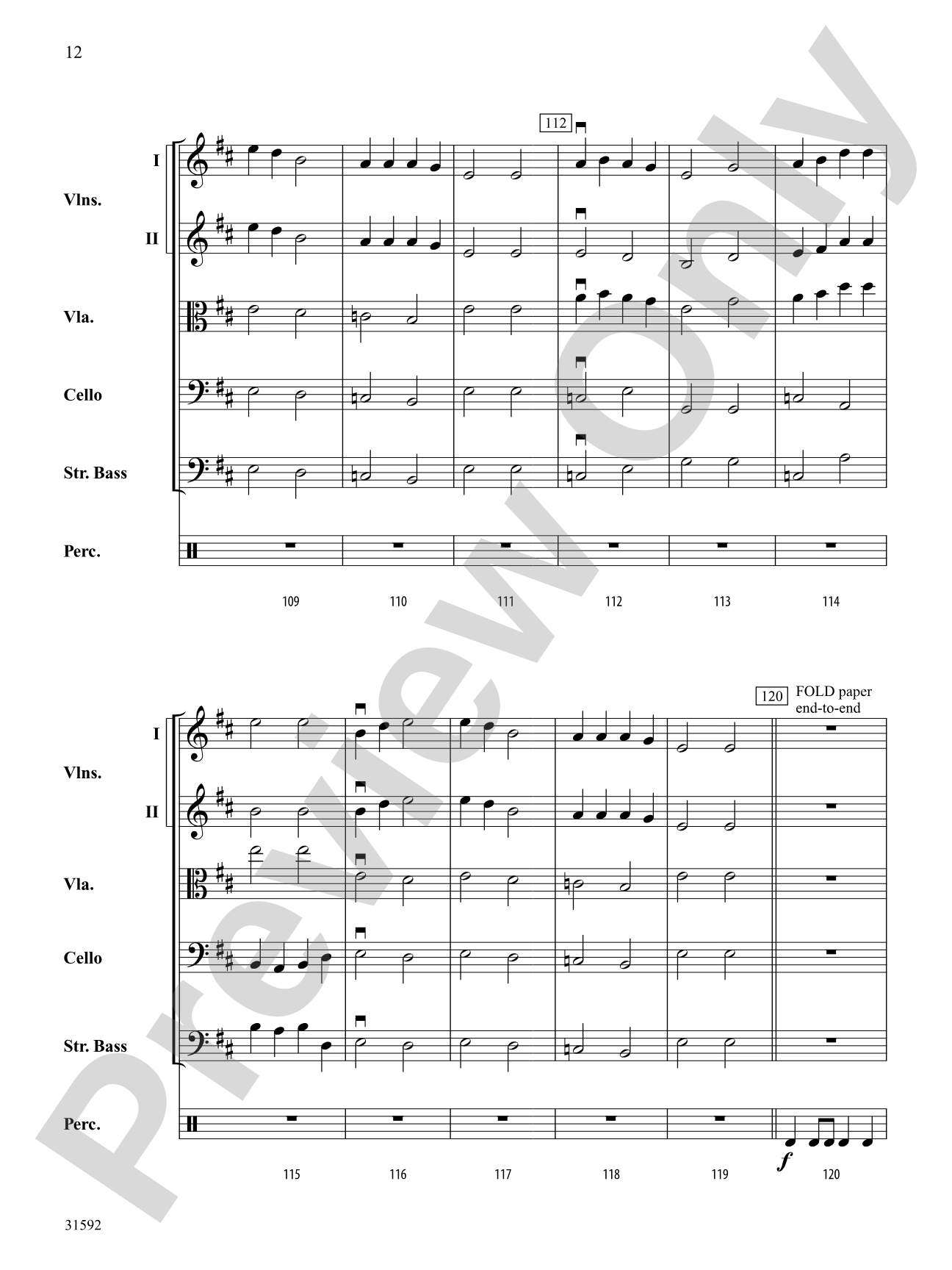
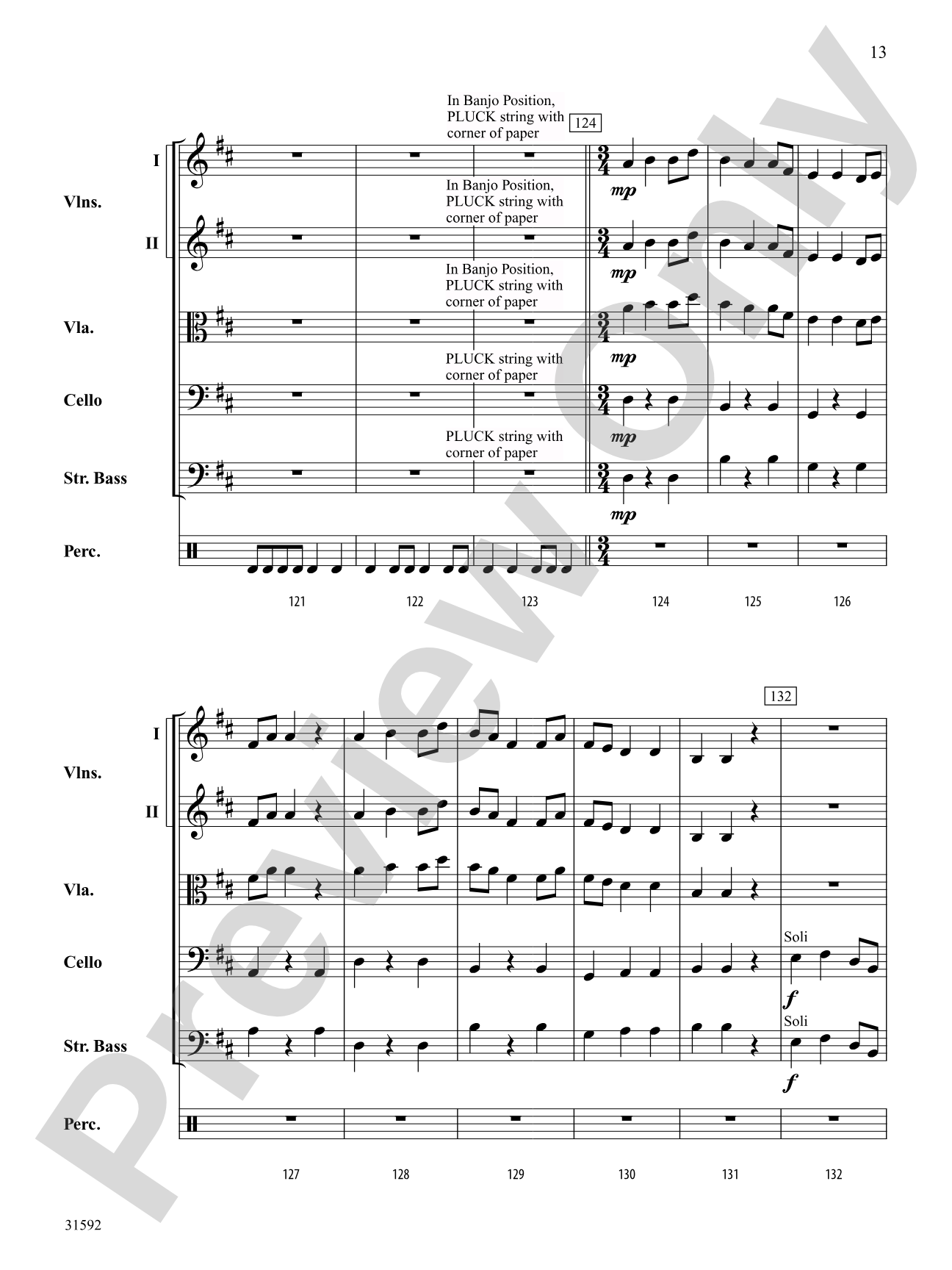
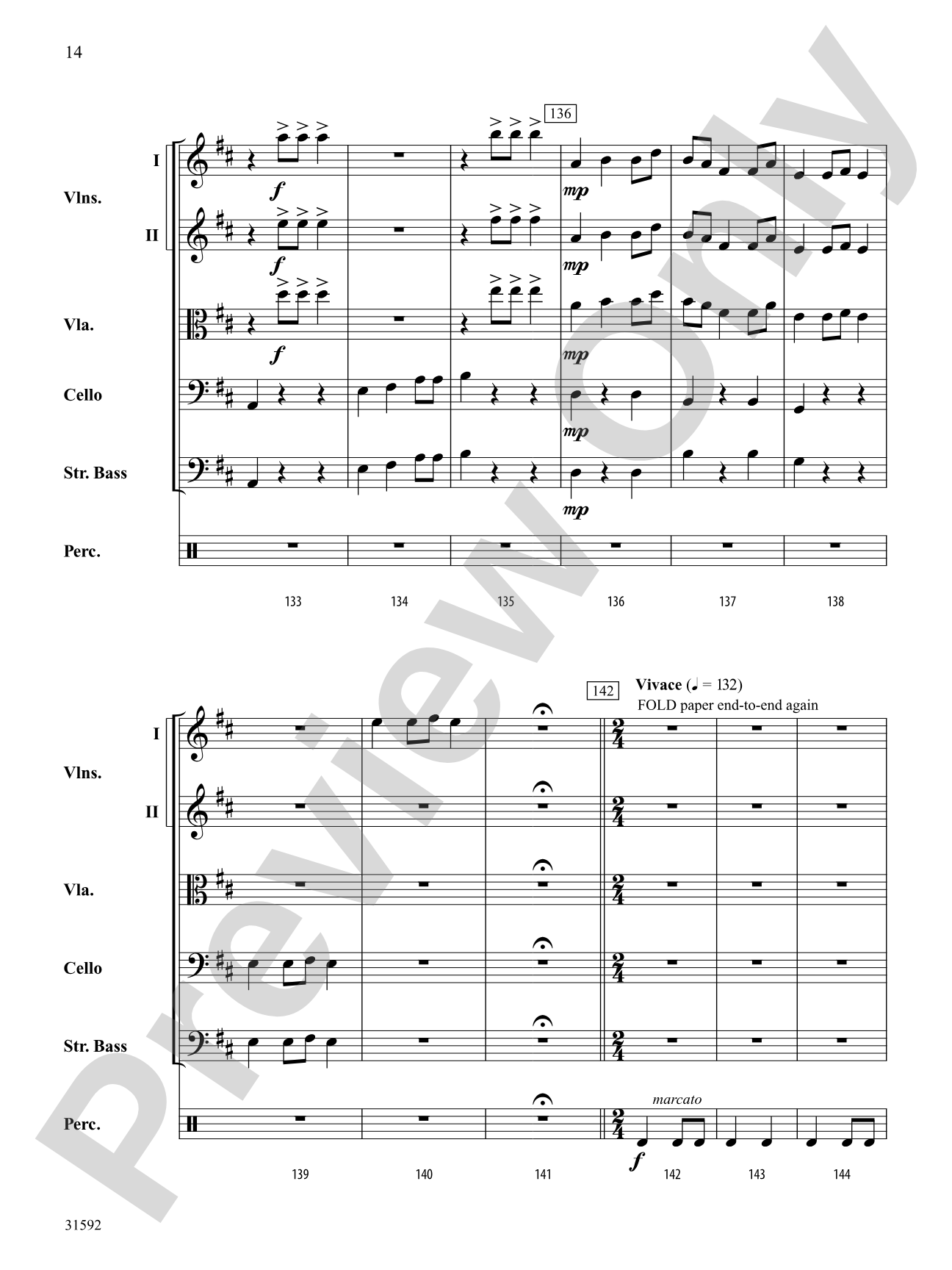
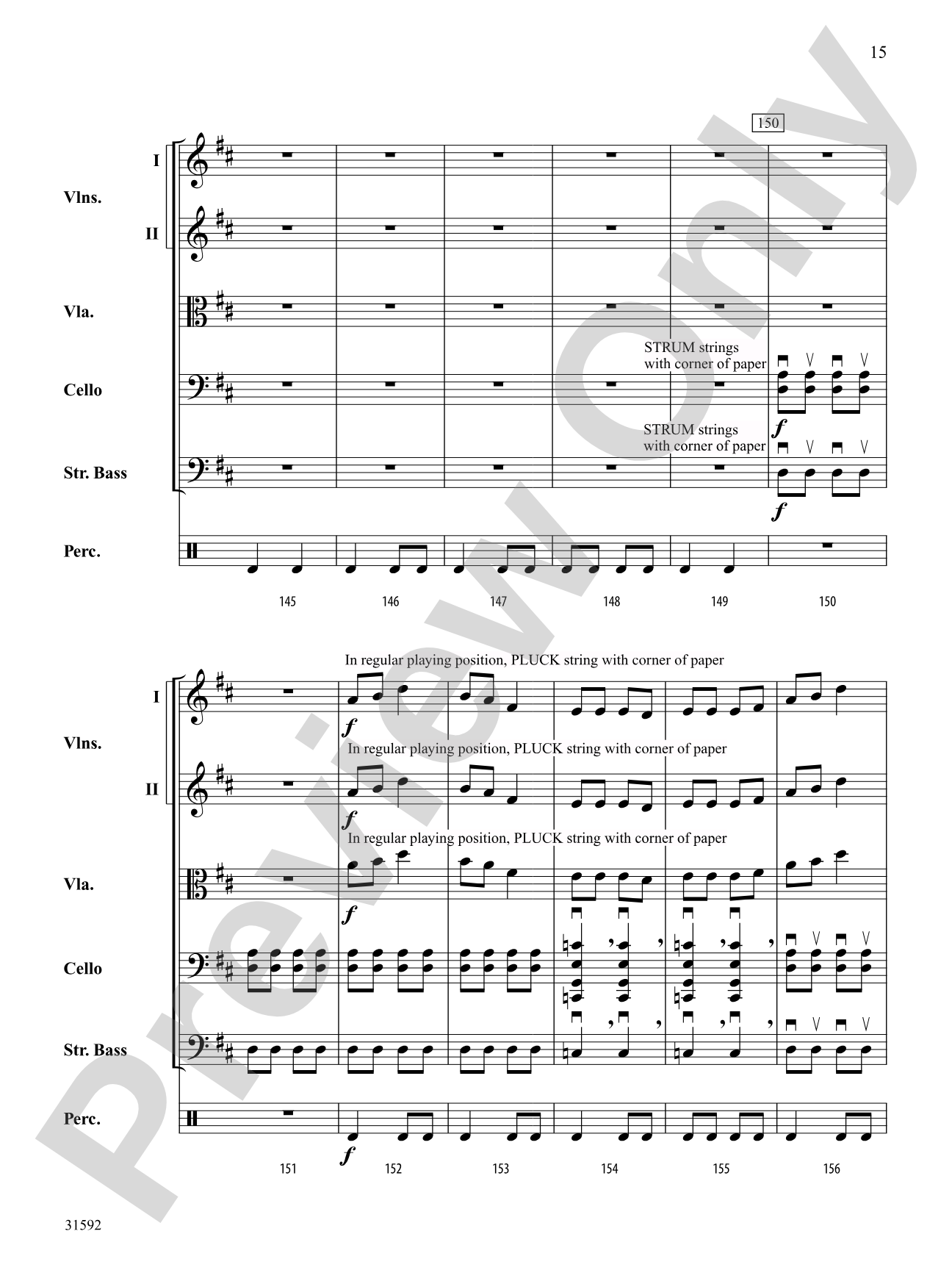
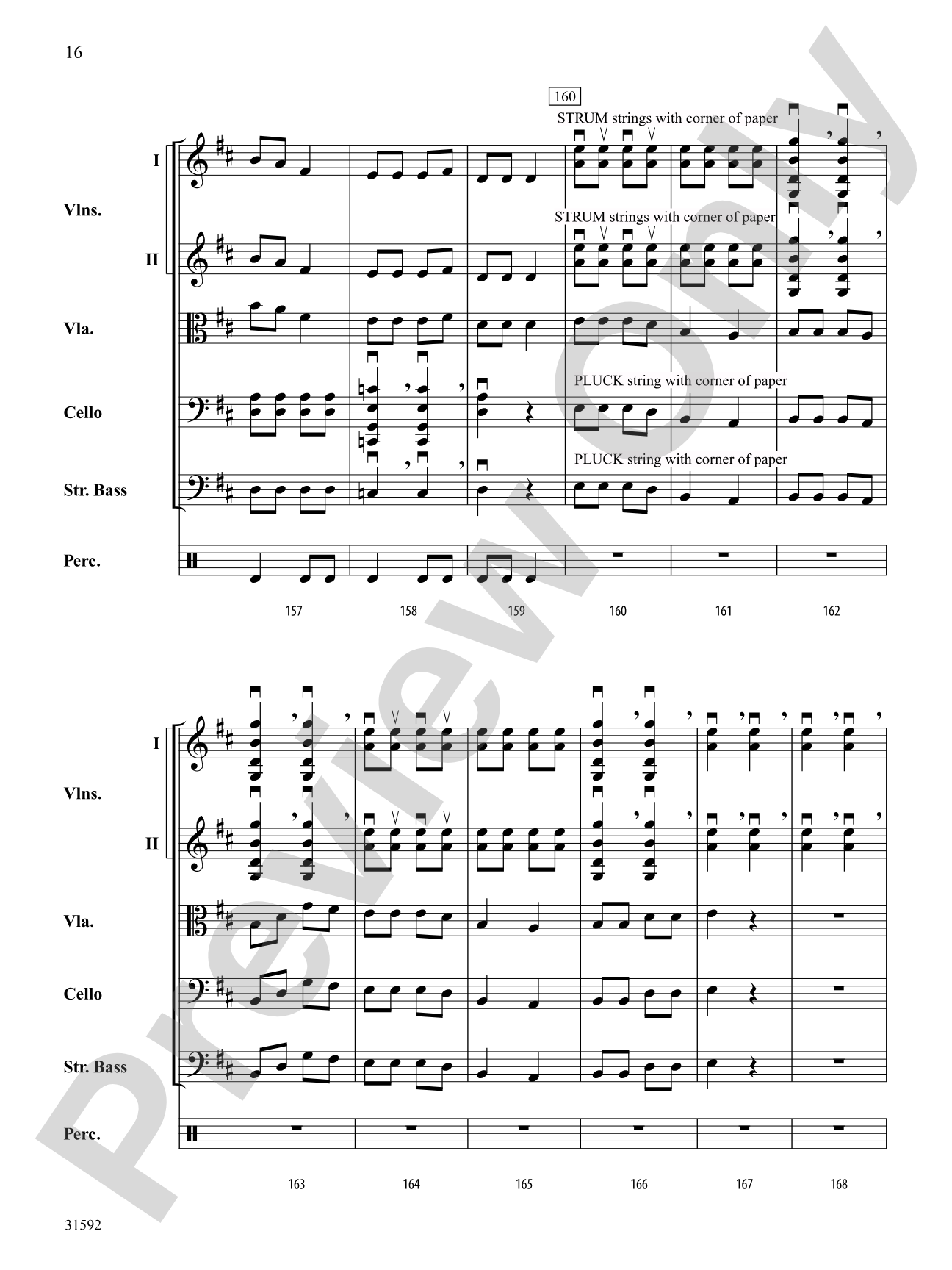

Ear-igami: String Orchestra Conductor Score & Parts
By Richard Meyer
Grade: 2
Item: 00-PK-0001768

$60.00
Pickup currently not available
Buy Extra Parts (Digital PDF Download)
| Product | Price | Quantity |
|---|---|---|
| Ear-igami: Score | $10.00 | |
| Ear-igami: 1st Violin | $5.99 | |
| Ear-igami: 2nd Violin | $5.99 | |
| Ear-igami: Viola | $5.99 | |
| Ear-igami: Cello | $5.99 | |
| Ear-igami: String Bass | $5.99 | |
| Ear-igami: 1st Percussion | $5.99 |
Parts Added to Cart!
Description
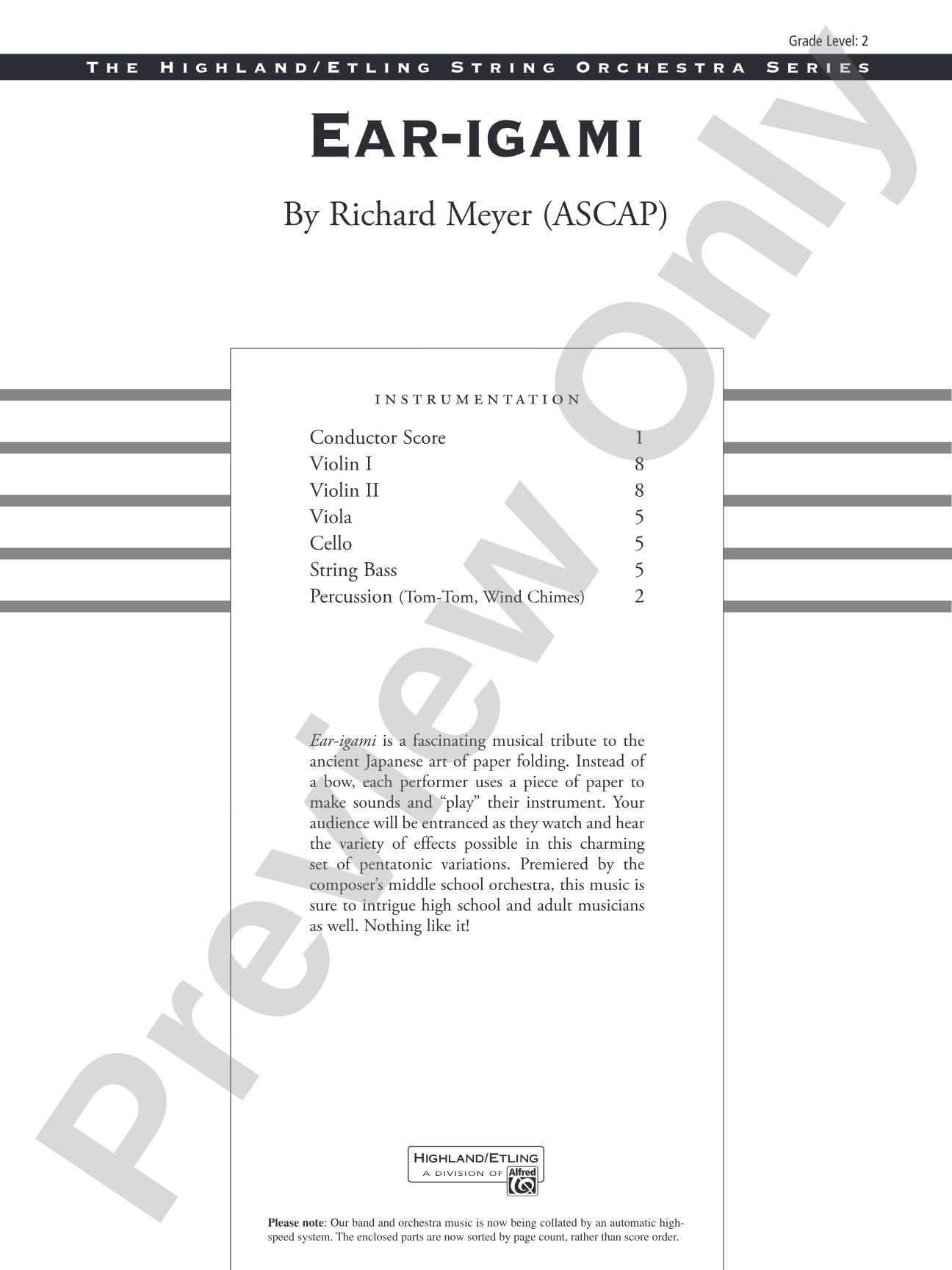
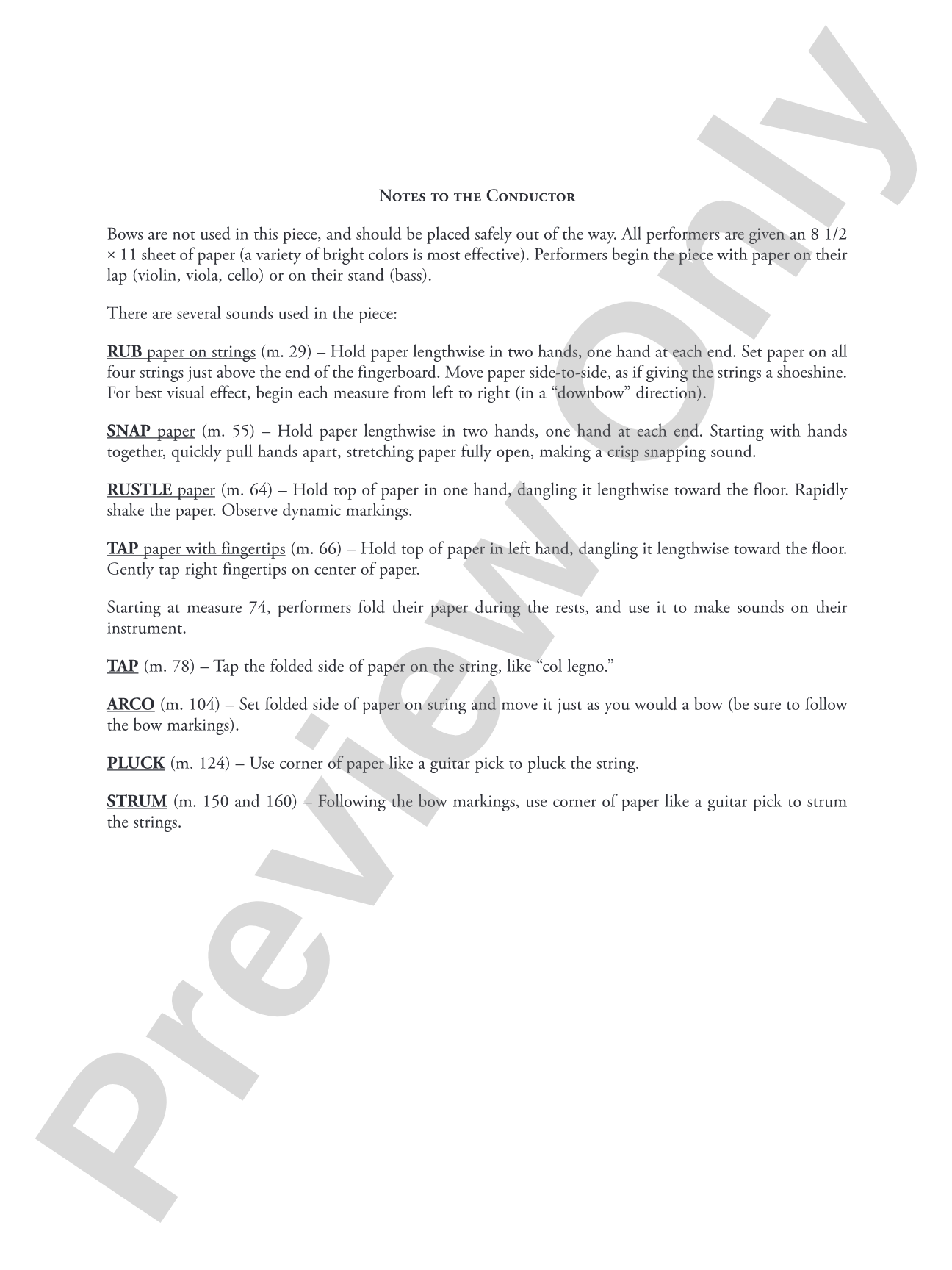
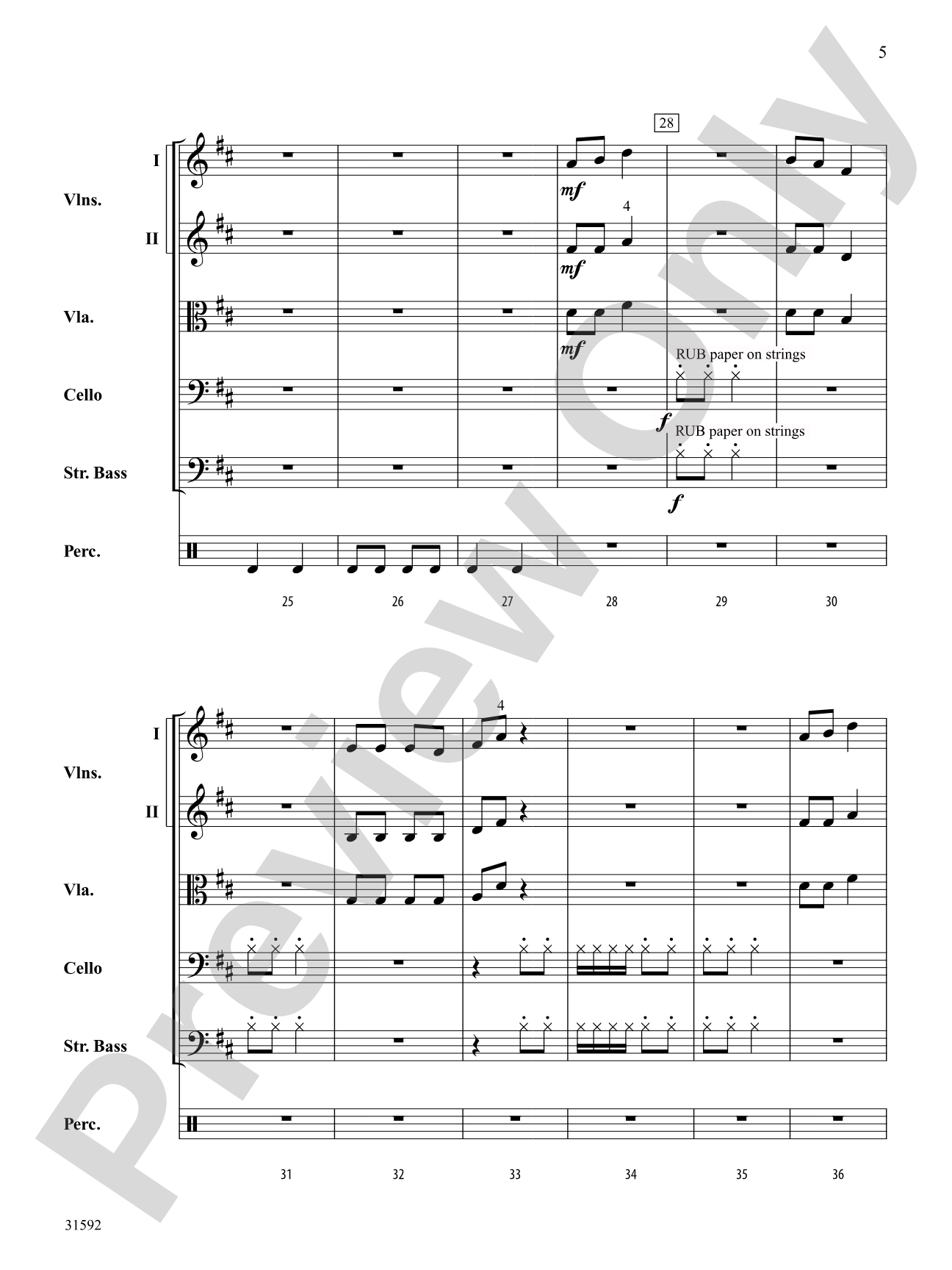
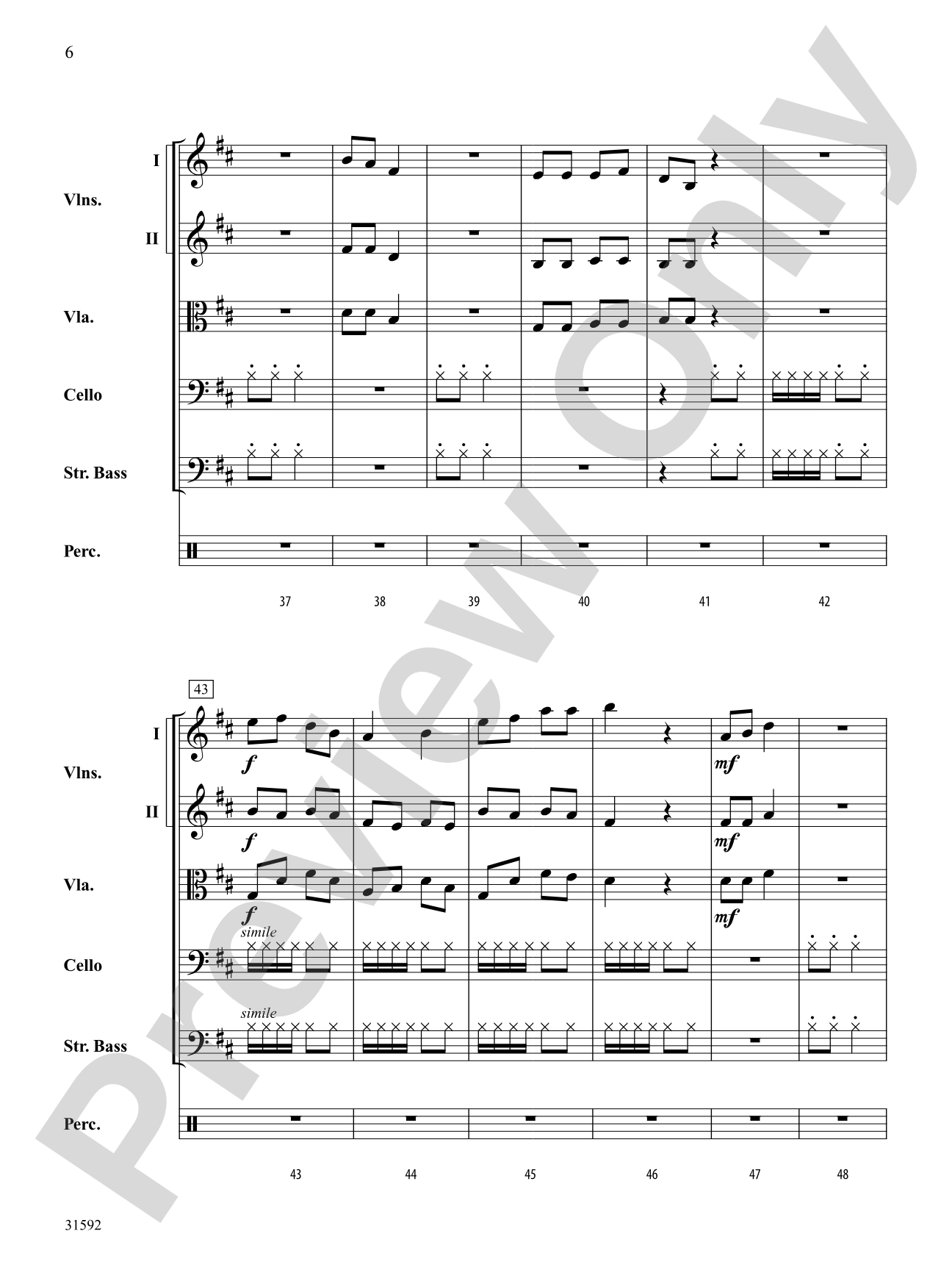
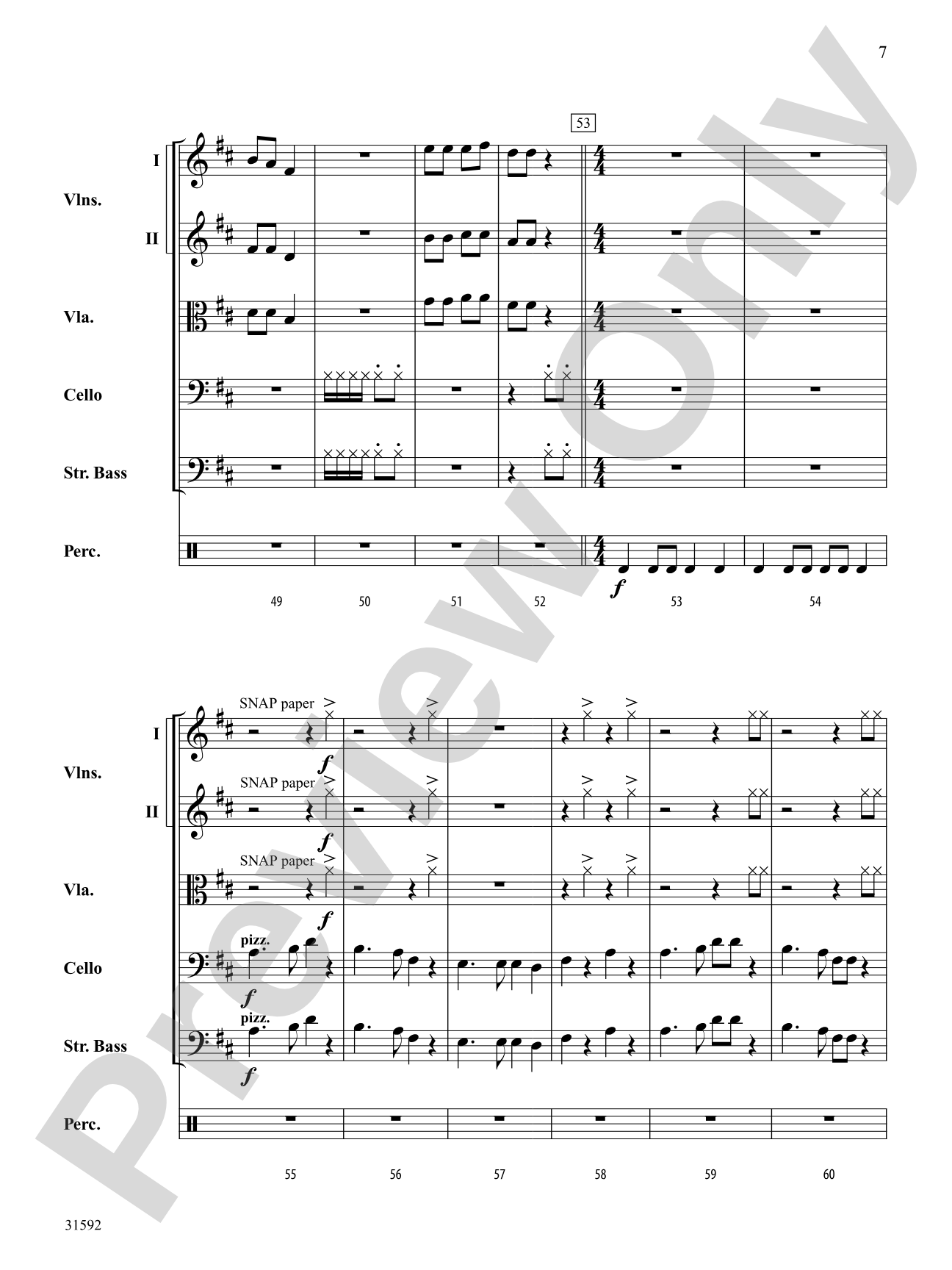
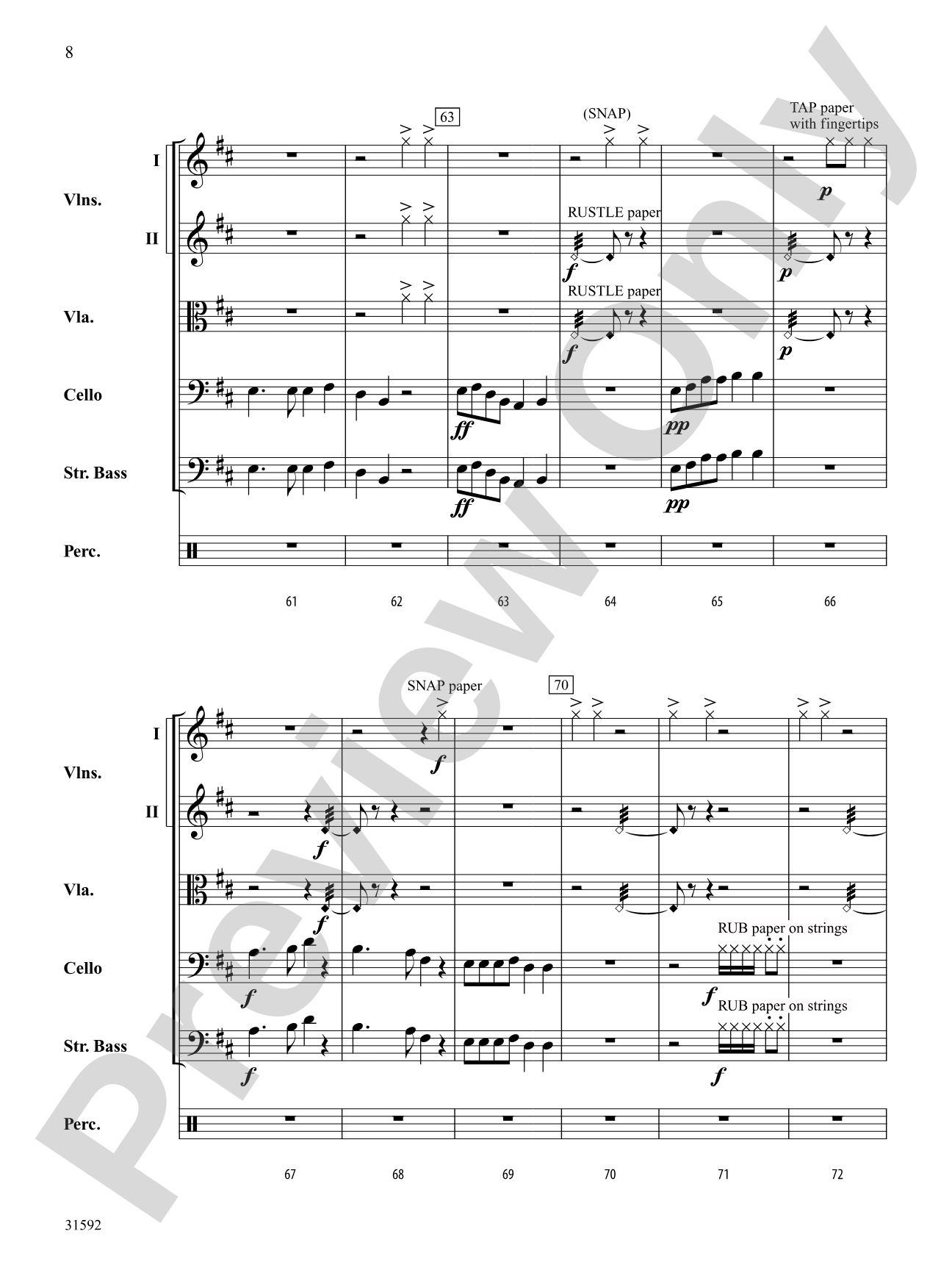
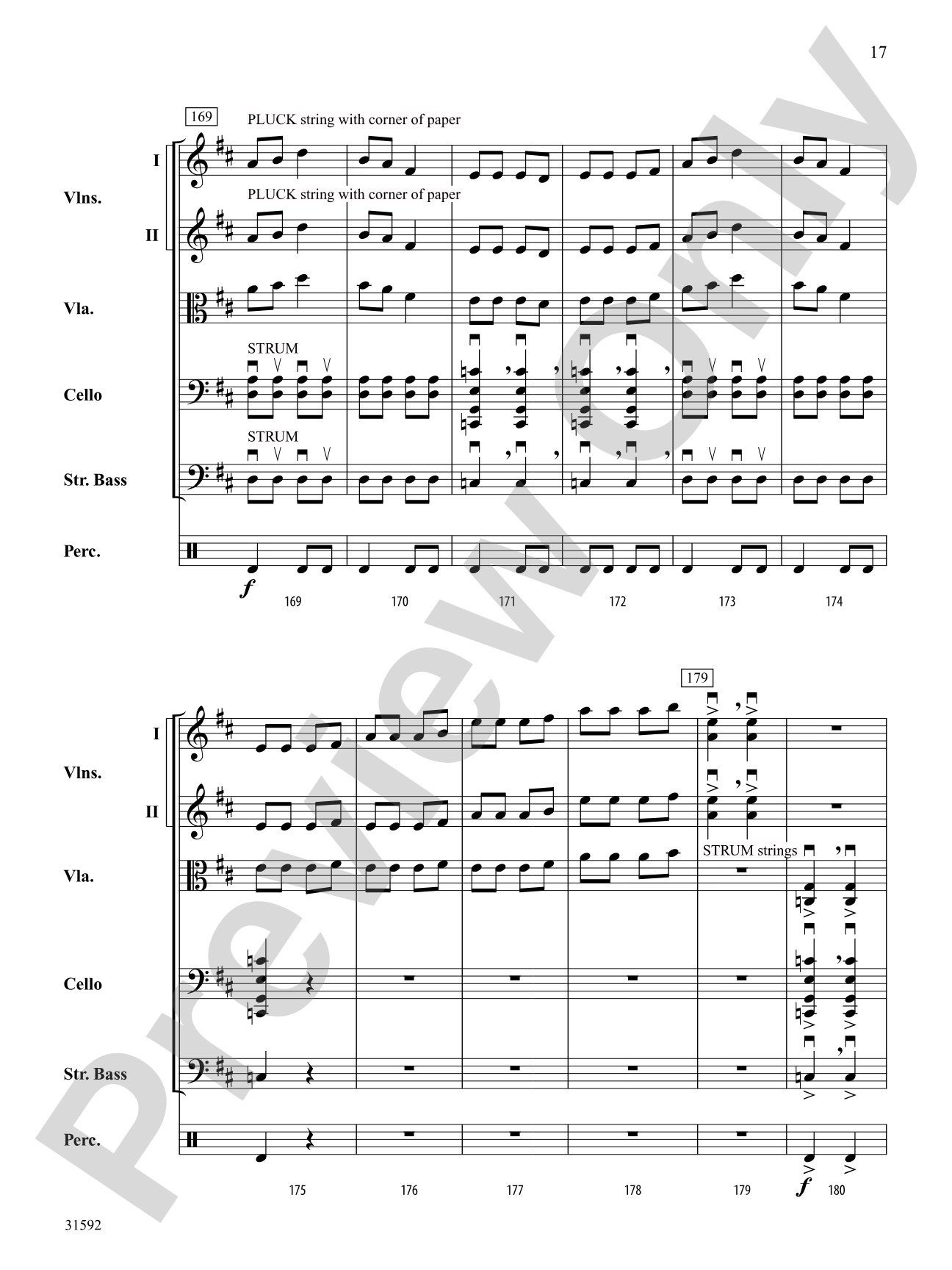
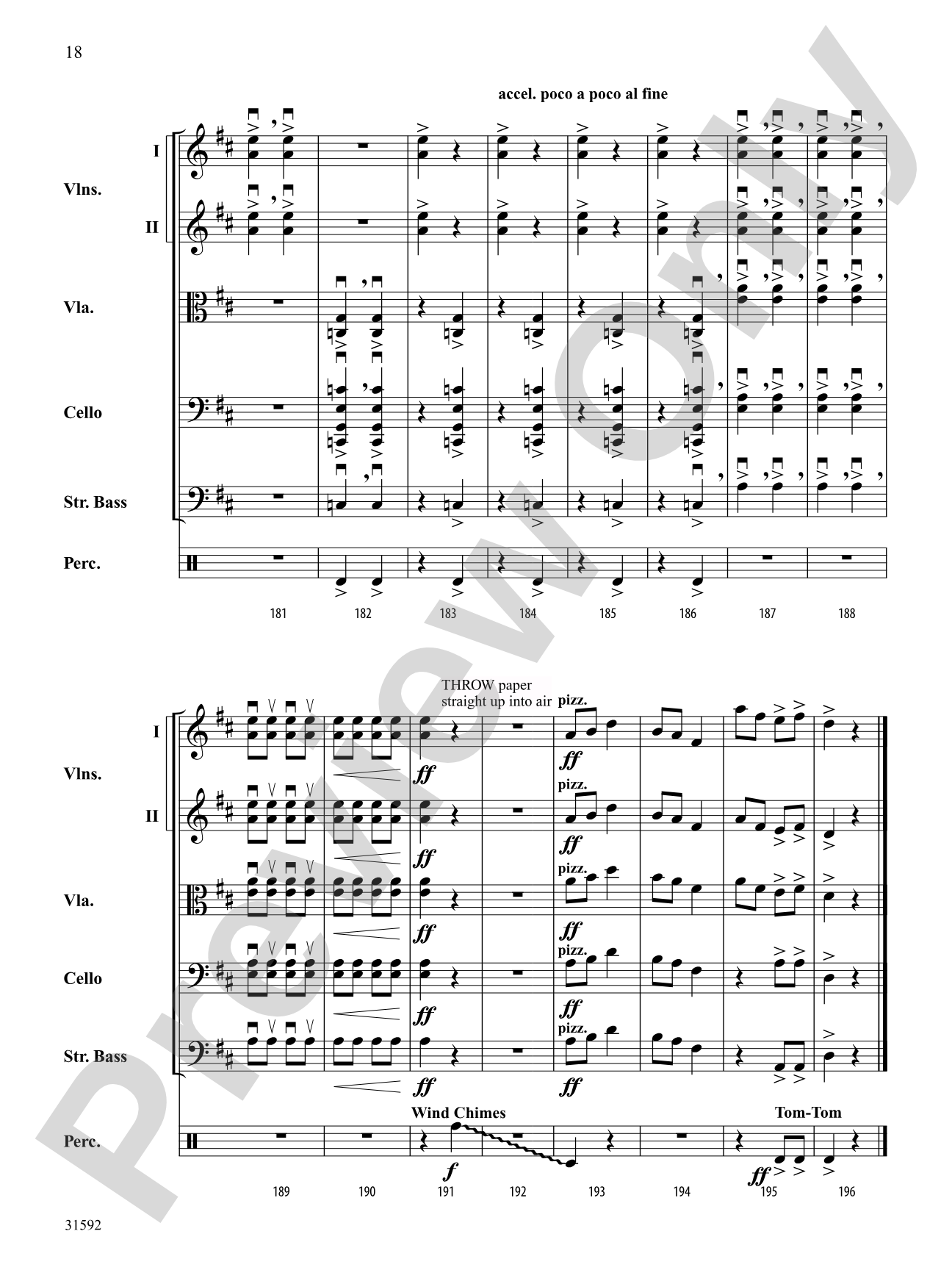
Ear-igami is a fascinating musical tribute to the ancient Japanese art of paper folding. Instead of a bow, each performer uses a piece of paper to make sounds and "play" their instrument. Your audience will be entranced as they watch and hear the variety of effects possible in this charming set of pentatonic variations. Premiered by the composer's middle school orchestra, this music is sure to intrigue high school and adult musicians as well. Nothing like it! This title is available in MakeMusic Cloud.


Don't just read it, hear it, play along with it, and watch your students grow with it. In MakeMusic Cloud, Ear-igami: String Orchestra Conductor Score & Parts comes alive with professional accompaniment, adjustable tempo, and built-in practice tools that turn solo practice into real progress.
Open in the Player
Jump straight in and assign it today.
Start Your Free Trial
Open this title and explore the full library in minutes.
Sample Audio
1
Audio File
--:--
0:00
0:00
Sample Video
Additional Details
Series:
Highland/Etling String Orchestra
Publisher:
Alfred Music
Page Count:
132
SKU:
00-PK-0001768
More about this title
About the Composer: Richard Meyer

Richard Meyer brings three decades of string teaching experience into every score he writes. He grew the orchestra program at Oak Avenue Intermediate School from 29 students to 200, directed the Pasadena Youth Symphony Orchestra for 16 years, and founded the nationally recognized "Giving Bach" program, which uses interactive concerts to reach students with special needs and underserved communities across Southern California. His work as a clinician has taken him to the A.S.T.A. National Conference, state honor orchestras, and universities throughout the country.
With nearly 200 compositions and arrangements published, Meyer combines his deep knowledge of what middle and high school orchestras can accomplish with his gift for writing music that engages both players and audiences. He served as string editor for Alfred Publishing Company for 16 years and co-authored the String Explorer Series and Sight-read It for Strings, establishing himself as a trusted voice in string pedagogy.
Why we love this
Meyer's concept is genuinely inventive without relying on gimmicks. The pentatonic variations give your orchestra real musical content to shape and interpret, while the paper-folding element captures audience attention in a way that feels playful rather than cheap. This is the kind of premiere piece that gets people talking about your program.
What to expect
Charming, inventive, and subtly hypnotic. The pentatonic soundscape creates an almost meditative quality despite the playful instrumentation, inviting audiences into an intimate experience where the visual and sonic elements work together. It feels like watching a composer and conductor share a secret joke with the orchestra.
Who it's for
String orchestras at the high school level and adult ensembles seeking fresh concert repertoire that challenges conventional thinking about what an orchestra can do. Middle school programs ready to move beyond traditional approaches will find it engaging, though the Grade 2 difficulty keeps the focus on the concept rather than technical burden.
How to get the most out of it
- Spend time in sectionals exploring the range of paper sounds before full rehearsal. Crisp, dry, controlled taps are foundational to the ensemble sound.
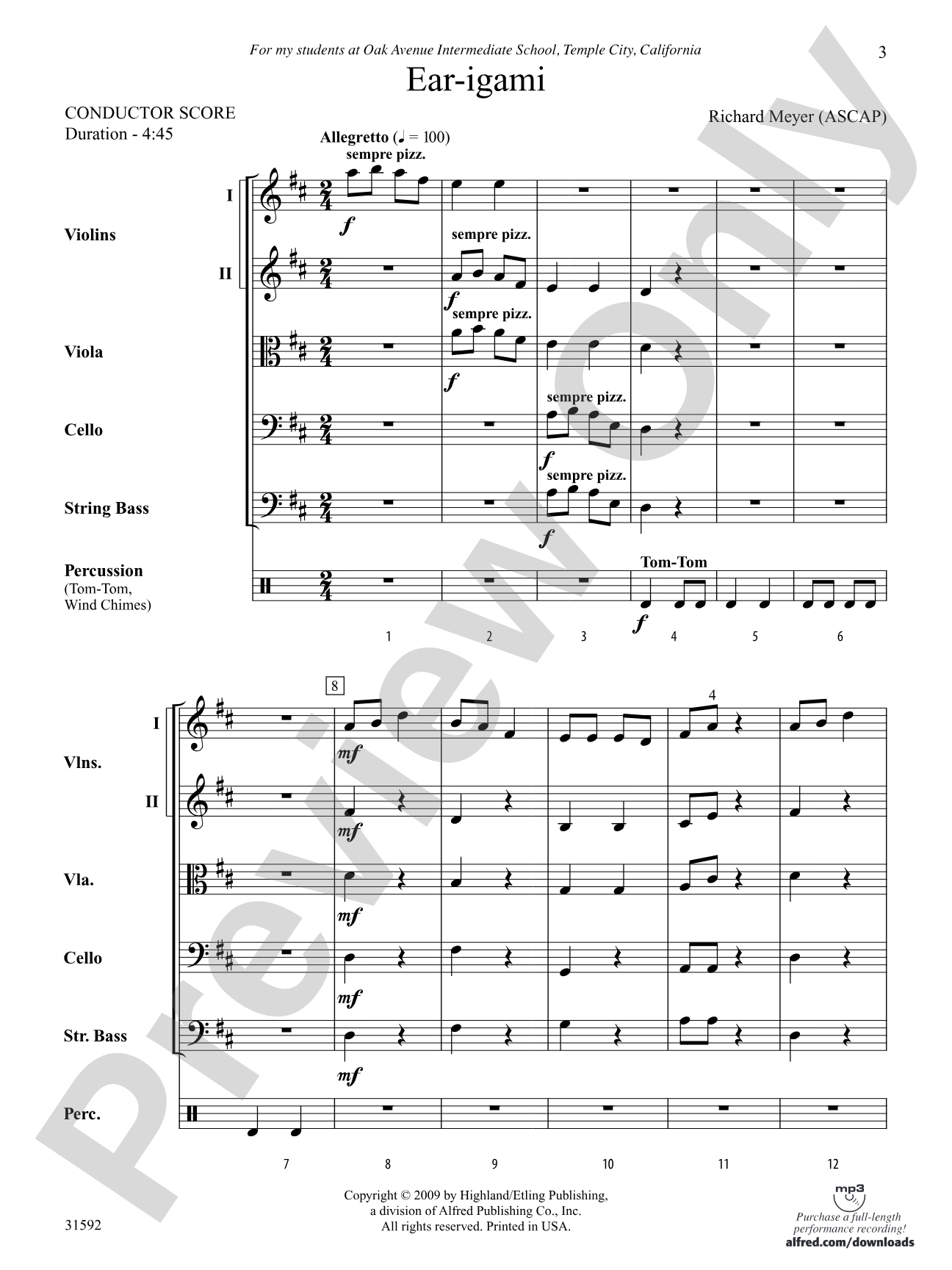
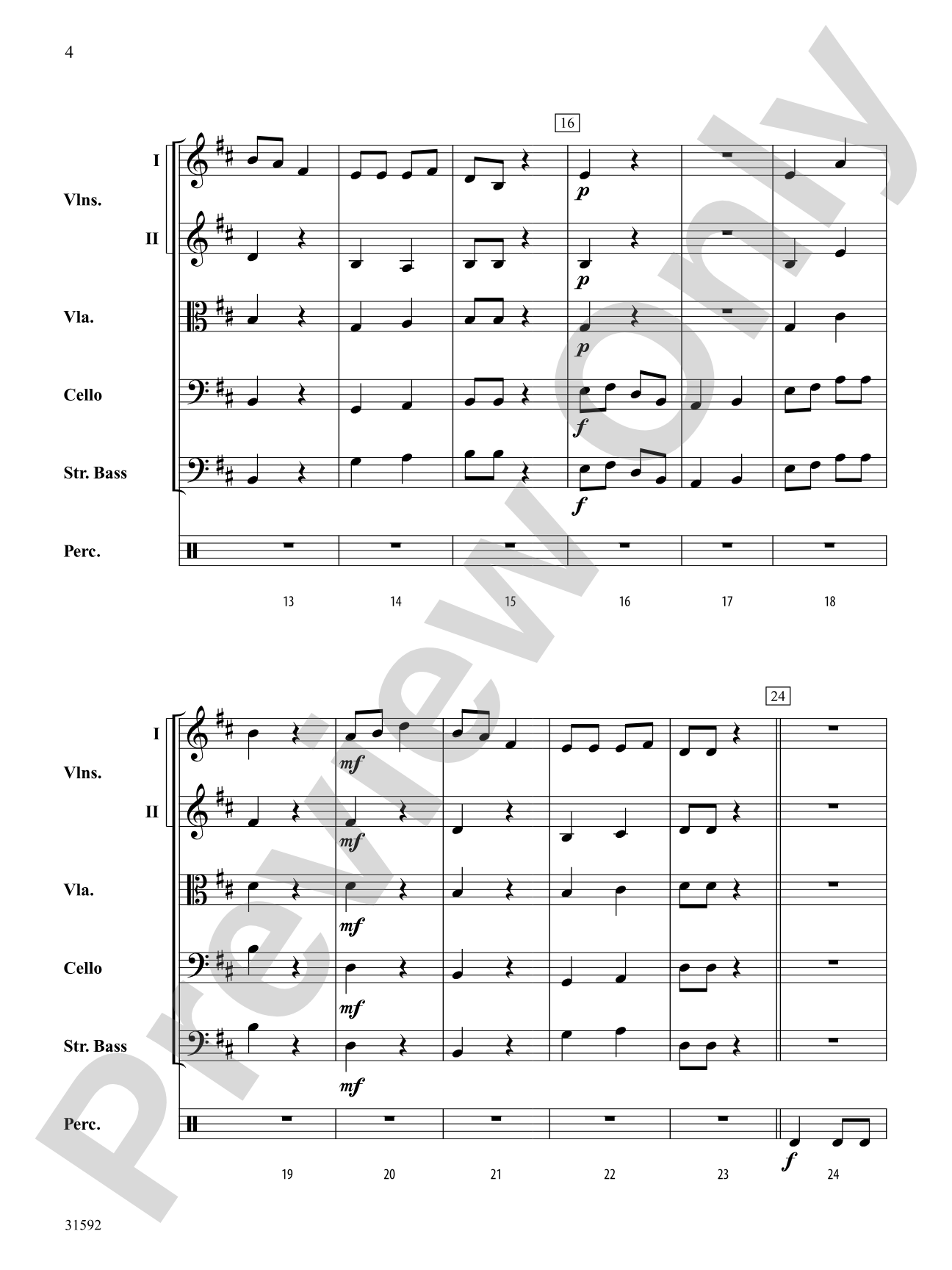
- Balance the melodic line carefully; the pentatonic framework means pitches are limited, so even small dynamic shifts become expressive.
- Establish clear visual cues with the paper technique early. Your musicians need confidence in what they're doing so the audience reads the gesture as intentional music-making.
How to use it
Program this as an opening or encore that immediately signals your concert will surprise people. Its novelty makes it perfect for festival competition or community concert contexts where you want to establish that your ensemble takes musical risks. The 132-page score also works well as a centerpiece in a thematic program exploring unconventional orchestration or world music influences.
Skills your students will build
- Reading and executing non-traditional extended techniques on string instruments
- Ensemble precision and visual coordination without relying on traditional bow technique
- Listening for balance and blend in pentatonic harmonic contexts
- Connecting physical gesture to musical intention and audience communication