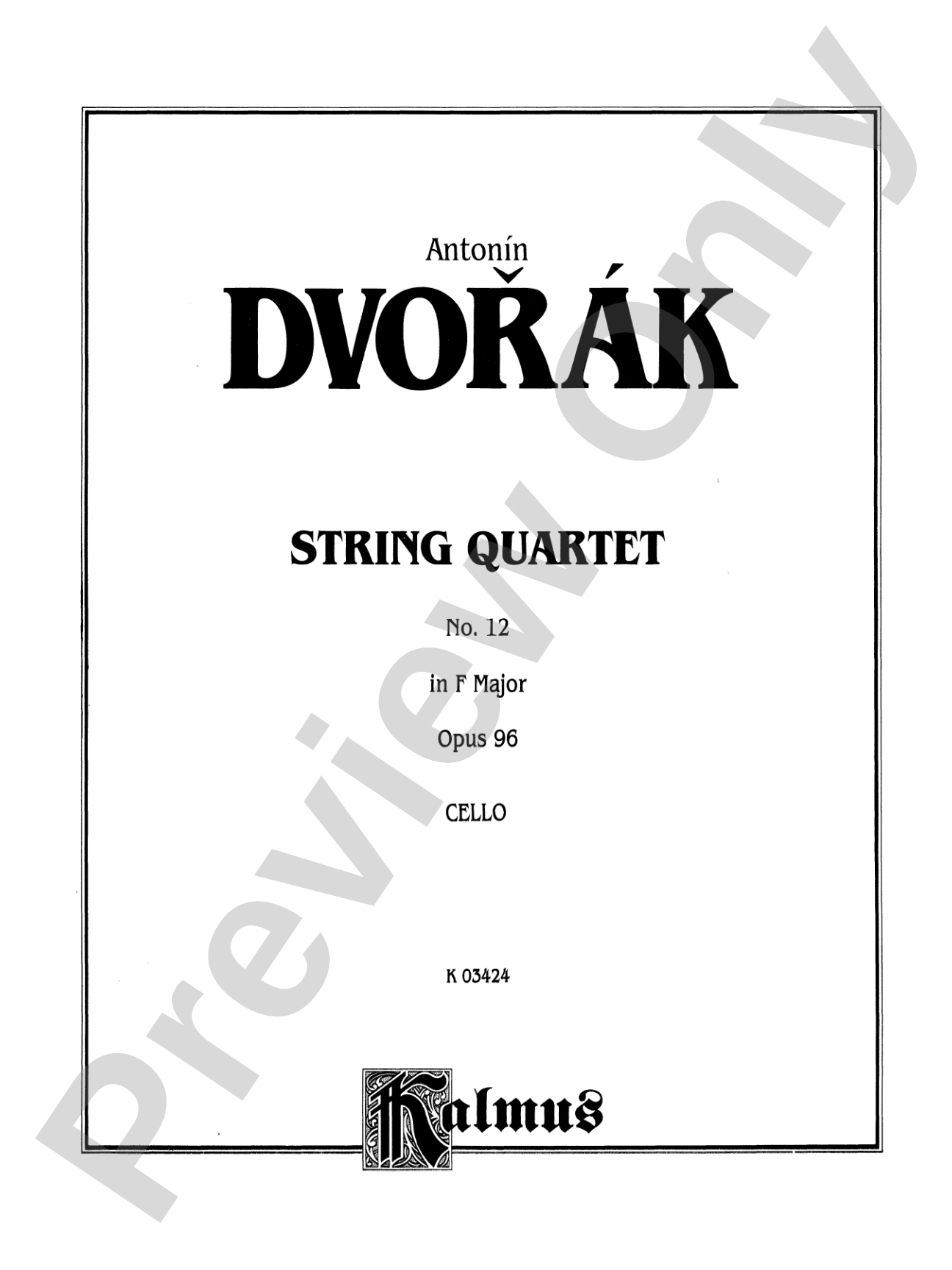
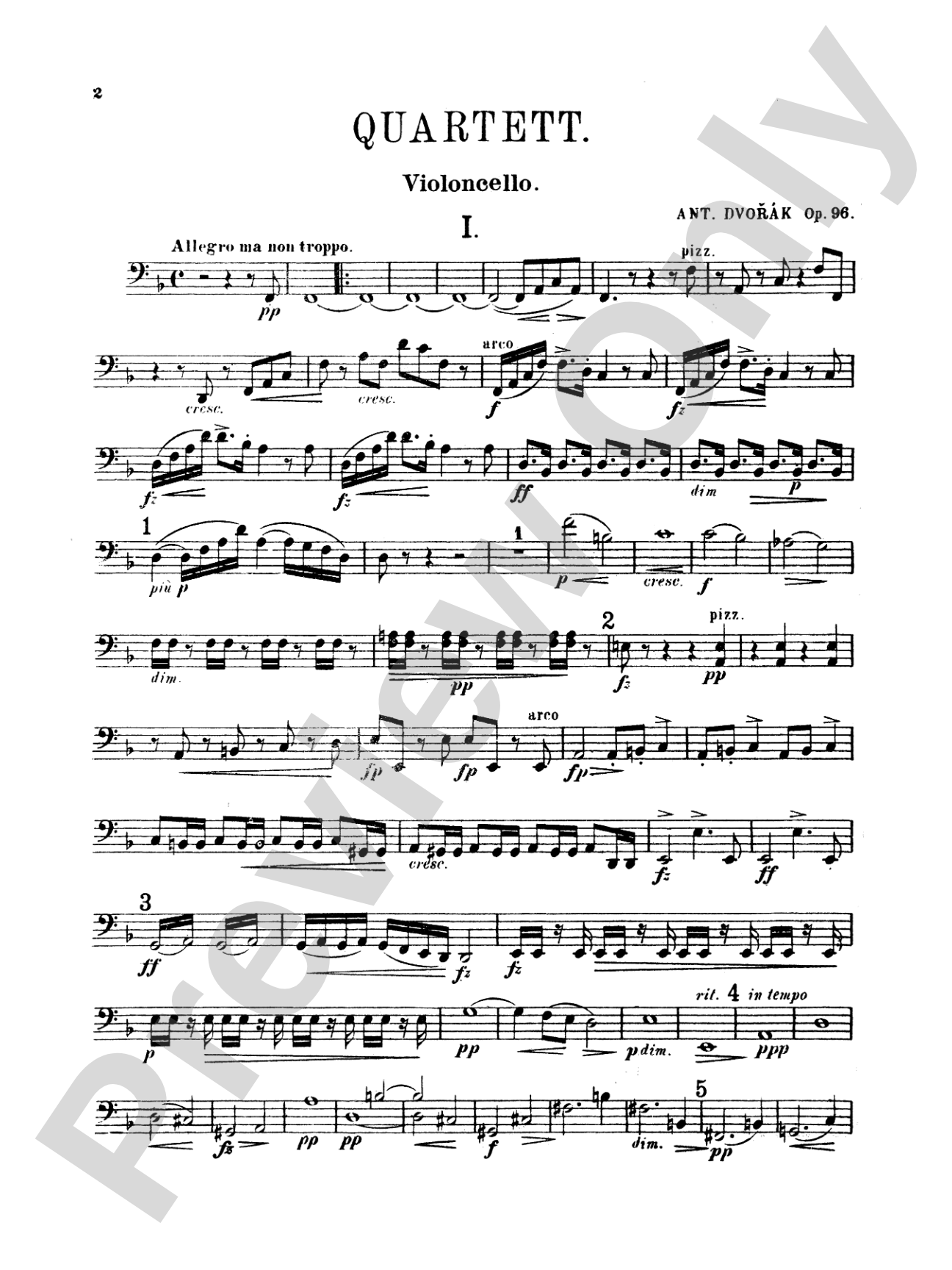
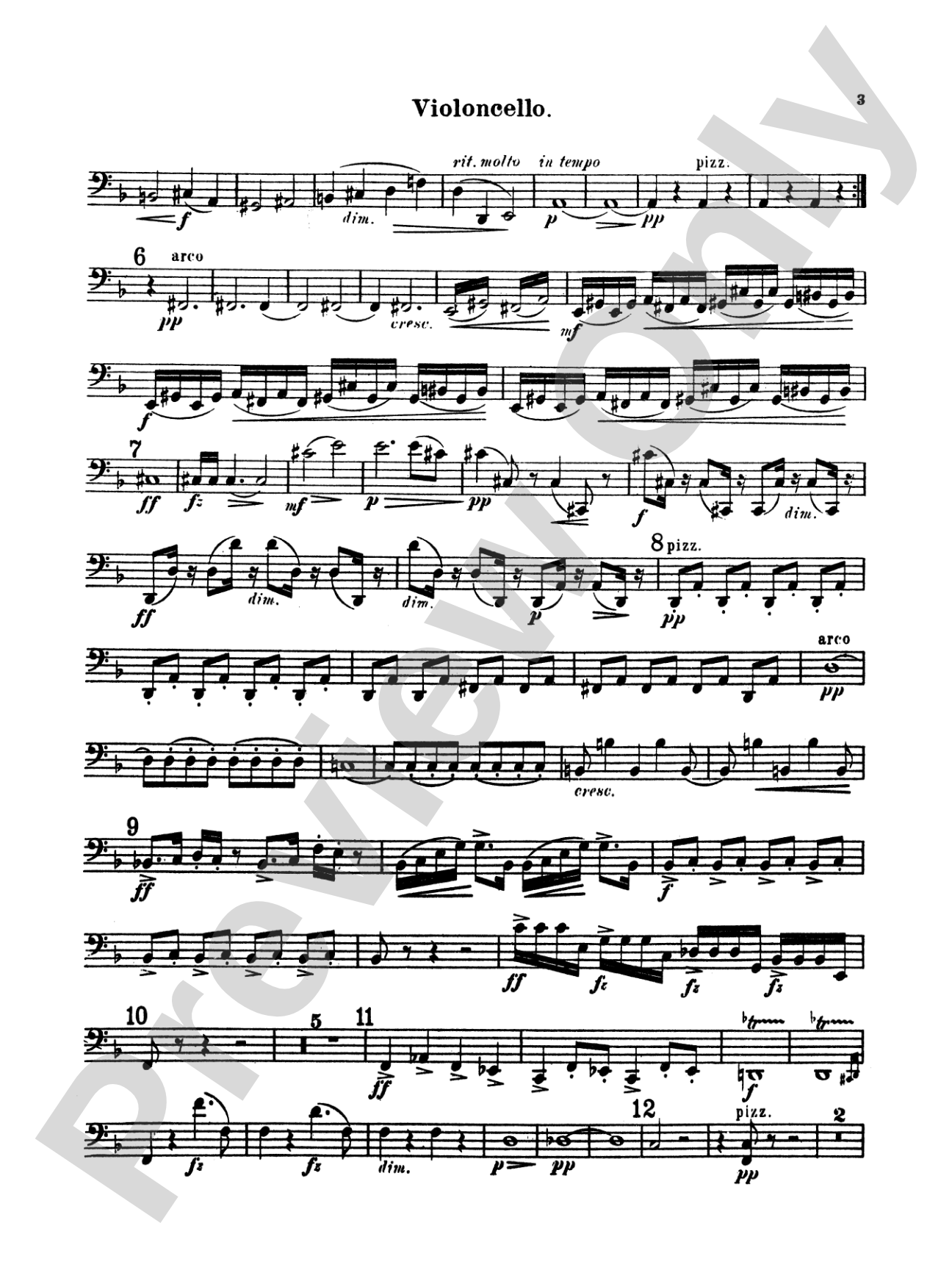
Antonín Dvorák (1841-1904) stands as one of the most significant composers of the Romantic era, bridging European classical traditions with the musical idioms of his native Bohemia. His ability to write with formal sophistication while infusing his work with melodic warmth and folk-inflected harmony made him a dominant force in chamber music, orchestral writing, and opera throughout the latter half of the nineteenth century.
For string quartet players and educators, Dvorák represents an essential link between the Brahmsian quartet tradition and the modern ensemble repertoire. His string quartets, particularly the late works, demand mature musicianship and reward deep interpretive engagement. They remain cornerstones of the quartet canon and offer students a pathway to understanding how Romantic harmonic language can enhance rather than obscure structural clarity.