
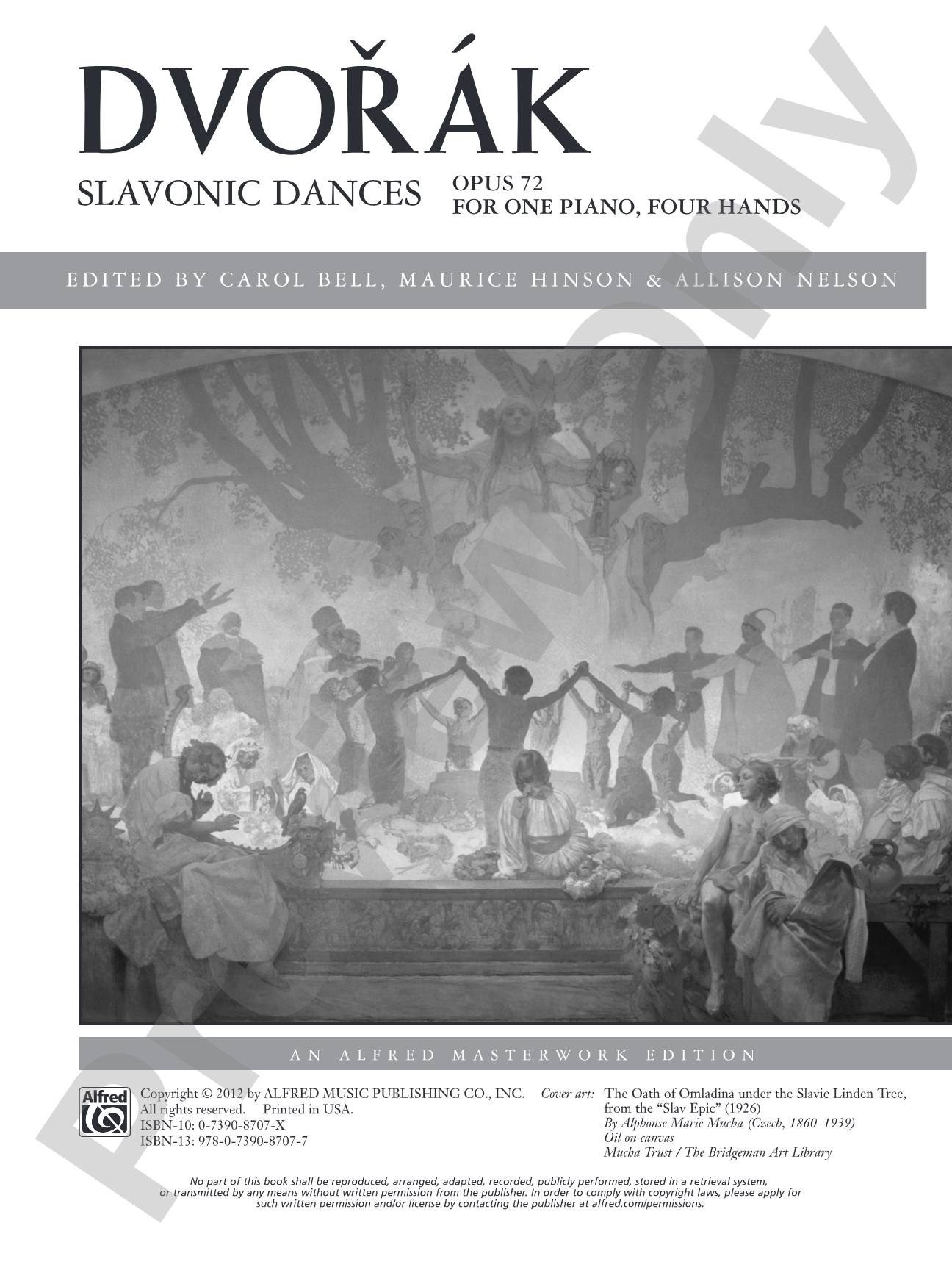
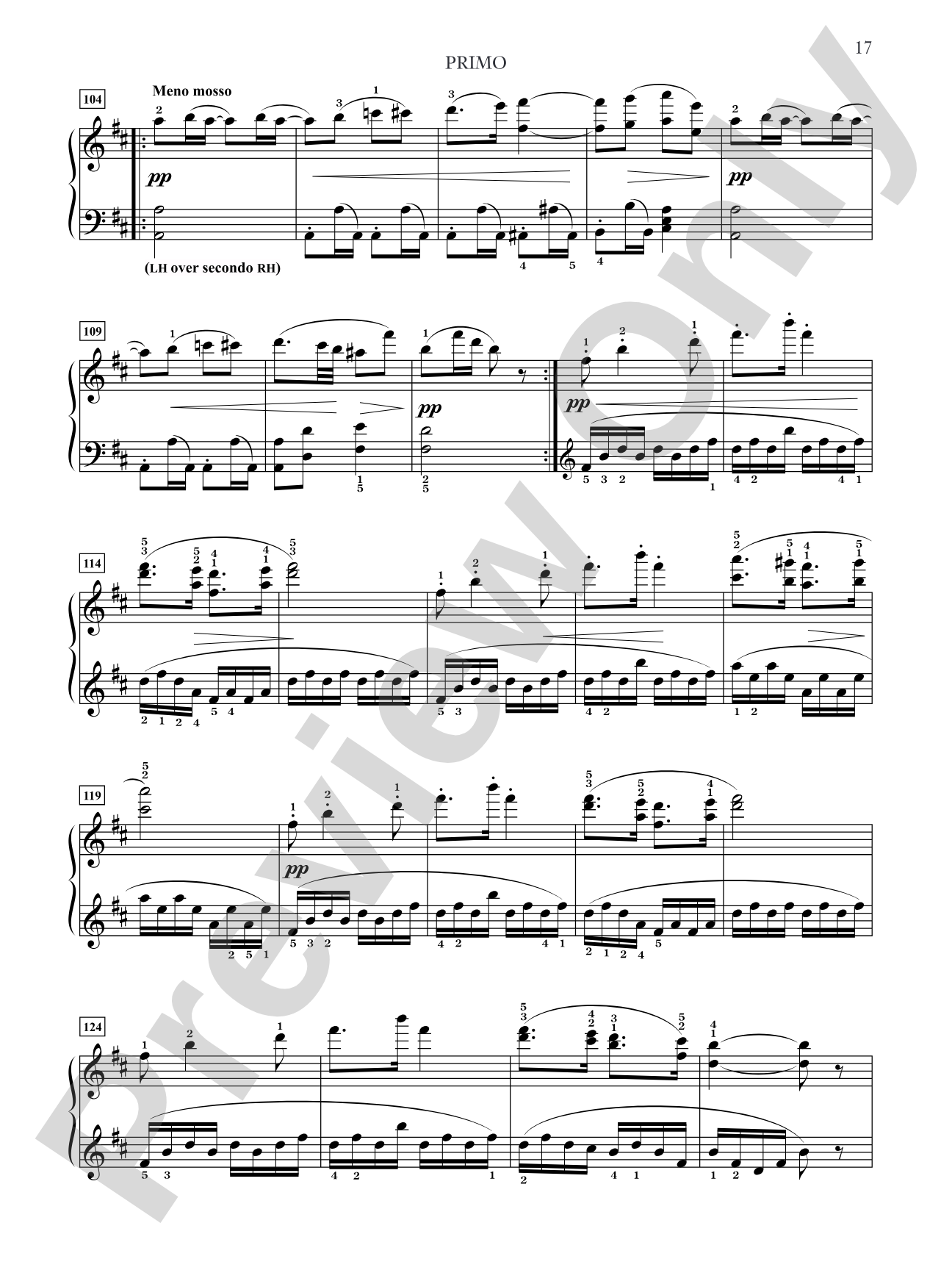
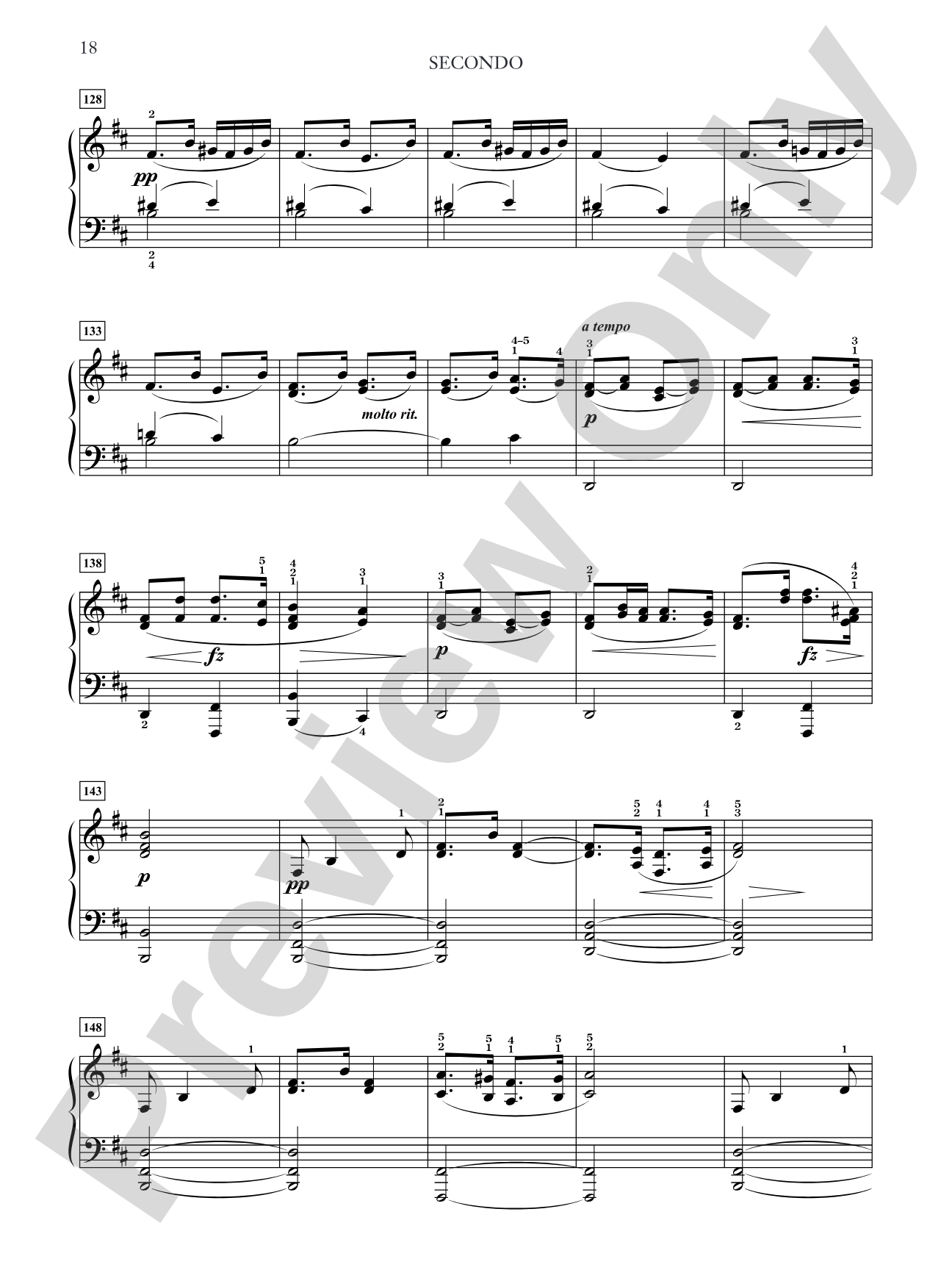
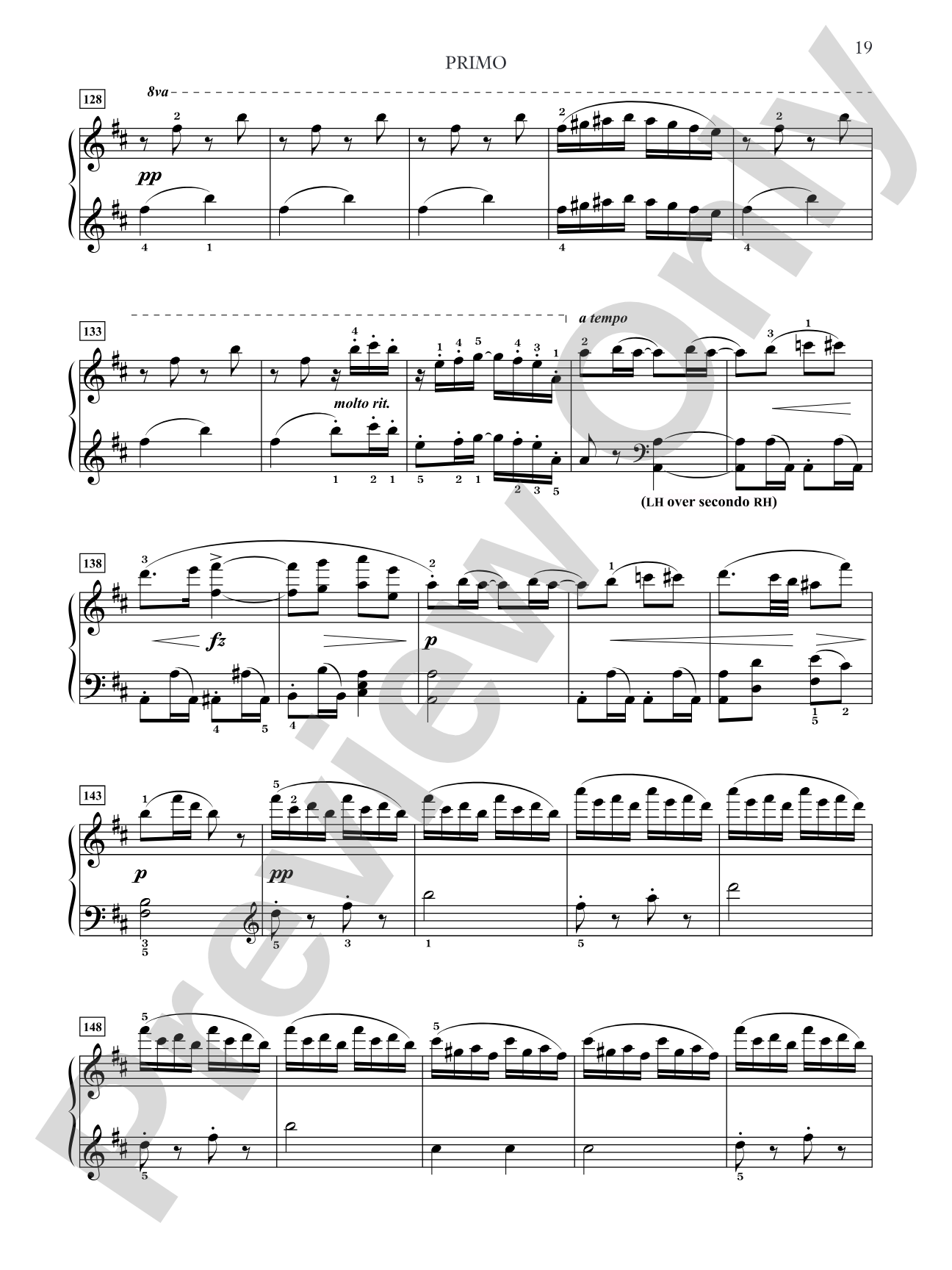
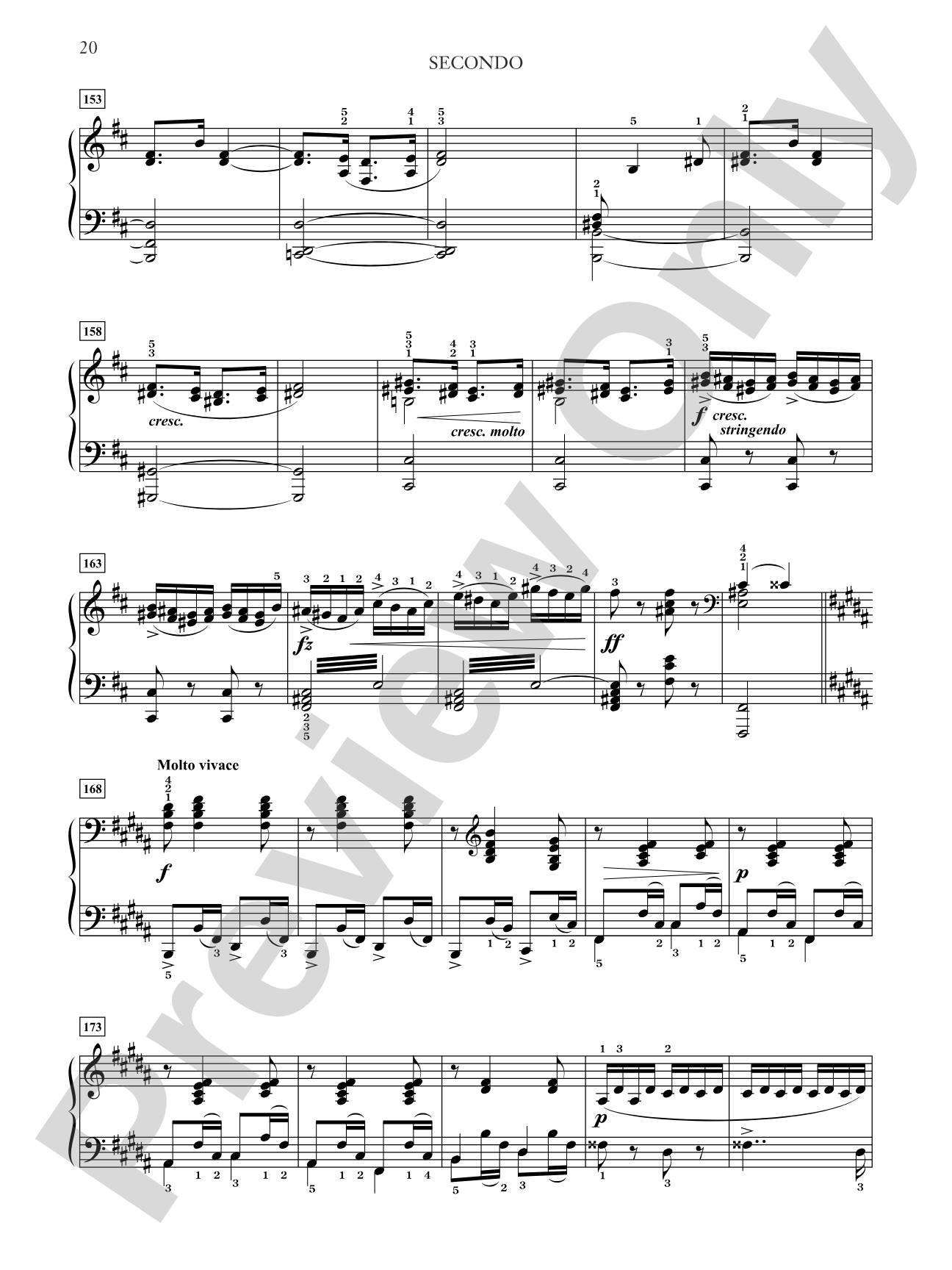

Dvorák: Slavonic Dances, Opus 72 - Piano Duet (1 Piano, 4 Hands): Piano Duets & Four Hands
By Antonín Dvorák / ed. Carol Bell, Maurice Hinson, and Allison Nelson
Level: Advanced
Item: 00-PB-0000640

$12.99
Pickup currently not available
Related Items
Dvorák: Slavonic Dances, Opus 72: Piano Duet (1 Piano, 4 Hands) Book |
$12.99
|
View |
Description
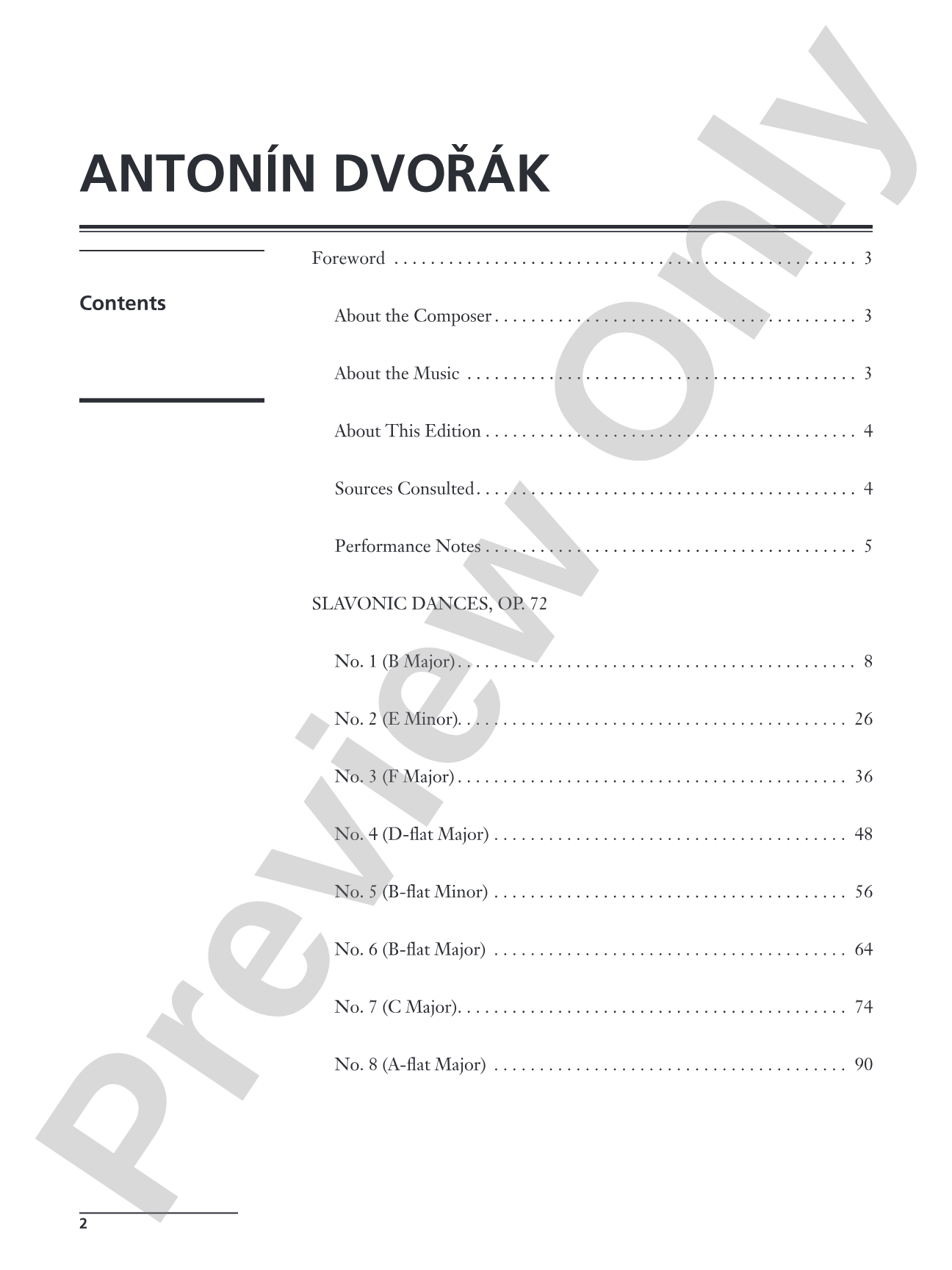
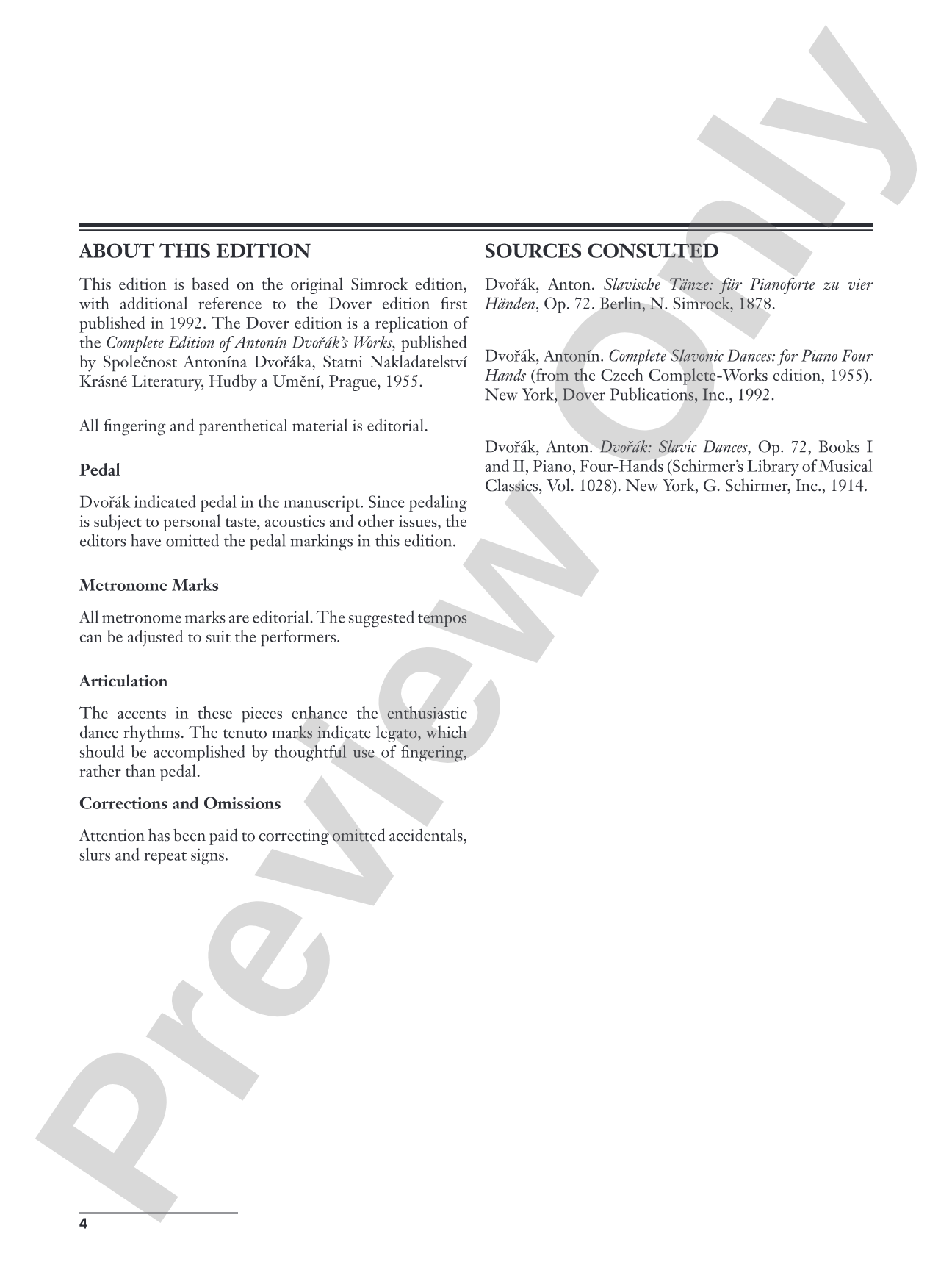
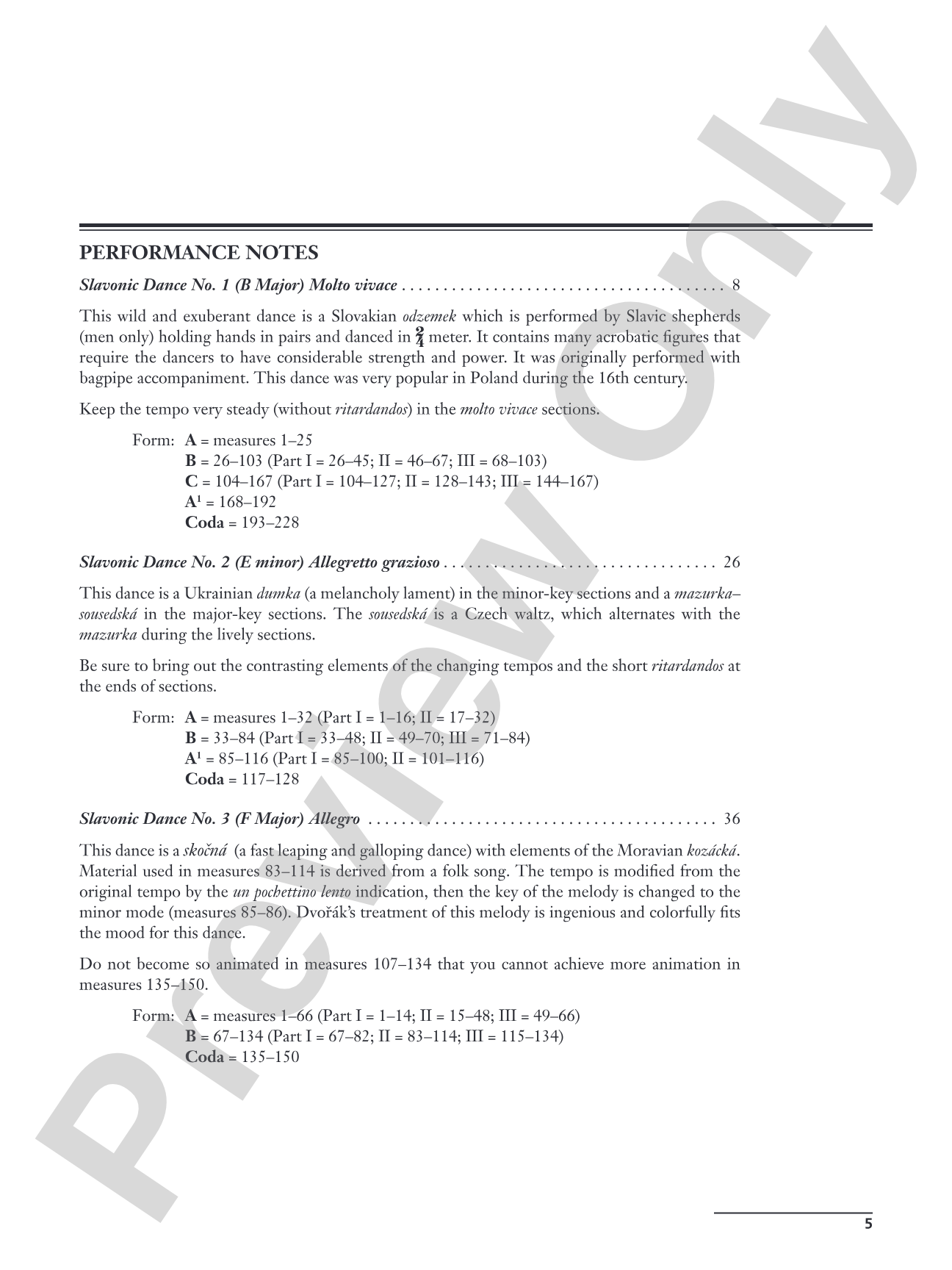
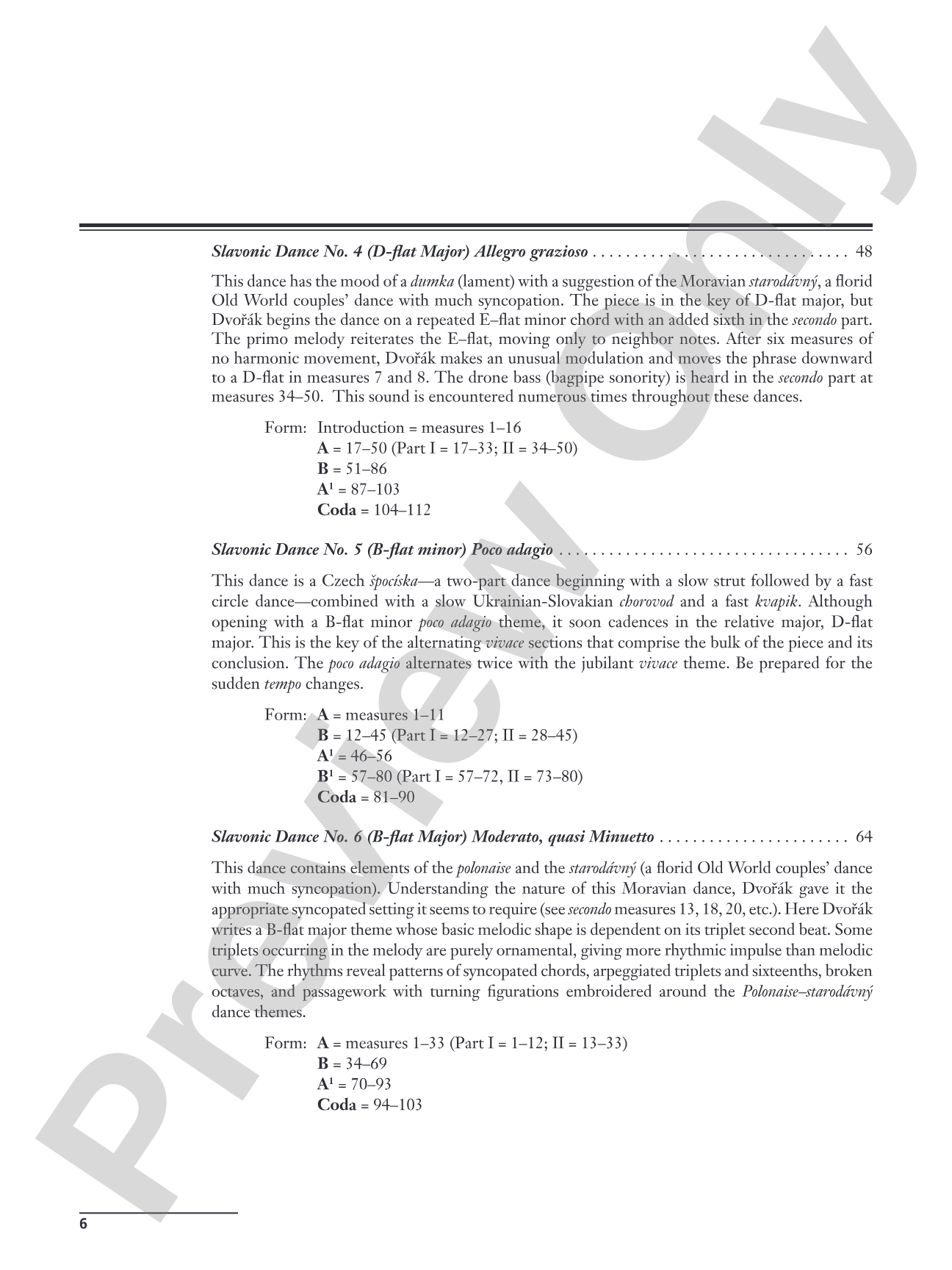
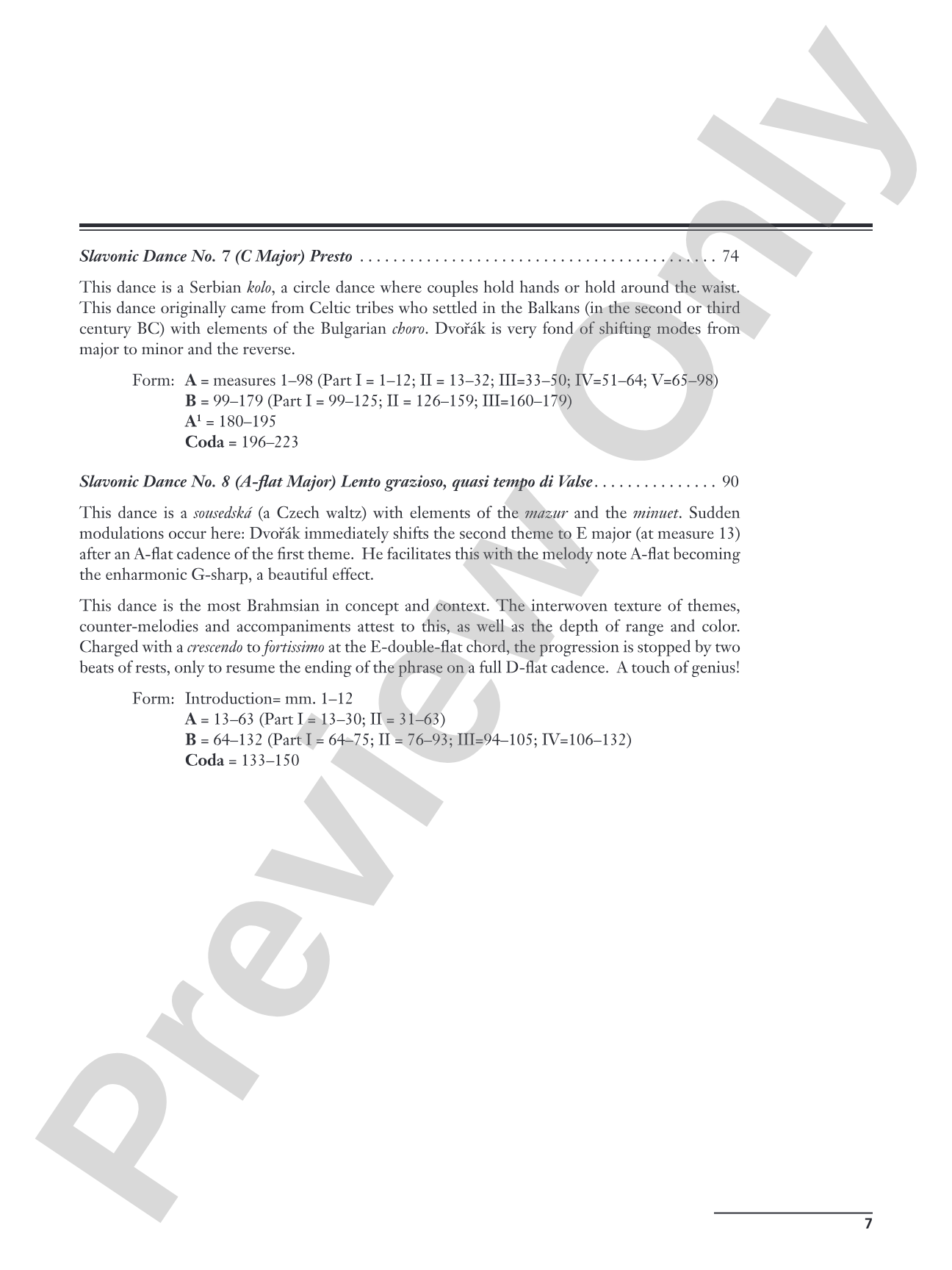
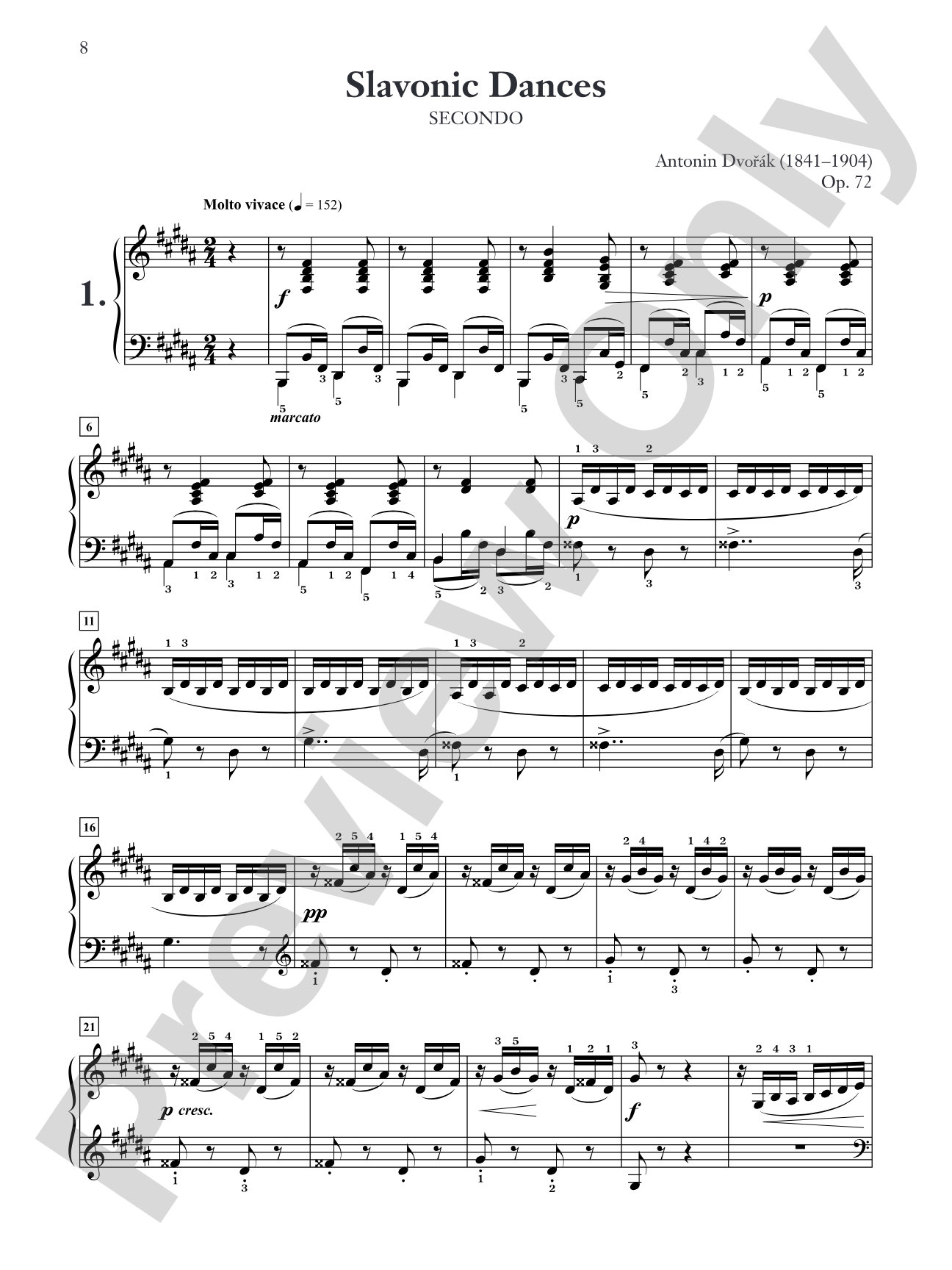
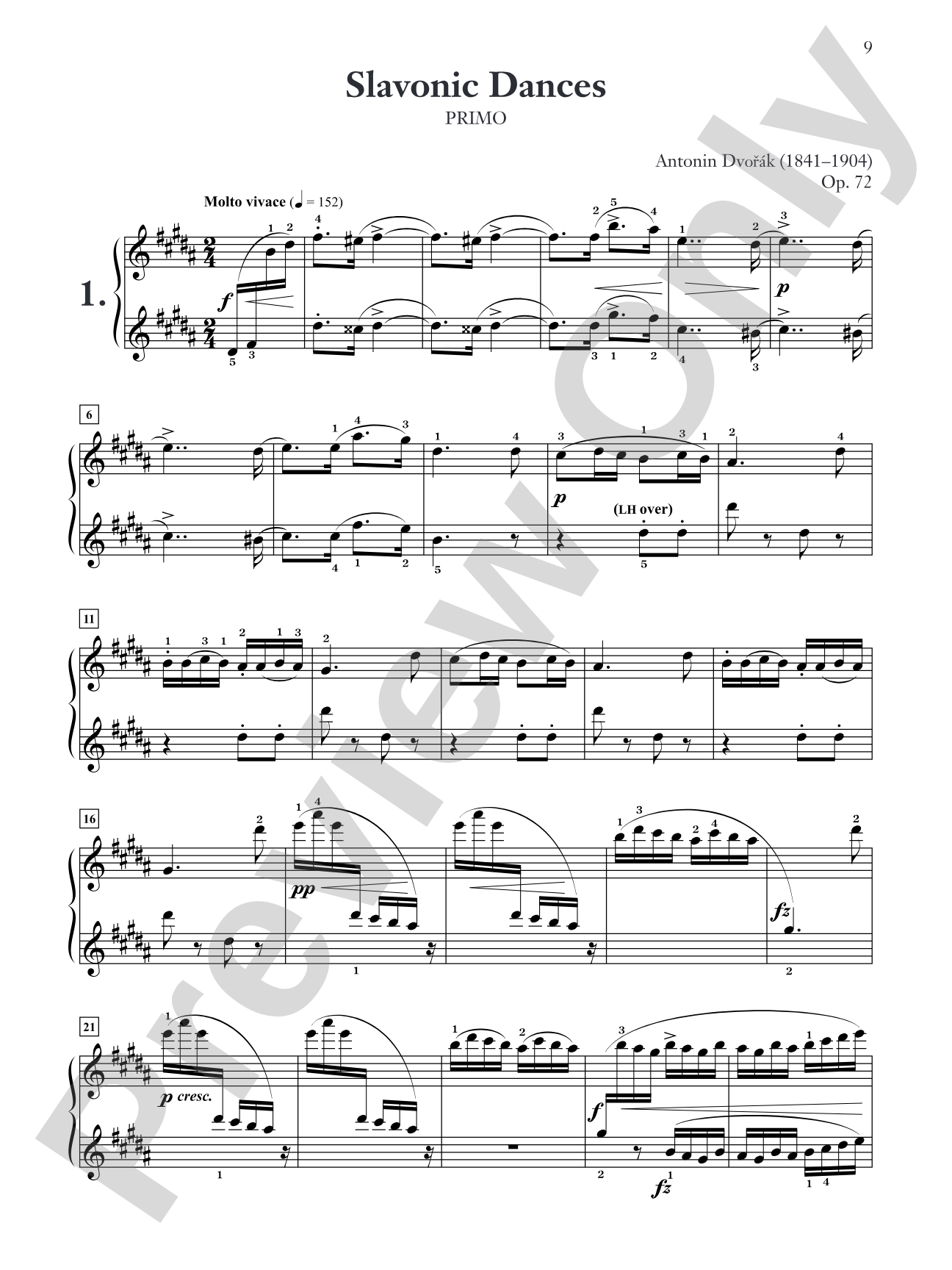
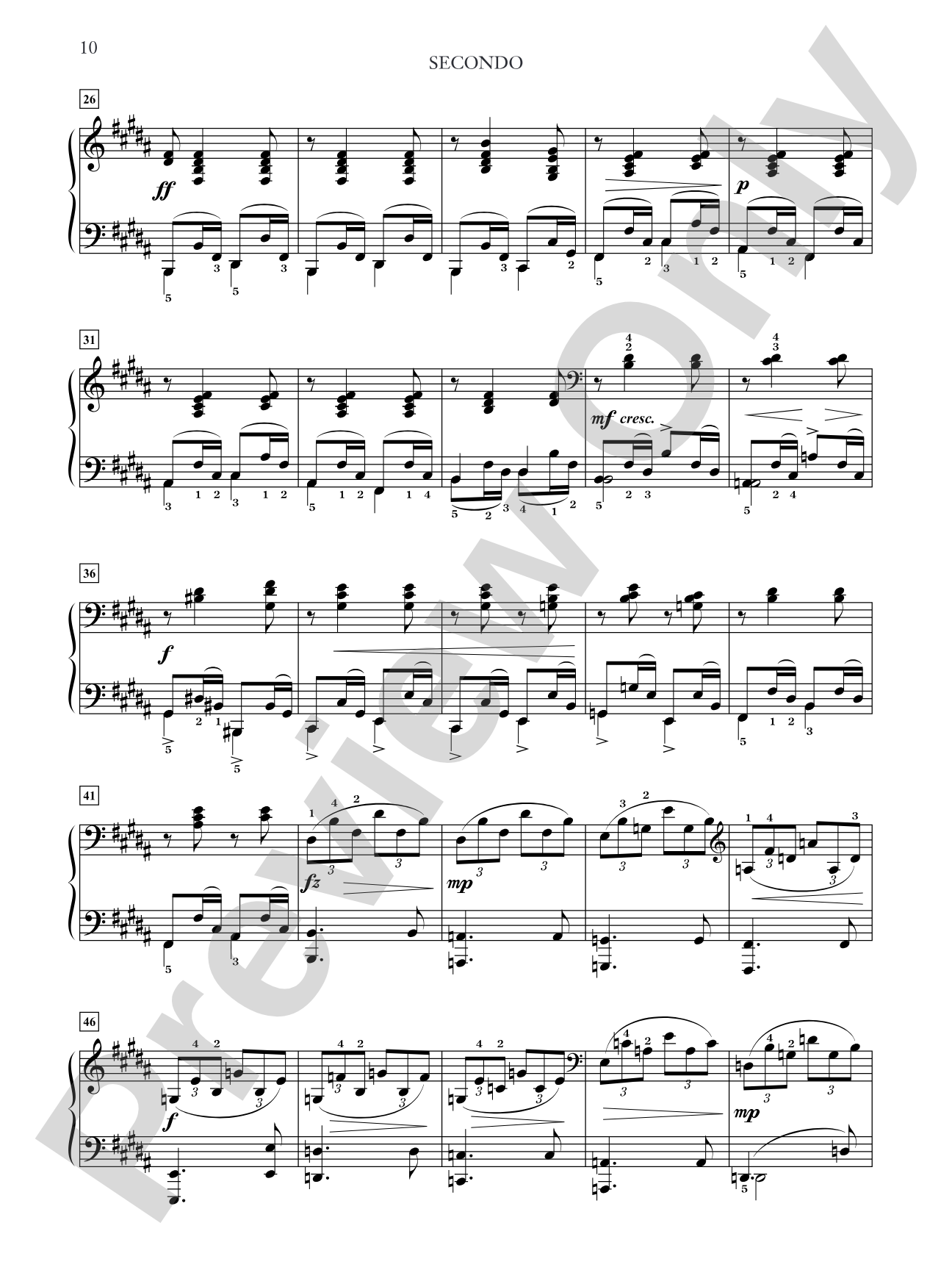
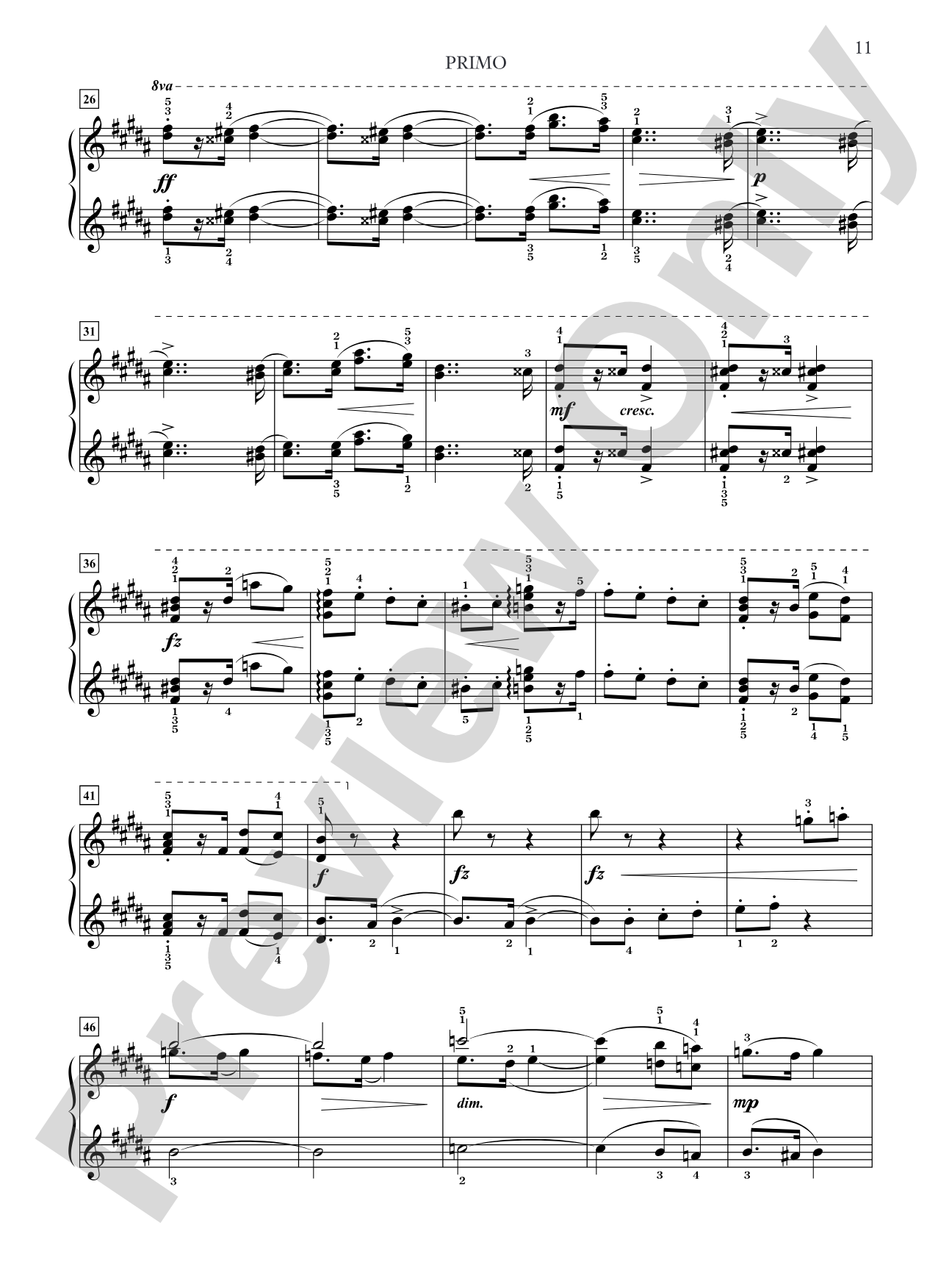
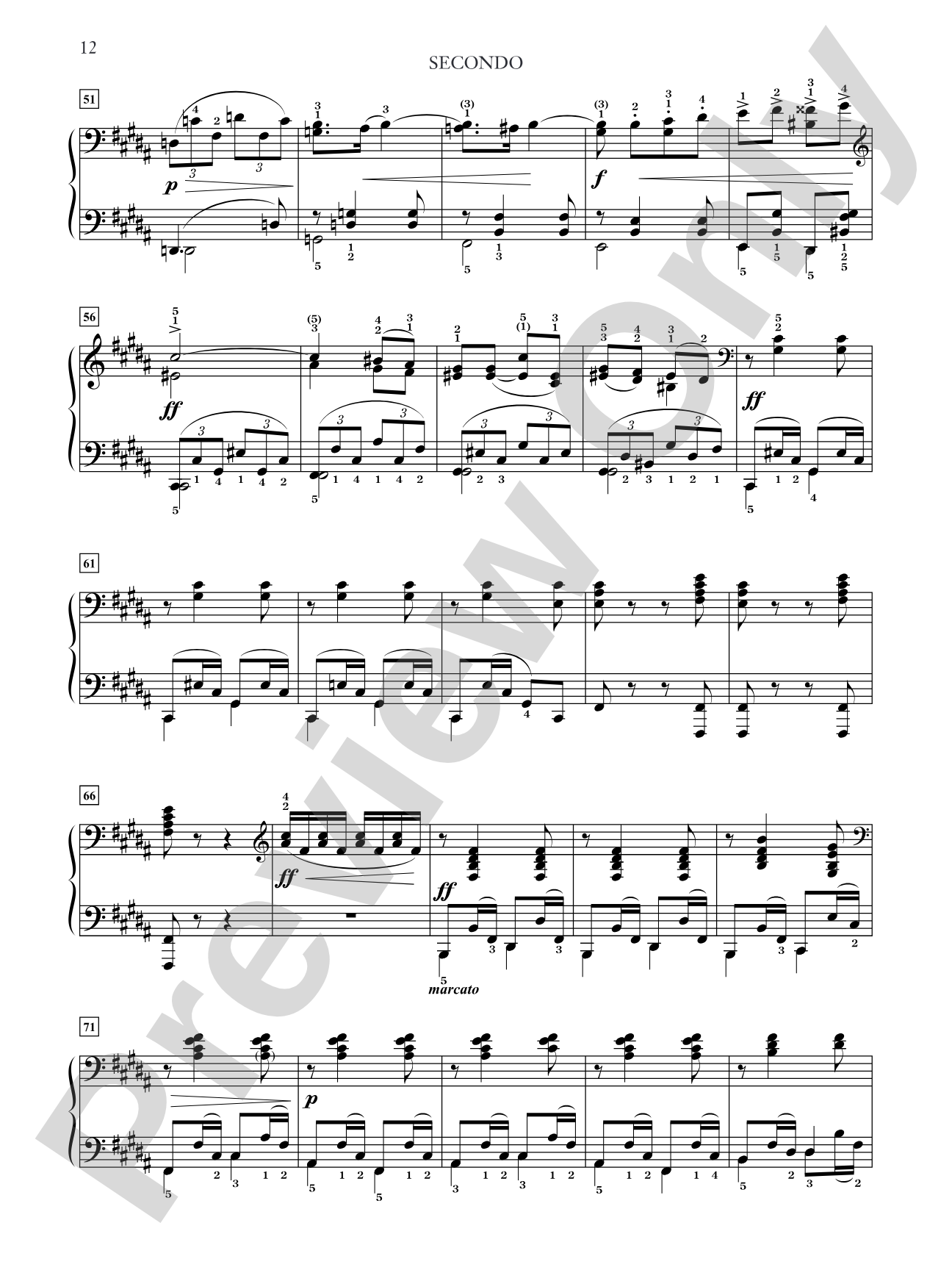
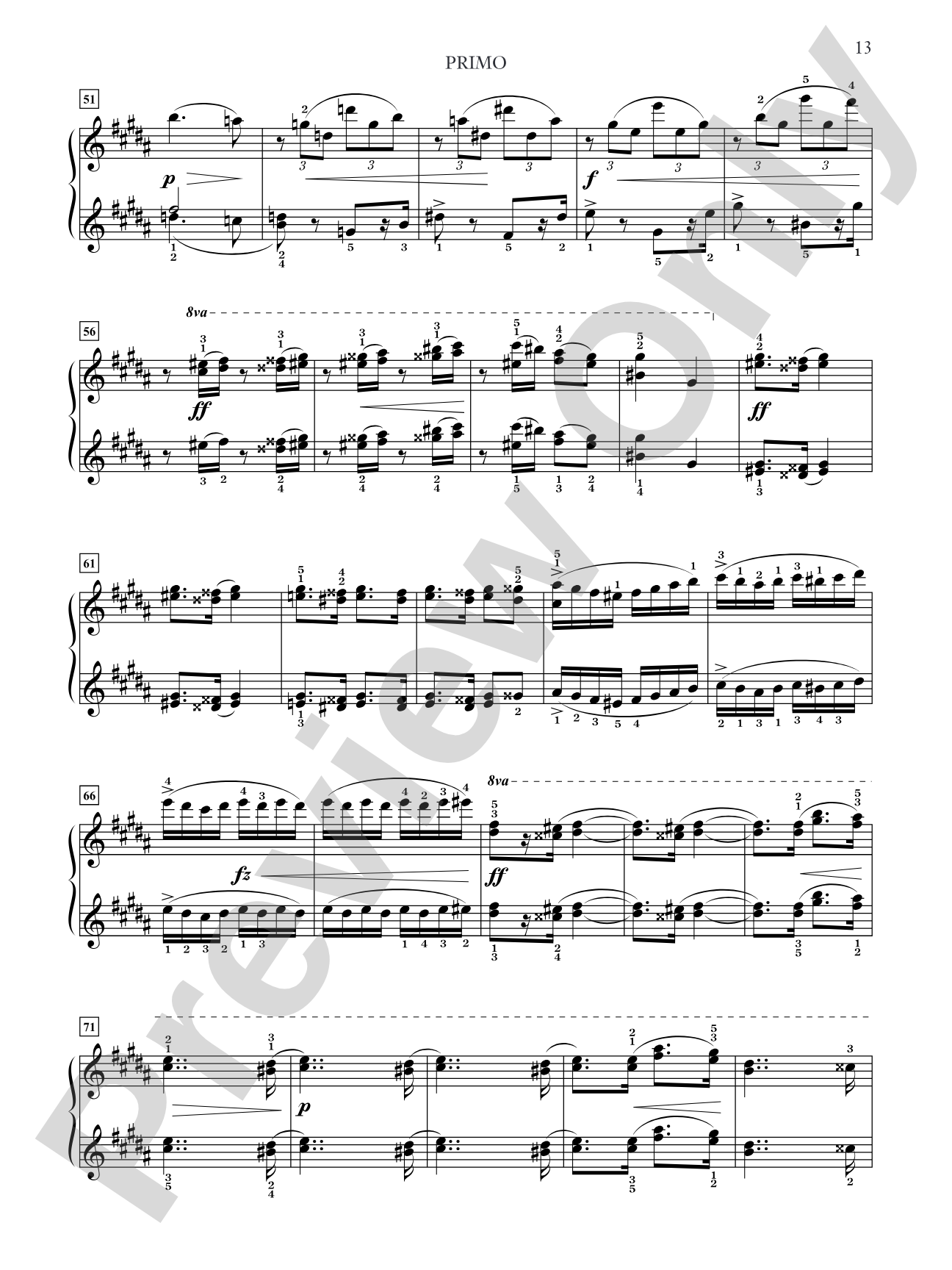
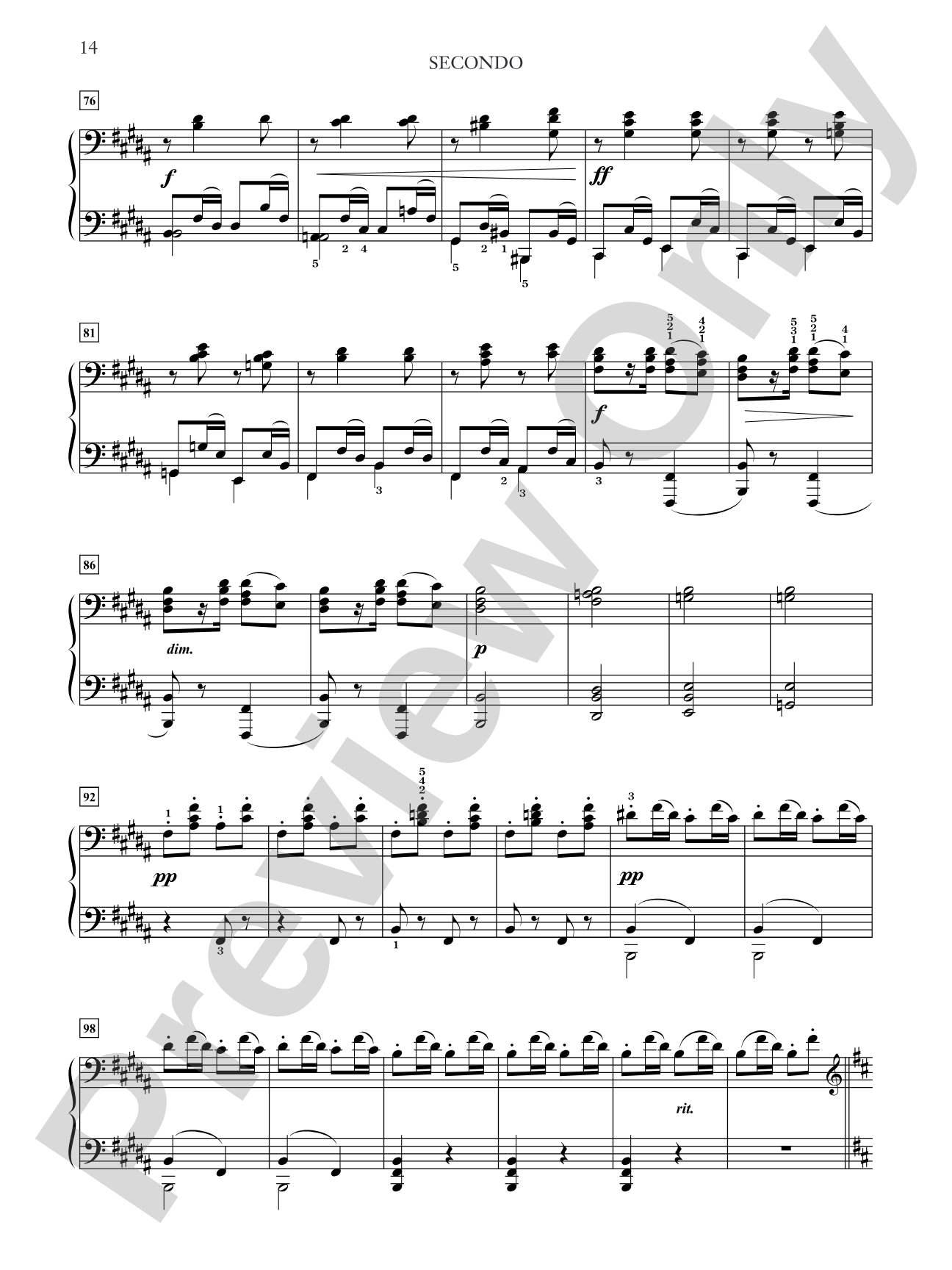
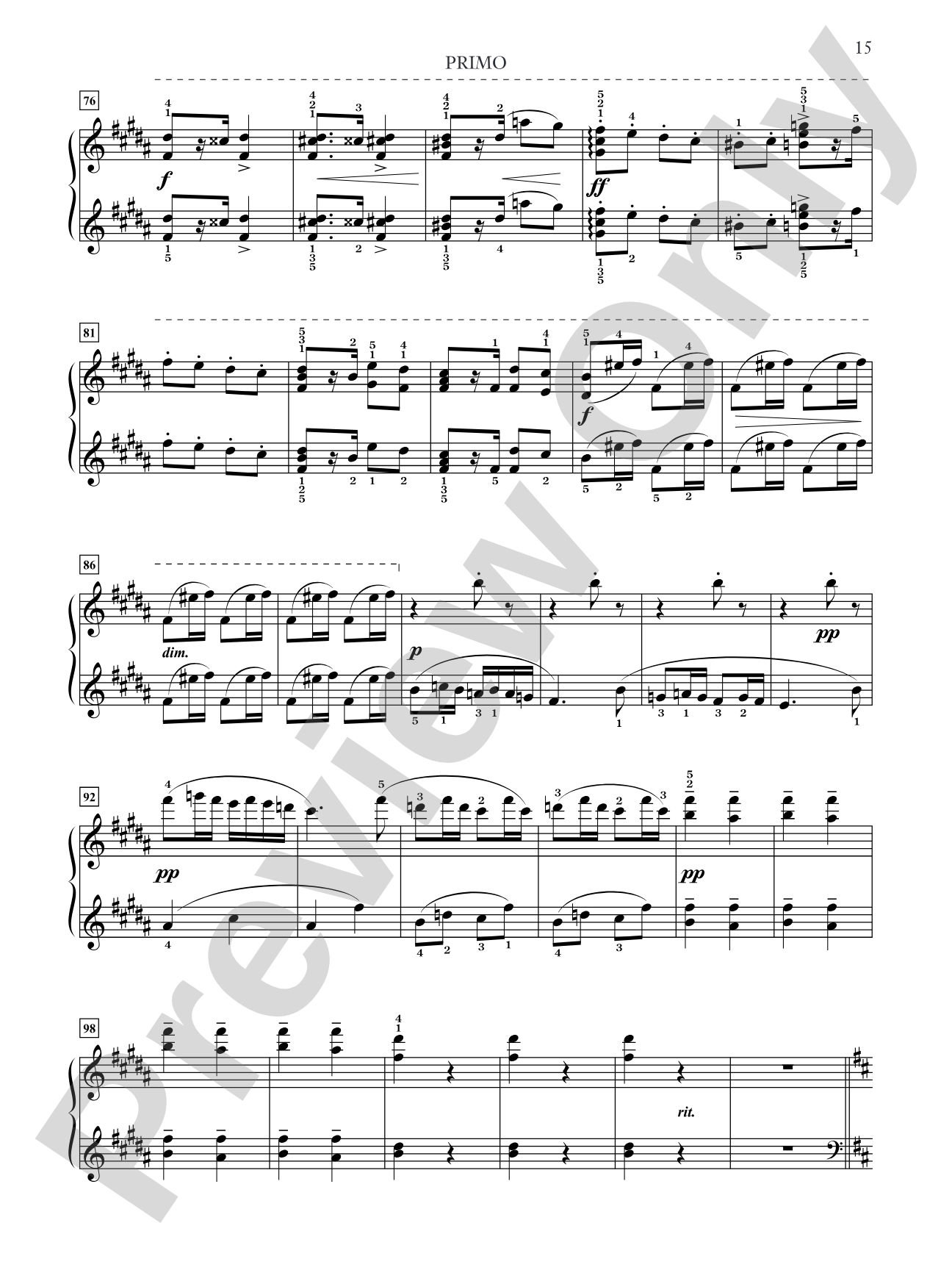
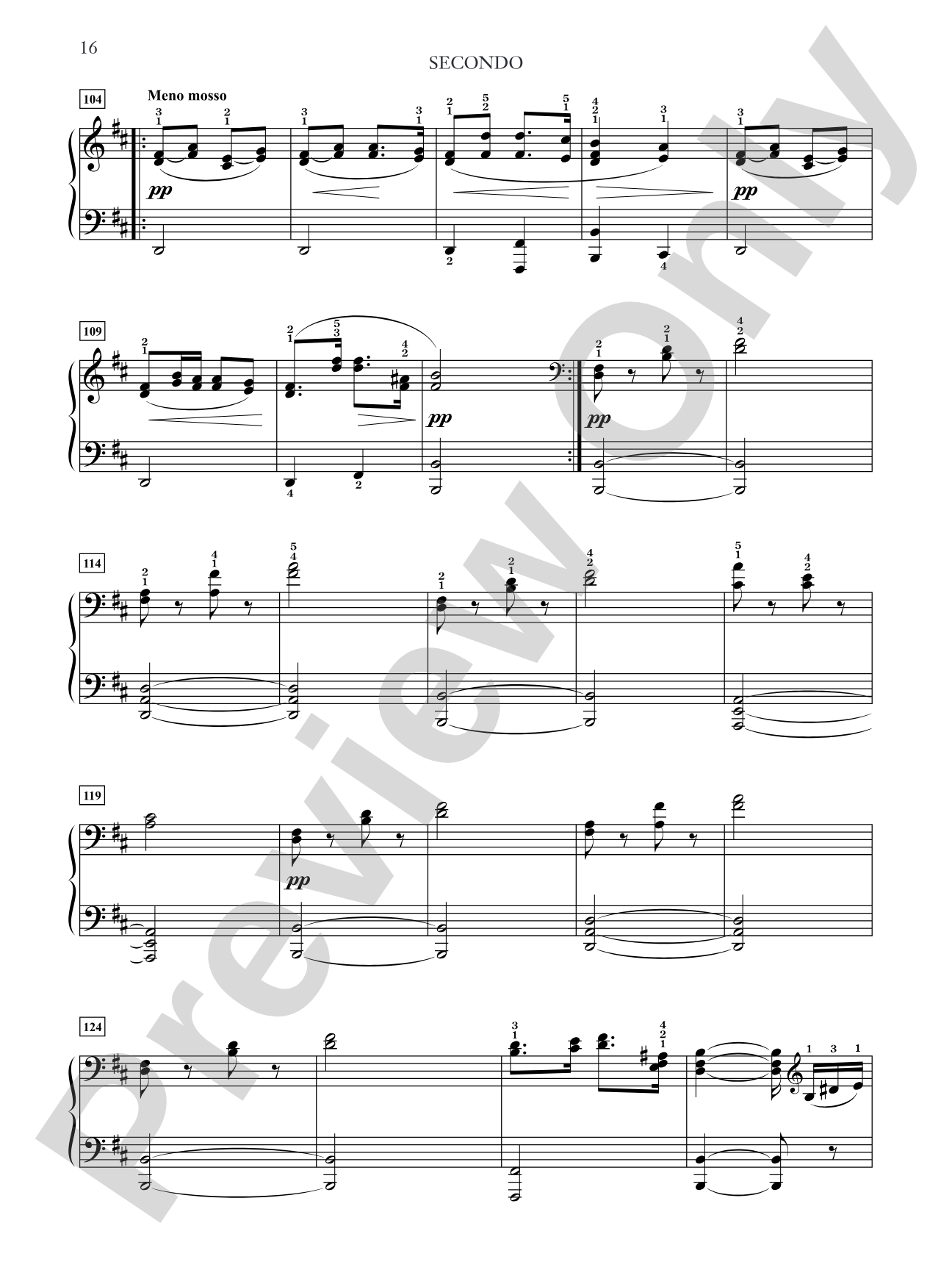
Dvorák's Slavonic Dances, Op.72 is the second of two sets of dances inspired by the composer's Bohemian folk-music roots. There are eight duets in this volume, each one displaying rhythmic energy and lyricism. Based on the original edition, this volume includes performance notes, editorial fingering, and suggested metronome marks. Any one of the Op. 72 Dances is a Federation Festivals 2016-2020 selection. A Federation Festivals 2020-2024 selection.


Don't just read it, hear it, play along with it, and watch your students grow with it. In MakeMusic Cloud, Dvorák: Slavonic Dances, Opus 72 - Piano Duet (1 Piano, 4 Hands): Piano Duets & Four Hands comes alive with professional accompaniment, adjustable tempo, and built-in practice tools that turn solo practice into real progress.
Open in the Player
Jump straight in and assign it today.
Start Your Free Trial
Open this title and explore the full library in minutes.
Sample Audio
No sample audio found.
Sample Video
No sample videos found.
Additional Details
Series:
Alfred Masterwork Edition
Publisher:
Alfred Music
Page Count:
100
SKU:
00-PB-0000640
More about this title
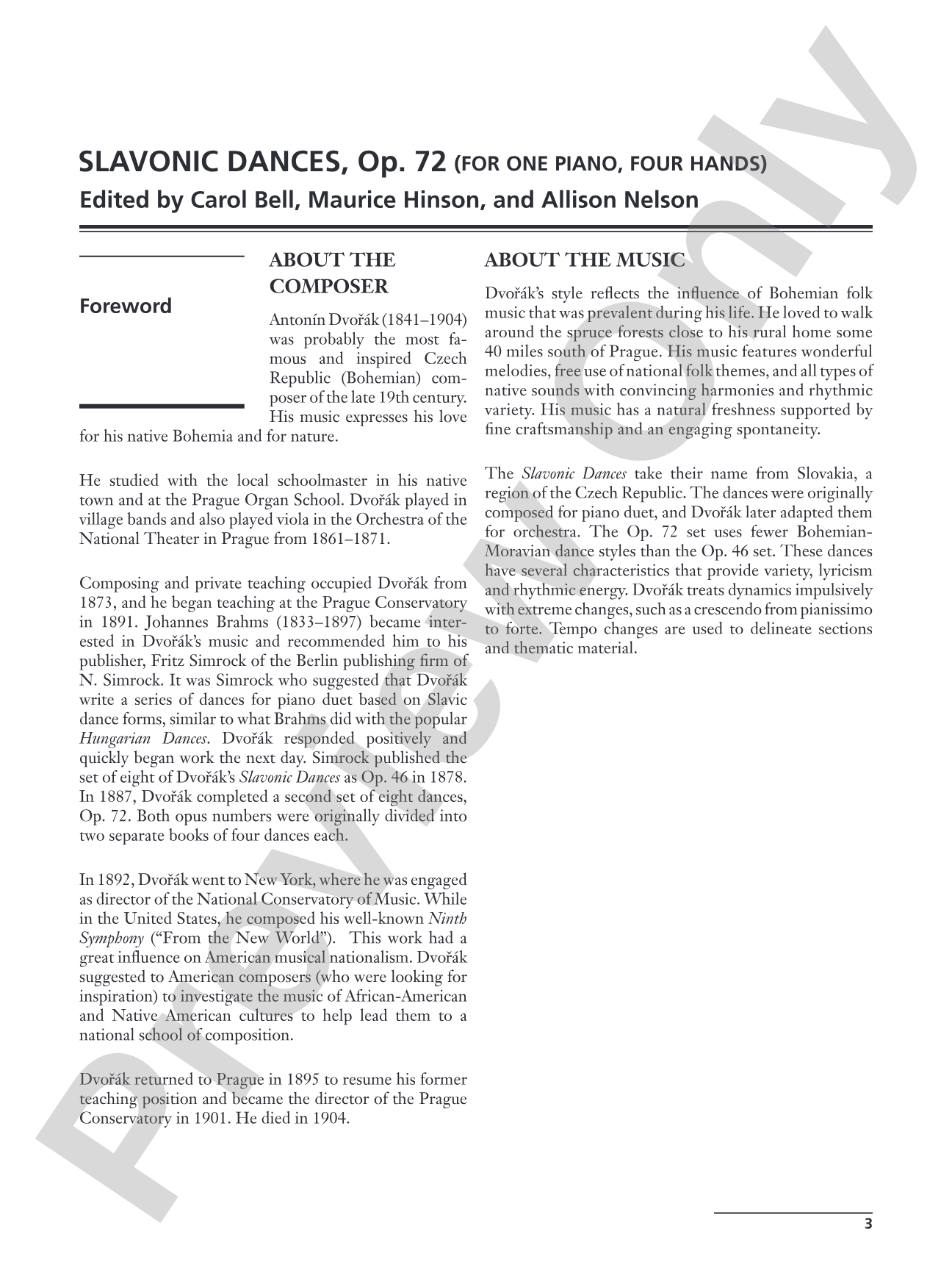
About the Composer: Antonín Dvorák
Antonín Dvorák (1841-1904) stands among the most performed composers of the Romantic era, and for good reason: he possessed an uncanny gift for melody and an instinctive understanding of orchestral color. A Czech nationalist who studied in Prague during a period of cultural awakening, Dvorák drew deeply from his country's folk traditions, transforming regional dances and songs into concert works of international stature. His music reached audiences across Europe and America with remarkable speed, establishing him as a bridge between Western European musical forms and the rich vernacular of Central Europe.
For music educators, Dvorák's output matters because it demonstrates how sophisticated composition emerges from genuine cultural material. His works reward careful study: the harmonic language is direct without being simple, the rhythmic profiles energetic and memorable, and the emotional range spans from exuberance to introspection. Students who engage with his music develop an ear for how folk idioms can sustain large-scale forms.
Why we love this
These eight dances offer something rare at the advanced level: genuine virtuosity paired with instant appeal. The rhythmic vitality is infectious without sacrificing musical substance, and the four-hand texture demands that both players listen acutely to balance and color. Festival adjudicators recognize authentic masterwork writing, which matters when your students are competing.
What to expect
Slavonic Dances pulse with rhythmic momentum that feels both joyful and purposeful. The melodies sing with folk authenticity while the harmonies carry the sophistication of a major concert composer; listeners hear genuine cultural roots dressed in Romantic grandeur. There's a quality of celebration here, but it's never shallow.
Who it's for
Advanced pianists preparing for competitions, festivals, or recitals will find these works challenging and rewarding in equal measure. Teacher-student partnerships benefit especially from the four-hand format, which allows for meaningful collaboration while maintaining technical substance.
How to get the most out of it
- Shape the melodic phrases as song, not showpiece. Even in the fastest dances, the folk-derived lines should breathe like vocal music.
- Establish the rhythmic character of each dance early in rehearsal. Dvorák's dance types carry specific historical weight; a Furiant moves differently from a Skočná.
- Balance the primo and secondo parts deliberately. The accompaniment voices often carry harmonic color that gets buried if the upper part dominates.
- Pay attention to the suggested metronome marks. These tempos reflect performance tradition and prevent rushing, which destroys the lyrical quality beneath the surface energy.
How to use it
Individual dances work beautifully as standalone recital pieces, making it easy to build a varied program without programming the entire set at once. Alternatively, programming several consecutive dances creates a compelling suite that showcases different moods and dance characters within a single work. The Op. 72 set's festival recognition makes these particularly valuable for competitive seasons.
Skills your students will build
- Rhythmic flexibility within Slavic dance idioms (Furiant, Skočná, Sousedská)
- Harmonic language of 19th-century nationalism
- Four-hand balance and listening across register divisions
- Interpretive control of folk-derived melody within concert form
- Fingering solutions for Romantic-era textures at tempo