
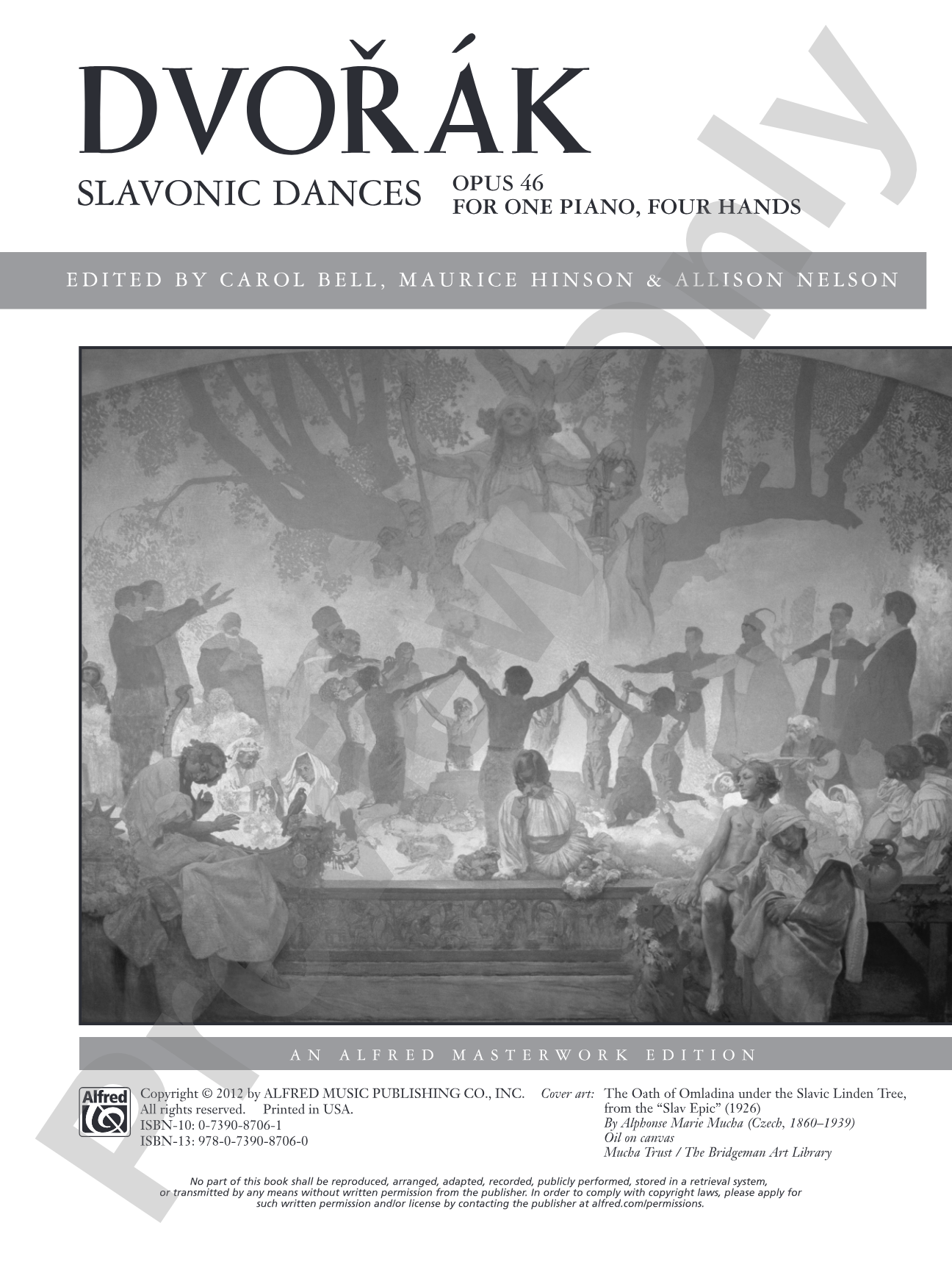
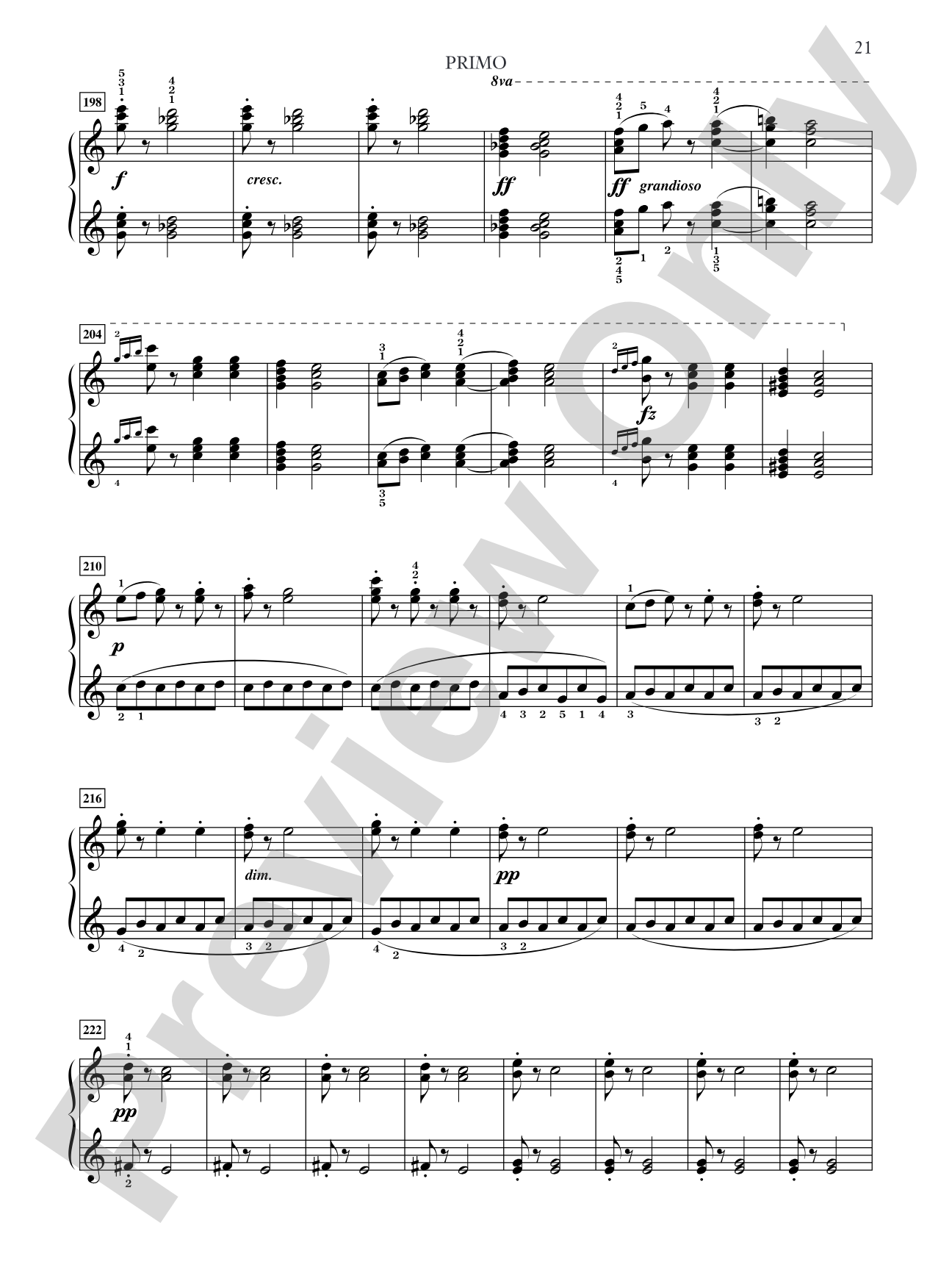
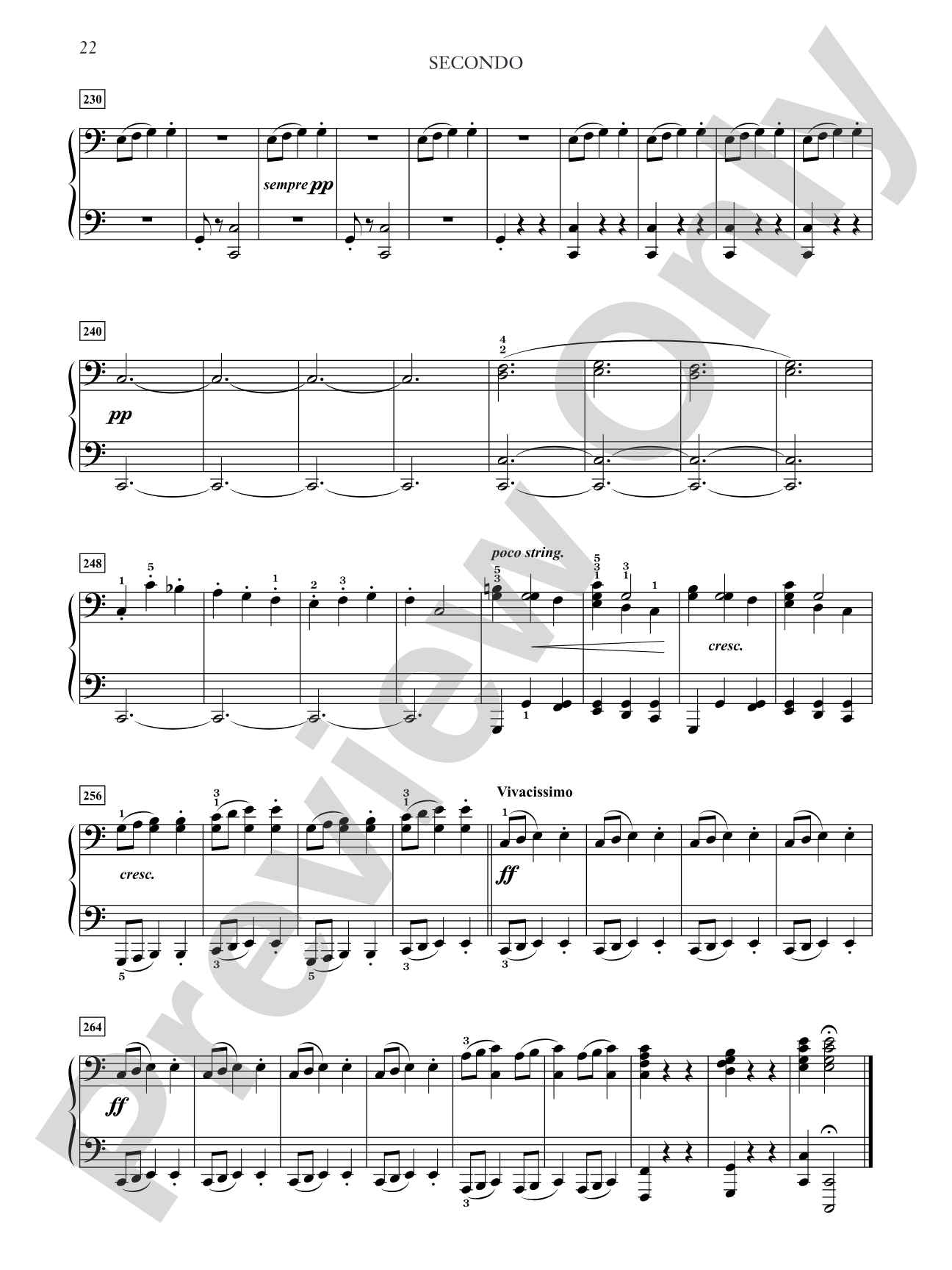
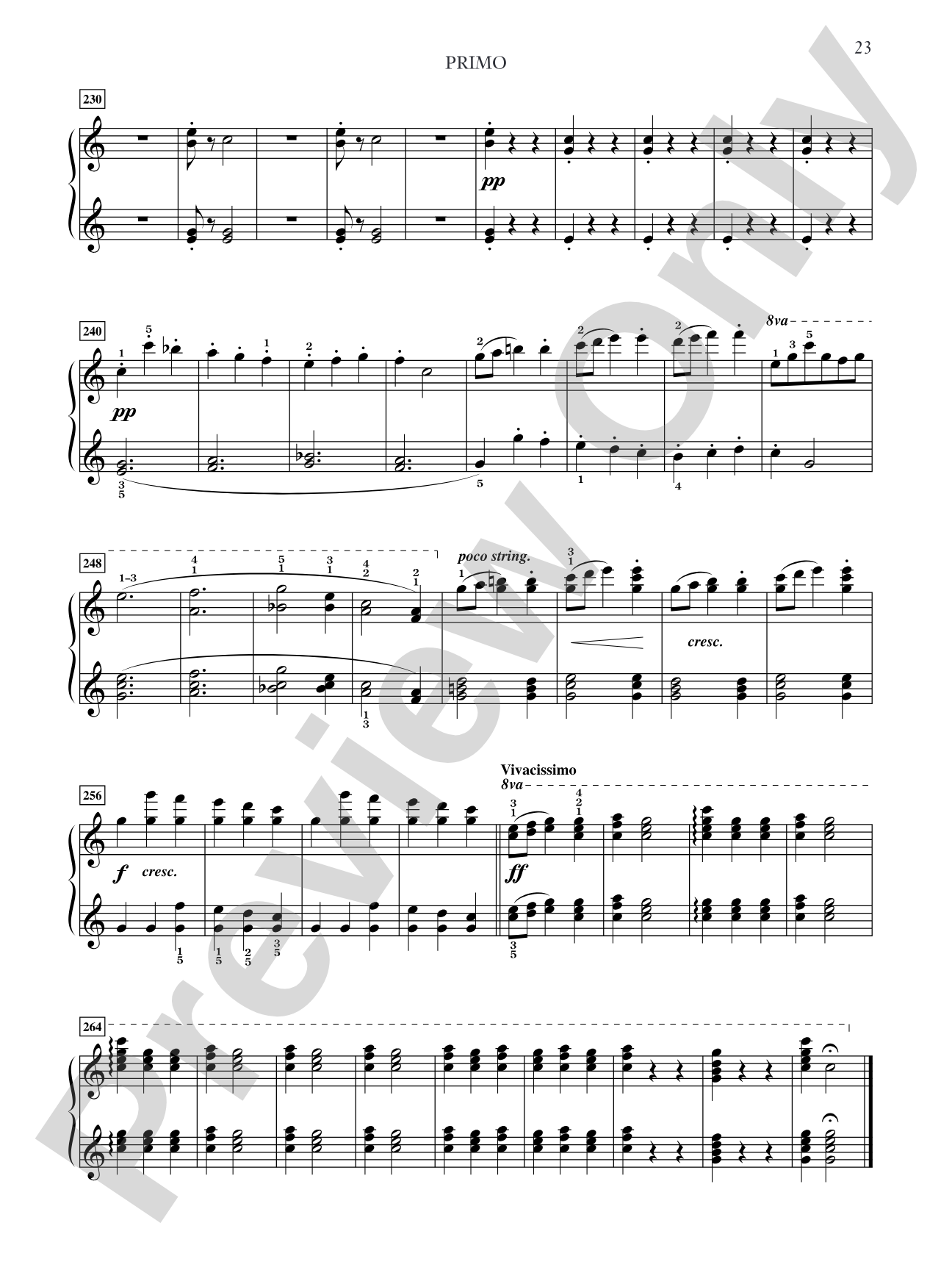
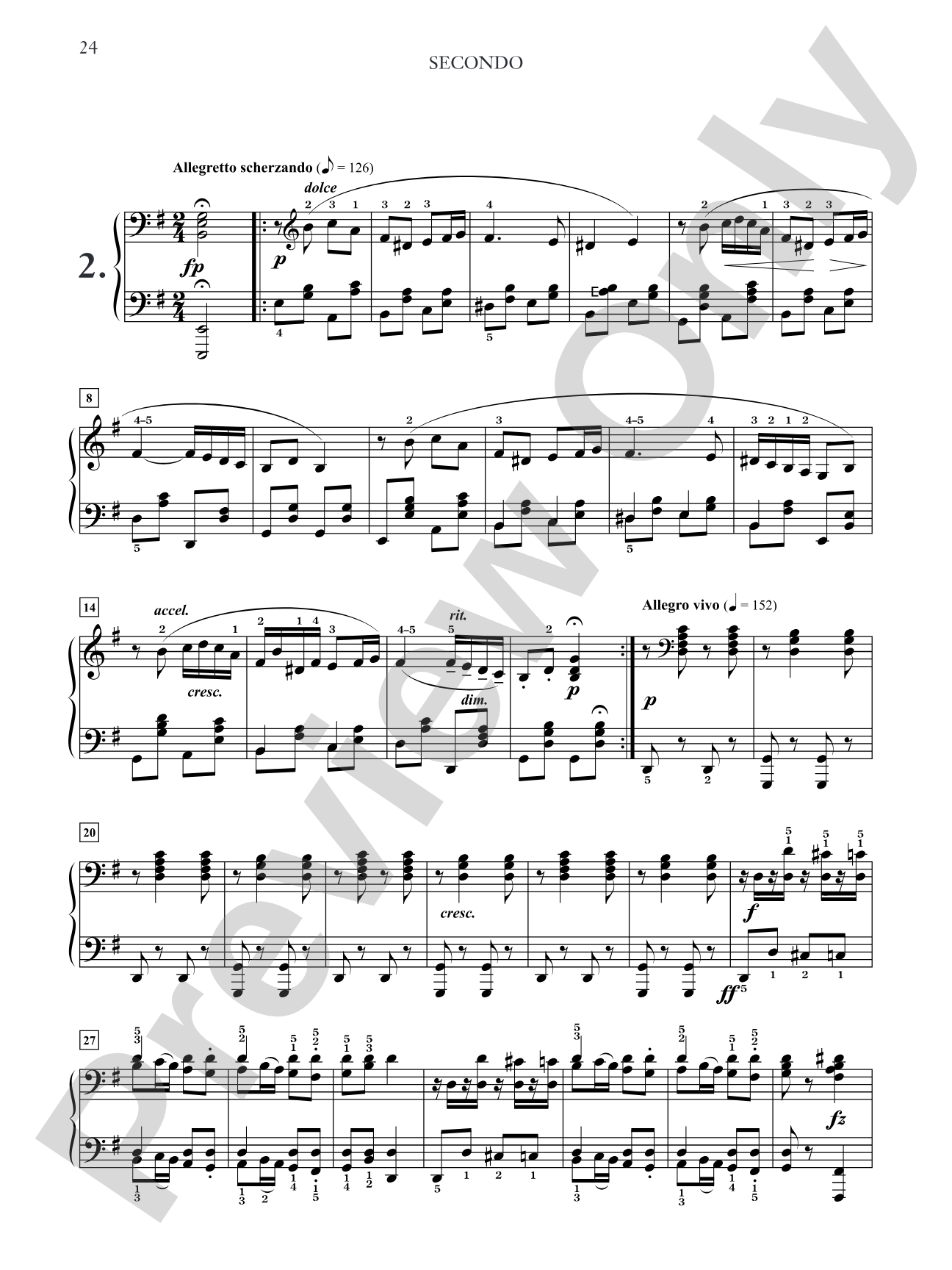

Dvorák: Slavonic Dances, Opus 46 - Piano Duet (1 Piano, 4 Hands): Piano Duets & Four Hands
By Antonín Dvorák / ed. Carol Bell, Maurice Hinson, and Allison Nelson
Level: Advanced
Item: 00-PB-0000644

$12.99
Pickup currently not available
Related Items
Dvorák: Slavonic Dances, Opus 46: Piano Duet (1 Piano, 4 Hands) Book |
$12.99
|
View |
Description
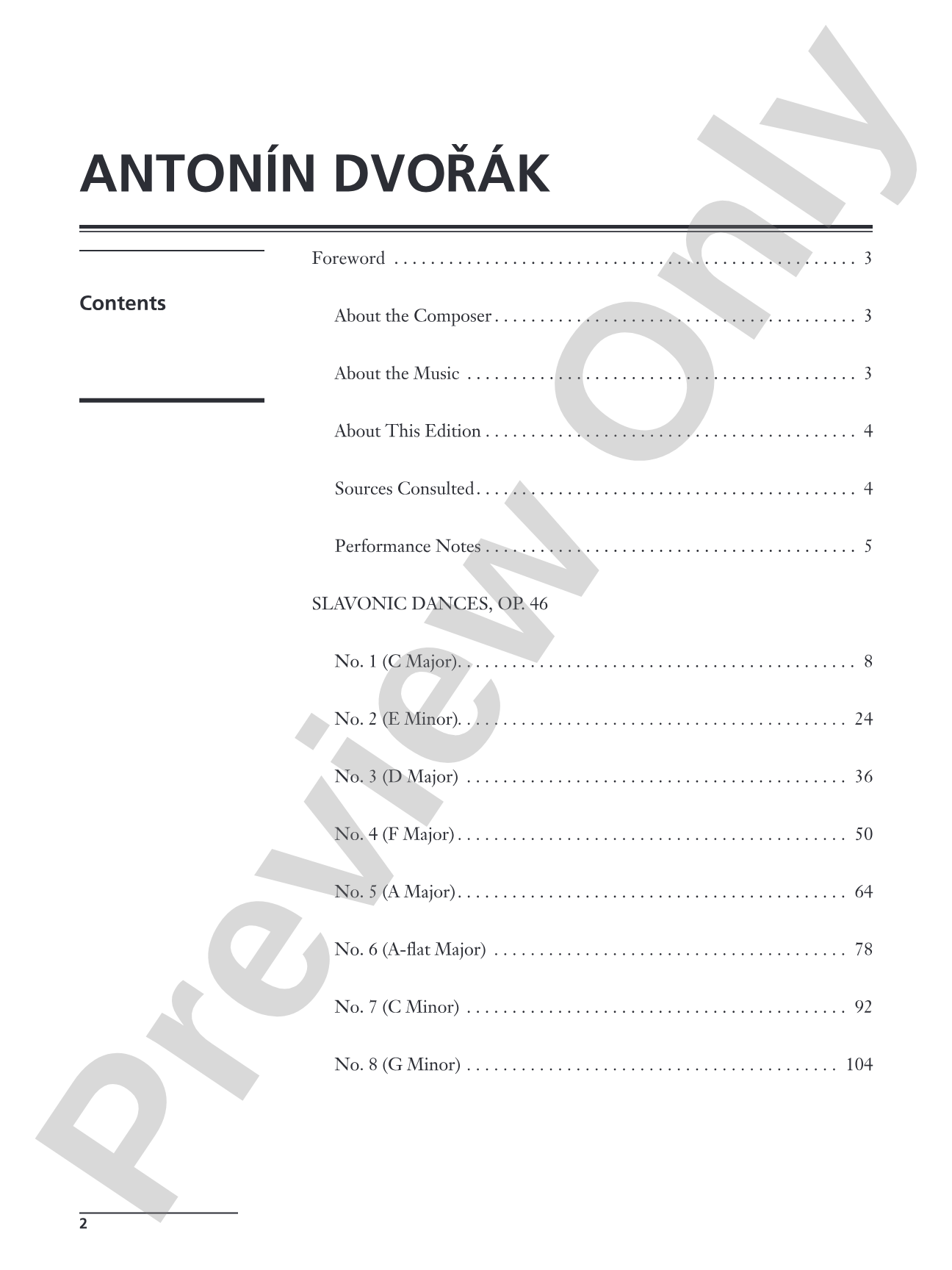
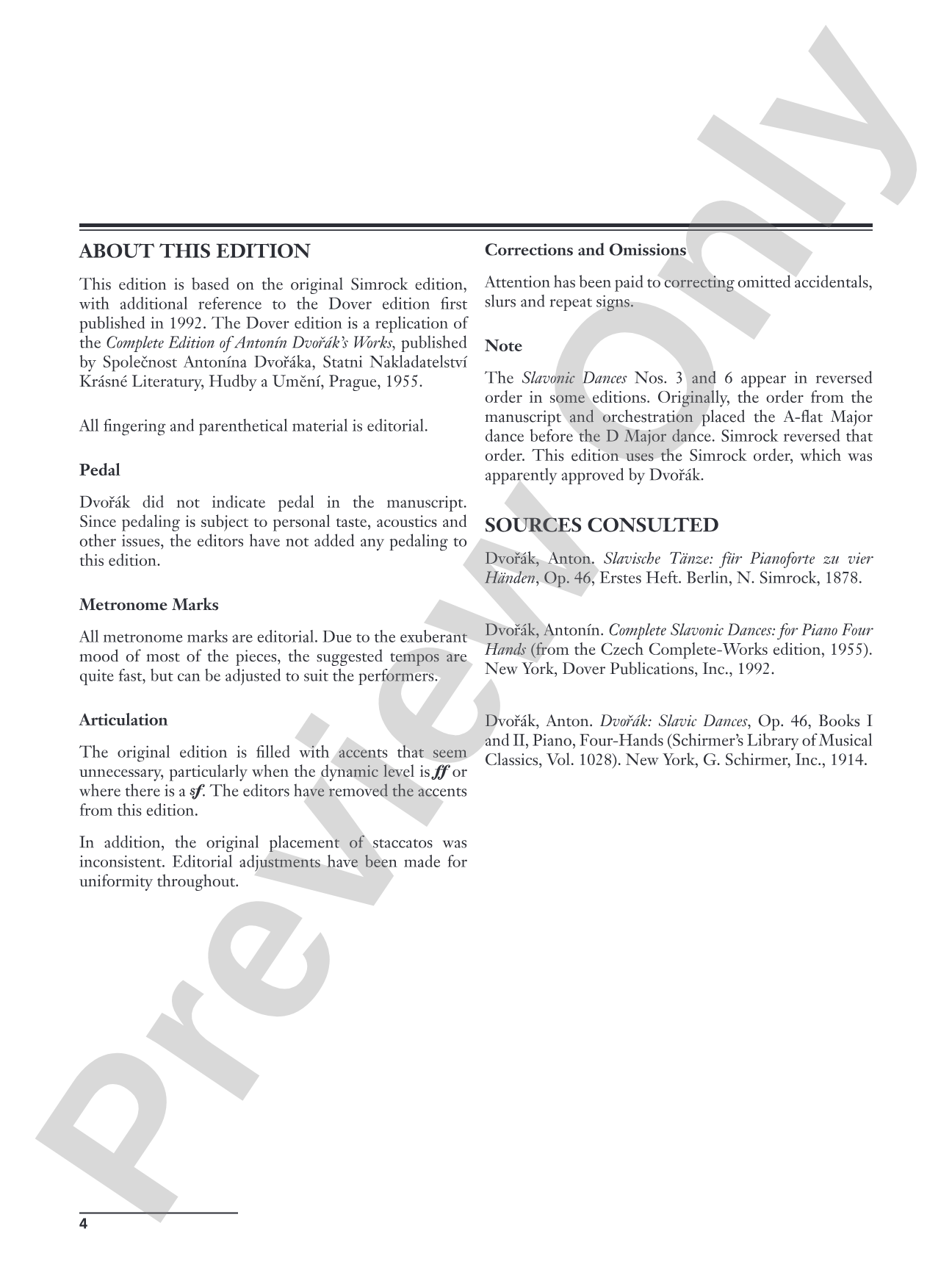
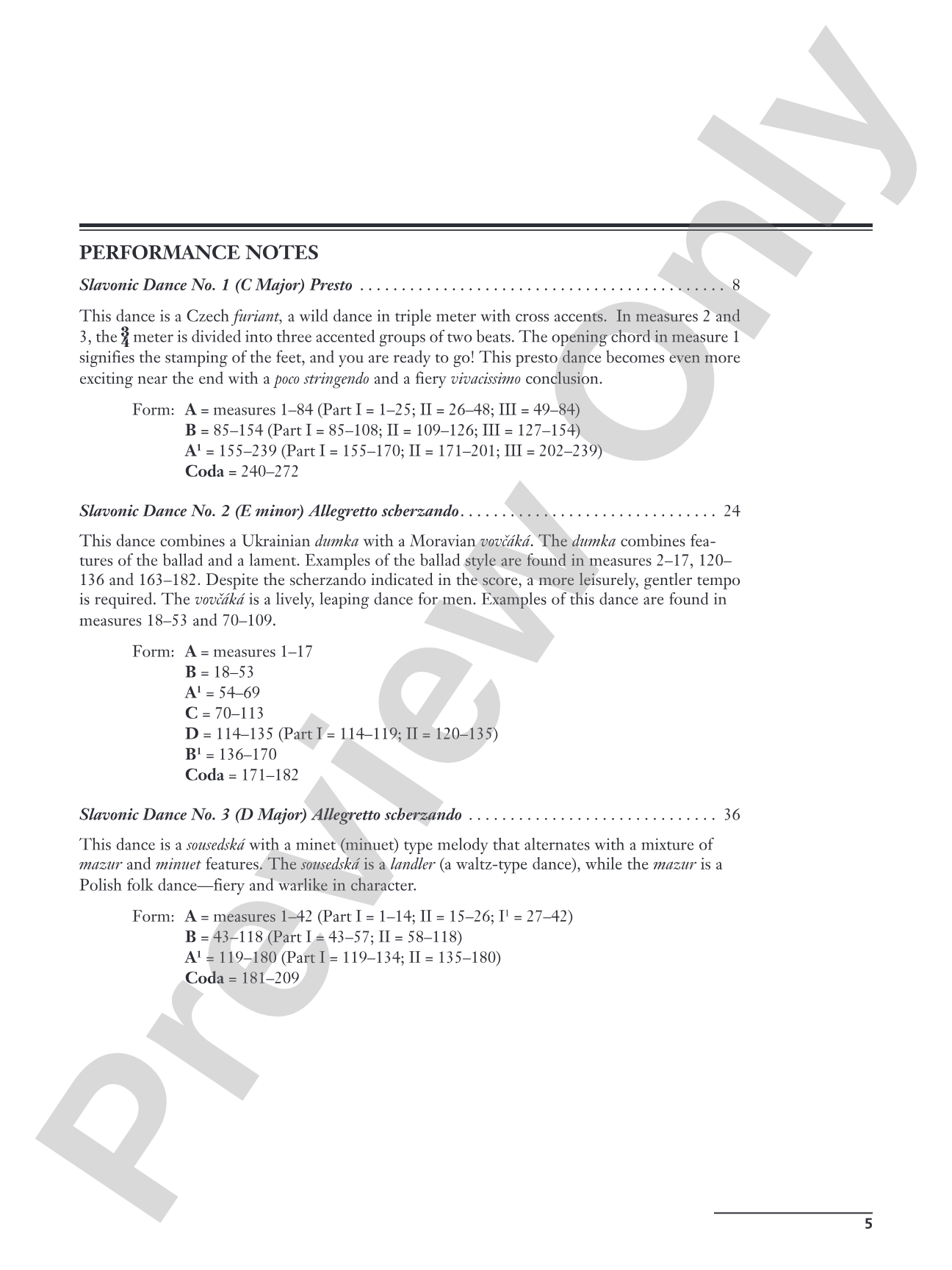
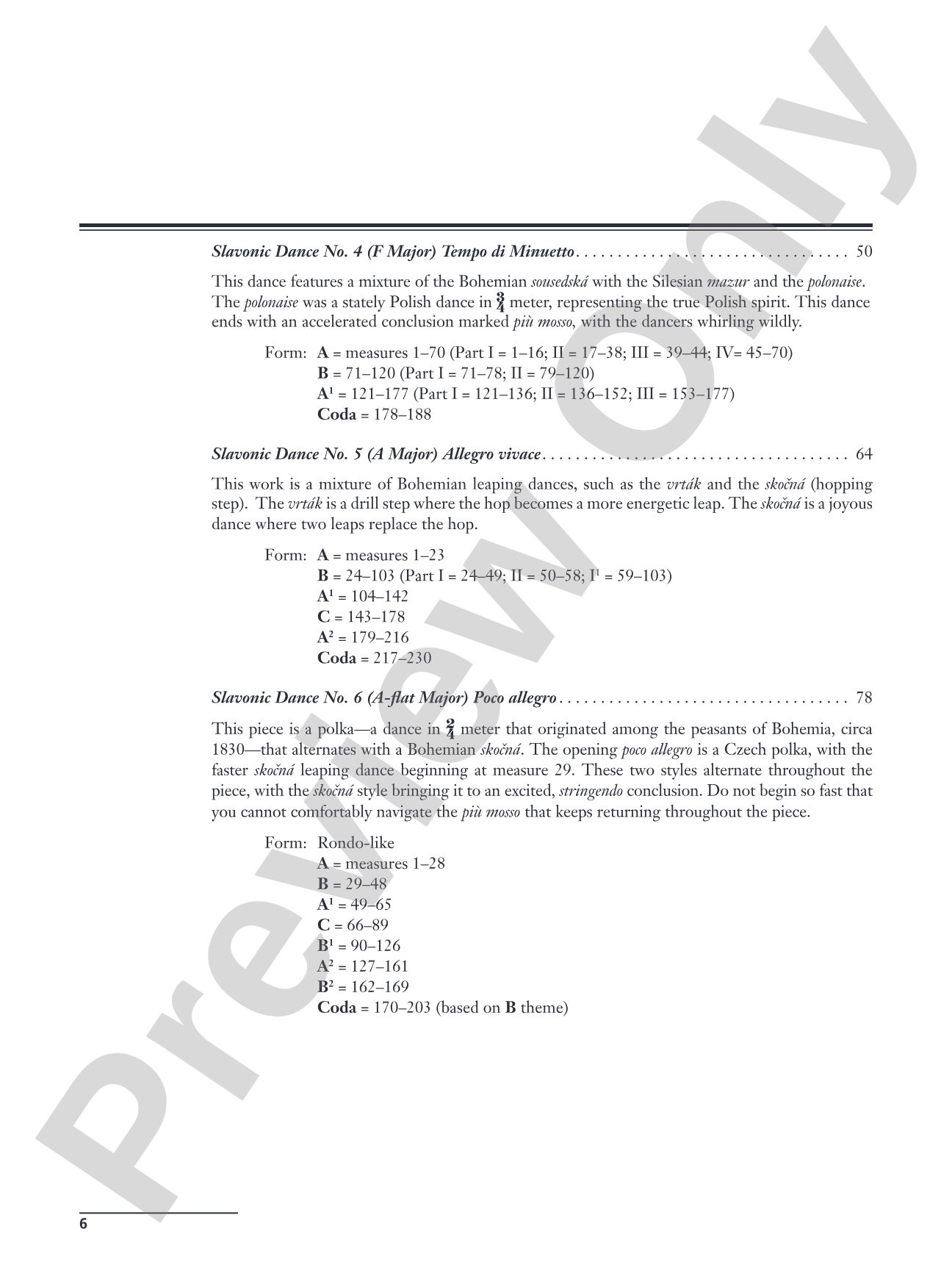
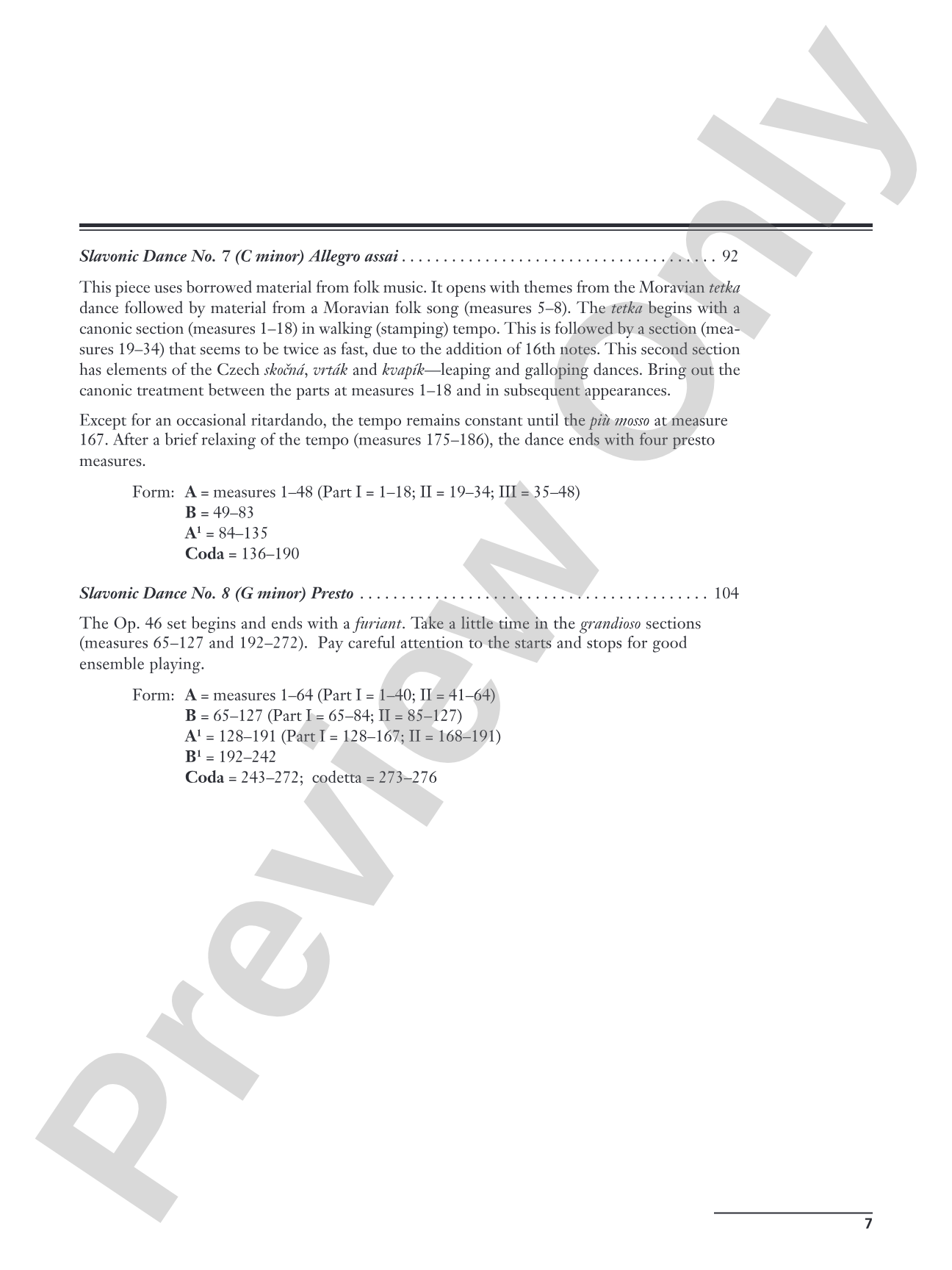
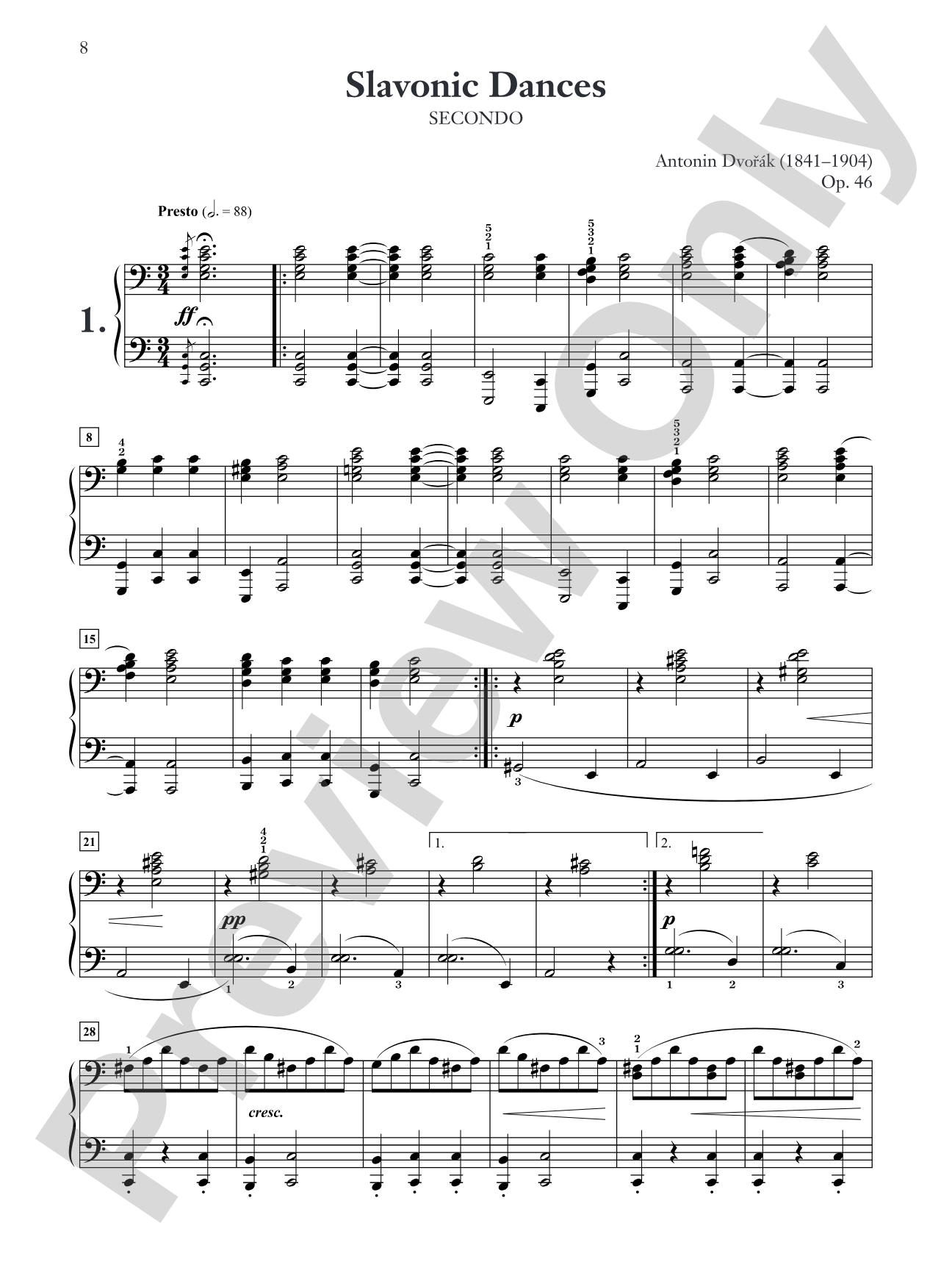
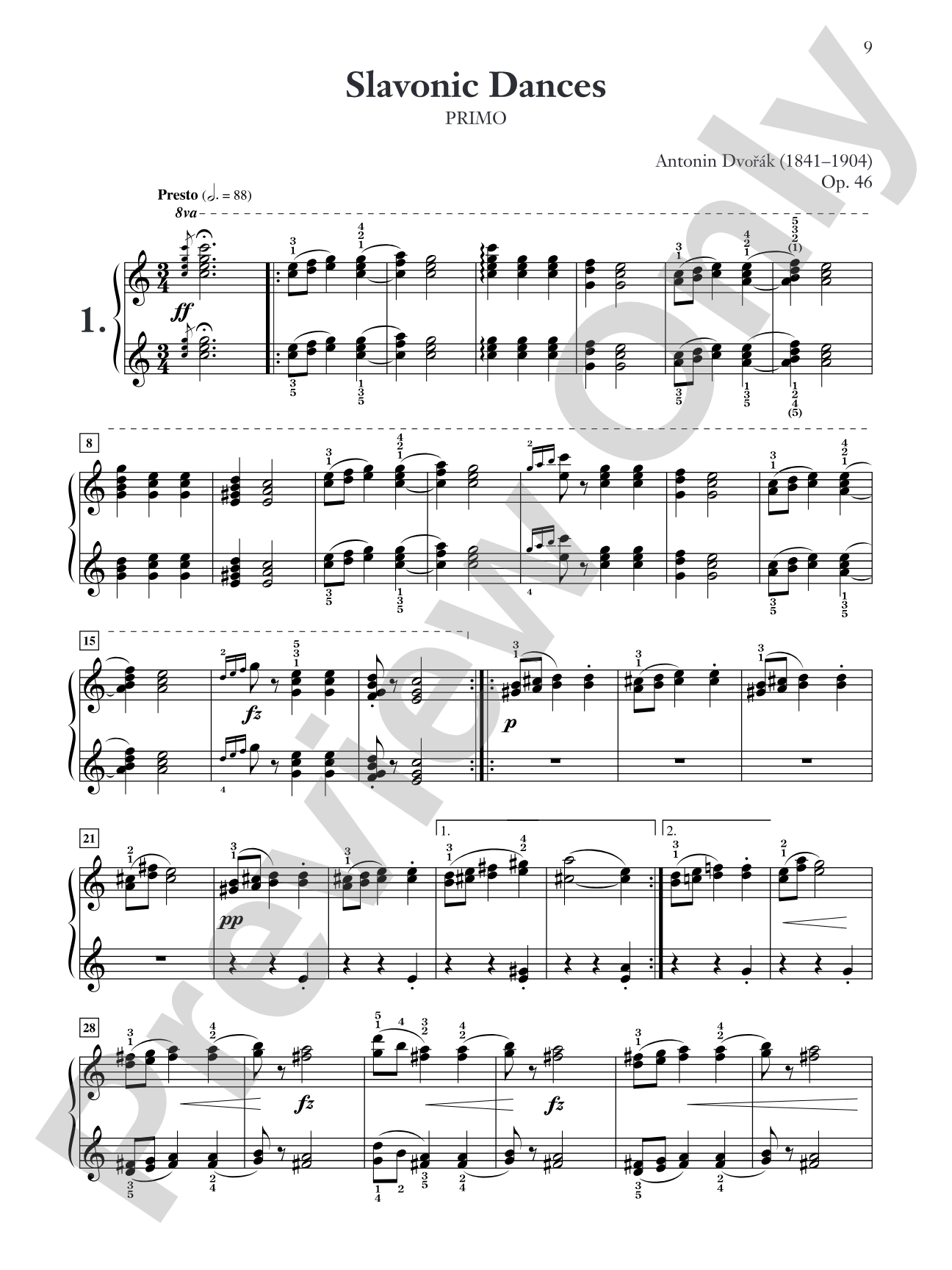
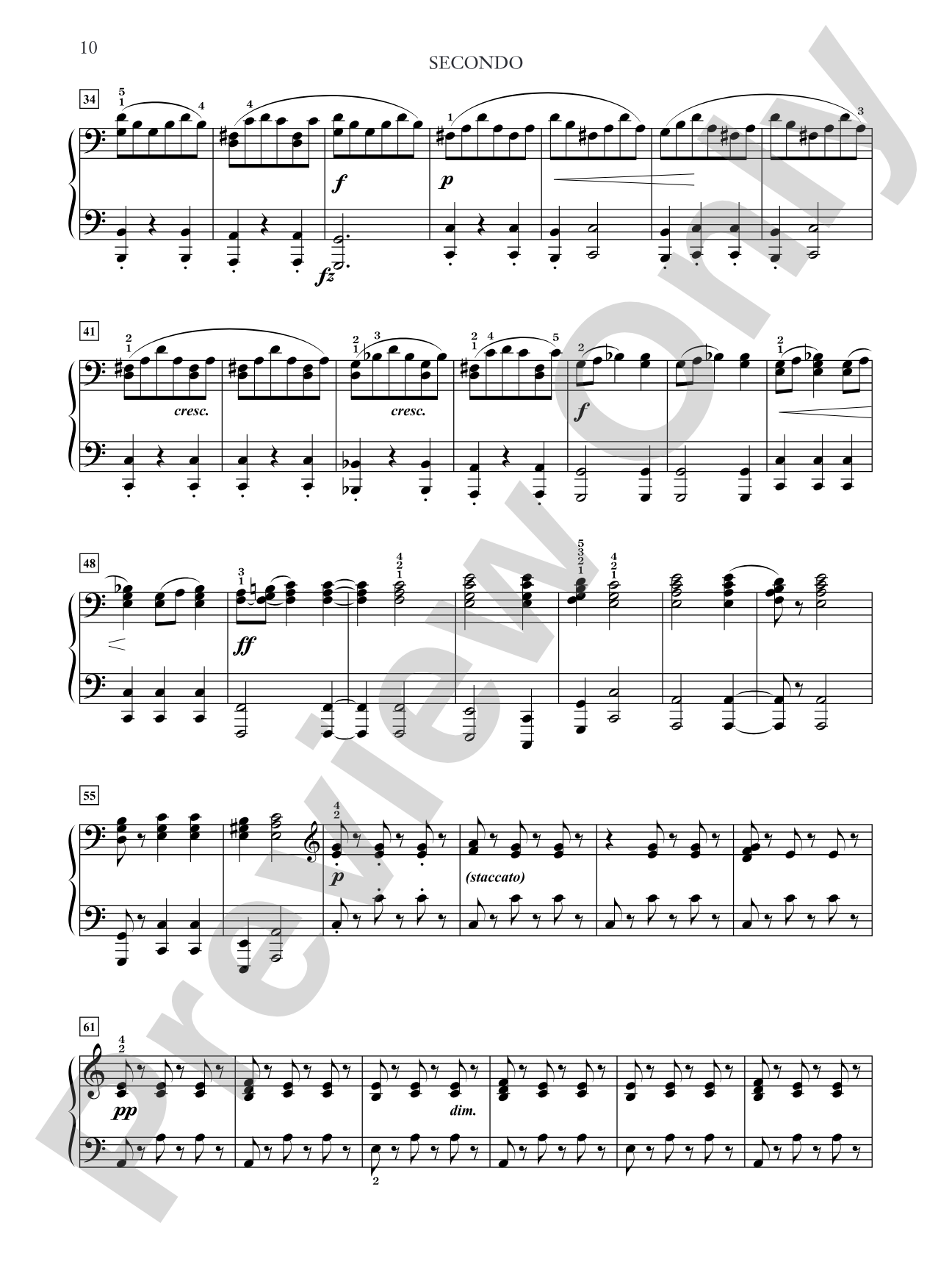
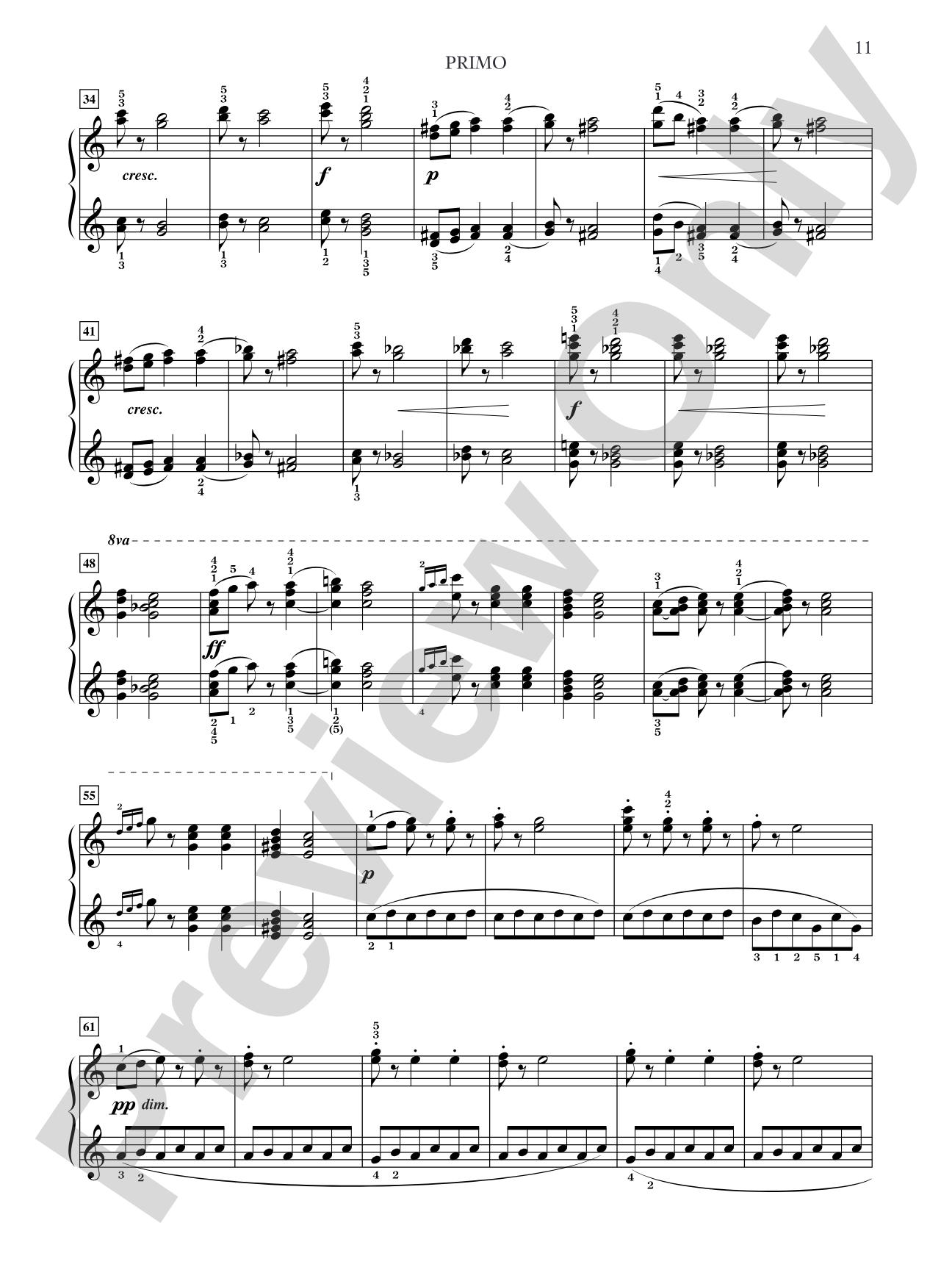
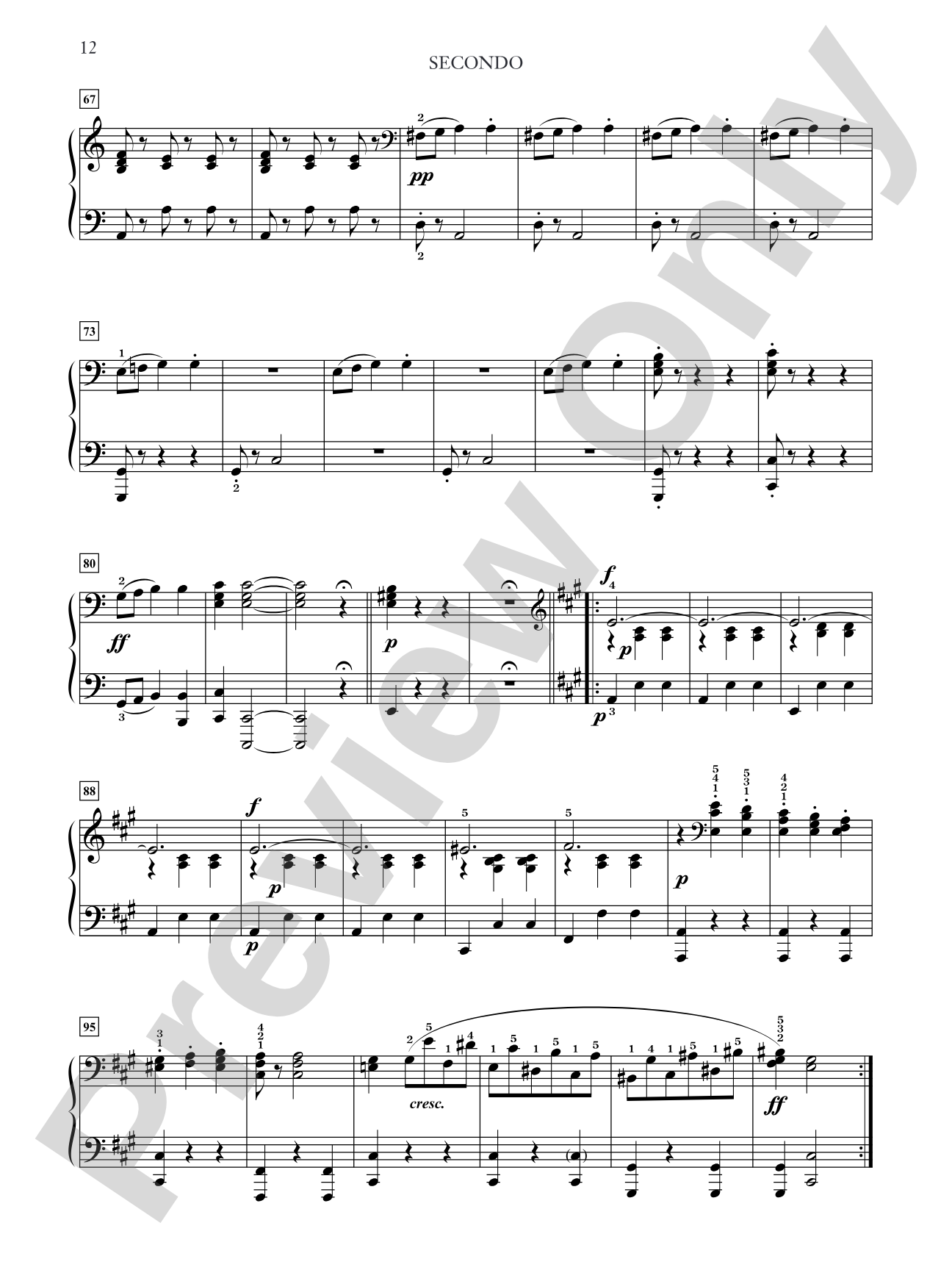
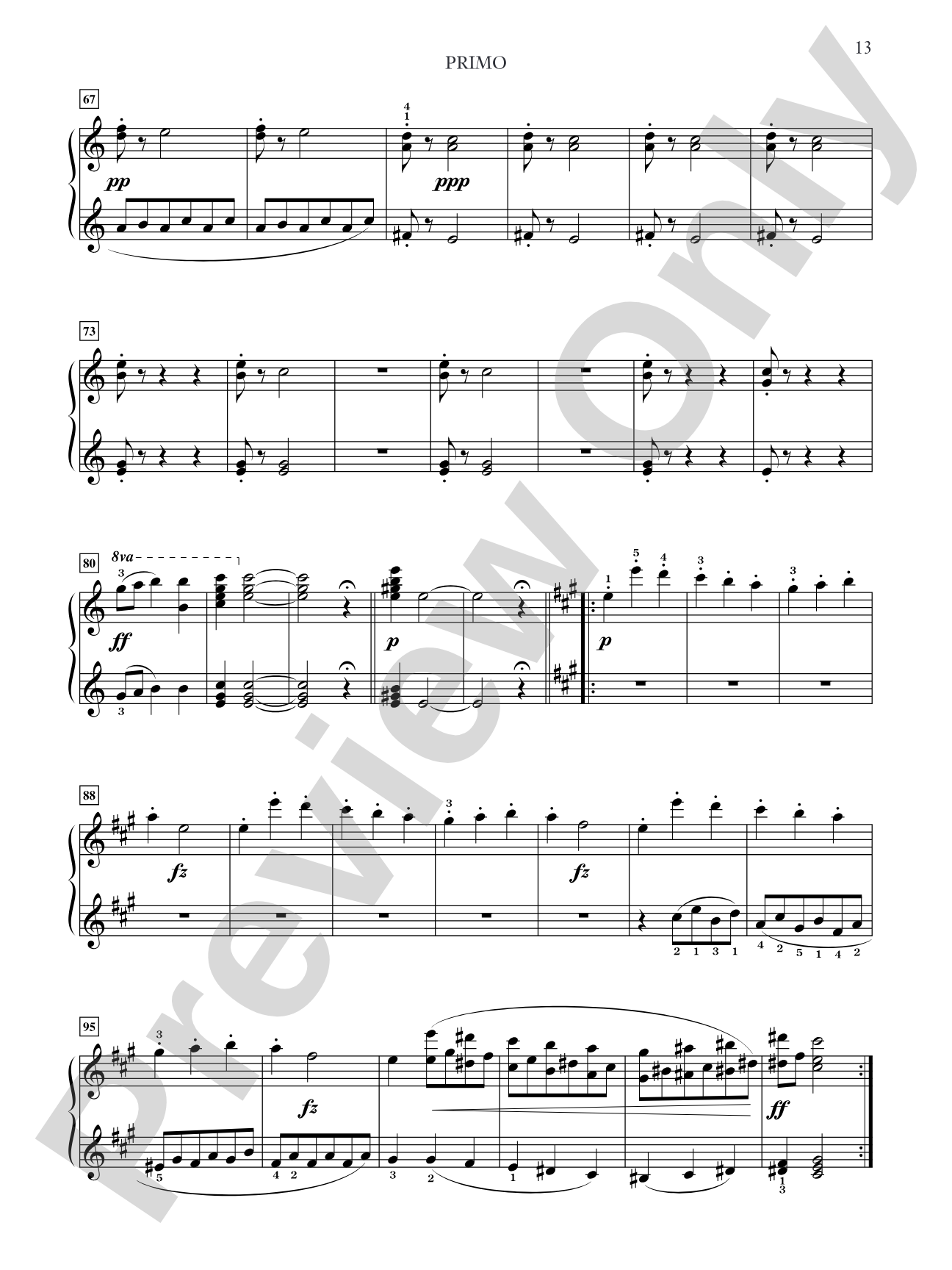
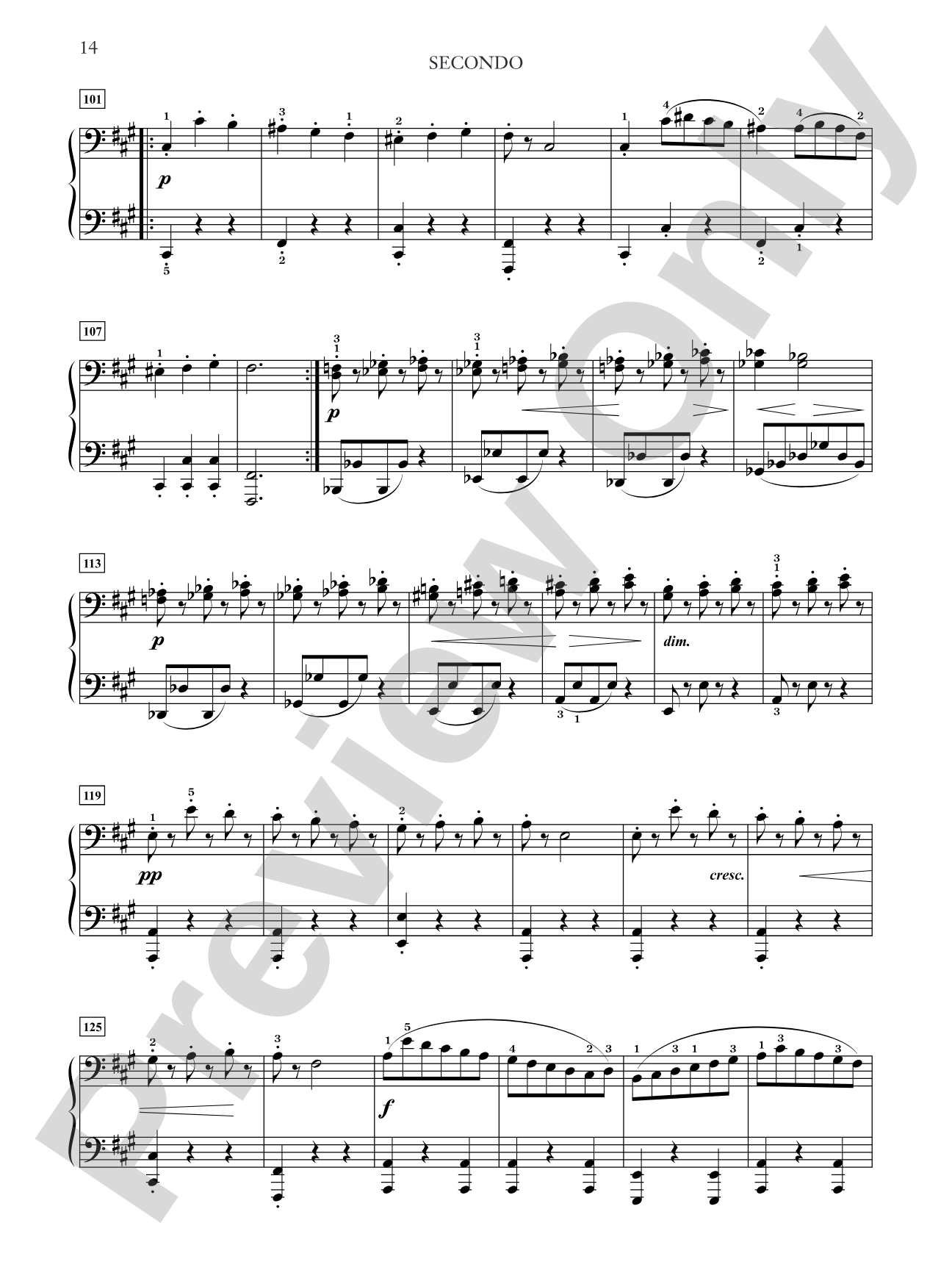
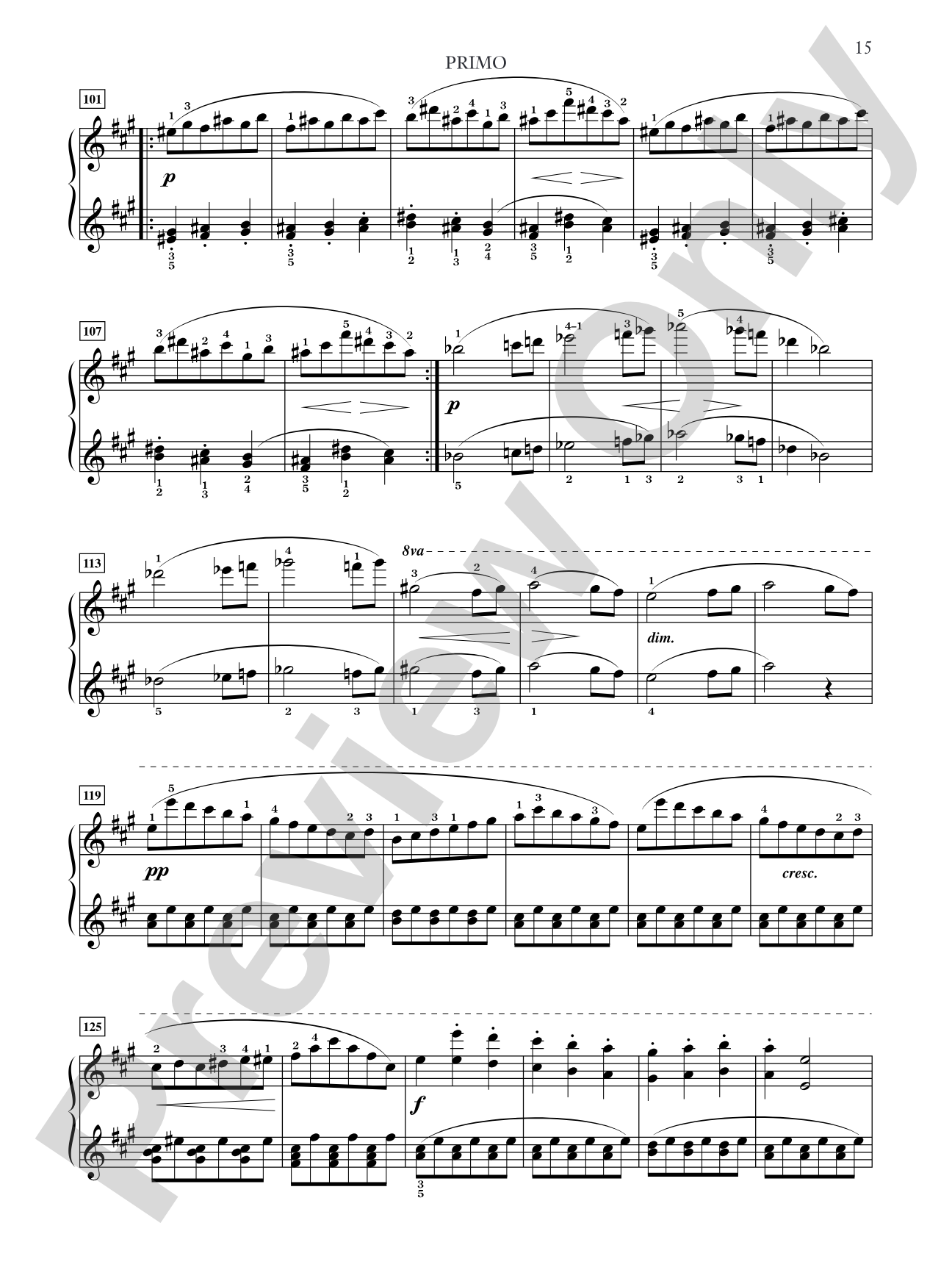
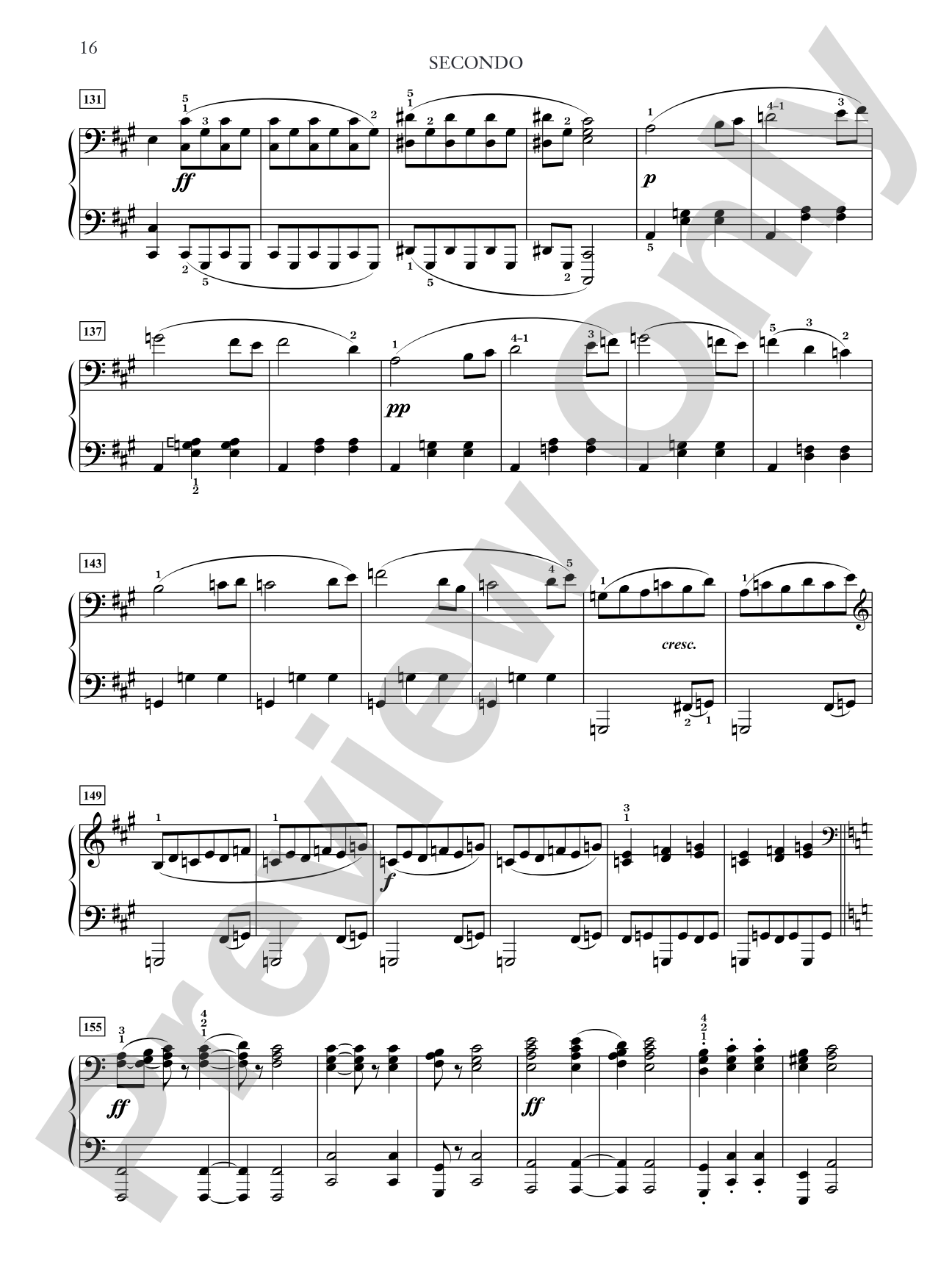
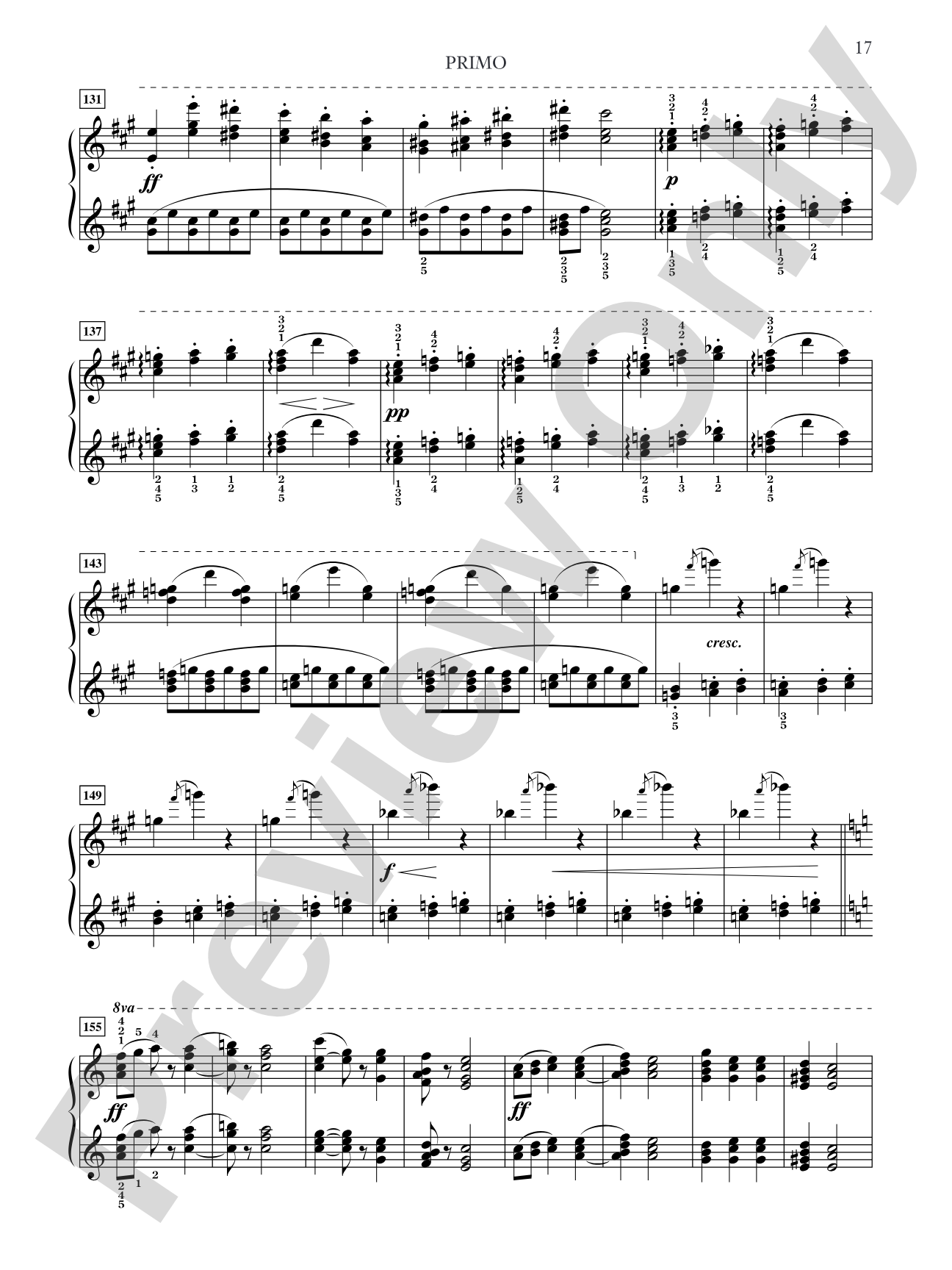
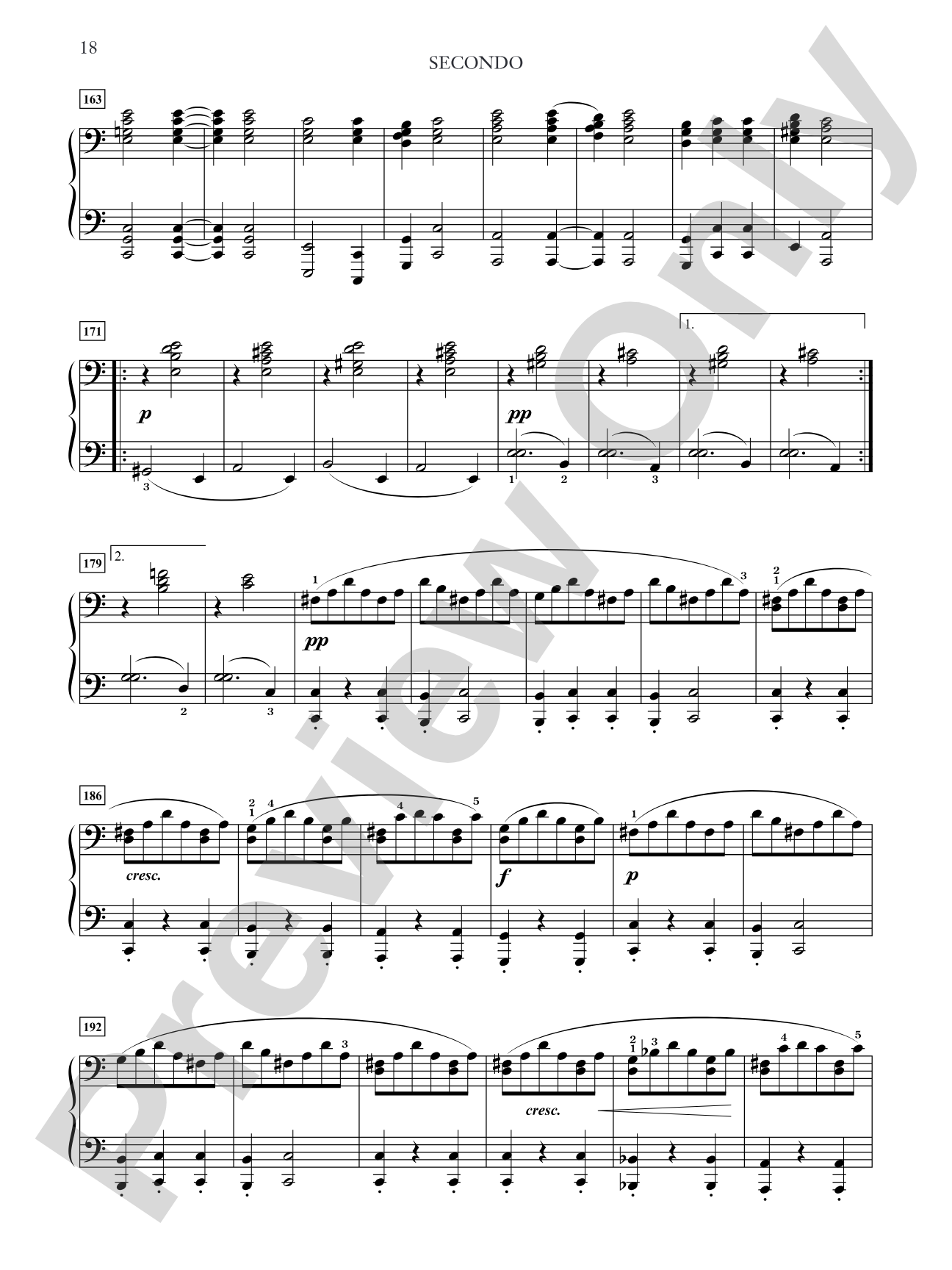
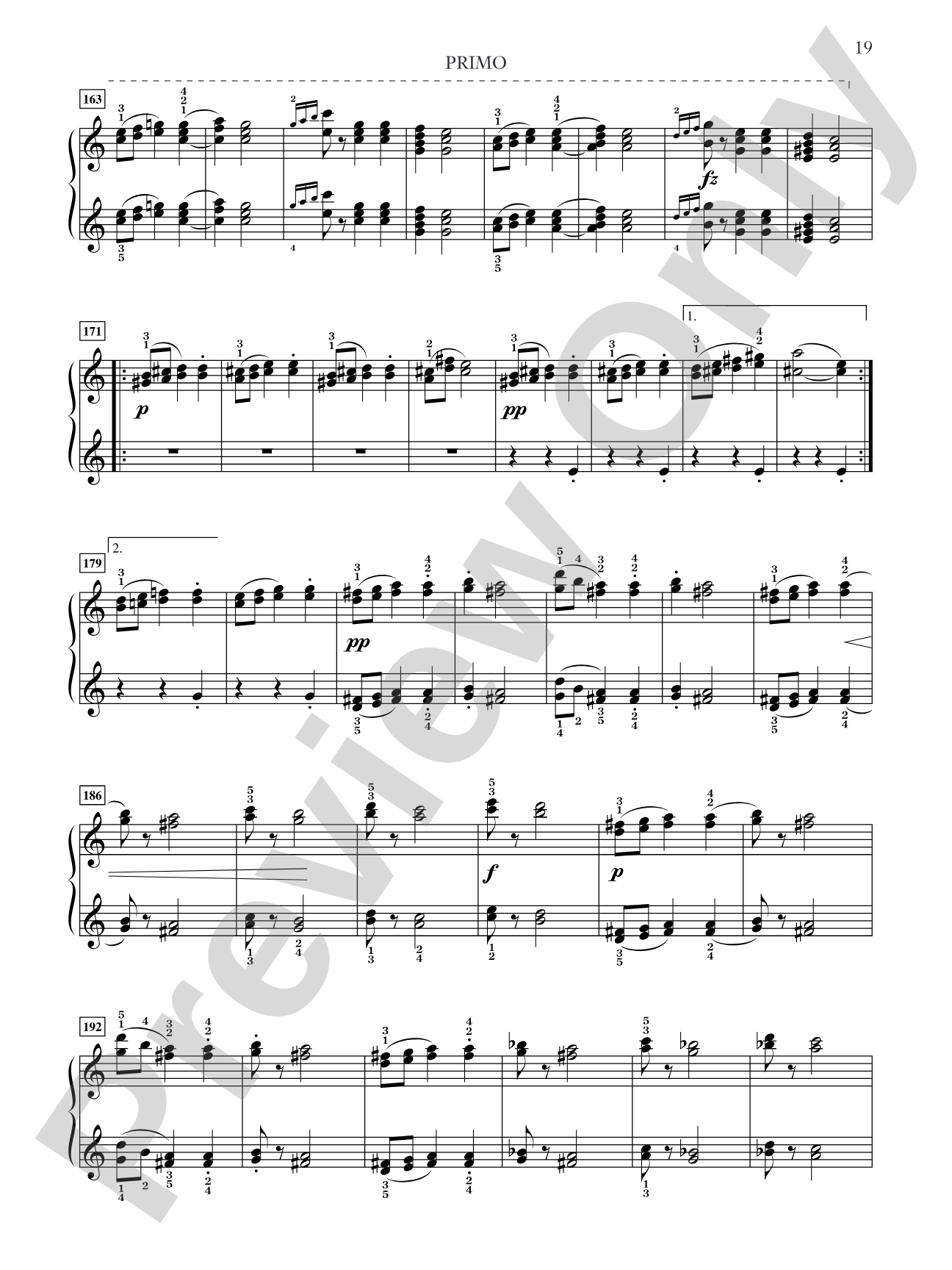
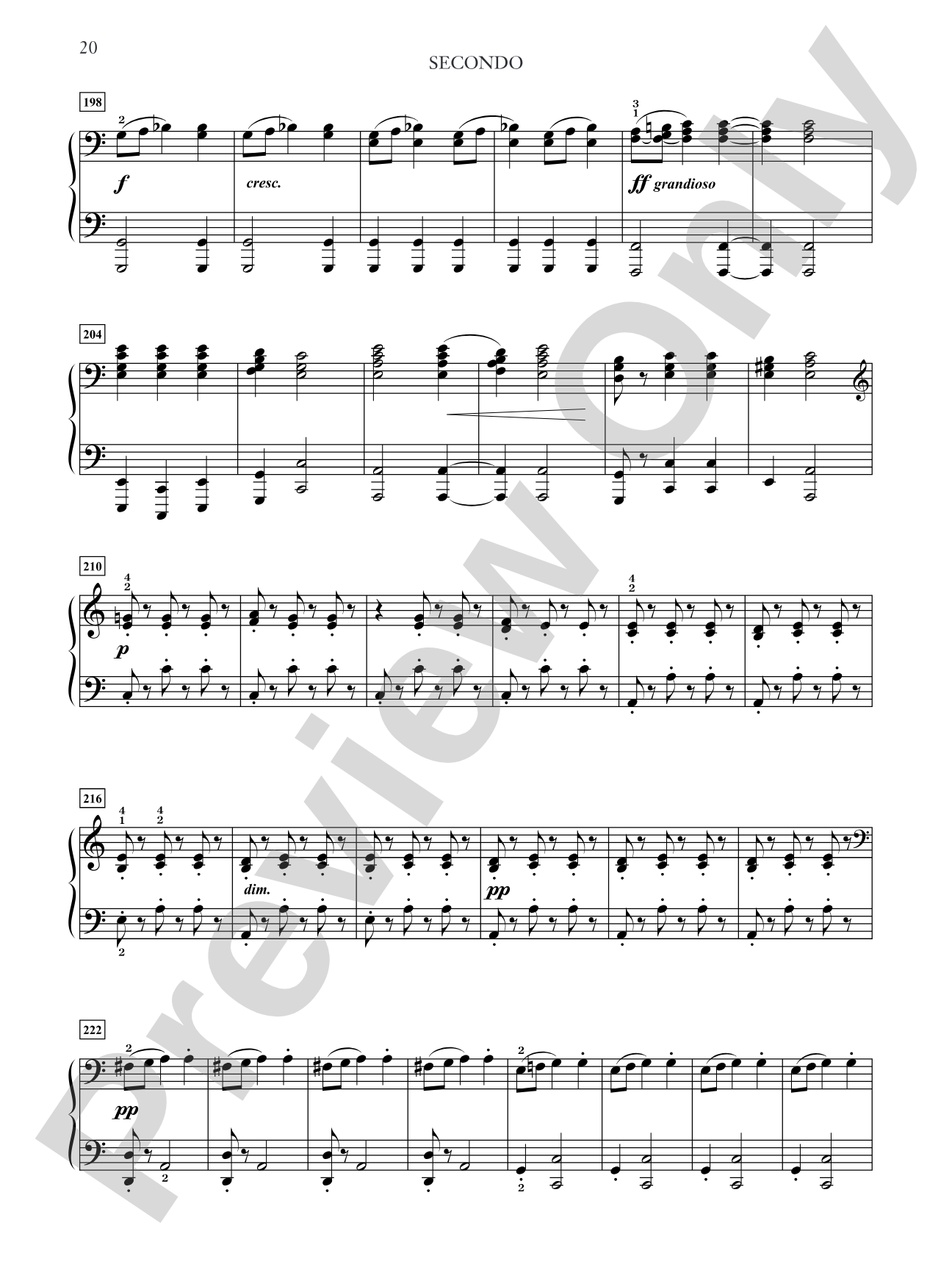
Dvorák's Slavonic Dances, Op. 46 is the first of two sets of dances inspired by the composer's Bohemian folk-music roots. There are eight duets in this volume, each one displaying rhythmic energy and lyricism. Based on the original edition, this volume includes performance notes, editorial fingering, and suggested metronome marks. Any one of the Op. 46 Dances is a Federation Festivals 2016-2020 selection. A Federation Festivals 2020-2024 selection.


Don't just read it, hear it, play along with it, and watch your students grow with it. In MakeMusic Cloud, Dvorák: Slavonic Dances, Opus 46 - Piano Duet (1 Piano, 4 Hands): Piano Duets & Four Hands comes alive with professional accompaniment, adjustable tempo, and built-in practice tools that turn solo practice into real progress.
Open in the Player
Jump straight in and assign it today.
Start Your Free Trial
Open this title and explore the full library in minutes.
Sample Audio
No sample audio found.
Sample Video
No sample videos found.
Additional Details
Series:
Alfred Masterwork Edition
Publisher:
Alfred Music
Page Count:
120
SKU:
00-PB-0000644
More about this title
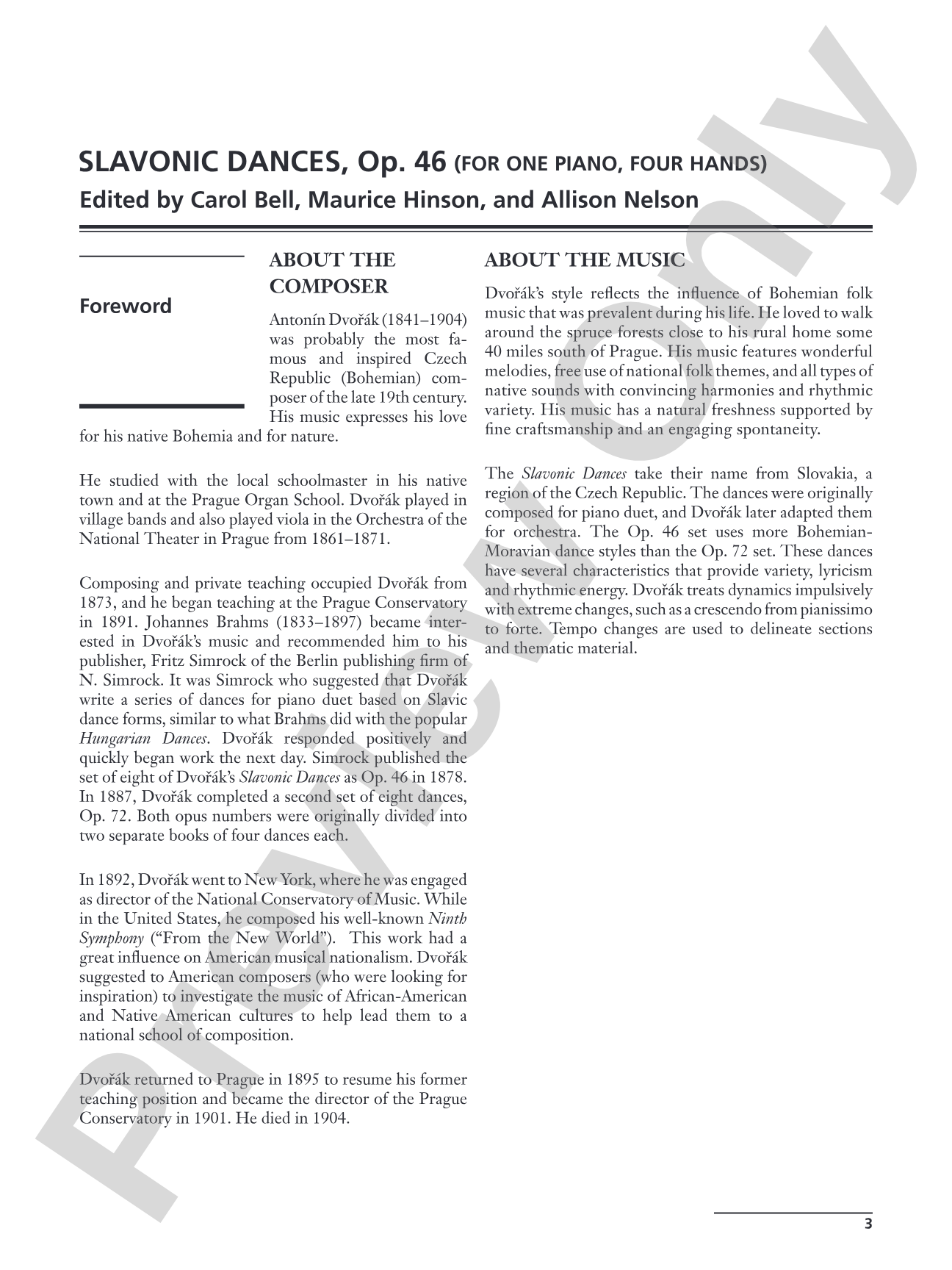
About the Composer: Antonín Dvorák
Antonín Dvorák (1841, 1904) stands as one of the most significant nationalist composers of the Romantic era. A Czech master who drew deeply from his country's folk traditions, Dvorák elevated regional musical idioms to the concert hall without sacrificing sophistication or harmonic depth. His ability to weave authentic Bohemian rhythms and melodies into formally coherent structures made him a bridge between European concert music and the music of ordinary people.
Dvoráks' influence on music education endures partly because his works reward both the player and the listener at multiple levels. Students encounter genuine compositional craft, not simplified versions of greater works. The Slavonic Dances, in particular, demonstrate how a composer can honor folk sources while creating pieces of lasting artistic value.
Why we love this
These eight dances give advanced pianists the chance to inhabit authentic Slavonic idioms without leaving the duet repertoire, which keeps costs down and collaborative energy high. The Alfred Masterwork Edition provides the editorial support teachers need: fingerings are thoughtful, tempos are grounded in performance practice, and the notes illuminate Dvorák's intentions without drowning out the music itself. Nothing in this collection feels like filler.
What to expect
These dances pulse with the energy of celebration and storytelling. Melodic lines have the directness of folk memory, yet Dvorák's harmonic language gives them subtle color and unexpected turns. There is liveliness here, but also moments of reflection that deepen the emotional landscape.
Who it's for
Advanced duet pianists preparing for recitals or festivals, and teachers seeking repertoire that develops mature musicianship without excessive technical novelty. Ensemble-minded students and their coaches will find eight distinct characters to explore, making this volume useful across an entire season.
How to get the most out of it
- Honor the rhythmic character of each dance. Dvorák's syncopations and accent patterns are rarely decorative; they define the piece's personality.
- Balance the secondo part as an equal voice. These dances work only when both players hear themselves as essential to the music, not one leading and one filling in.
- Pay close attention to the suggested metronome marks. They often reveal the composer's sense of proportion and prevent the dances from becoming either sluggish or overheated.
- Shape phrases across the bar line. The folk-like quality emerges when melody breathes naturally rather than halting at measure boundaries.
How to use it
Pair individual dances with other Romantic duet literature in a recital focused on national styles, or program a single dance as an encore that audiences recognize and remember. The collection's variety makes it suitable for both informal performance contexts and formal competition settings throughout the festival season.
Skills your students will build
- Rhythmic independence between primo and secondo parts, especially syncopated figures against steady accompaniment
- Recognizing and performing national folk idioms (Bohemian dance forms and melodic shapes)
- Coordinating pedal and hand position changes across both players
- Balancing lyrical passages with rhythmic drive within a single piece
- Reading and interpreting period-specific articulation and dynamic notation