
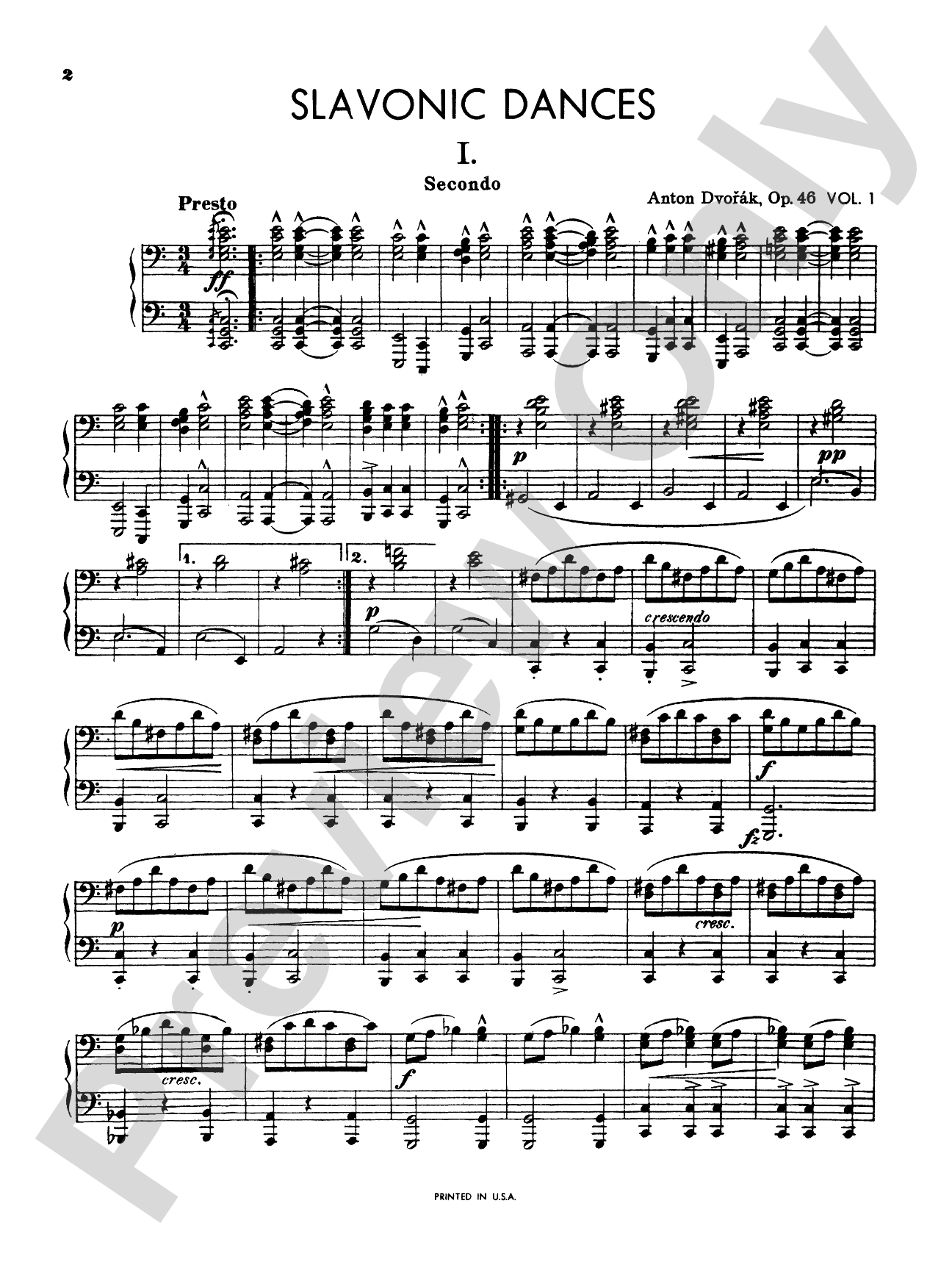
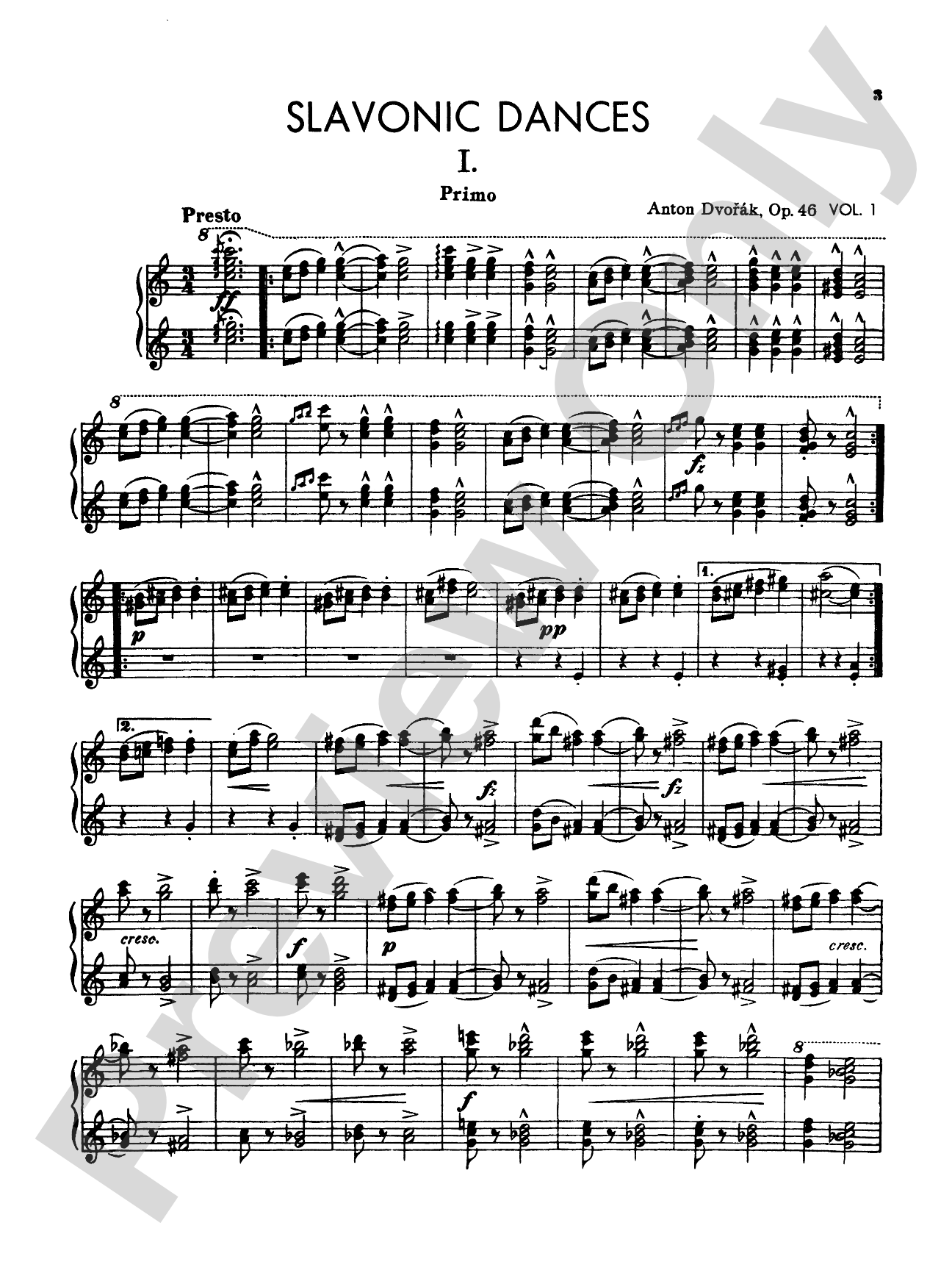
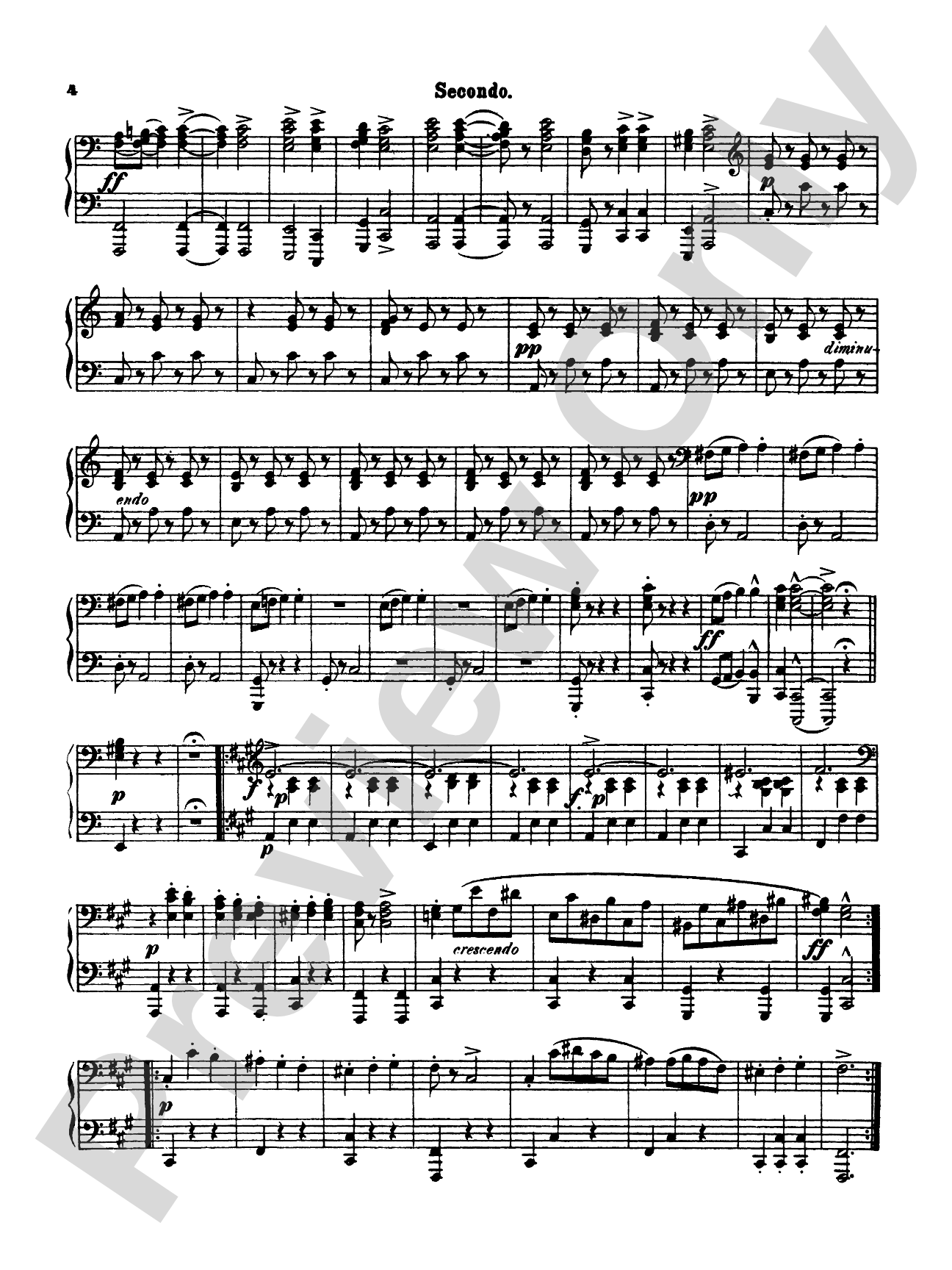
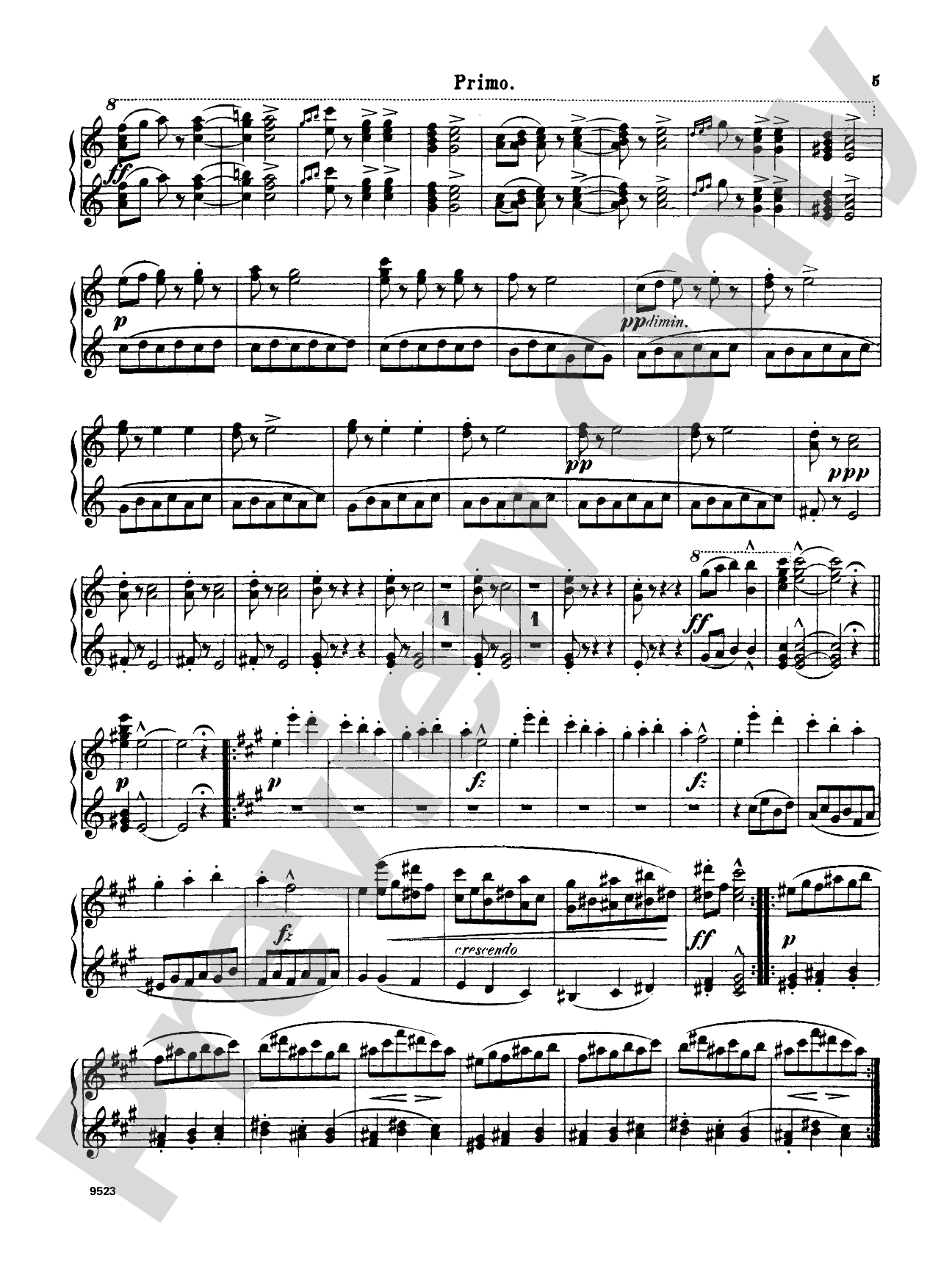
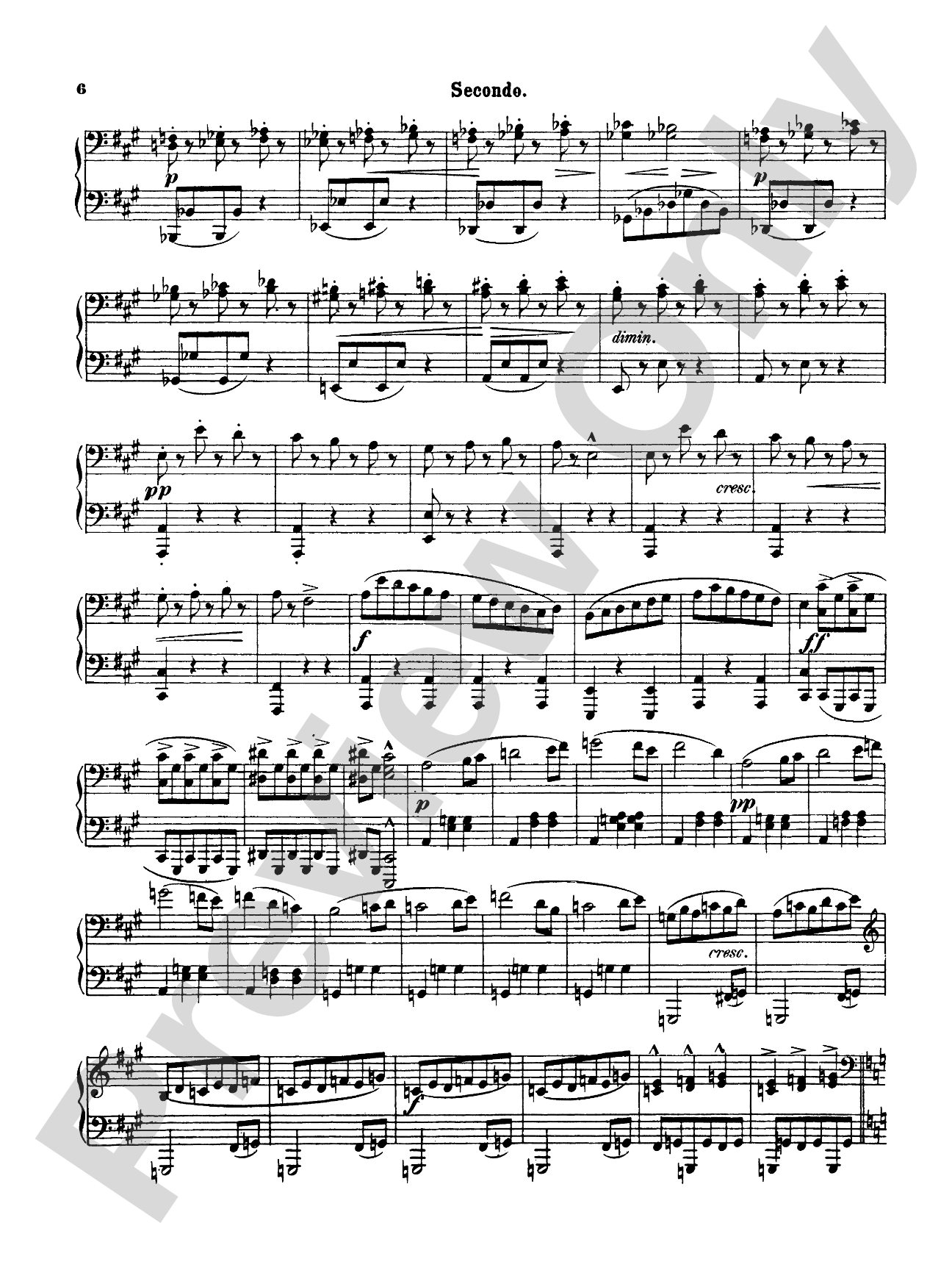
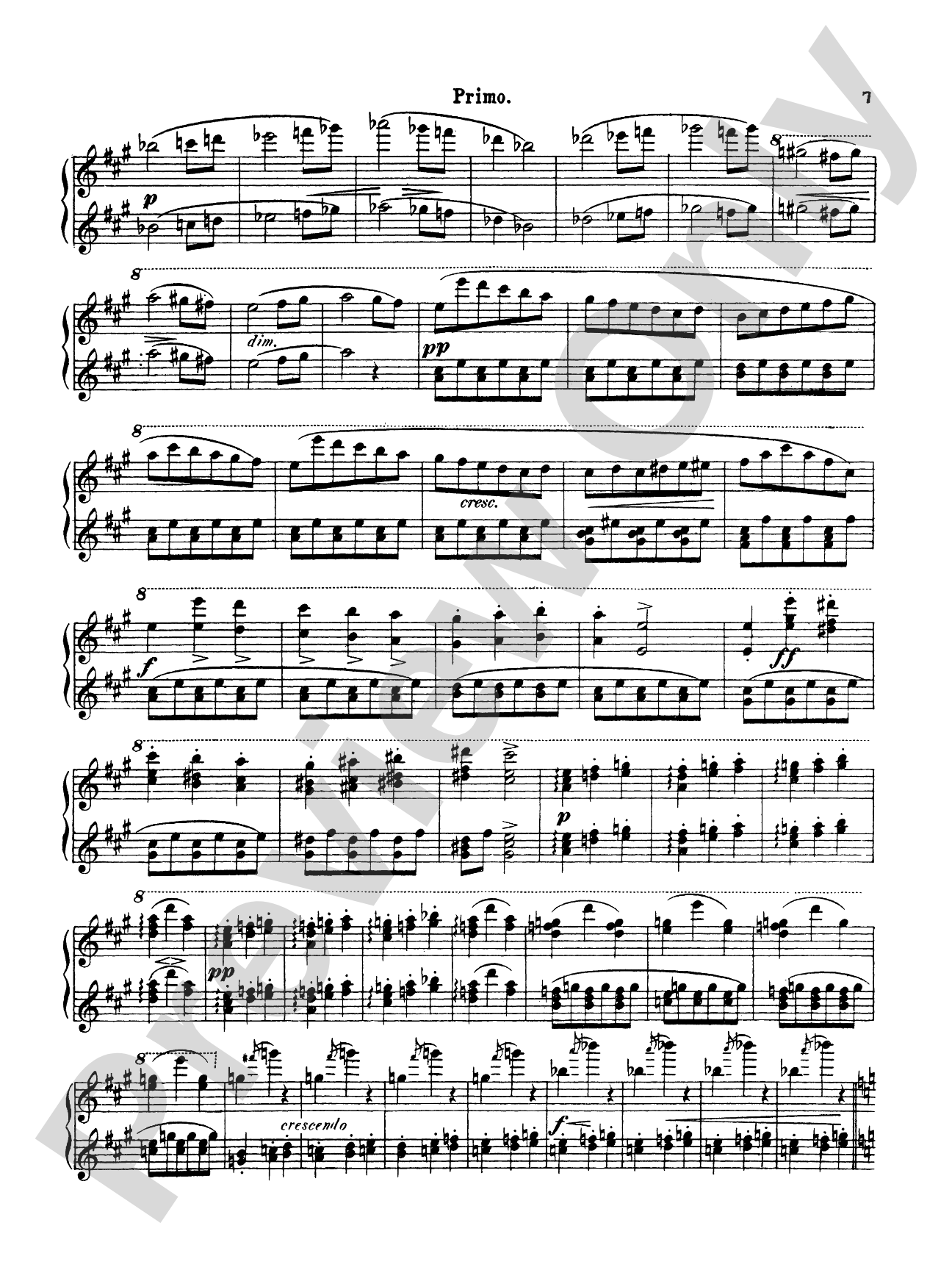
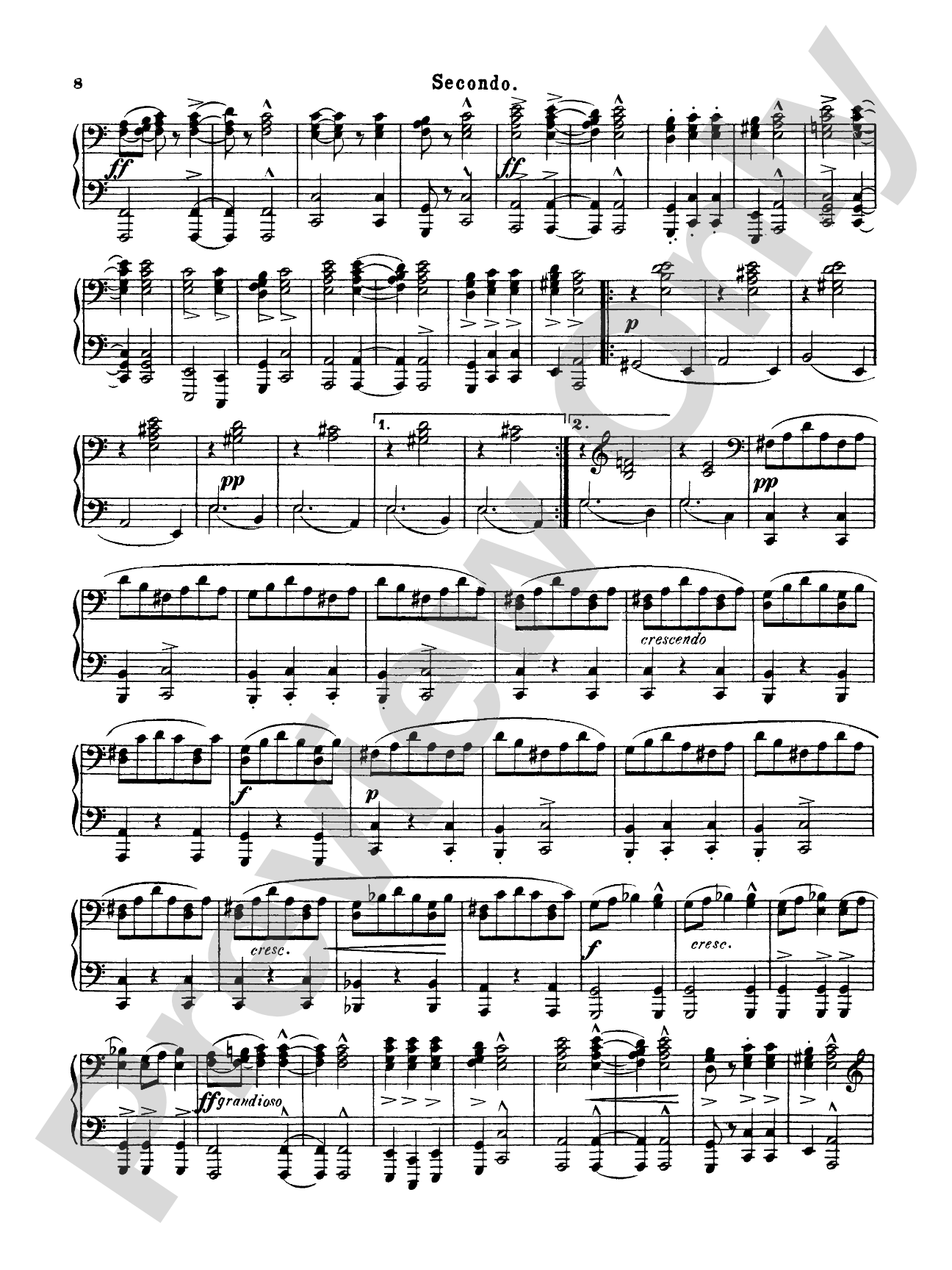
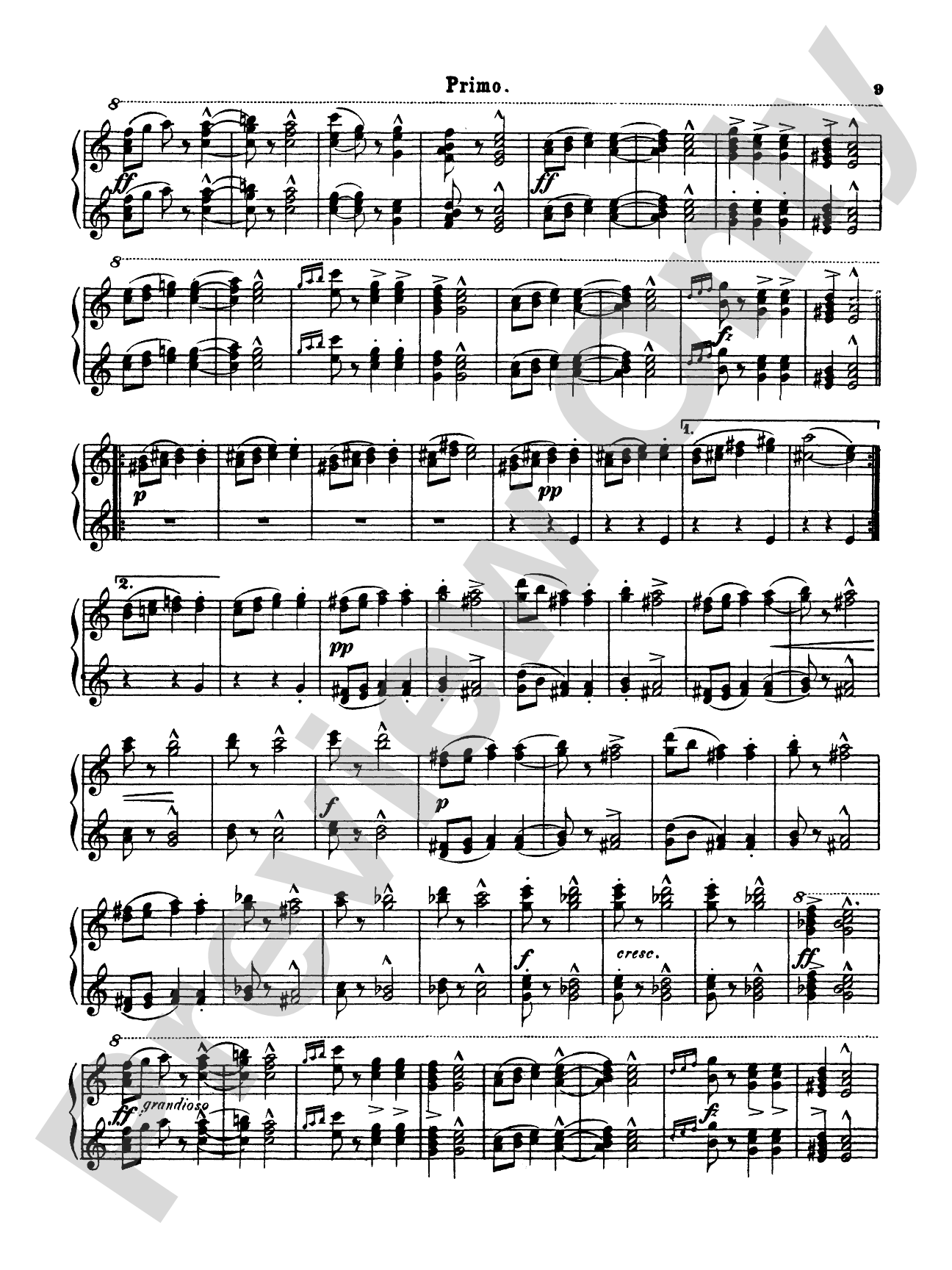
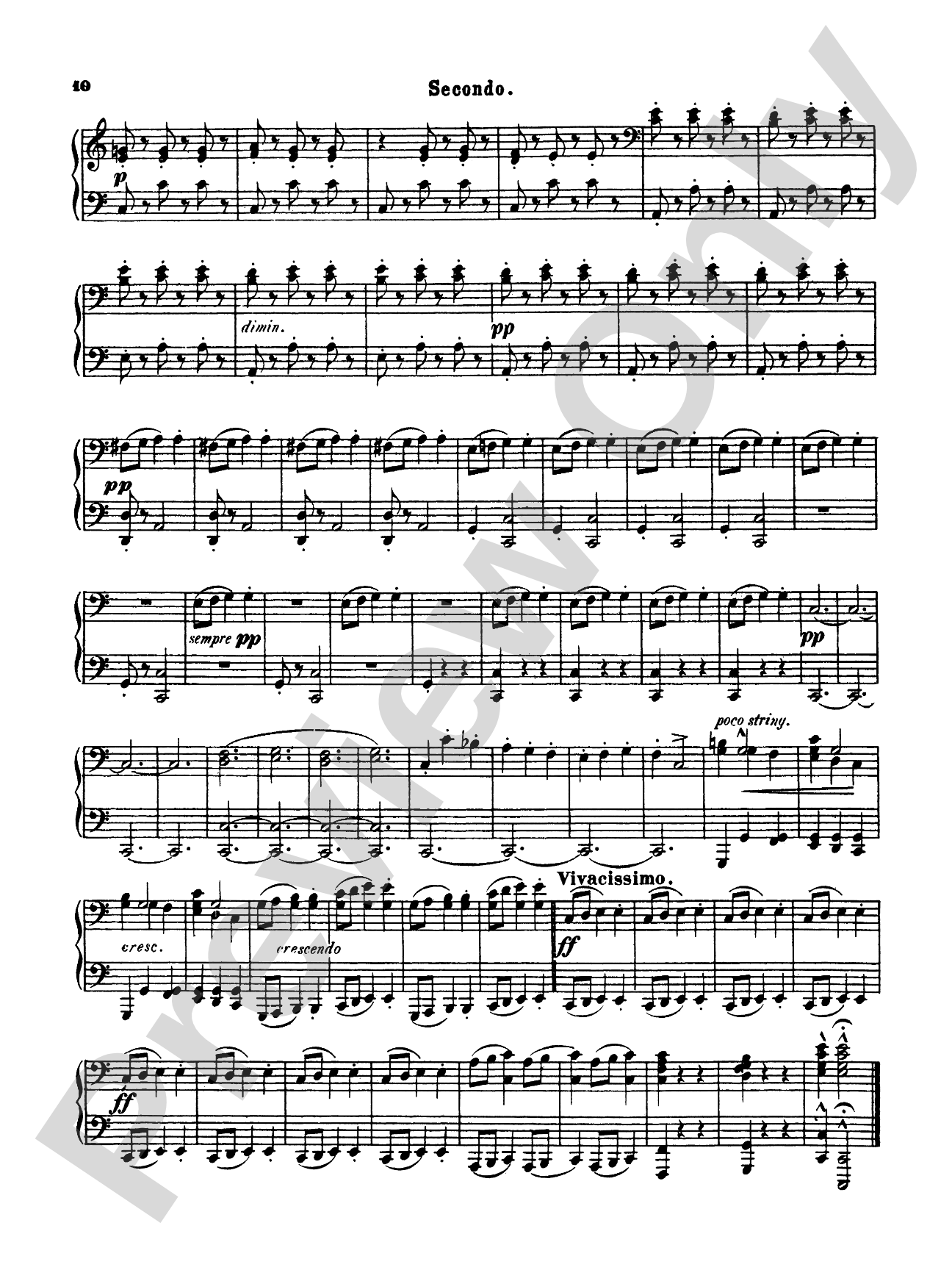
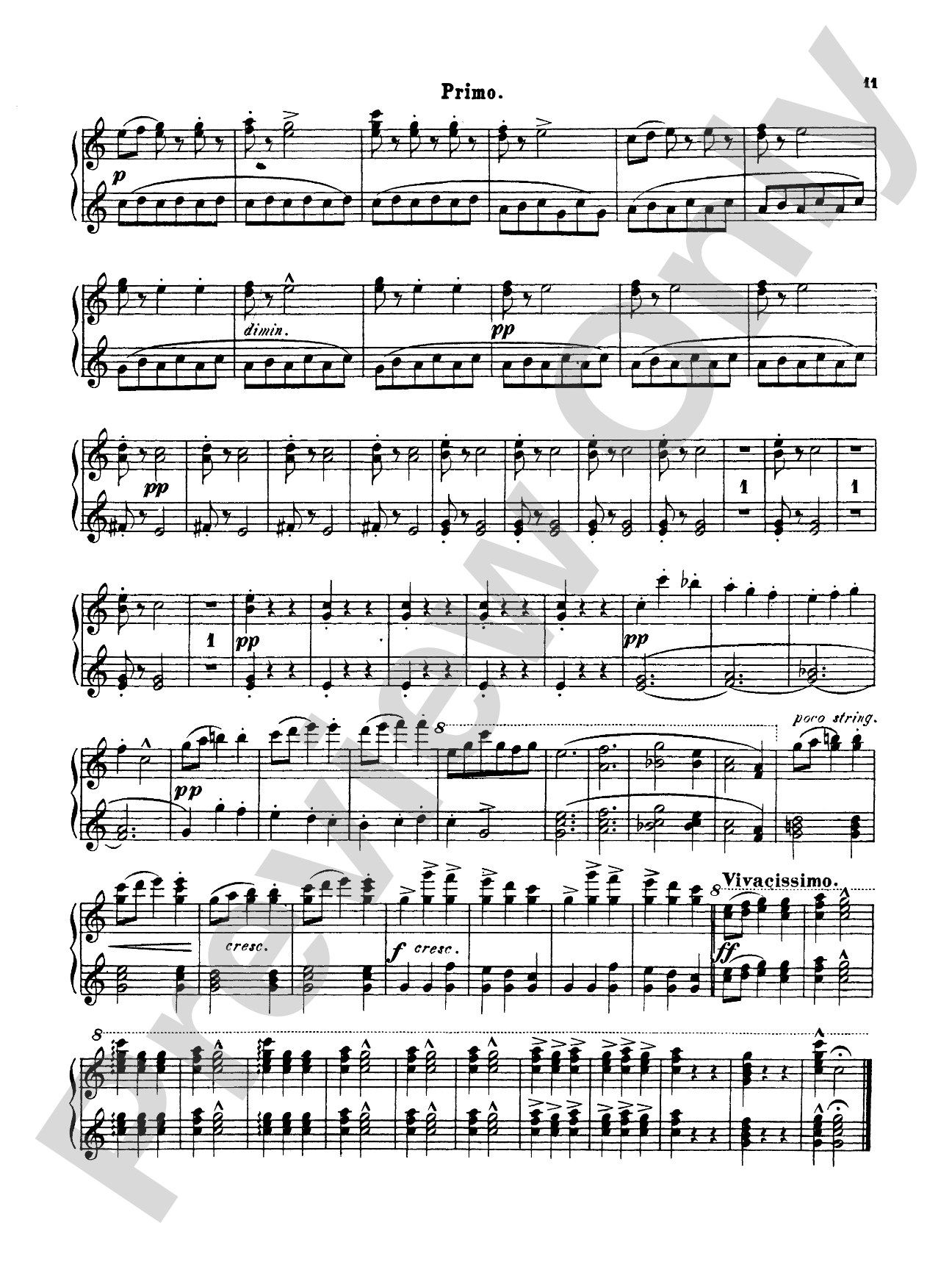

Dvorák: Slavonic Dances, Op. 46 (Volume I): Piano Duet (1 Piano, 4 Hands) Book
By Antonín Dvorák
Item: 00-PK-0003784

$10.99
Pickup currently not available
Buy Extra Parts (Digital PDF Download)
| Product | Price | Quantity |
|---|---|---|
| Dvorák: Slavonic Dances, Op. 46 (Volume I) | $1.99 | |
| Dvorák: Slavonic Dances, Op. 46 (Volume I) | $1.99 | |
| Dvorák: Slavonic Dances, Op. 46 (Volume I) | $1.99 | |
| Dvorák: Slavonic Dances, Op. 46 (Volume I) | $1.99 |
Parts Added to Cart!
Related Items
Slavonic Dances, Opus 46, Volume I: Piano Duet (1 Piano, 4 Hands) Book |
$10.95
|
View |
Description
Op. 46 1-4. From the Czech composer Antonín Dvorák.


Don't just read it, hear it, play along with it, and watch your students grow with it. In MakeMusic Cloud, Dvorák: Slavonic Dances, Op. 46 (Volume I): Piano Duet (1 Piano, 4 Hands) Book comes alive with professional accompaniment, adjustable tempo, and built-in practice tools that turn solo practice into real progress.
Open in the Player
Jump straight in and assign it today.
Start Your Free Trial
Open this title and explore the full library in minutes.
Sample Audio
No sample audio found.
Sample Video
No sample videos found.
Additional Details
Series:
Kalmus Edition
Publisher:
Alfred Music
Page Count:
40
SKU:
00-PK-0003784
More about this title
About the Composer: Antonín Dvorák
Antonín Dvorák (1841-1904) was a Czech composer who drew deeply from his country's folk traditions to create music of international significance. His Slavonic Dances rank among his most performed works, capturing the rhythmic vitality and melodic richness of Central European dance forms while maintaining the harmonic sophistication expected of concert music.
Dvoták's ability to honor folk idioms without sacrificing compositional depth made him a bridge between nationalist and cosmopolitan musical languages. His influence on music education endures through works like the Slavonic Dances, which introduce students to authentic cultural material while developing genuine musical challenges.
Why we love this
These four dances offer pianists a rare chance to inhabit genuinely engaging orchestral music at the keyboard. The writing distributes melodic interest generously between both players, so neither hand feels subordinate, and the Romantic-era idiom sits naturally under the fingers once the rhythmic patterns settle into memory.
What to expect
The energy is infectious and grounded. You hear the stamp of the dance floor, the earthiness of folk melody, yet everything is shaped with symphonic care. The harmonies glow; the rhythms propel. Playing these works reconnects you to why Dvorák's contemporaries celebrated him across Europe.
Who it's for
Intermediate to advanced piano duet players who want to perform music of genuine substance without needing a full ensemble. Students studying Dvorák, Czech musical nationalism, or Romantic keyboard writing will find these dances both musically rewarding and historically important.
How to get the most out of it
- Establish the rhythmic character of each dance before worrying about tempo. Dvorák's Slavonic dances are defined by their dance impulse; lock the pulse between both players first, and the music will open.
- Balance the primo and secondo voices as if they were two different instruments in an orchestral setting. The player at the keyboard's right should phrase as a soloist even when supporting, and the left-hand player should maintain color in the accompaniment.
- Pay attention to Dvorák's harmonic shifts and key relationships. The modulations between dances and within movements reward clear pedaling and allow the listener to hear the structural architecture.
- Use rubato sparingly and only where the phrase contour or a fermata explicitly invites it. These dances have an inherited kinetic energy that strict rhythmic integrity honors rather than constrains.
How to use it
Feature the first volume on a duo recital alongside other Romantic-era four-hand works, or program one dance as an intermission opener to lighten a heavier concert. These pieces also work beautifully in chamber music festivals where piano duet programming is often overlooked.
Skills your students will build
- Rhythmic independence between the two players while maintaining unified pulse
- Melodic phrasing across ensemble roles rather than just in the treble
- Voice leading and harmonic listening in Romantic keyboard idiom
- Pedaling for color and harmonic clarity in orchestration-inspired writing
- Stylistic understanding of Central European dance rhythms and meters