
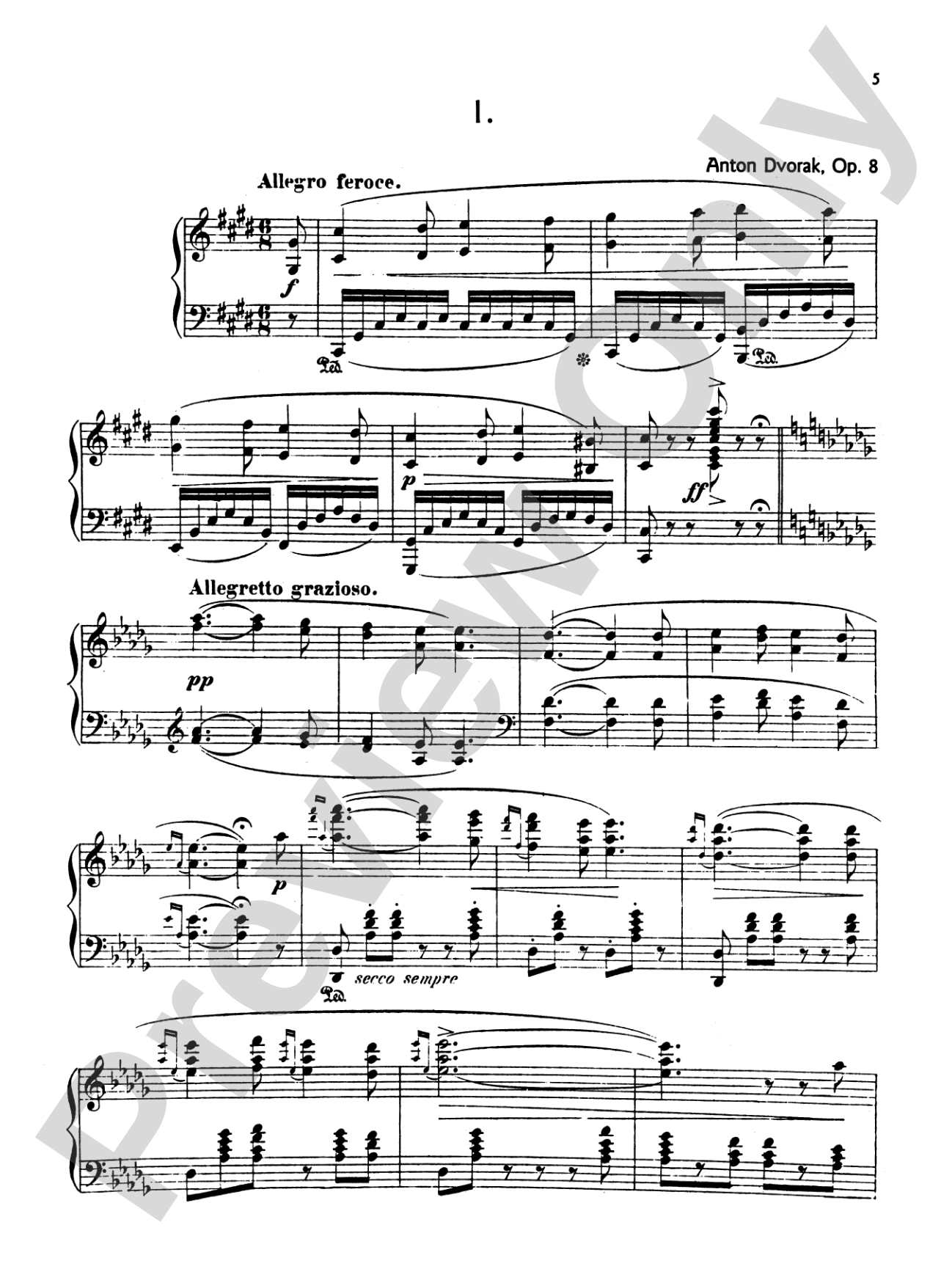
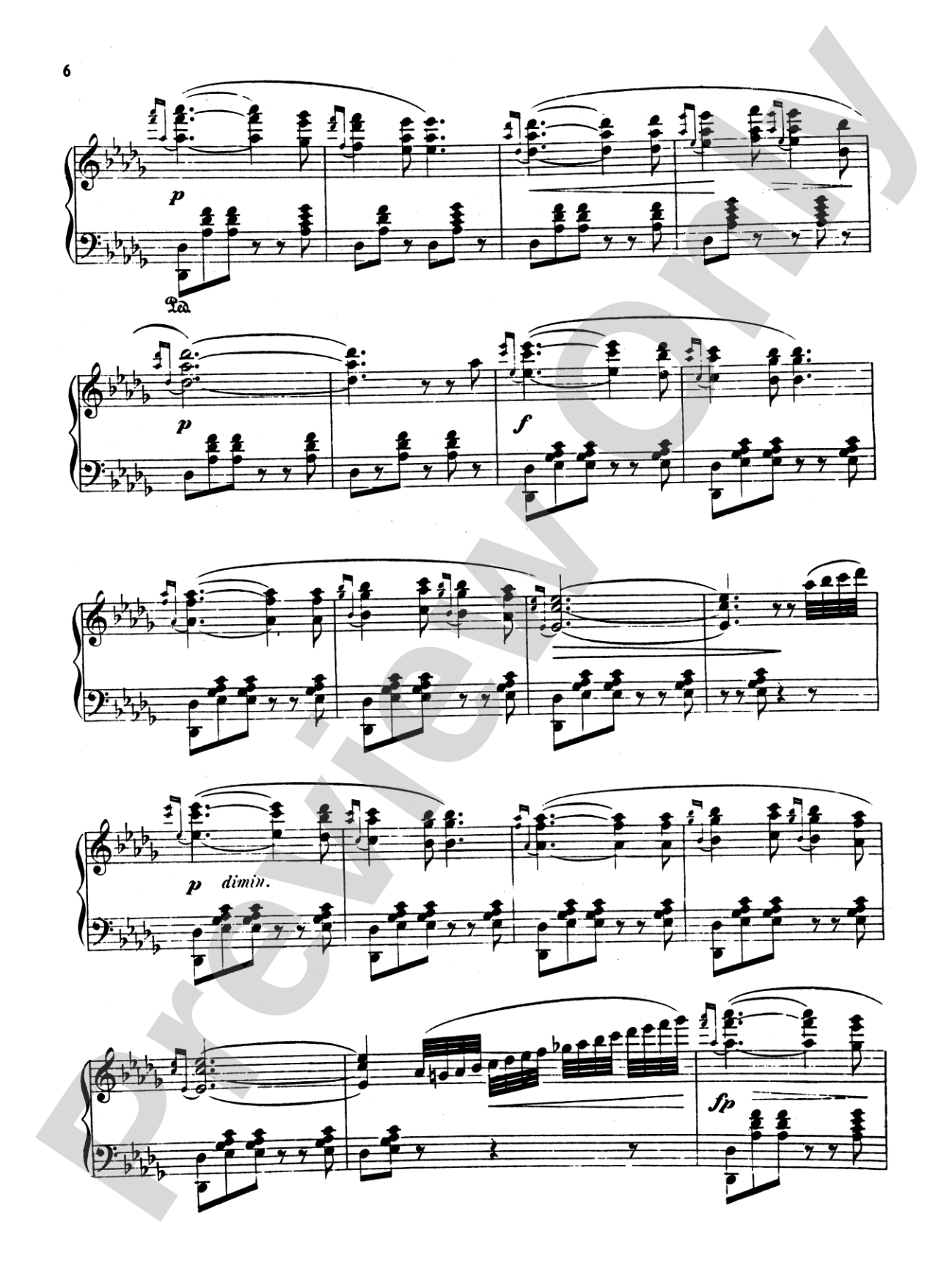
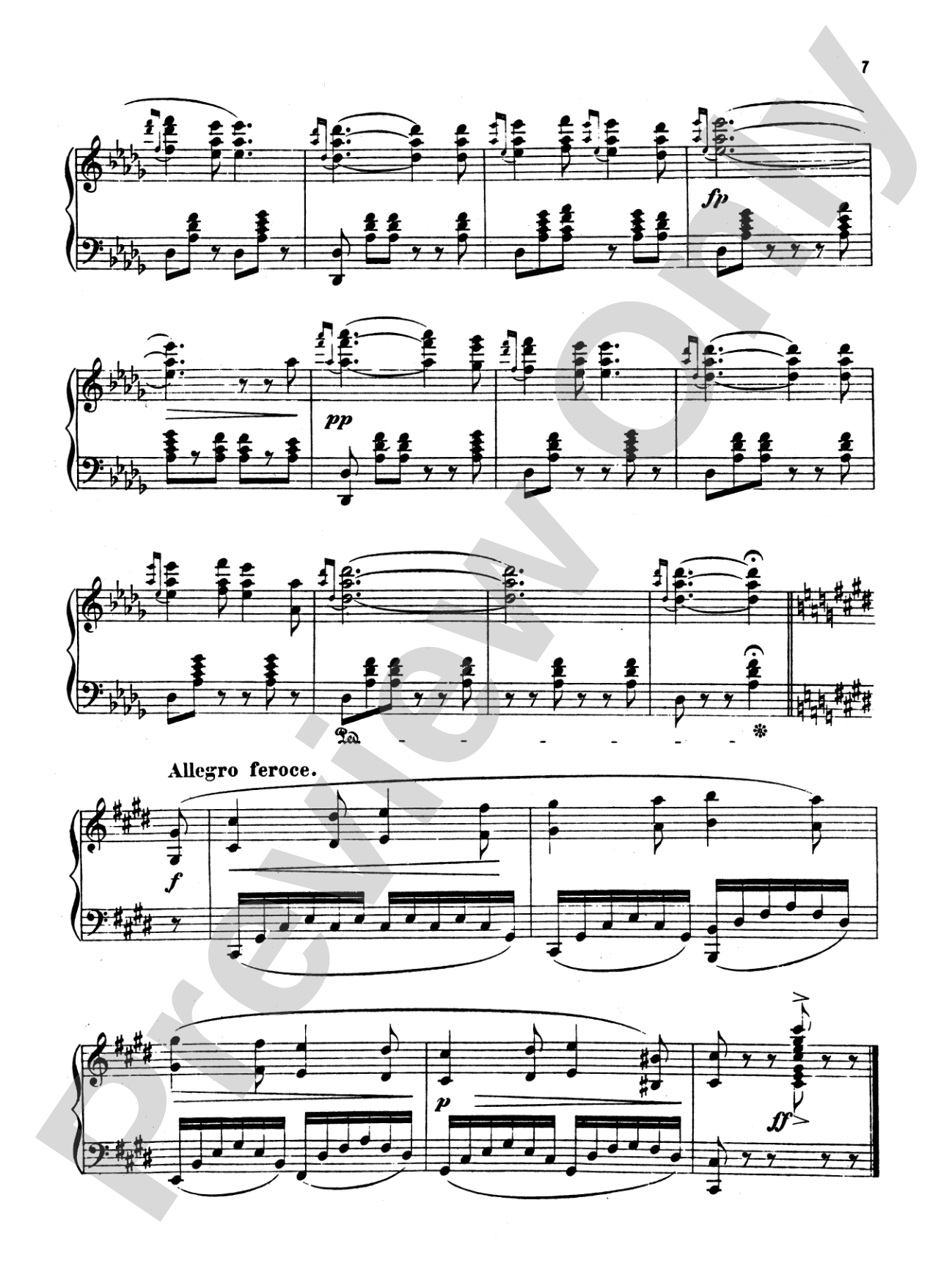

Dvorák: Silhouettes, Op. 8: Piano Book
By Antonín Dvorák
Item: 00-PK-0003896

$11.99
Pickup currently not available
Buy Extra Parts (Digital PDF Download)
| Product | Price | Quantity |
|---|---|---|
| Dvorák: Silhouettes, Op. 8 | $0.99 | |
| Dvorák: Silhouettes, Op. 8 | $0.99 | |
| Dvorák: Silhouettes, Op. 8 | $0.99 | |
| Dvorák: Silhouettes, Op. 8 | $0.99 | |
| Dvorák: Silhouettes, Op. 8 | $0.99 | |
| Dvorák: Silhouettes, Op. 8 | $0.99 | |
| Dvorák: Silhouettes, Op. 8 | $0.99 | |
| Dvorák: Silhouettes, Op. 8 | $0.99 | |
| Dvorák: Silhouettes, Op. 8 | $0.99 | |
| Dvorák: Silhouettes, Op. 8 | $0.99 | |
| Dvorák: Silhouettes, Op. 8 | $0.99 | |
| Dvorák: Silhouettes, Op. 8 | $0.99 |
Parts Added to Cart!
Related Items
Silhouettes, Opus 8: Piano Book |
$11.95
|
View |
Description
12 pieces from the Czech composer Antonín Dvorák.


Don't just read it, hear it, play along with it, and watch your students grow with it. In MakeMusic Cloud, Dvorák: Silhouettes, Op. 8: Piano Book comes alive with professional accompaniment, adjustable tempo, and built-in practice tools that turn solo practice into real progress.
Open in the Player
Jump straight in and assign it today.
Start Your Free Trial
Open this title and explore the full library in minutes.
Sample Audio
No sample audio found.
Sample Video
No sample videos found.
Additional Details
Series:
Kalmus Edition
Publisher:
Alfred Music
Page Count:
48
SKU:
00-PK-0003896
More about this title
About the Composer: Antonín Dvorák
Antonín Dvořák (1841, 1904) stands as one of the most significant voices of the Romantic era, bridging European classical traditions with the distinctive musical language of his native Bohemia. His genius lay in crafting deeply personal, emotionally direct music that never sacrificed structural integrity for sentiment. As a teacher and mentor, Dvořák influenced generations of composers and remains essential study for pianists seeking to understand how nationalist composers enlarged the vocabulary of European music.
Why we love this
Dvorák's Silhouettes deliver genuine musical substance in compact, accessible forms. These twelve pieces reward both careful study and expressive performance, offering pianists a collection that balances technical clarity with emotional depth without overwhelming the intermediate player.
What to expect
These miniatures evoke intimate lyrical moments, often with a reflective quality that invites introspection. The piano writing remains transparent and vocal in character, emphasizing melody and harmonic clarity over virtuosic display, creating an atmosphere of quiet contemplation punctuated by moments of warmth.
Who it's for
Pianists in the intermediate to early-advanced range who want to expand beyond standard methodological fare into repertoire with real artistic substance. Teachers seeking material that combines pedagogical value with concert viability will find these pieces excellent for studio recitals and student development.
How to get the most out of it
- Attend closely to dynamic shape within individual phrases. Dvorák often telescopes his ideas, and subtle shifts in dynamic contour create the emotional arc where dramatic outbursts do not.
- Treat rubato with restraint. The pieces speak most convincingly when rhythmic integrity remains intact while melodic lines breathe naturally.
- Balance melody and accompaniment textures with precision. The writing typically assigns the primary idea to one hand while the other provides harmonic and rhythmic support, and clarity between these roles sustains the listener's attention.
- Explore the character of each piece as distinct. Dvorák titled these works to guide interpretation, and respecting those titles during practice sharpens your sense of how he differentiated musical moods.
How to use it
These pieces work beautifully as recital openers or as a thematic group within a longer program built around Romantic-era piano literature. A studio teacher might program one or two Silhouettes as standalone pieces or pair them with contrasting works from contemporaries to illuminate Dvorák's pianistic voice.
Skills your students will build
- Sustaining lyrical melodic lines while maintaining harmonic independence in accompaniment figures
- Navigating Dvorák's phrase architecture and understanding structural proportions in miniature forms
- Interpreting subtle dynamic shadings and rubato within a Romantic harmonic language
- Reading and executing the specific pianistic textures Dvorák favored in his keyboard writing