
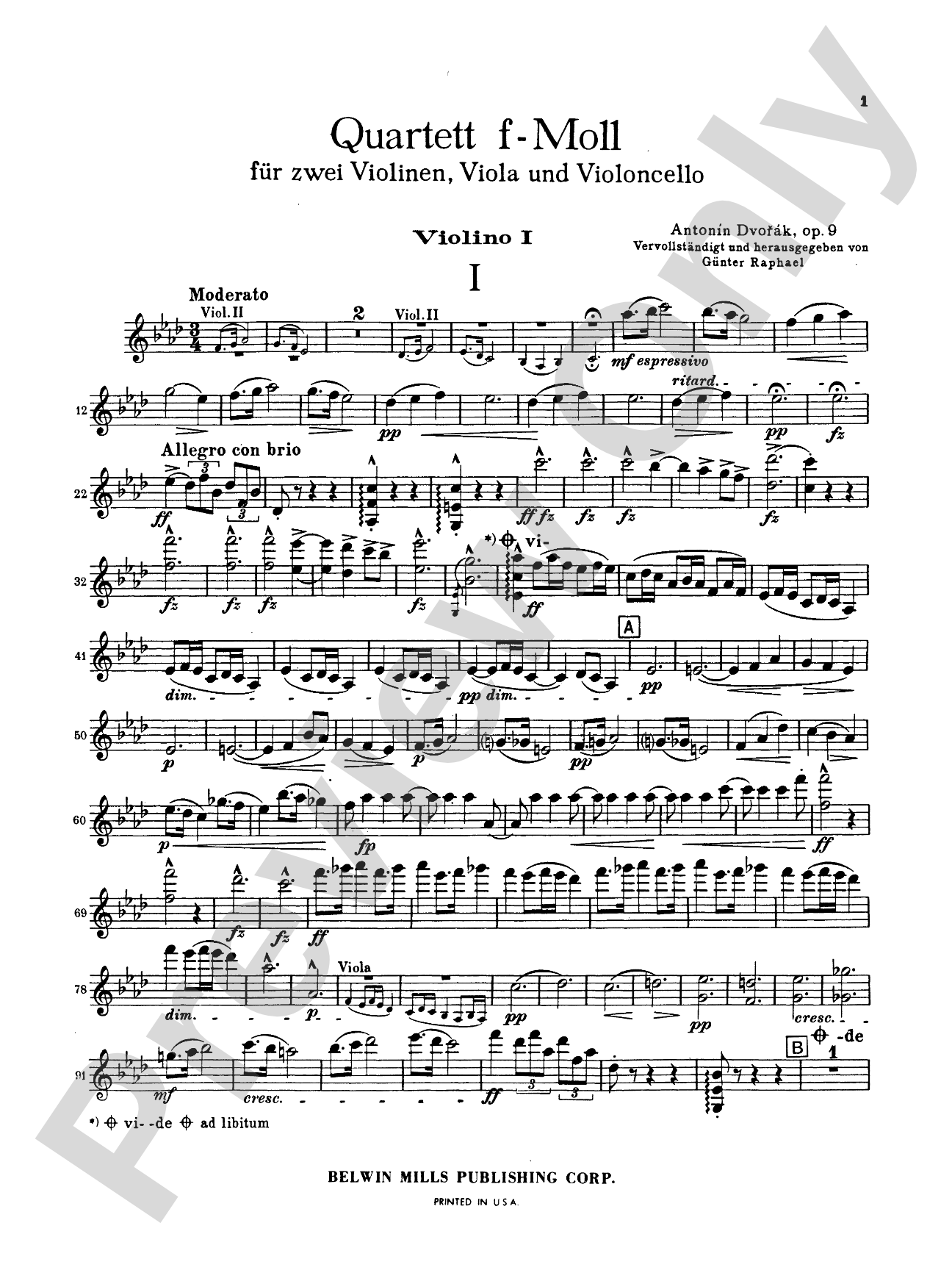
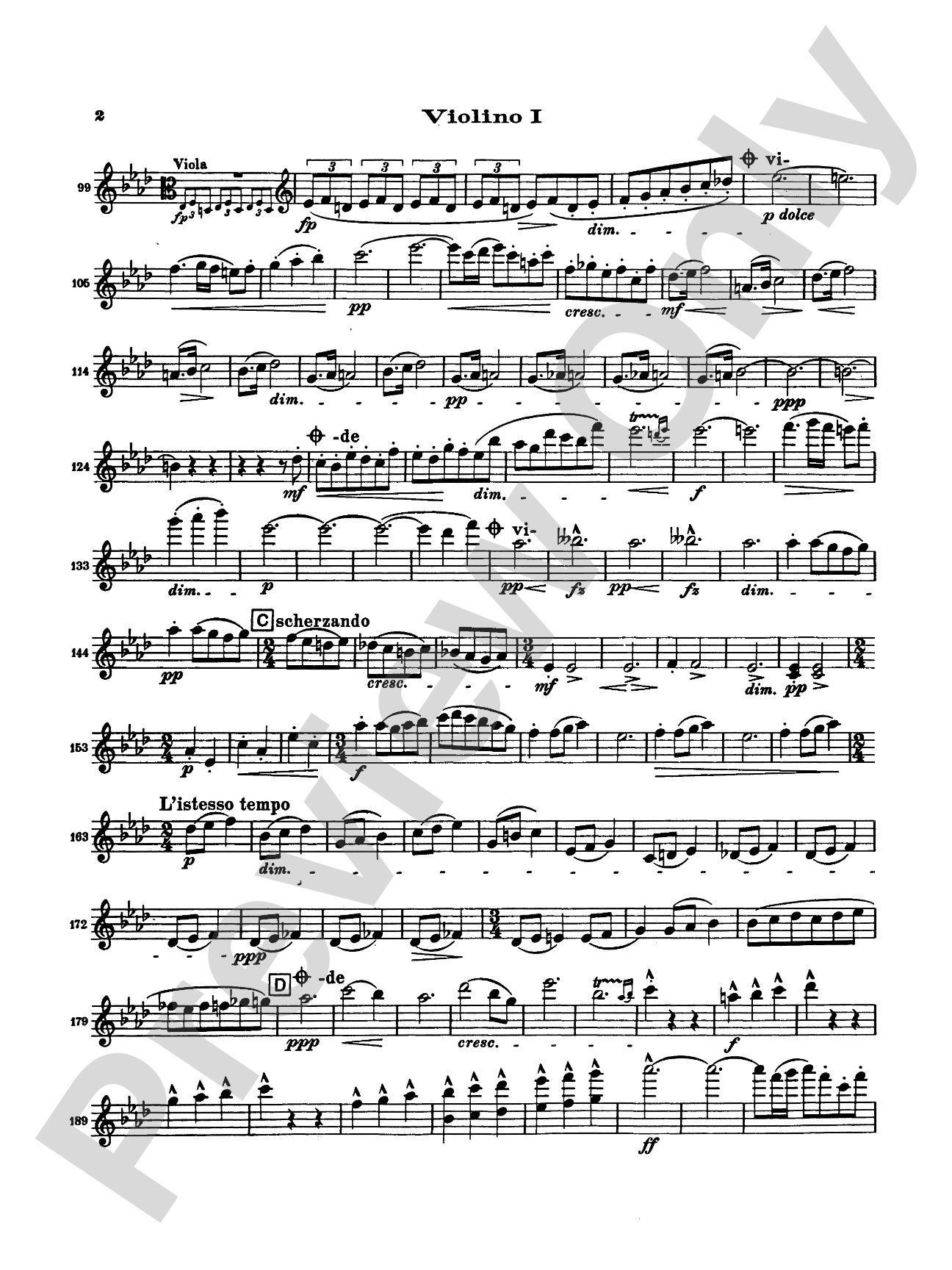
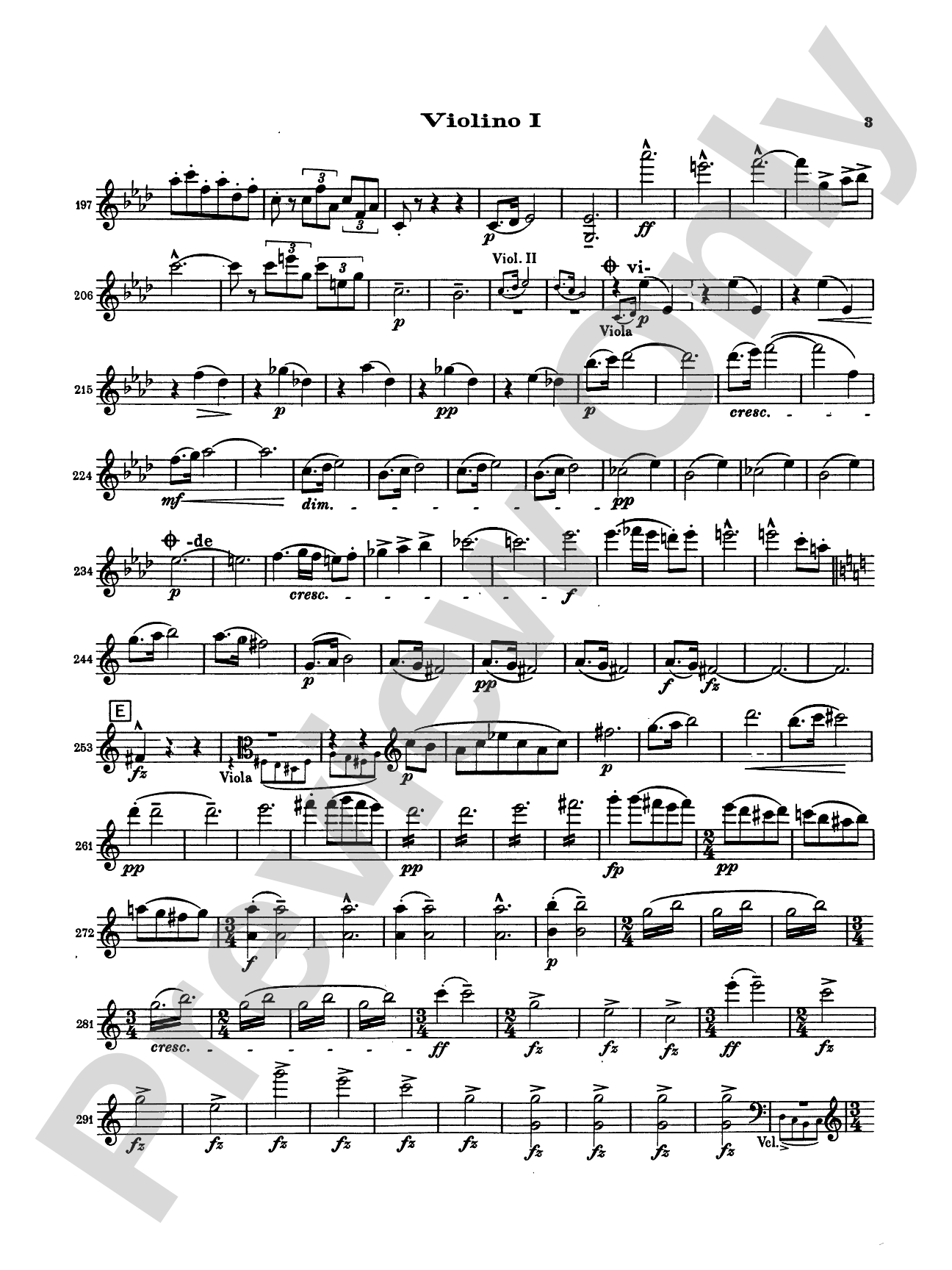
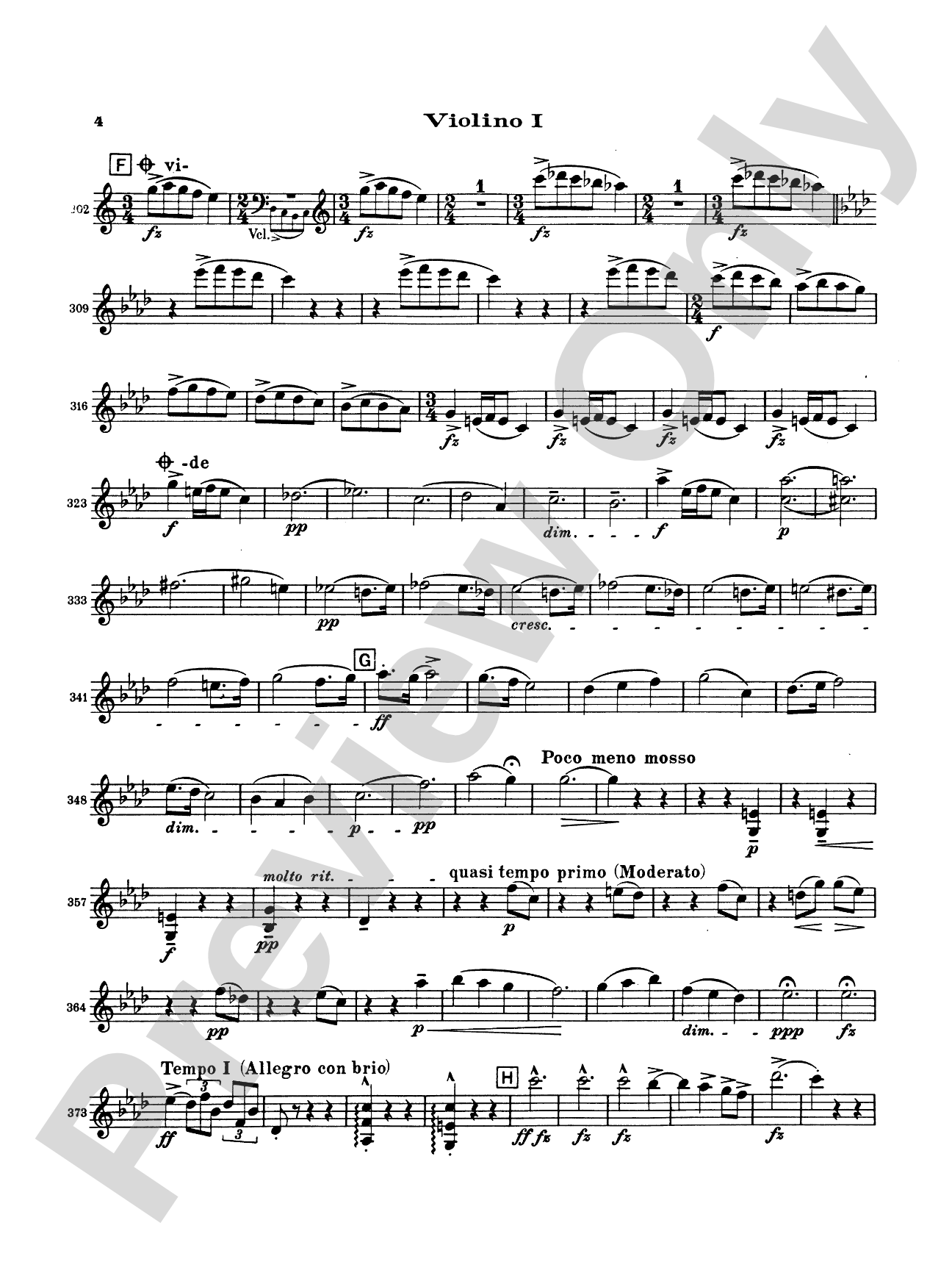

Dvorák: Quartet in F Minor, Op. 9
For Two Violins, Viola and Cello
By Antonín Dvorák
Item: 00-PC-0013040
$3.99
Pickup currently not available
Description
A string quartet for two Violins, Viola, and Cello, by expertly composed by Antonin Dvorák.


Dvorák: Quartet in F Minor, Op. 9 isn't in MakeMusic Cloud just yet...but it could be. Let us know you'd like to see it, and you'll help shape what comes next. In the meantime, start a free trial and dive into thousands of interactive titles your students can play along with today.
Request This Title
Tell us you want it.
Start Your Free Trial
Explore everything that's ready to play right now.
Sample Audio
No sample audio found.
Sample Video
No sample videos found.
Additional Details
Series:
Kalmus Edition
Publisher:
Alfred Music
Page Count:
64
SKU:
00-PC-0013040
More about this title
About the Composer: Antonín Dvorák
Antonín Dvorák (1841-1904) stands as one of the most performed composers in the chamber music repertoire, and for good reason. A Czech nationalist who drew deeply from folk idioms and dance rhythms, Dvorák elevated the string quartet to a vehicle for both intimate expression and ambitious formal architecture, composing 14 quartets across his career that remain essential to student and professional ensembles alike.
Dvorak's chamber works reveal a composer equally comfortable with Brahmsian structure and Slavic lyricism. His string quartets, particularly those from his middle and late periods, combine rigorous harmonic language with memorable melodic writing, making them both intellectually rewarding and genuinely moving. For educators, his quartets offer a masterclass in how to write for strings with clarity, balance, and expressive depth.
Why we love this
Op. 9 captures Dvorák in full command of quartet writing, with the F minor tonality lending a darker, more introspective character than his sunnier works. The piece demands serious musicianship from all four players while remaining within reach of accomplished student ensembles, making it an ideal stepping stone to the professional quartet literature. Programming it signals that your group has advanced beyond standard pedagogical repertoire.
What to expect
Brooding and introspective, with moments of lyrical warmth that break through the F minor melancholy. The opening themes feel both folk-like and formally sophisticated, drawing you into a world of chromatic complexity and emotional depth that unfolds across the four movements. There is urgency here, but also a distinctive Bohemian character that sets Dvorák apart from his German contemporaries.
Who it's for
Advanced student quartets, community ensembles, and young professional groups seeking substantial Romantic repertoire that showcases technical facility and musical maturity. Violists and cellists will find genuinely rewarding material here, not accompaniment writing. This quartet belongs on the stand of any group serious about chamber music performance.
How to get the most out of it
- Balance the second violin line carefully; Dvorák often writes independent material there that must be heard without dominating the first violin's melodic role. Rehearse with attention to transparency across all voices.
- Shape phrases through rubato and dynamic sculpting rather than tempo variation. The chromatic harmony and modulations benefit from a steady pulse that allows harmonic movement to breathe.
- Intonation in the middle movements rewards slow, deliberate practice. The romantic harmonies expose tuning issues immediately, so isolate problem areas and use drone-based practice.
- Coordinate bow direction and articulation among all four players at moments of unison or octave doublings. Dvorák's orchestral thinking means these moments need unified sound to register clearly.
How to use it
Place this on a chamber music recital or competition program where you want to demonstrate serious quartet credentials. It pairs well with a modern work or a lighter Classical quartet, providing contrasting weight and style. Festival competitions often respond strongly to Dvorák's quartets, and Op. 9 remains relatively less performed than his later works, making it a distinctive choice.
Skills your students will build
- Reading complex chromatic harmony and rapid modulation
- Balancing and blending four independent melodic lines across four movements
- Intonation in chromatic passages and extended harmonies
- Phrasing across longer forms (F minor sonata, slower movement, Scherzo, finale structure)
- Vibrato control and tonal matching in sustained harmony sections
- Rhythmic independence and ensemble precision in episodes with multiple melodic threads