
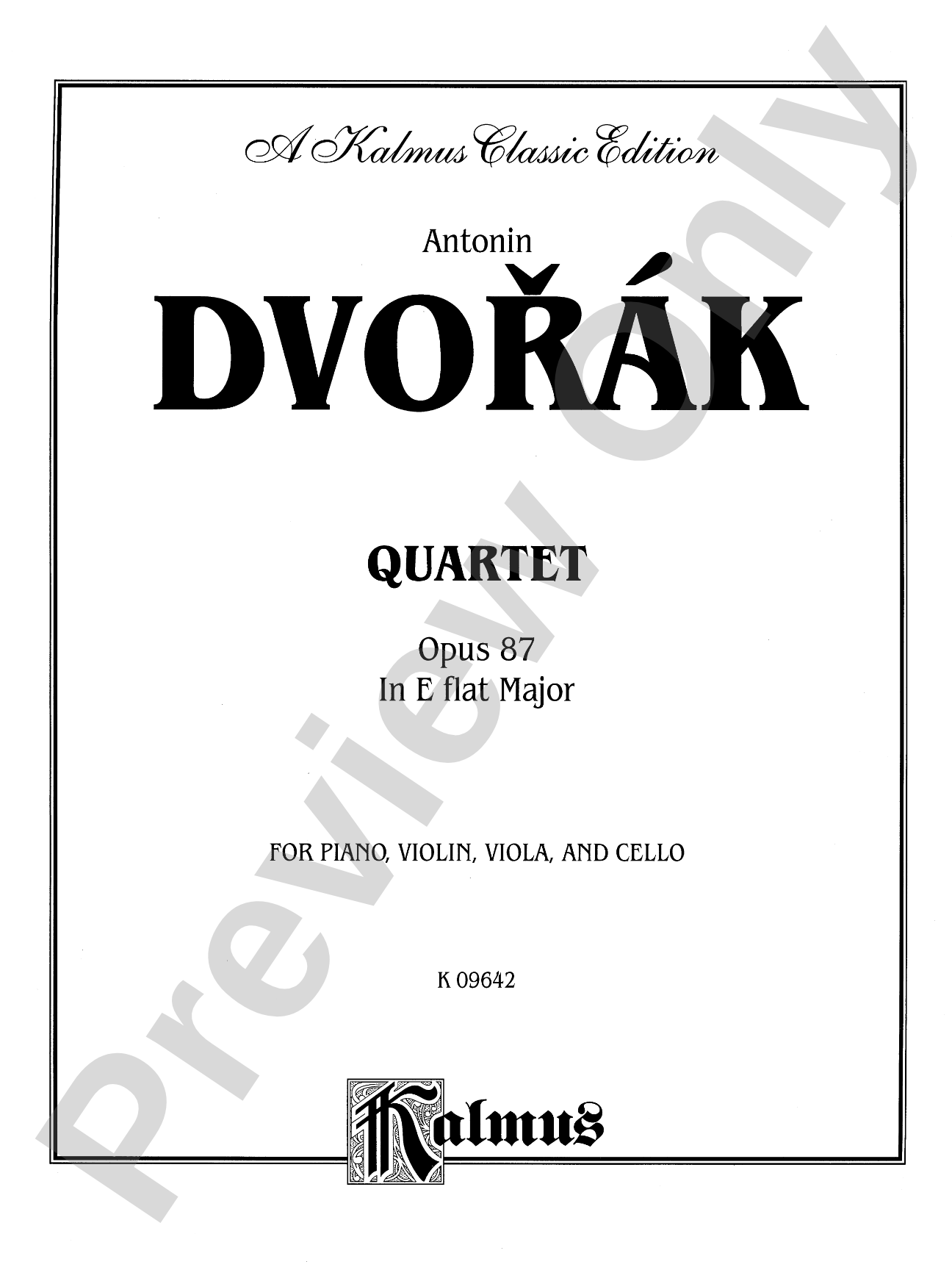

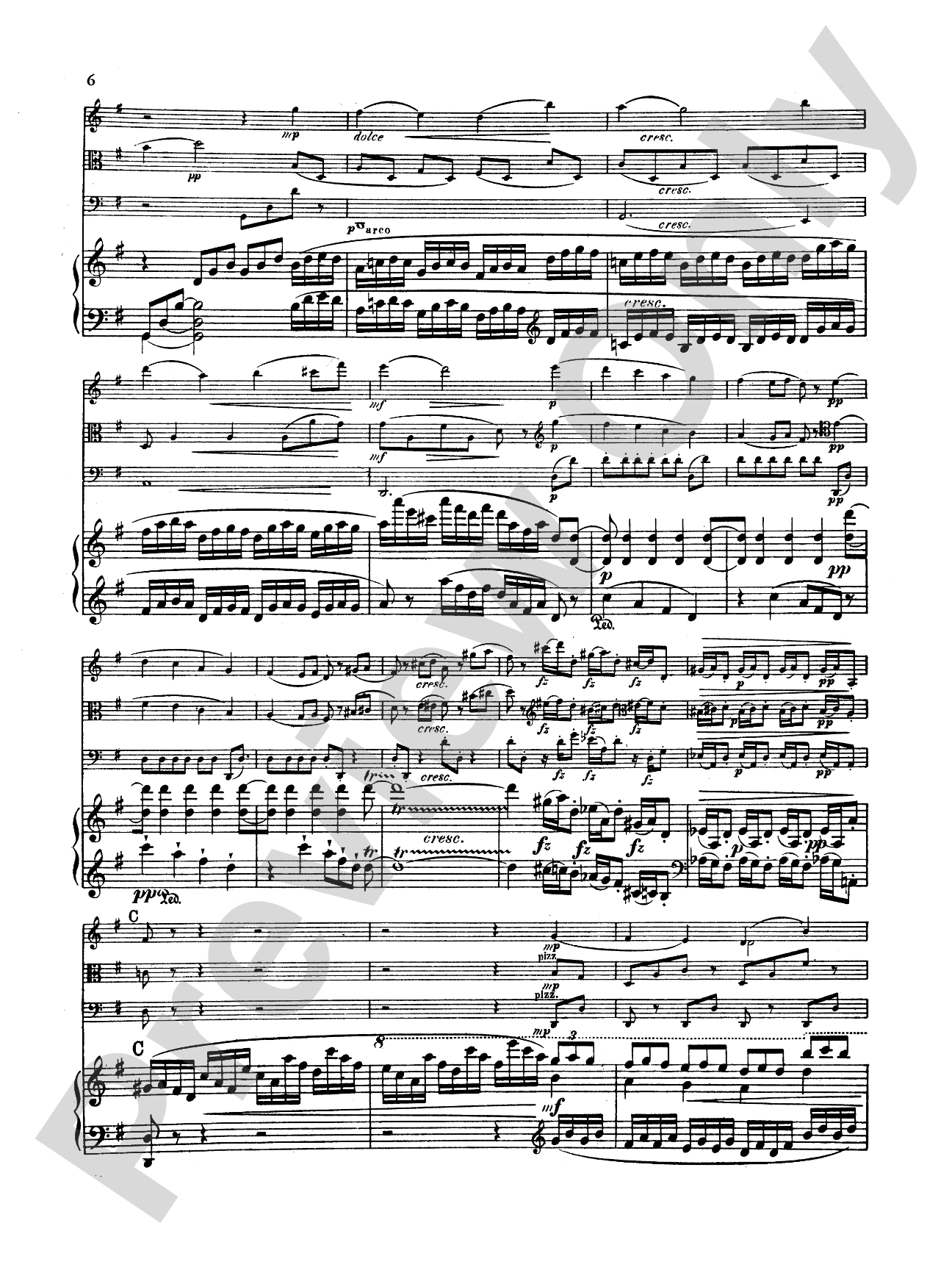
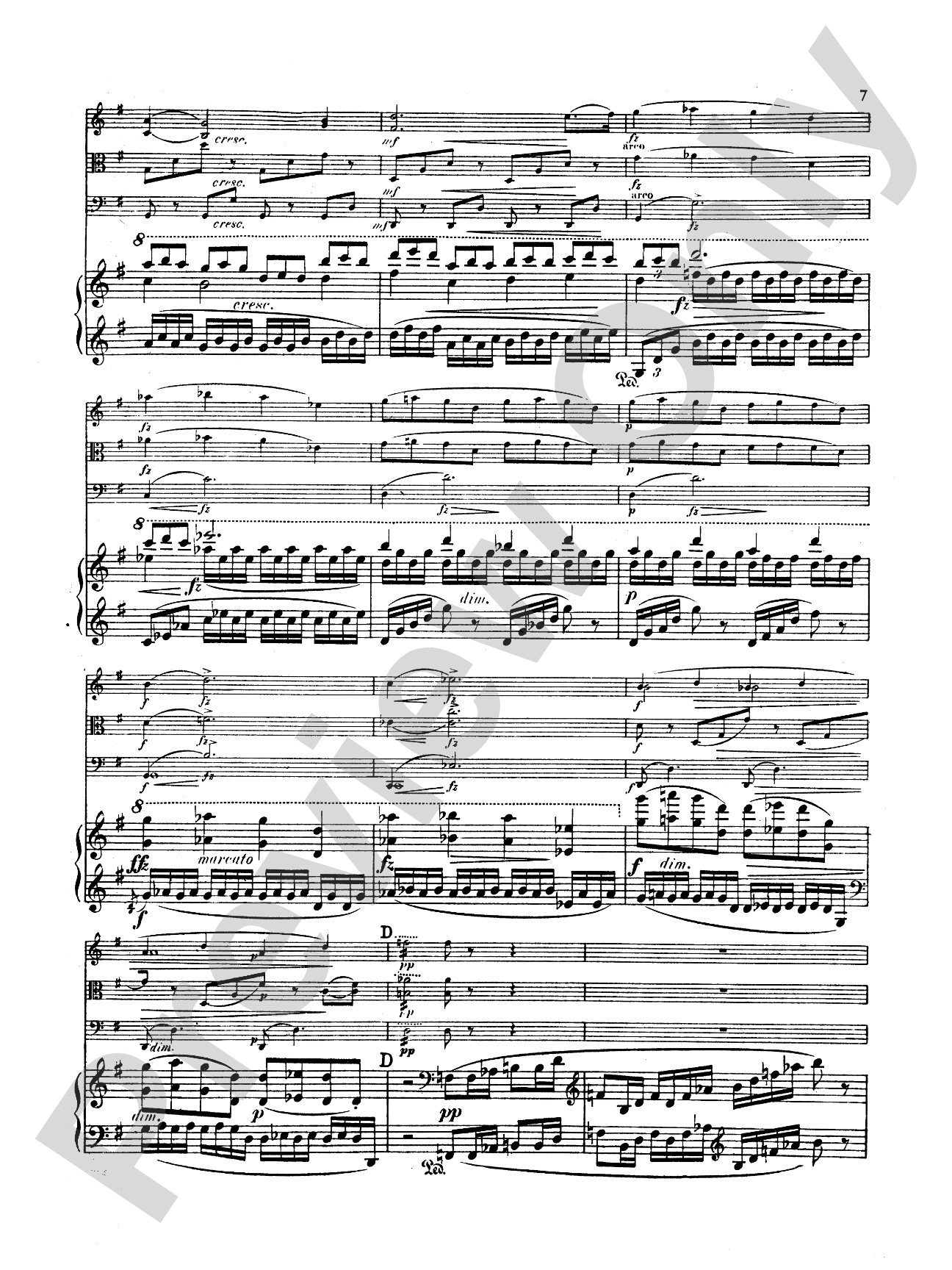
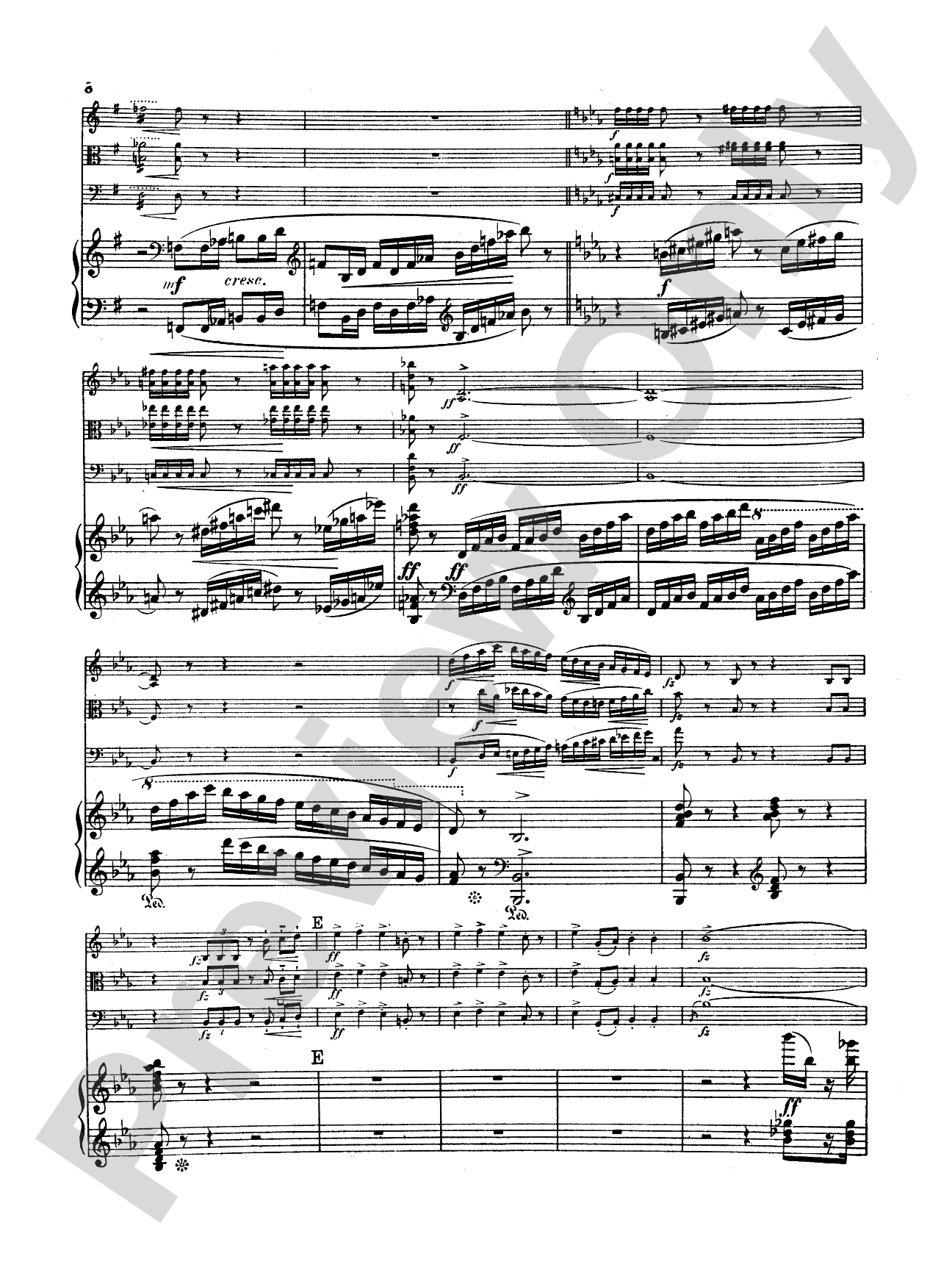
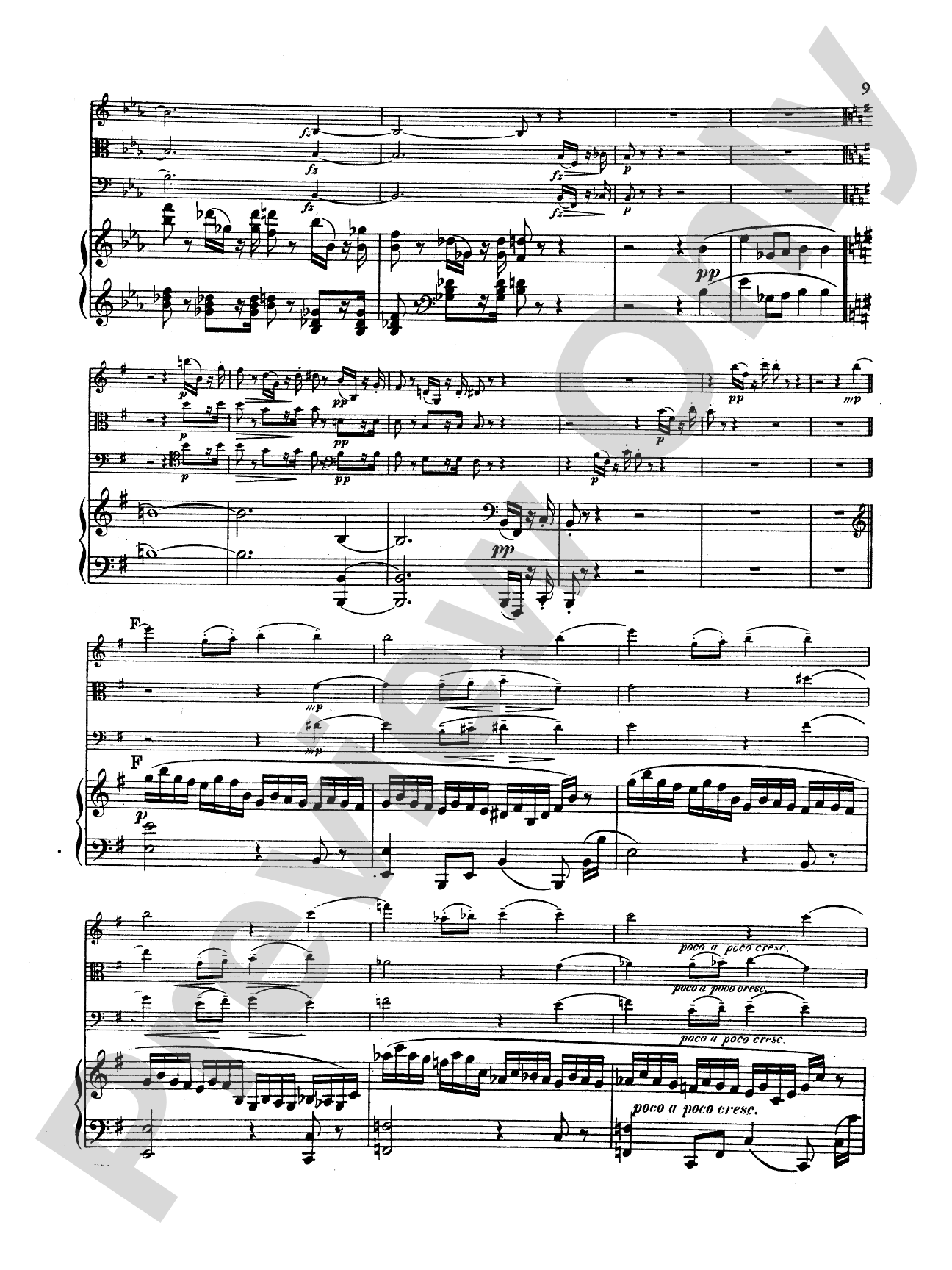
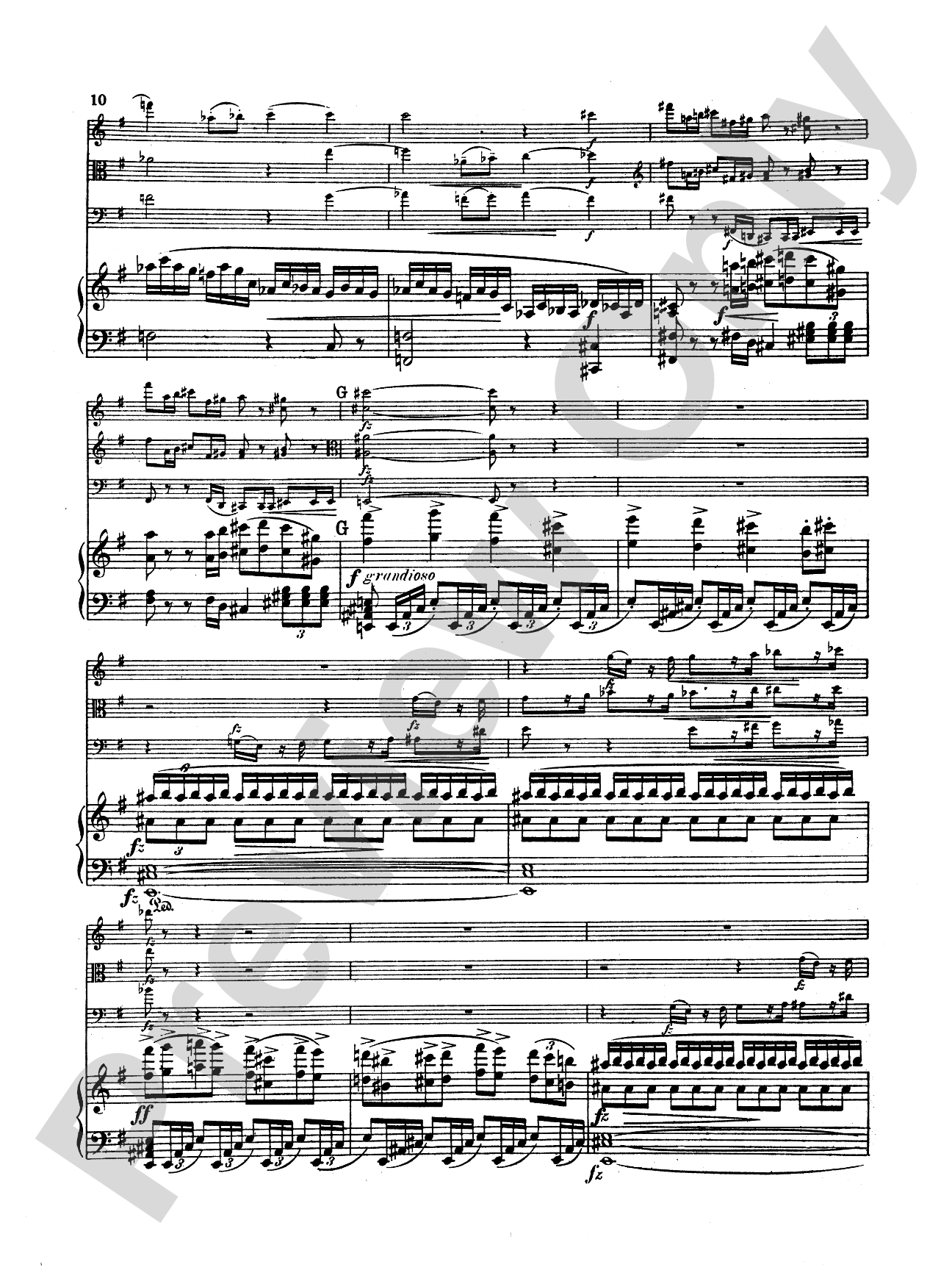
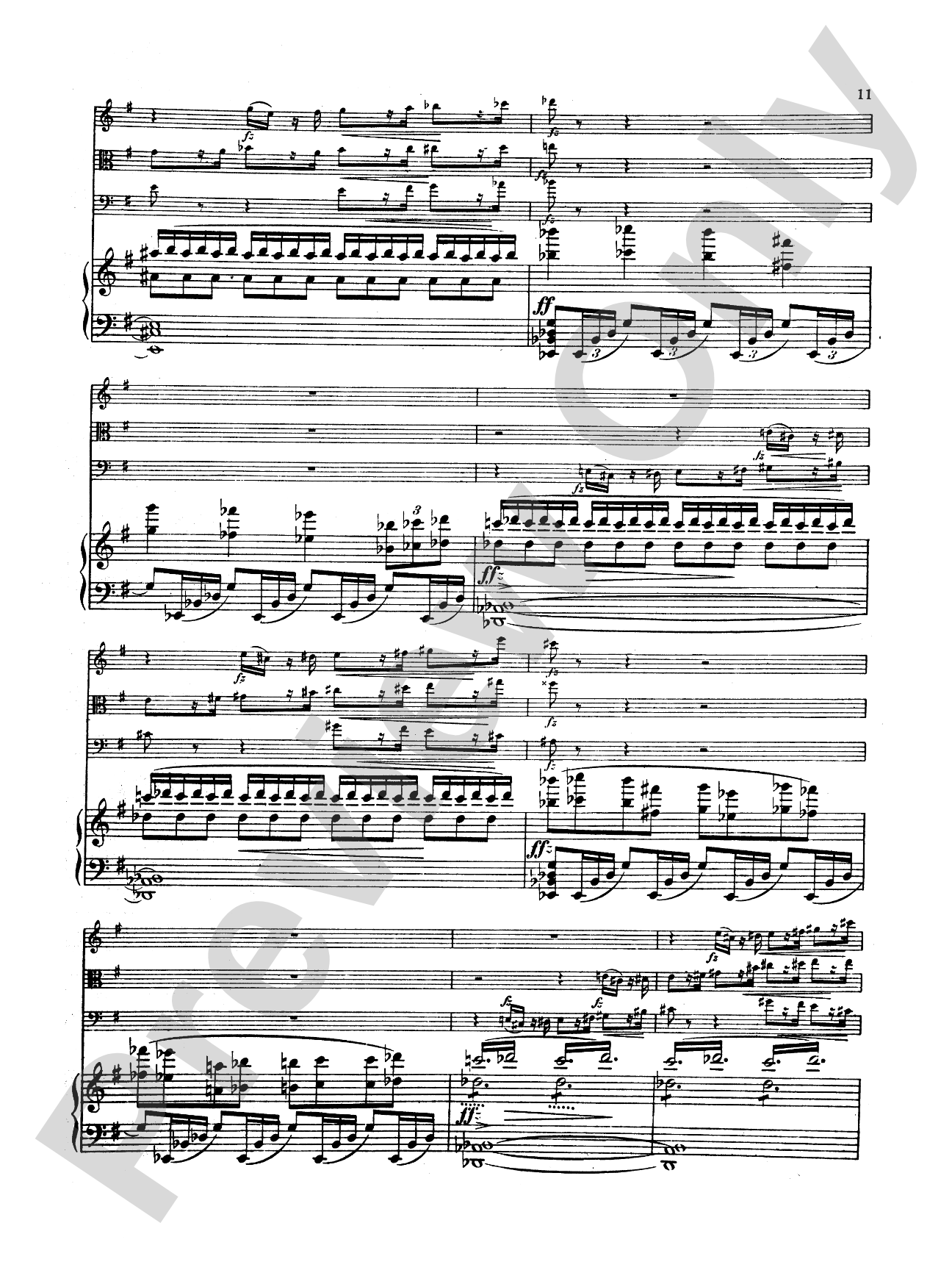
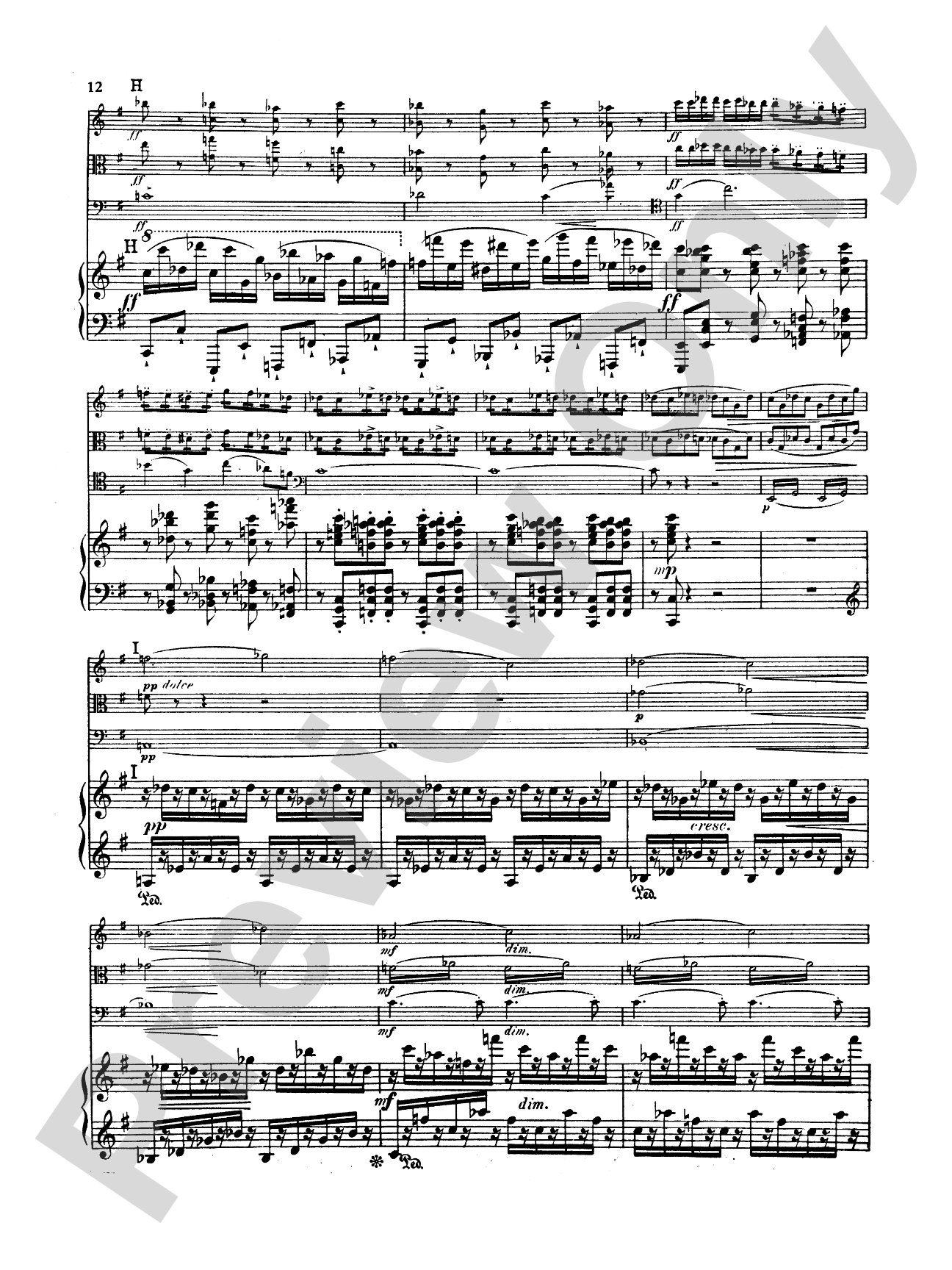
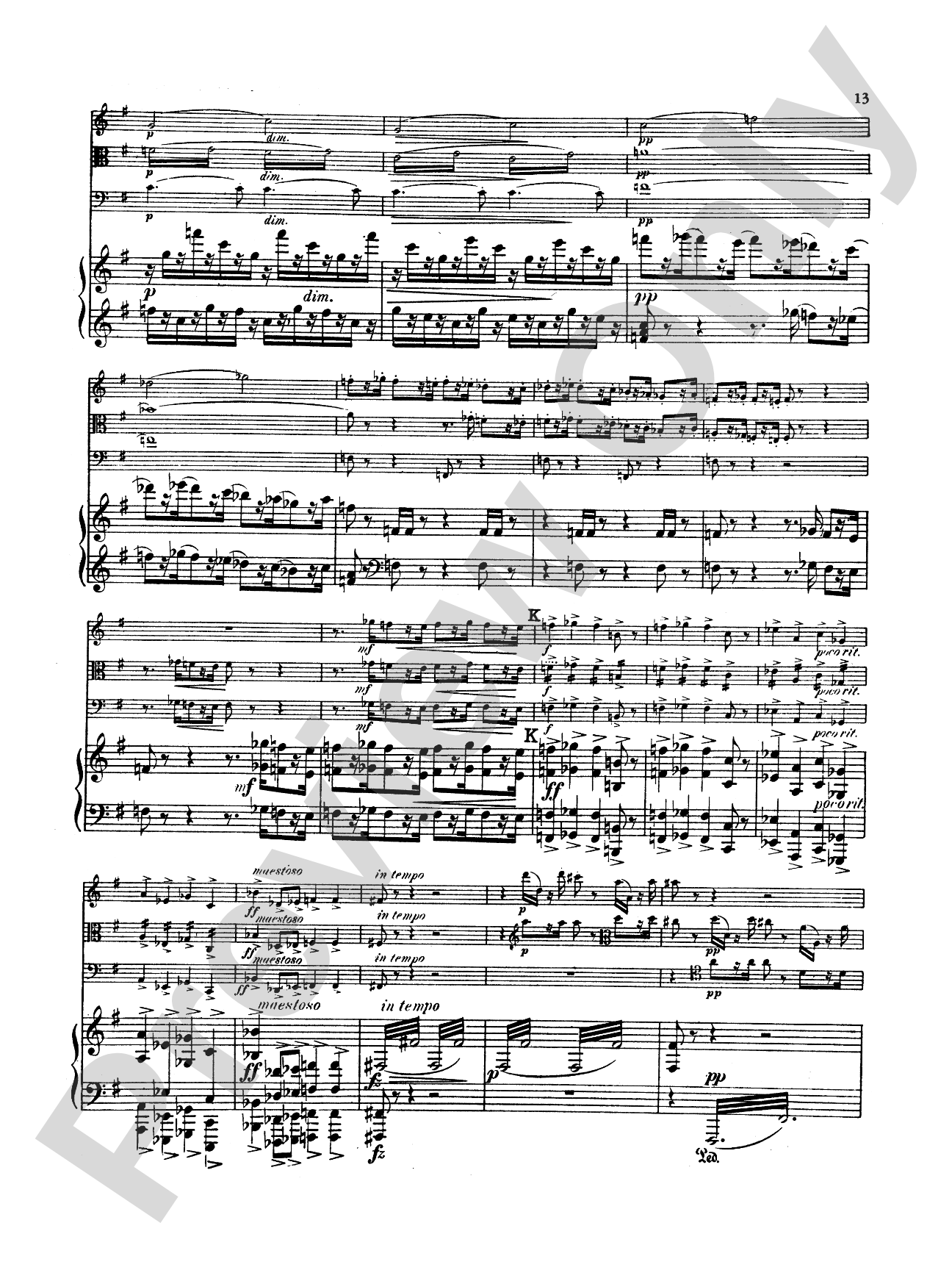
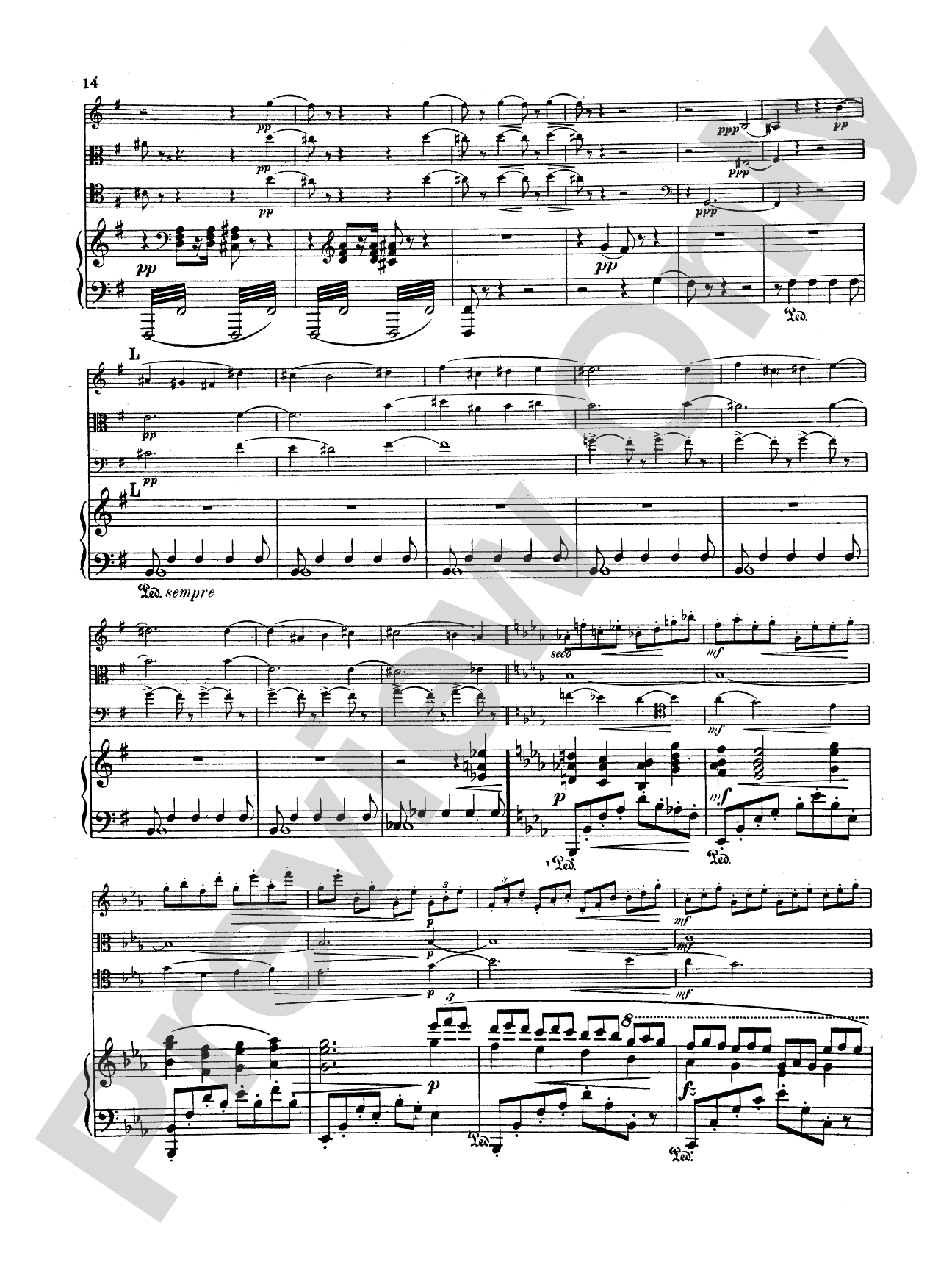
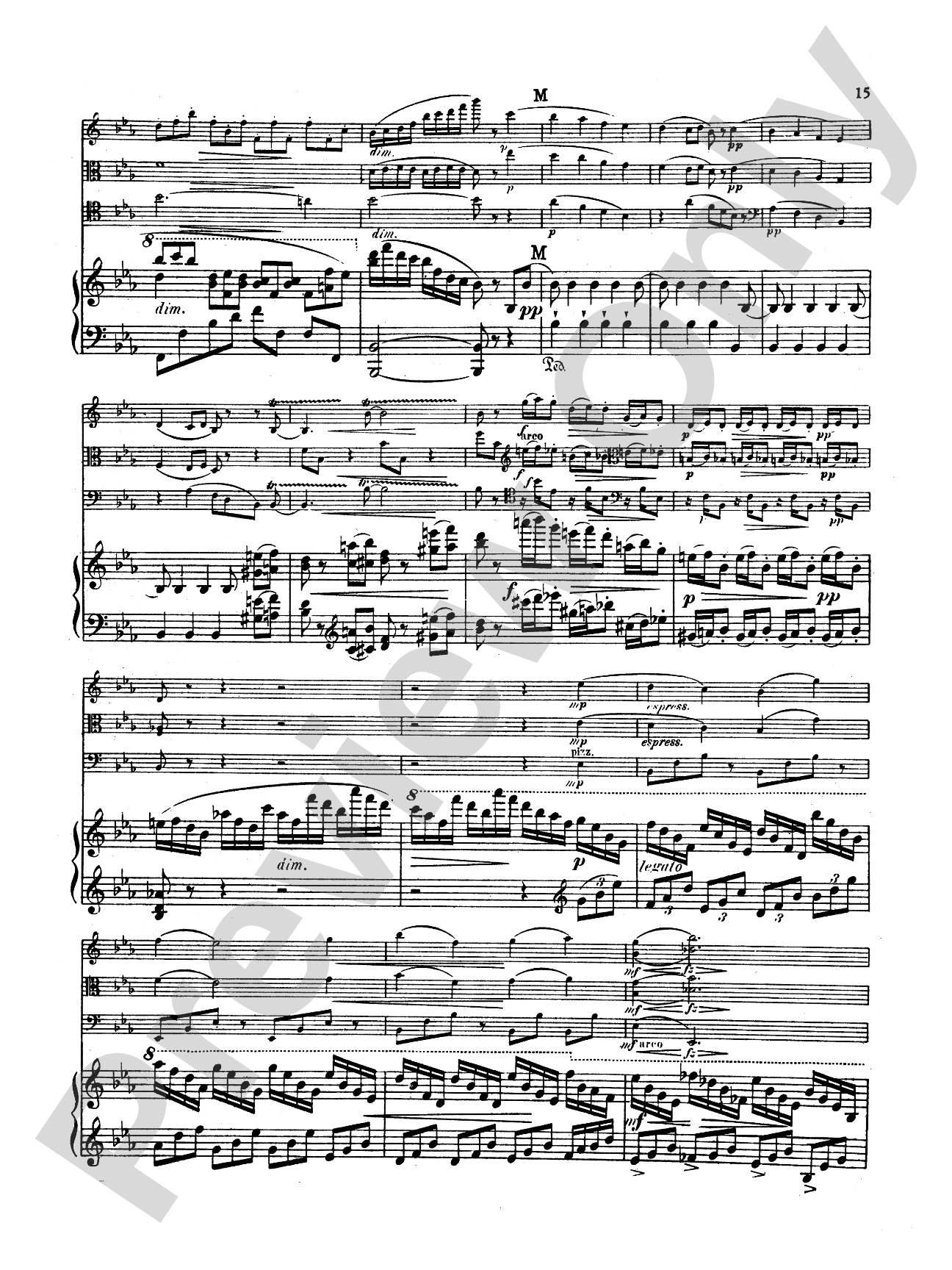
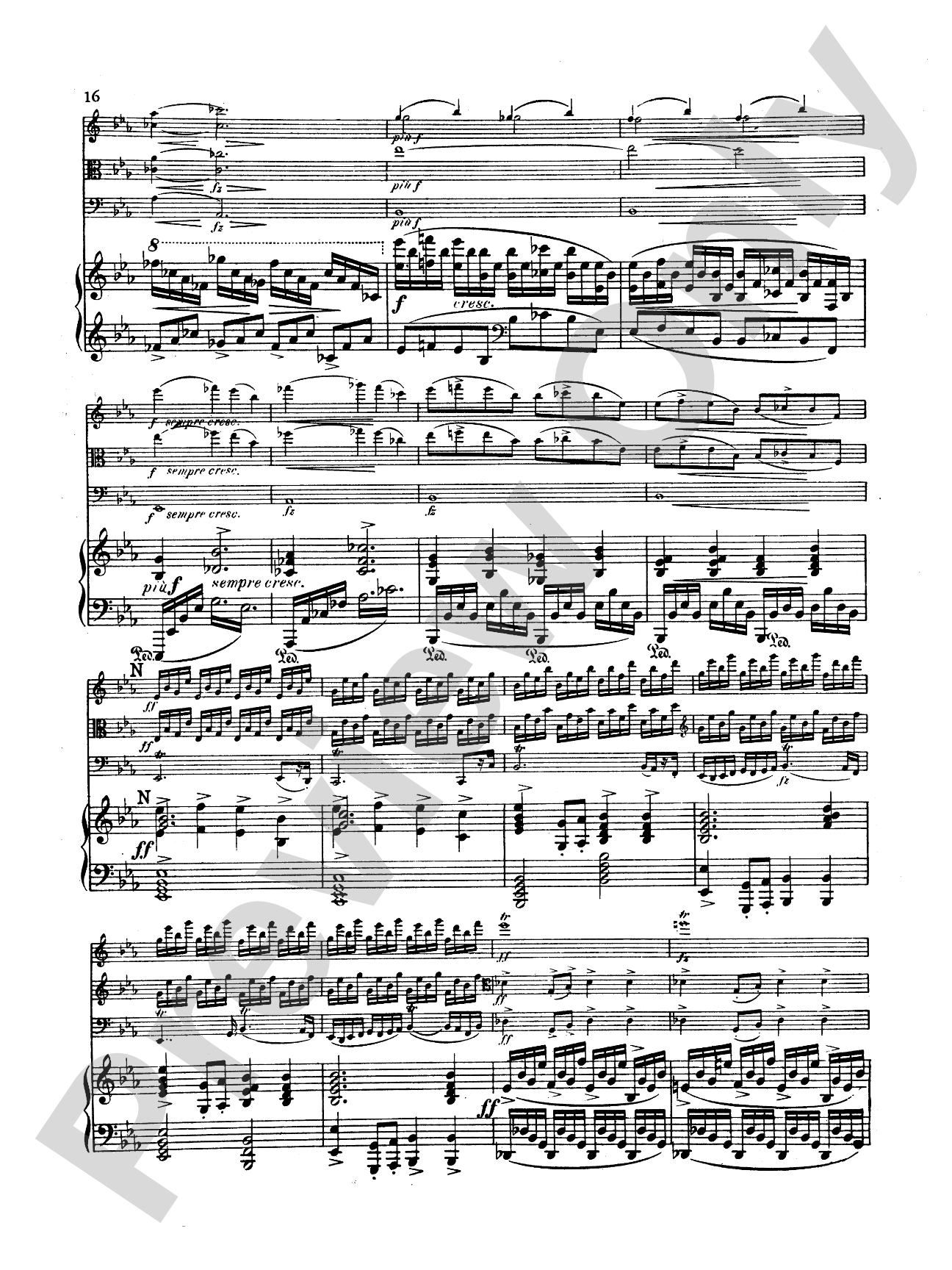
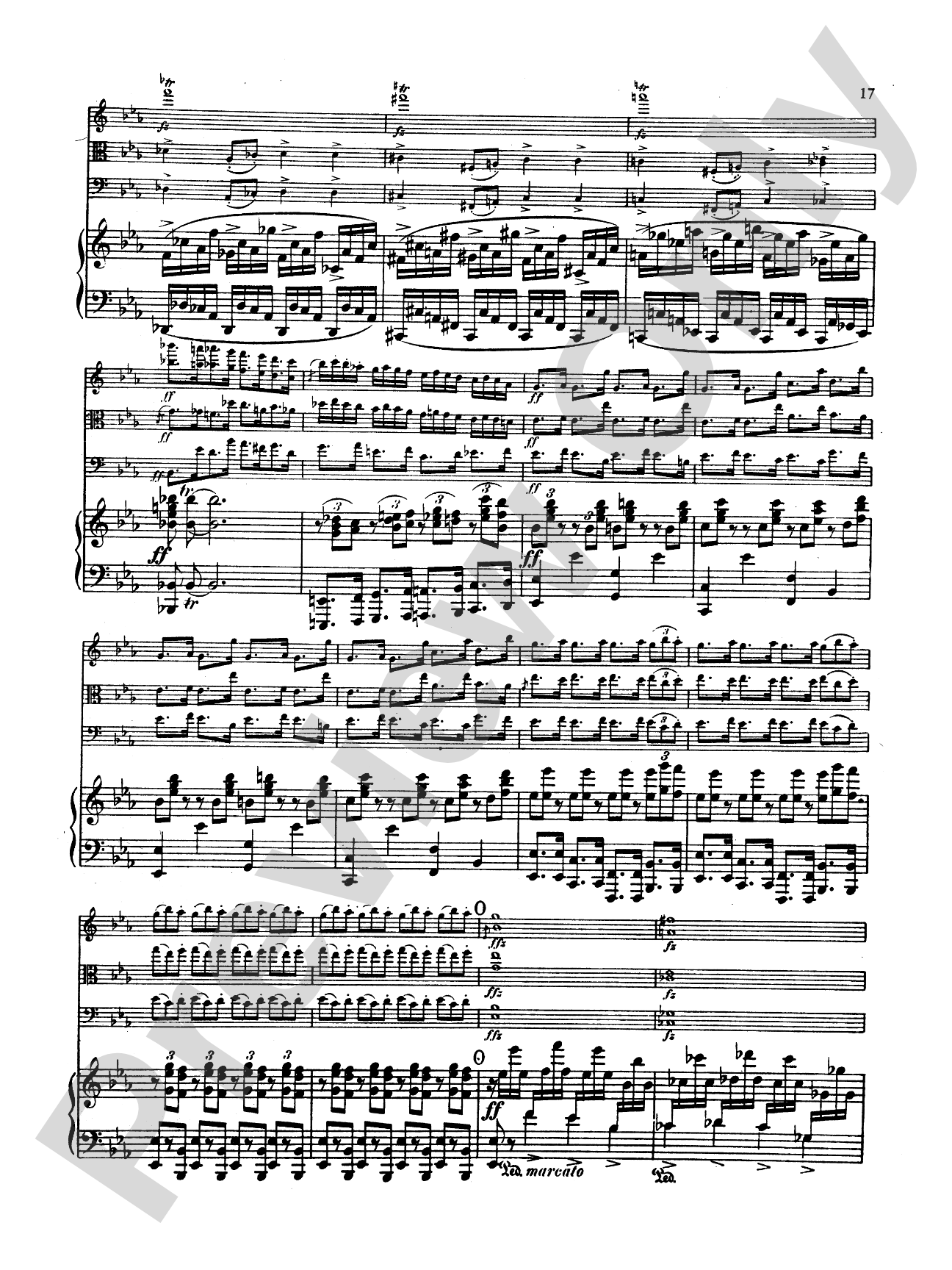
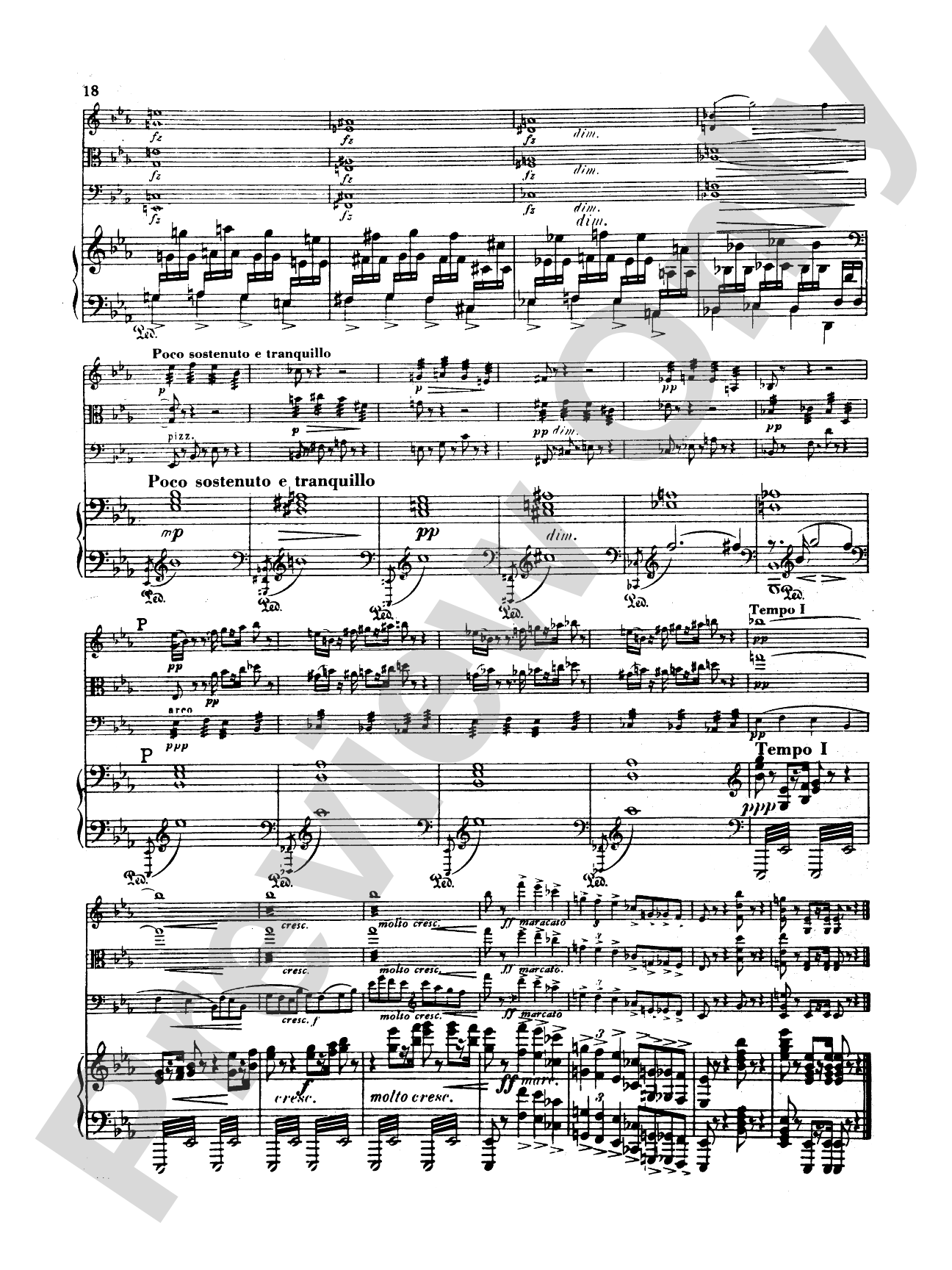
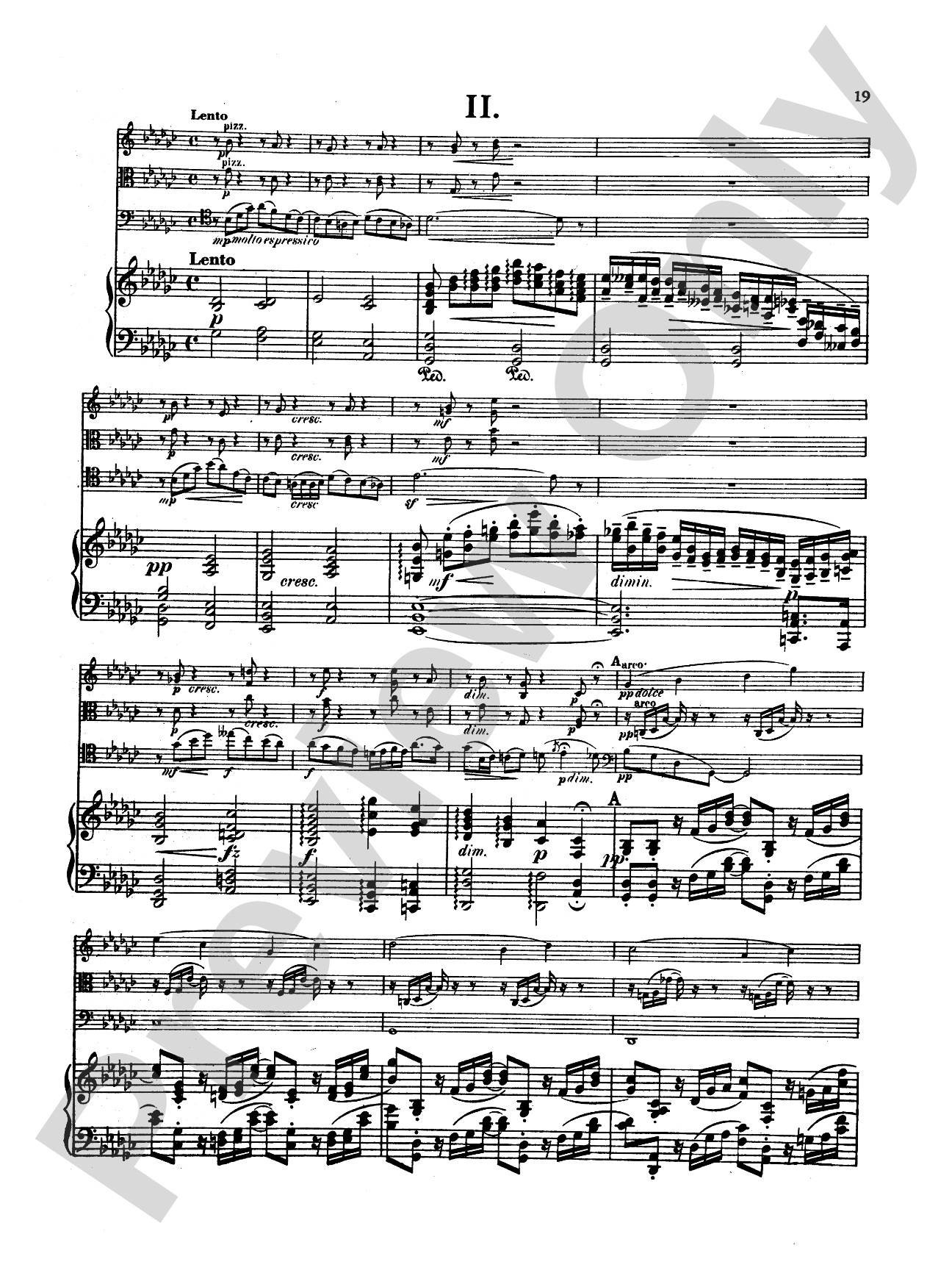
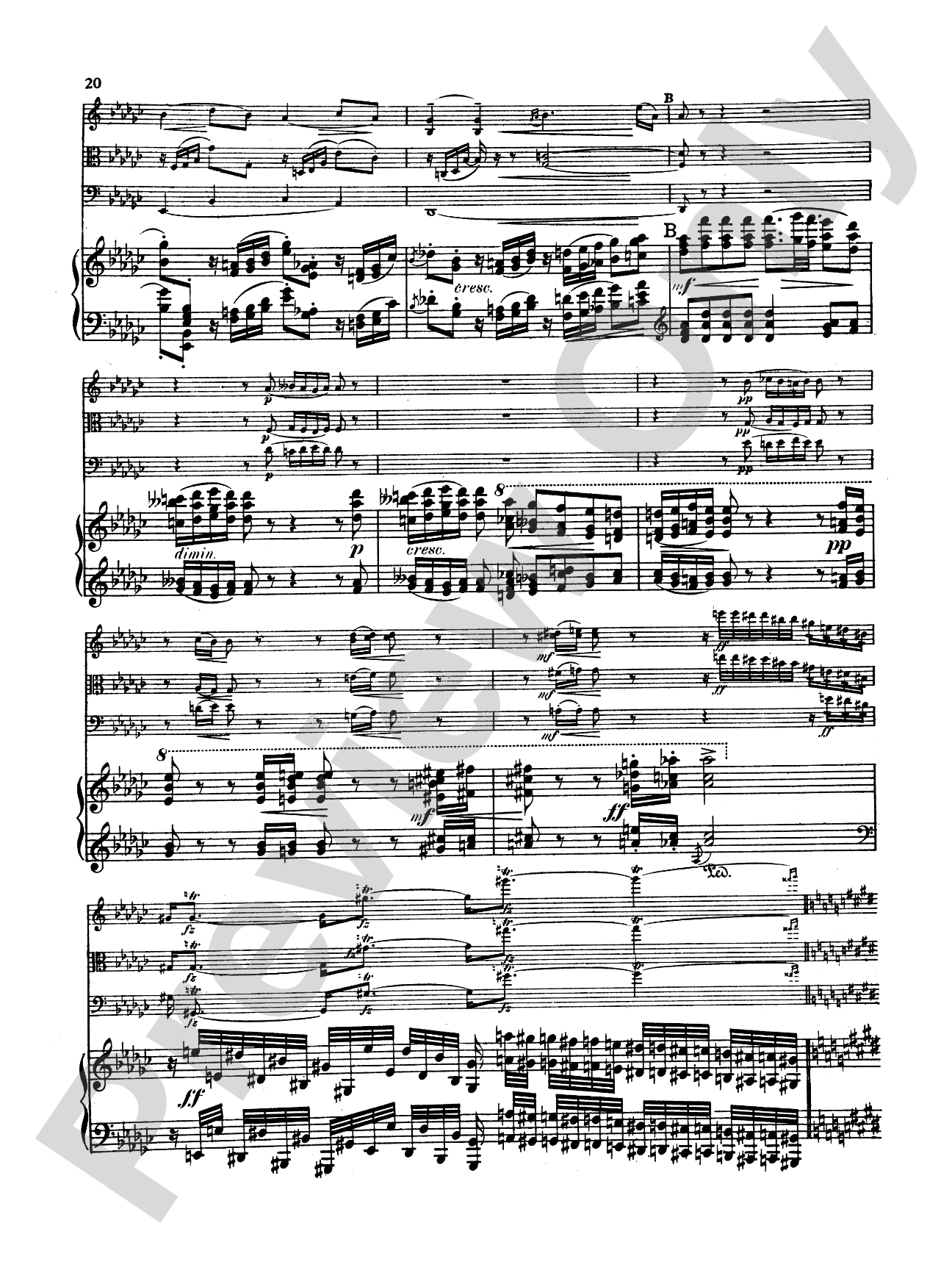
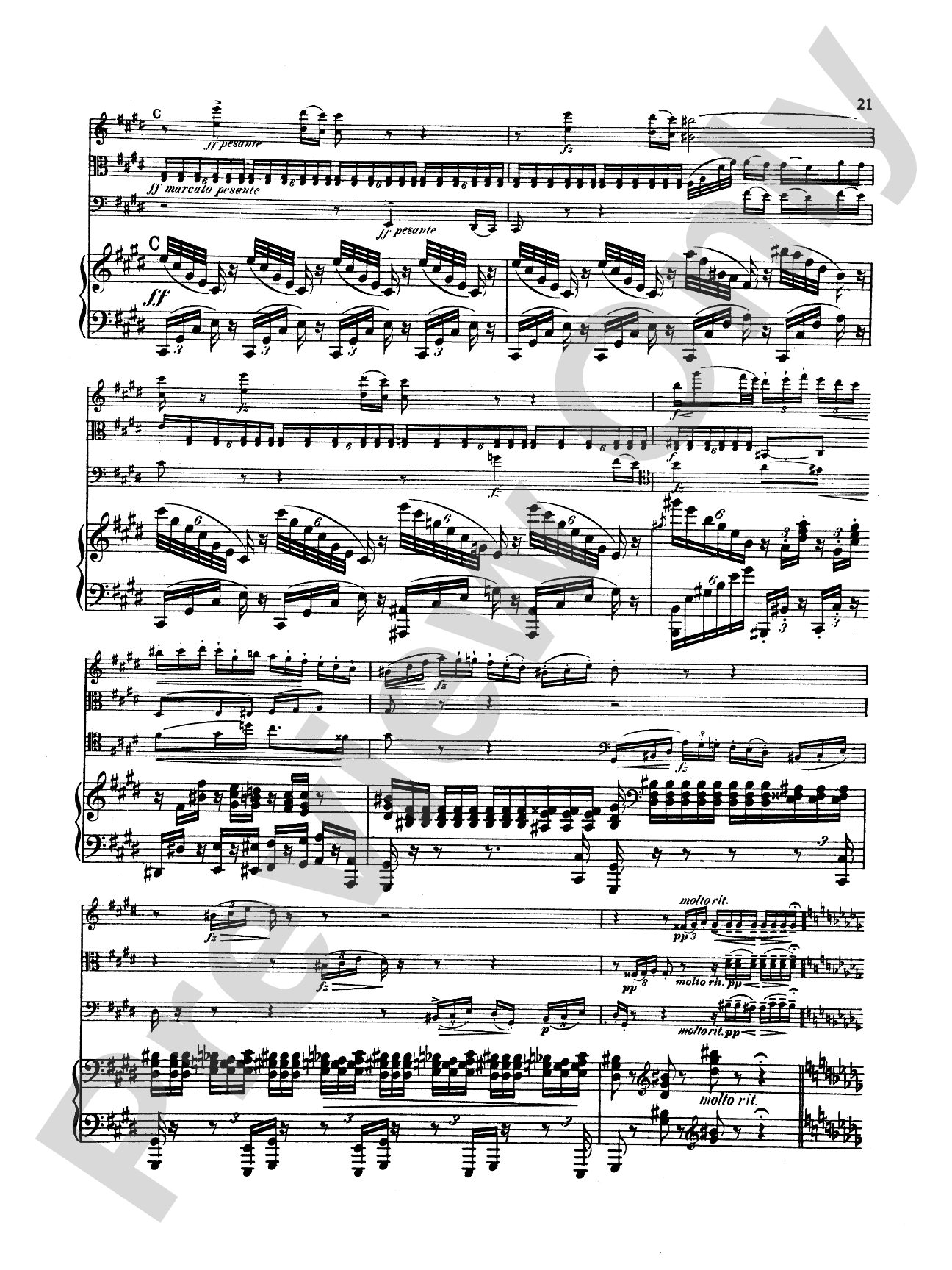
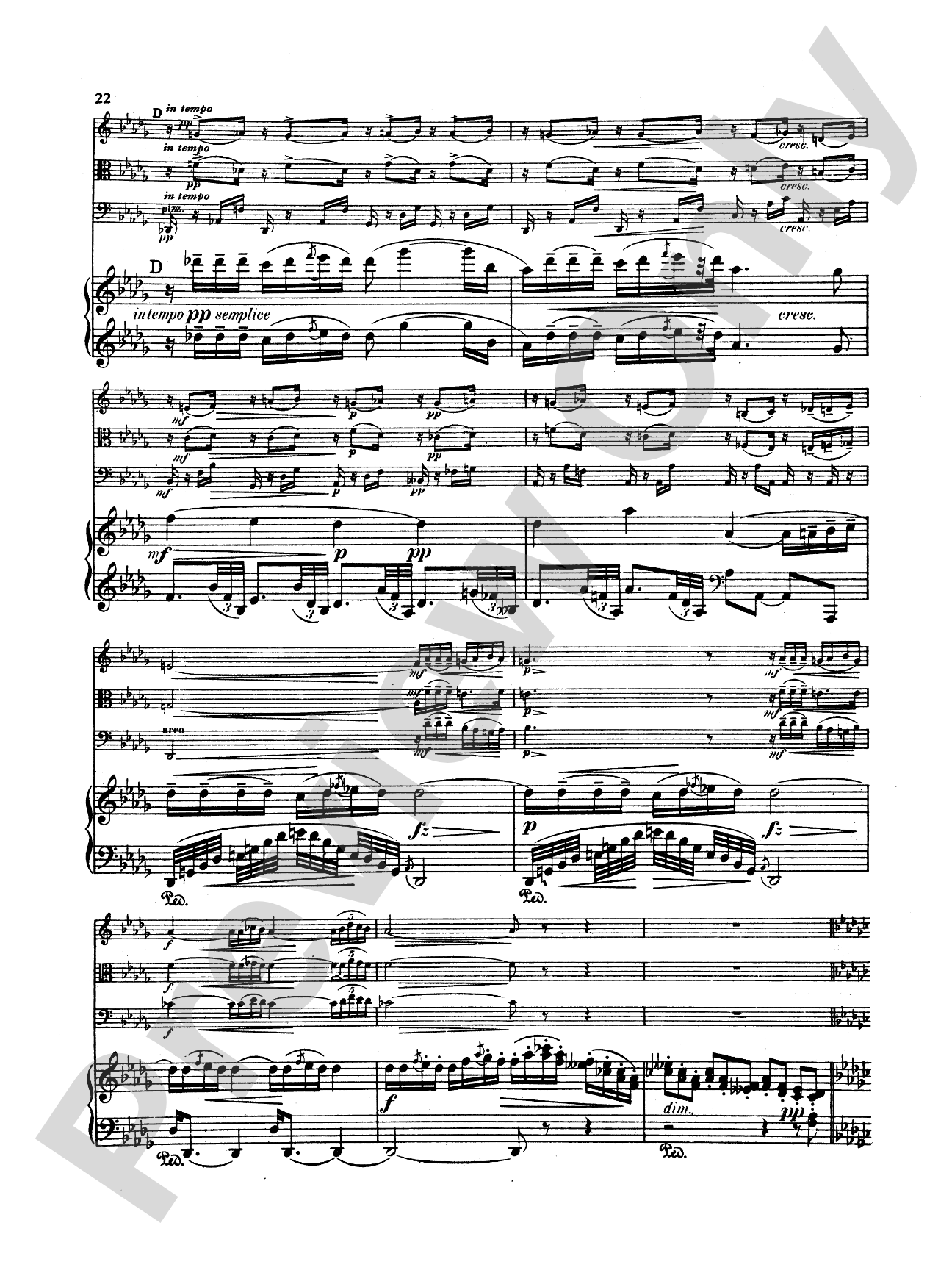
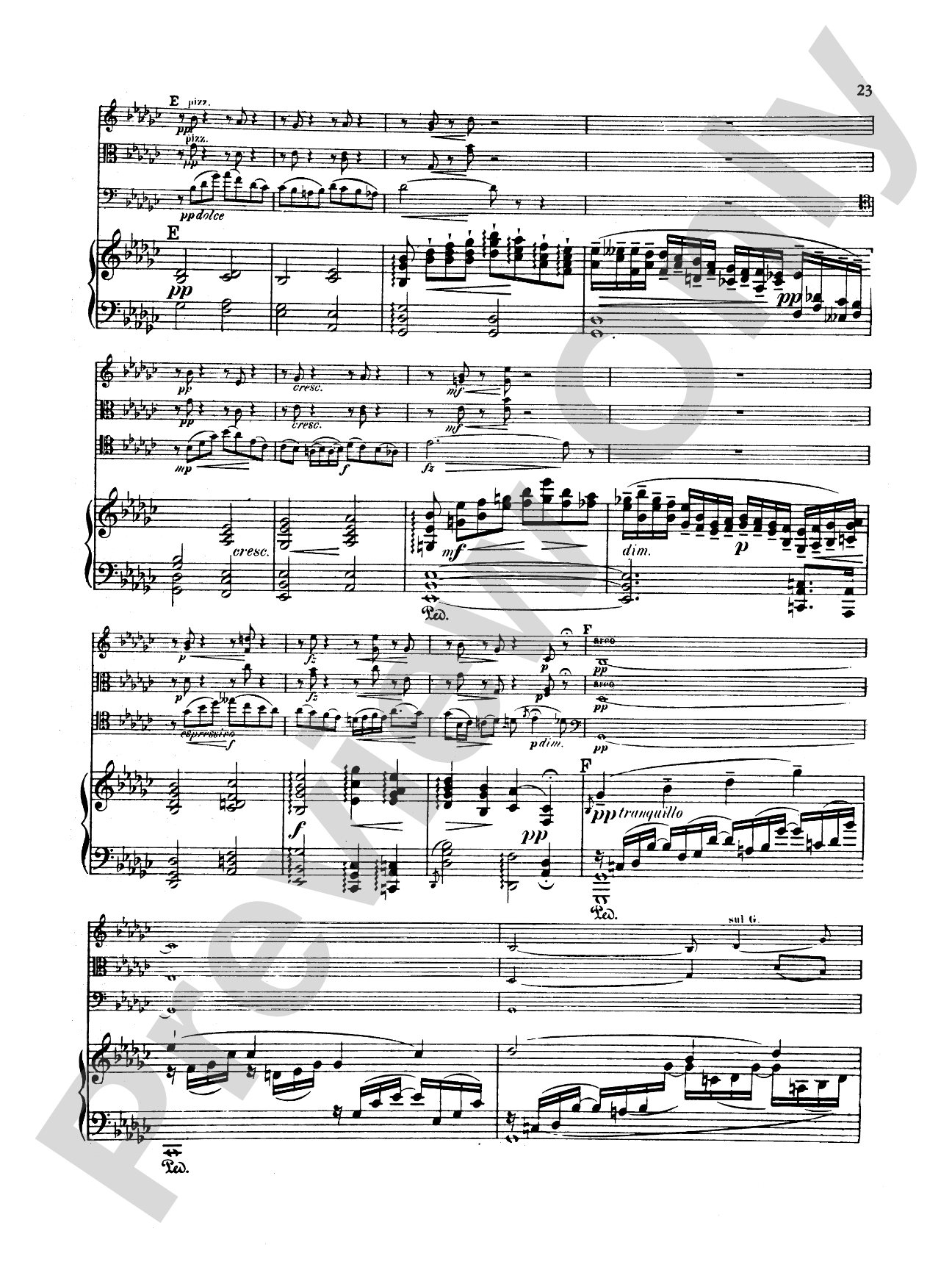
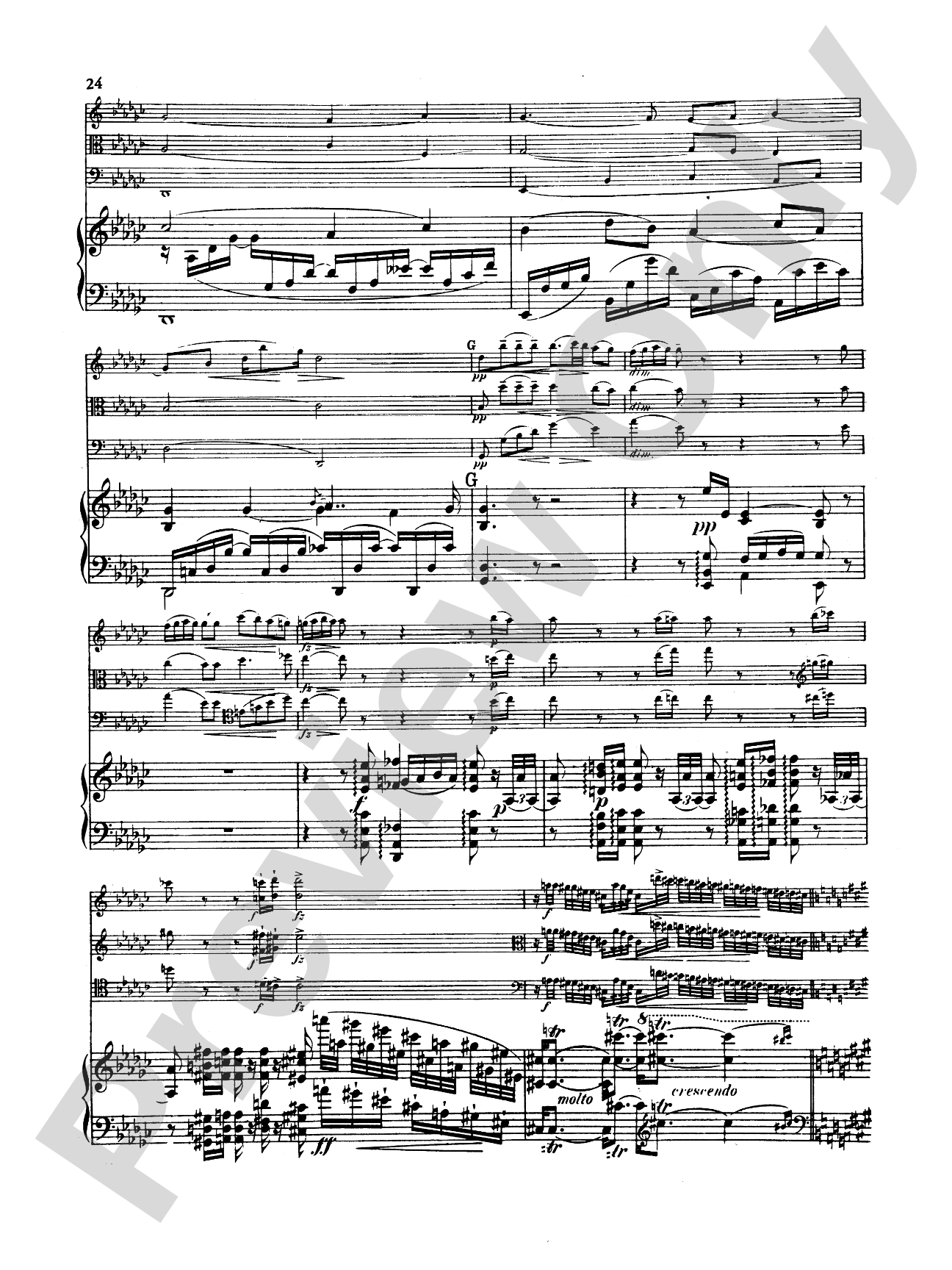
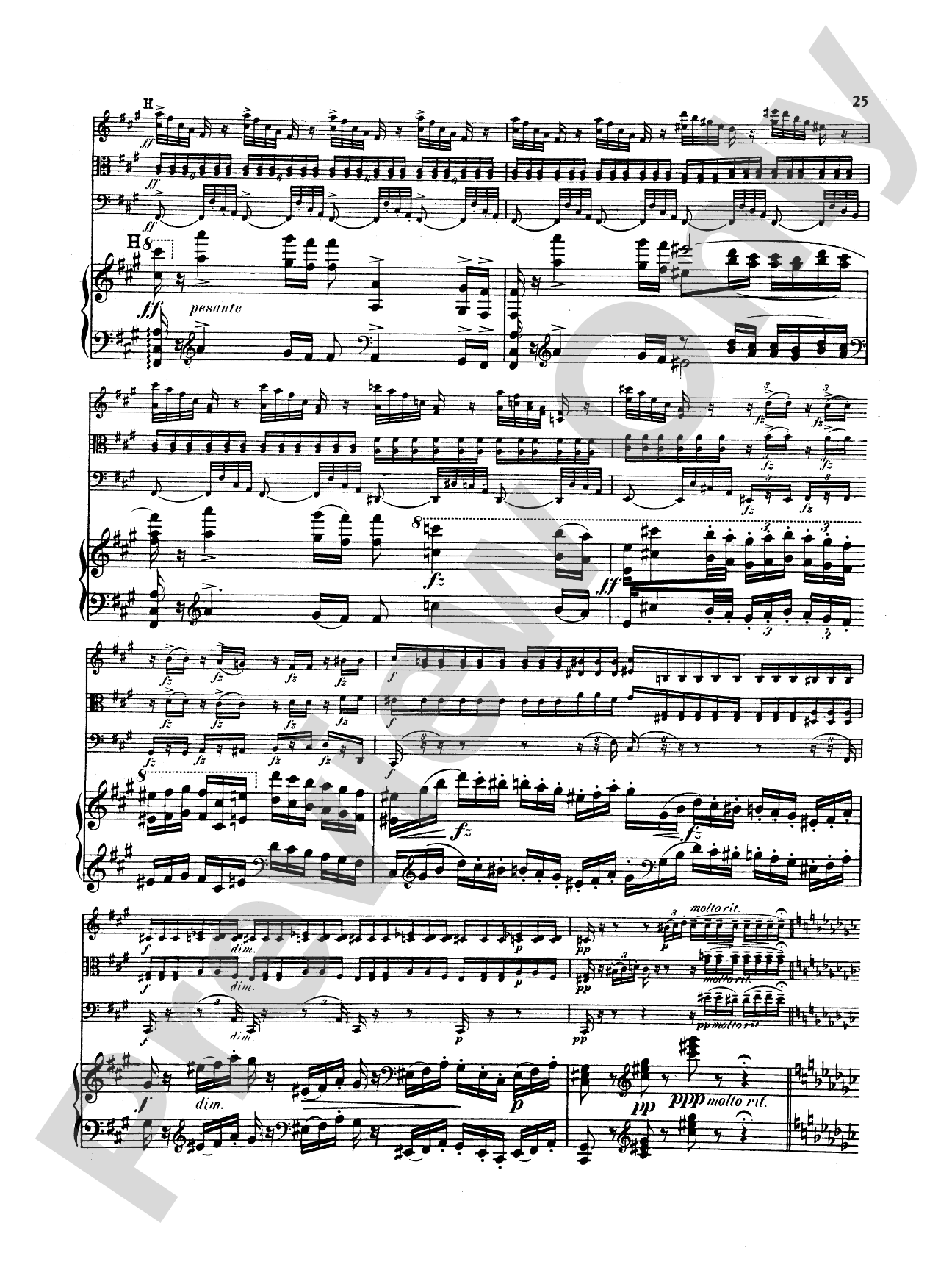
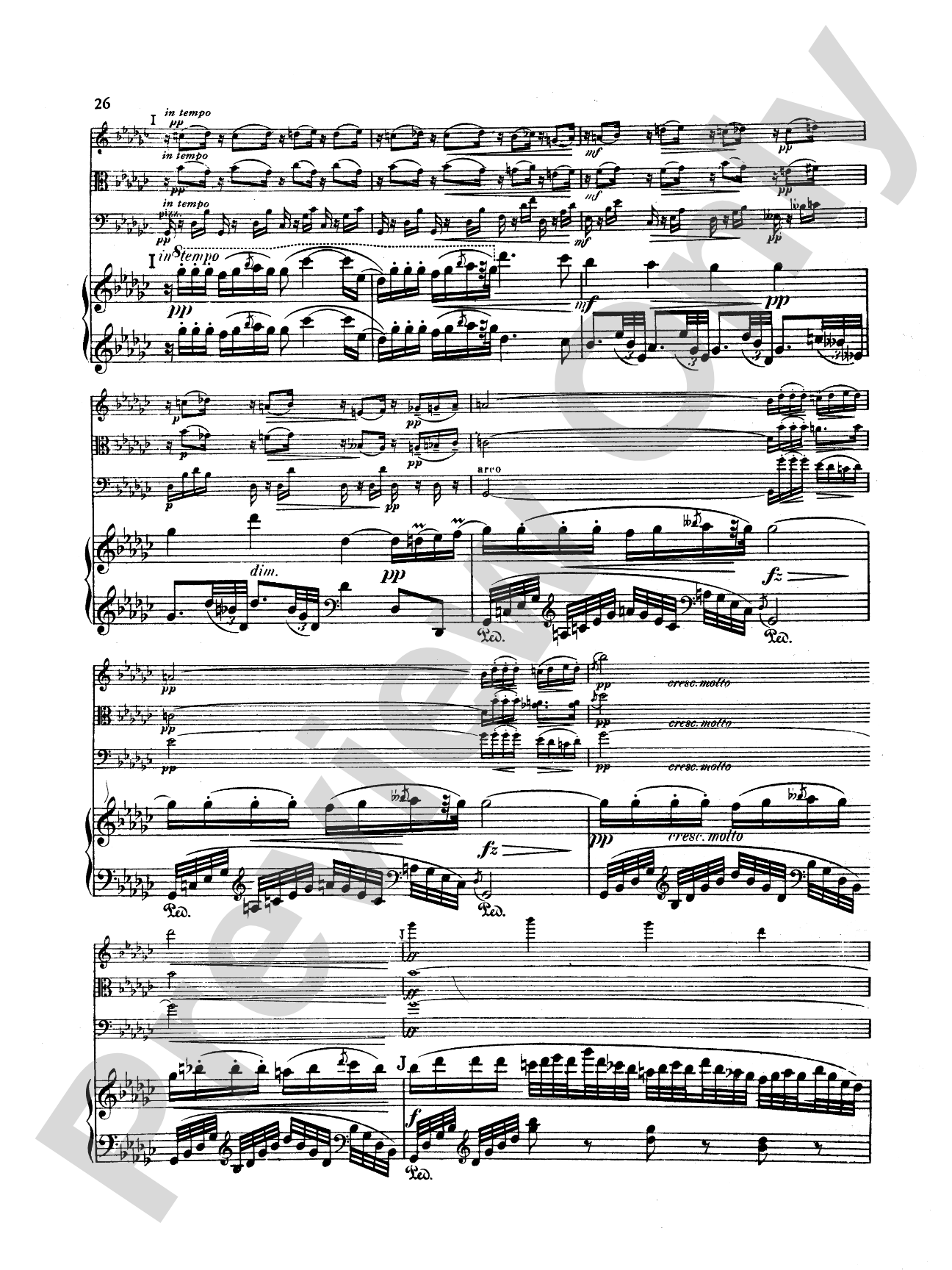
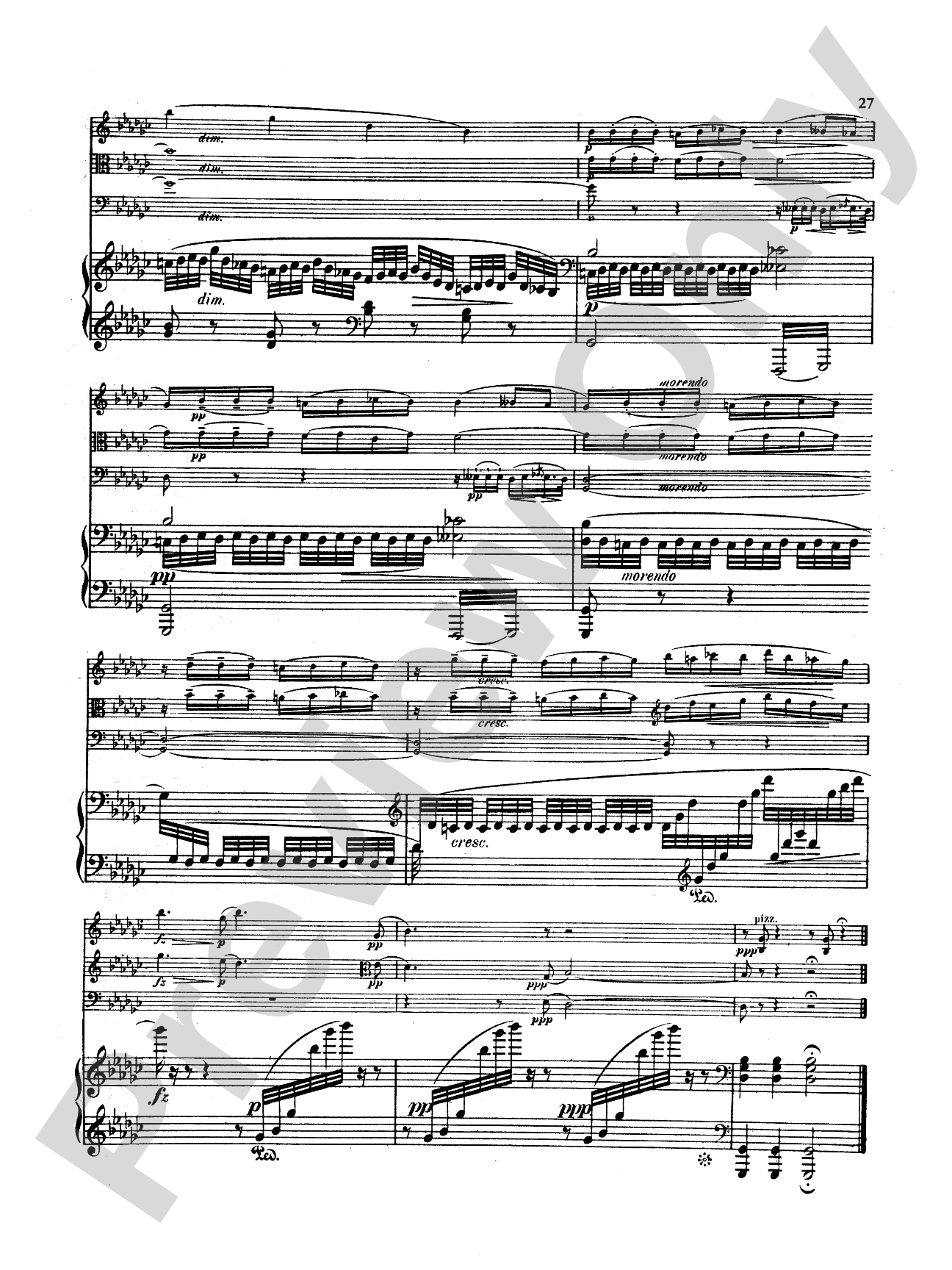
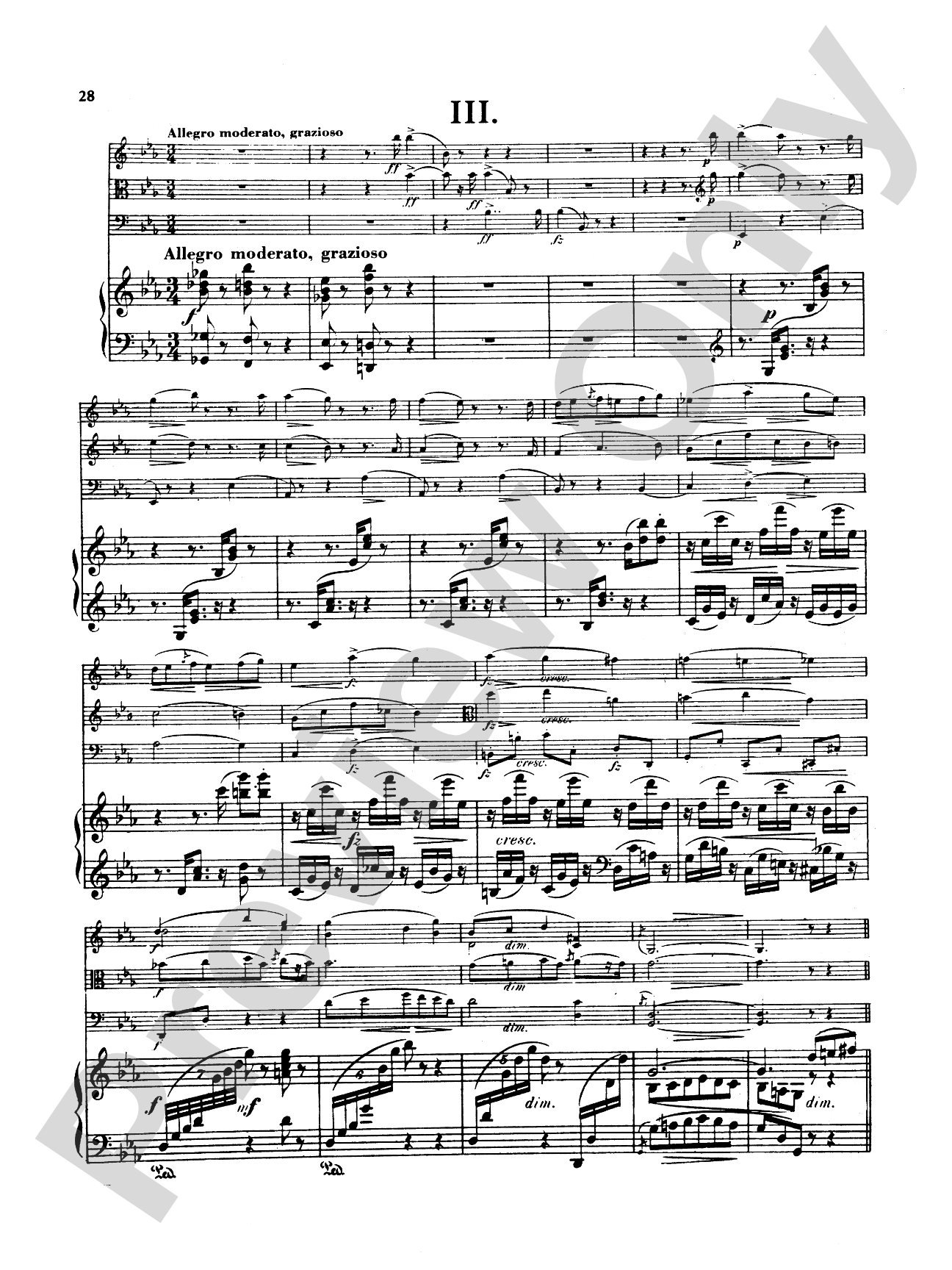
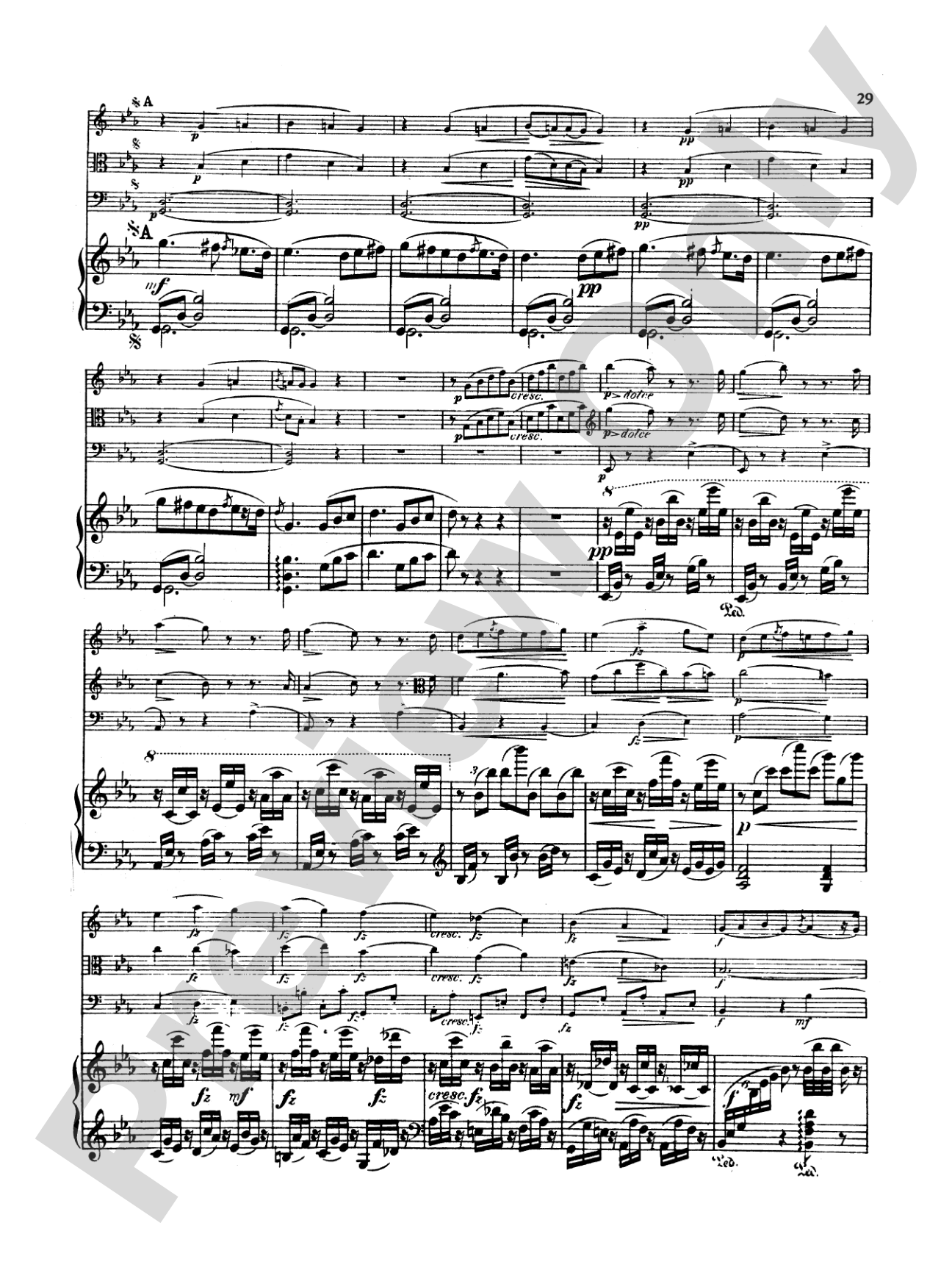
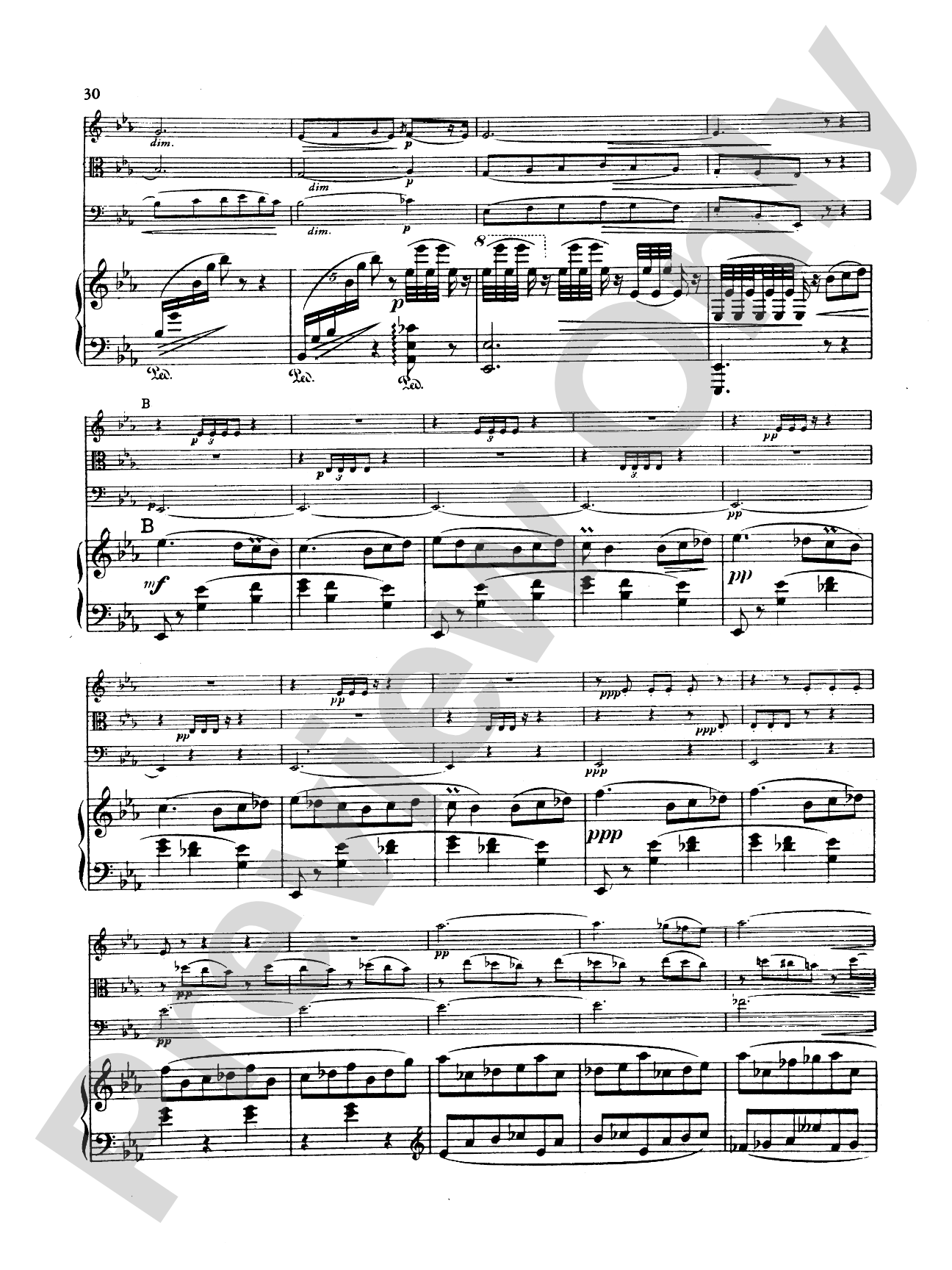
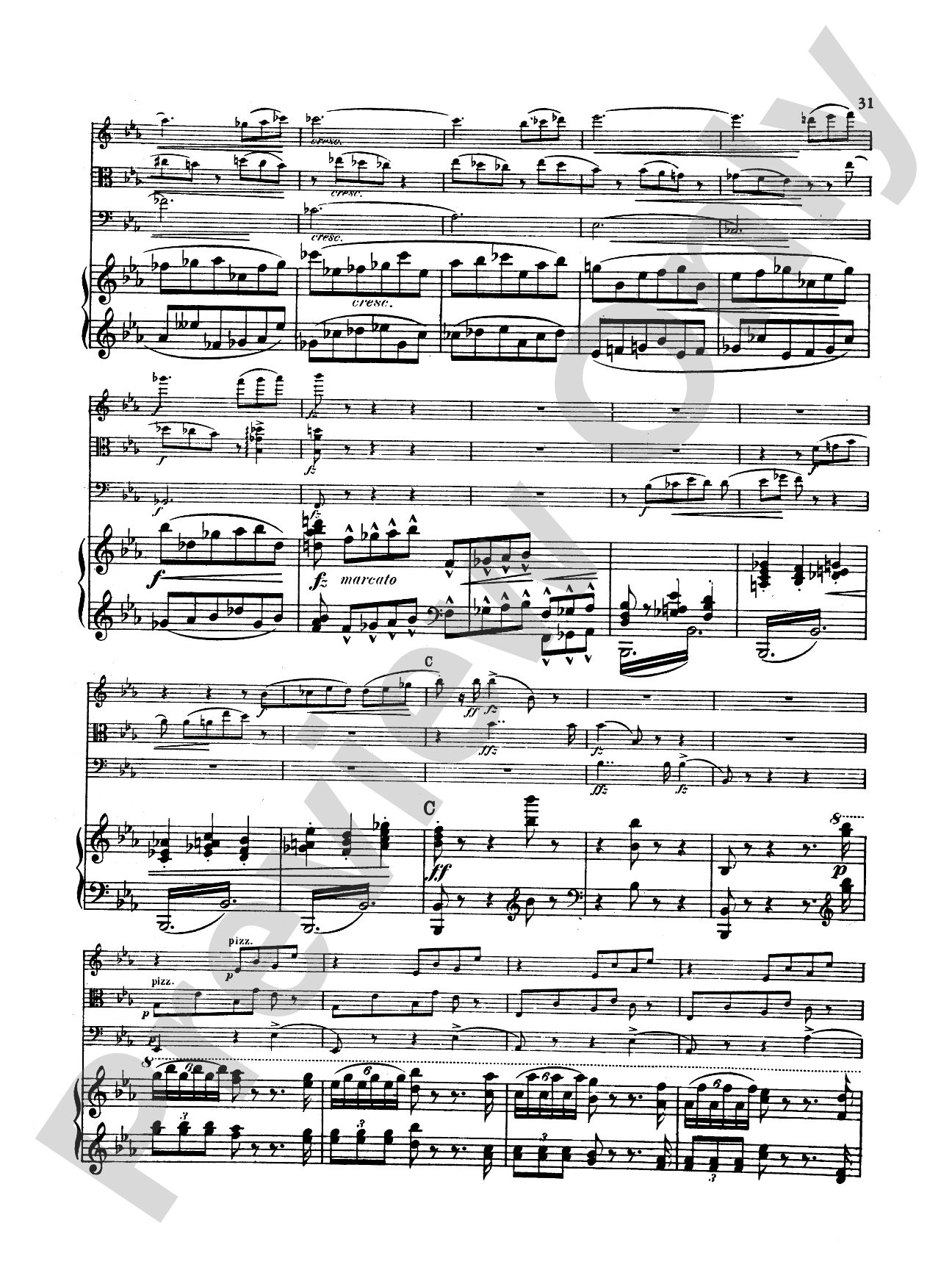
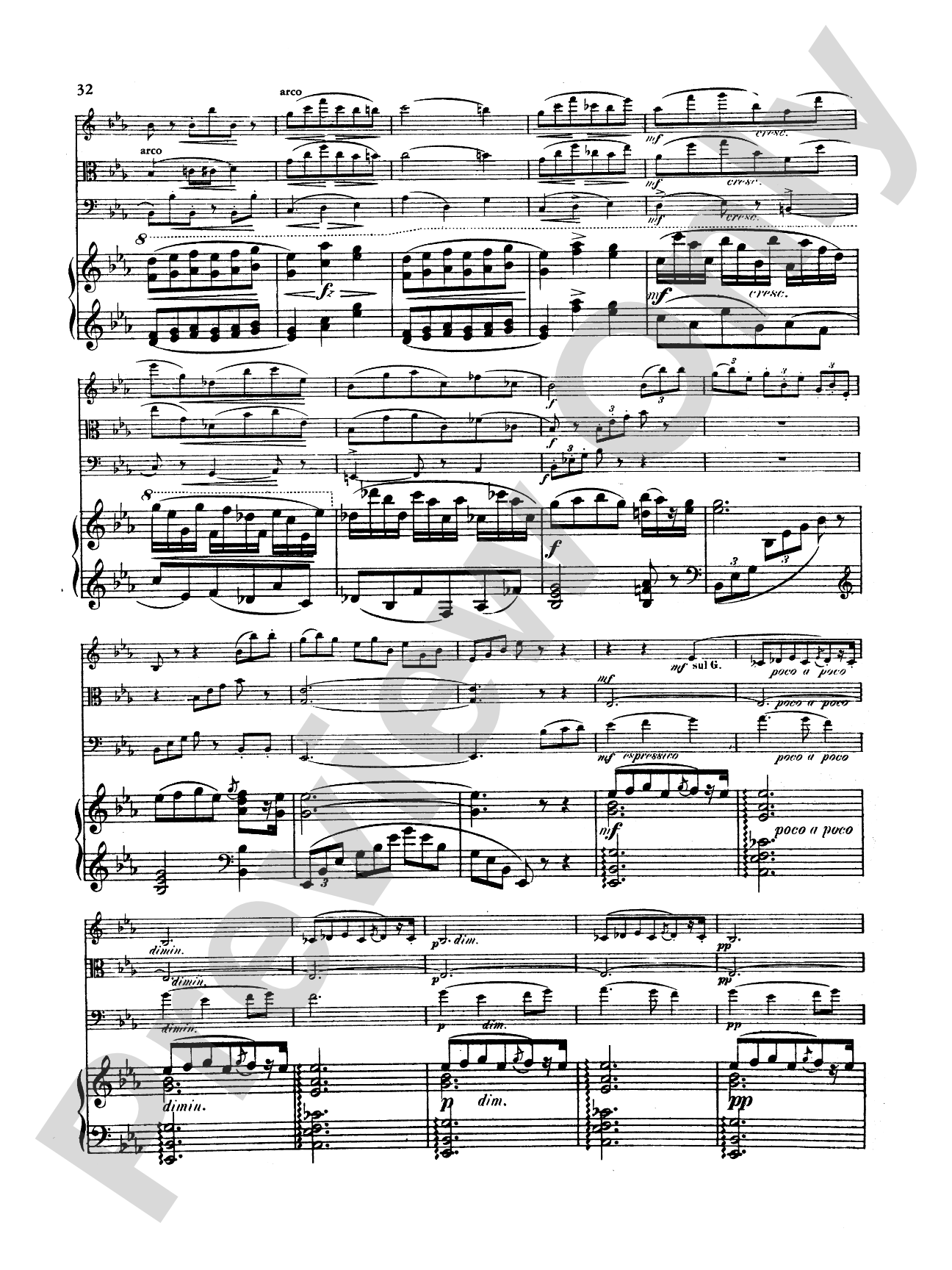
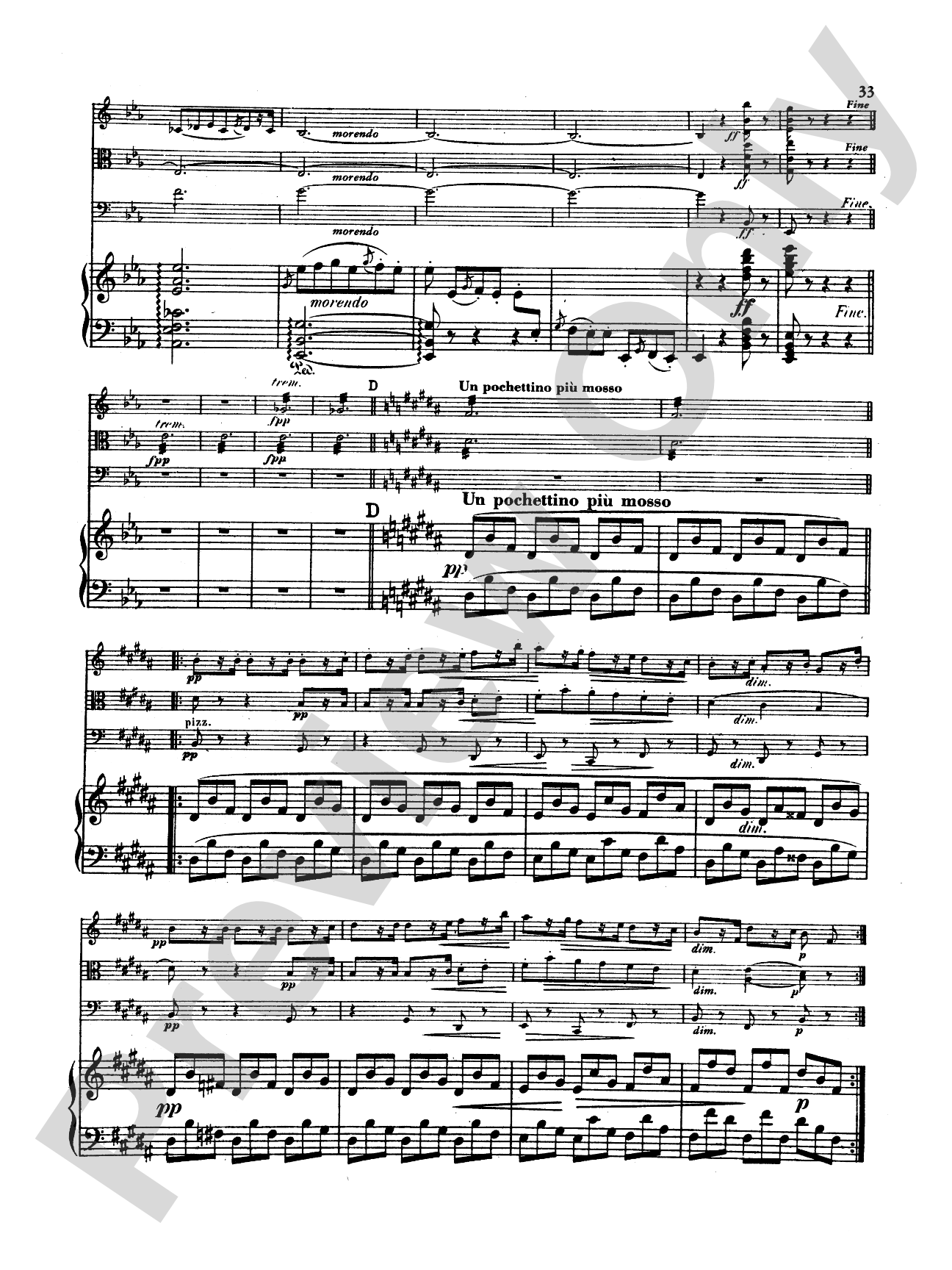
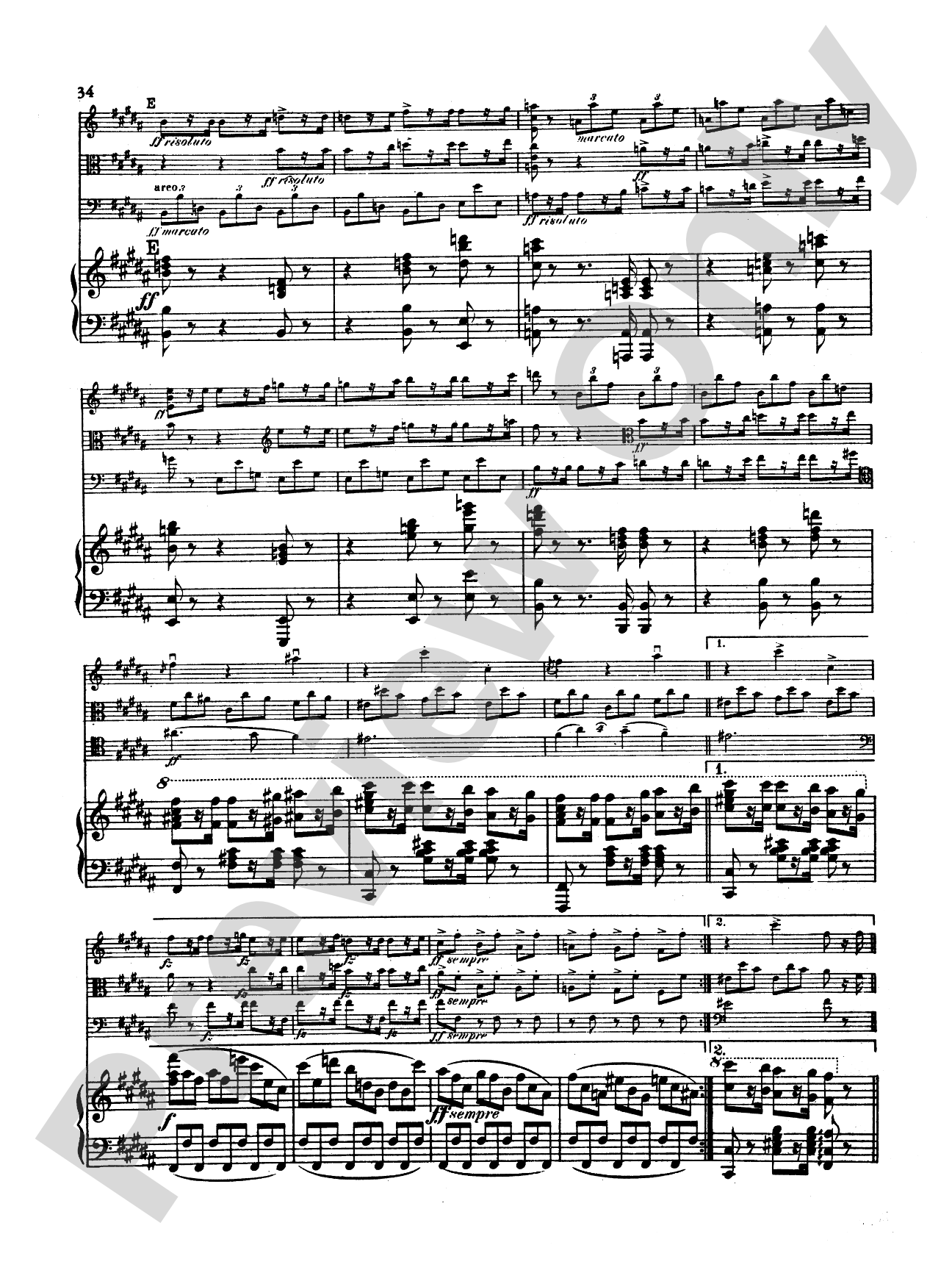
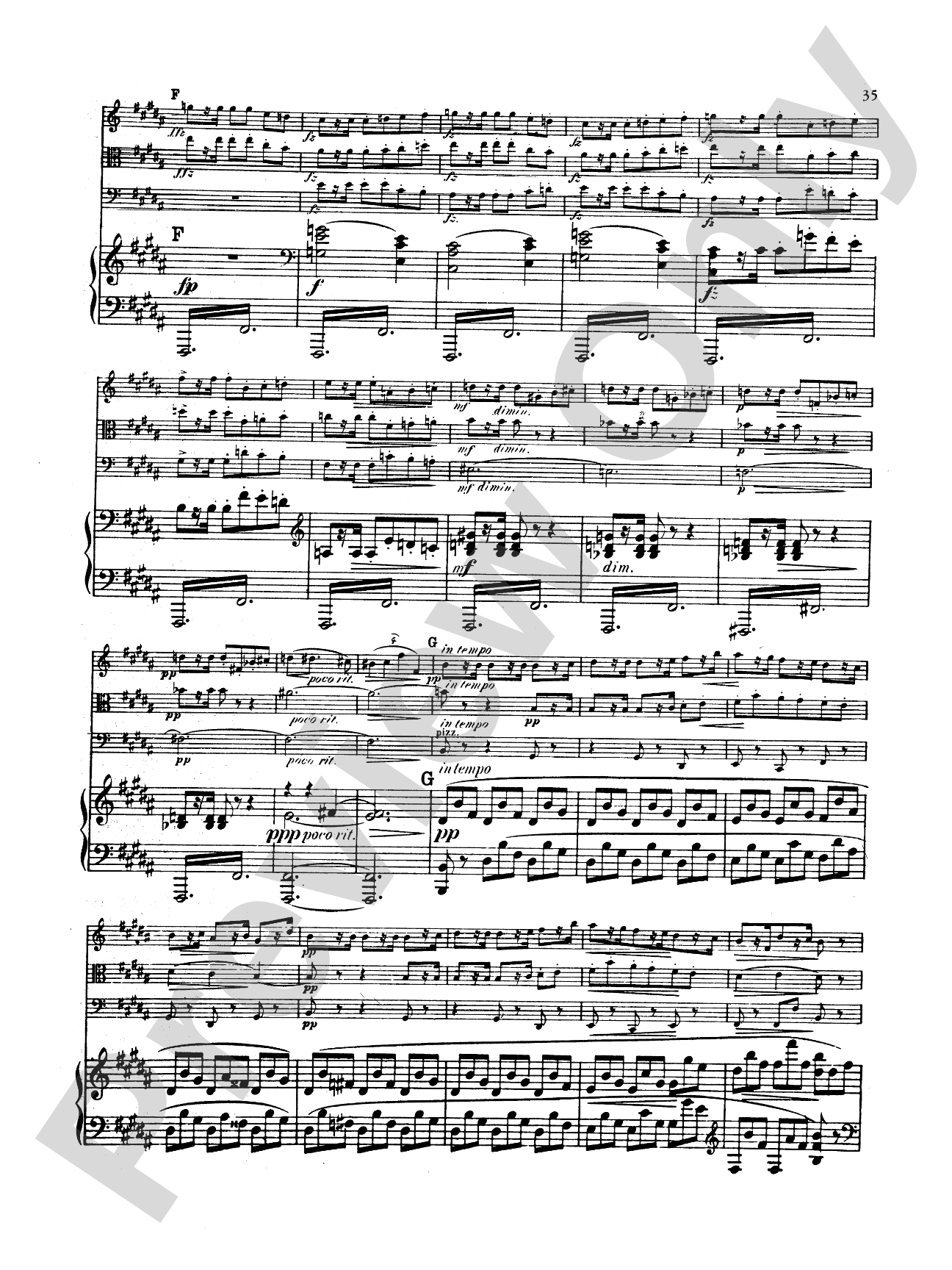
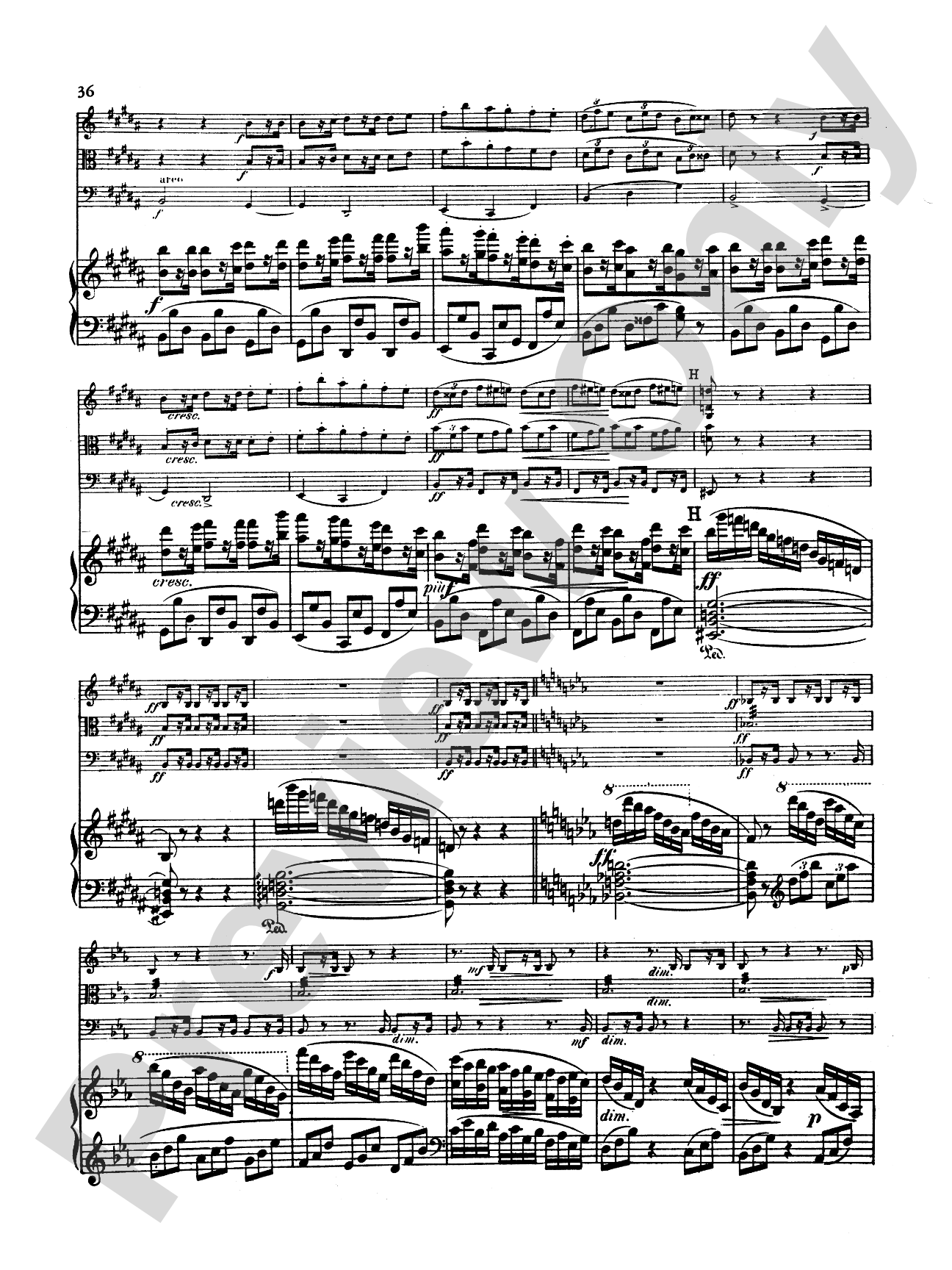
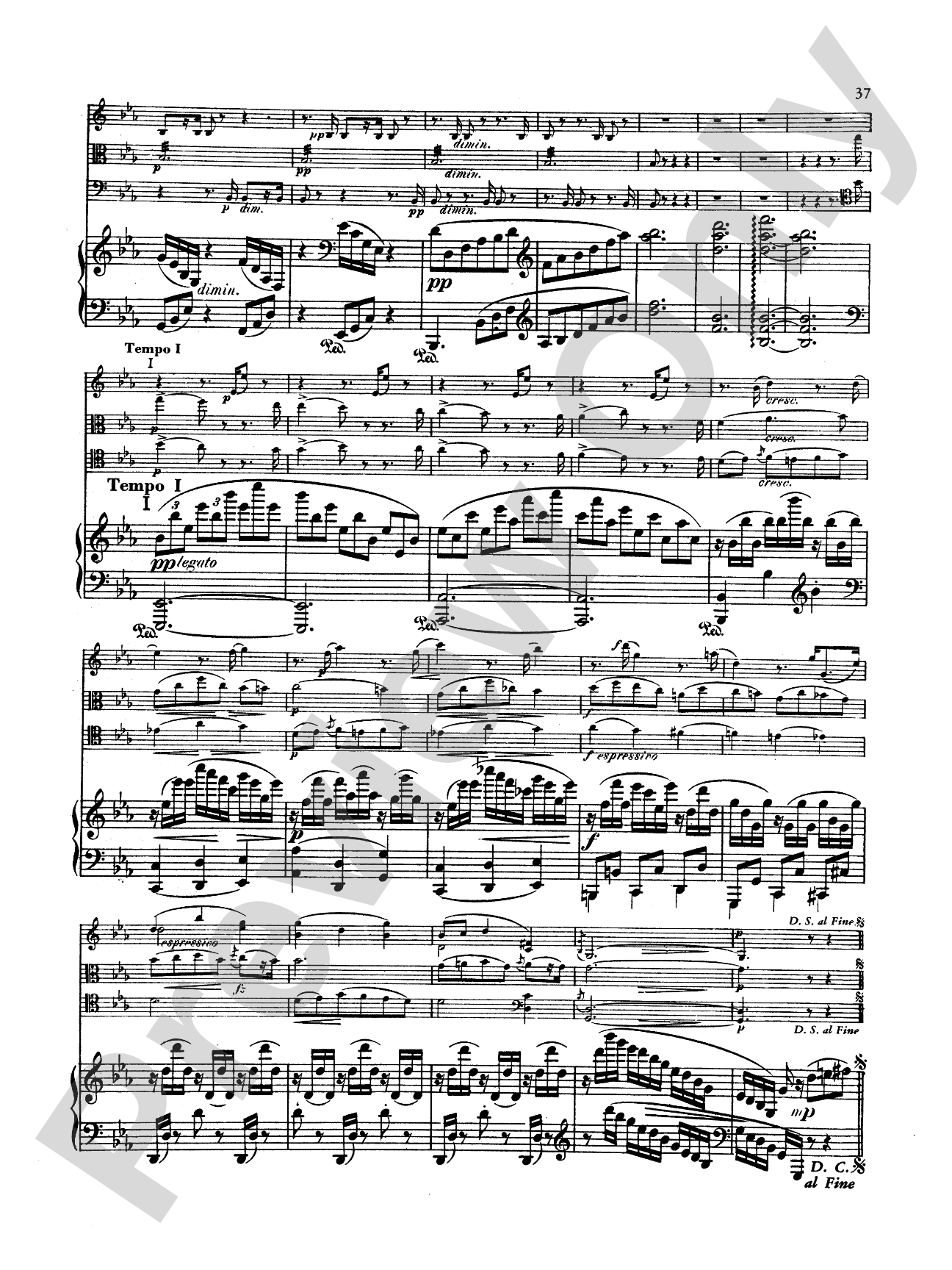
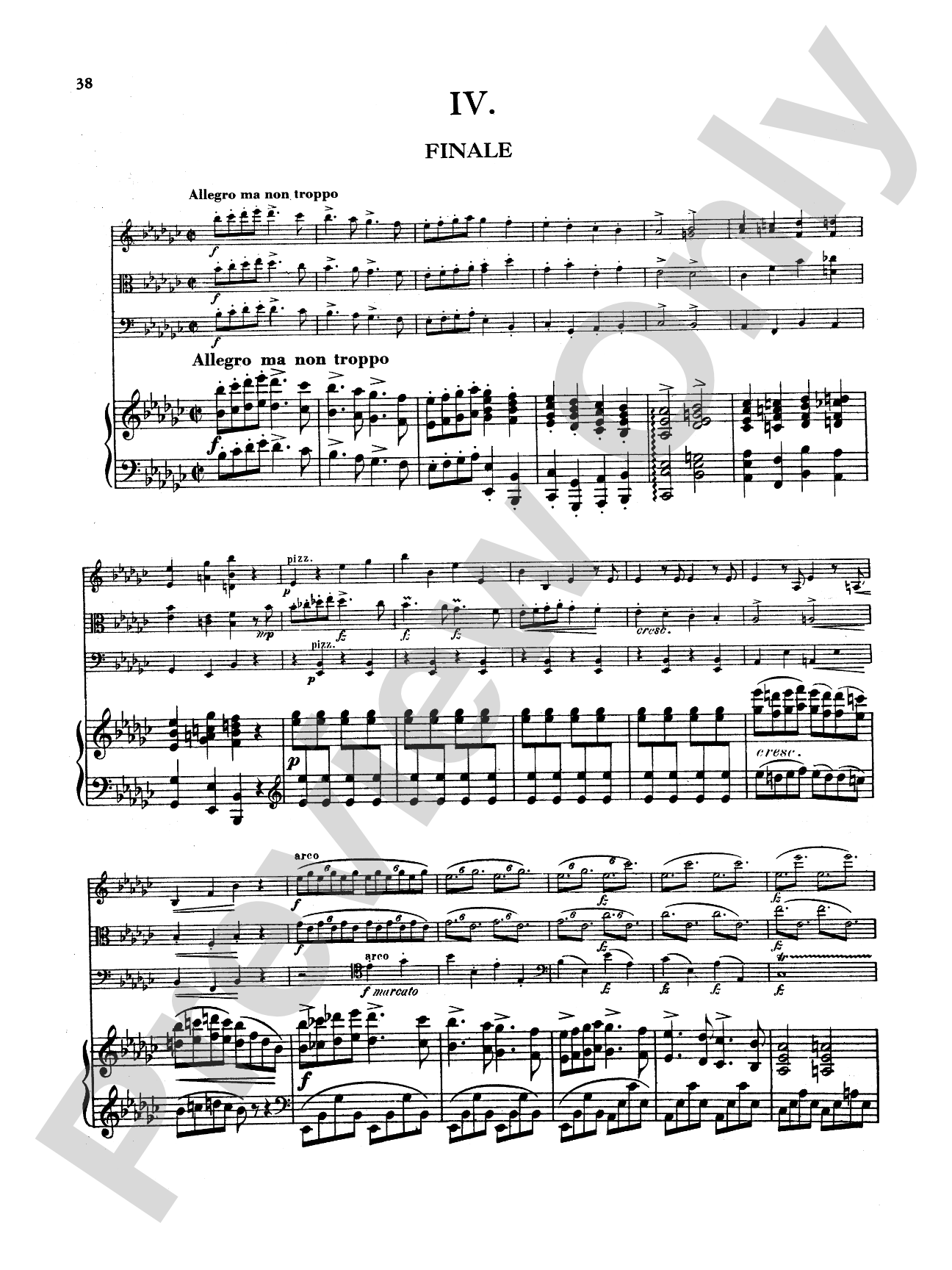
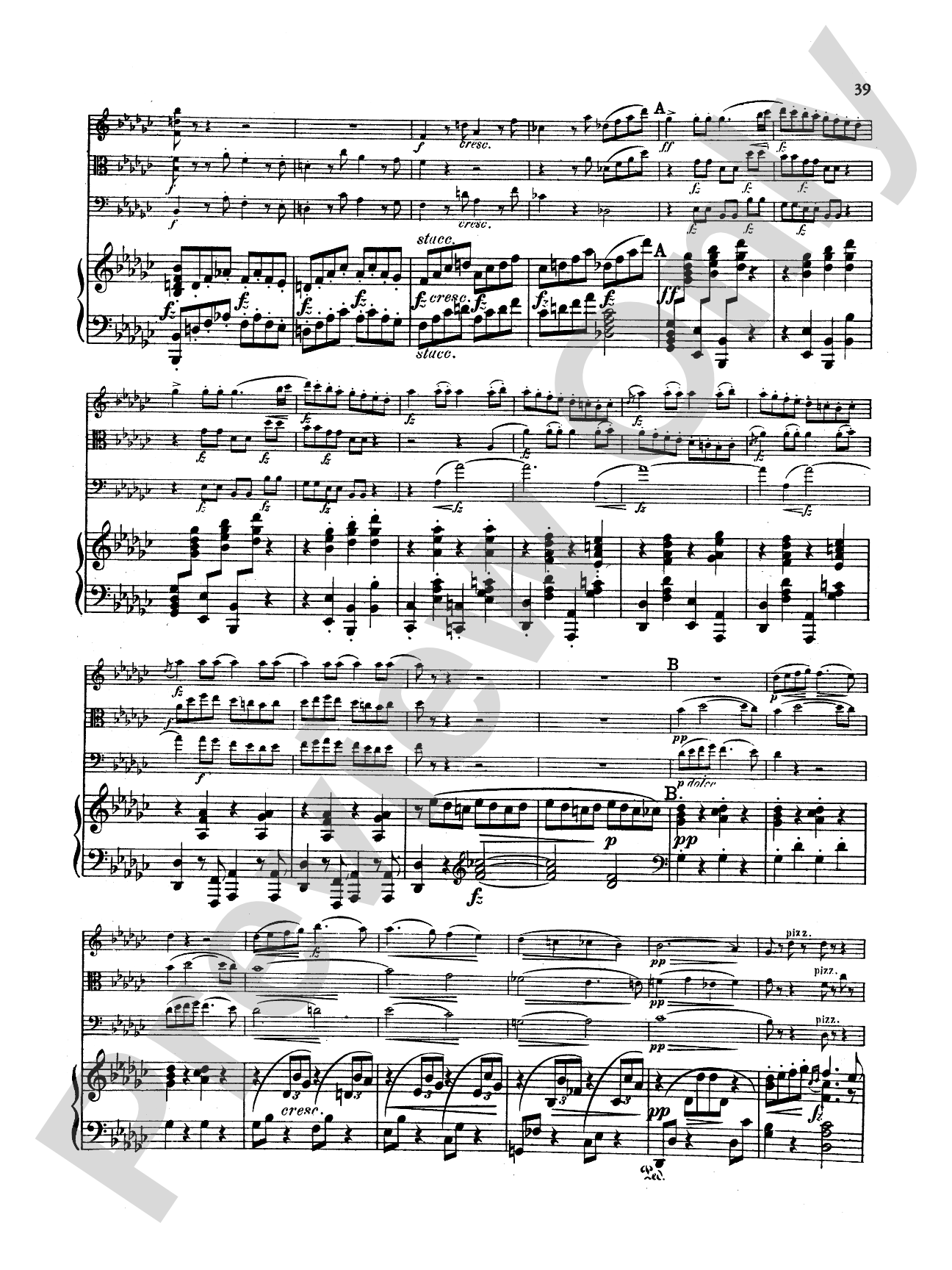
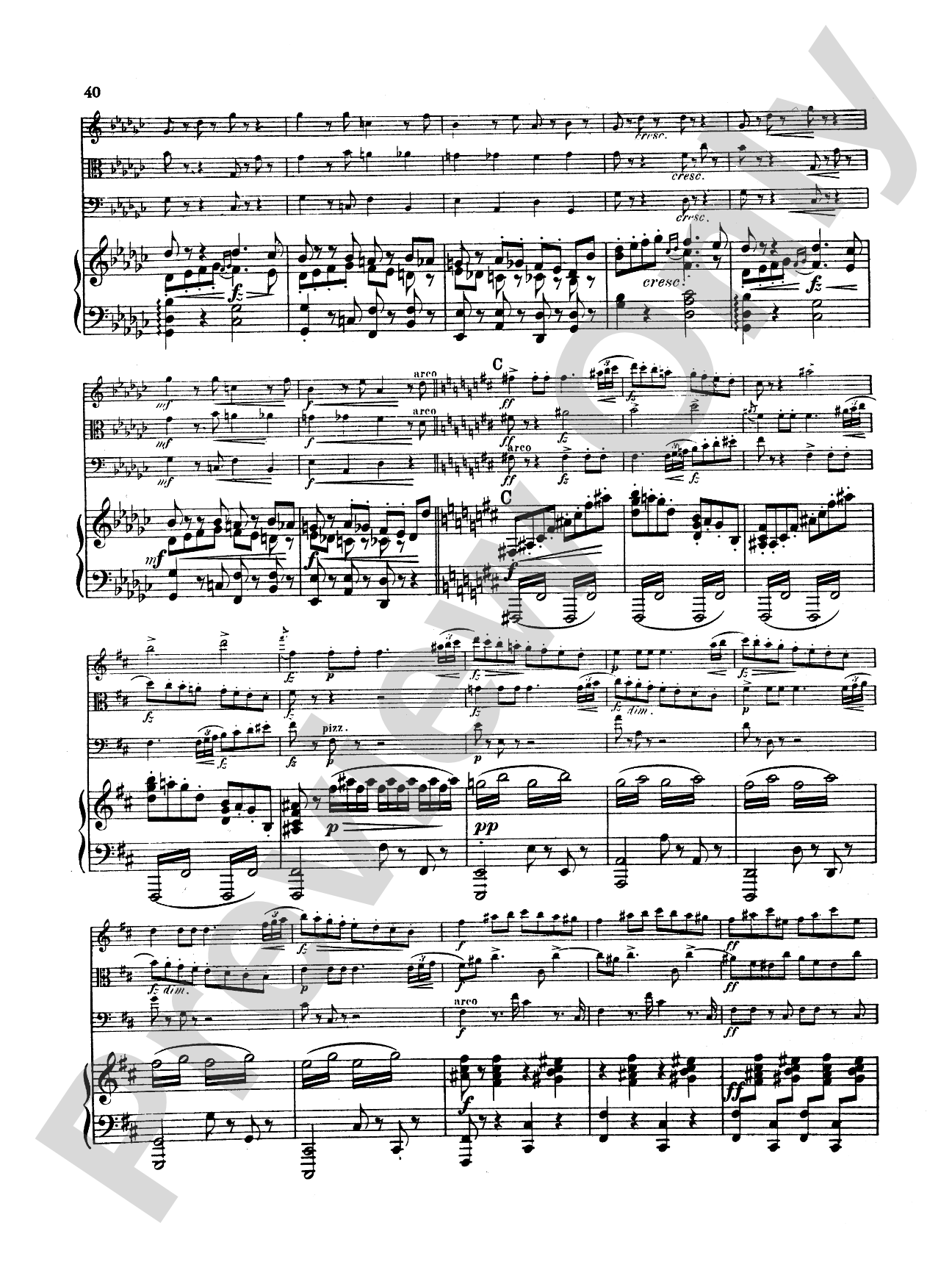
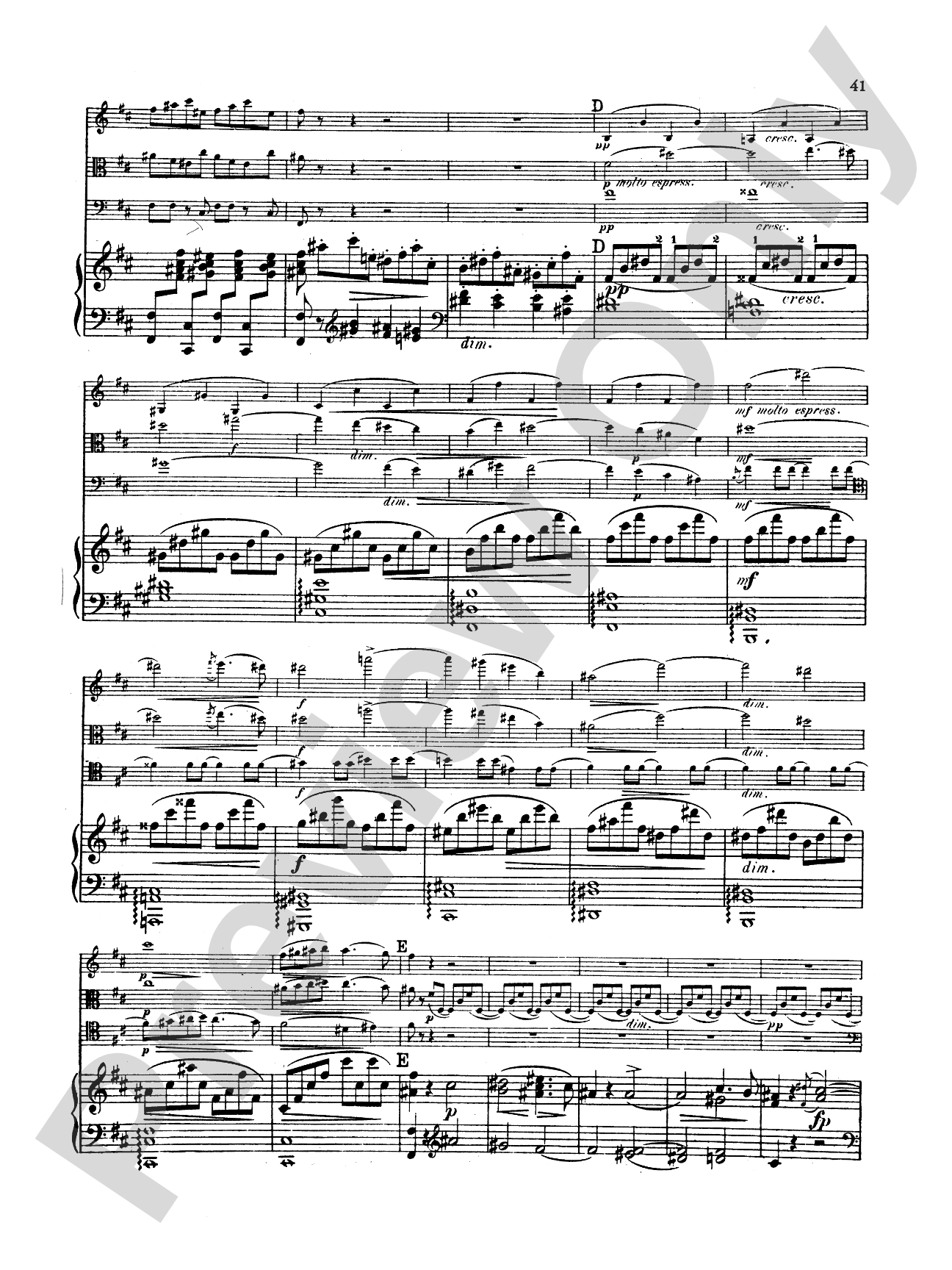
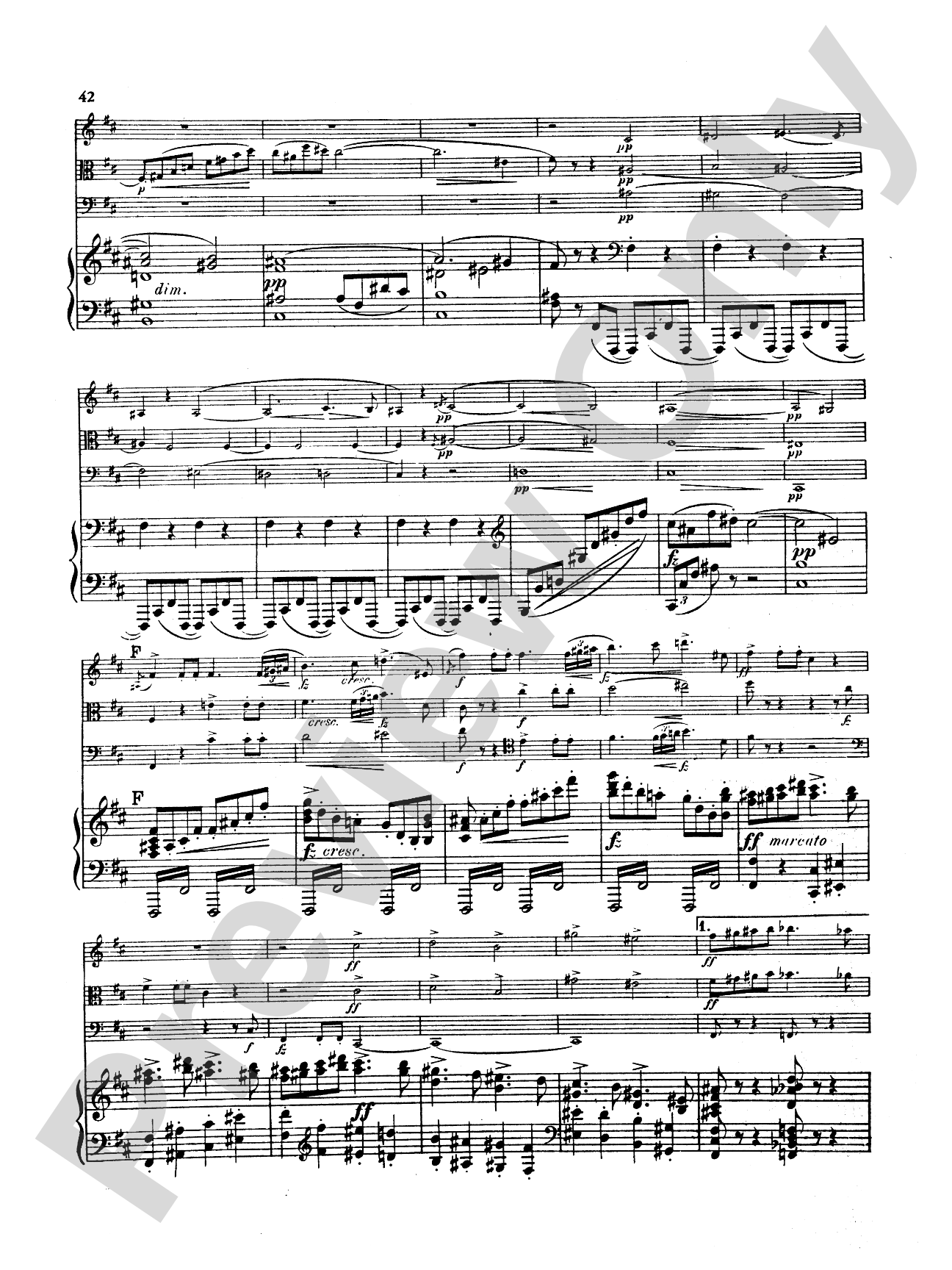
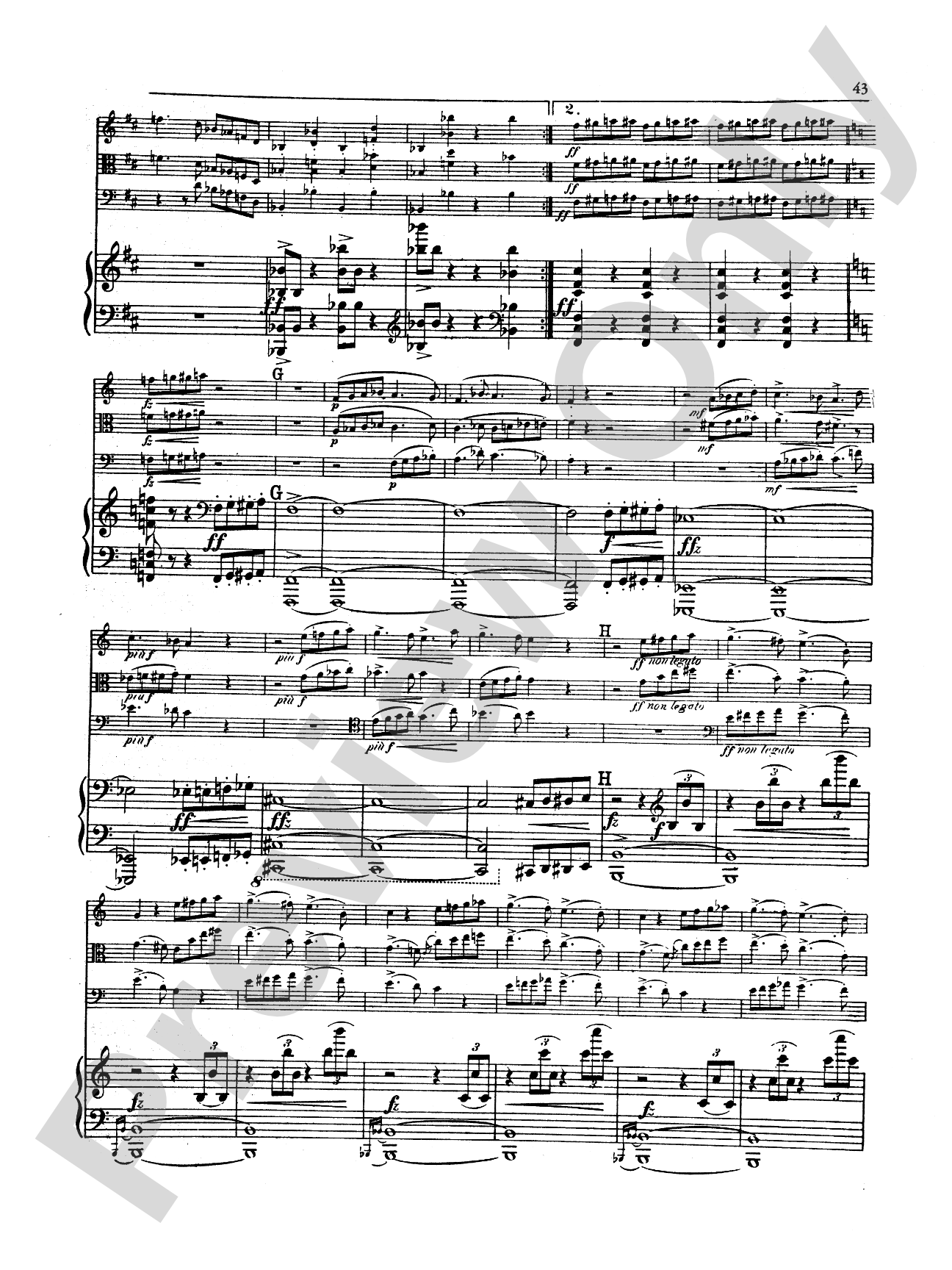
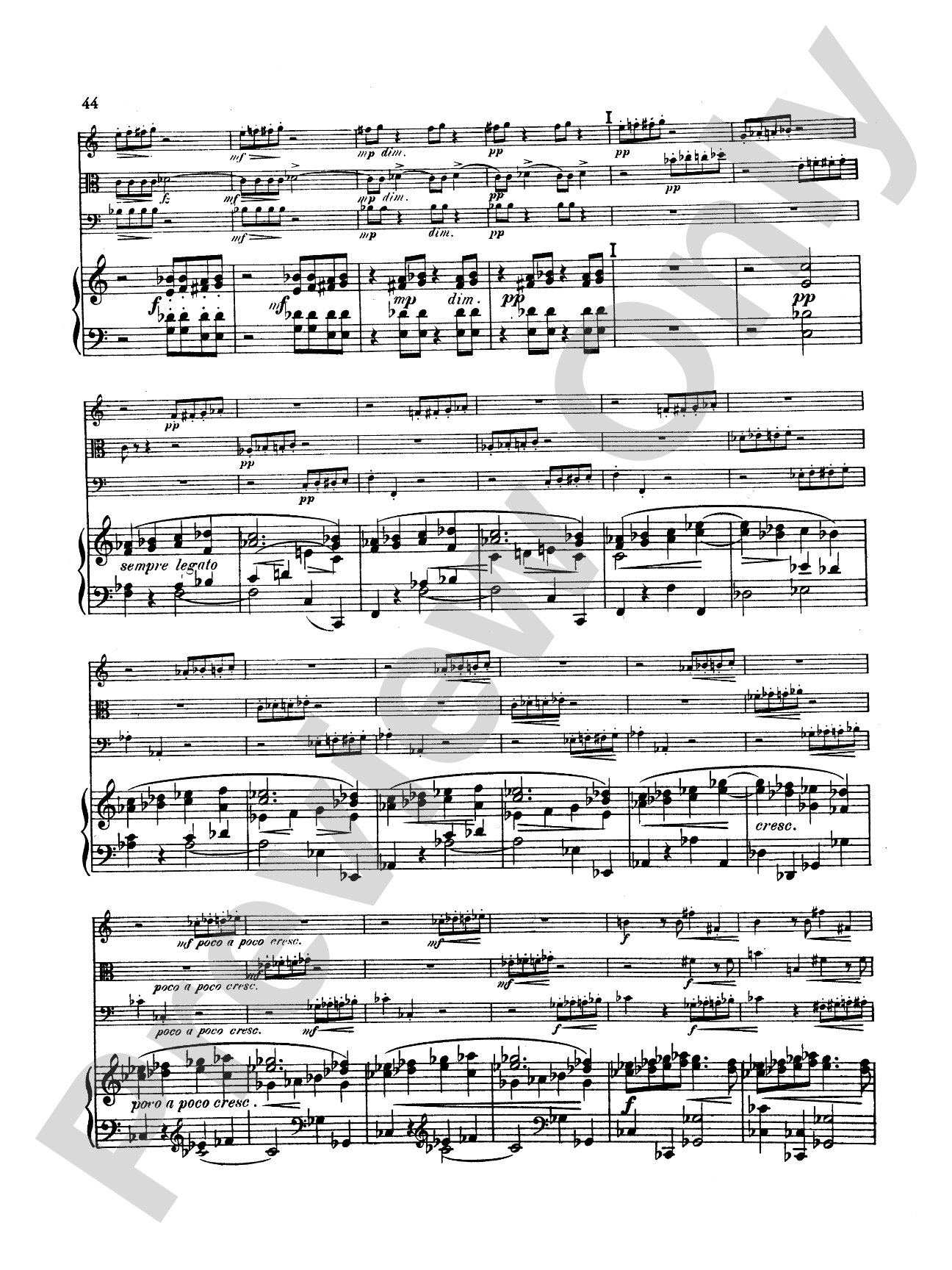
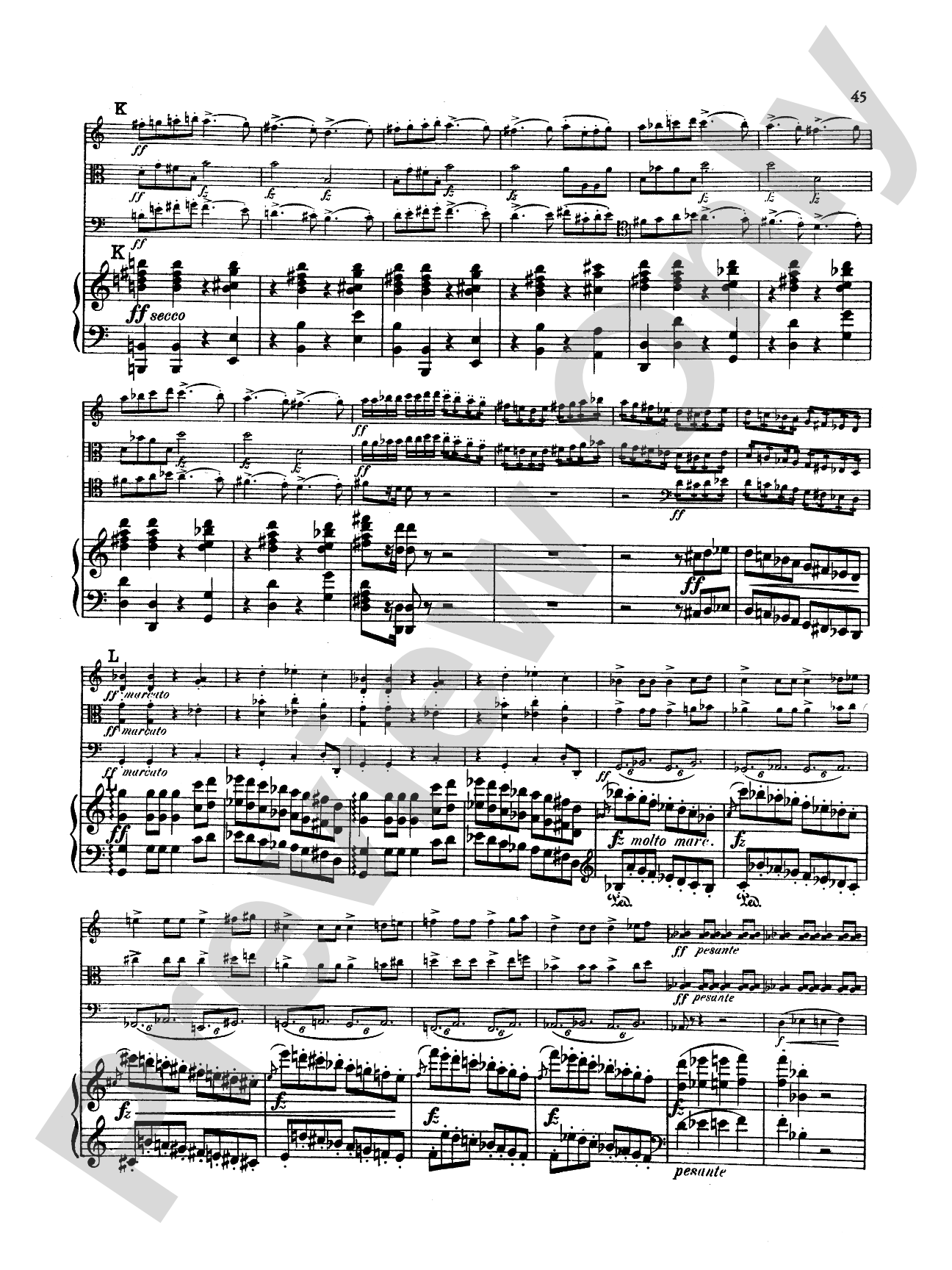
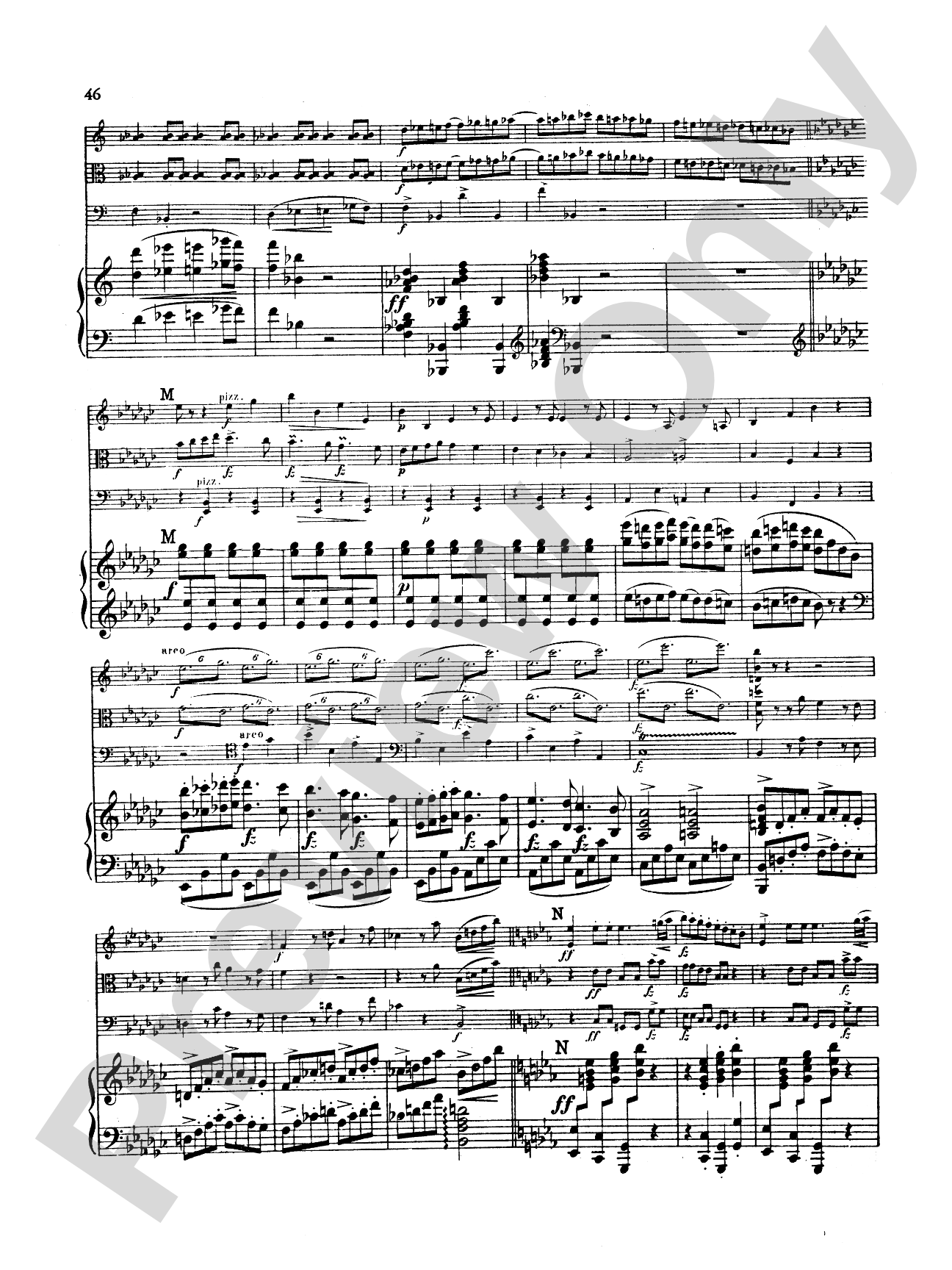
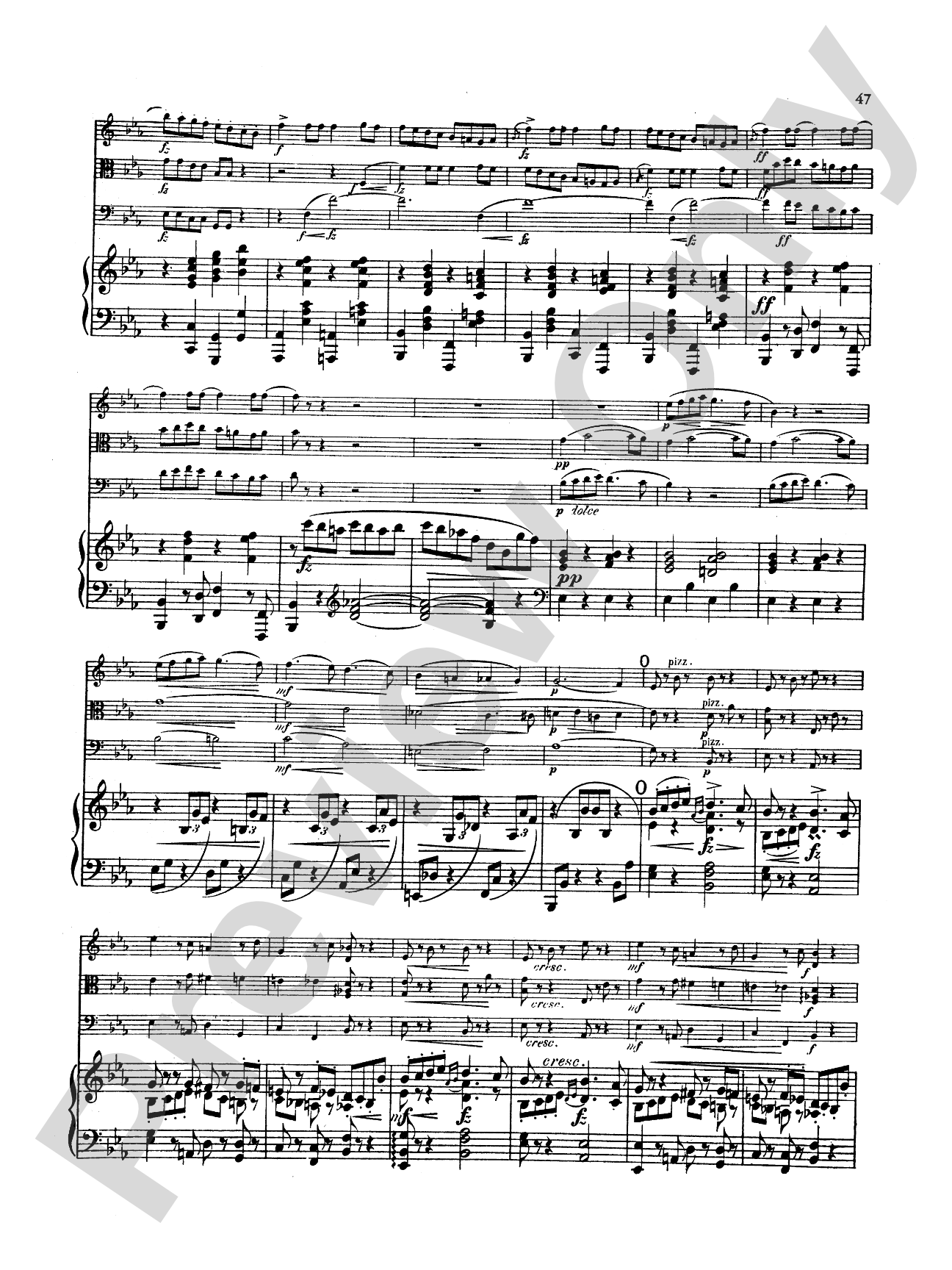
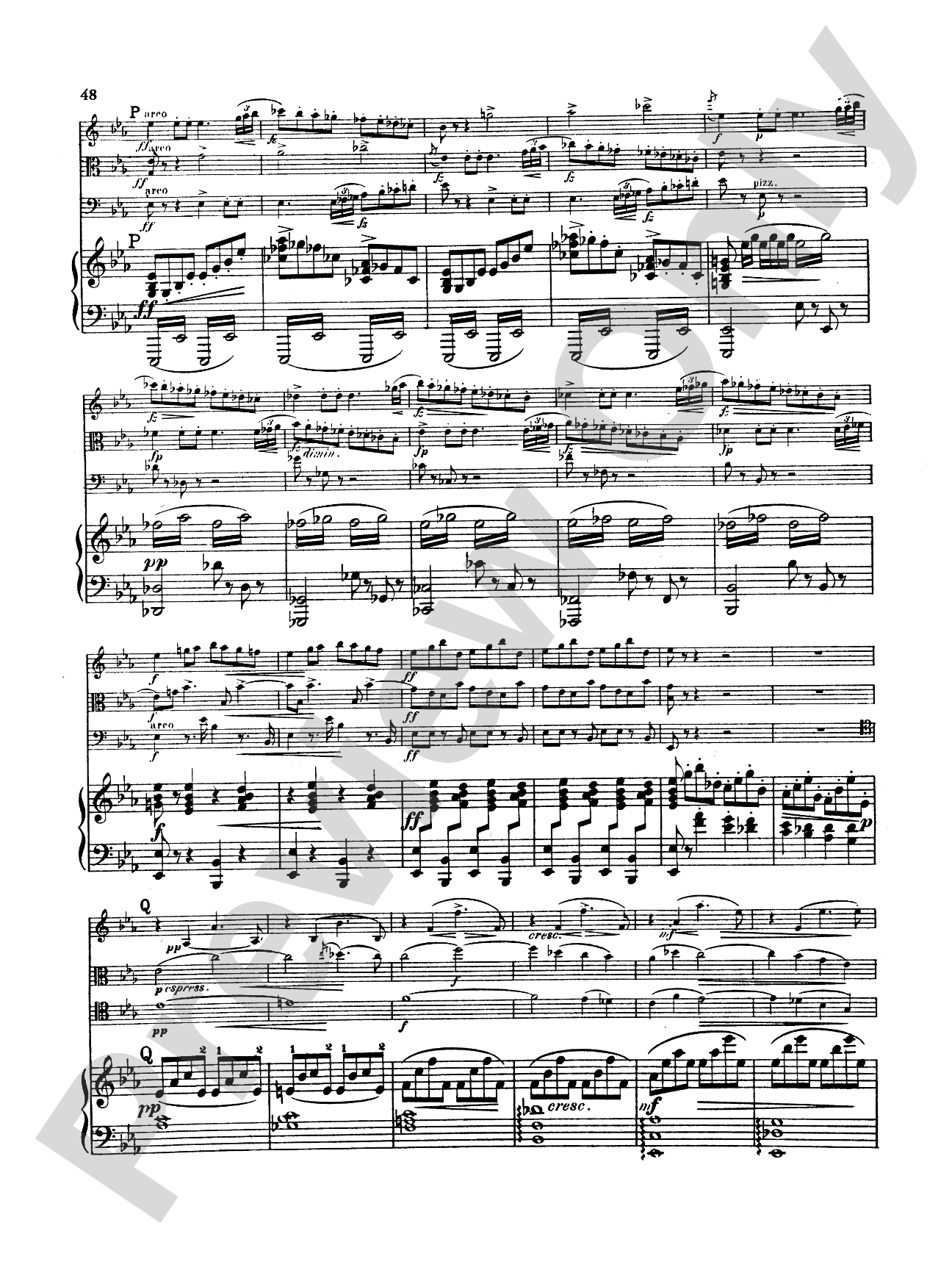
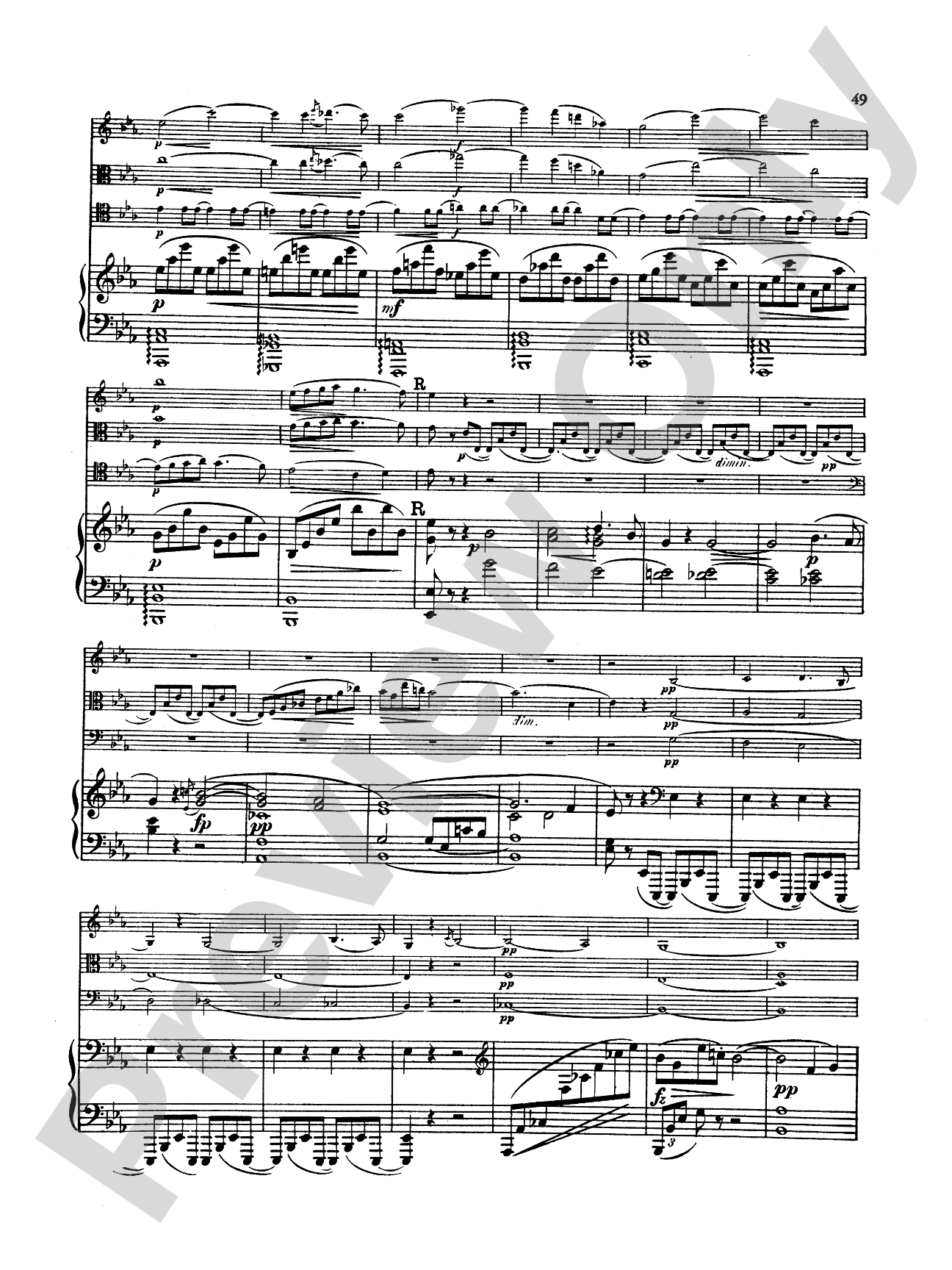
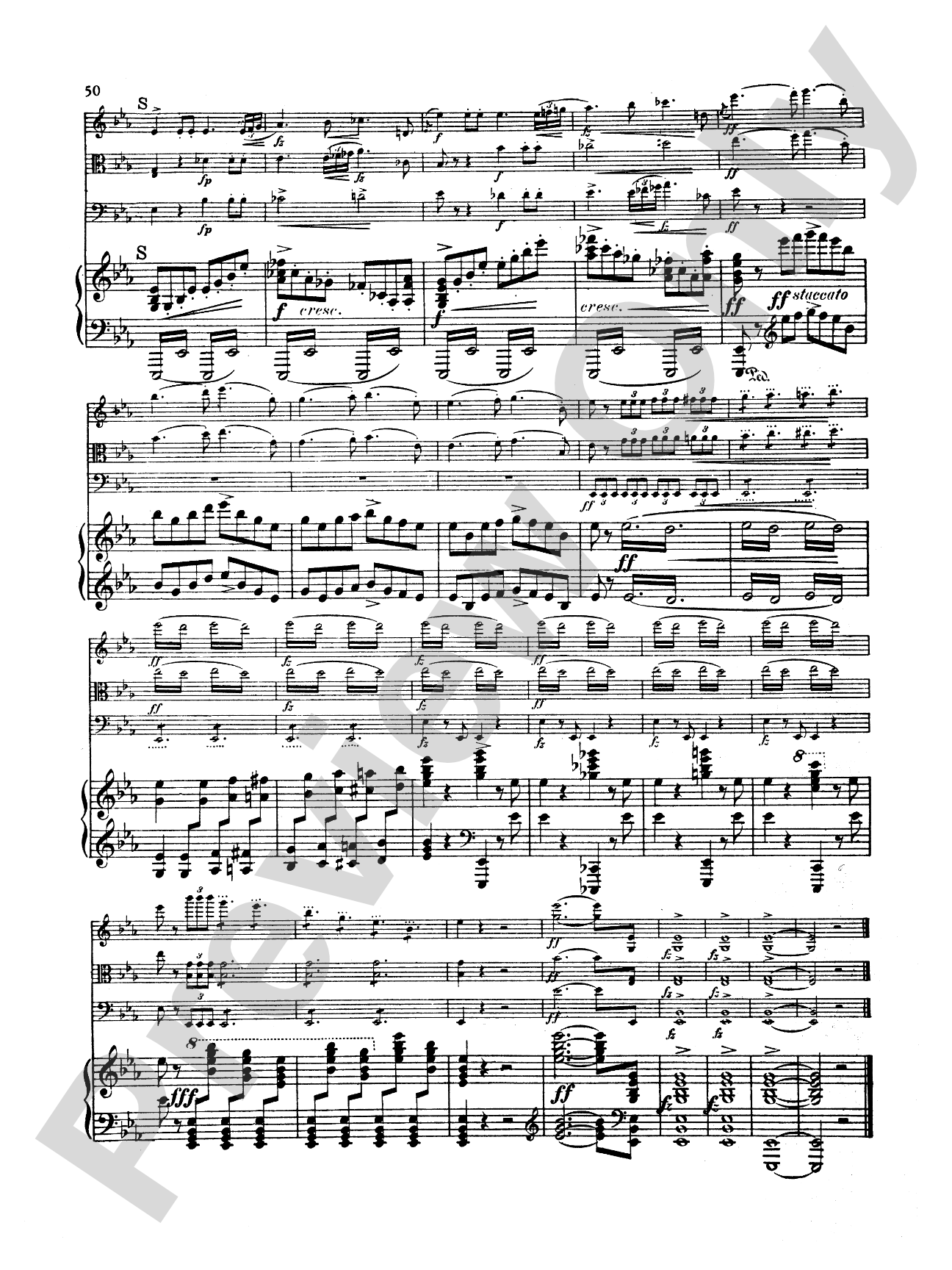

Dvorák: Quartet in E flat Major, Op. 87: Chamber Quartet Book
For Piano, Violin, Viola and Cello
By Antonín Dvorák
Item: 00-PK-0003821

$16.95
Pickup currently not available
Buy Extra Parts (Digital PDF Download)
| Product | Price | Quantity |
|---|---|---|
| Dvorák: Quartet in E flat Major, Op. 87 | $15.95 |
Parts Added to Cart!
Related Items
Quartet in E-flat Major, Opus 87: Chamber Quartet Book |
$16.95
|
View |
Description
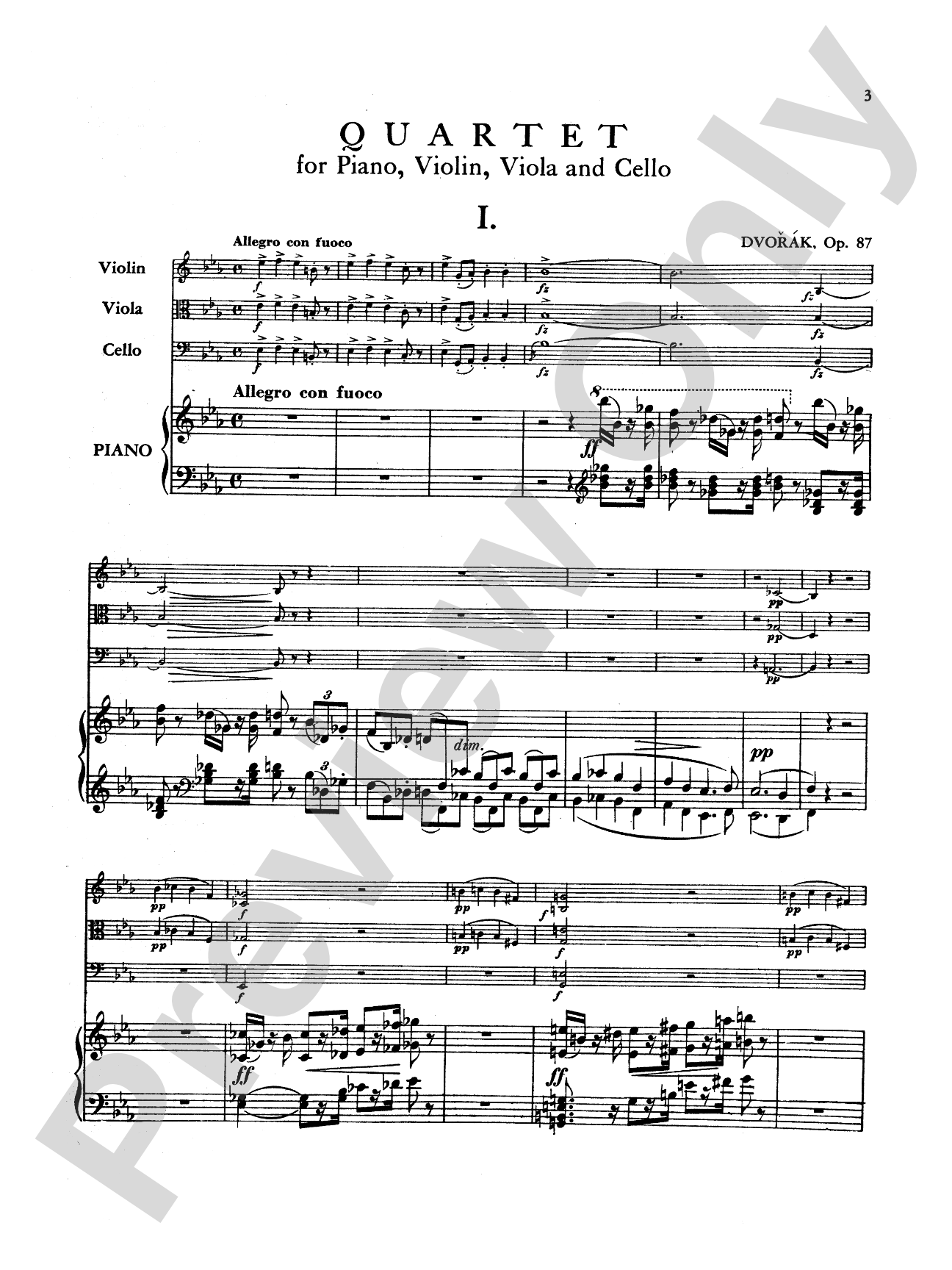
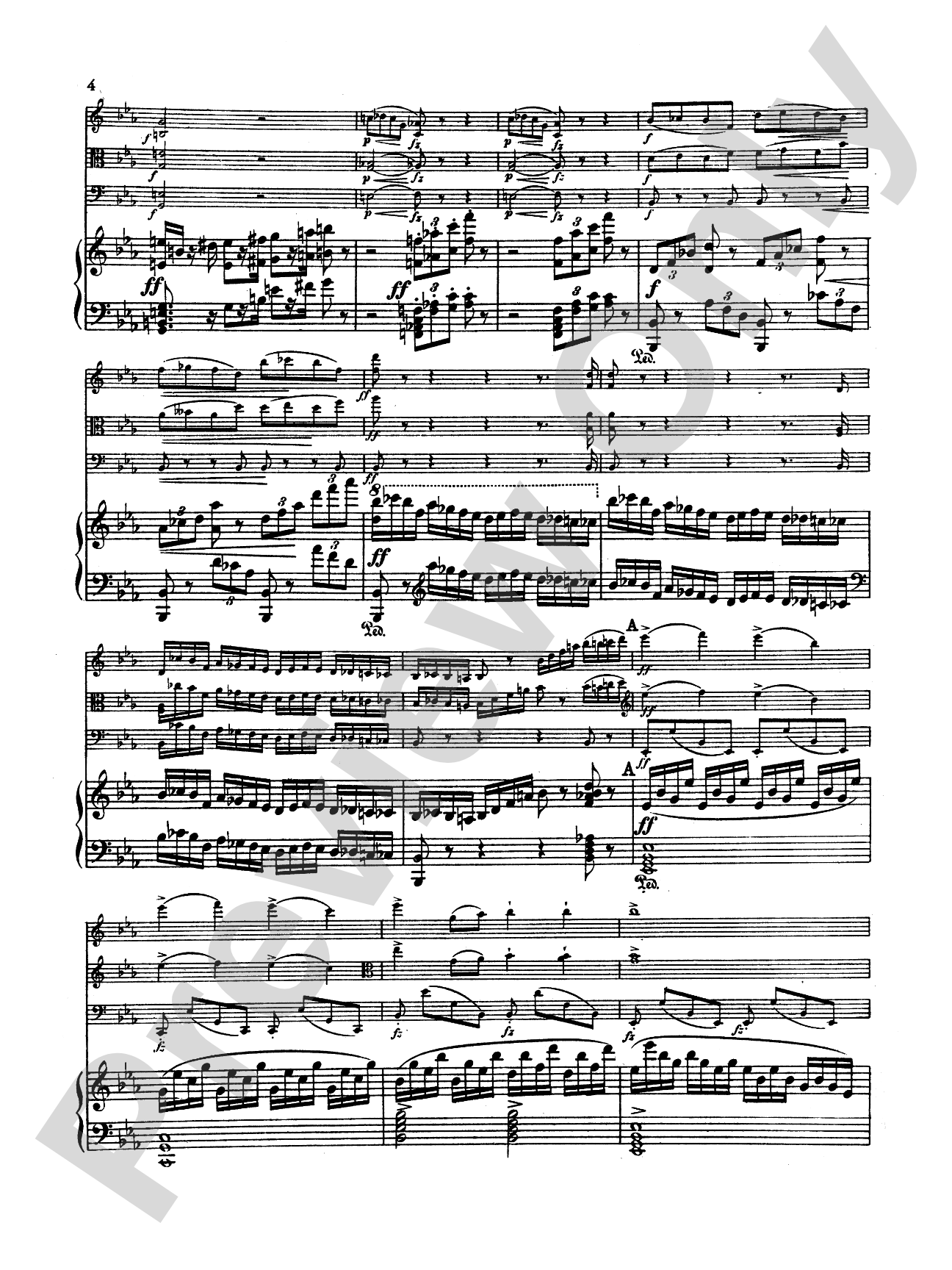
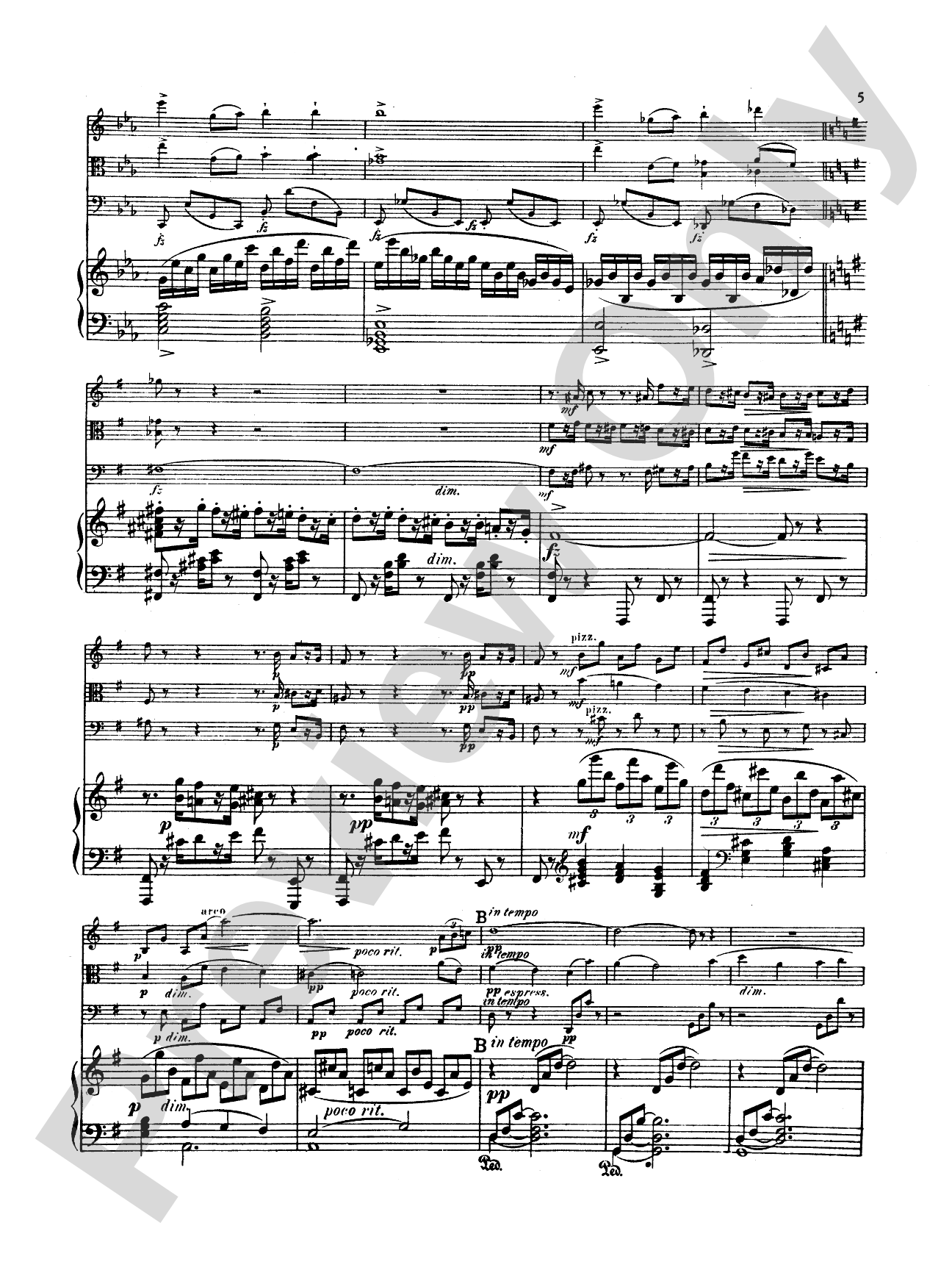
Composed by Antonin Dvorák, Quartet in E-flat Major is written for Piano, Violin, Viola, and Cello.


Don't just read it, hear it, play along with it, and watch your students grow with it. In MakeMusic Cloud, Dvorák: Quartet in E flat Major, Op. 87: Chamber Quartet Book comes alive with professional accompaniment, adjustable tempo, and built-in practice tools that turn solo practice into real progress.
Open in the Player
Jump straight in and assign it today.
Start Your Free Trial
Open this title and explore the full library in minutes.
Sample Audio
No sample audio found.
Sample Video
No sample videos found.
Additional Details
Series:
Kalmus Edition
Publisher:
Alfred Music
Page Count:
88
SKU:
00-PK-0003821
More about this title
About the Composer: Antonín Dvorák
Antonín Dvorák (1841-1904) stands as one of the defining voices of Romantic nationalism, bringing the musical language of his Czech homeland into works of international stature. His chamber music represents a lifetime of refinement, moving from early experimentation toward the sophisticated formal mastery and emotional depth that characterize his mature output.
Dvoák's string chamber works have become central to the repertoire because they balance accessibility with genuine compositional complexity. His melodies sing with natural warmth, his harmonies surprise without alienating, and his structural sense ensures that every piece rewards careful study by performers and listeners alike.
Why we love this
This quartet showcases Dvorák at his most lyrical and structurally inventive. Unlike some late-Romantic chamber works that can feel sprawling, Op. 87 combines an almost Classical sense of proportion with Romantic sweep, making it deeply gratifying for ensembles who want to program substantial repertoire without overwhelming rehearsal schedules.
What to expect
Warm, expansive, and deeply communicative. Dvorák's harmonic palette ranges from sun-bright major passages to introspective minor-key writing, often within the same movement. The work breathes with a human quality that feels intimate even in its grander moments.
Who it's for
Chamber ensembles with solid training who are ready to tackle substantial Romantic repertoire and want a work that challenges musicianship without requiring virtuosic technical display. Piano quartet performers will find this piece rewarding at the advanced amateur and early professional levels.
How to get the most out of it
- Find the natural singing line in each voice rather than treating passages as technical exercises. Dvorák's melodies often migrate between instruments; trace them across the ensemble so the line never breaks.
- Balance the piano part carefully. It functions sometimes as harmonic anchor, sometimes as equal voice, and occasionally as a more transparent accompaniment. Adjust touch and dynamic shaping accordingly across sections.
- Pay close attention to tempo relationships between movements. Dvorák marks them precisely, and respecting these proportions shapes the overall architecture and prevents the piece from feeling episodic.
- Work dynamics and articulation as ensemble decisions, not individually. The Romantic idiom demands unified shaping of phrases even when individual parts carry different figurations.
How to use it
This is ideal for chamber concert programming where you want to anchor a recital with a substantial masterwork. It pairs naturally with shorter contemporary pieces or lighter Classical works. The work's 88 pages and full four-movement structure also make it suitable for competition or festival submission.
Skills your students will build
- Balancing independence and ensemble unity in four-part texture
- Navigating frequent key modulations within a Romantic harmonic language
- Sustaining long lyrical lines while maintaining rhythmic clarity in accompanying voices
- Interpreting rubato and expressive timing as an ensemble
- Reading and performing across the full range of Romantic dynamic and articulation markings