
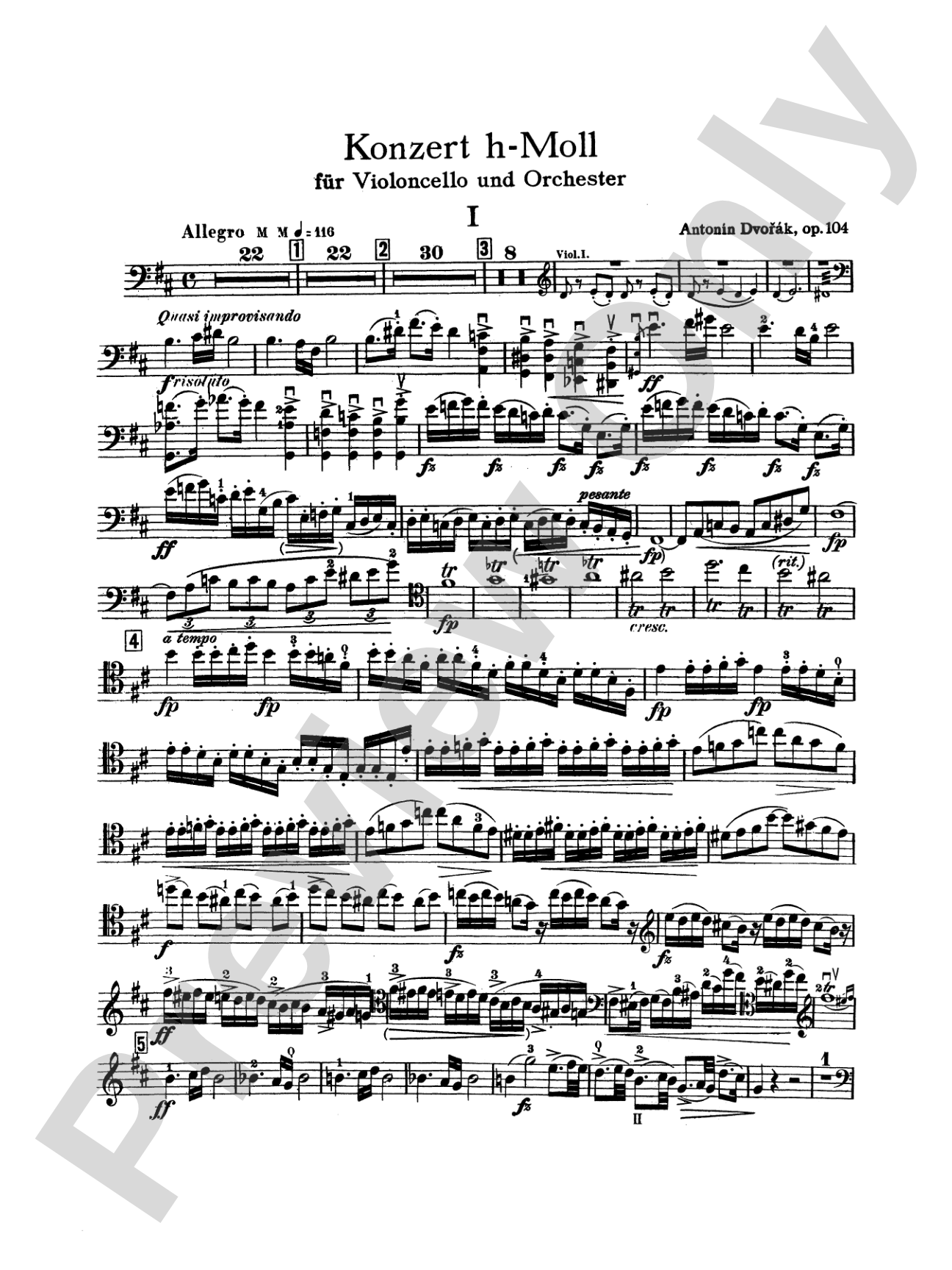
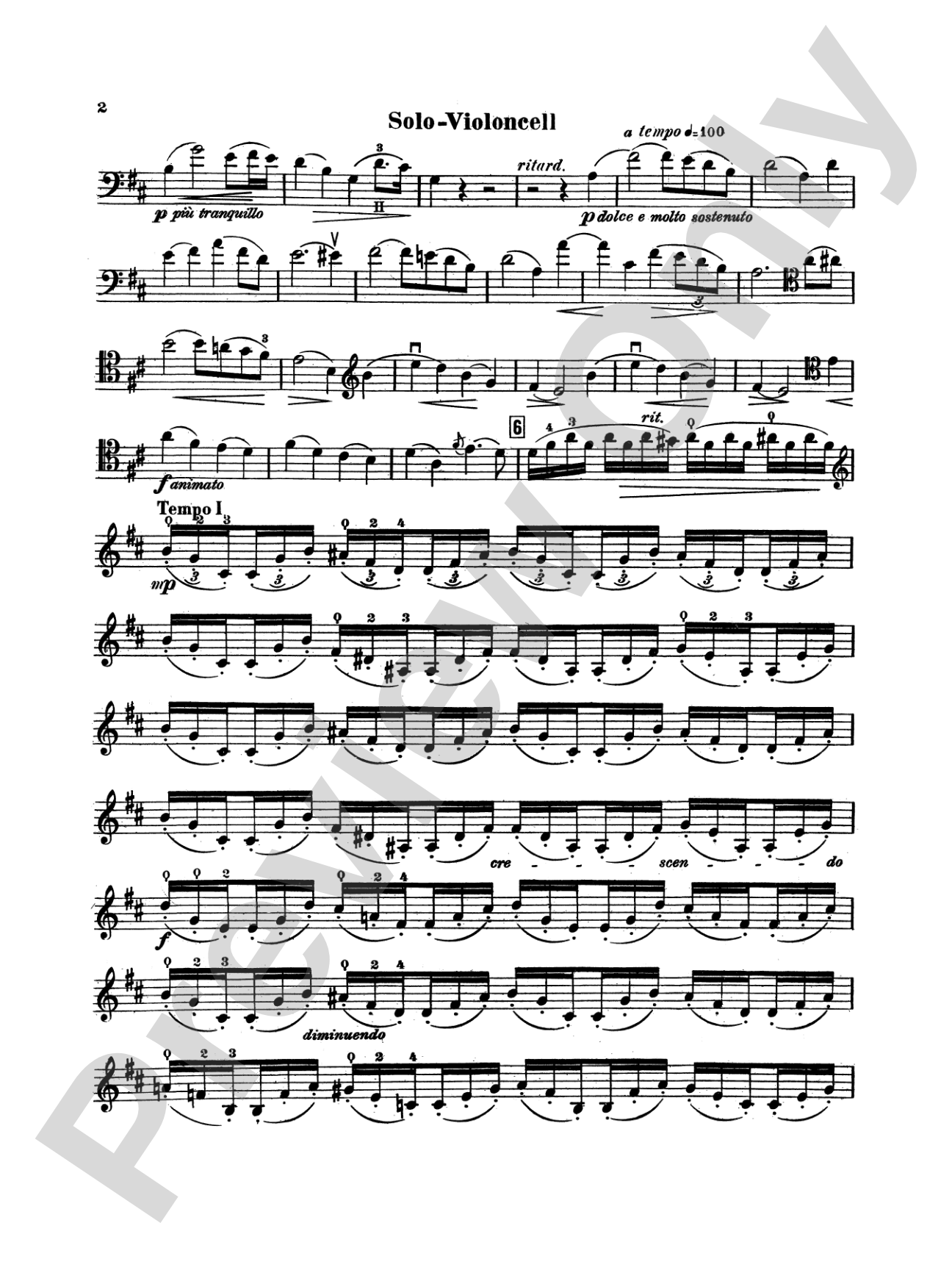
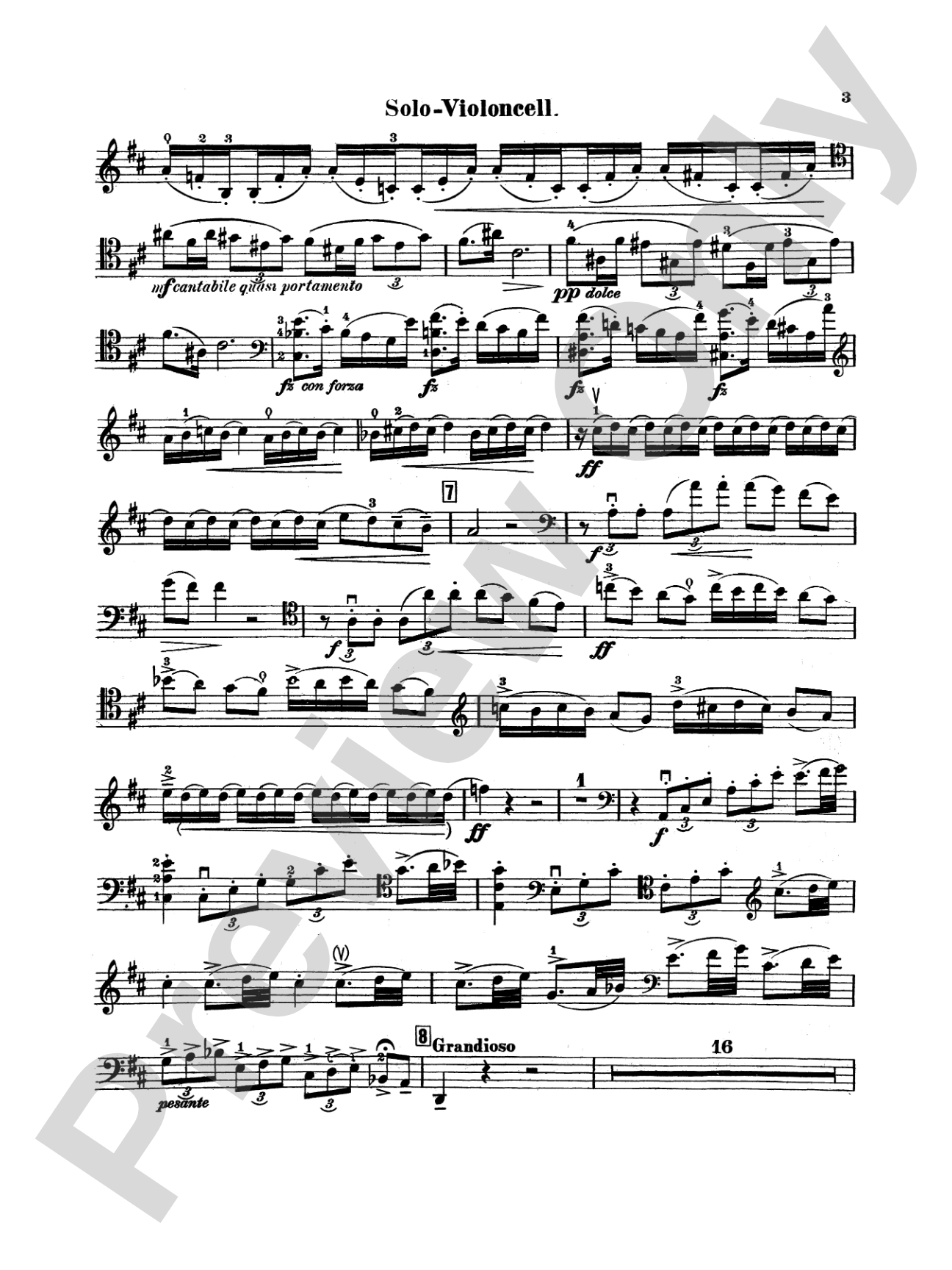
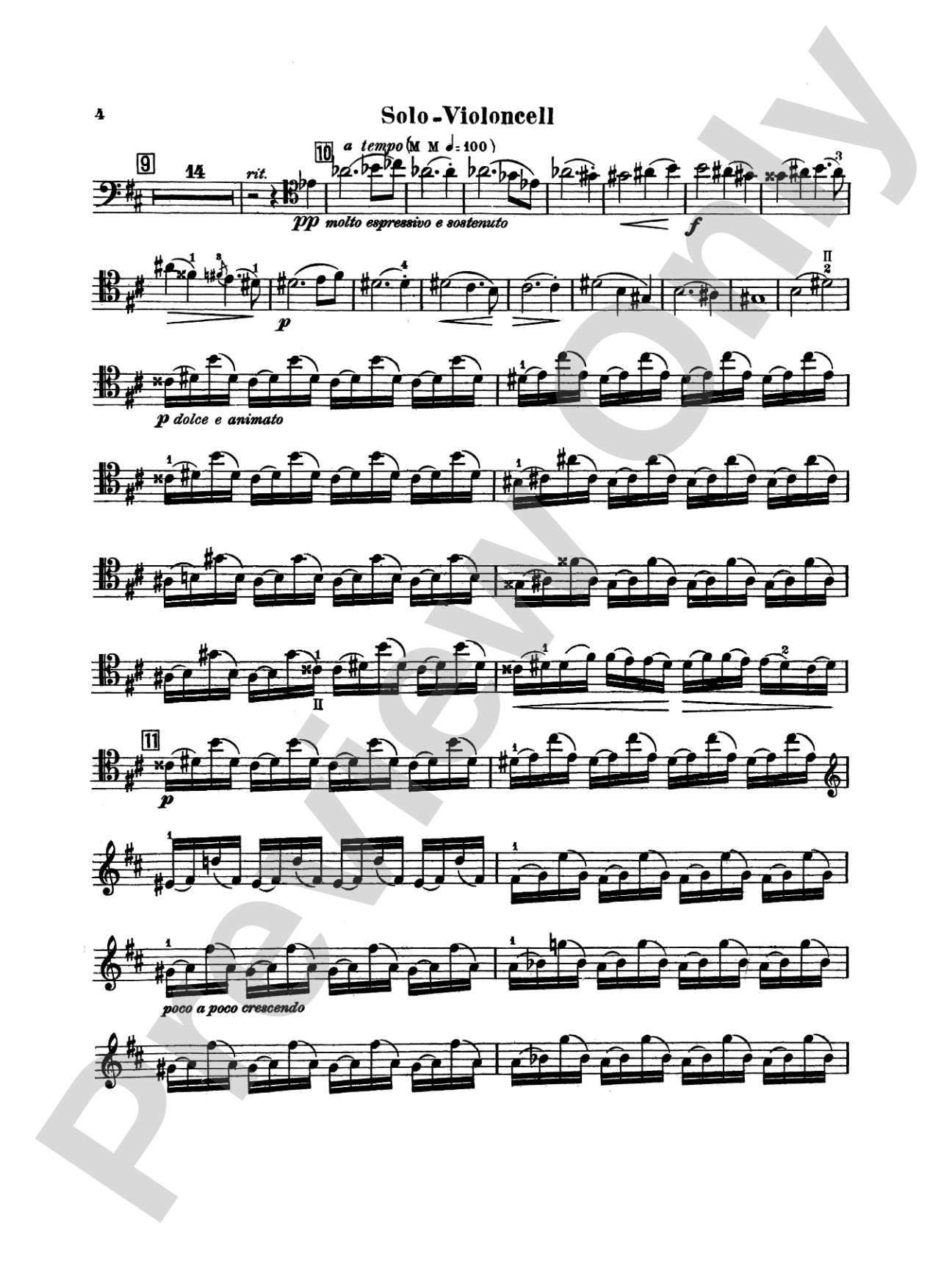

Dvorák: Cello Concerto, Op. 104 in B Minor
By Antonín Dvorák
Item: 00-PC-0007071
$4.99
Pickup currently not available
Description
A Cello solo with Piano Accompaniment composed by Antonin Dvorák.


Don't just read it, hear it, play along with it, and watch your students grow with it. In MakeMusic Cloud, Dvorák: Cello Concerto, Op. 104 in B Minor comes alive with professional accompaniment, adjustable tempo, and built-in practice tools that turn solo practice into real progress.
Open in the Player
Jump straight in and assign it today.
Start Your Free Trial
Open this title and explore the full library in minutes.
Sample Audio
No sample audio found.
Sample Video
No sample videos found.
Additional Details
Series:
Kalmus Edition
Publisher:
Alfred Music
Page Count:
64
SKU:
00-PC-0007071
More about this title
About the Composer: Antonín Dvorák
Antonín Dvorák (1841-1904) was a Czech composer who bridged the Romantic era and early modern classical music, drawing deeply from Bohemian folk traditions while mastering the forms of the European masters. His compositional voice balanced nationalist pride with universal emotional depth, and his orchestral and chamber works earned him recognition across Europe and America, where he spent three years as director of the National Conservatory in New York.
Dvorak's late-career works, including this cello concerto, showcase a mature command of instrumental color and melodic invention. The concerto stands among the finest ever written for the instrument, combining virtuosic demands with profound lyricism and the harmonic sophistication that defined his later style.
Why we love this
This concerto is the gold standard for advanced cello repertoire, and the Kalmus Edition gives you a clean, practical score for serious preparation. The work balances technical pyrotechnics with genuinely memorable themes, so students stay musically engaged even through the most demanding passages. Programming this signals artistic ambition and provides a vehicle for genuine artistic growth.
What to expect
The cello speaks with noble urgency in the opening, then yields to passages of intimate lyricism that feel almost confessional. The slow movement wraps you in warm harmony and extended melody, while the finale returns with energy and Magyar rhythmic color, balancing technical exuberance with the emotional maturity that defines Dvorák's late style.
Who it's for
Advanced cellists preparing for competitions, festivals, or recitals will find this Kalmus Edition edition a reliable score for this central concerto. Music conservatory students and serious pre-college performers working toward college auditions benefit from tackling a work of this stature and complexity. Teachers seeking a pedagogically rich but uncompromised masterwork for advanced students have an excellent choice here.
How to get the most out of it
- Map the large formal structure before diving into technical details. This three-movement concerto unfolds in a traditional fast-slow-fast arc; knowing where you're headed prevents individual passages from becoming disconnected.
- Shape the opening theme with long, singing lines. The cello enters with one of the great lyrical melodies in the repertoire; resist the impulse to rush through it, and let each phrase breathe naturally within the accompaniment.
- Balance virtuosity with lyricism in the first movement cadenza. The technical writing serves emotional expression, not the reverse; clarity matters more than speed.
- Use the piano accompaniment to build your internal pulse during the slow movement. The harmonic movement supports your phrasing; listen actively to the harmonic rhythm to shape longer lines without losing momentum.
How to use it
Feature this as a major recital work for an advanced student, where the substantial length and technical and emotional demands justify a solo appearance. It also serves as a bridge piece in a program mixing Romantic and early modern repertoire, or as a festival/competition centerpiece for a dedicated cellist. The work's prominence in the canon makes it an excellent choice for institutional or chamber music concerts celebrating string artistry.
Skills your students will build
- Sustained melodic phrasing across multiple systems and harmonic regions
- First position facility combined with secure thumb position shifts
- Double stop intonation and voice leading in lyrical passages
- Rhythmic independence from the piano accompaniment in cadential and virtuosic sections
- Stamina and focus across a substantial multi-movement work
- Interpretive choices about tempo, rubato, and tonal color within a canonical masterwork