

Dussek: Sonatinas, Op. 20: Piano Book
By Johann Ladislau Dussek
Level: Intermediate / Advanced
Item: 00-PK-0003077

$10.99
Pickup currently not available
Buy Extra Parts (Digital PDF Download)
| Product | Price | Quantity |
|---|---|---|
| Dussek: Sonatinas, Op. 20 | $0.99 | |
| Dussek: Sonatinas, Op. 20 | $0.99 | |
| Dussek: Sonatinas, Op. 20 | $0.99 | |
| Dussek: Sonatinas, Op. 20 | $0.99 | |
| Dussek: Sonatinas, Op. 20 | $0.99 | |
| Dussek: Sonatinas, Op. 20 | $0.99 |
Parts Added to Cart!
Related Items
Sonatinas, Opus 20: Piano Book |
$10.95
|
View |
Description
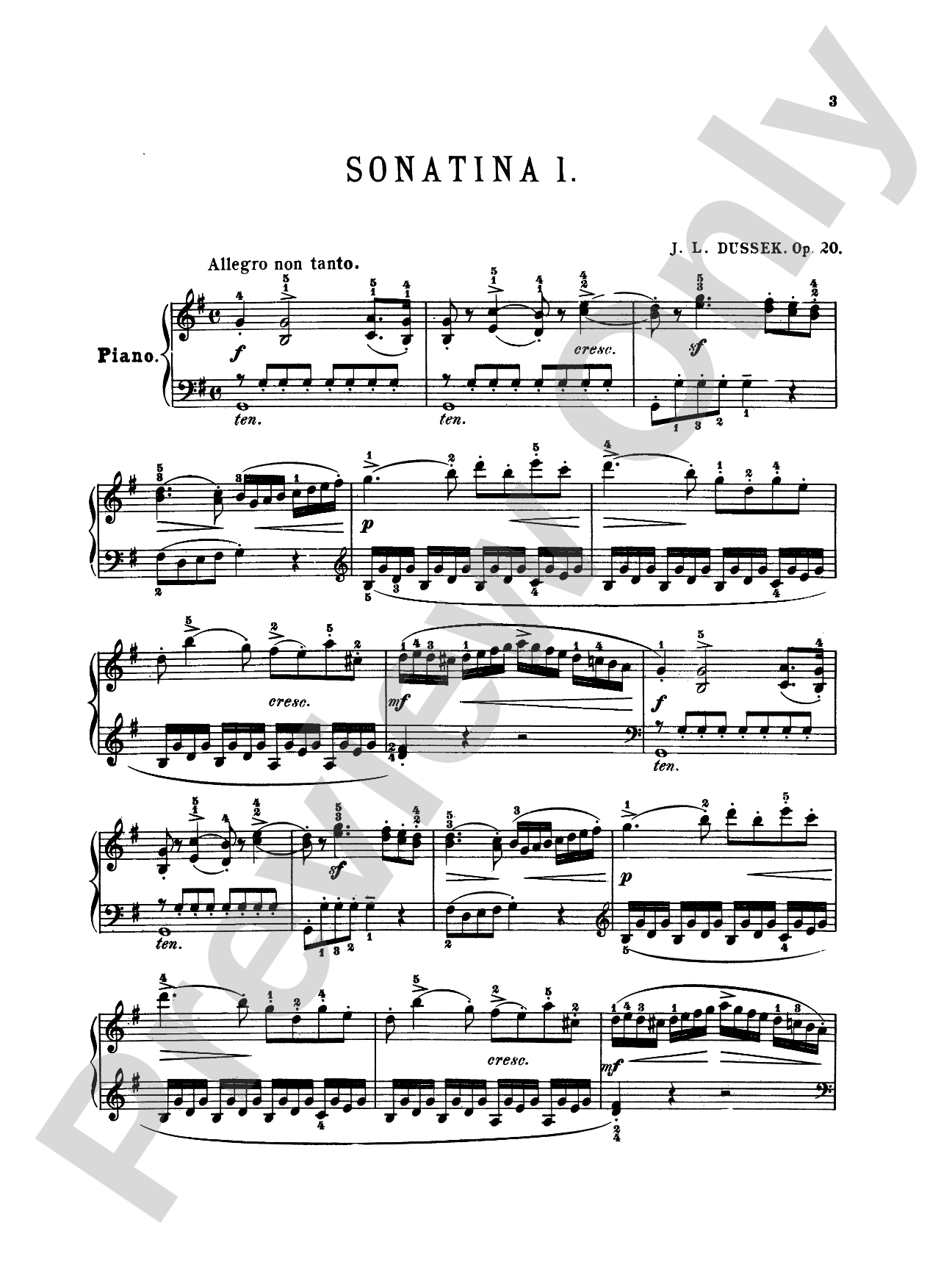
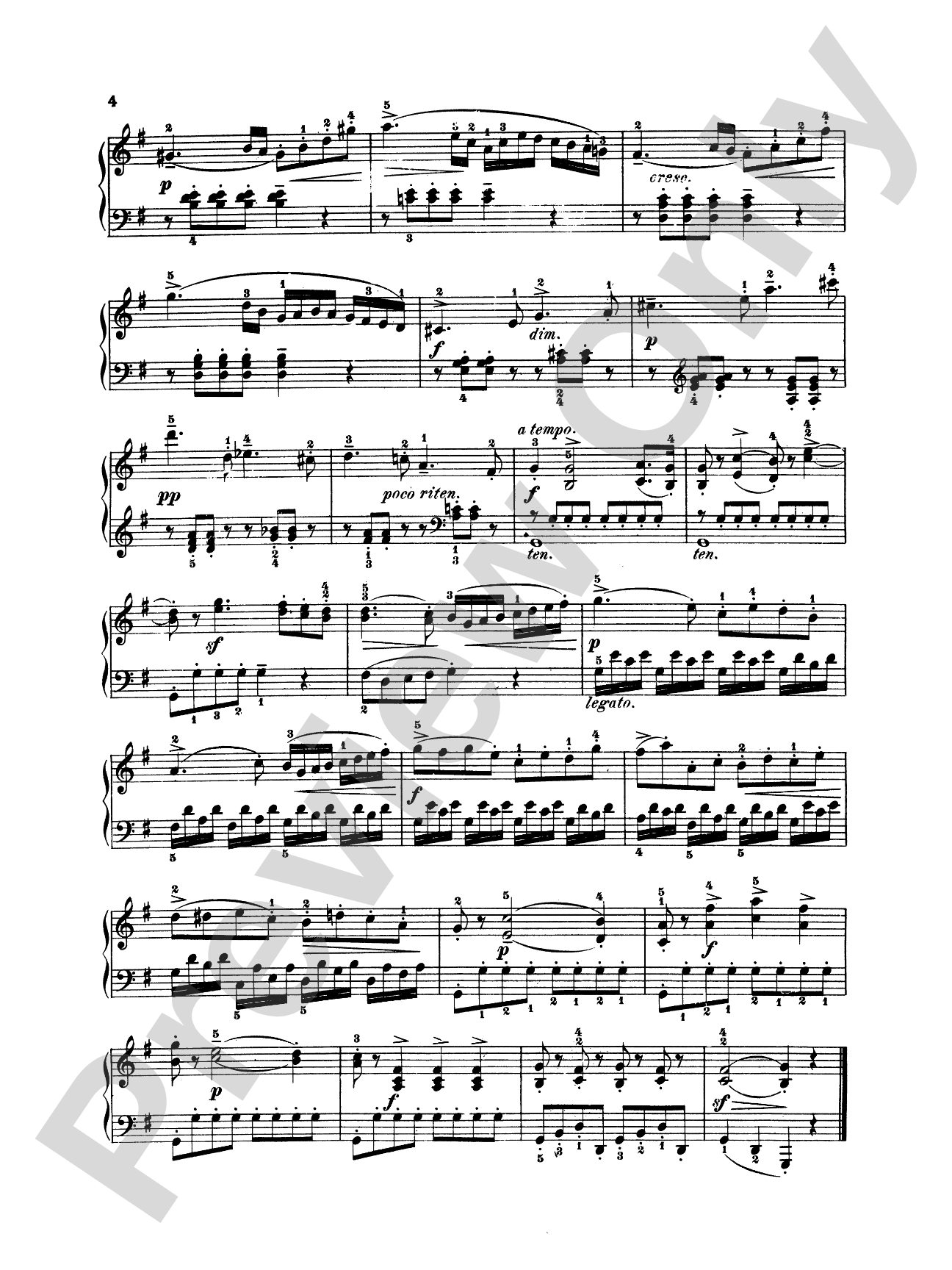
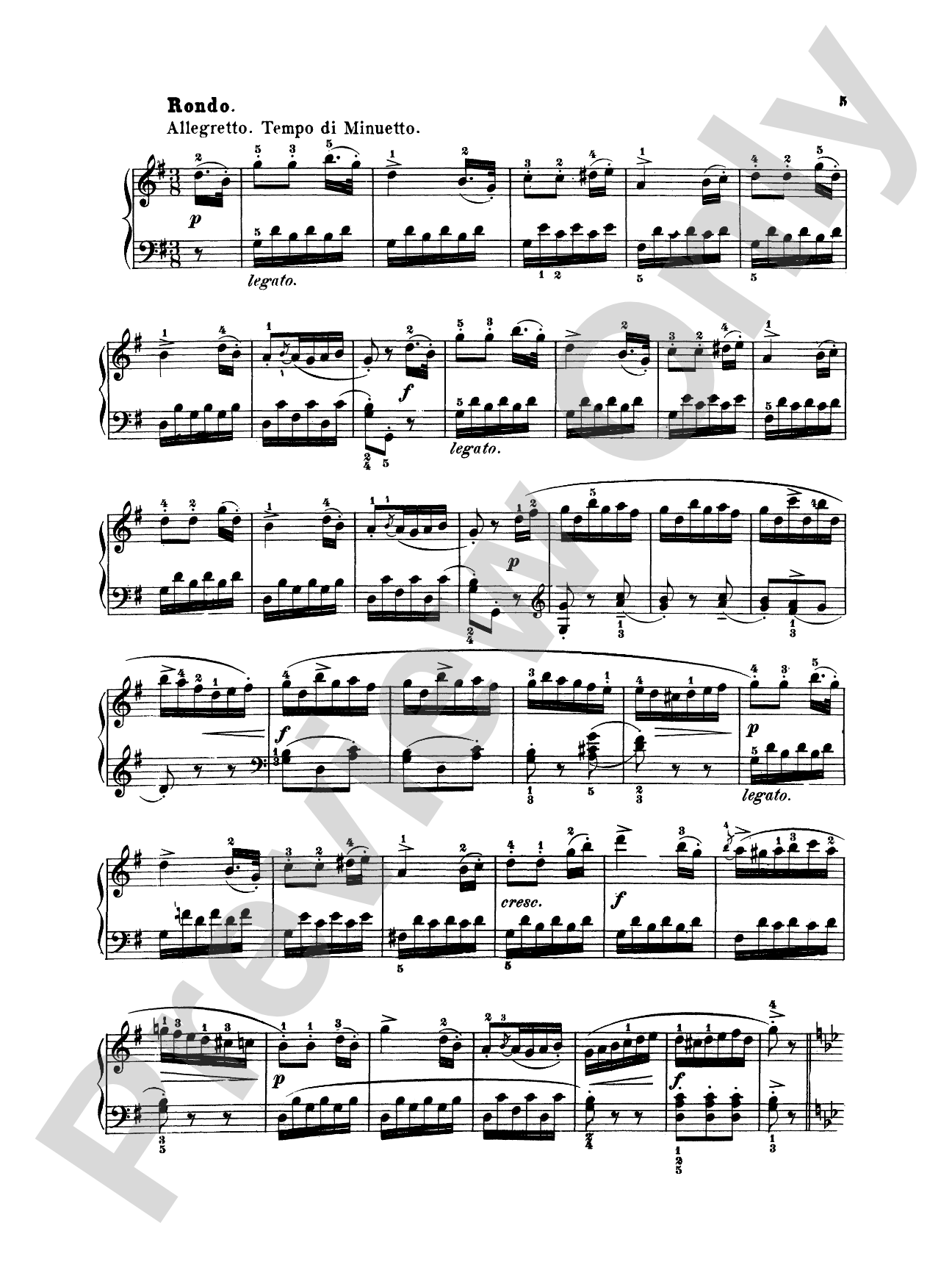
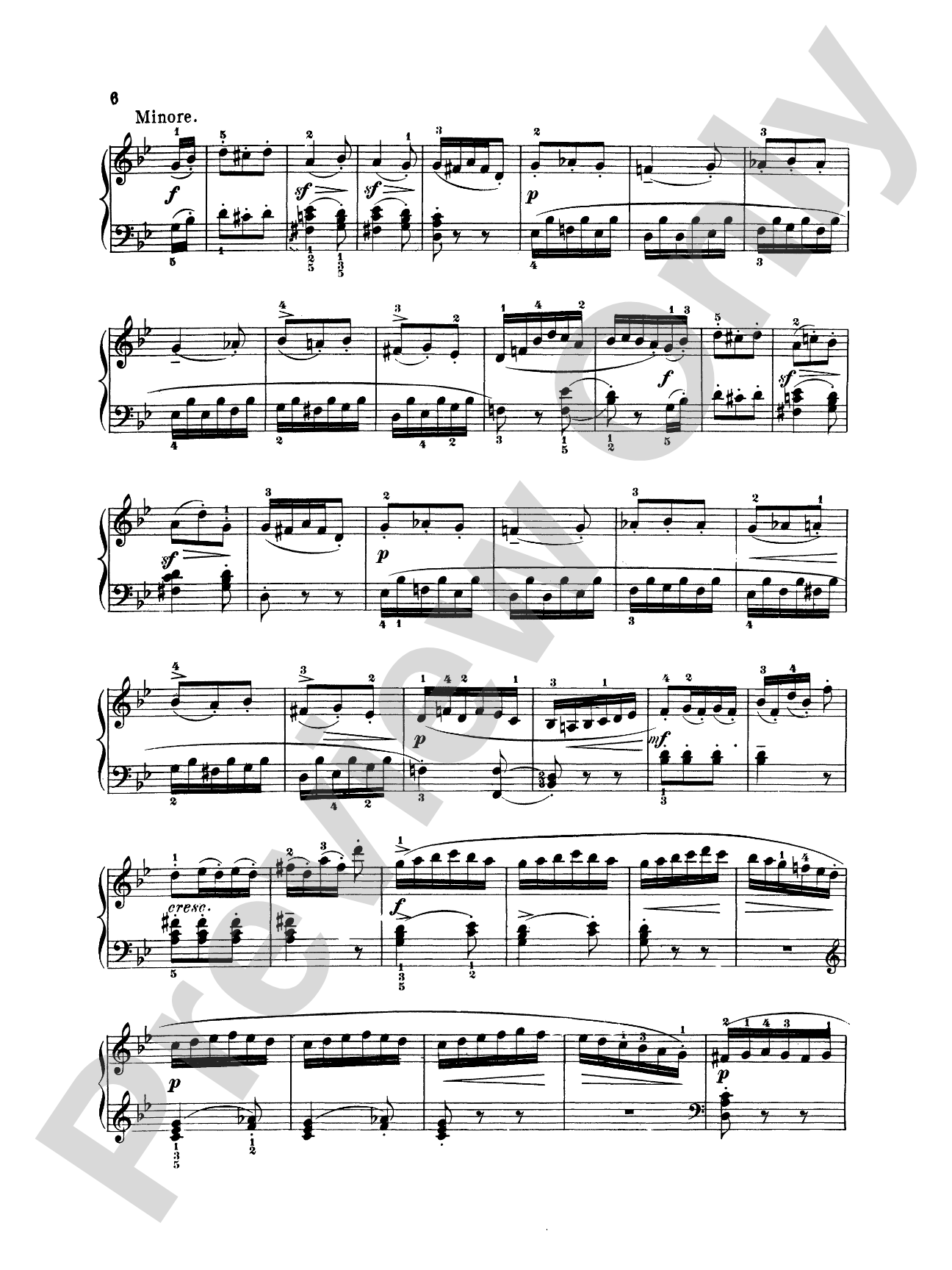
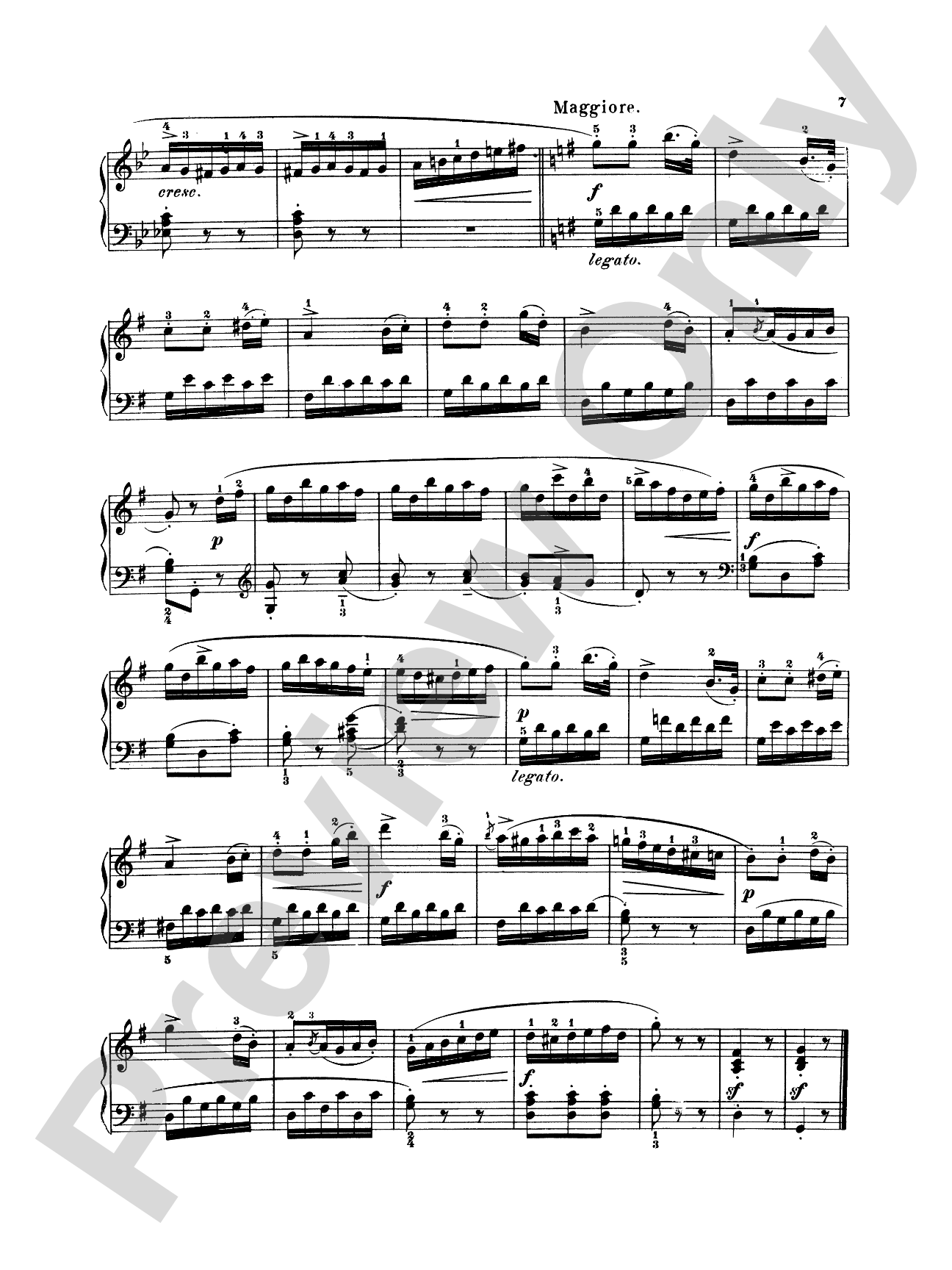
Johann Dussek was a well-known, Bohemian born pianist of the late 1700's, admired for his "singing" style of performance, and as one of the pioneers of piano technique. This collection of six sonatinas, Op. 20, includes works in G Major, C Major, F Major, A Major, C Major, and E-flat Major.


Don't just read it, hear it, play along with it, and watch your students grow with it. In MakeMusic Cloud, Dussek: Sonatinas, Op. 20: Piano Book comes alive with professional accompaniment, adjustable tempo, and built-in practice tools that turn solo practice into real progress.
Open in the Player
Jump straight in and assign it today.
Start Your Free Trial
Open this title and explore the full library in minutes.
Sample Audio
No sample audio found.
Sample Video
No sample videos found.
Additional Details
Series:
Kalmus Edition
Publisher:
Alfred Music
Page Count:
40
SKU:
00-PK-0003077
More about this title
About the Composer: Johann Ladislau Dussek
Johann Ladislau Dussek (1760, 1812) was a Bohemian virtuoso who fundamentally shaped early 19th-century piano technique and repertoire. As both a celebrated performer and prolific composer, he pioneered the cultivation of a singing tone at the keyboard, influencing how pianists approached expressivity and control. His innovations in hand position, pedal technique, and passage work made him a bridge between Classical restraint and Romantic ambition.
Dussek's output spans hundreds of works across multiple genres, but his sonatinas represent his mastery of pedagogical writing. These pieces distill the technical and musical sophistication of his larger sonatas into works that remain challenging yet achievable for advancing students. His legacy rests not only in what he played but in what he left for others to learn.
Why we love this
These six sonatinas strike a rare balance between accessibility and artistic substance. Each is structurally complete and musically coherent without overwhelming an intermediate player, yet they contain genuine harmonic interest and memorable themes that reward serious interpretation. Programmers appreciate that Dussek's work sits naturally between student repertoire and advanced recital pieces, making Op. 20 ideal for students transitioning toward concert performance.
What to expect
Dussek's sonatinas breathe with elegance and directness. The melodies are natural and singing, often accompanied by transparent textures that let the keyboard voice shine. There is urgency in the faster movements and genuine lyrical beauty in the slower sections, with harmonic shifts that occasionally surprise without becoming obscure.
Who it's for
Intermediate and advanced pianists looking for substantial Classical repertoire beyond Sonatas by Haydn and Mozart. These sonatinas work well for students preparing for competitions, examinations, or recitals, and they remain engaging for adult amateur pianists seeking music that combines technical growth with expressive depth.
How to get the most out of it
- Shape each melodic phrase with the legato touch Dussek's era prized, allowing the line to sing even during rapid passage work
- Pay close attention to Dussek's dynamic markings and articulation; they are compositional, not ornamental, and guide the character of each movement
- Balance accompaniment figures in the left hand so they support rather than overpower the thematic material
- Approach the faster movements with clarity and rhythmic precision; Dussek's Classical training shows in his clean part-writing
How to use it
Program individual sonatinas as standalone recital pieces, or pair two contrasting movements from different sonatinas to demonstrate range within a single composer. Their moderate length and Classical form make them excellent anchors for student recitals or examination programs, and their consistent high quality means any selection from Op. 20 will serve a concert well.
Skills your students will build
- Legato playing and long-line phrasing across both hands
- Clear execution of Alberti bass and other accompaniment patterns without losing musical direction
- Harmonic awareness through functional progression and modulation within Classical forms
- Pedal technique suited to Classical repertoire (restrained and purposeful)
- Reading fluency in multiple major keys (G, C, F, A, E-flat)