Duport: Twenty-one Etudes Sheet Music Preview

Duport: Twenty-one Etudes

By Jean-Louis Duport

Item: 00-PC-0003269

Digital Download
$0.99
Description
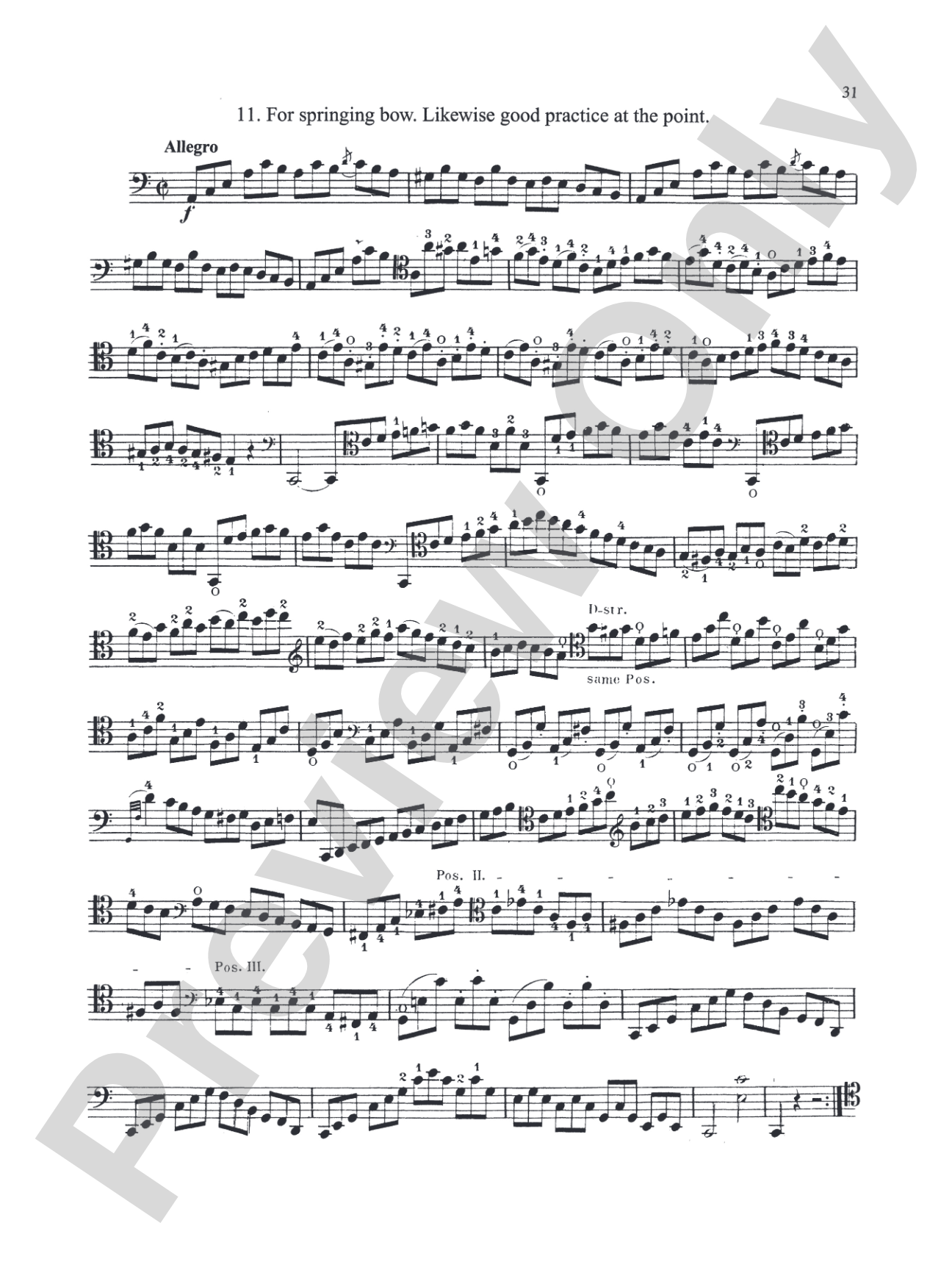
Here's a new collection of the solo cello etudes by Jean Louis Duport. The reforms that Duport introduced into the technique of the cello, including the true fingering of the instrument, a standardization of positions, and a methodical system of shifting, cleared the way for the development of modern technique.

Don't just read it, hear it, play along with it, and watch your students grow with it. In MakeMusic Cloud, Duport: Twenty-one Etudes comes alive with professional accompaniment, adjustable tempo, and built-in practice tools that turn solo practice into real progress.

Sample Audio
No sample audio found.
Sample Video
Additional Details
Series: Kalmus Edition
Publisher: Alfred Music
Page Count: 68
SKU: 00-PC-0003269

More about this title

About the Composer: Jean-Louis Duport

Jean-Louis Duport (1749-1819) was a French cellist and pedagogue whose contributions to instrumental technique fundamentally shaped modern cello playing. A virtuoso performer who served in the courts of Berlin and Russia, Duport codified the fingering systems, position work, and shifting mechanics that remain the foundation of classical cello instruction today.

His Twenty-one Etudes stand as the bridge between earlier, less systematic approaches to the instrument and the technical demands of the Romantic era. Through these studies, Duport demonstrated that the cello could achieve the precision, agility, and expressive range required of a solo instrument, earning him recognition as one of the most influential cellist-composers in the instrument's history.

Why we love this

These etudes remain irreplaceable because they address technical problems with direct musical solutions rather than abstract finger patterns. Each study develops a specific aspect of cello technique while maintaining genuine musical interest, so students encounter the mechanics of shifting, position navigation, and intonation as natural consequences of musical phrasing rather than mechanical drills.

What to expect

The Twenty-one Etudes pulse with the elegance and clarity of the Classical era, yet they never feel purely mechanical. Each study unfolds as a small song, moving through keys and musical characters that shift from lyrical and songful to more assertive and virtuosic, creating the sense of a cellist's musical autobiography rather than a mere exercise book.

Who it's for

Intermediate to advanced cellists preparing for chamber music, college-level study, or a more sophisticated solo repertoire. These etudes suit students ready to refine vibrato control, secure their higher positions, and develop the technical confidence demanded by Classical and Romantic cello literature.

How to get the most out of it

  • Prioritize clean shifts by hearing the arrival note before you move your hand; Duport's etudes reward deliberate, song-like transitions between positions rather than rushed slides.
  • Shape each etude as you would a small character piece, using dynamics and rubato to clarify the musical intent beneath the technical work.
  • Practice the bow distribution carefully in passages with repeated figures; Duport's writing often tests sustaining tone through consecutive similar patterns.
  • Record yourself frequently to catch intonation inconsistencies in position changes; the etudes expose unsteady hand placement immediately.

How to use it

Assign these selectively throughout the year as students advance through positions rather than assigning the entire collection at once. A well-chosen etude paired with a concert-level solo from the same era makes an effective recital pairing, demonstrating the technical foundations beneath more elaborate works.

Skills your students will build

  • Secure higher position work (fourth through seventh positions) with stable intonation
  • Clean, musical shifting between positions in legato and articulated contexts
  • Vibrato control and consistency across extended passages
  • Bow distribution and tone production in sustained melodic lines
  • Left-hand independence and agility in scalar and arpeggio figures
  • Reading and interpreting Classical ornamentation and phrasing

You May Also Like