

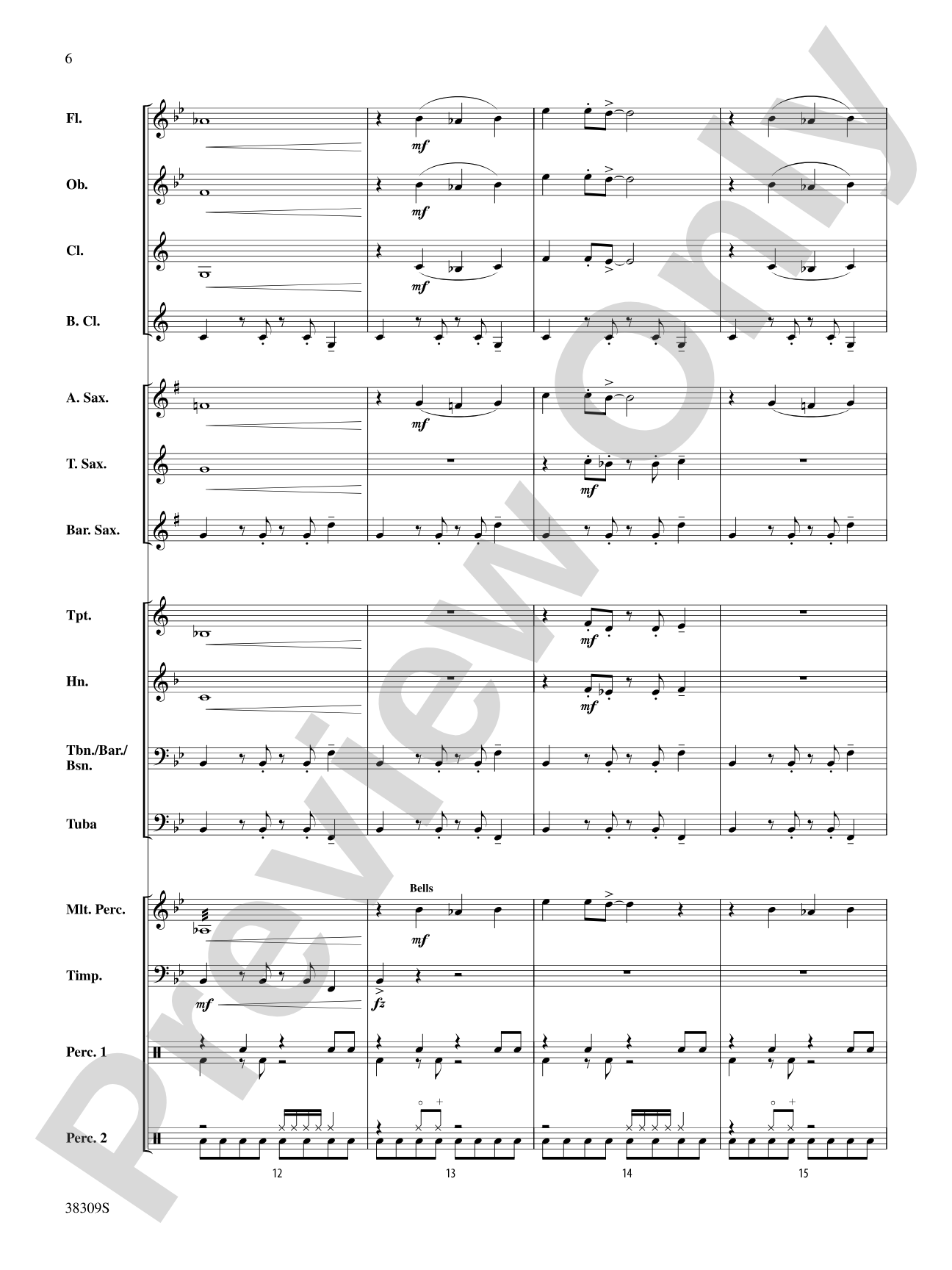
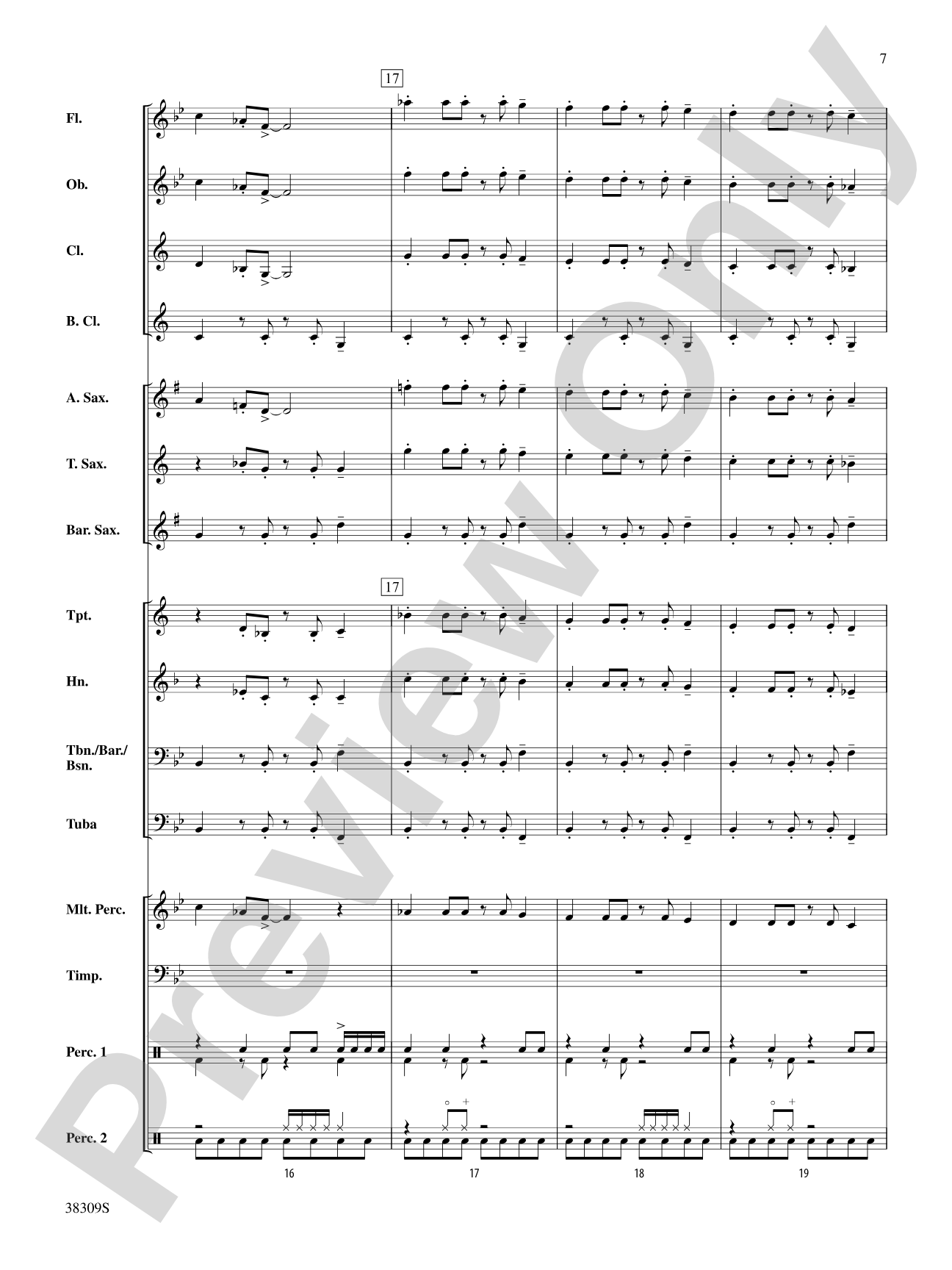
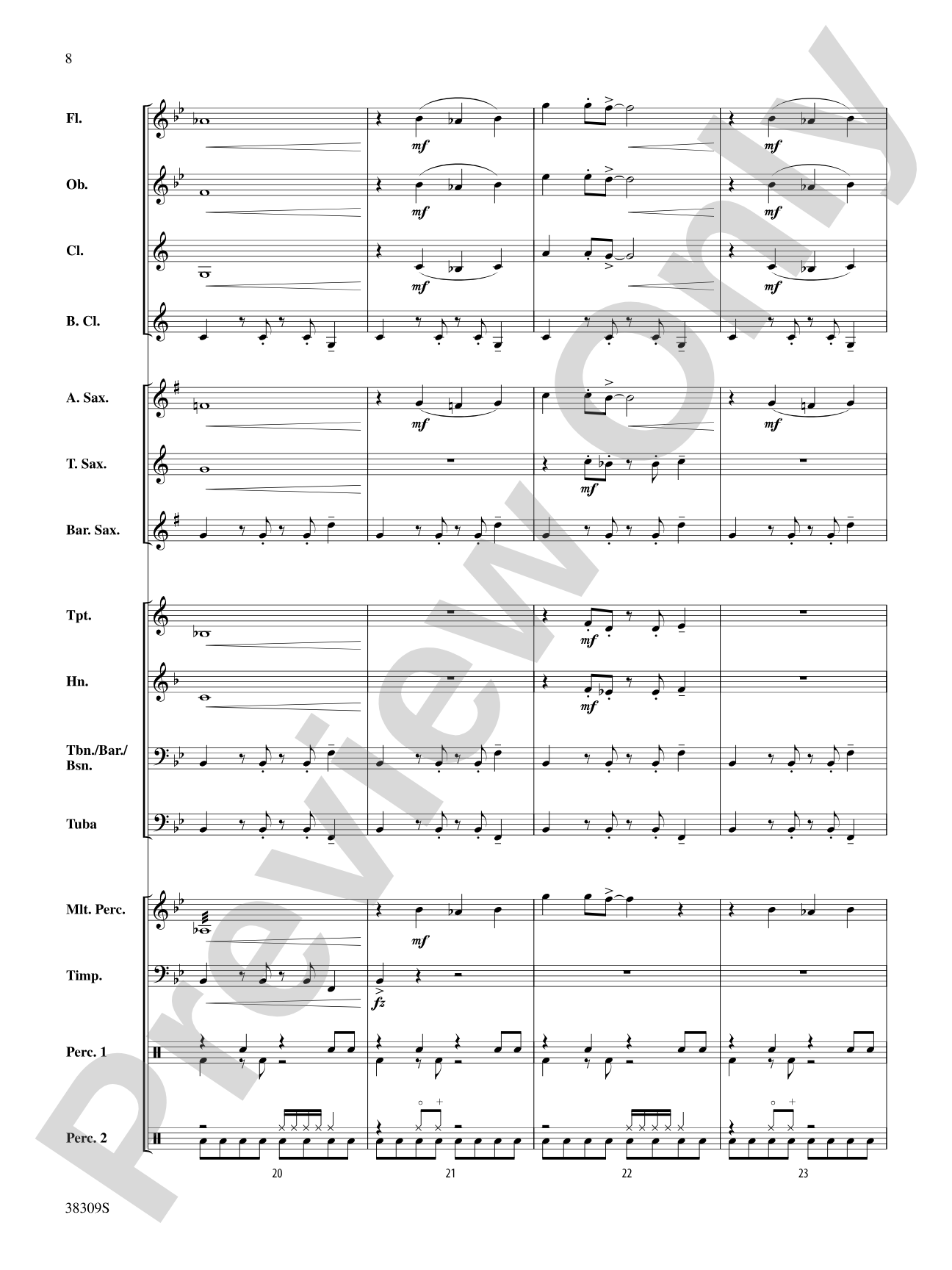
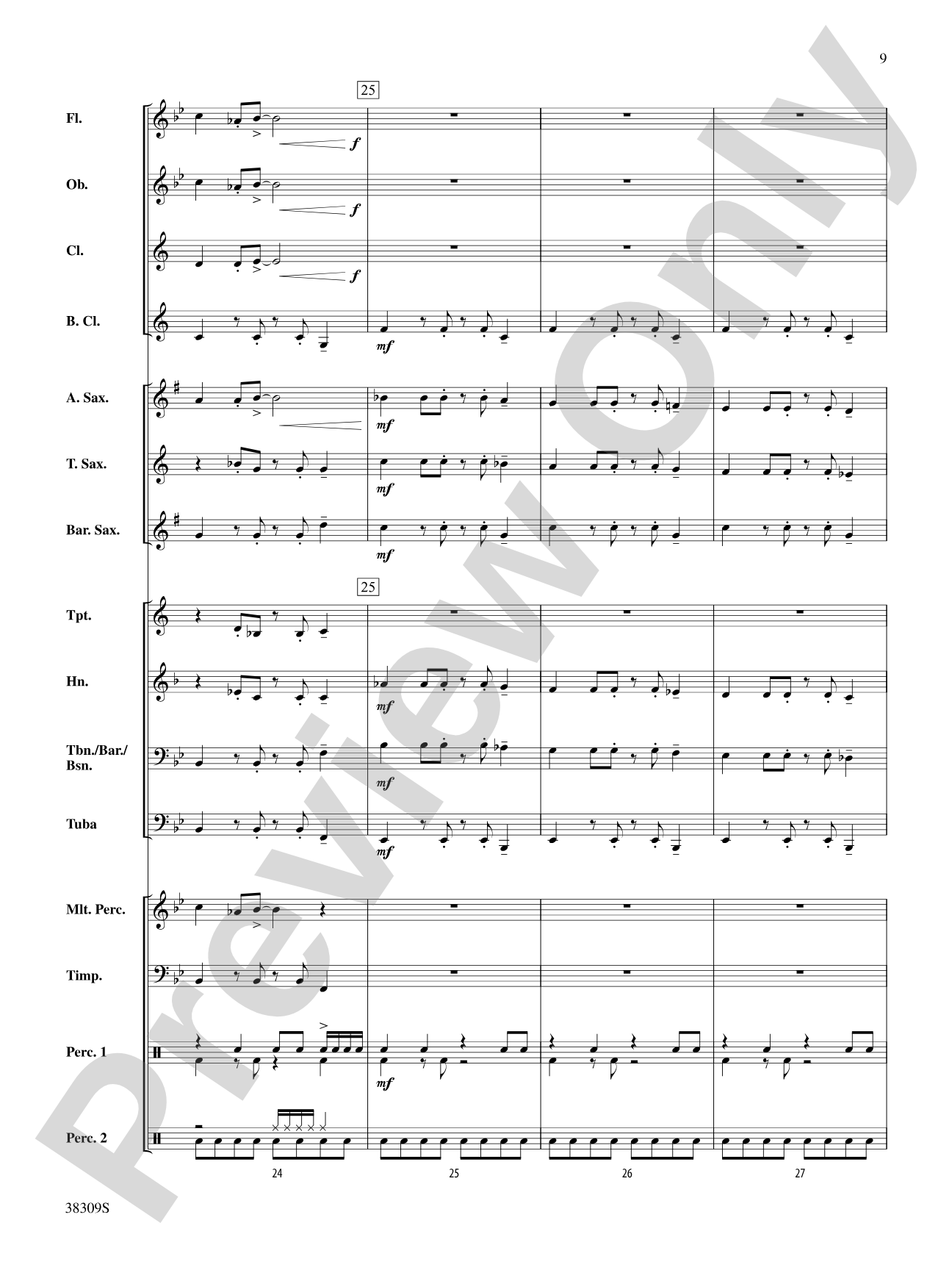
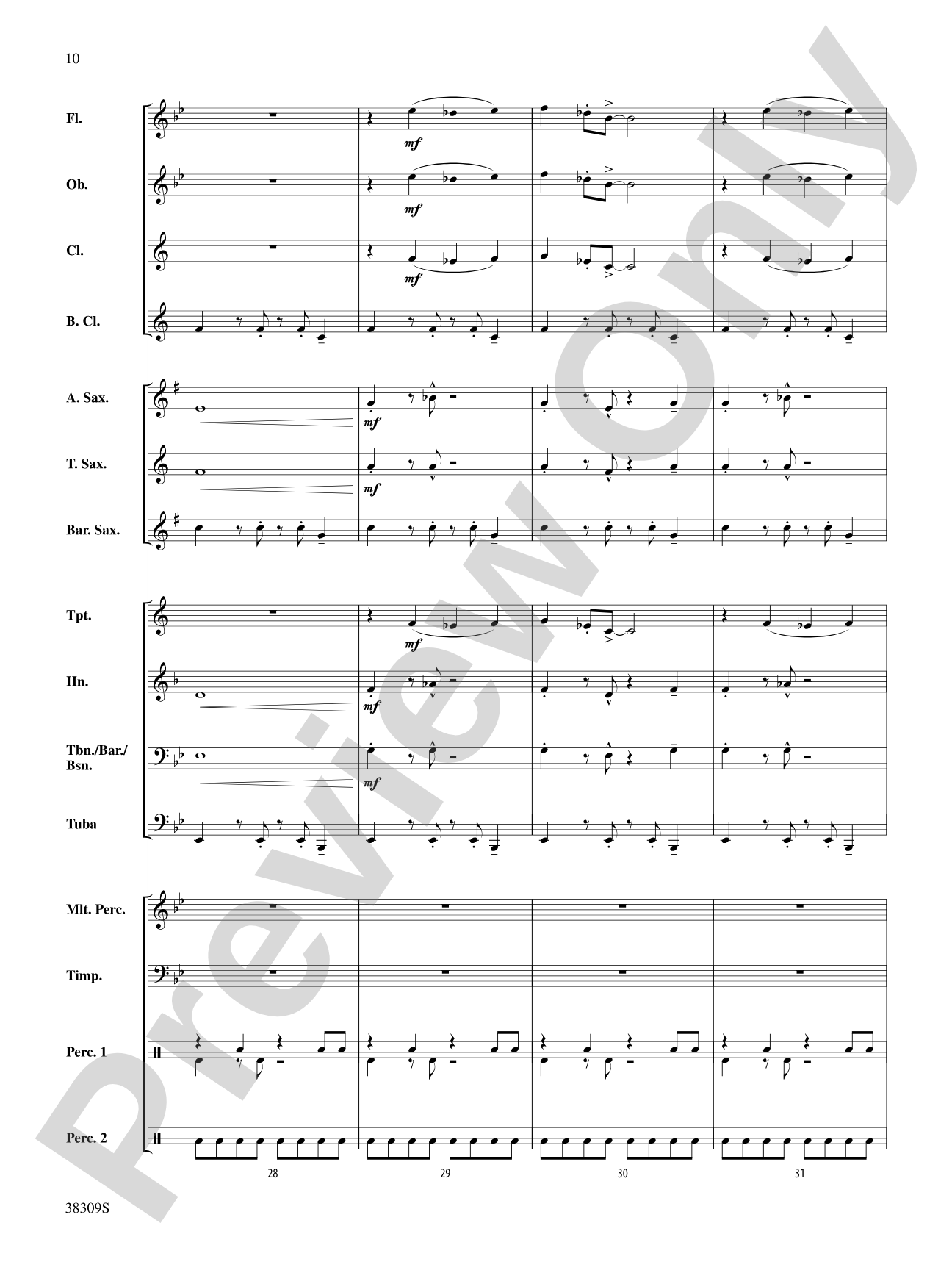
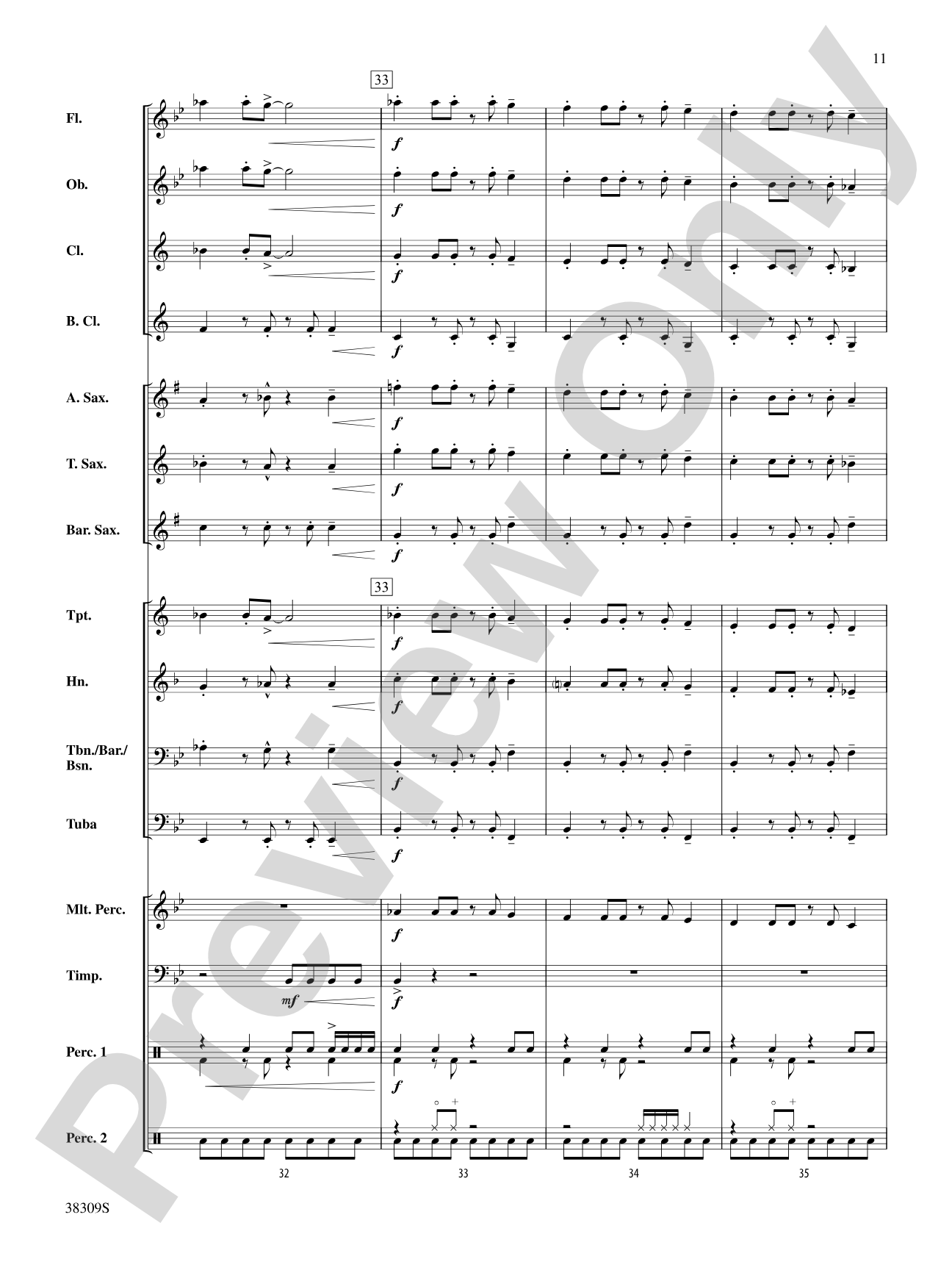
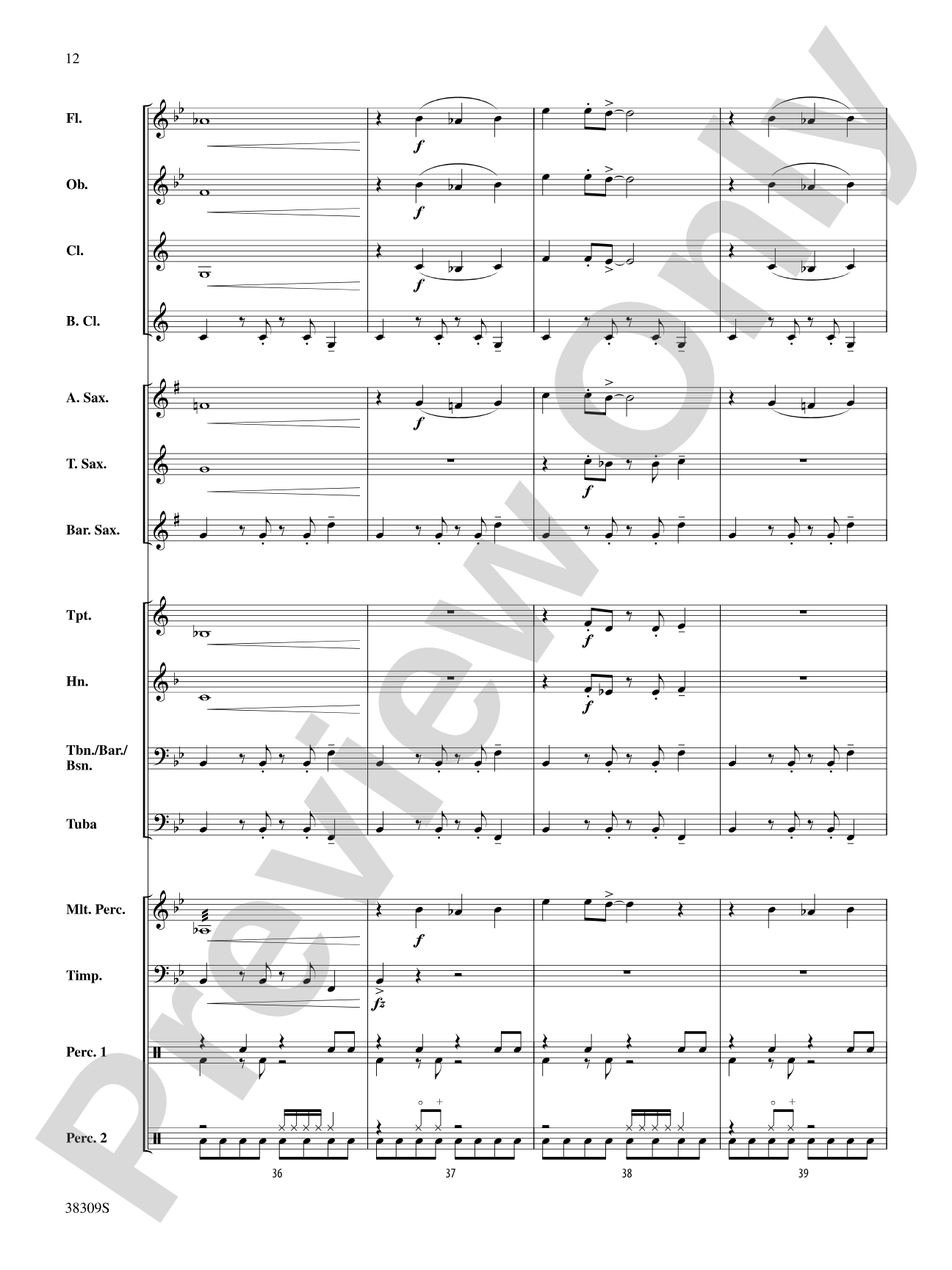
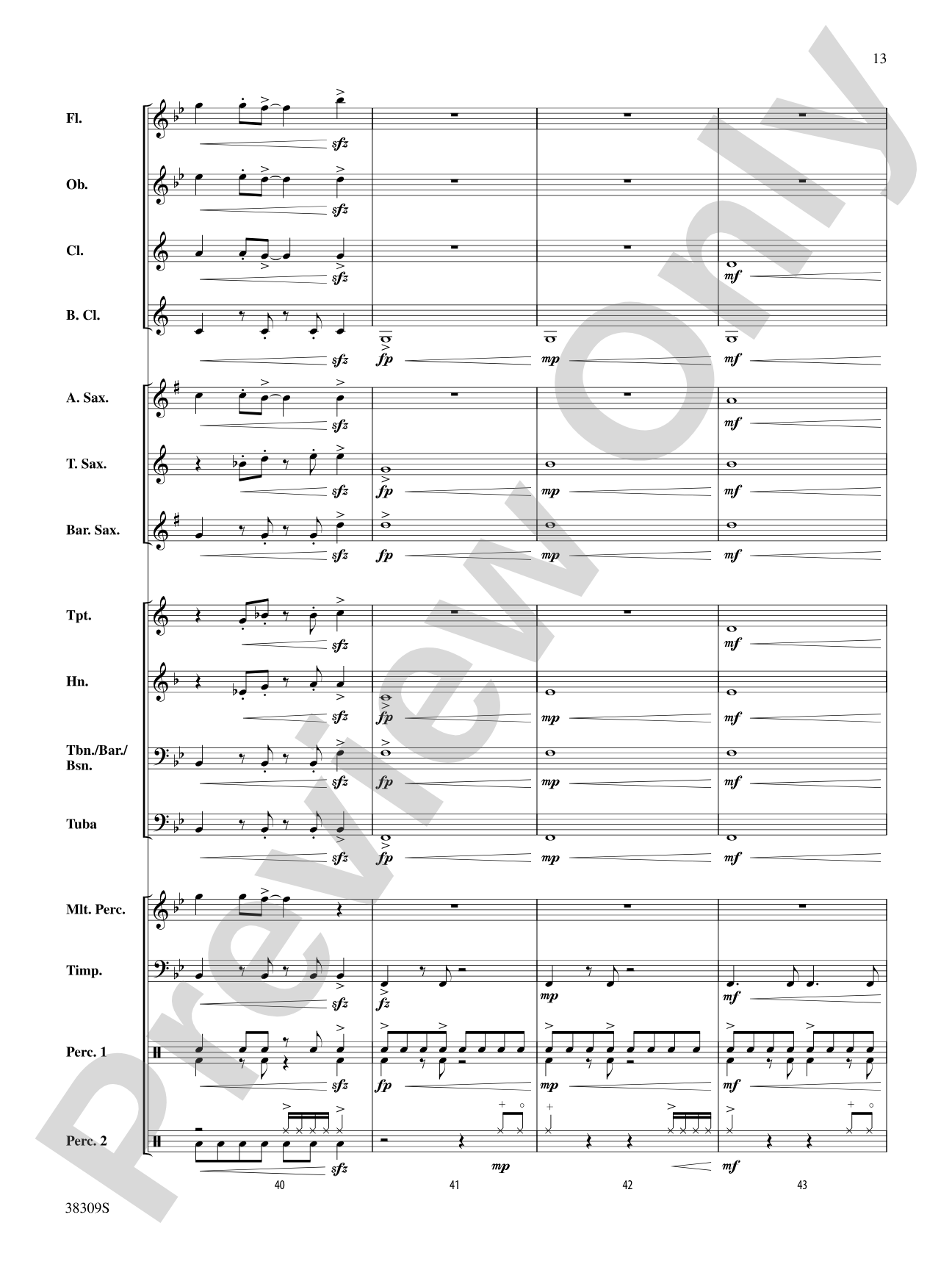



Dune Buggy: Concert Band Conductor Score & Parts
By Ralph Ford
Grade: 1.5 (Very Easy to Easy)
Item: 00-PK-0005155

$55.00
Pickup currently not available
Buy Extra Parts (Digital PDF Download)
| Product | Price | Quantity |
|---|---|---|
| Dune Buggy: Score | $9.00 | |
| Dune Buggy: Flute | $3.00 | |
| Dune Buggy: Oboe | $3.00 | |
| Dune Buggy: 1st B-flat Clarinet | $3.00 | |
| Dune Buggy: B-flat Bass Clarinet | $3.00 | |
| Dune Buggy: E-flat Alto Saxophone | $3.00 | |
| Dune Buggy: B-flat Tenor Saxophone | $3.00 | |
| Dune Buggy: E-flat Baritone Saxophone | $3.00 | |
| Dune Buggy: 1st B-flat Trumpet | $3.00 | |
| Dune Buggy: 1st F Horn | $3.00 | |
| Dune Buggy: 1st Trombone | $3.00 | |
| Dune Buggy: Baritone T.C. | $3.00 | |
| Dune Buggy: Tuba | $3.00 | |
| Dune Buggy: Mallets | $3.00 | |
| Dune Buggy: 1st Percussion | $3.00 | |
| Dune Buggy: 2nd Percussion | $3.00 | |
| Dune Buggy: Timpani | $3.00 |
Parts Added to Cart!
Description
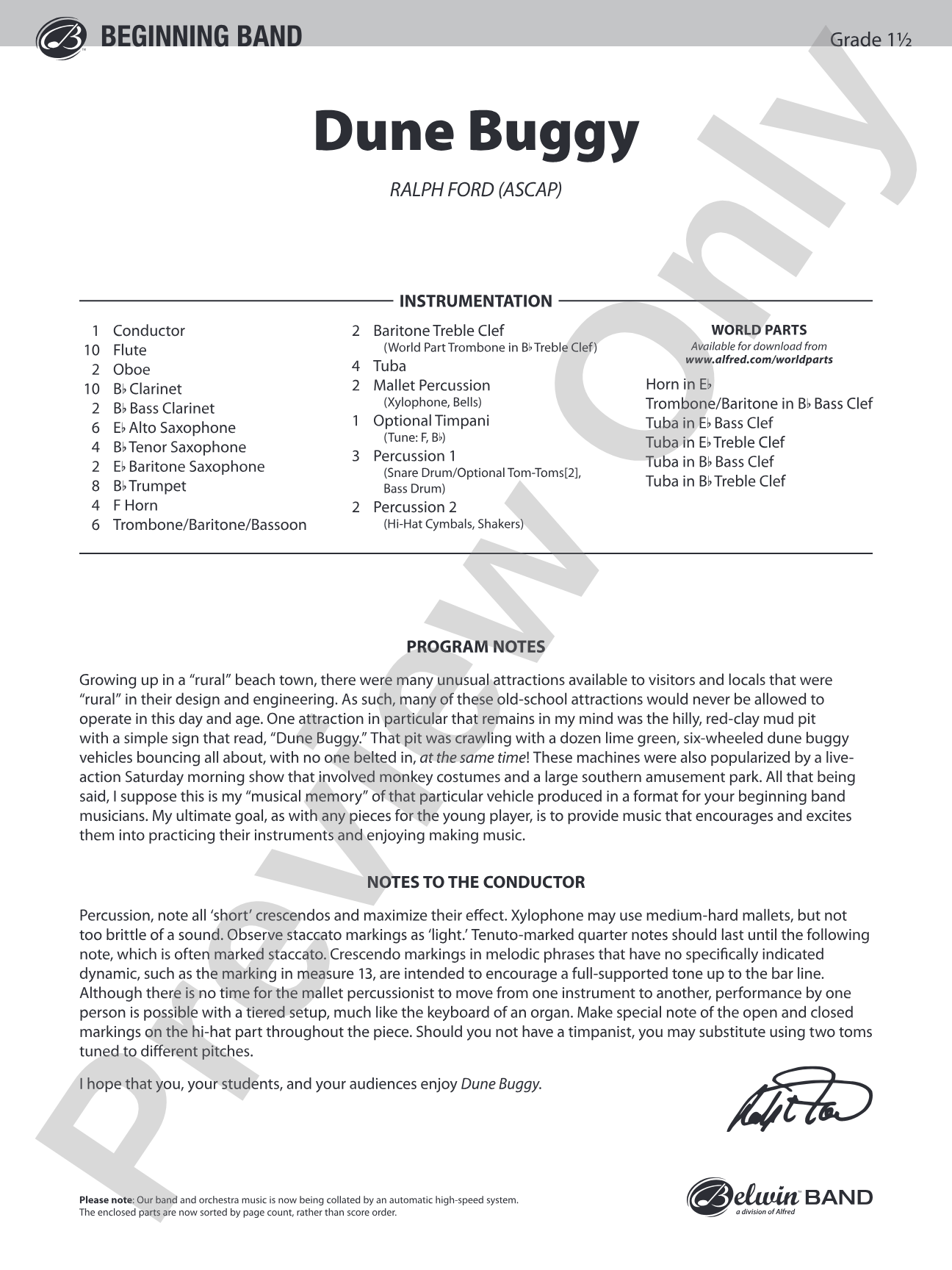
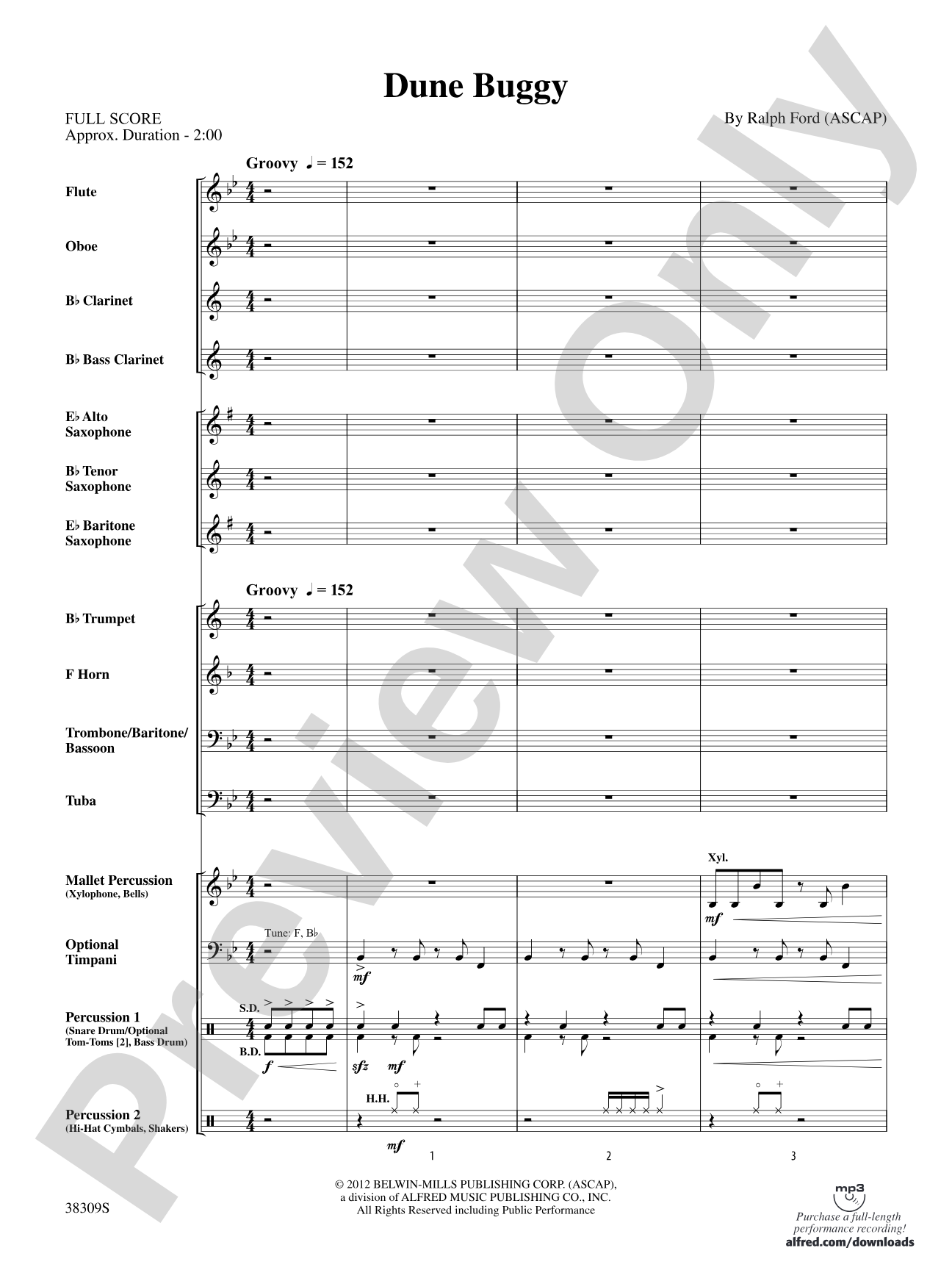
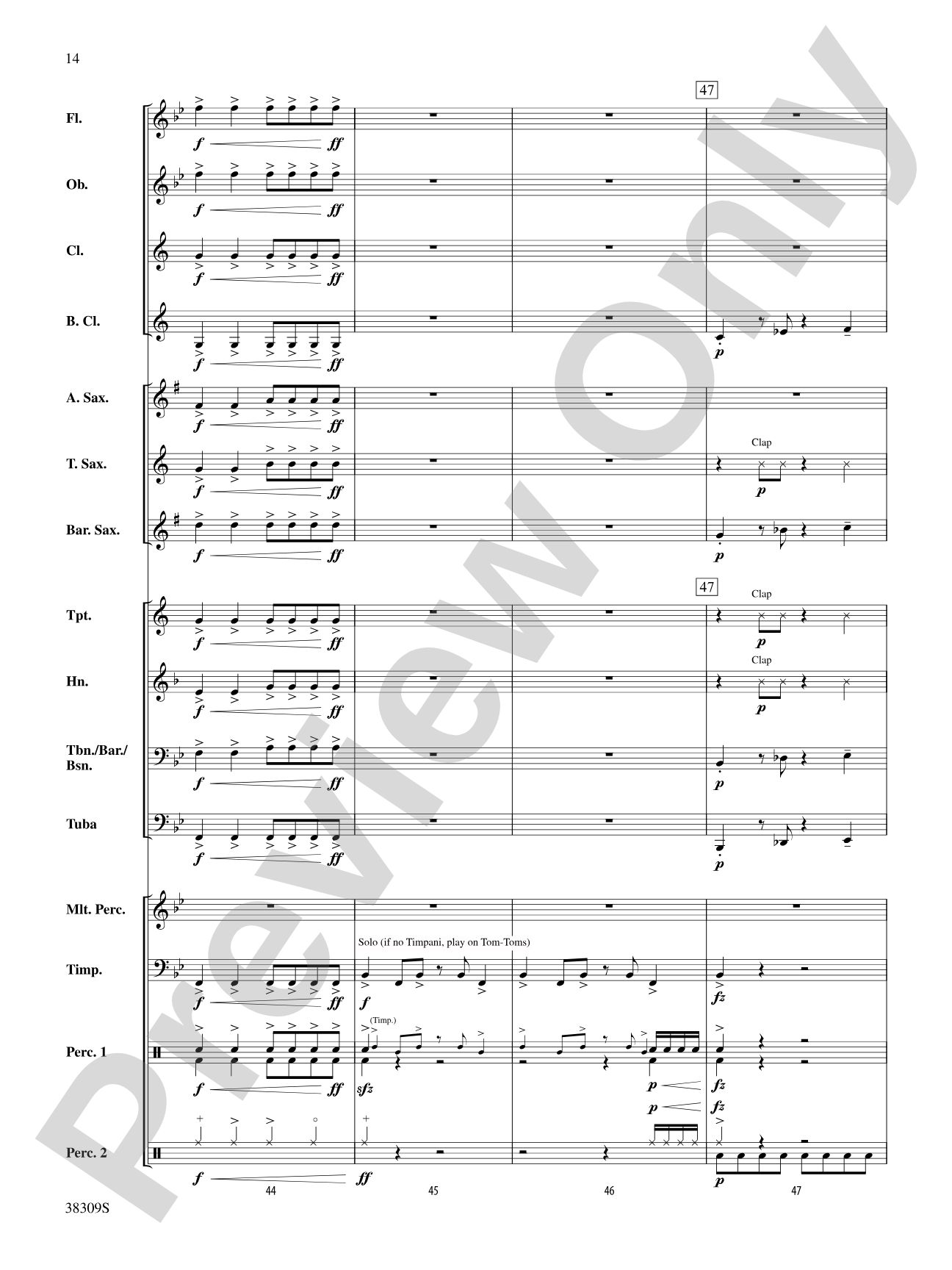
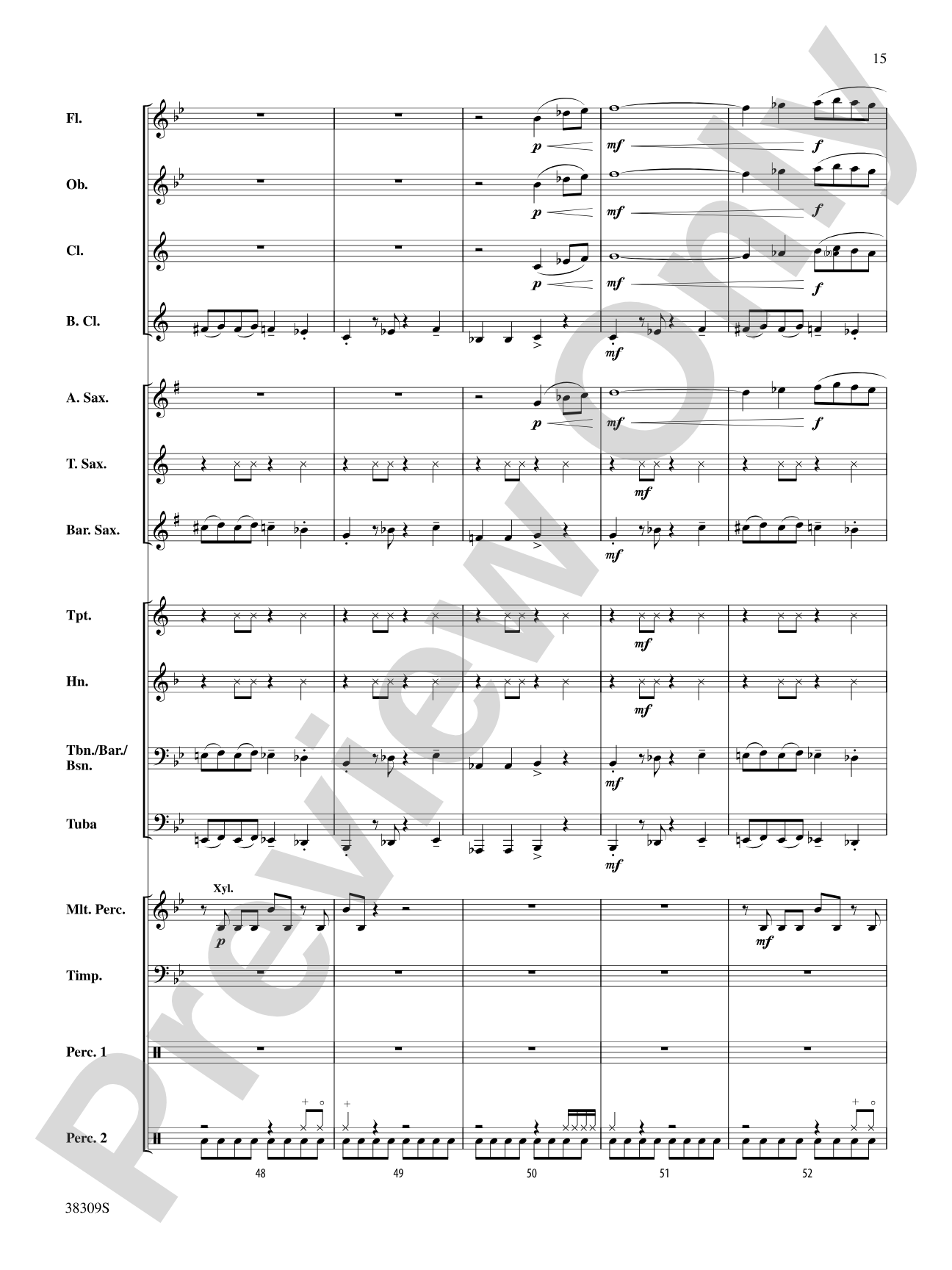
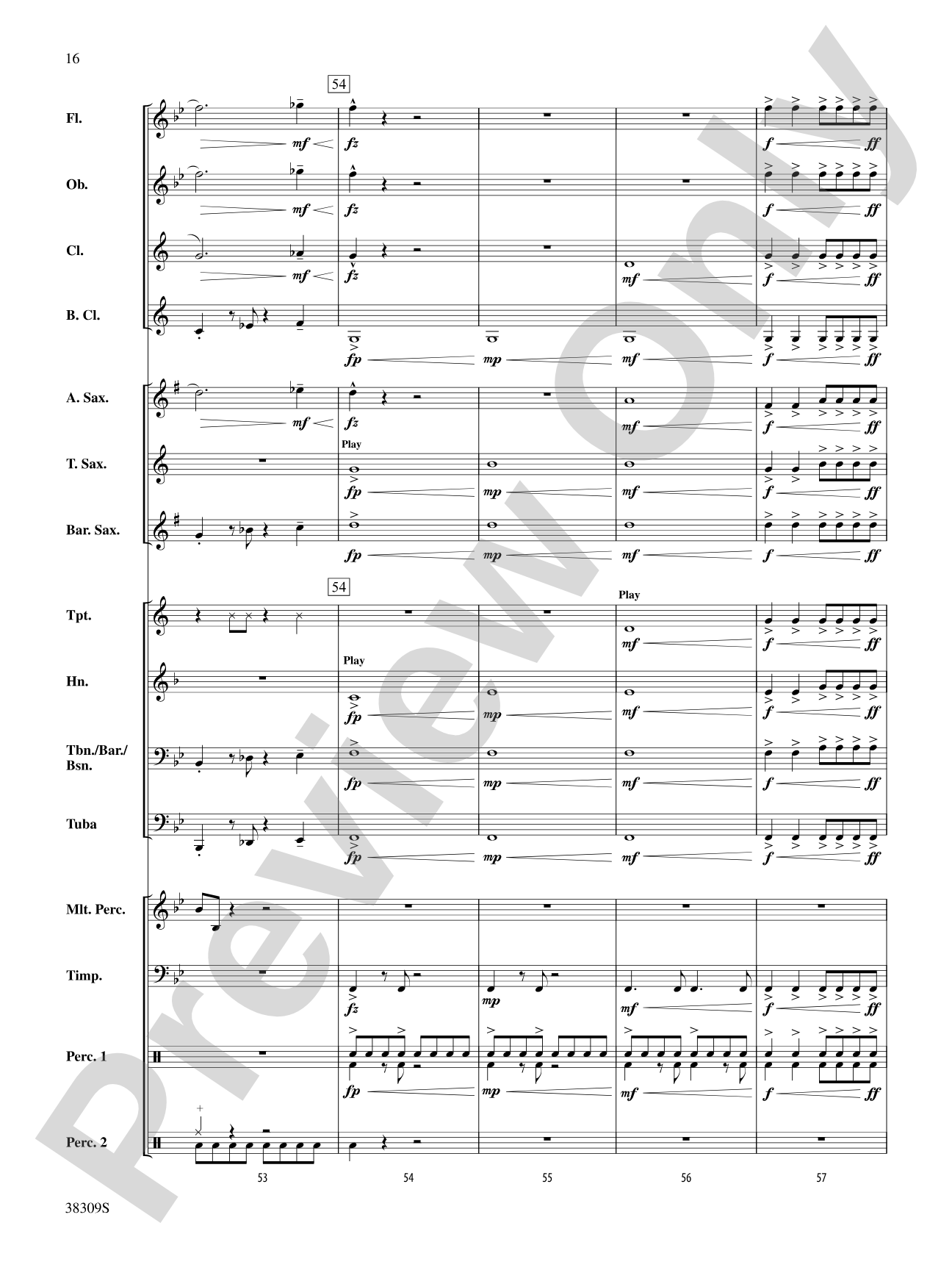
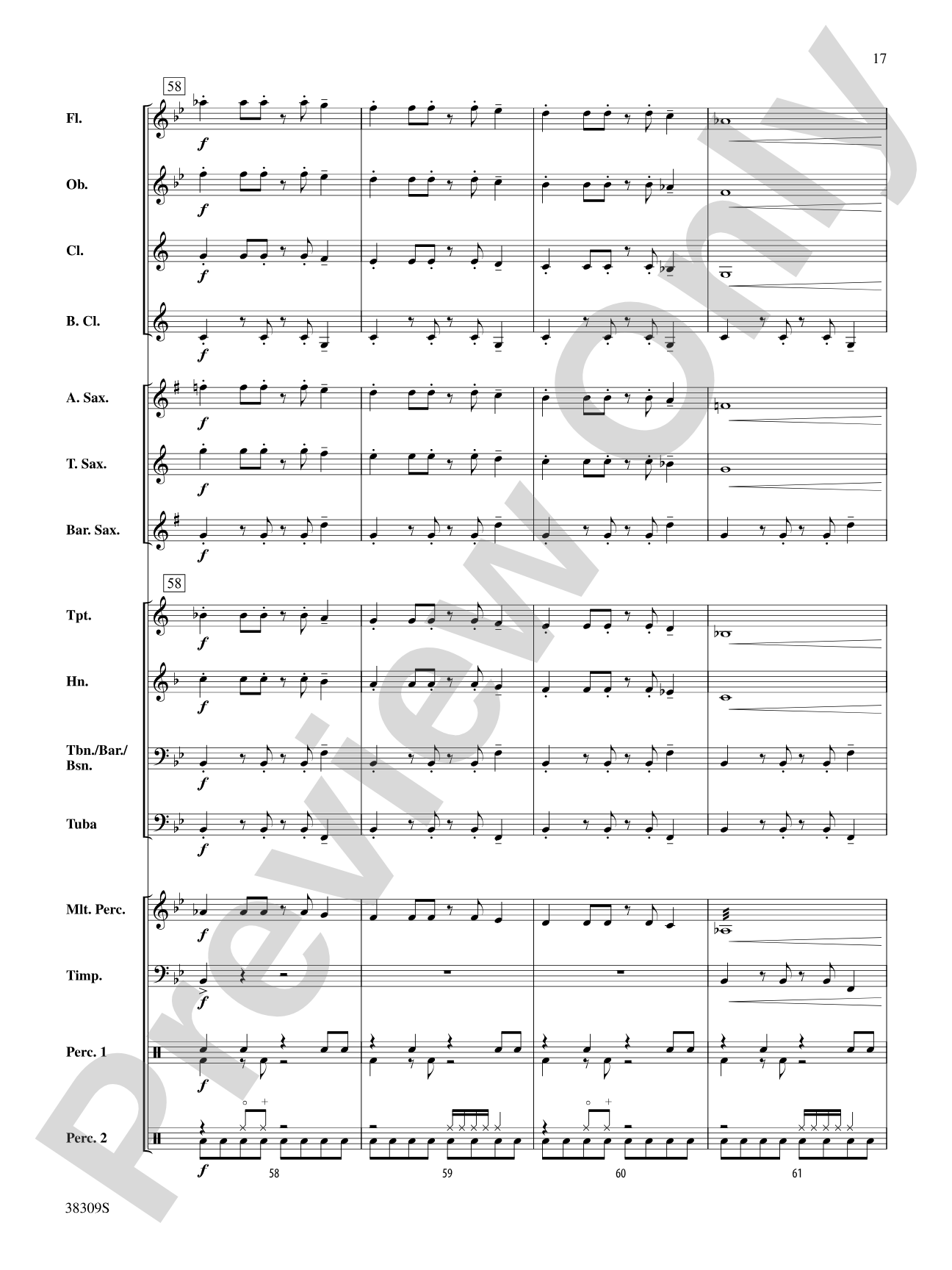
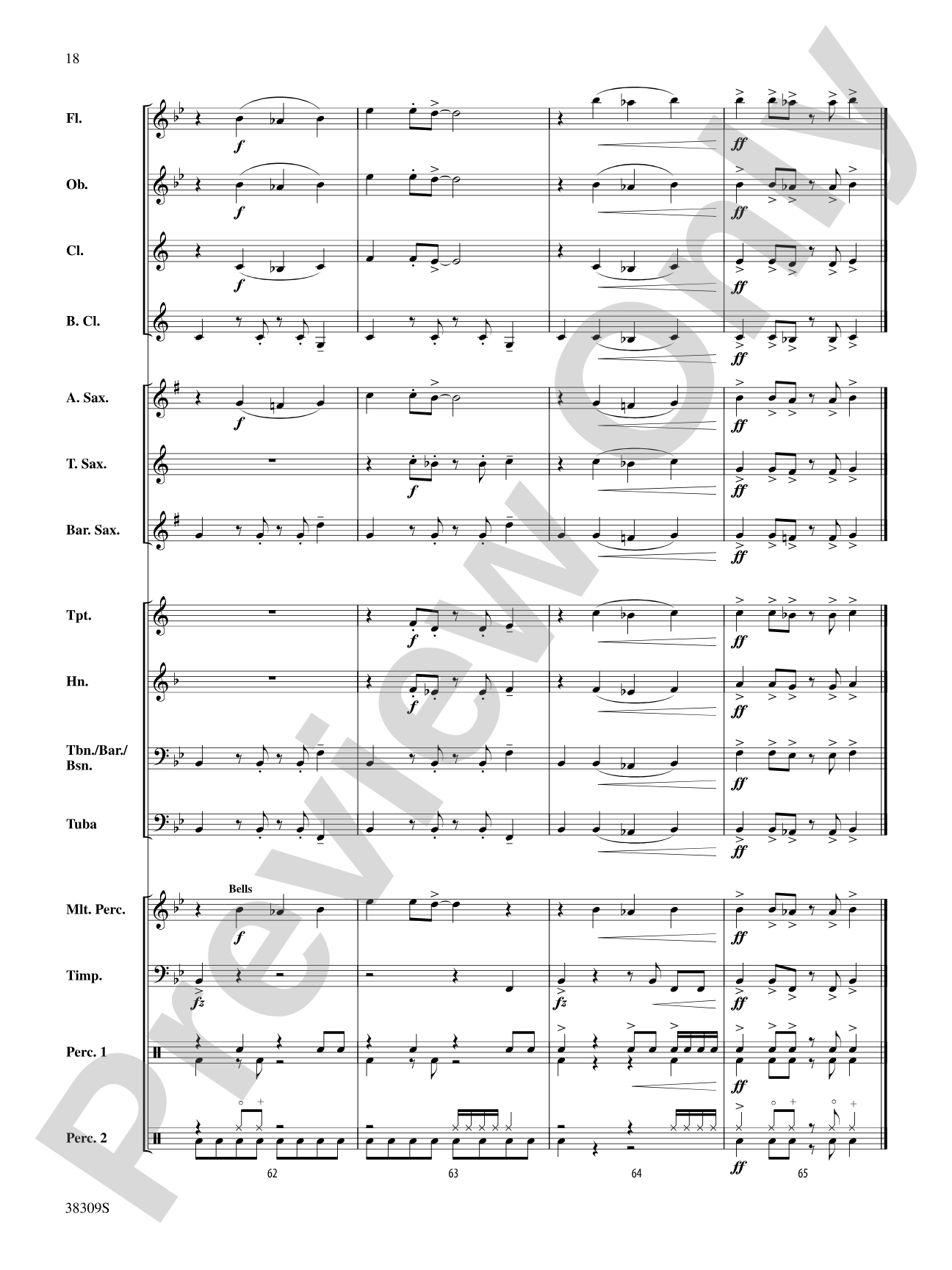
Inspired by the composer's childhood memories of an off-beat attraction in a rural beach town, this is his musical interpretation of six-wheeled dune buggy vehicles bouncing all about at the same time, with no one belted. With some exciting percussion textures, this one will inspire practice-so buckle up for a great ride! (2:00) This title is available in MakeMusic Cloud.


Don't just read it, hear it, play along with it, and watch your students grow with it. In MakeMusic Cloud, Dune Buggy: Concert Band Conductor Score & Parts comes alive with professional accompaniment, adjustable tempo, and built-in practice tools that turn solo practice into real progress.
Open in the Player
Jump straight in and assign it today.
Start Your Free Trial
Open this title and explore the full library in minutes.
Sample Audio
1
Audio File
--:--
0:00
0:00
Sample Video
No sample videos found.
Additional Details
Series:
Belwin Beginning Band
Publisher:
Alfred Music
Page Count:
178
SKU:
00-PK-0005155
More about this title
About the Composer: Ralph Ford

Ralph Ford has built a prolific career as a composer and arranger, drawing on over two decades of university teaching alongside extensive work in media, broadcast, and commercial music production. Since 1999, he has served as an exclusive composer and arranger for the Belwin division of Alfred Music, creating more than 250 titles for orchestras, concert bands, jazz ensembles, and marching bands that have been performed by school, university, military, and professional ensembles worldwide.
Ford's professional foundation began early, with arranging experience at age fifteen and a tenure as Director of Jazz Ensemble at Troy State University during his undergraduate years. After earning his Master of Science degree in 1988, he developed deep expertise in orchestration and music technology while teaching on the university faculty. His versatility extends beyond concert music into jingles, animation scoring, and production work for television, radio, and digital media.
Why we love this
This piece captures genuine joy in a concept that young musicians immediately understand and embrace. Ford's orchestration for Grade 1.5 band is clean and exciting without requiring advanced technical writing, which means your students spend energy on musical interpretation rather than deciphering the page.
What to expect
Bouncy, chaotic fun with a nostalgic edge. The band captures the image of vehicles lurching across sand without pattern or restraint, complete with textural percussion effects that mirror the physicality of the scene.
Who it's for
Beginning and early intermediate band directors who need repertoire that excites young musicians and keeps them motivated through the fundamentals. The Grade 1.5 level makes it accessible for first and second-year players while the vivid programmatic content gives students something tangible to perform.
How to get the most out of it
- Establish a steady pulse in rehearsal before layering the rhythmic textures. The staggered entrance of the percussion effects will stay tighter if everyone locks into a common tempo from the first run-through.
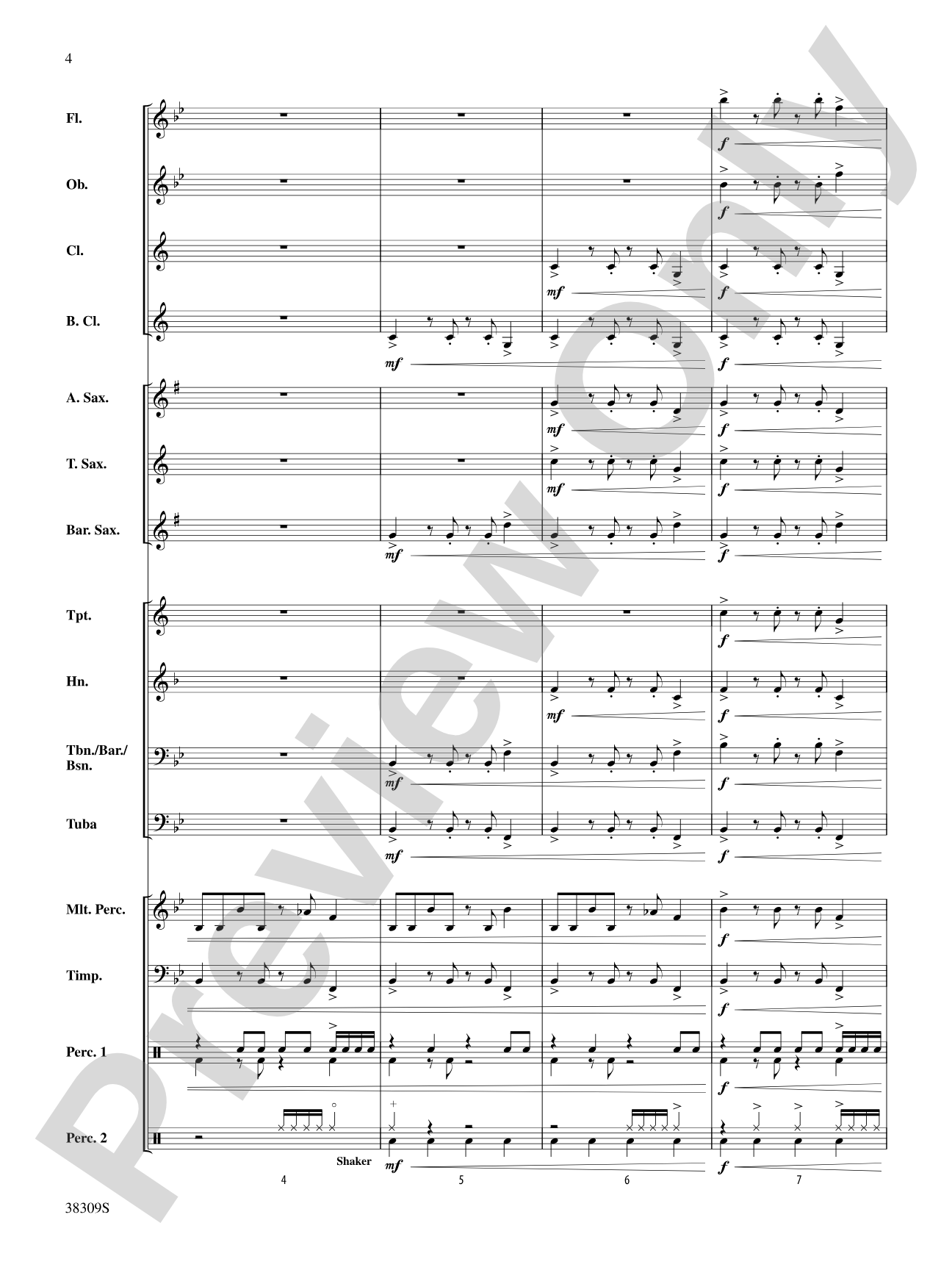
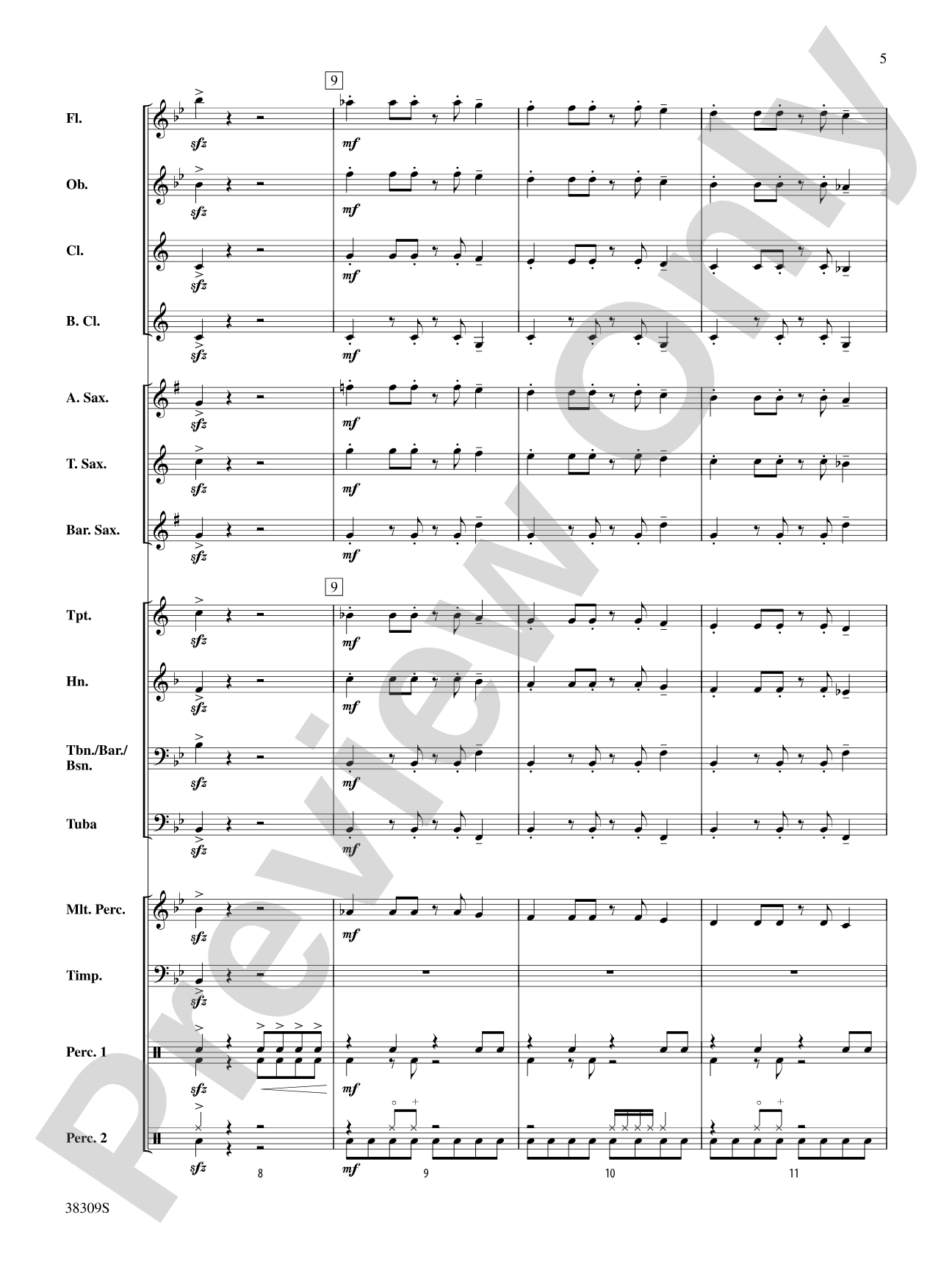
- Highlight the moments where the percussion creates those bouncing effects by bringing out the mallet work and timpani rolls; these textures are what make the score distinctive at this level.
- Keep the articulation crisp and uniform within each section so the band stays cohesive through the vehicle imagery. Dune buggies move fast and erratically, so precision here actually serves the program.
How to use it
Program this early in a concert to set an energetic tone and shift audience expectations about what beginning band can sound like. It also works well in a casual or family concert setting where the visual imagery resonates beyond the concert hall.
Skills your students will build
- Maintaining steady pulse while managing independent rhythmic lines across the ensemble
- Articulation control for crisp, uniform ensemble attacks
- Dynamic shaping in Grade 1.5 literature with limited technical demands
- Percussion texture awareness and mallet technique integration within a full score
- Connection between programmatic imagery and musical interpretation