
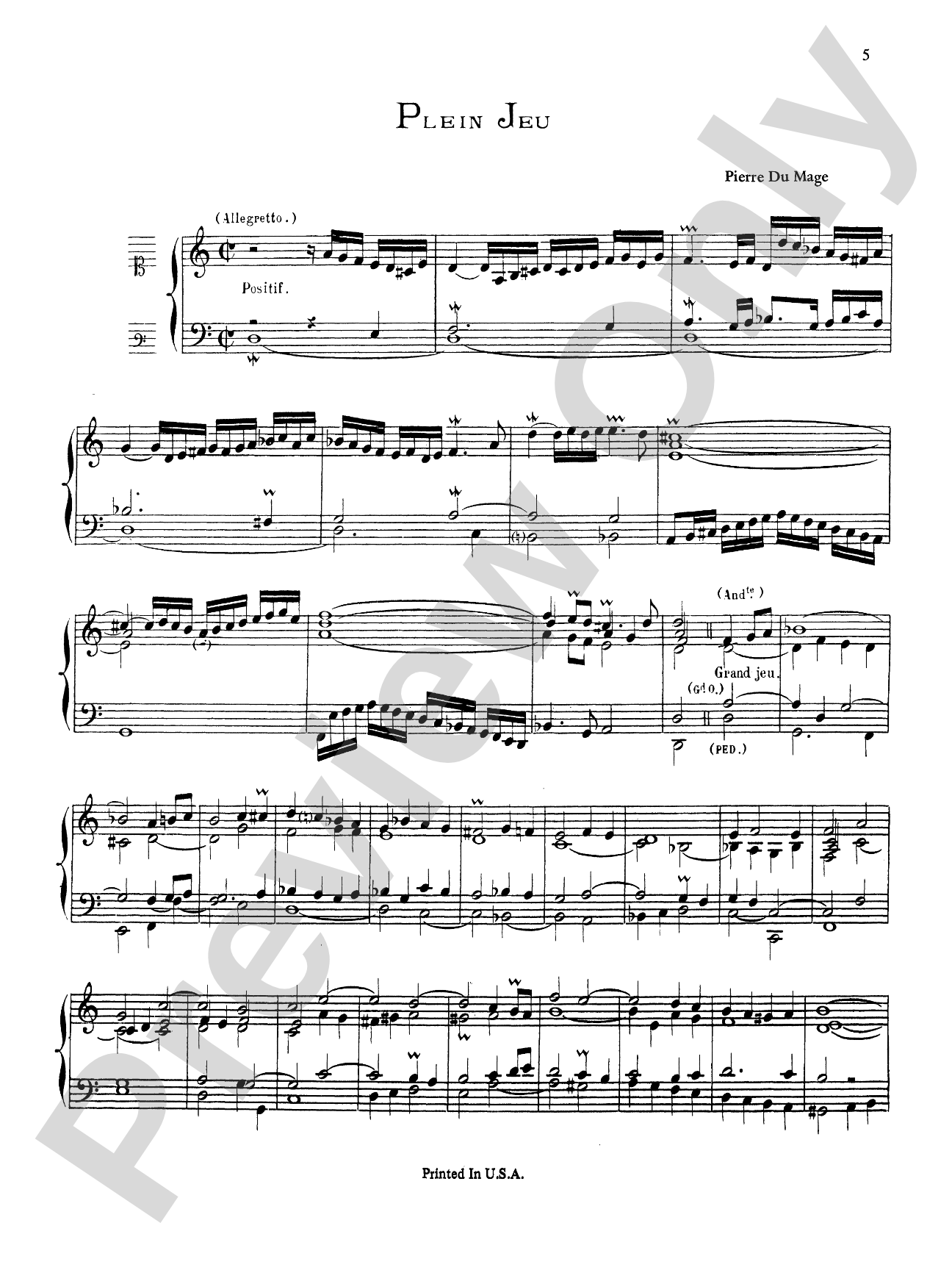
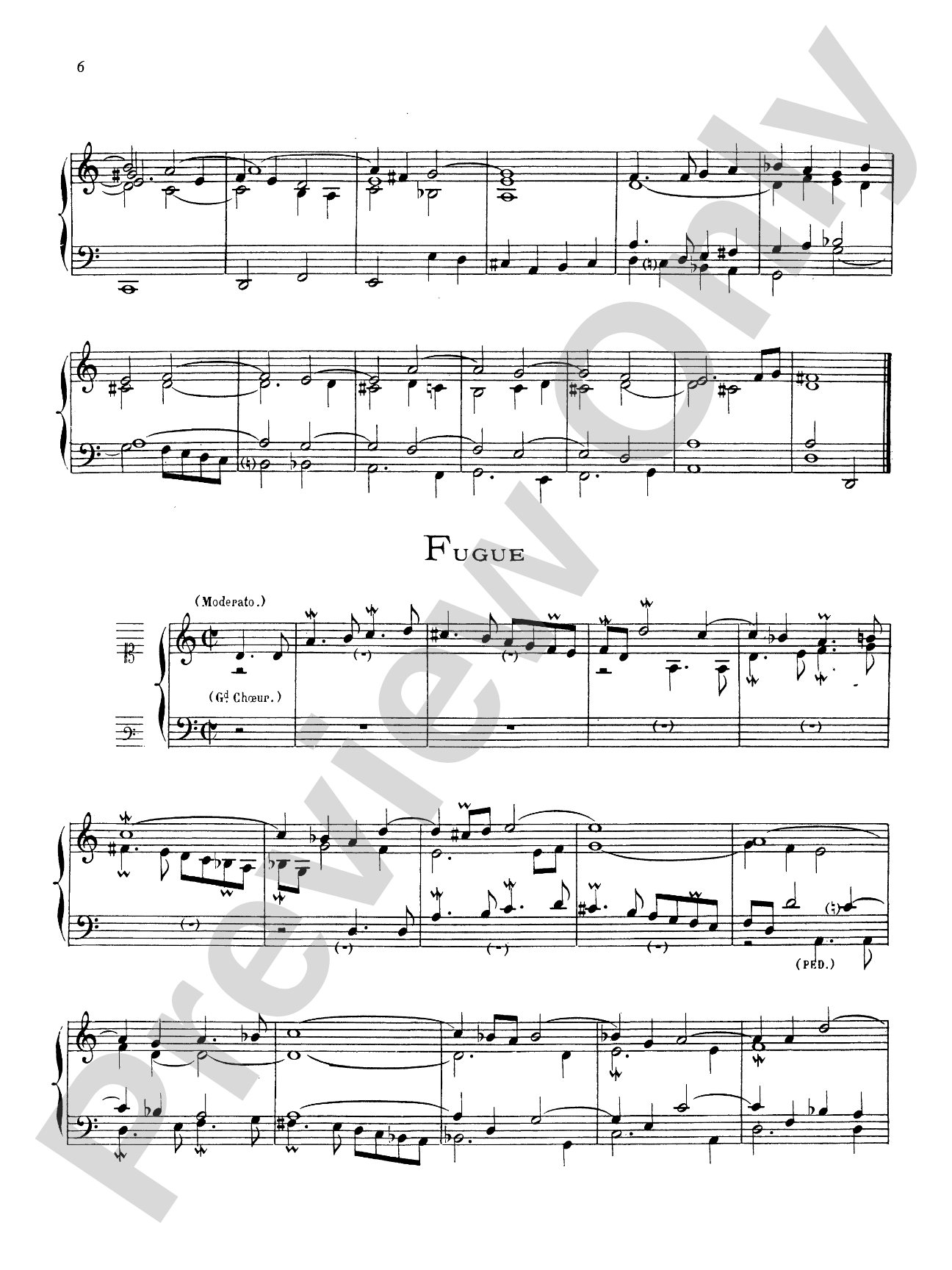

Dumage: First Organ Book: Organ Book
By Pierre Du Mage
Item: 00-PK-0003428

$9.99
Pickup currently not available
Buy Extra Parts (Digital PDF Download)
| Product | Price | Quantity |
|---|---|---|
| Dumage: First Organ Book | $0.99 | |
| Dumage: First Organ Book | $0.99 | |
| Dumage: First Organ Book | $0.99 | |
| Dumage: First Organ Book | $0.99 | |
| Dumage: First Organ Book | $0.99 | |
| Dumage: First Organ Book | $0.99 | |
| Dumage: First Organ Book | $0.99 | |
| Dumage: First Organ Book | $0.99 |
Parts Added to Cart!
Related Items
First Organ Book: Organ Book |
$9.99
|
View |
Description
A collection of exercises, for Organ, composed by Pierre Dumage.


Don't just read it, hear it, play along with it, and watch your students grow with it. In MakeMusic Cloud, Dumage: First Organ Book: Organ Book comes alive with professional accompaniment, adjustable tempo, and built-in practice tools that turn solo practice into real progress.
Open in the Player
Jump straight in and assign it today.
Start Your Free Trial
Open this title and explore the full library in minutes.
Sample Audio
No sample audio found.
Sample Video
No sample videos found.
Additional Details
Series:
Kalmus Edition
Publisher:
Alfred Music
Page Count:
20
SKU:
00-PK-0003428
More about this title
Why we love this
Dumage's systematic approach to organ technique grounds students in foundational fingerwork and pedal coordination through purposeful, musical exercises rather than dry drills. The Baroque idiom gives these studies authentic harmonic language and period style, so players internalize both technical control and historical context simultaneously.
What to expect
The work unfolds with architectural clarity, each exercise revealing another layer of Baroque counterpoint and organ technique. There's a satisfying sense of incremental mastery as patterns develop and harmonic language becomes increasingly assured.
Who it's for
Organists in early-intermediate to intermediate stages who need systematic technical development grounded in Baroque style. Teachers seeking a coherent progression of exercises that combine fingerwork, pedal control, and period-appropriate musical understanding will find this collection invaluable for structuring lessons.
How to get the most out of it
- Establish consistent pedal contact with each exercise, treating the foot work as seriously as the manual technique to build coordinated independence between hands and feet.
- Work through the collection sequentially; each exercise builds on patterns and challenges introduced earlier, so skipping ahead will leave gaps in coordination development.
- Pay attention to voice leading and phrasing even in shorter exercises; Baroque voice movement teaches proper registration choices and legato technique on the organ.
- Use a variety of registrations across the same exercise to explore how different tone colors affect articulation and clarity, building flexibility with the organ's mechanical possibilities.
How to use it
This collection functions best as a private lesson resource, where a teacher can guide an organist through the exercises in sequence and adjust registration and tempo to match individual development. It can also supplement a larger recital preparation by sharpening specific technical skills needed for period repertoire.
Skills your students will build
- Coordinated independence between hands and feet in Baroque voice textures
- Pedal technique and precise foot positioning on the organ
- Registration choices suited to different exercises and harmonic textures
- Baroque phrasing and voice leading in keyboard writing
- Sight-reading facility in period-appropriate organ notation