

Duets Are Fun, Book 1: Piano
By David Hirschberg
Level: Late Elementary
Item: 00-PB-0002014
$7.95
Pickup currently not available
Related Items
Duets Are Fun, Book 1: Piano Book |
$7.95
|
View |
Description
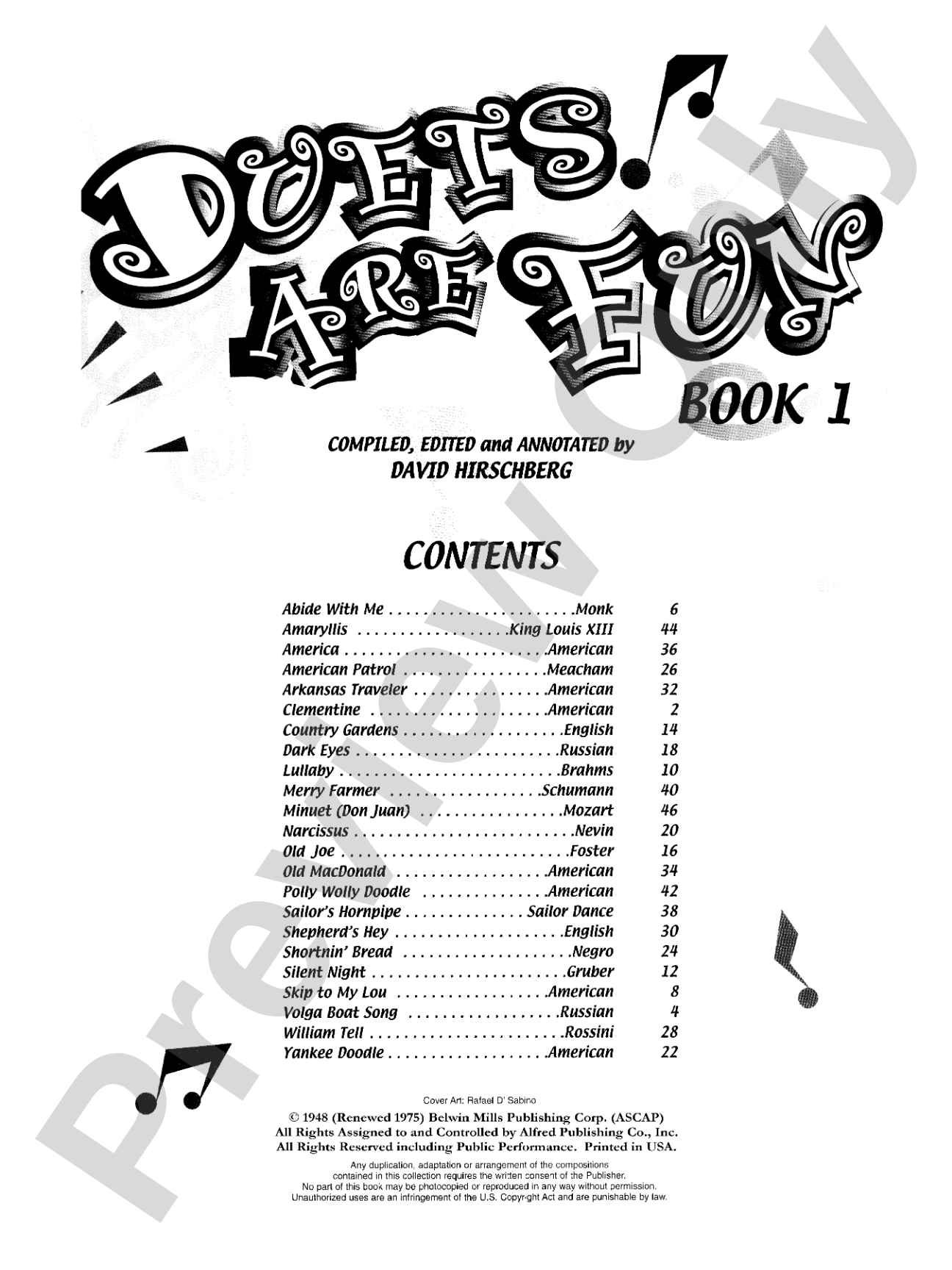
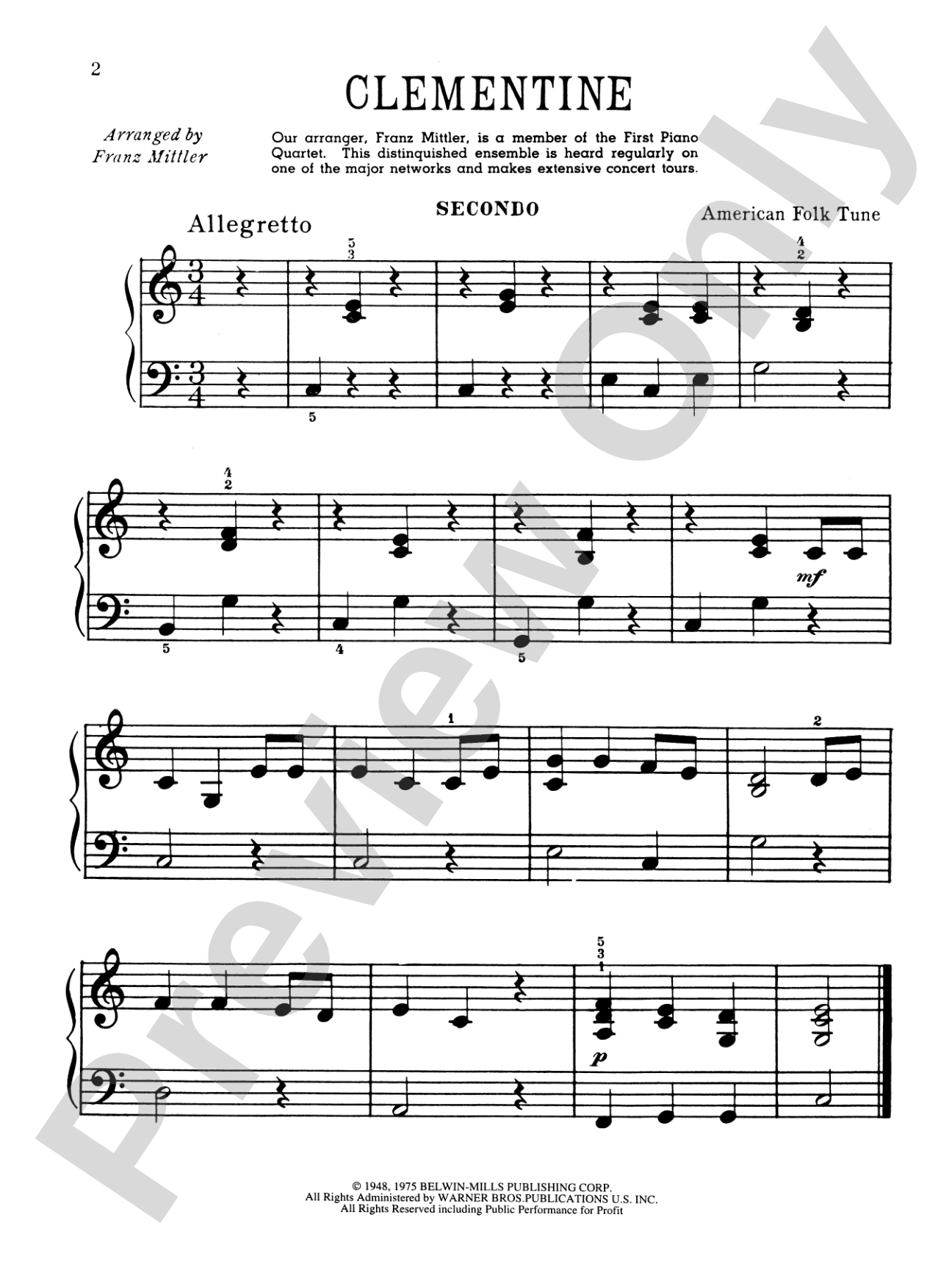
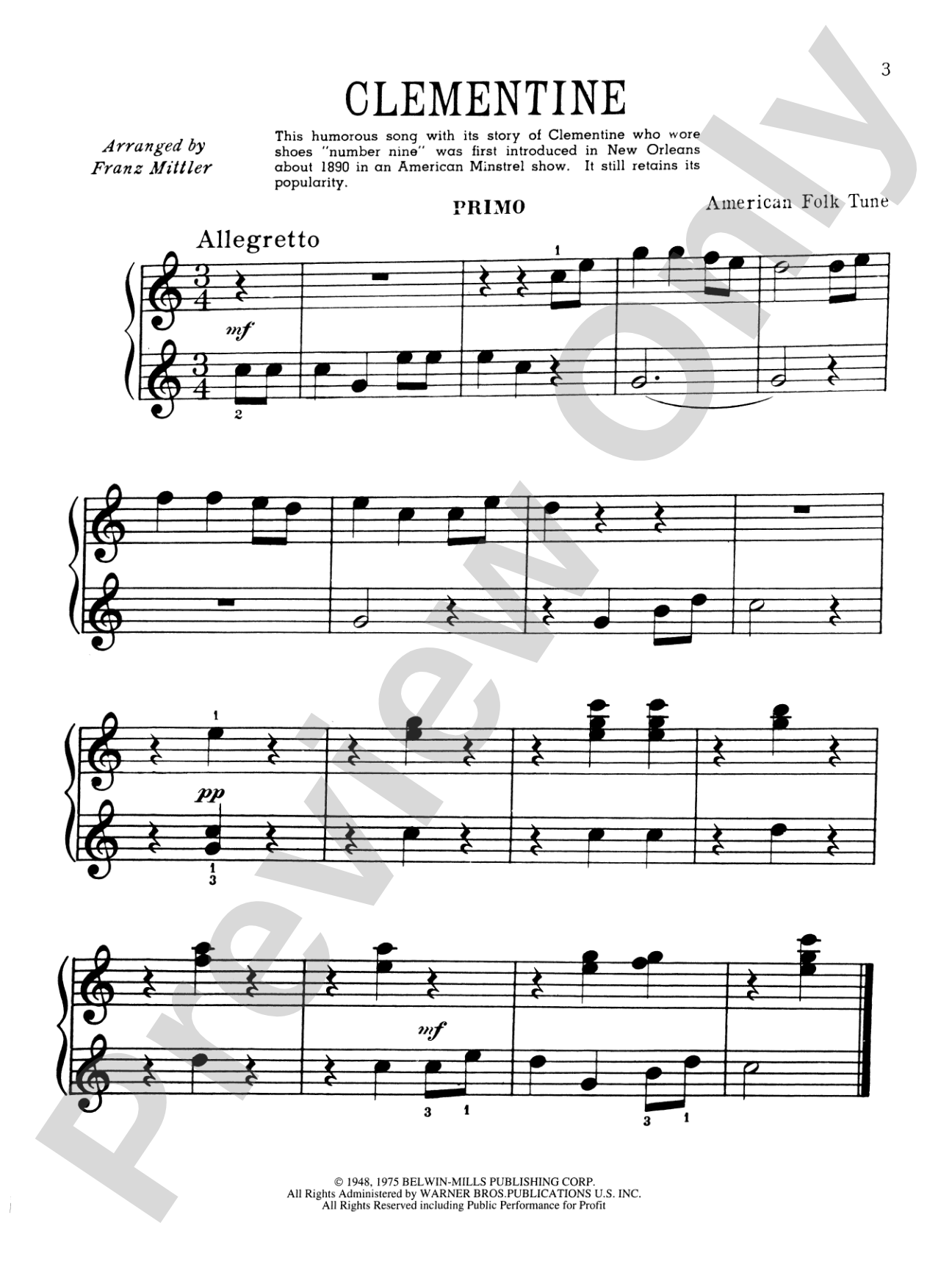
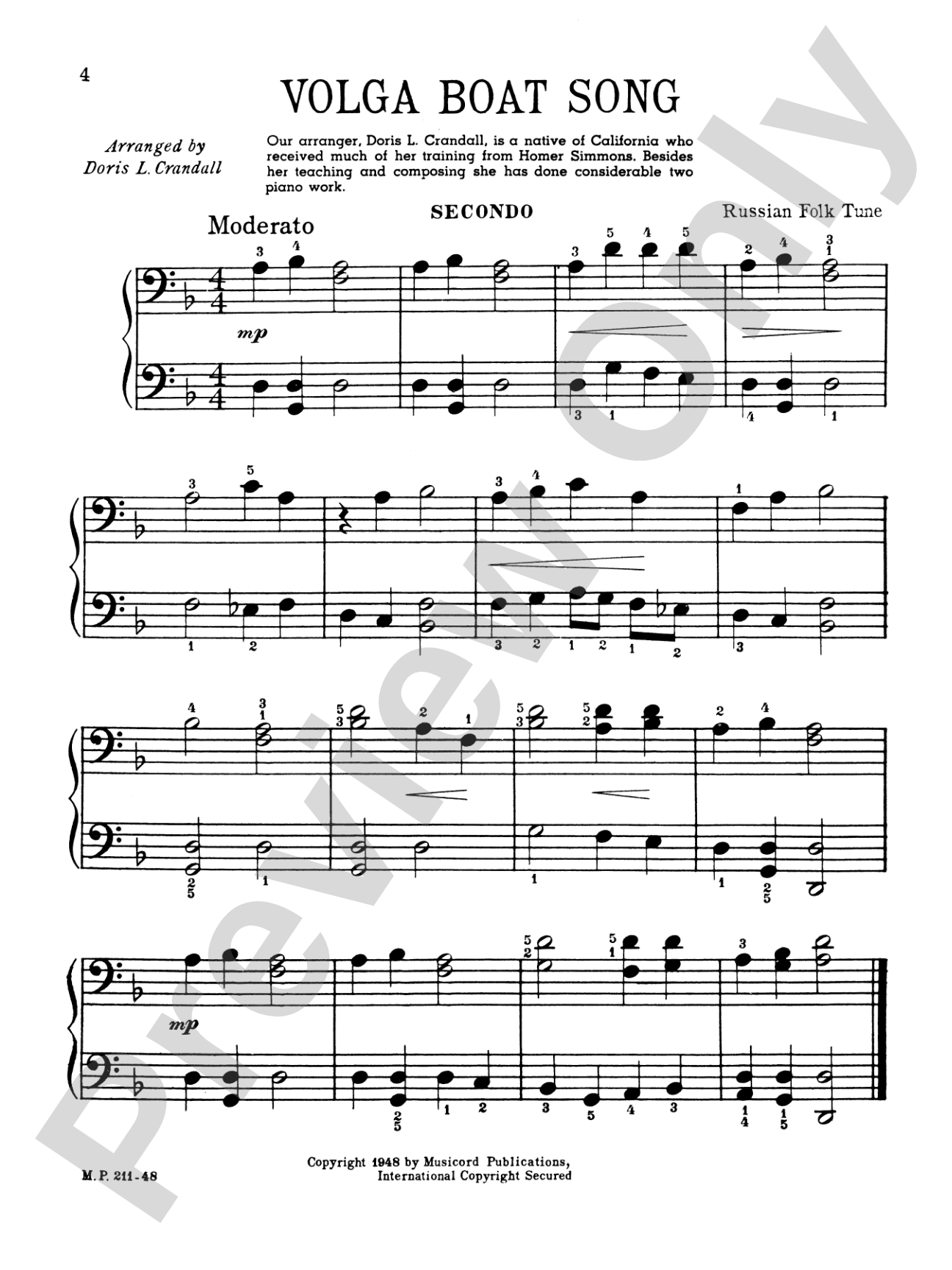
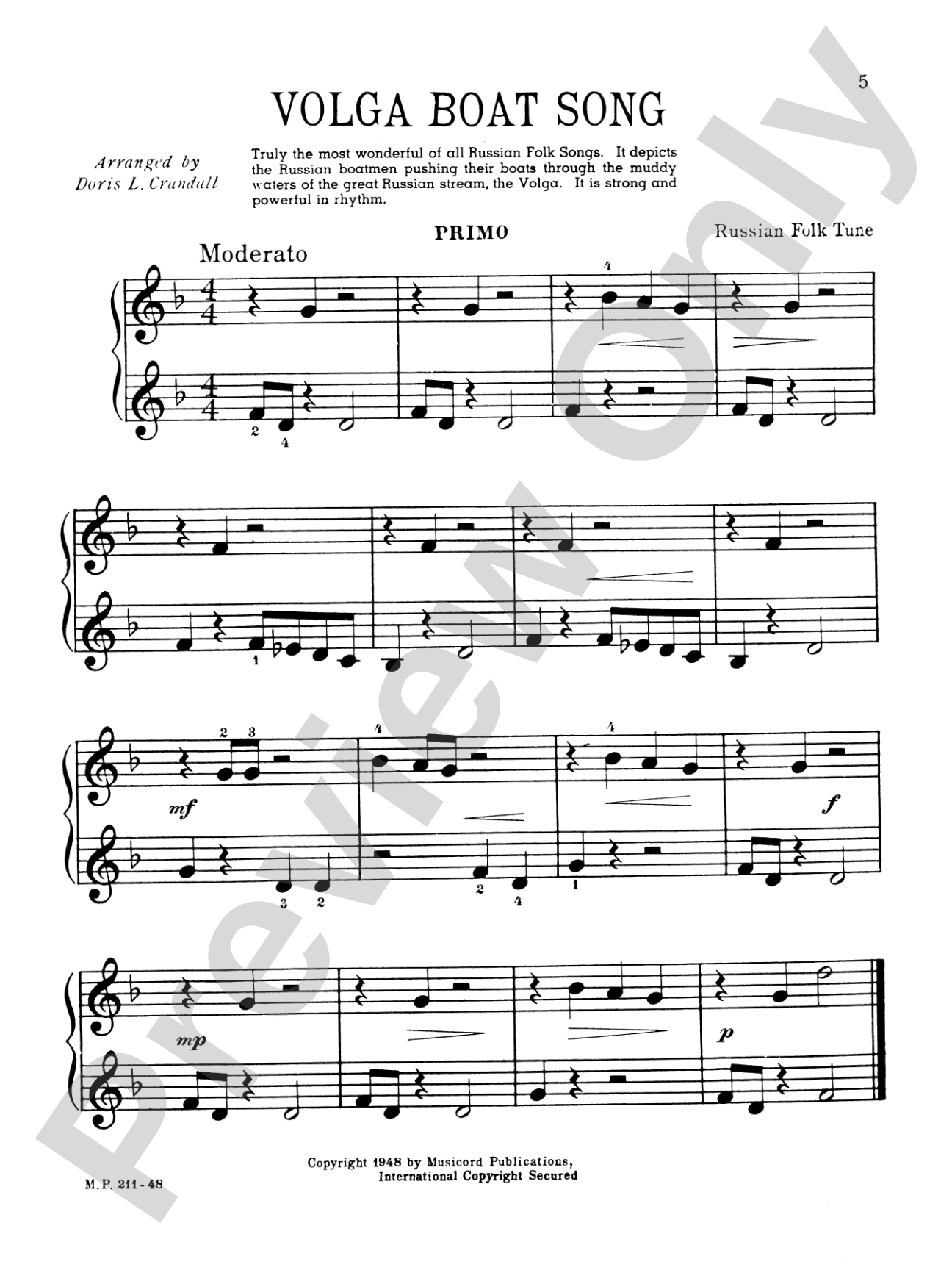
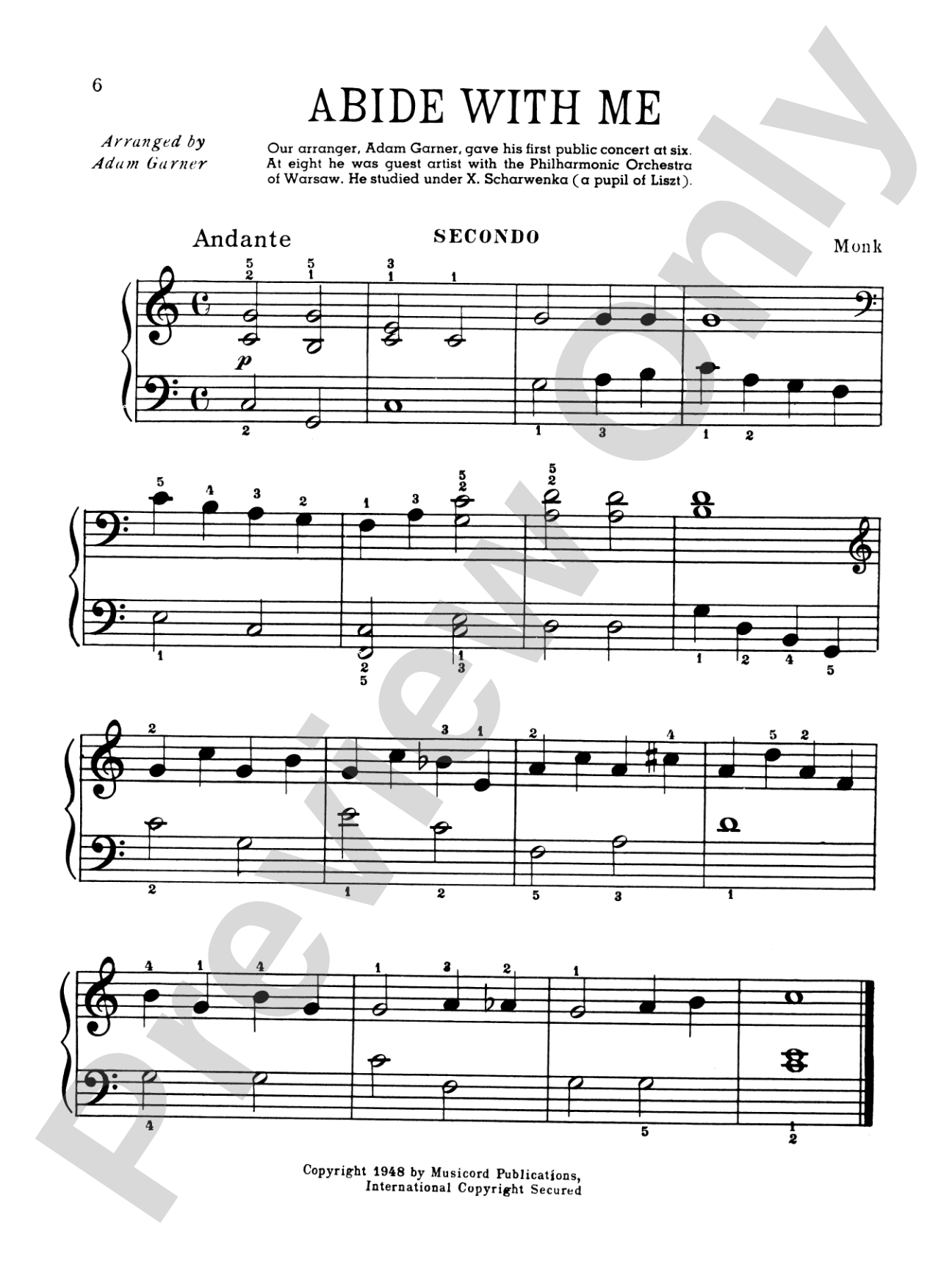
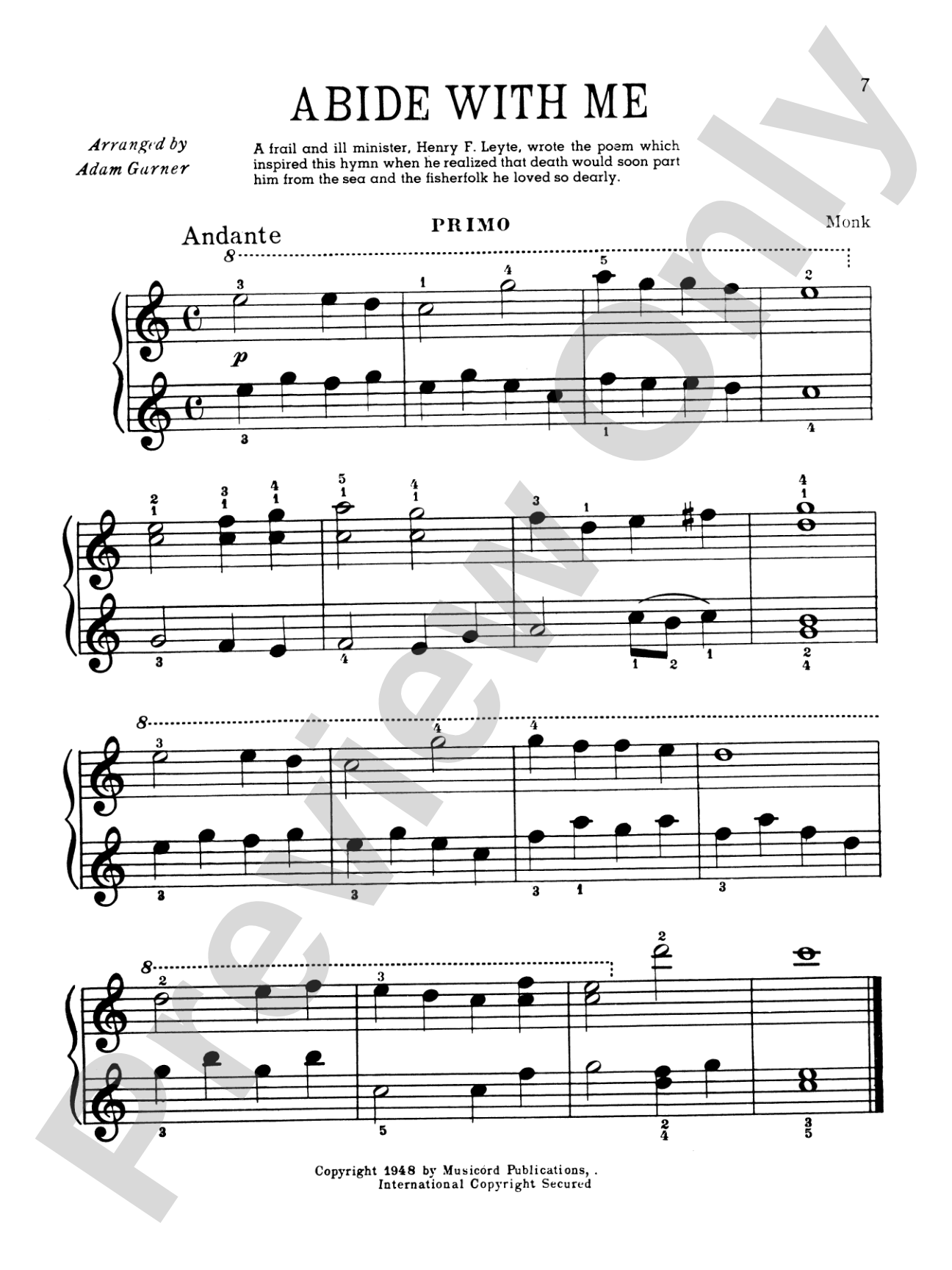
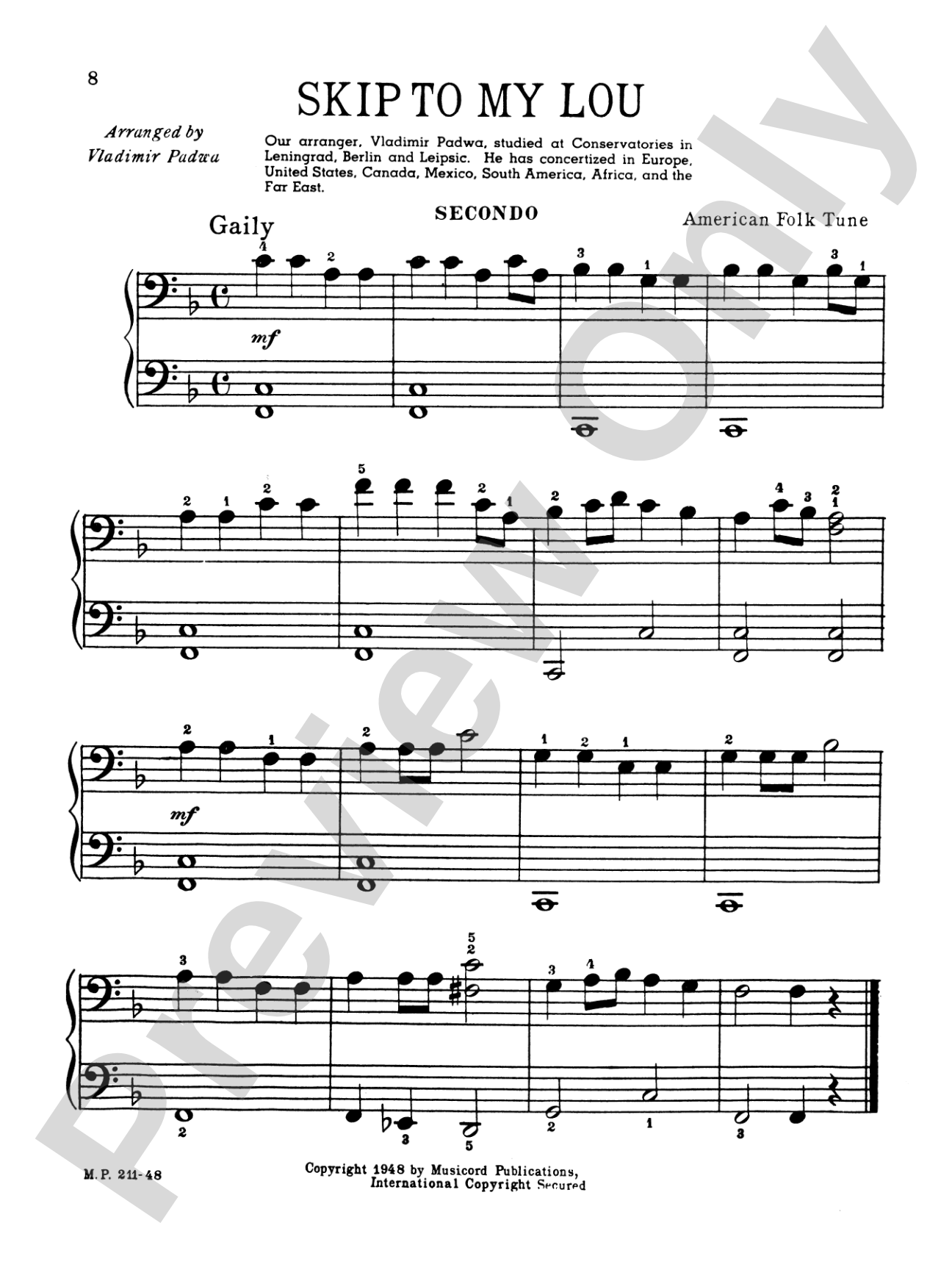
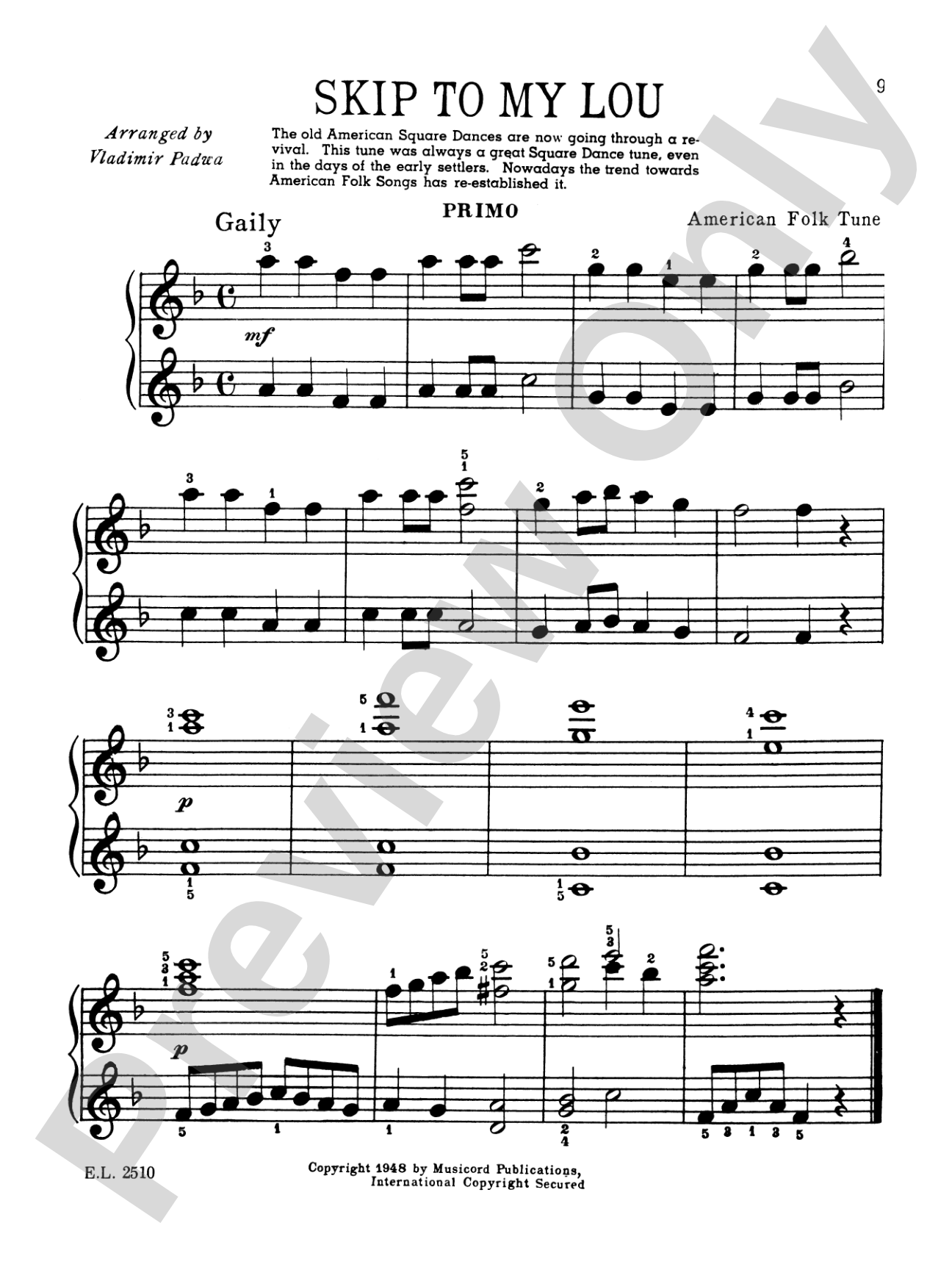
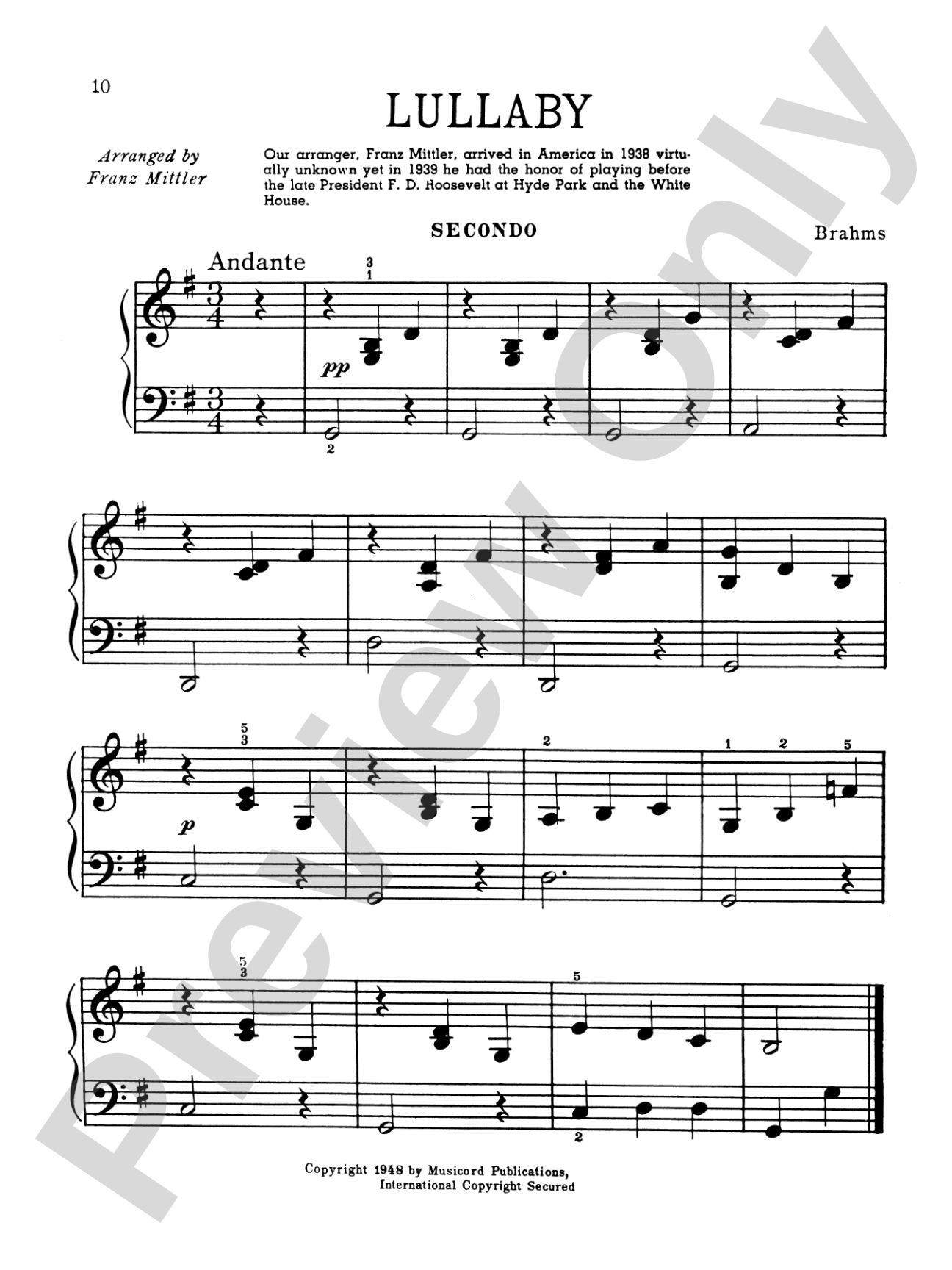
Two early intermediate level pianists will enjoy teaming up on this collection of 23 short duets of well-known songs. Contains: Abide With Me * Amaryllis * America * American Patrol * Arkansas Traveler * Clementine * Country Gardens * Dark Eyes * Lullaby * Merry Farmer * Minuet (Don Juan) * Narcissus * Old Joe * Old MacDonald * Polly Wolly Doodle * Sailor's Hornpipe * Shepherd's Hey * Shortnin' Bread * Silent Night * Skip to My Lou * Volga Boat Song * William Tell * Yankee Doodle.


Duets Are Fun, Book 1: Piano isn't in MakeMusic Cloud just yet...but it could be. Let us know you'd like to see it, and you'll help shape what comes next. In the meantime, start a free trial and dive into thousands of interactive titles your students can play along with today.
Request This Title
Tell us you want it.
Start Your Free Trial
Explore everything that's ready to play right now.
Sample Audio
No sample audio found.
Sample Video
No sample videos found.
Additional Details
Series:
Hirschberg Fun Series
Publisher:
Alfred Music
Page Count:
48
SKU:
00-PB-0002014
More about this title
About the Composer: David Hirschberg
David Hirschberg has built a catalog of piano methods and collections that prioritize joy and accessibility for young learners. His work emphasizes early success and musical satisfaction, recognizing that students learn best when they're genuinely enjoying what they play.
Through his Hirschberg Fun Series, Hirschberg has demonstrated a consistent approach to repertoire selection: choose melodies that students recognize and love, then arrange them in ways that make ensemble playing feel natural rather than forced. His arrangements respect the developing skills of early intermediate pianists while keeping the musical payoff immediate.
Why we love this
Twenty-three duets drawn from folk songs, classical themes, and standard repertoire give you variety without requiring students to learn new melodies. The real strength here is that both parts feel equally important and engaging, so neither pianist gets stuck on an accompaniment figure. Your students will actually want to trade parts and play it again.
What to expect
Playing through these duets feels like performing, not practicing. The familiar melodies combined with supportive accompaniments create an immediate sense of musicianship. Even short pieces feel substantial because both players have genuine musical responsibility.
Who it's for
Two pianists working at early intermediate level who want to experience ensemble playing without the complexity of larger chamber works. This collection works equally well for private lesson pairs, studio recitals, or classroom music settings where piano duet experience matters.
How to get the most out of it
- Balance listening with your partner. Early duet players often get caught in their own part and forget to hear what the other person is doing. Start each duet by playing through it slowly, focusing on blend and ensemble sound rather than accuracy.
- Work out hand position and comfort at the keyboard before rehearsing tempo. At this level, tension often comes from awkward finger angles or arm positioning, not from difficulty itself.
- Record yourselves. Hearing the duets played back is far more revealing than the act of playing them. Students notice ensemble problems, rhythmic imprecision, and balance issues they'd otherwise miss.
- Trade parts frequently. Switching primo and secondo prevents boredom and builds flexibility. A student playing accompanimental figures in one duet gets the melody in the next, keeping engagement high.
How to use it
Assign one or two duets as a special project for piano students working at similar levels, then feature them in a studio recital or student showcase. The familiar songs mean family members will recognize and enjoy what they're hearing, making these approachable concert pieces. You might also use duets selectively in music theory or ear training classes as a way to reinforce concepts in a musical context.
Skills your students will build
- Balance and blend between two independent melodic or accompanimental lines
- Ensemble listening and rhythmic coordination without a conductor
- Sight-reading duet parts at increasing independence
- Score awareness and attention to the complete harmonic picture
- Comfort performing in front of others with musical partner support