
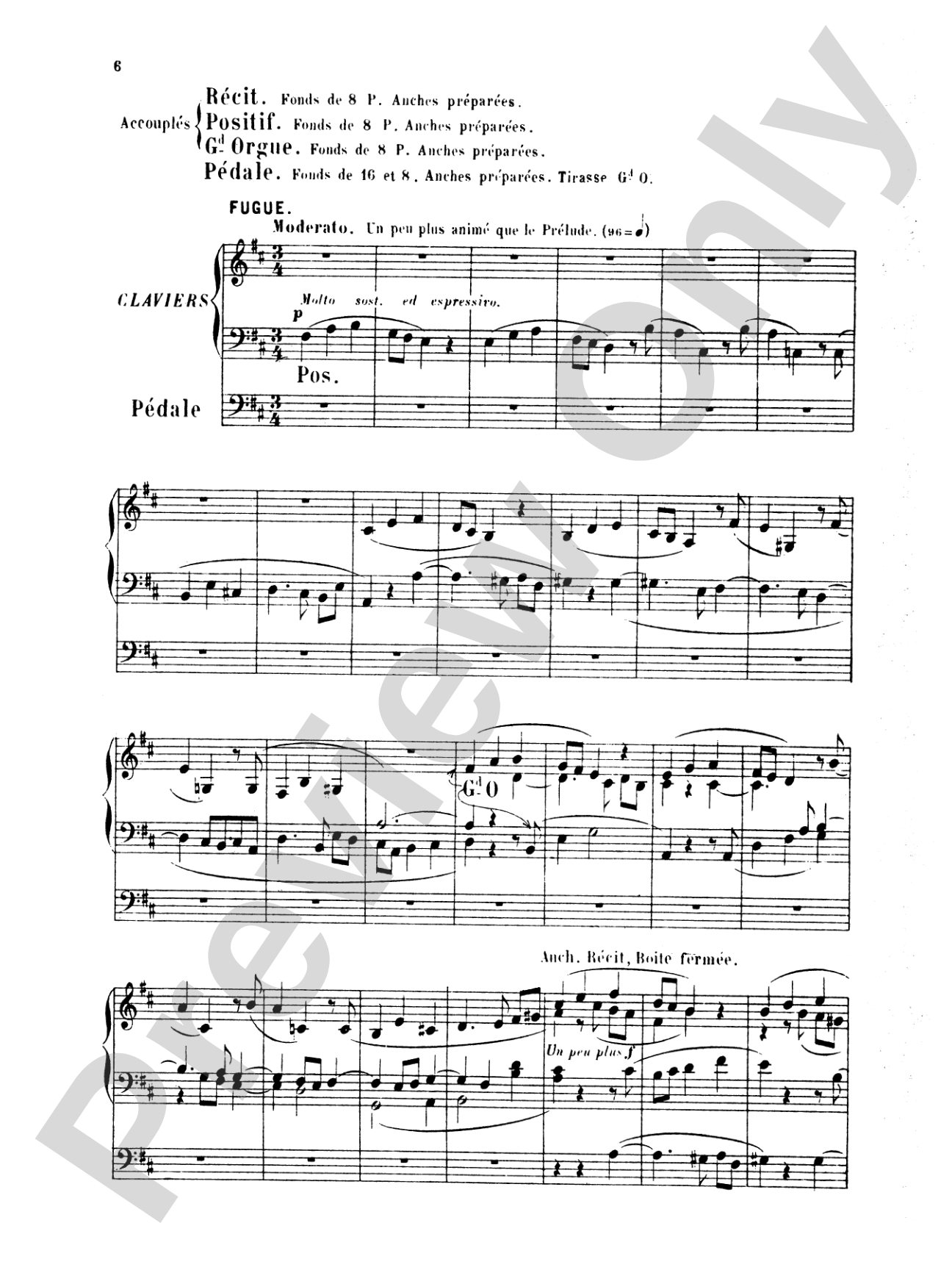
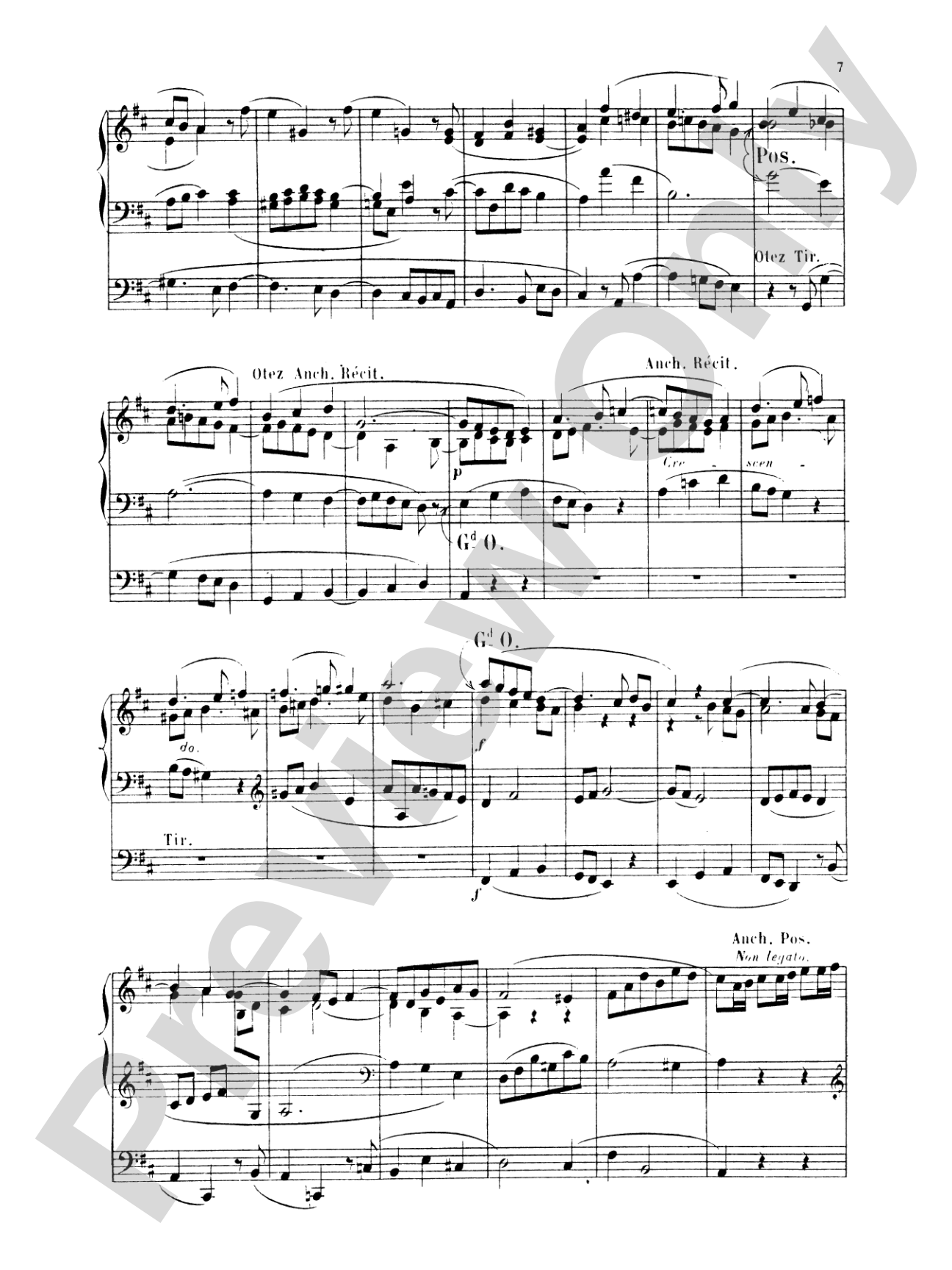
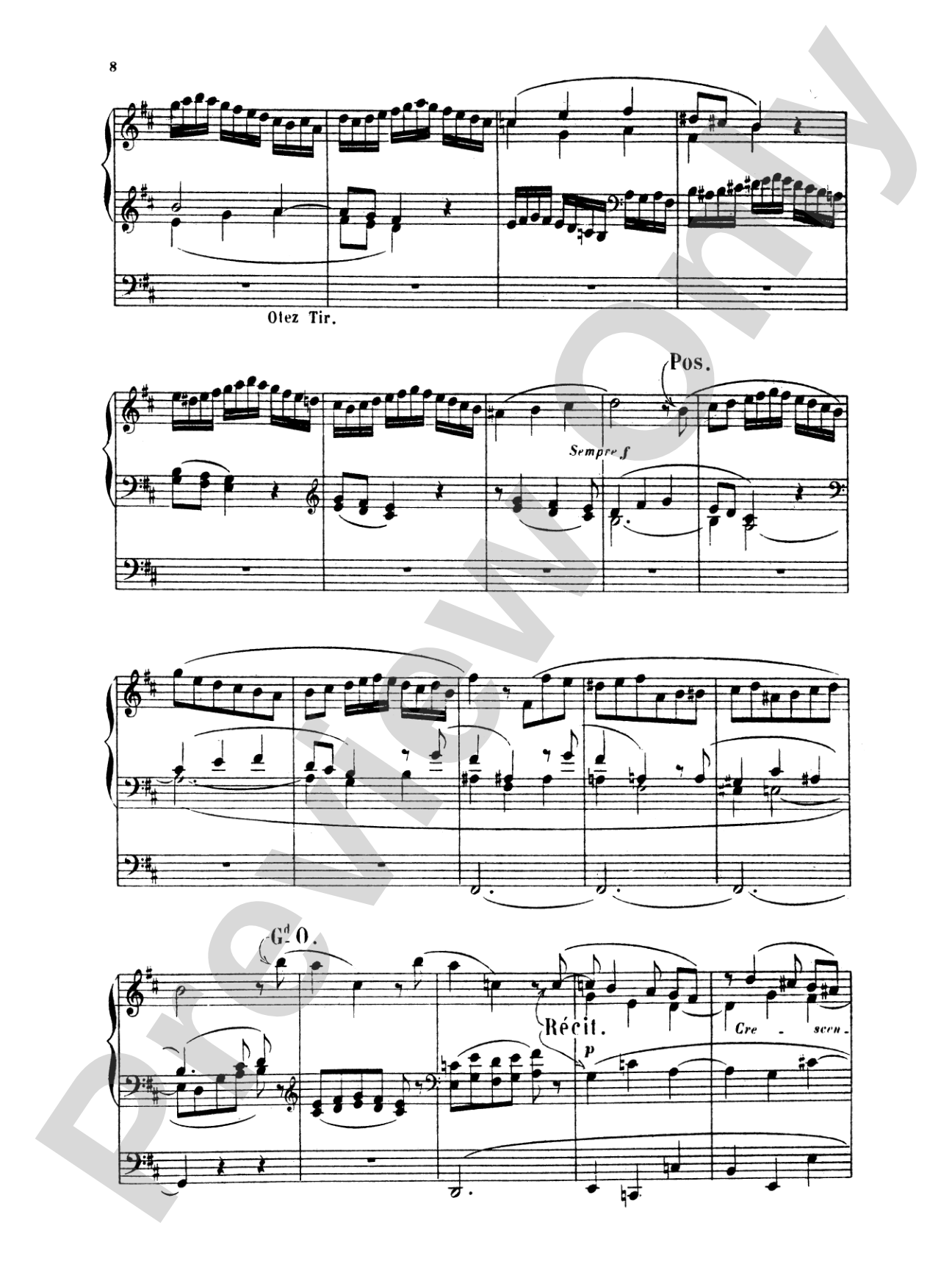
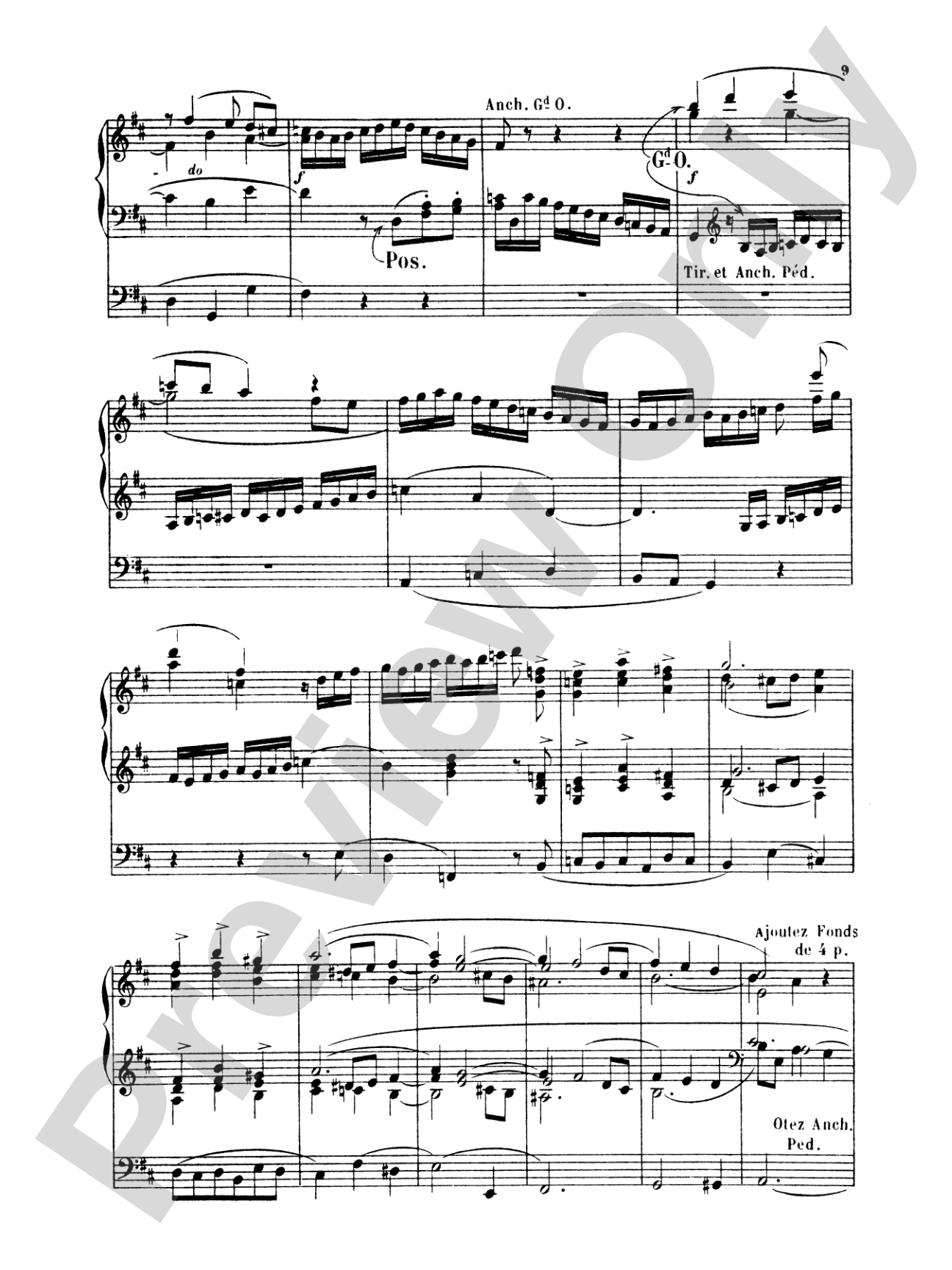
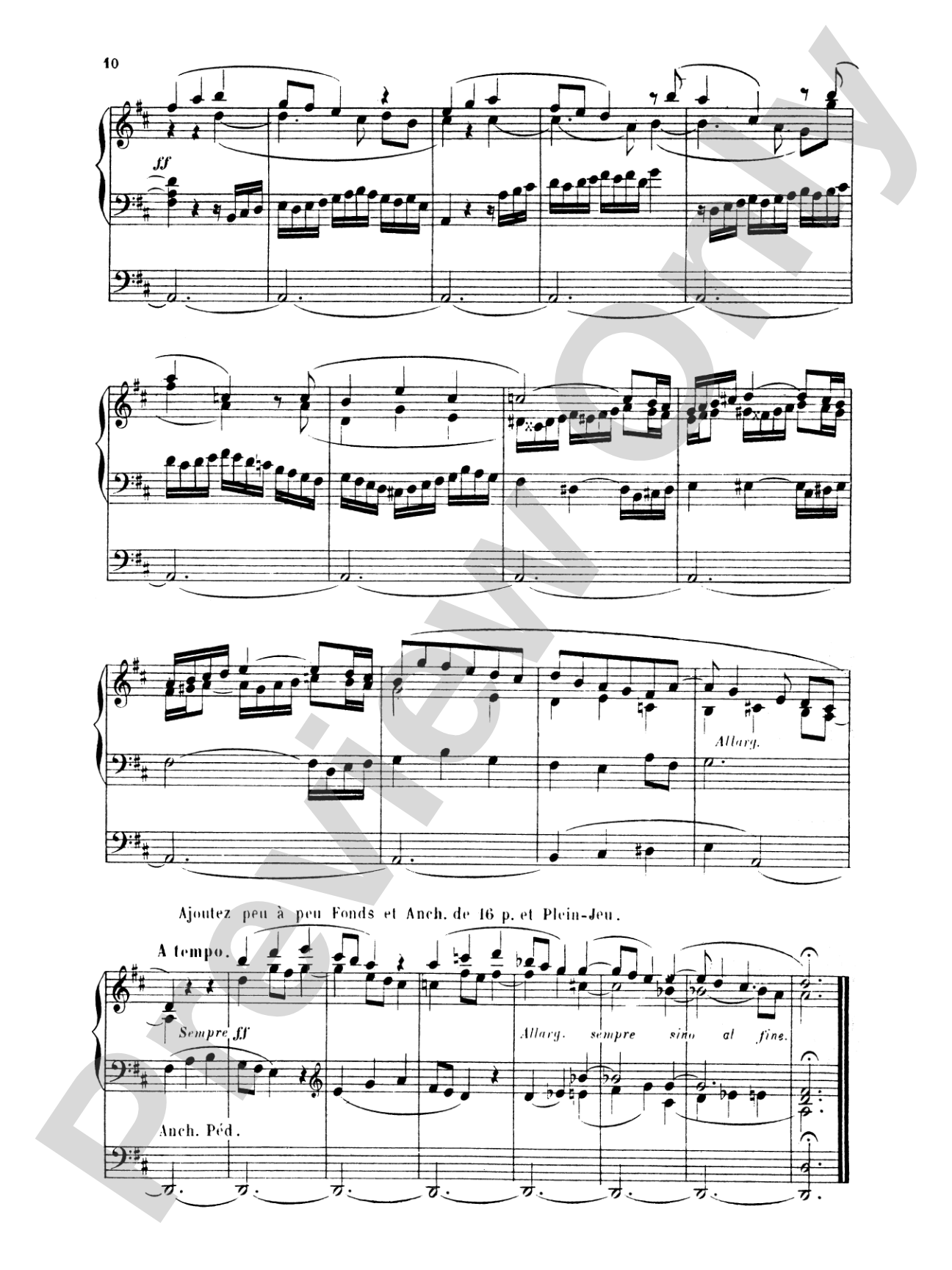

Dubois: Twelve Pieces: Organ Book
By Theodore Dubois
Item: 00-PK-0003103

$12.99
Pickup currently not available
Buy Extra Parts (Digital PDF Download)
| Product | Price | Quantity |
|---|---|---|
| Dubois: Twelve Pieces | $0.99 | |
| Dubois: Twelve Pieces | $0.99 | |
| Dubois: Twelve Pieces | $0.99 | |
| Dubois: Twelve Pieces | $0.99 | |
| Dubois: Twelve Pieces | $0.99 | |
| Dubois: Twelve Pieces | $0.99 | |
| Dubois: Twelve Pieces | $0.99 | |
| Dubois: Twelve Pieces | $0.99 | |
| Dubois: Twelve Pieces | $0.99 | |
| Dubois: Twelve Pieces | $0.99 | |
| Dubois: Twelve Pieces | $0.99 | |
| Dubois: Twelve Pieces | $0.99 |
Parts Added to Cart!
Related Items
Twelve Pieces: Organ Book |
$12.99
|
View |
Description
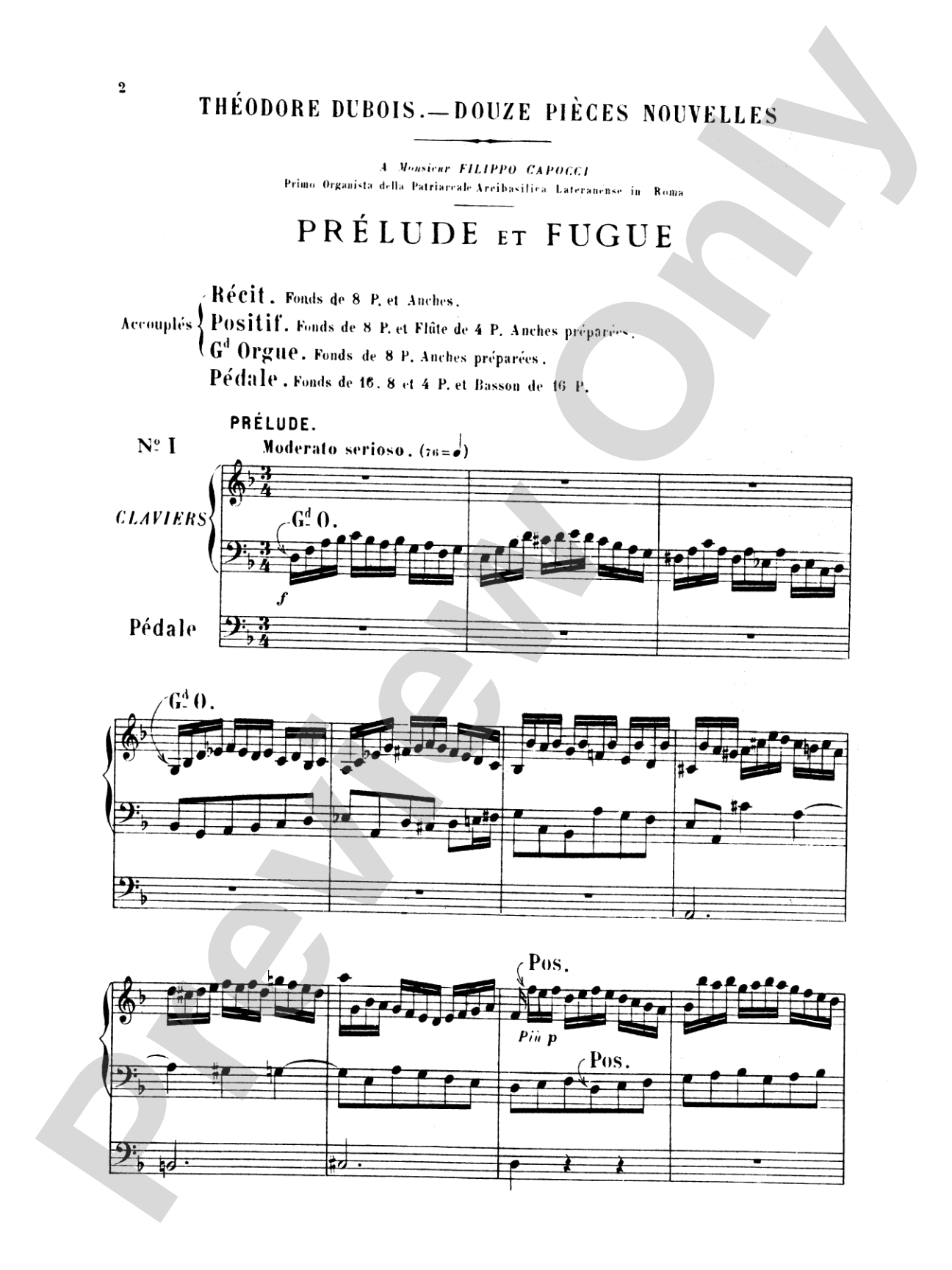
Titles: Prélude et Fugue * Chant Pastoral * Cortège Funèbre * La Fête-Dieu * Canon * Alleluia * Noël * Fial lux * In Paradisum * Offertoire * Thème Provençial varié * Marche Triomphale.


Don't just read it, hear it, play along with it, and watch your students grow with it. In MakeMusic Cloud, Dubois: Twelve Pieces: Organ Book comes alive with professional accompaniment, adjustable tempo, and built-in practice tools that turn solo practice into real progress.
Open in the Player
Jump straight in and assign it today.
Start Your Free Trial
Open this title and explore the full library in minutes.
Sample Audio
No sample audio found.
Sample Video
No sample videos found.
Additional Details
Series:
Kalmus Edition
Publisher:
Alfred Music
Page Count:
80
SKU:
00-PK-0003103
More about this title
About the Composer: Theodore Dubois
Theodore Dubois (1837-1924) was a French composer and organist whose prolific output shaped the French organ repertoire during the late Romantic era. A prize-winning student at the Paris Conservatoire, he held the position of maître de chapelle at Sainte-Clotilde and later served as director of the Conservatoire itself, roles that gave him deep influence over French musical pedagogy and sacred music practice.
Dubois wrote extensively for organ, blending liturgical traditions with the harmonic language of his time. His organ works remain essential to the repertoire, prized for their structural clarity, spiritual depth, and practical musicianship. Teachers and organists value his pieces for their balance of accessibility and artistic substance.
Why we love this
This collection spans the full range of organ repertoire a musician needs: from rigorous contrapuntal forms (Prélude et Fugue) to intimate character pieces (Chant Pastoral) to ceremonial works (Marche Triomphale). Each piece stands alone as a complete study in a different compositional approach, making this an ideal teaching collection that develops both technical facility and interpretive maturity without requiring a full method sequence.
What to expect
Dubois's voice is elegant and dignified, rooted in the church yet never austere. These pieces breathe with the formality of liturgy and the expressiveness of the concert hall, shifting between introspective meditation and jubilant proclamation. The harmonic language is warm and accessible, never obscure, and the structures feel inevitable rather than forced.
Who it's for
Intermediate to advanced organists seeking authentic Romantic-era repertoire that bridges sacred and concert traditions. This collection works well for organists preparing for church positions, recitals, or comprehensive study of 19th-century French organ writing.
How to get the most out of it
- Shape phrases through subtle weight distribution on the manuals rather than dynamic swelling; Dubois's writing rewards clarity of line and harmonic progression over romantic excess.
- Register changes should arrive naturally at structural points; plan your manual transfers and stop combinations before rehearsal to avoid breaking the musical continuity.
- The fugal and canonic movements demand steady tempo and secure rhythmic alignment between hands; practice these sections separately to lock the counterpoint before combining.
- Use the pedal sparingly and deliberately in pieces marked for softer registration; the text itself provides clear guidance on registration and liturgical context.
How to use it
Program selections from this collection to demonstrate the range of organ literature in a single recital (pairing a prelude with a character piece and a march creates natural variety). Use individual pieces as opening or closing numbers in church services; the collection's mix of styles covers virtually every liturgical moment from quiet offertories to processional music.
Skills your students will build
- Contrapuntal writing and fugal exposition
- Managing registration changes and manual transfers
- Pedal integration in varying textural contexts
- Harmonic analysis of Romantic-era chromaticism
- Structural clarity in multi-movement and sectional forms
- Interpretive choices between liturgical and concert performance styles