
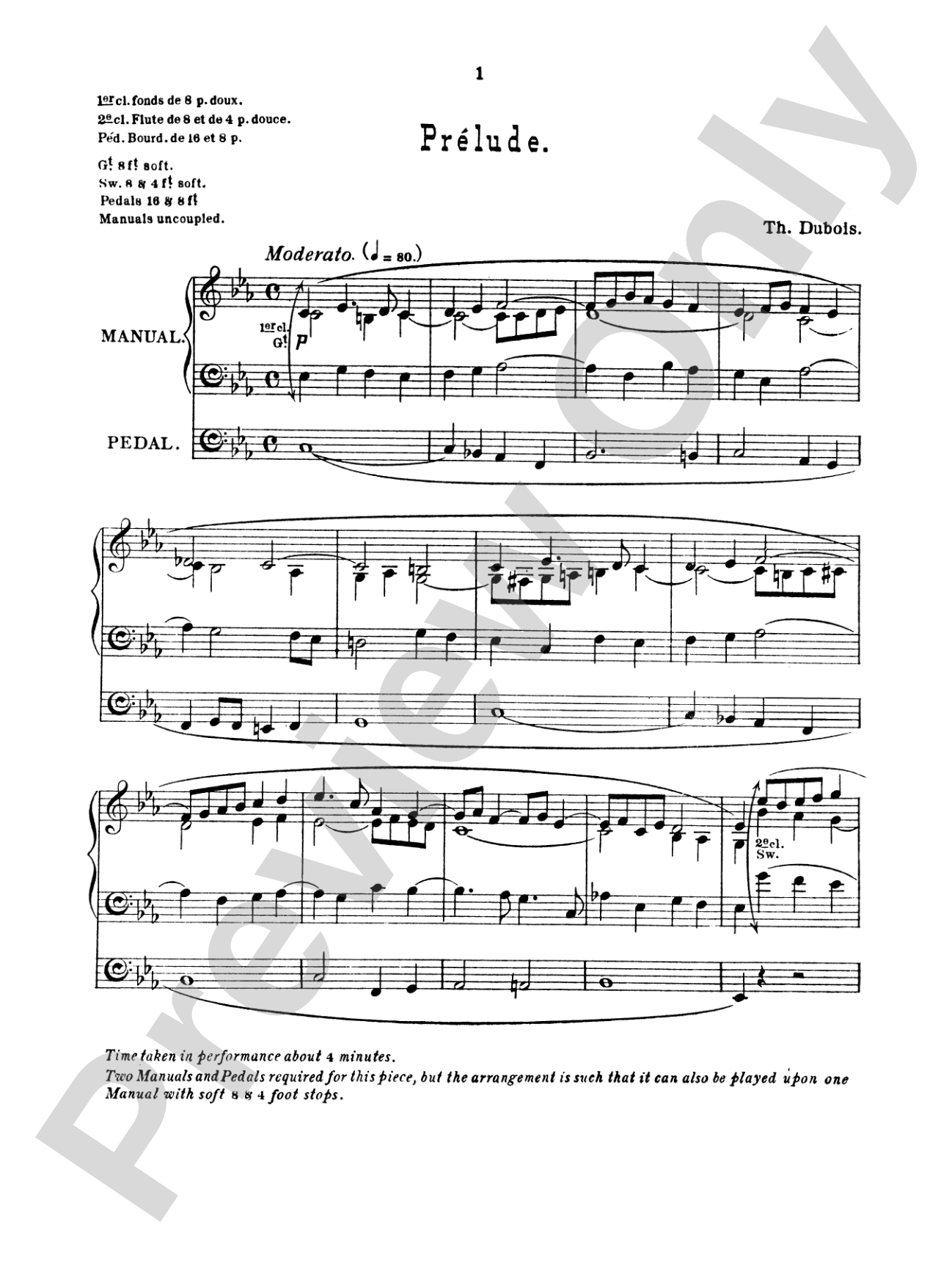
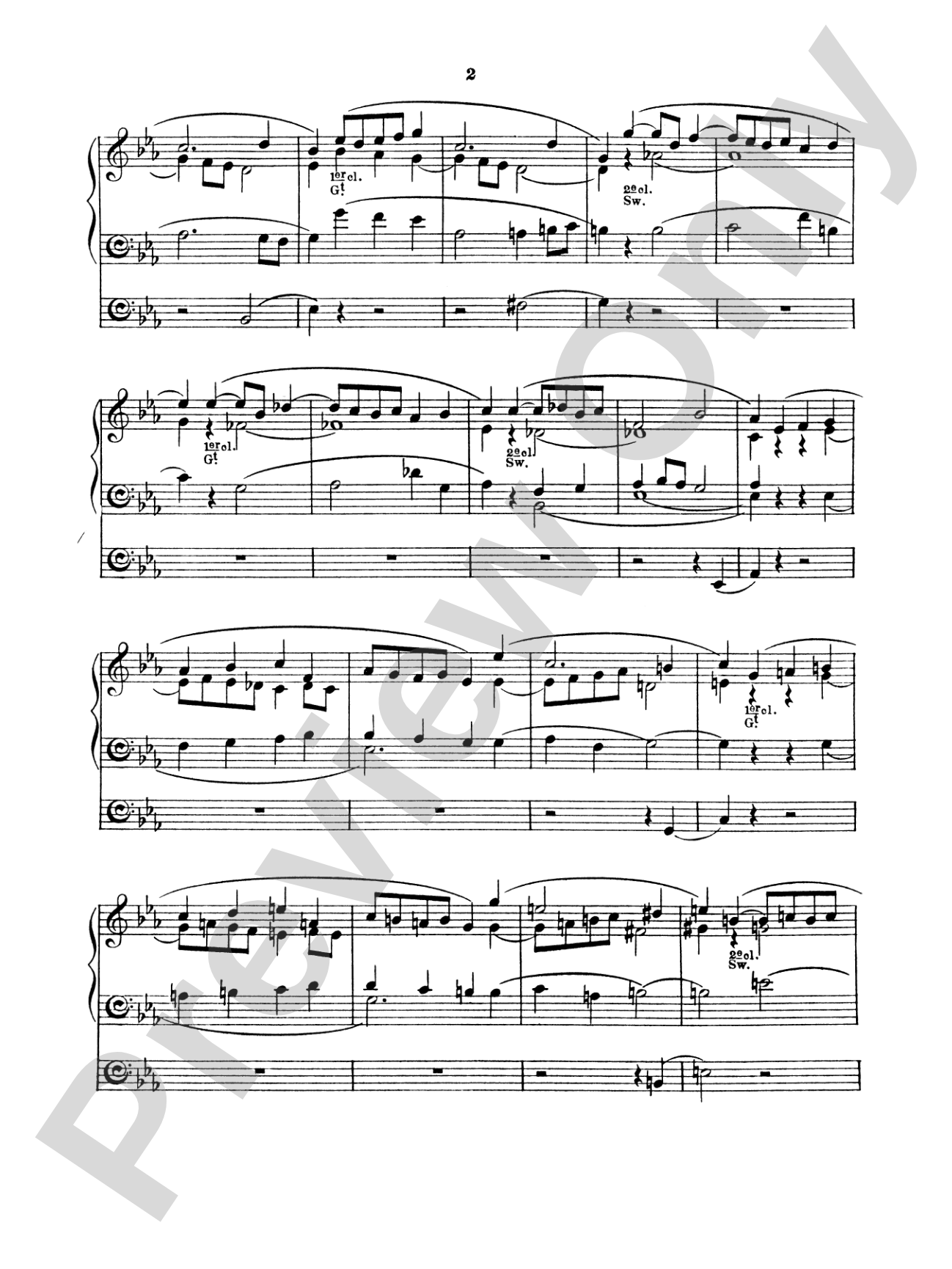
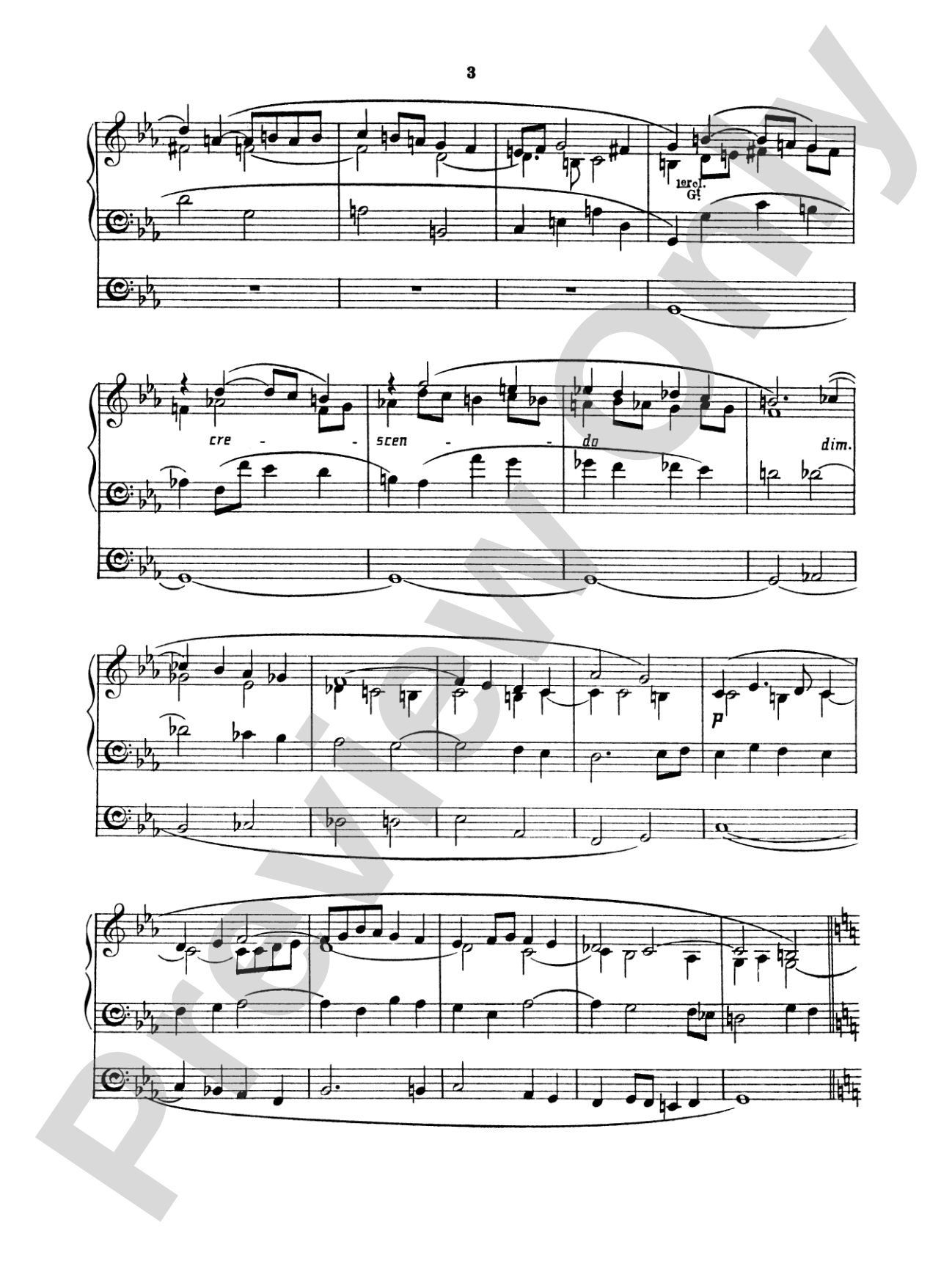
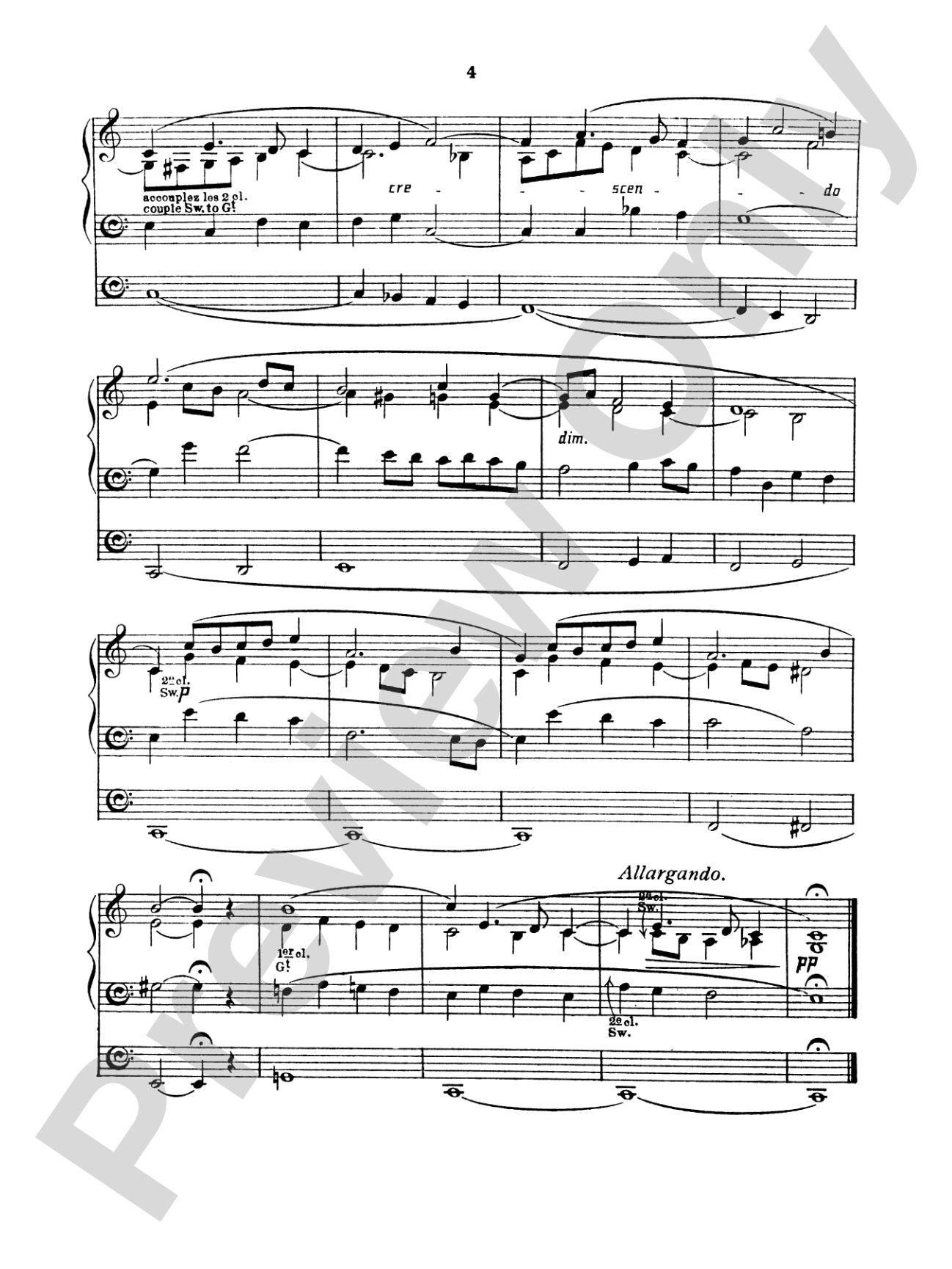

Dubois: Seven Pieces for the Organ: Organ Book
By Theodore Dubois
Item: 00-PK-0003850

$9.99
Pickup currently not available
Buy Extra Parts (Digital PDF Download)
| Product | Price | Quantity |
|---|---|---|
| Dubois: Seven Pieces for the Organ | $0.99 | |
| Dubois: Seven Pieces for the Organ | $0.99 | |
| Dubois: Seven Pieces for the Organ | $0.99 | |
| Dubois: Seven Pieces for the Organ | $0.99 | |
| Dubois: Seven Pieces for the Organ | $0.99 | |
| Dubois: Seven Pieces for the Organ | $0.99 | |
| Dubois: Seven Pieces for the Organ | $0.99 |
Parts Added to Cart!
Related Items
Seven Pieces for the Organ: Organ Book |
$9.95
|
View |
Description
(Prelude in C Minor, Cantilene Religieuse in C * Marcietta in F * Interlude in E-Flat * Priere in D * Postlude-Cantique in E-Flat * Marche Sortie in G)


Don't just read it, hear it, play along with it, and watch your students grow with it. In MakeMusic Cloud, Dubois: Seven Pieces for the Organ: Organ Book comes alive with professional accompaniment, adjustable tempo, and built-in practice tools that turn solo practice into real progress.
Open in the Player
Jump straight in and assign it today.
Start Your Free Trial
Open this title and explore the full library in minutes.
Sample Audio
No sample audio found.
Sample Video
No sample videos found.
Additional Details
Series:
Kalmus Edition
Publisher:
Alfred Music
Page Count:
32
SKU:
00-PK-0003850
More about this title
About the Composer: Theodore Dubois
Theodore Dubois (1837, 1924) was a French organist and composer who spent much of his career as maître de chapelle at Sainte-Clotilde in Paris, where he succeeded César Franck. His output spanned sacred and secular works across multiple genres, but he is most remembered for his organ compositions, which blend the harmonic language of the late Romantic period with clear structural logic and liturgical sensibility.
Dubois's organ works occupy a distinct middle ground in the repertoire. They are neither as harmonically adventurous as those of his predecessor Franck nor as technically demanding as the virtuosic pieces of Widor, but they reward careful study with their elegant voice-leading and direct emotional communication. For organists seeking substantial yet manageable concert material from the French tradition, Dubois offers reliable craftsmanship and genuine musical substance.
Why we love this
These seven pieces showcase Dubois' gift for writing organ music that balances technical accessibility with genuine musical substance. The collection spans a range of moods and formal types—from the meditative Cantilene Religieuse to the energetic Marche Sortie—giving organists real variety within a single, manageable set. The writing demonstrates how a skilled composer creates satisfying architecture across different key areas without requiring virtuosic demands.
What to expect
Dubois' writing captures the spiritual warmth and harmonic richness of French Romanticism, with organ colors ranging from intimate and devotional to processional and grand. The music unfolds with clear melodic lines and purposeful harmonic motion, rooted in the organ's ability to sustain and blend colors while maintaining structural clarity.
Who it's for
This collection serves organists ranging from advanced intermediate players through accomplished amateurs and professionals seeking French Romantic organ literature. Church musicians will find practical material suitable for liturgical use, while concert organists can draw on these pieces for recital programming or as teaching repertoire.
How to get the most out of it
- Shape the sustained lines in Cantilene Religieuse by paying close attention to the harmonic motion beneath the melody; let longer phrases breathe naturally rather than treating them as static chorale writing.
- Approach the Marcietta with clarity in articulation and a sense of forward momentum; the character depends on rhythmic precision and crisp registration choices.
- Use the key relationships across the cycle intentionally when programming these pieces; the journey from C minor through various tonal centers creates satisfying harmonic architecture.
- Balance accompaniment figuration with melodic importance in the Interlude and Priere, ensuring that supporting voices don't overshadow the primary line.
How to use it
Program individual pieces from this collection as interludes between larger works, or use them as a complete recital set that demonstrates range within a coherent aesthetic. These pieces work equally well in liturgical contexts—the Prelude and Postlude-Cantique frame a service naturally—and in concert settings where they provide accessible entry into the French organ tradition.
Skills your students will build
- Phrasing sustained melodic lines over harmonic accompaniment
- Navigation of moderate key relationships (C minor, F, E-flat, D, G)
- Registration decisions appropriate to character (intimate versus processional)
- Balancing independent hand lines while maintaining musical shape
- Understanding period-appropriate performance practice in French Romantic music