

Drumset Reading: A Practical Method to Develop the Skills Necessary for Reading with Big Bands and Combos
A Practical Method to Develop the Skills Necessary for Reading with Big Bands and Combos
By Ron Fink
Item: 00-PB-0002090
$15.99
Pickup currently not available
Related Items
Drumset Reading: Drumset Book |
$15.99
|
View |
Description
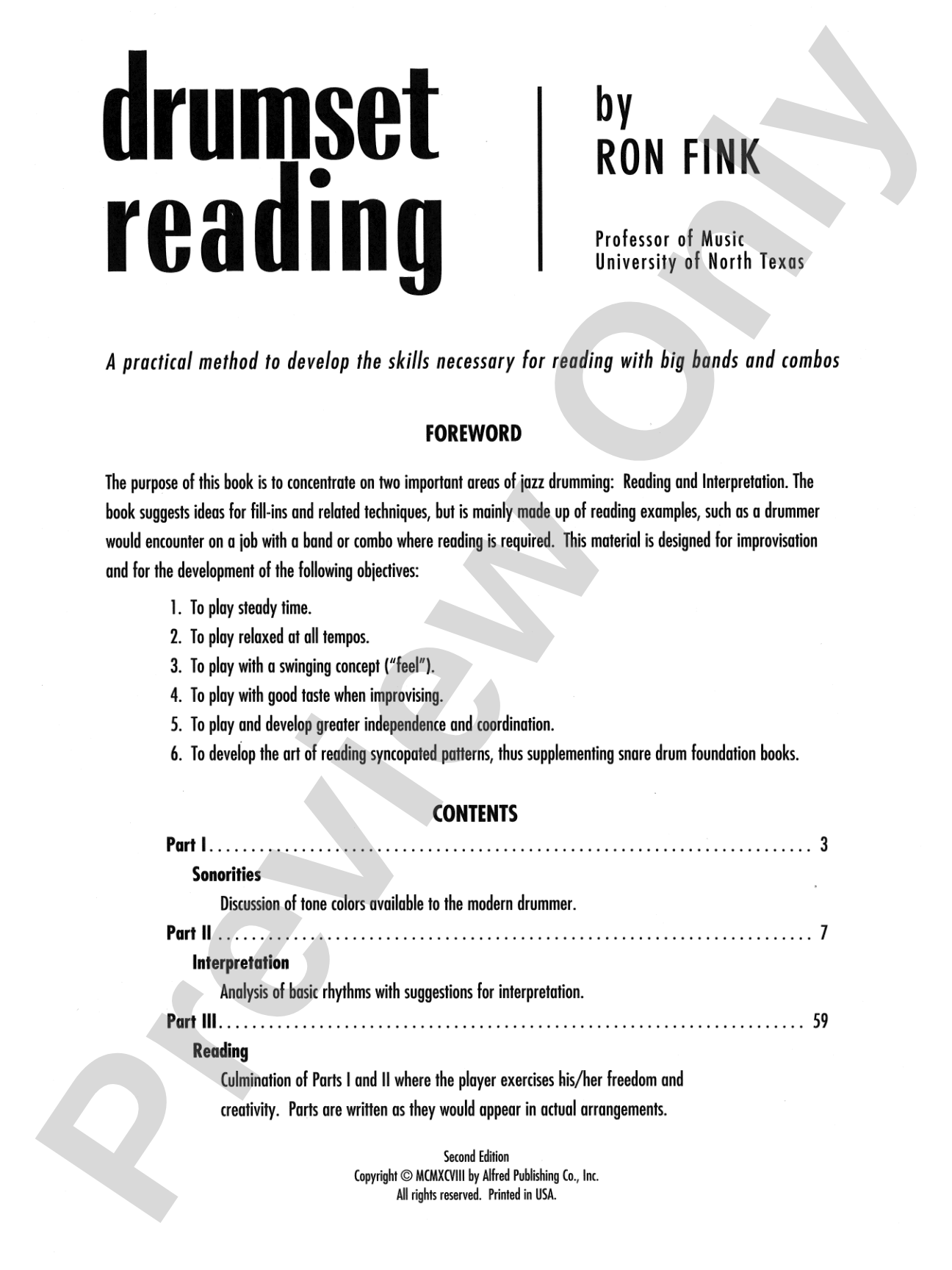
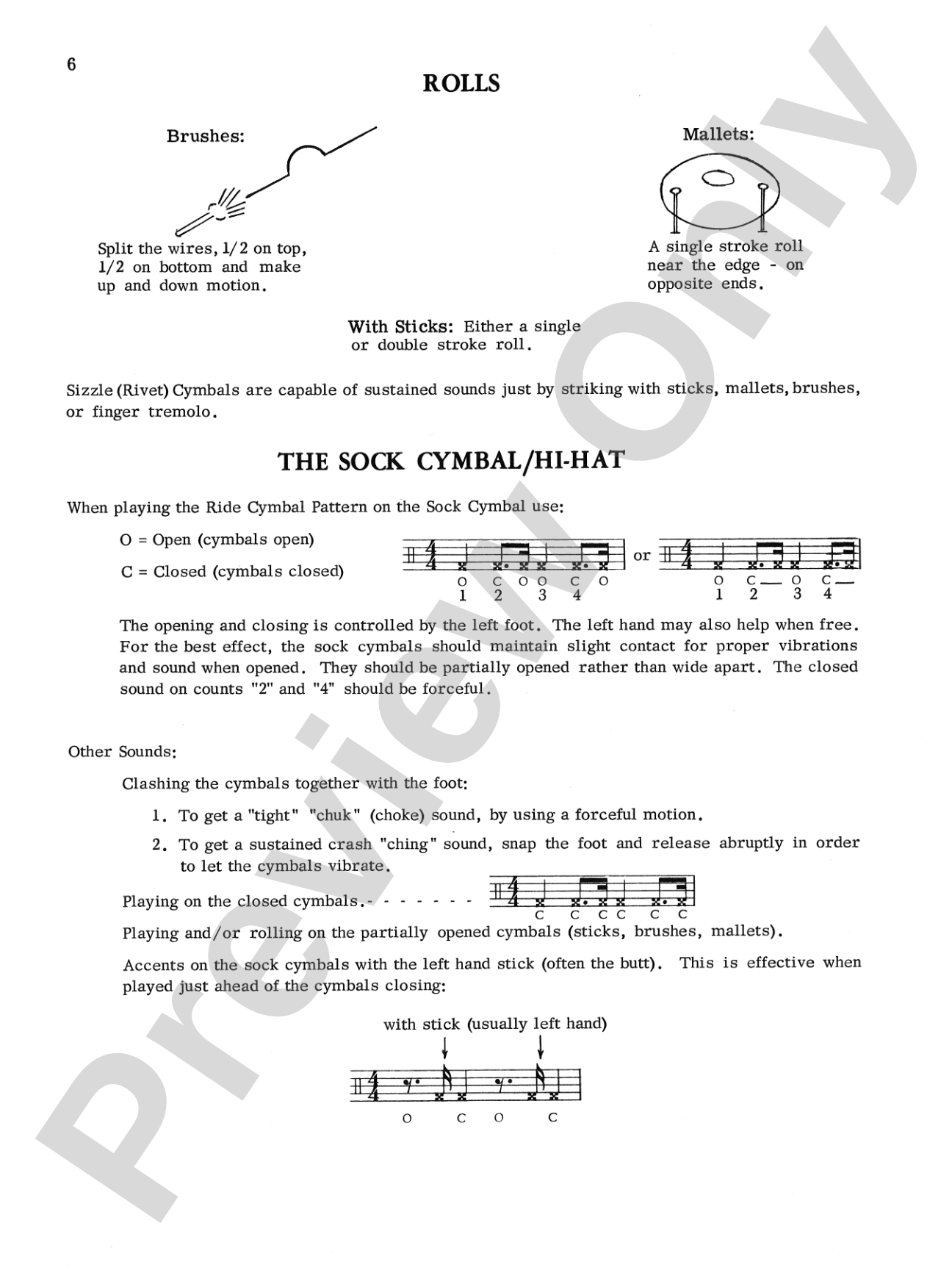
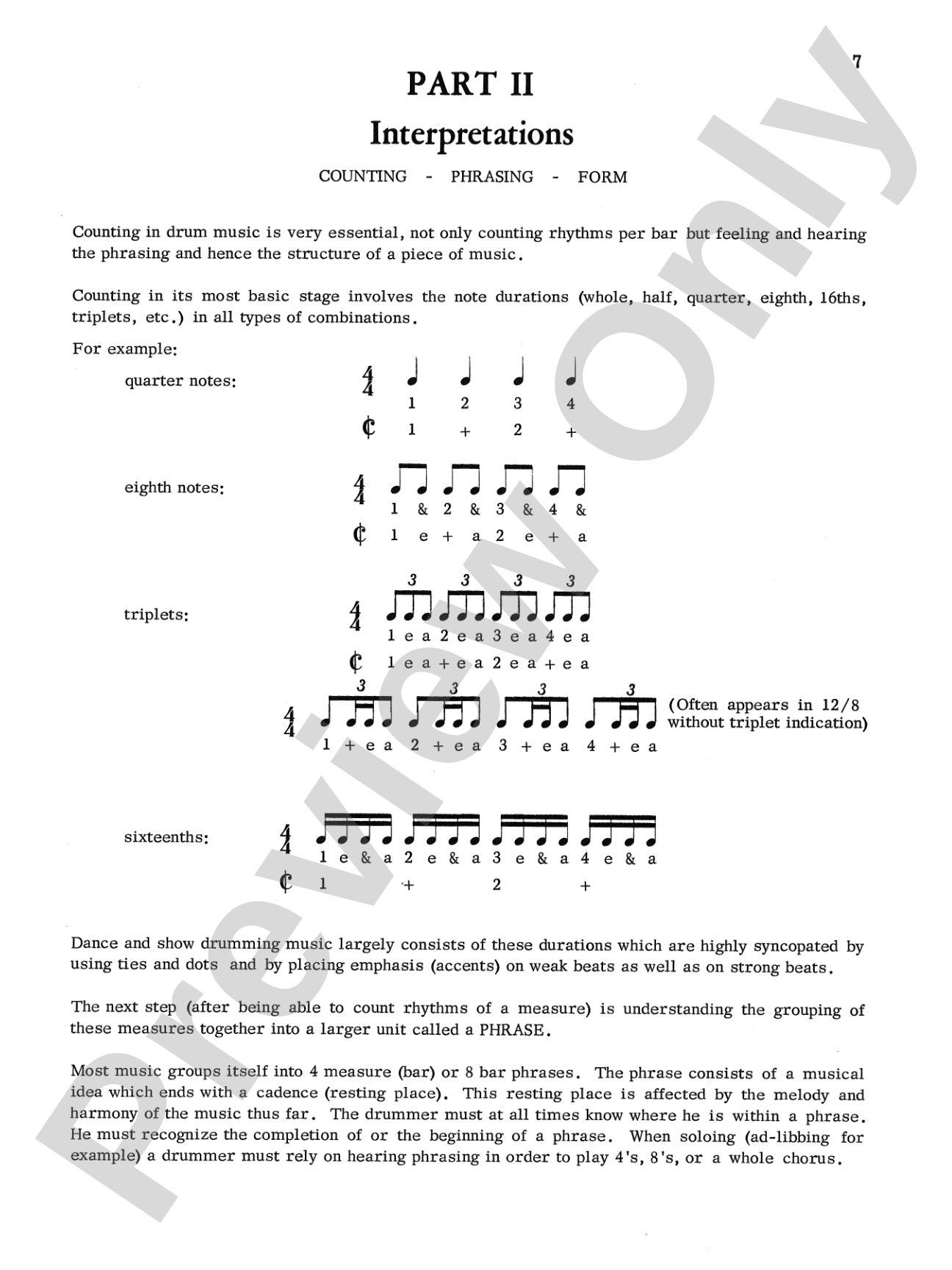
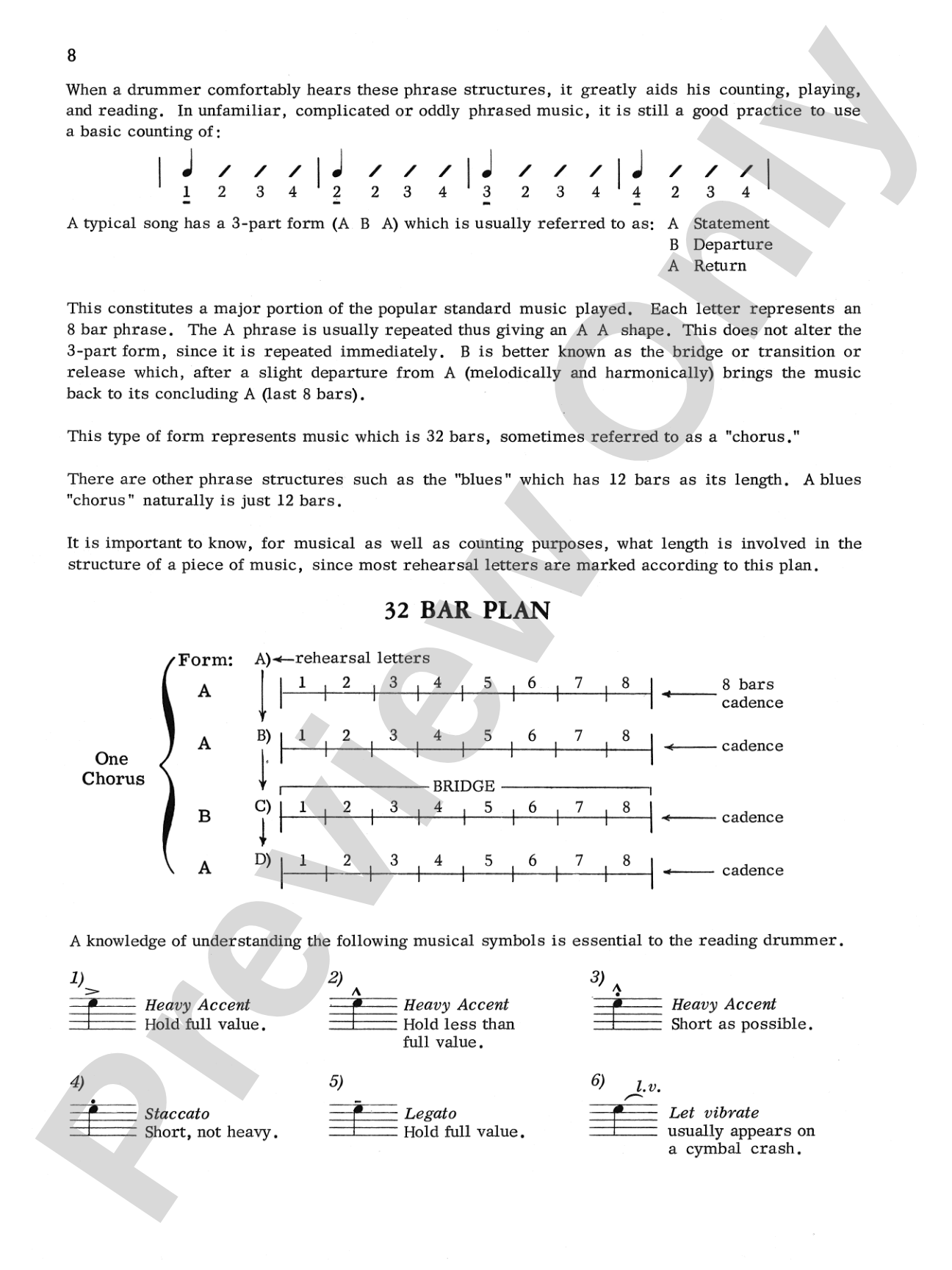
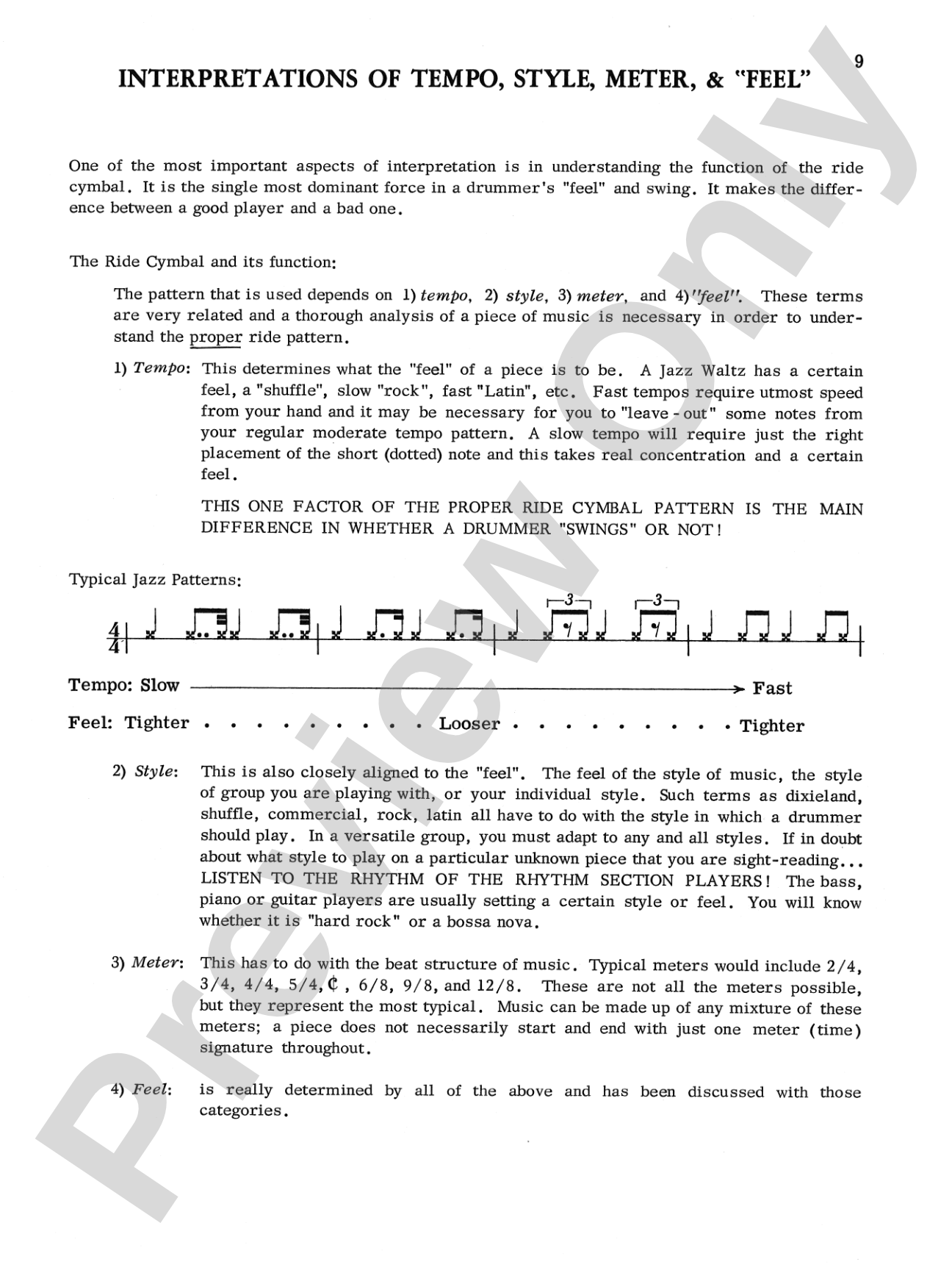
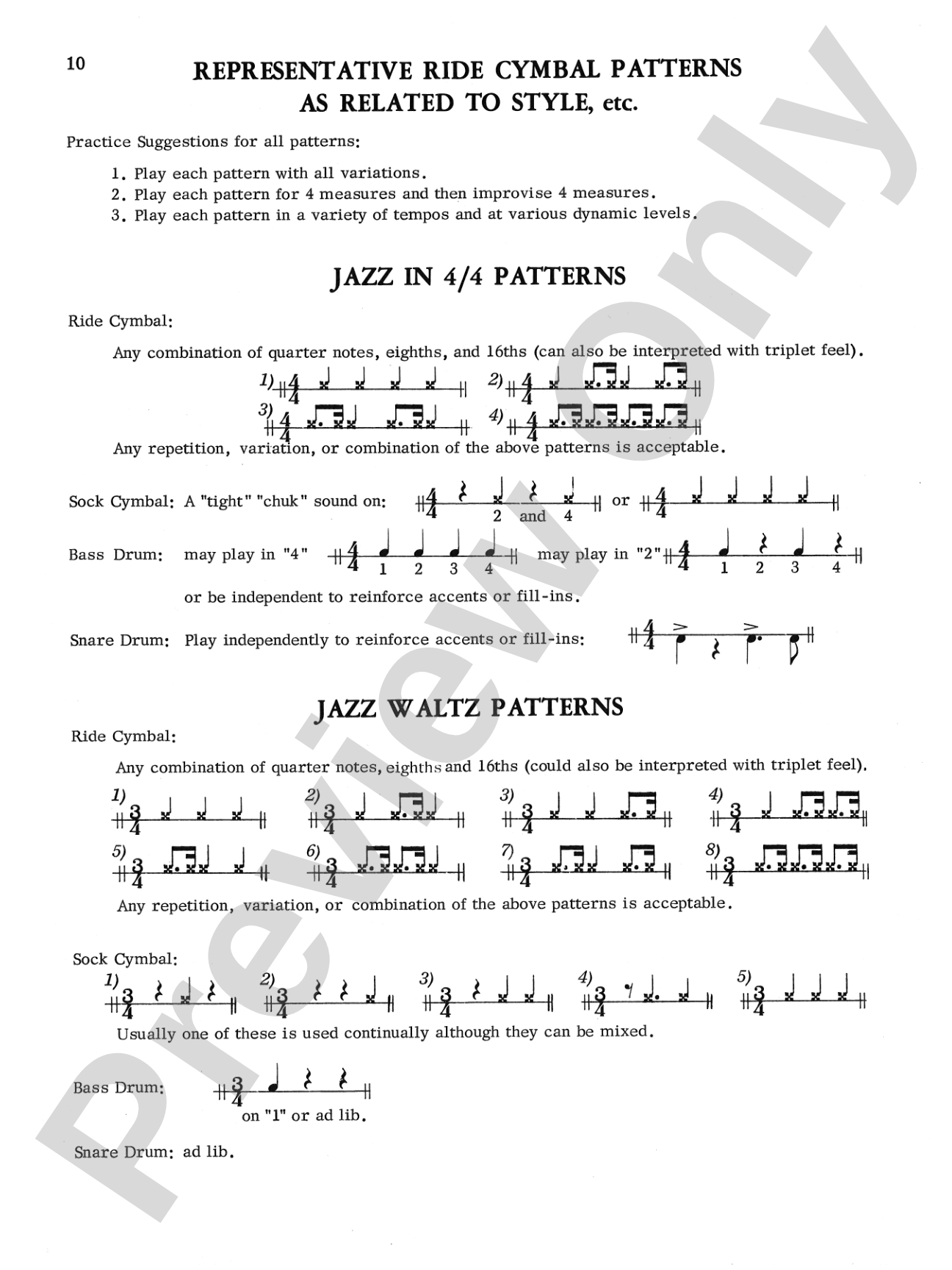
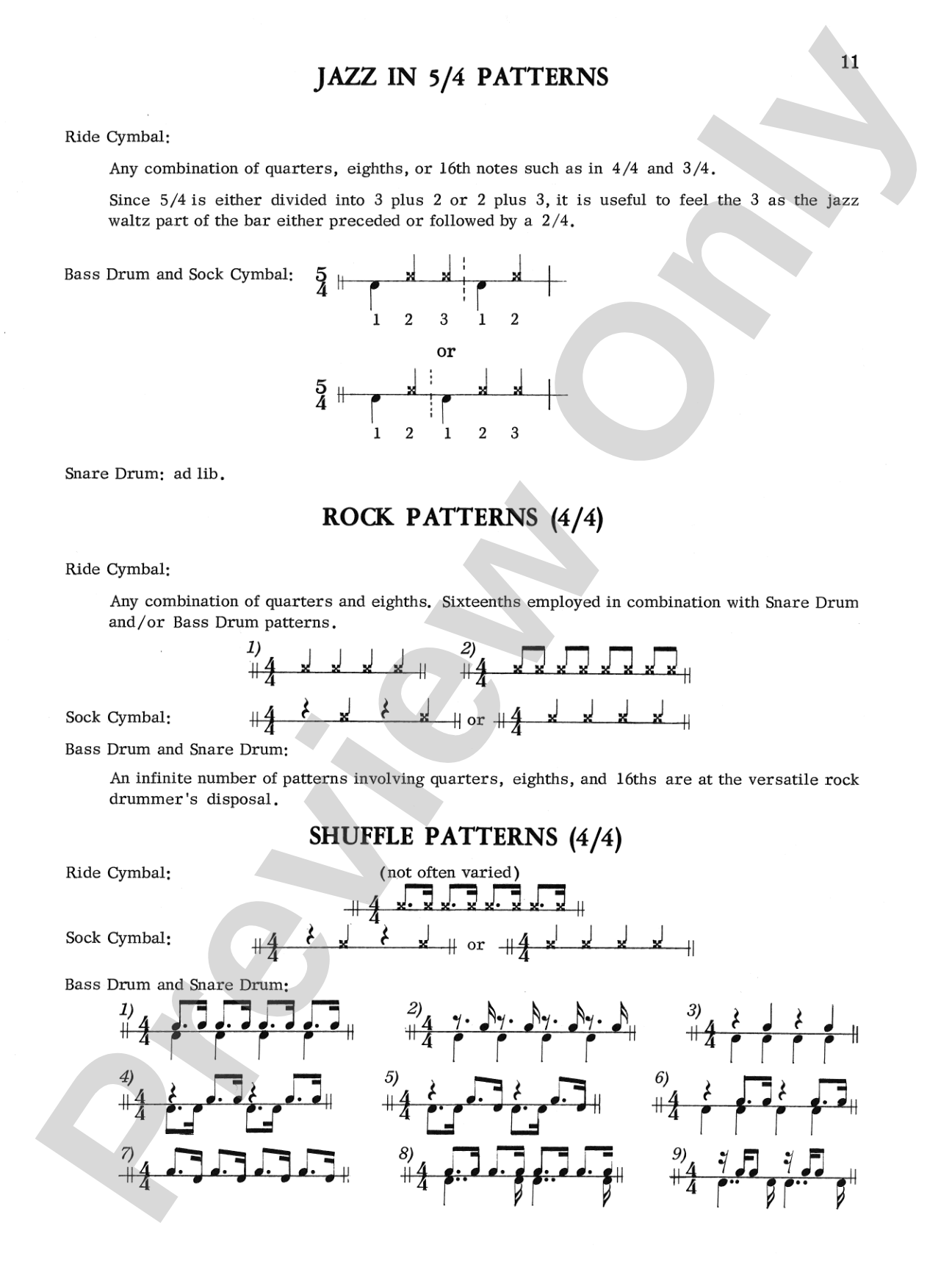
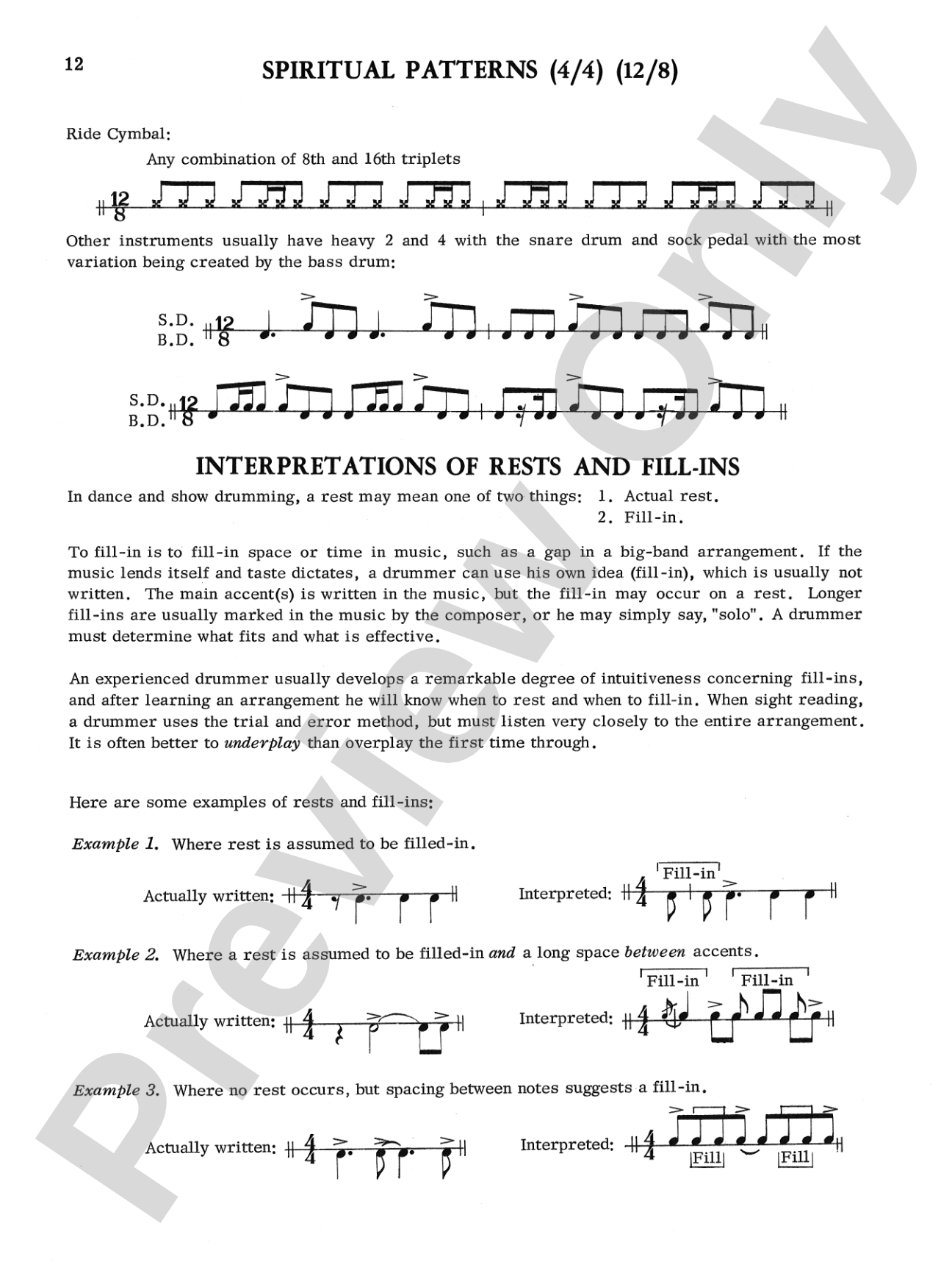
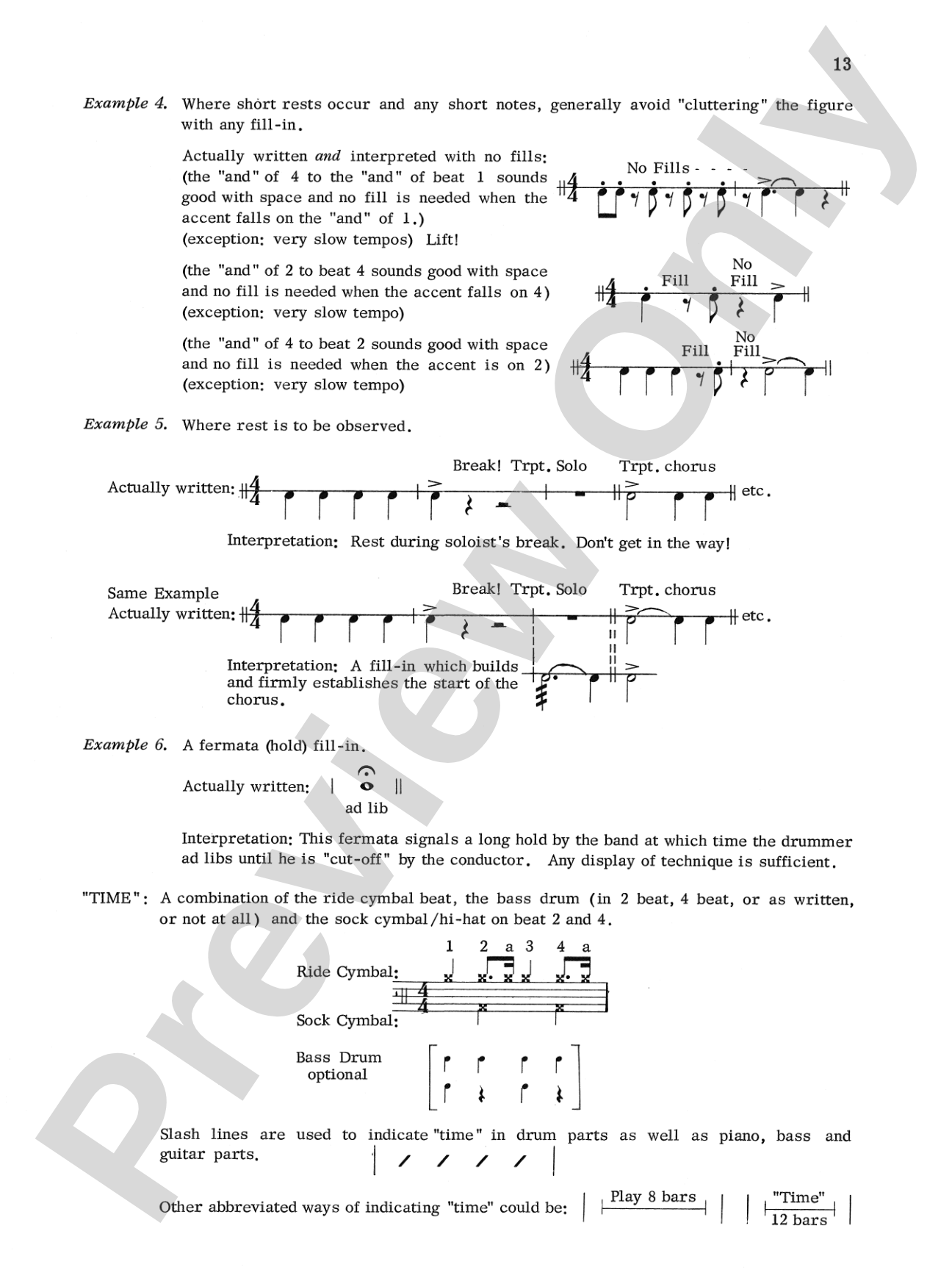
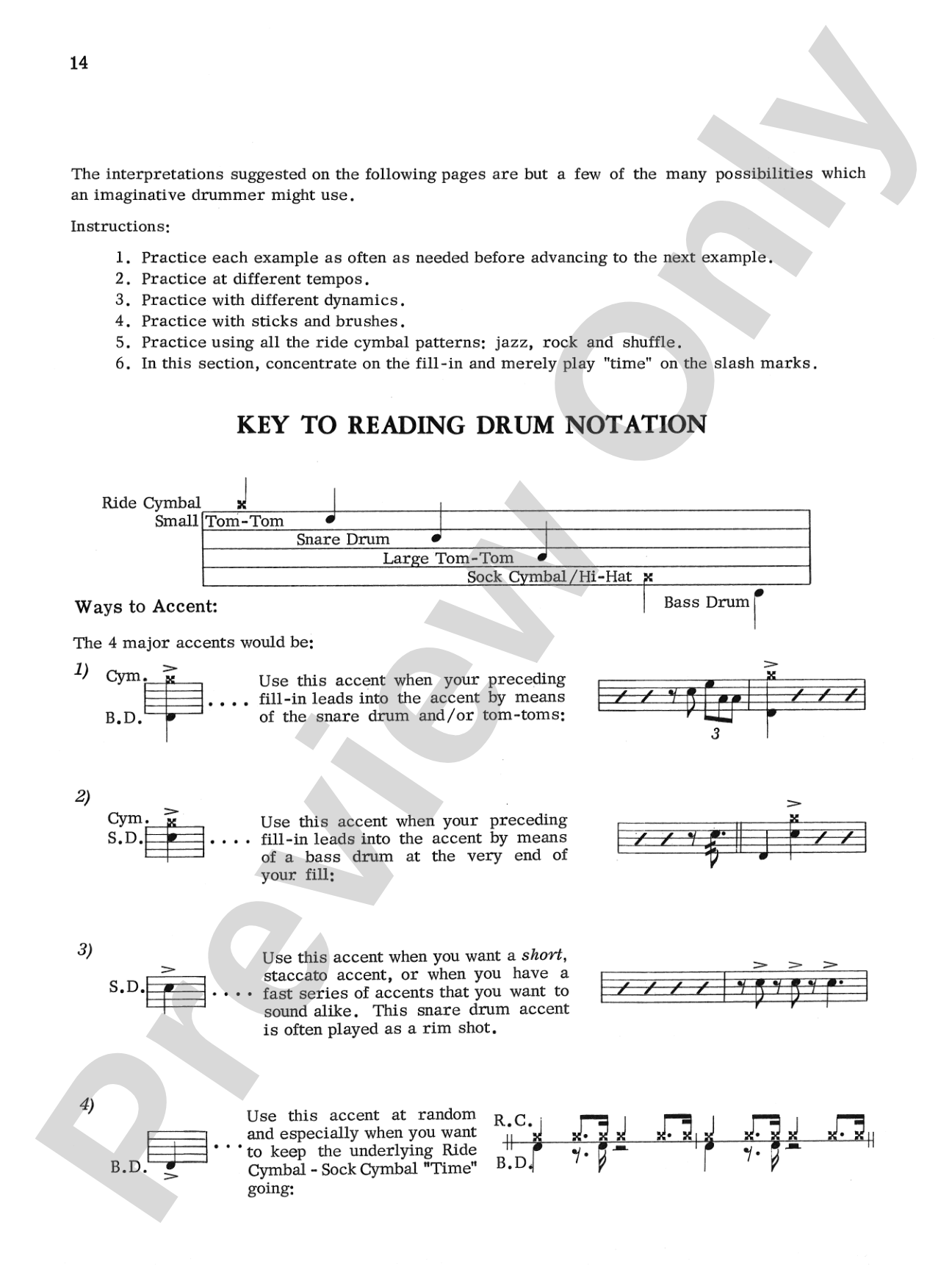
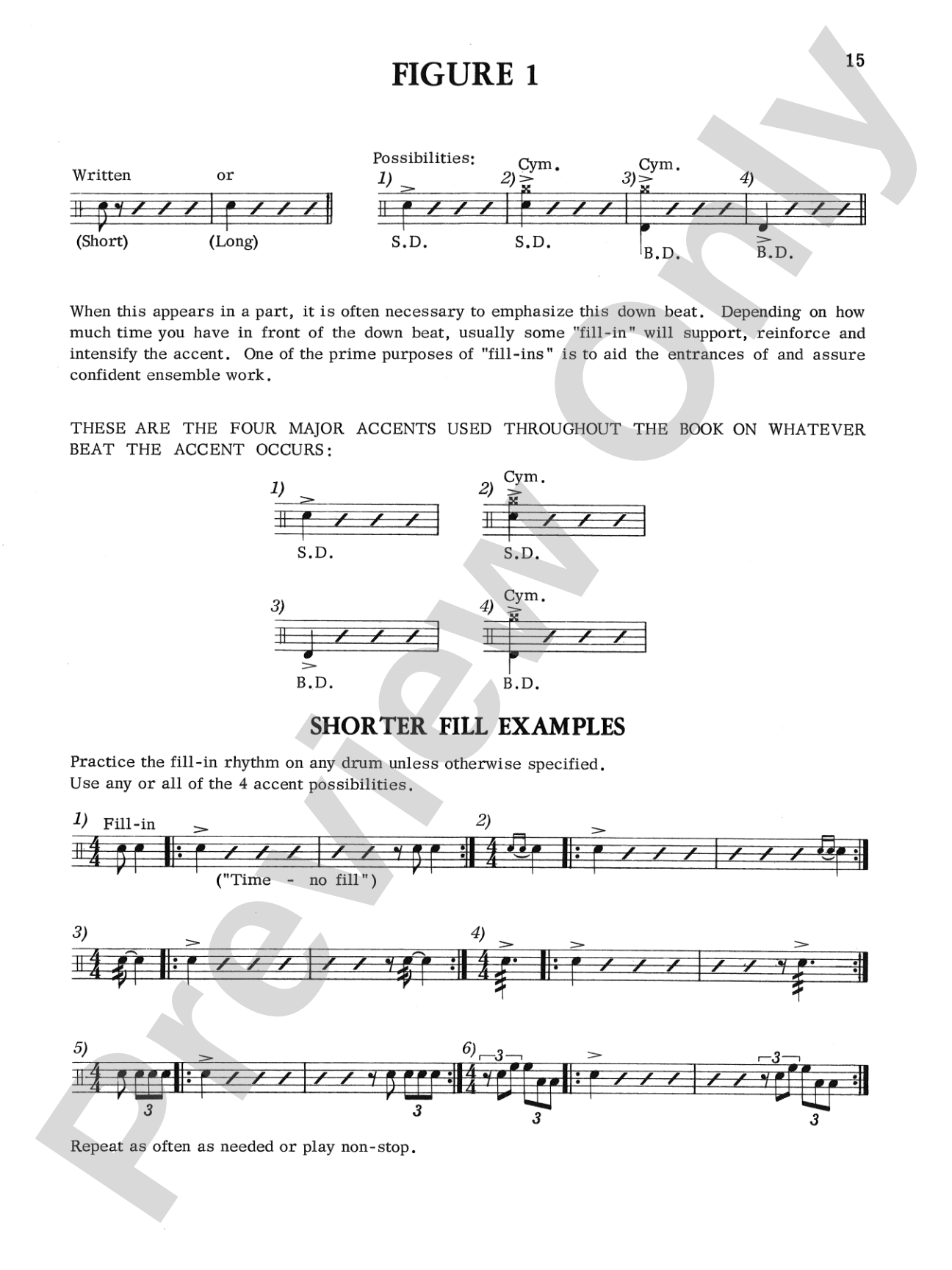
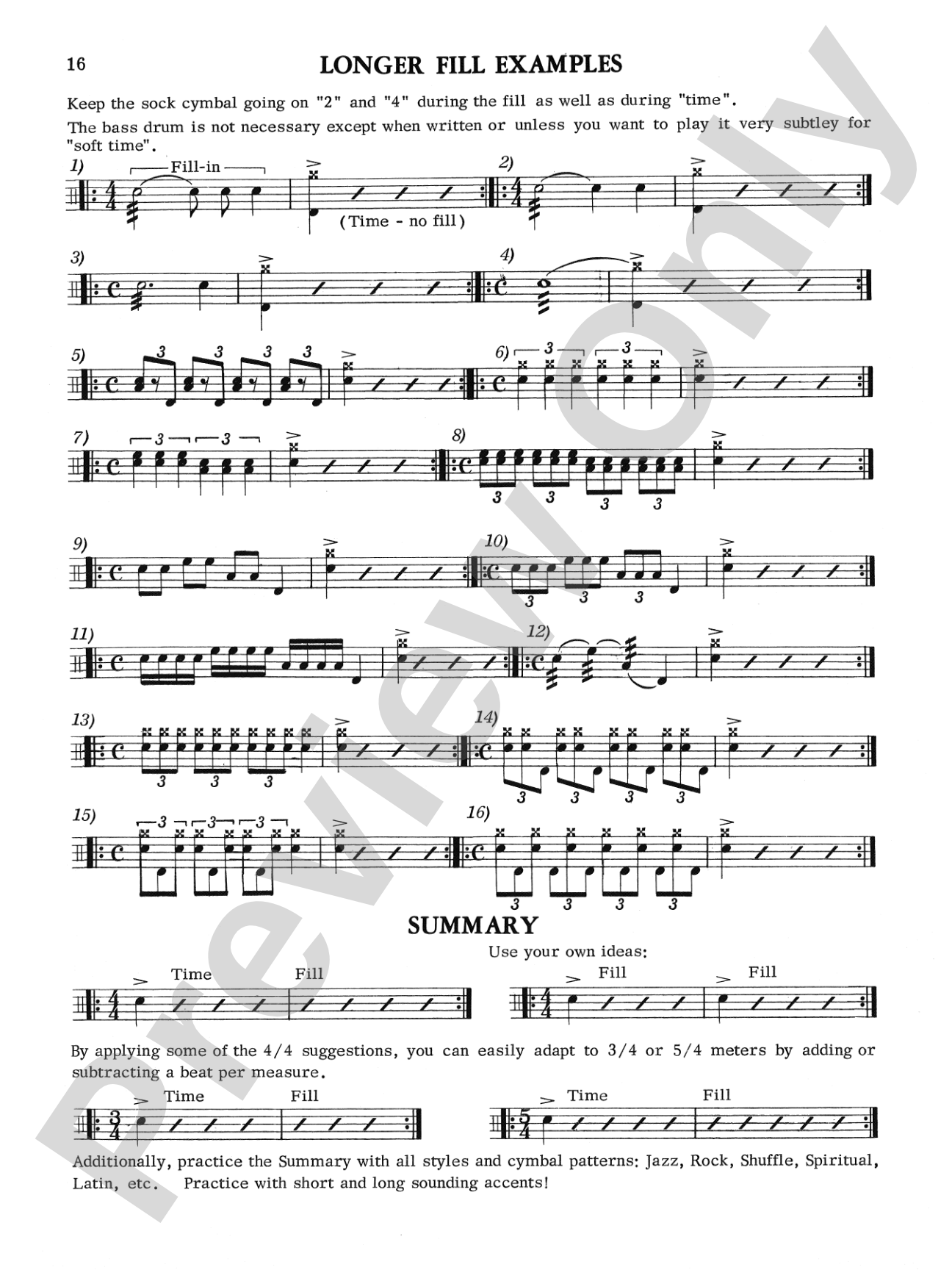
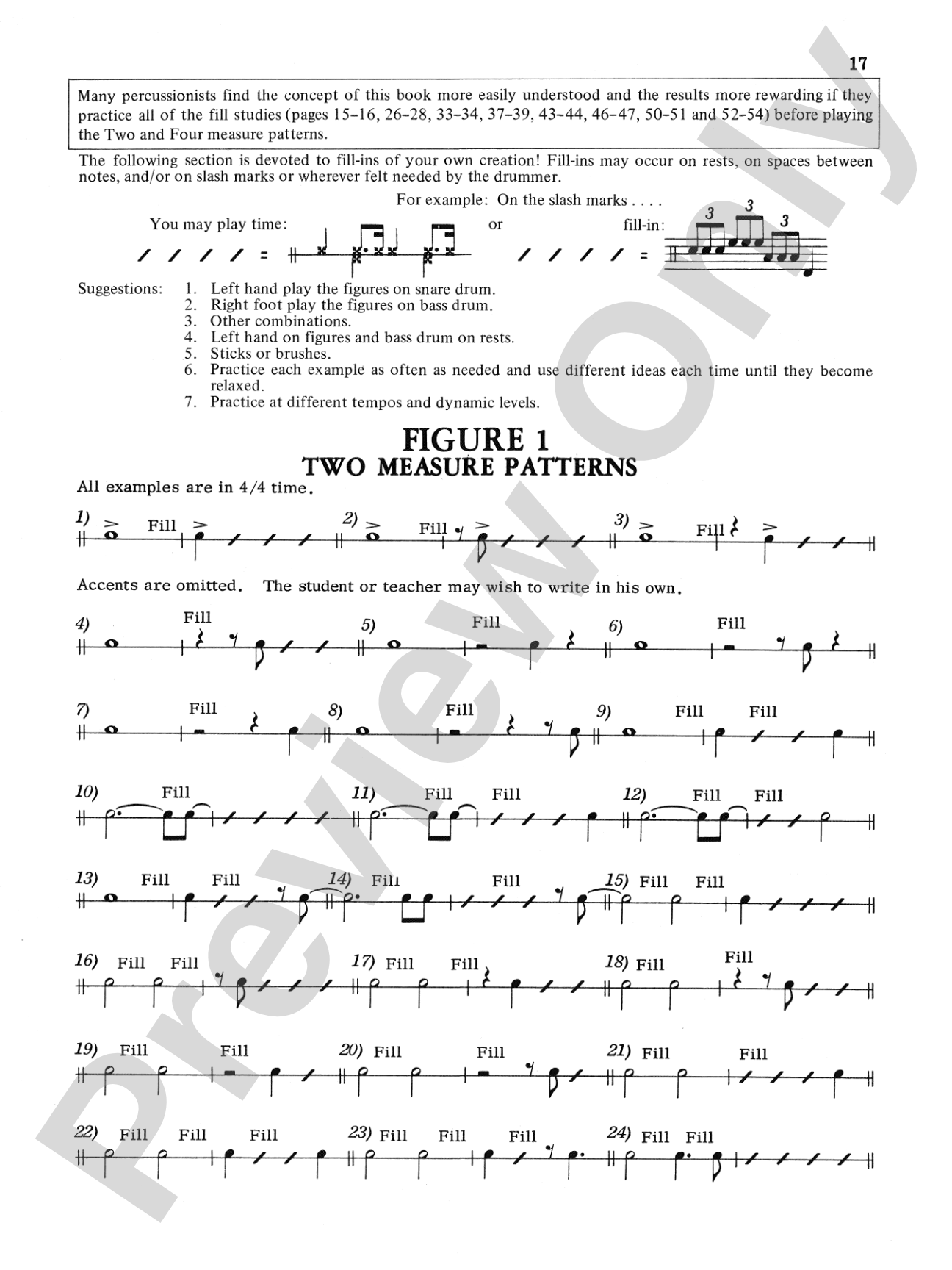
The purpose of this book is to concentrate on two important areas of jazz drumming: Reading and Interpretation. The book suggests ideas for fill-ins and related techniques, but is mainly made up of reading examples, such as a drummer would encounter on a job with a band or combo where reading is required. This material is designed for improvisation and for the development of the following objectives:
* To play steady time.
* To play relaxed at all tempos.
* To play with a swinging concept ("feel").
* To play with good taste when improvising.
* To play and develop greater independence and coordination.
* To develop the art of reading syncopated patterns, thus supplementing snare drum foundation books.


* To play steady time.
* To play relaxed at all tempos.
* To play with a swinging concept ("feel").
* To play with good taste when improvising.
* To play and develop greater independence and coordination.
* To develop the art of reading syncopated patterns, thus supplementing snare drum foundation books.
Drumset Reading: A Practical Method to Develop the Skills Necessary for Reading with Big Bands and Combos isn't in MakeMusic Cloud just yet...but it could be. Let us know you'd like to see it, and you'll help shape what comes next. In the meantime, start a free trial and dive into thousands of interactive titles your students can play along with today.
Request This Title
Tell us you want it.
Start Your Free Trial
Explore everything that's ready to play right now.
Sample Audio
No sample audio found.
Sample Video
No sample videos found.
Additional Details
Publisher:
Alfred Music
Page Count:
80
SKU:
00-PB-0002090
More about this title
About the Composer: Ron Fink
Ron Fink is a drummer and educator who has shaped how jazz musicians approach reading in ensemble settings. His method reflects decades of experience observing what actually happens in rehearsals and on the bandstand, where reading fluency directly impacts a group's ability to swing and communicate musically.
Why we love this
This book strips away the theory and goes straight to the job. Fink understands that big band and combo reading demands a specific mindset: steady timekeeping paired with rhythmic sophistication. The 80 pages of practical reading examples mean your students encounter real syncopated patterns they'll actually face, building the syncopation literacy that most general drumset books skip over.
What to expect
Working through this book feels like sitting in with a seasoned section. The rhythms pull you toward swing naturally because Fink's examples are drawn from actual charts. You'll feel your body settle into relaxation at different tempos as your reading becomes faster than your thinking.
Who it's for
Jazz drummers preparing for big band or combo work, whether that's a school jazz ensemble, community big band, or early gigging situations. This book serves intermediate to advancing drummers who have solid basic technique and are ready to tackle the reading demands of real jazz charts.
How to get the most out of it
- Start each new section at a slow enough tempo that you can voice the comping cleanly and feel the swing rather than just execute the notes. Speed follows security.
- Record yourself reading passages, then listen back specifically for evenness of time. The independence you're building means nothing if the pulse wavers.
- Practice fill-in ideas separately from the reading material, then integrate them thoughtfully into your performance. Taste matters more than flash.
How to use it
Assign this as supplementary material to drummers in your jazz ensemble once they've mastered basic notation and coordination. It pairs well with real big band and combo arrangements you're already rehearsing, giving students a targeted way to strengthen the specific syncopation patterns that appear in your repertoire.
Skills your students will build
- Reading syncopated rhythmic patterns in jazz contexts
- Maintaining steady time while navigating complex rhythms
- Developing swing feel and interpretation over consistent pulse
- Building coordination and independence between hands and feet
- Playing with stylistic awareness and musical taste during improvised fills
- Reading fluency across varying tempos