

Drum Solos and Fill-Ins for the Progressive Drummer, Book 2
By Ted Reed
Item: 00-PB-0002107
$7.99
Pickup currently not available
Related Items
Drum Solos and Fill-Ins for the Progressive Drummer, Book 2: Drumset Book |
$7.99
|
View |
Description
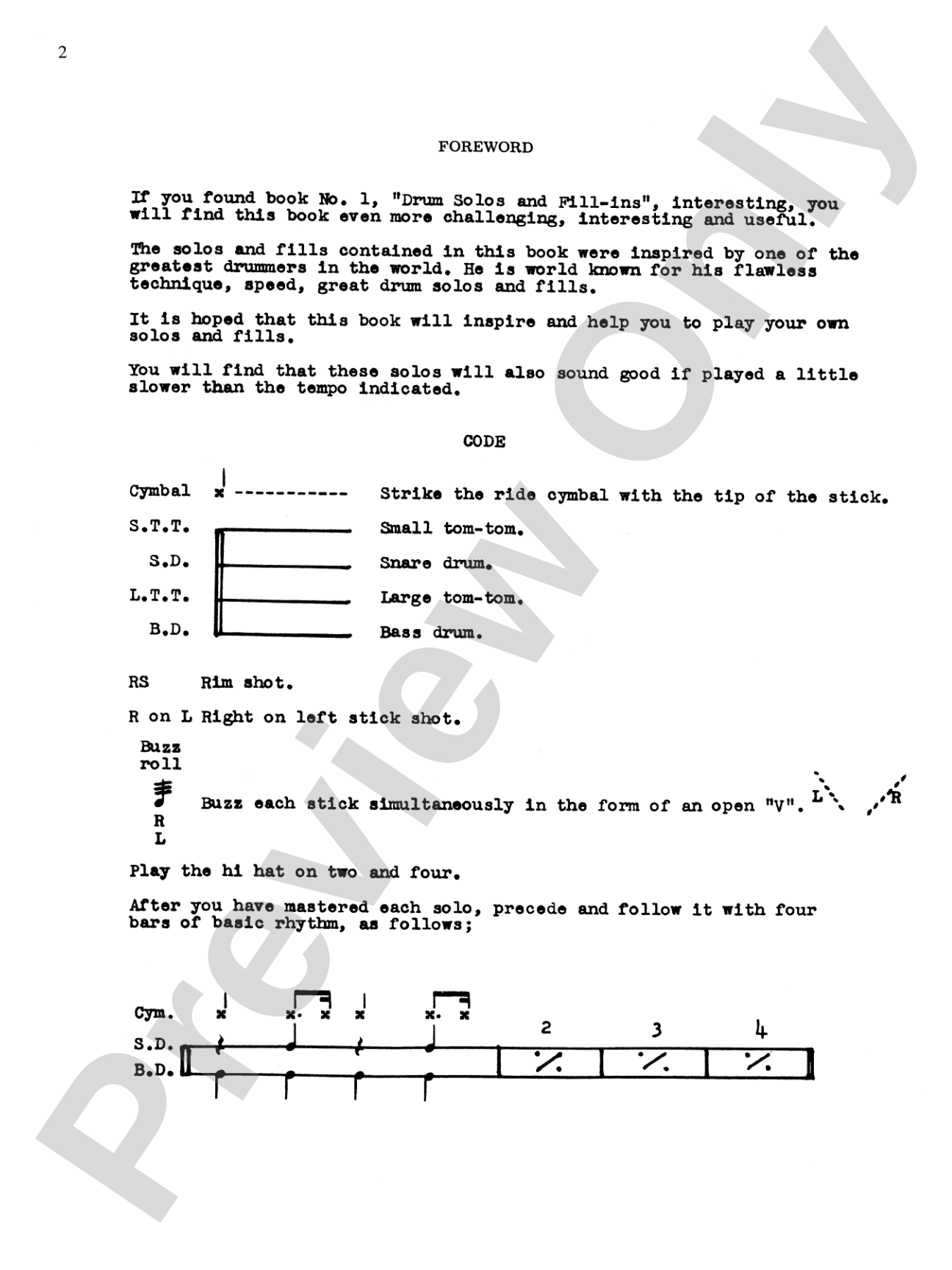
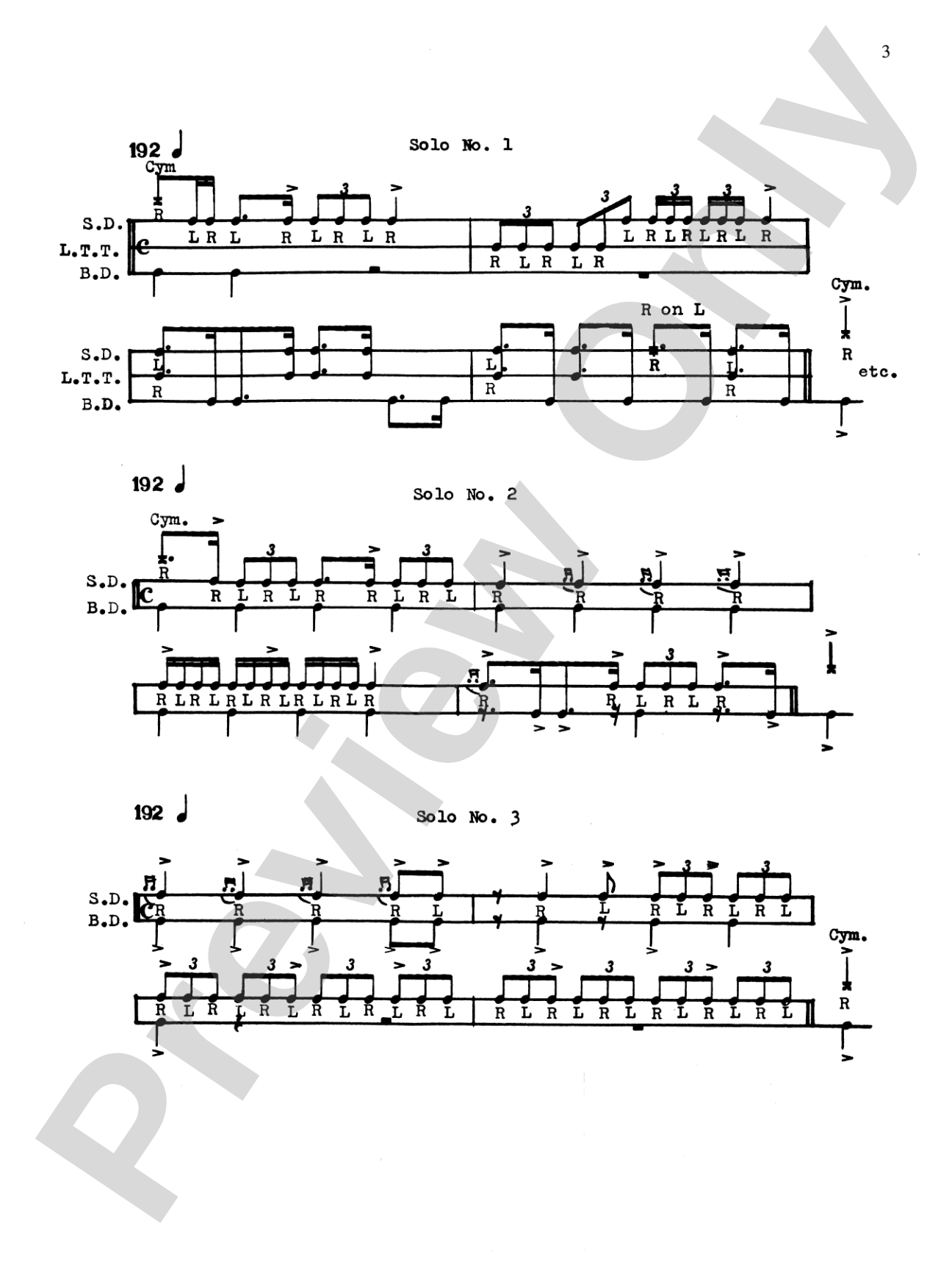
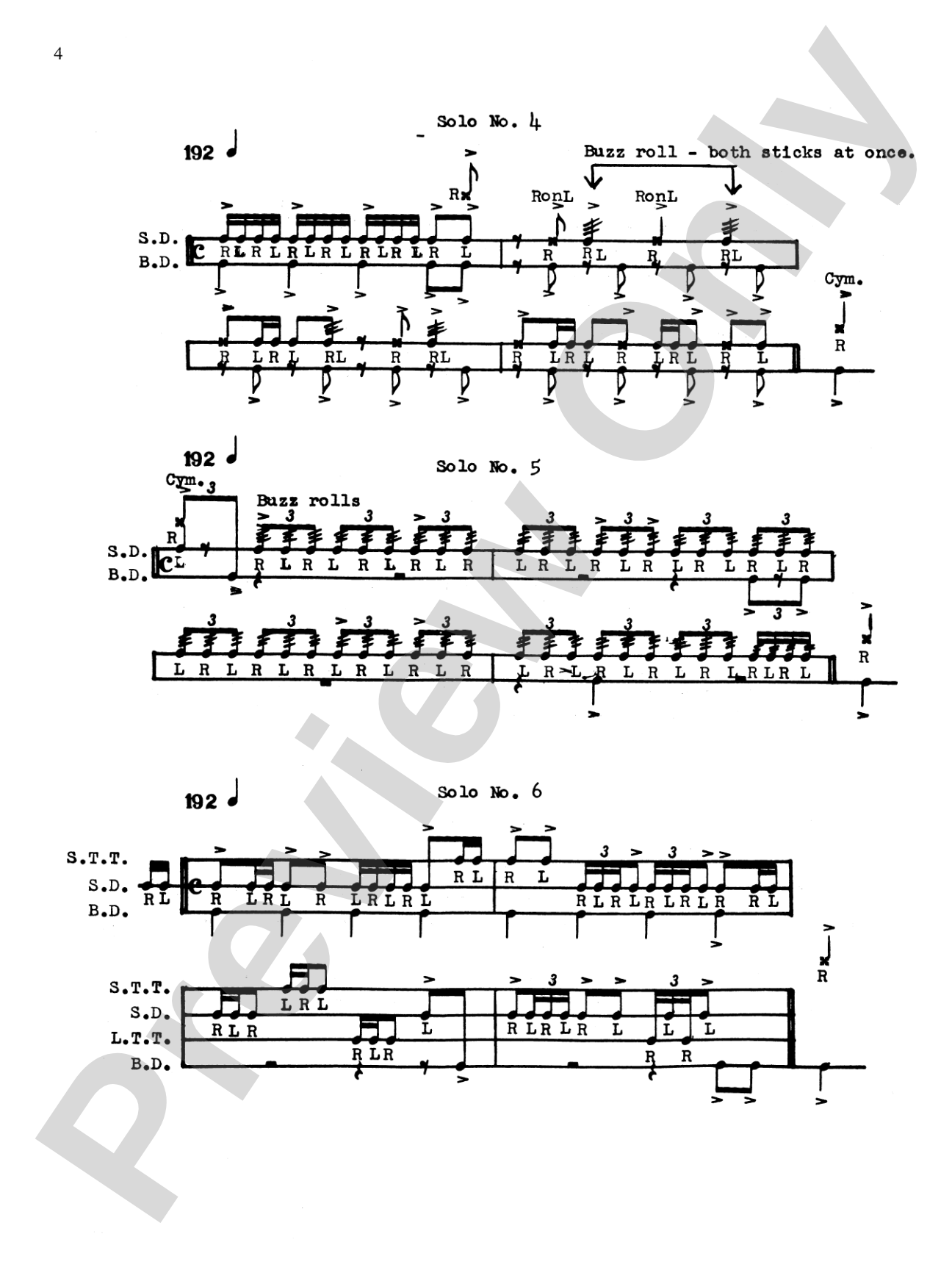
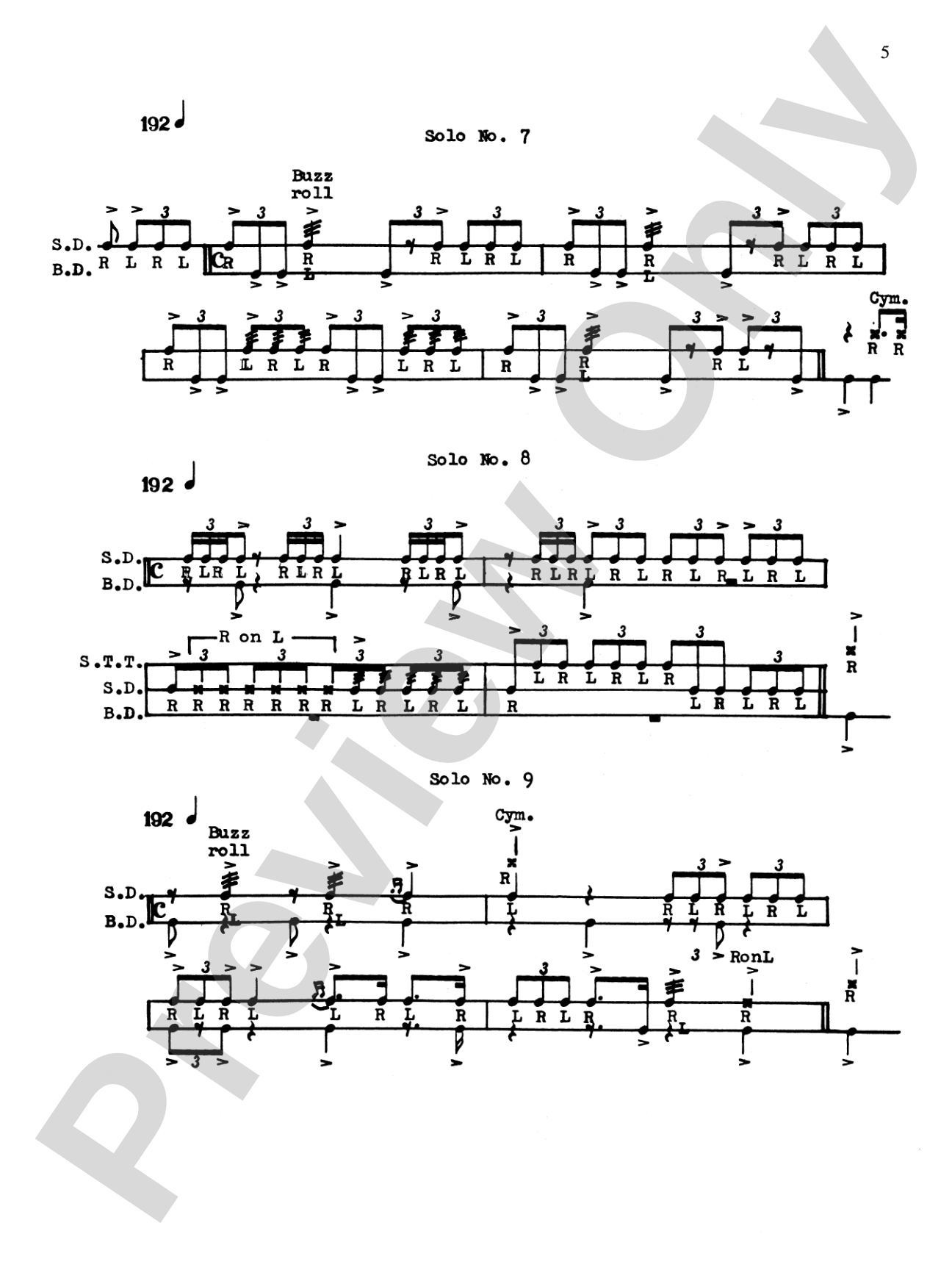
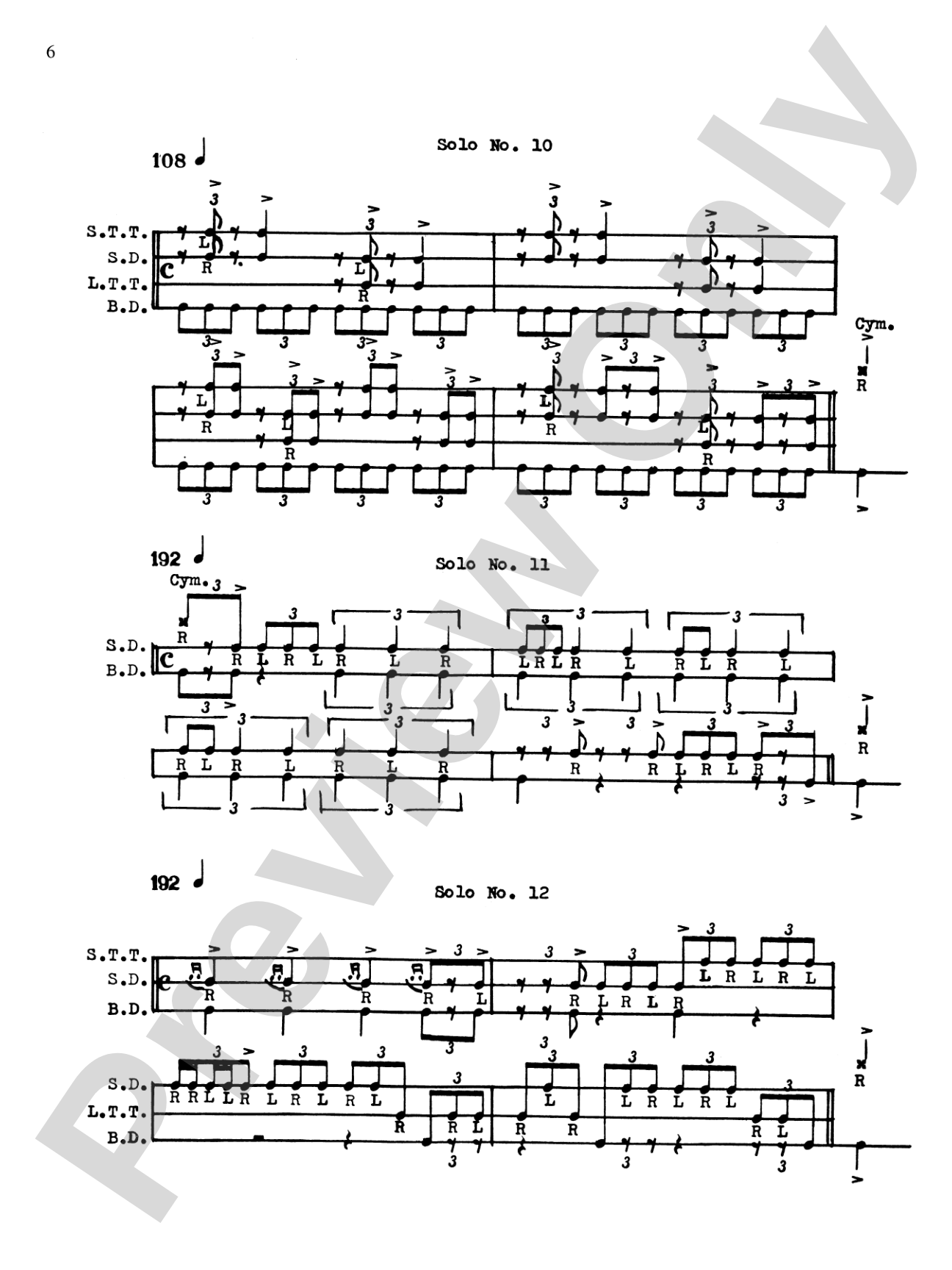
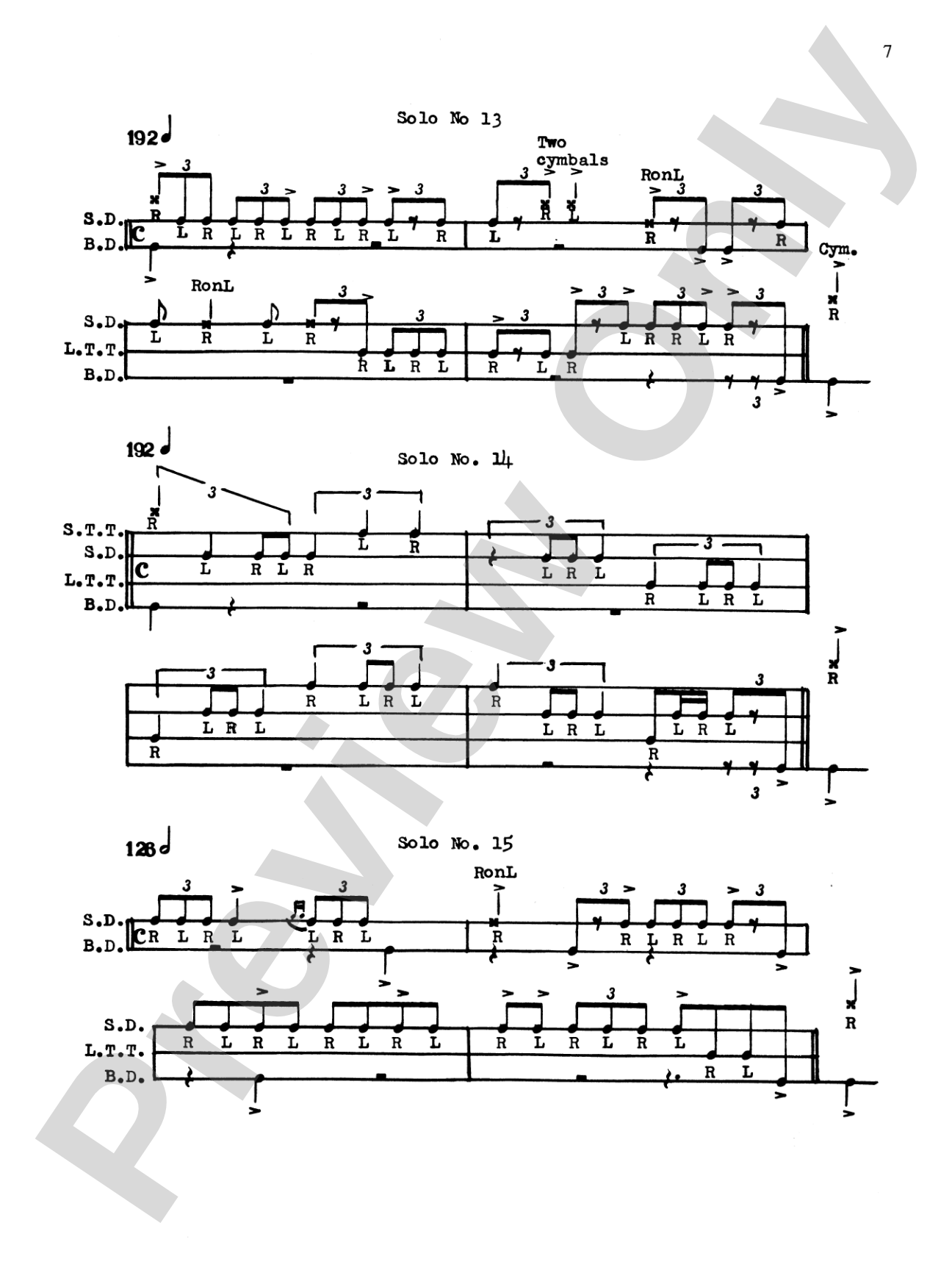
Featuring exercises that can be played in practice and in actual performances, Drum Solos & Fill-ins for the Progressive Drummer contains 4-, 8-, and 16-bar solos plus fill-ins from several top drummers. This book is designed specifically to help the beginning drum student develop individual technique and musical ability. Special emphasis is placed on introducing students to 4-bar solos to improve drum solo skills. It also includes 13 pages of fill-ins. More challenging than Book 1, Book 2 features solos and fills inspired by one of the world's greatest drummers---Buddy Rich.


Drum Solos and Fill-Ins for the Progressive Drummer, Book 2 isn't in MakeMusic Cloud just yet...but it could be. Let us know you'd like to see it, and you'll help shape what comes next. In the meantime, start a free trial and dive into thousands of interactive titles your students can play along with today.
Request This Title
Tell us you want it.
Start Your Free Trial
Explore everything that's ready to play right now.
Sample Audio
No sample audio found.
Sample Video
No sample videos found.
Additional Details
Series:
Ted Reed Publications
Publisher:
Alfred Music
Page Count:
32
SKU:
00-PB-0002107
More about this title
About the Composer: Ted Reed
Ted Reed stands as one of the most influential percussion pedagogues in American music education. His method books and solo collections have shaped generations of drummers, from high school students building fundamental technique to professionals refining their craft. Reed's systematic approach to drum instruction balances accessibility with musical sophistication, grounding every exercise in practical application rather than abstract technique.
Reed's lasting impact comes from his deep understanding of what drummers actually need to play in ensembles and on their own. His materials emphasize listening, phrasing, and musicality alongside mechanical development. The Drum Solos and Fill-Ins series remains a cornerstone resource because it treats student drummers as musicians first, not merely as timekeepers learning patterns.
Why we love this
This book bridges the gap between mechanical practice and real musical participation. By grounding solos and fills in styles inspired by a towering figure like Buddy Rich, Reed gives students something concrete to reach toward while they're still building basic independence and control. The progression from 4-bar to 16-bar solos matches how young drummers actually develop confidence in performance settings.
What to expect
These solos spark something different from grinding through technique books. They feel musical from the start because they're designed with performance in mind, yet they're honest about the work required to execute them cleanly. There's genuine satisfaction in nailing a 16-bar solo that actually sounds like drumming rather than just exercises strung together.
Who it's for
Drummers who've completed Book 1 and are ready to tackle longer solos and more sophisticated rhythmic ideas. This book serves intermediate students who can handle basic hand and foot coordination and want practical material for rehearsal and performance.
How to get the most out of it
- Record yourself playing these solos at slow tempos, then gradually increase speed. Playback reveals details about timing and dynamics that you miss in real time and keeps improvement honest.
- Choose solos that sit slightly outside your comfort zone rather than gravitating toward the easiest ones. Growth happens when you're reaching.
- Study how the fills work within a song structure. Play a chorus of a tune you know, drop in one of these fills at the end, then continue with another chorus. This teaches phrasing beyond the fill itself.
- Adapt the stickings and rudiments to match your own sound and style. These patterns are starting points, not rules carved in stone.
How to use it
Use these solos as capstone pieces in jazz ensemble concerts or pep band showcases where drummers can step into the spotlight. They also work beautifully as warm-up material at the start of rehearsals, giving your rhythm section something engaging to work on while other sections are tuning. For percussion students working toward auditions, these solos provide material that demonstrates serious technical development and musicality.
Skills your students will build
- Constructing and executing solos of increasing length (4-bar, 8-bar, 16-bar structures)
- Developing fill-in patterns that connect musical phrases without losing time
- Building independence between hands and feet across varied sticking patterns
- Recognizing and applying rudimentary principles within musical contexts
- Phrasing and dynamics in extended solo passages
- Adapting written material to personal technique and musical interpretation