
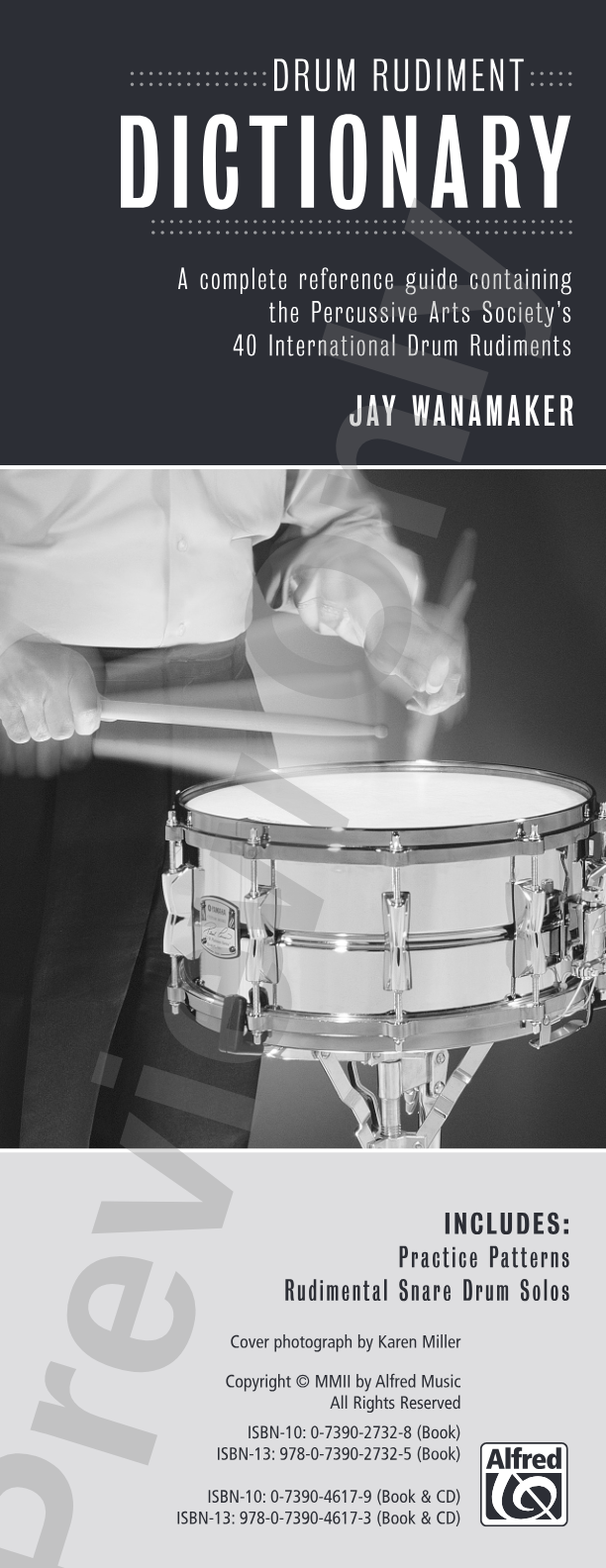

Drum Rudiment Dictionary: A Complete Reference Guide Containing the Percussive Arts Society's 40 International Drum Rudiments
A Complete Reference Guide Containing the Percussive Arts Society's 40 International Drum Rudiments
By Jay Wanamaker
Item: 00-PB-0002144
$6.99
Pickup currently not available
Description
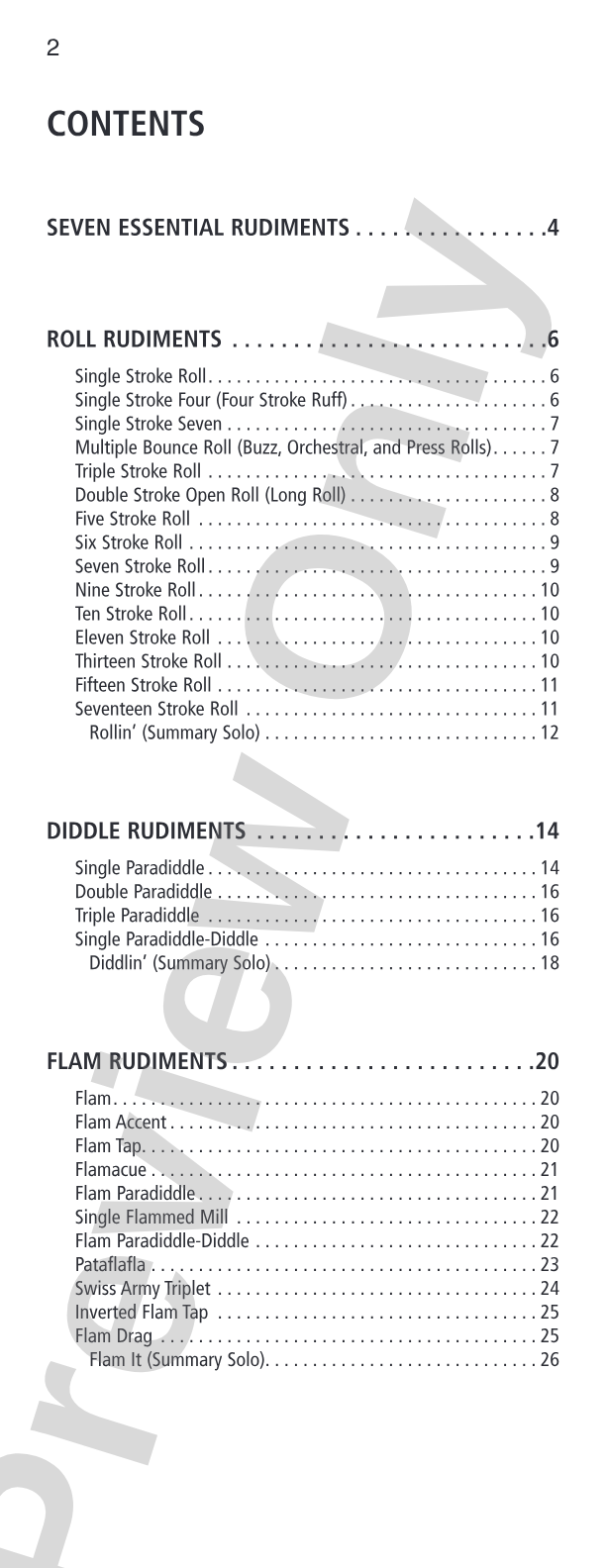
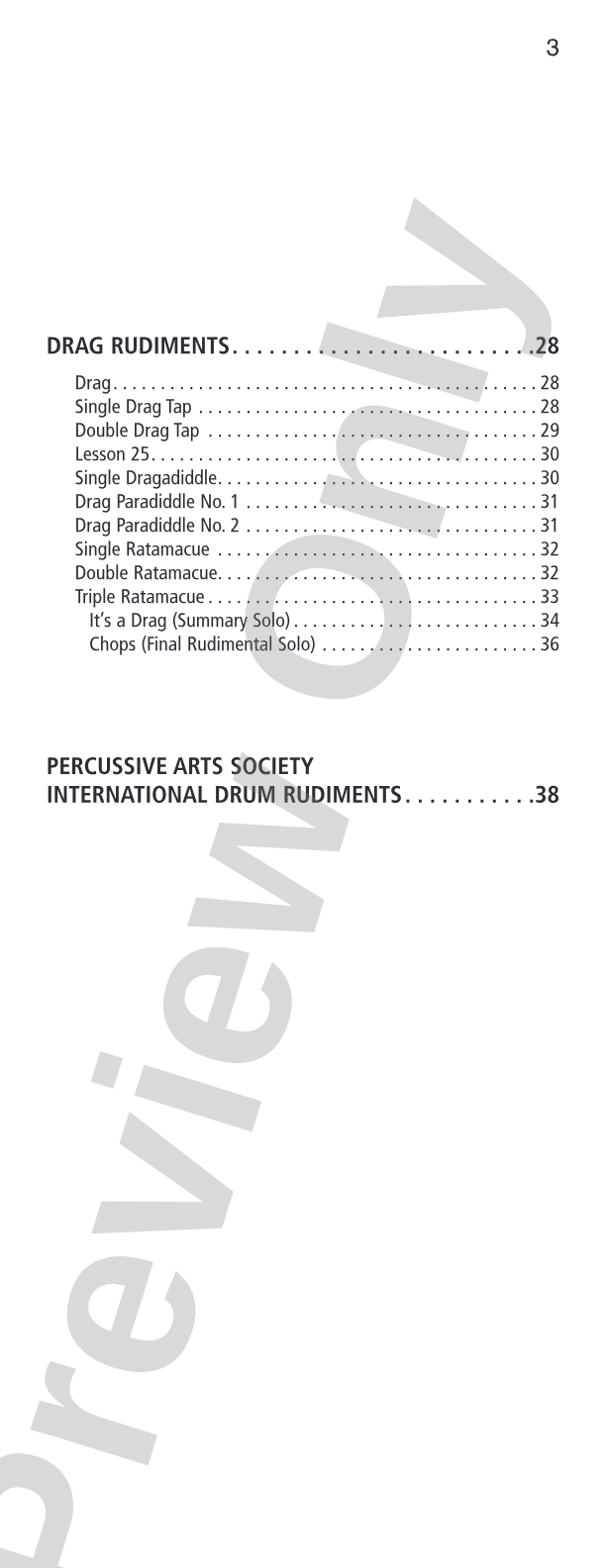
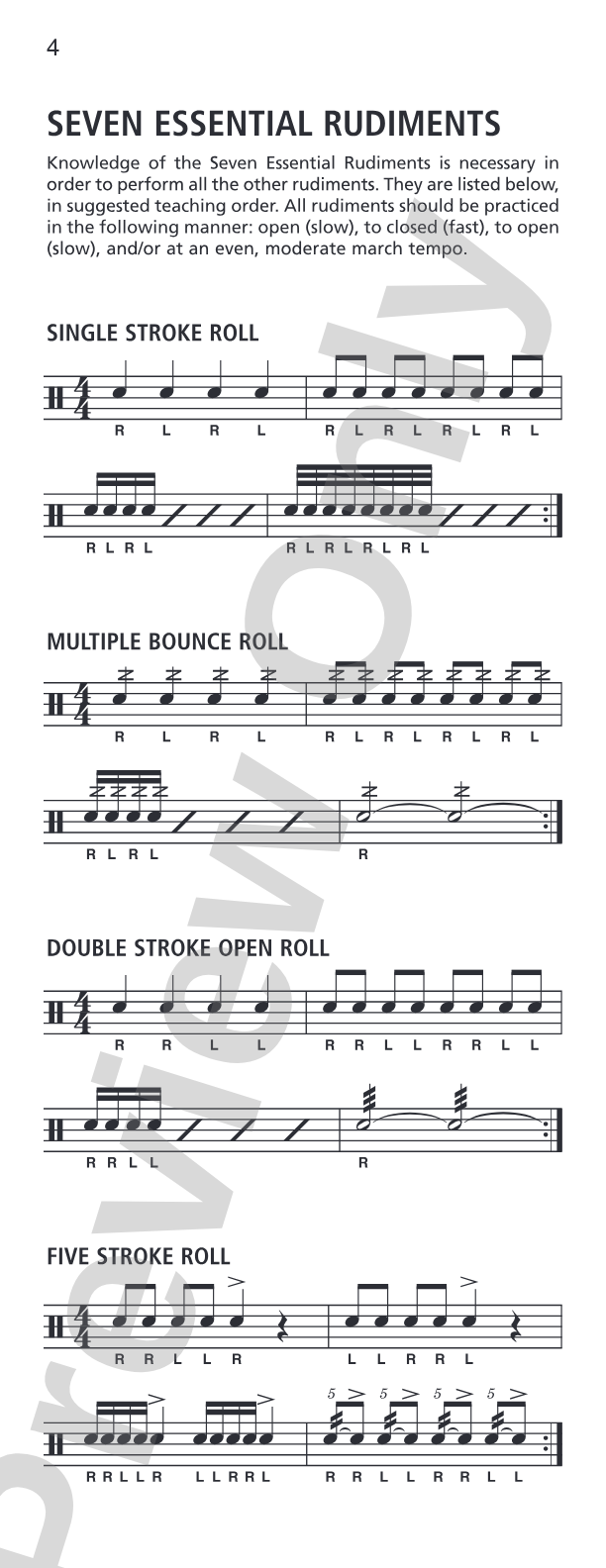
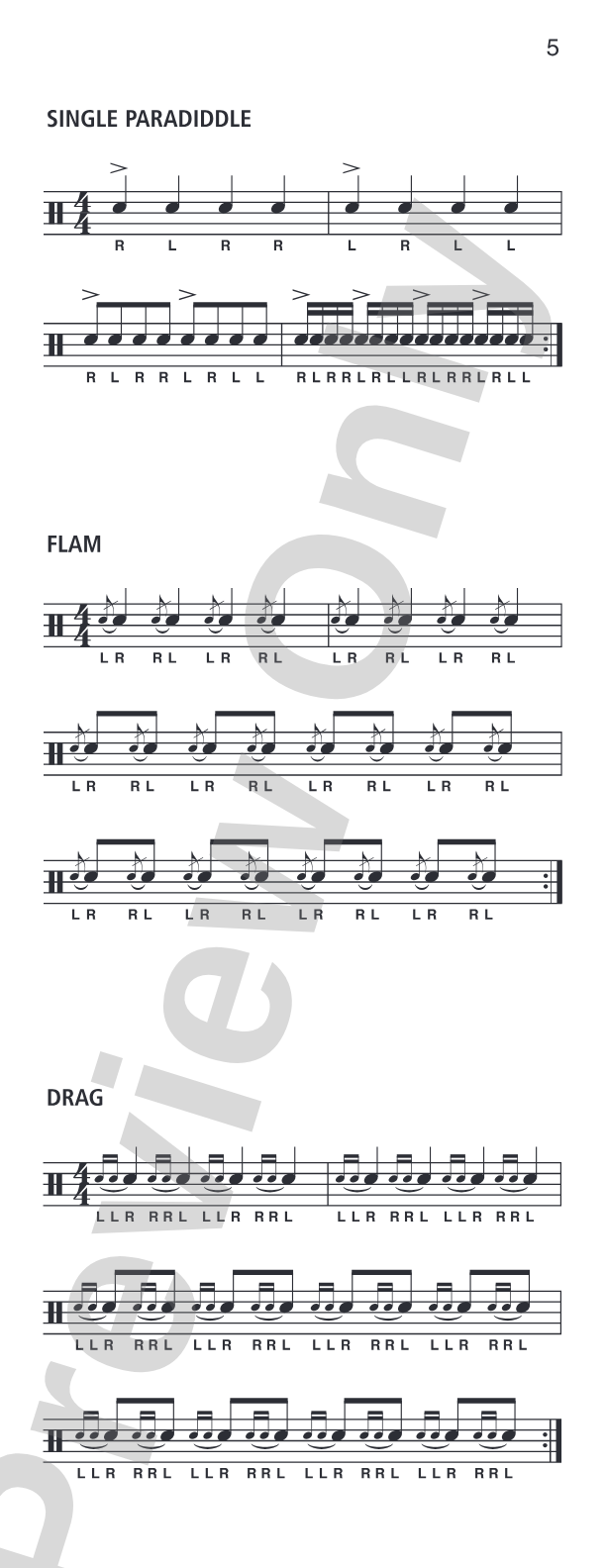
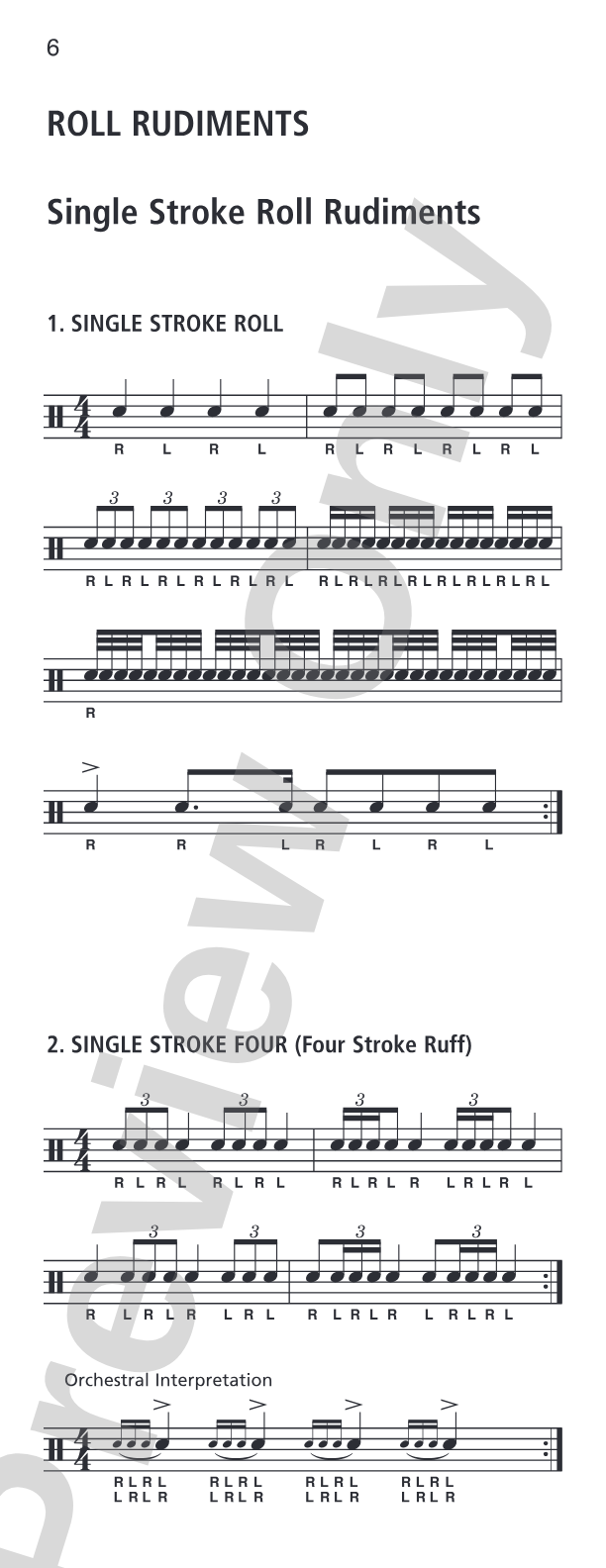
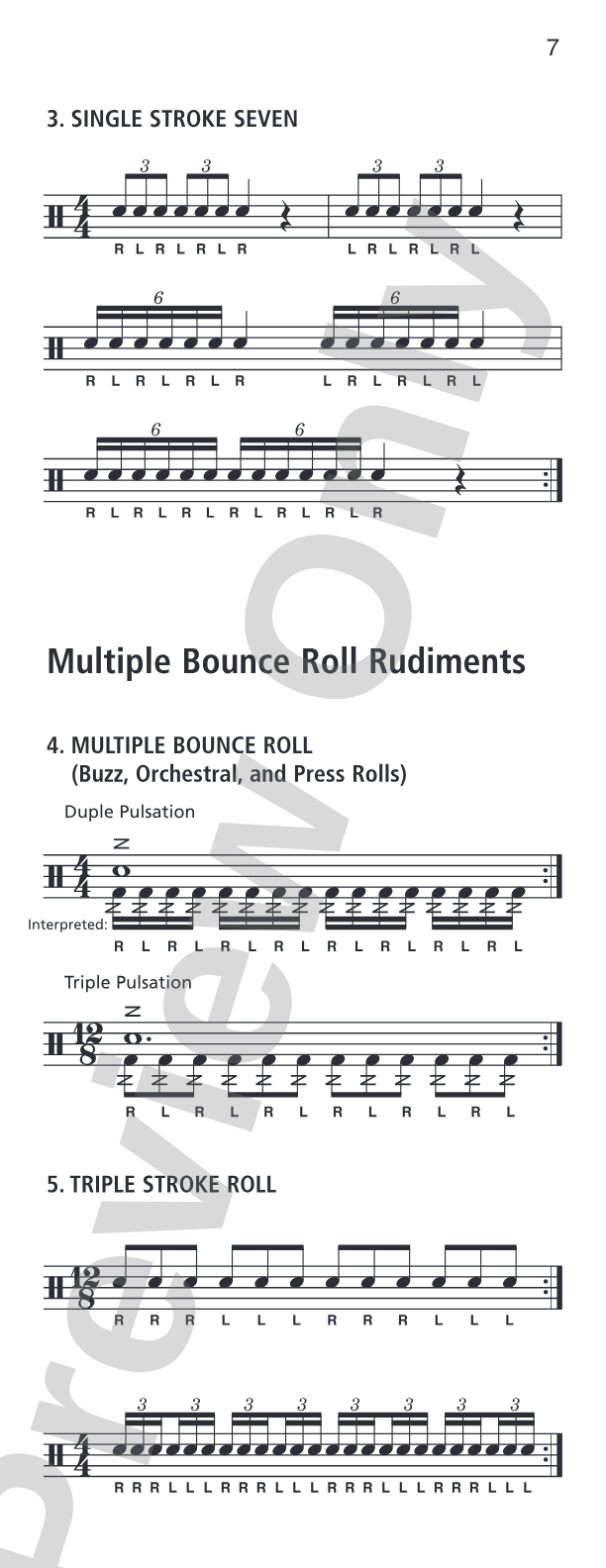
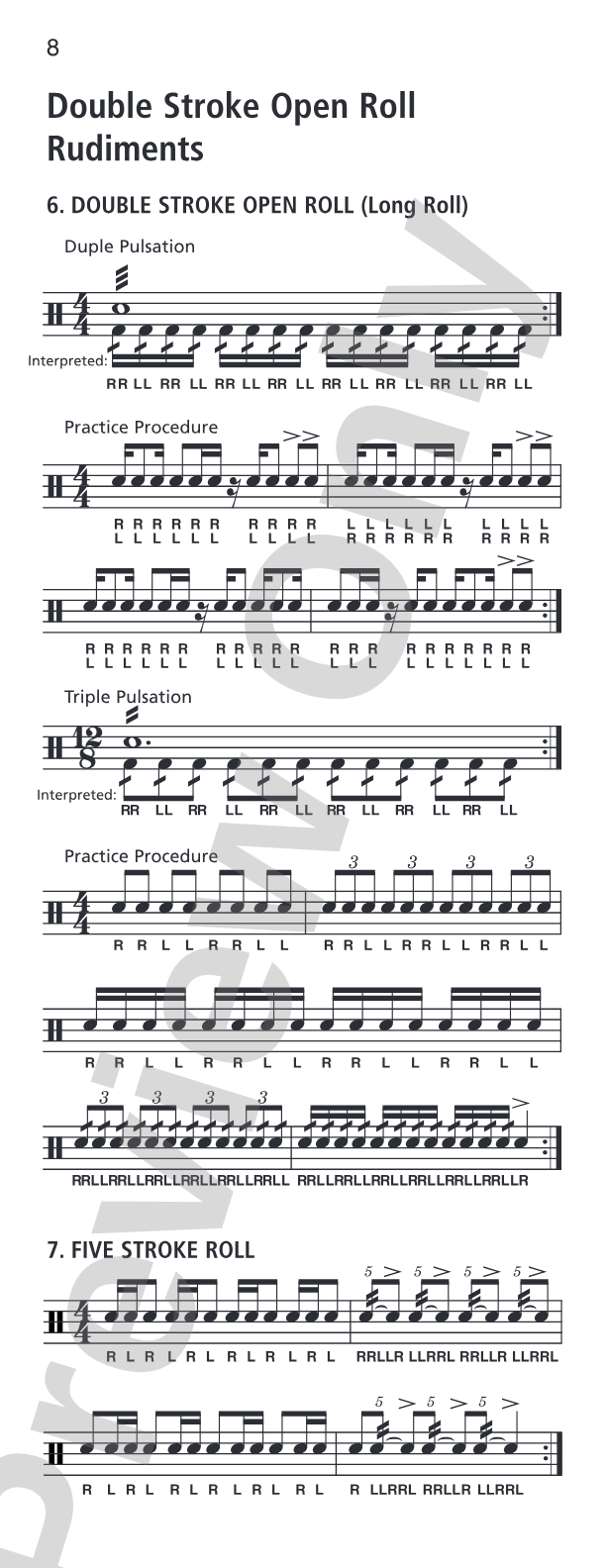
This guide, containing the Percussive Arts Society's 40 International Drum Rudiments, begins by addressing the seven essential rudiments necessary to perform all the other rudiments, and continues by covering roll, diddle, flam and drag rudiment categories with variations of each. Also included are practice patterns and rudimental snare drum solos.


Discover MakeMusic Cloud: thousands of interactive titles your students can play along with today.
Sample Audio
No sample audio found.
Sample Video
No sample videos found.
Additional Details
Publisher:
Alfred Music
Page Count:
40
SKU:
00-PB-0002144
More about this title
About the Composer: Jay Wanamaker

Jay Wanamaker brings decades of hands-on percussion instruction and publishing expertise to his work as a composer and educator. His career spans the Olympic Games, Super Bowl halftime shows, and major university positions, including his tenure at USC Thornton where he conducted the percussion ensemble and marching arts ensembles. He served as chairman of the PAS International Drum Rudiment Committee, shaping the very standards that define this reference guide.
Beyond the concert stage, Wanamaker has shaped the music industry from multiple angles: as a music editor at Alfred Music Publishing, as leadership at Yamaha's band and orchestral division, and currently as Senior Vice President at Guitar Center. His published work includes over 50 educational resources, method books, and videos. His drum solo composition was featured in the film Drumline, cementing his influence in both educational and popular music contexts.
Why we love this
This is the reference you turn to when a student asks "what's the difference between a flam and a drag?" Organized by the PAS's official 40 rudiments and structured from foundational seven through category-specific variations, it answers questions clearly without overwhelming beginners. The inclusion of practice patterns and solo material means students aren't just memorizing stickings; they're learning how to apply rudiments in actual music.
What to expect
Opening this guide feels like having a map of the percussion landscape. Each rudiment unfolds logically, showing how small variations branch into entirely new techniques. The progression from essential to advanced mirrors the way technique itself develops: building from secure fundamentals outward.
Who it's for
Snare drummers at all levels benefit from this guide, though it's especially valuable for students building systematic technique and directors needing a definitive reference. Anyone preparing for drum auditions, marching arts competitions, or percussion ensemble work will return to this resource repeatedly.
How to get the most out of it
- Start with the seven essential rudiments before moving to the four main categories. These form the mechanical foundation that makes every other rudiment achievable.
- Use the practice patterns to build consistency before attempting the solos. Steady technique at slow tempos prevents ingrained mistakes that become difficult to correct later.
- Reference the specific variations within each rudiment family to identify which version best serves the musical phrase you're learning.
- Work through the solos only after the individual rudiments feel automatic. This prevents the cognitive load of managing both new stickings and performance pressure simultaneously.
How to use it
Use this as the spine of your snare drum curriculum, assigning one rudiment category per month and incorporating the practice patterns into daily warm-ups. When adjudicators mention rudimentary technique, students can reference the PAS standards directly. The included solos provide performance opportunities that showcase applied rudiment work rather than scales or arbitrary technical exercises.
Skills your students will build
- Recognition and execution of all 40 PAS International Drum Rudiments
- Single and double stroke roll variations
- Flam, diddle, and drag applications and variations
- Sight reading of rudimentary sticking notation
- Muscle memory for foundational seven rudiments that unlock advanced techniques
- Musicality within technical solo contexts