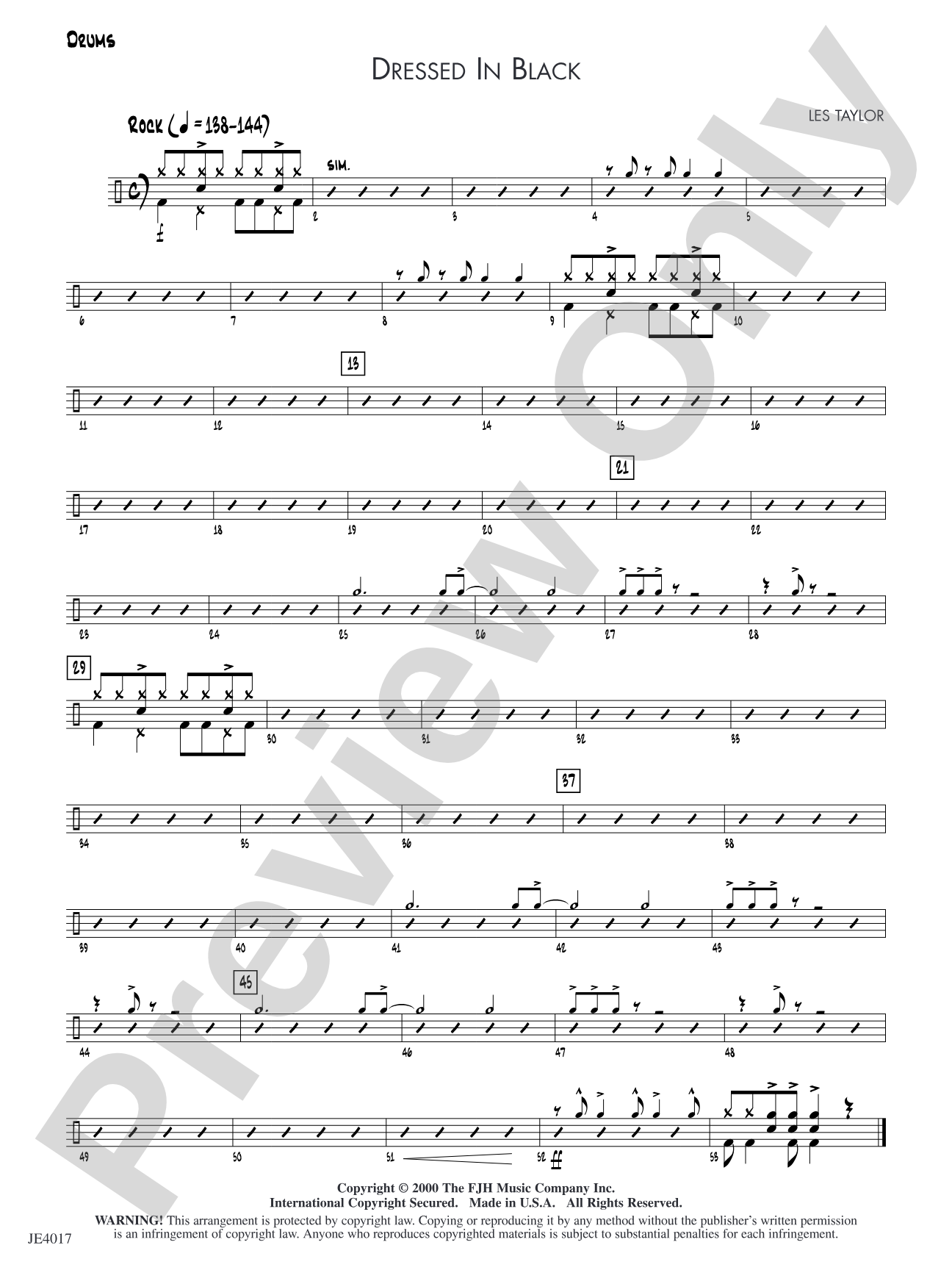
A very easy rocker for the beginning or developing jazz ensemble. There are no solos, just straight ahead full ensemble blowing. The top written note for trumpet is D.
Discover MakeMusic Cloud: thousands of interactive titles your students can play along with today.
Straight ensemble writing with zero solo burden means your entire section sounds like a cohesive unit from day one. The top note for trumpet capped at D keeps the lead line accessible while maintaining authentic jazz voicings, so you can focus rehearsal time on ensemble blend and articulation rather than range anxiety.
What to expect
A grounded, unpretentious rocker built on blues changes and driving rhythmic energy. The piece swings with attitude but keeps demands straightforward; it feels professional without sounding complicated.
Who it's for
Beginning or developing jazz ensembles ready to move beyond swing basics into contemporary groove. This suits groups working toward their first jazz combo concert or wanting to build confidence with ensemble cohesion before tackling arrangements with individual solos.
How to get the most out of it
Lock the rhythm section (drums, bass, piano) before adding horns. A solid foundation prevents the ensemble from rushing through the changes.
Emphasize the backbeat articulation across all parts. The rocker feel depends on tight rhythmic precision in the first and second sections.
Balance the trumpet lead against the saxophones and trombones. This piece works best when the melody sits just above the harmonic texture, not buried in it.
Run the head and changes separately, then connect them. Students need confidence with each section before attempting the full arc.
How to use it
Use this as an opener or closer on a jazz ensemble concert where you want immediate impact without extended solo features. It pairs well with a ballad and a swing standard on the same program, giving your audience a tonal variety while keeping the ensemble experience manageable.
Skills your students will build
Ensemble articulation and blend in a jazz context
Reading and executing swing rhythms in unison lines
Blues changes and harmonic progression recognition
Timekeeping within a groove-based rock feel
Balancing melody and harmony in full ensemble writing
You May Also Like
Scan to Complete Your Purchase
Use your phone's camera to scan the code below
You'll log in on your phone and the order will be added to your account