Dreamscapes, Book 1 Cover Image

Dreamscapes, Book 1: Piano Book

$5.95 USD
Sale price  $5.95 USD Regular price 
Skip to product information
Dreamscapes, Book 1 Cover Image

Dreamscapes, Book 1: Piano Book

Six Early Intermediate to Intermediate Piano Solos That Are Warmly Lyrical and Dreamily Romantic...

By George Peter Tingley

Level: Early Intermediate / Intermediate

Item: 00-18101

$5.95
Shipped

One moment…

Description
If you enjoy playing lyrical and romantic works on the piano, this wonderful volume of early intermediate to intermediate solos will make a lasting impression. Delicate shifting of octaves, subtle note selections, easy pedaling and occasional hand crossings will bring out your expressive side while you escape into a world of great beauty. You'll find yourself wanting to play each refreshing piece over and over again.

Dreamscapes, Book 1: Piano Book isn't in MakeMusic Cloud just yet...but it could be. Let us know you'd like to see it, and you'll help shape what comes next. In the meantime, start a free trial and dive into thousands of interactive titles your students can play along with today.

Sample Pages

Sample Audio
No sample audio found.
Sample Video
Additional Details
Publisher: Alfred Music
Page Count: 16
UPC: 038081159539
SKU: 00-18101

More about this title

About the Composer: George Peter Tingley
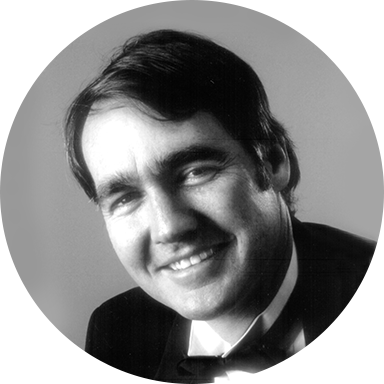
George Peter Tingley

George Peter Tingley earned degrees in Piano Performance from California State University, Hayward, and completed both Bachelor and Master degrees in Music Theory at the University of Southern California. During the 1970s, he studied composition privately with Nadia Boulanger in Paris, an experience that shaped his distinctive melodic voice.

Based in Point Richmond, California, Tingley began his teaching career after returning from France and has been composing for the educational market since 1989, building a catalog of over 75 published piano solos. His work has reached audiences beyond the studio: he composed Kristi's Theme for Olympic figure skater Kristi Yamaguchi, a piece that was orchestrated and recorded with Tingley as piano soloist. His Reverie, published by Alfred in 1991, remains one of his most performed compositions.

Why we love this

Tingley understands what intermediate pianists actually want to play: pieces that sound elegant and expressive without demanding technical fireworks. Each piece in this collection rewards careful listening and invites students to explore the emotional possibilities of the instrument through refined voice leading and tasteful harmonic choices rather than flashy figuration.

What to expect

These pieces evoke quiet contemplation and gentle beauty. Delicate harmonic shifts and selective octave doublings create a sense of space and refinement, while the occasional hand crossing adds subtle sophistication without overwhelming the melodic line. Playing through this collection feels like stepping into a series of intimate musical moments.

Who it's for

Pianists at the early intermediate to intermediate level who are ready to move beyond technical studies and explore pieces that demand expressive maturity. This collection appeals to students who respond to beautiful melody and romantic harmonic language, and who want to develop pedaling and hand independence in a musically rewarding context.

How to get the most out of it

  • Listen closely to the melodic line as you map out pedal changes; these pieces rely on subtle tonal shifts rather than dramatic effects, so your pedaling becomes a key part of shaping the romantic character.
  • Practice the hand crossings slowly to find a smooth, unhurried quality; they should feel like a natural part of the musical gesture, not a technical hurdle.
  • Experiment with tempo flexibility in the octave passages; slight rubato often brings out the lyrical intent without disrupting the underlying pulse.

How to use it

Use individual pieces from this collection in student recitals, pairing them with works in contrasting styles to showcase pianists' ability to project both classical restraint and romantic expression. The accessible intermediate level makes these especially valuable for showcasing improving pianists in spring or end-of-year performance settings.

Skills your students will build

  • Pedal control and timing in lyrical contexts
  • Hand independence in octave passages and hand crossings
  • Rubato and expressive phrasing over steady harmonic support
  • Voice leading awareness and harmonic listening
  • Sustaining a lyrical melodic line while managing accompaniment texture

You May Also Like