


Dreams of a Midsummer Night: Score
By Richard Meyer
Grade: 3.5
Item: 00-PR-0000941
$10.00
Pickup currently not available
Description
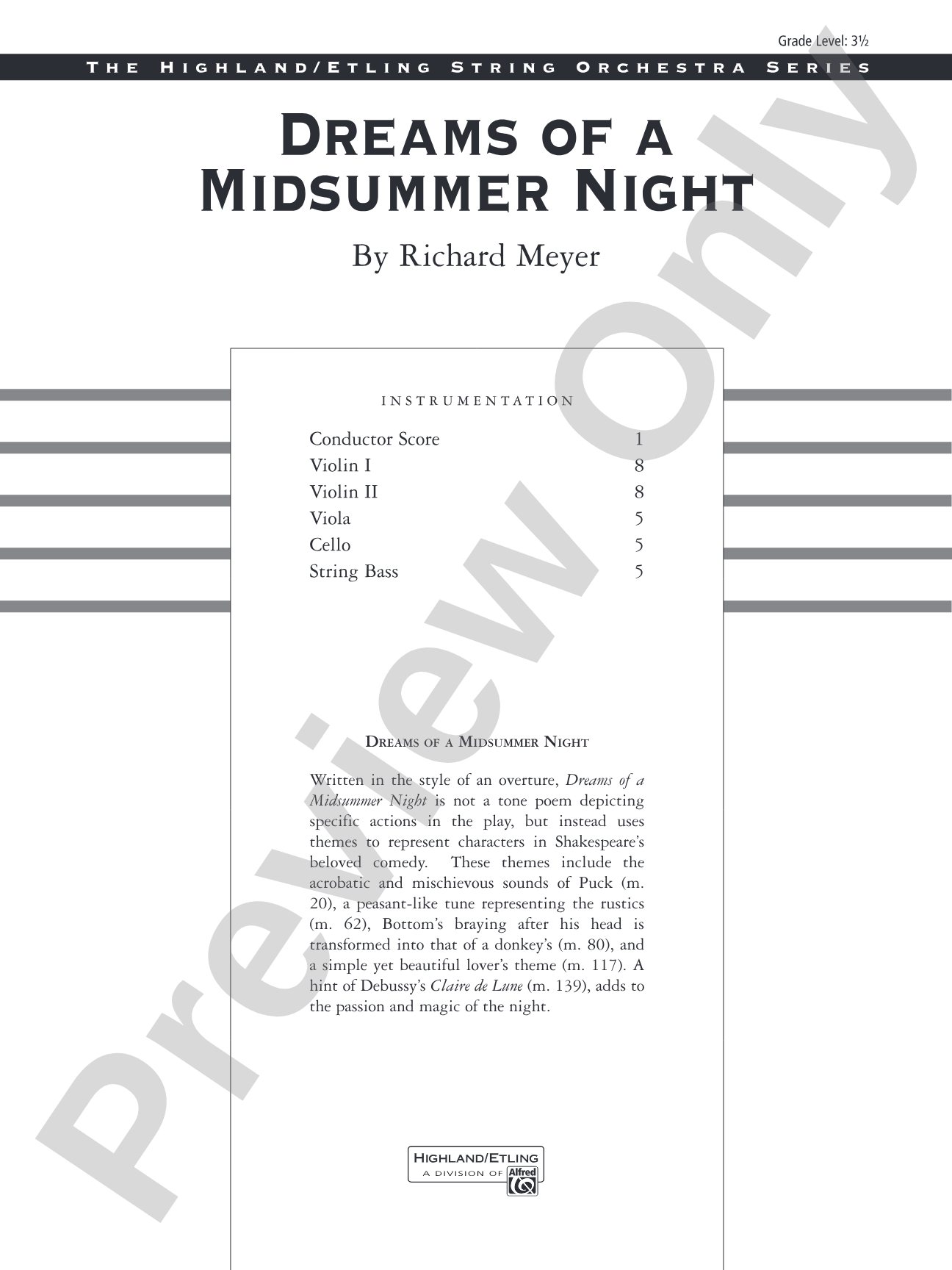
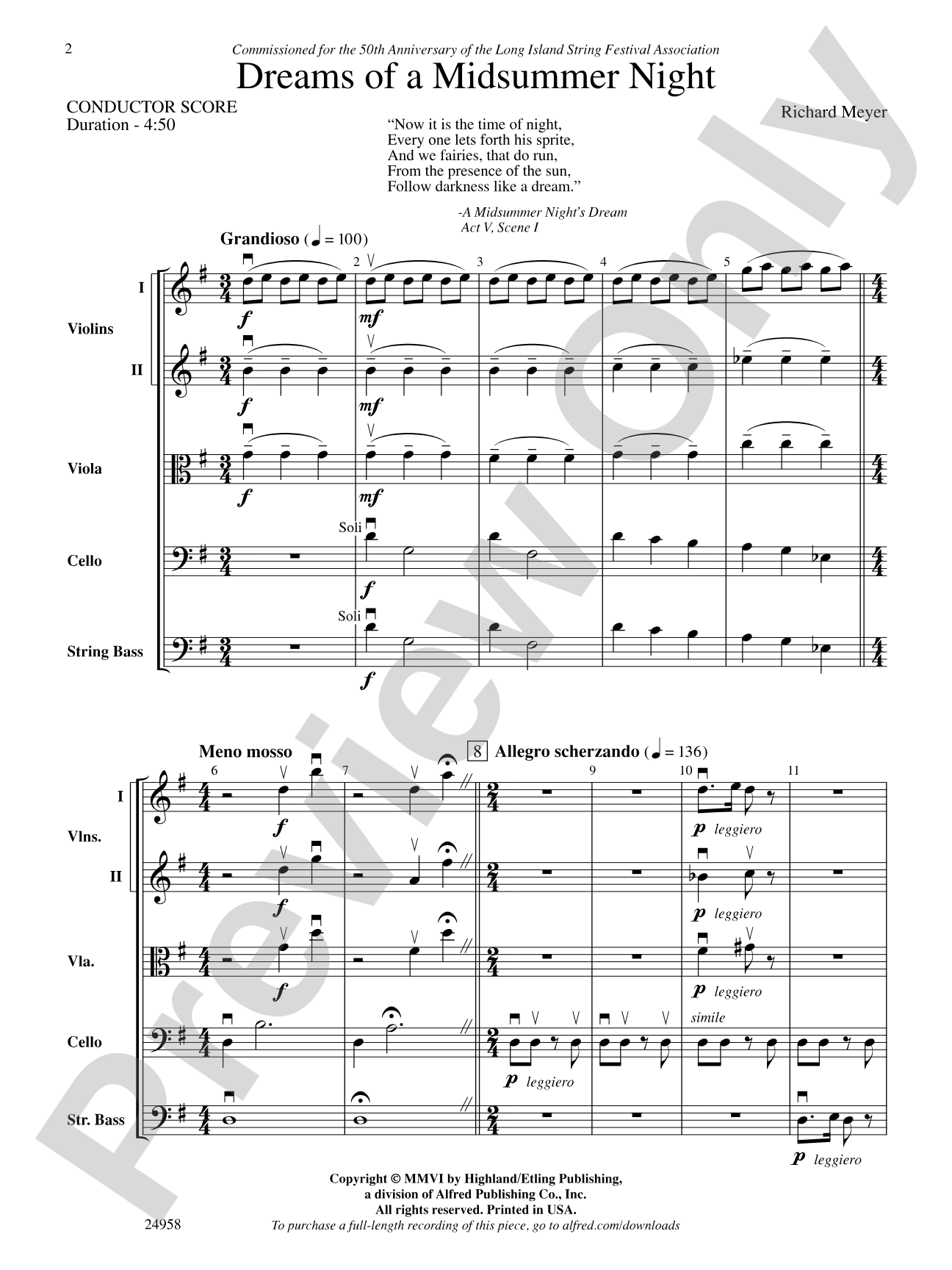
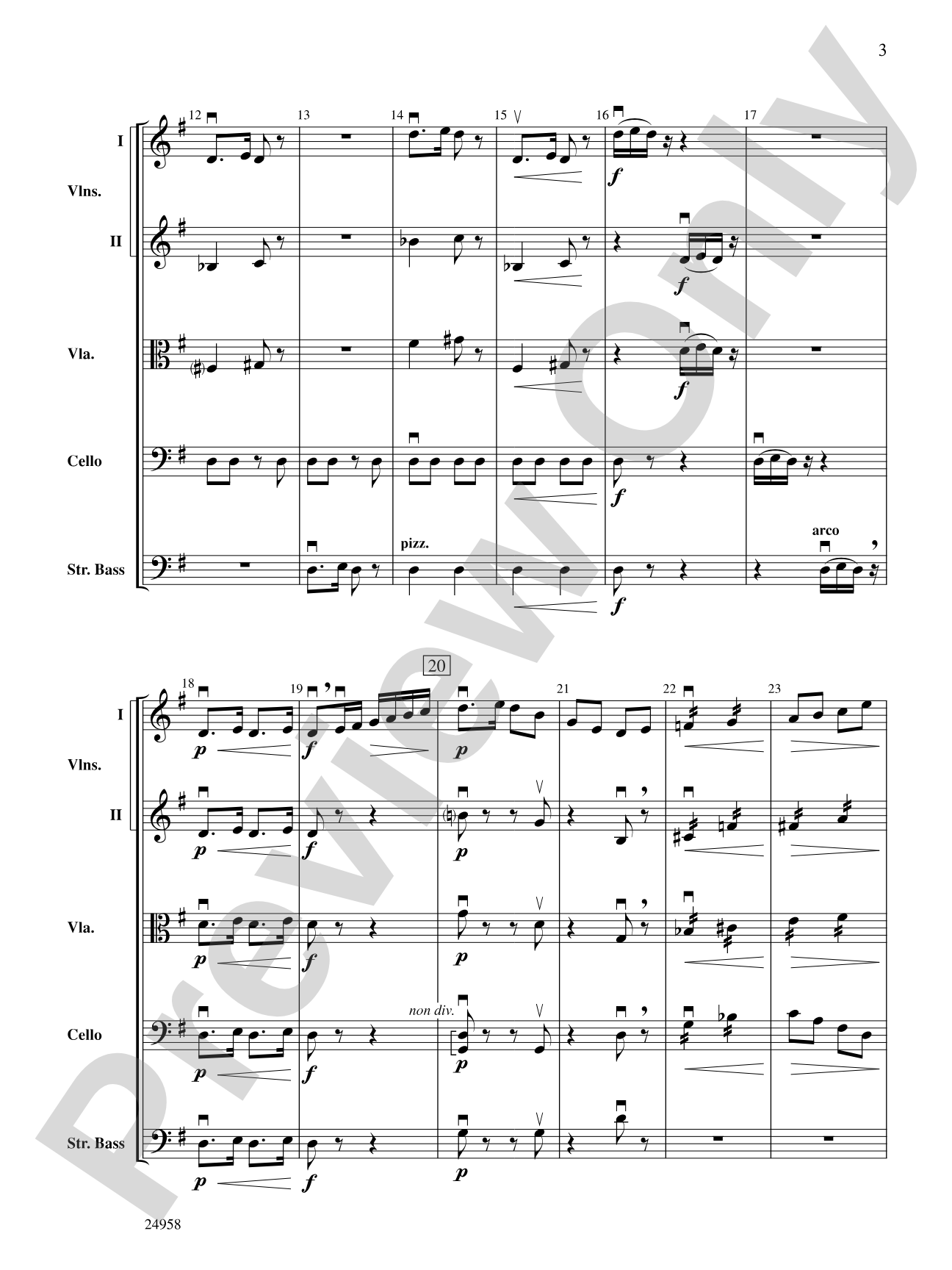
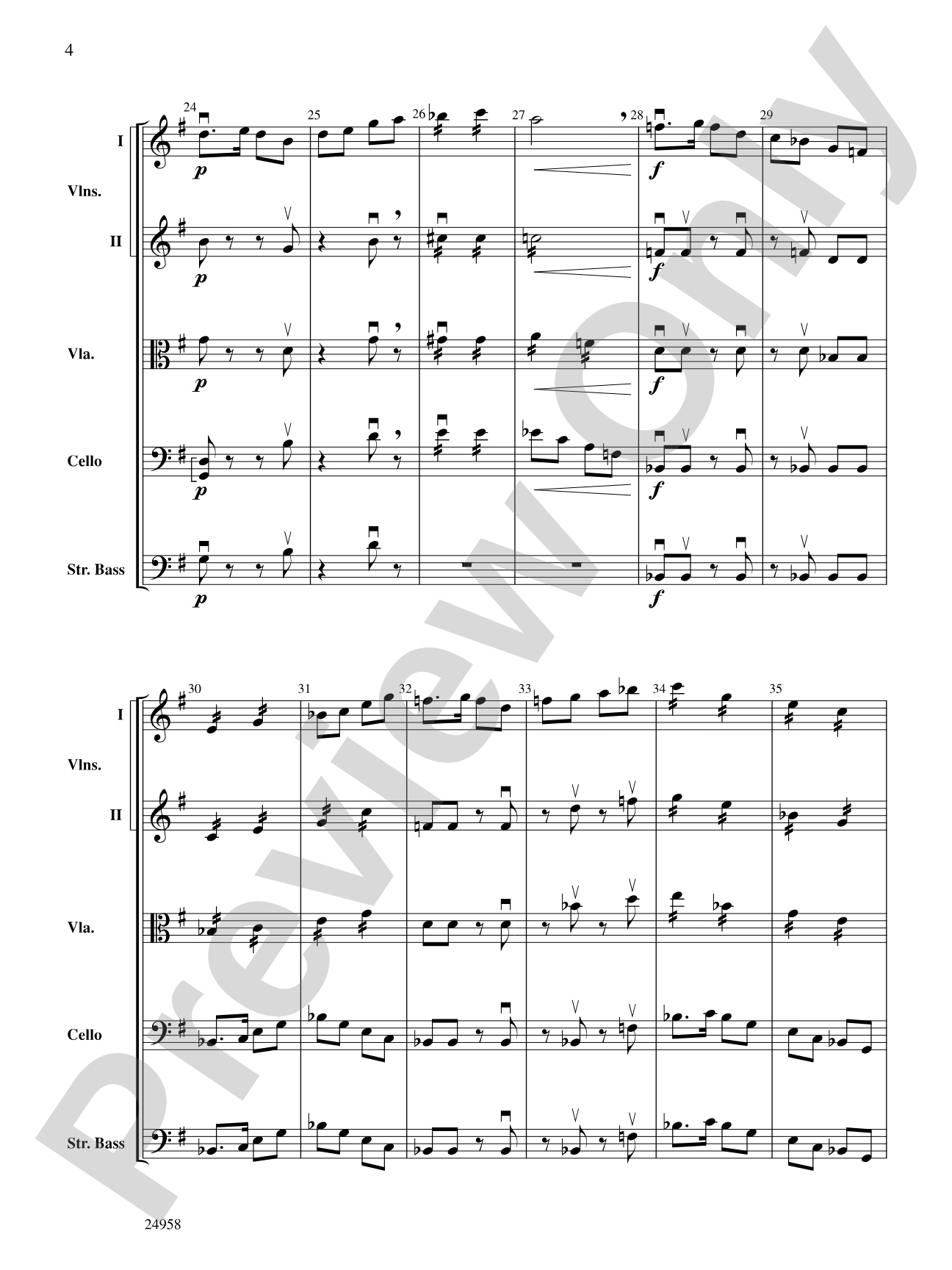
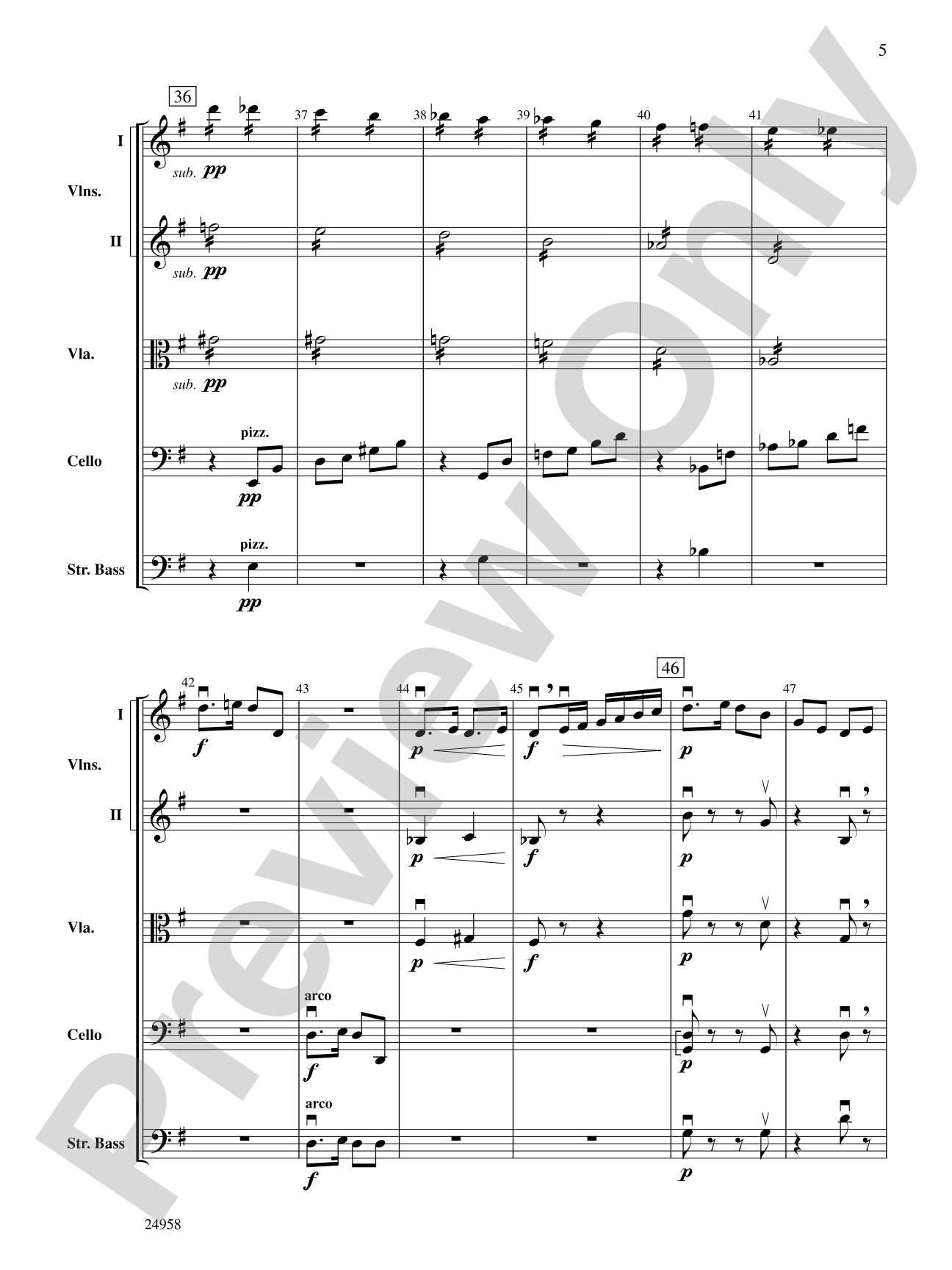
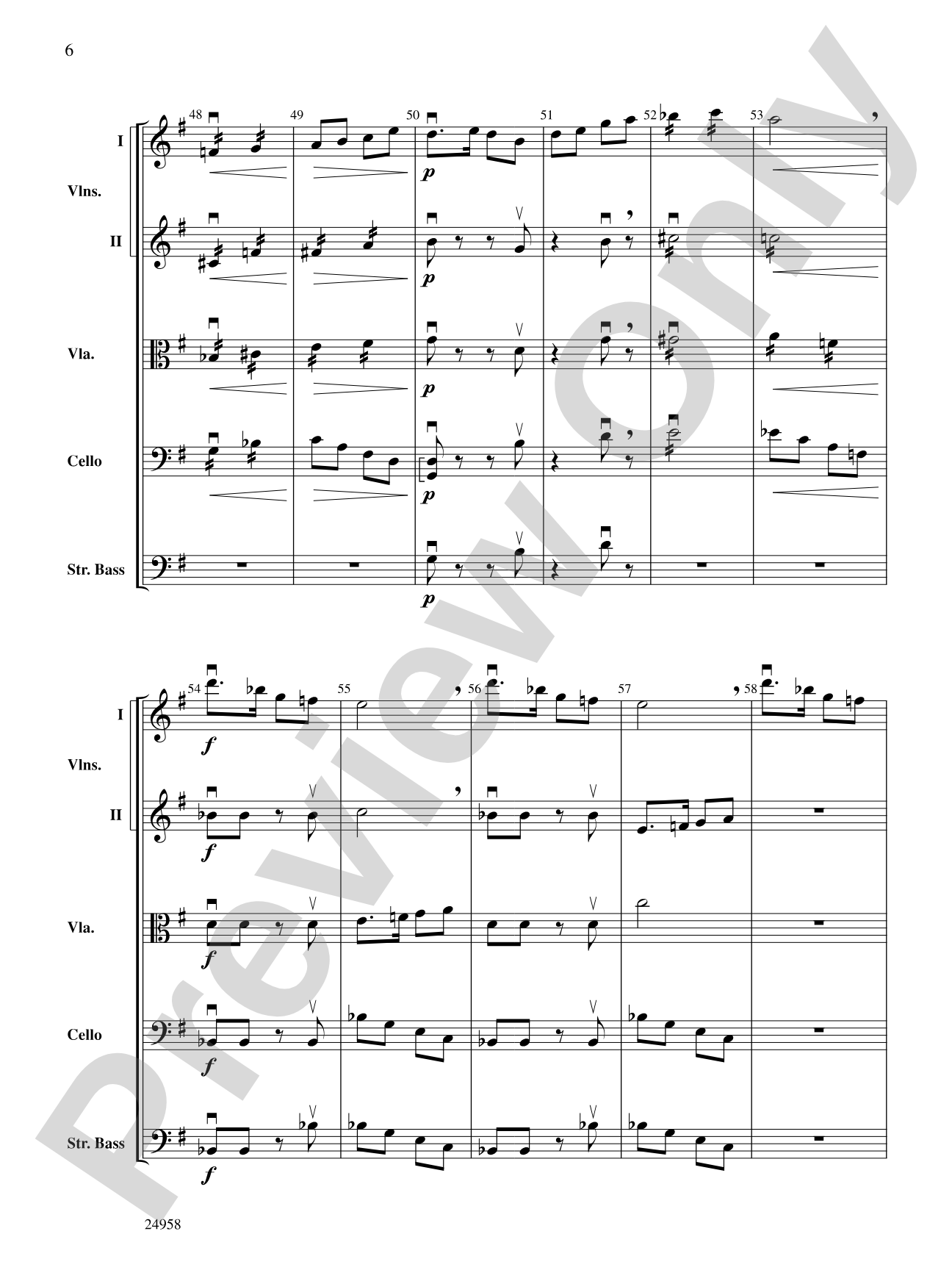
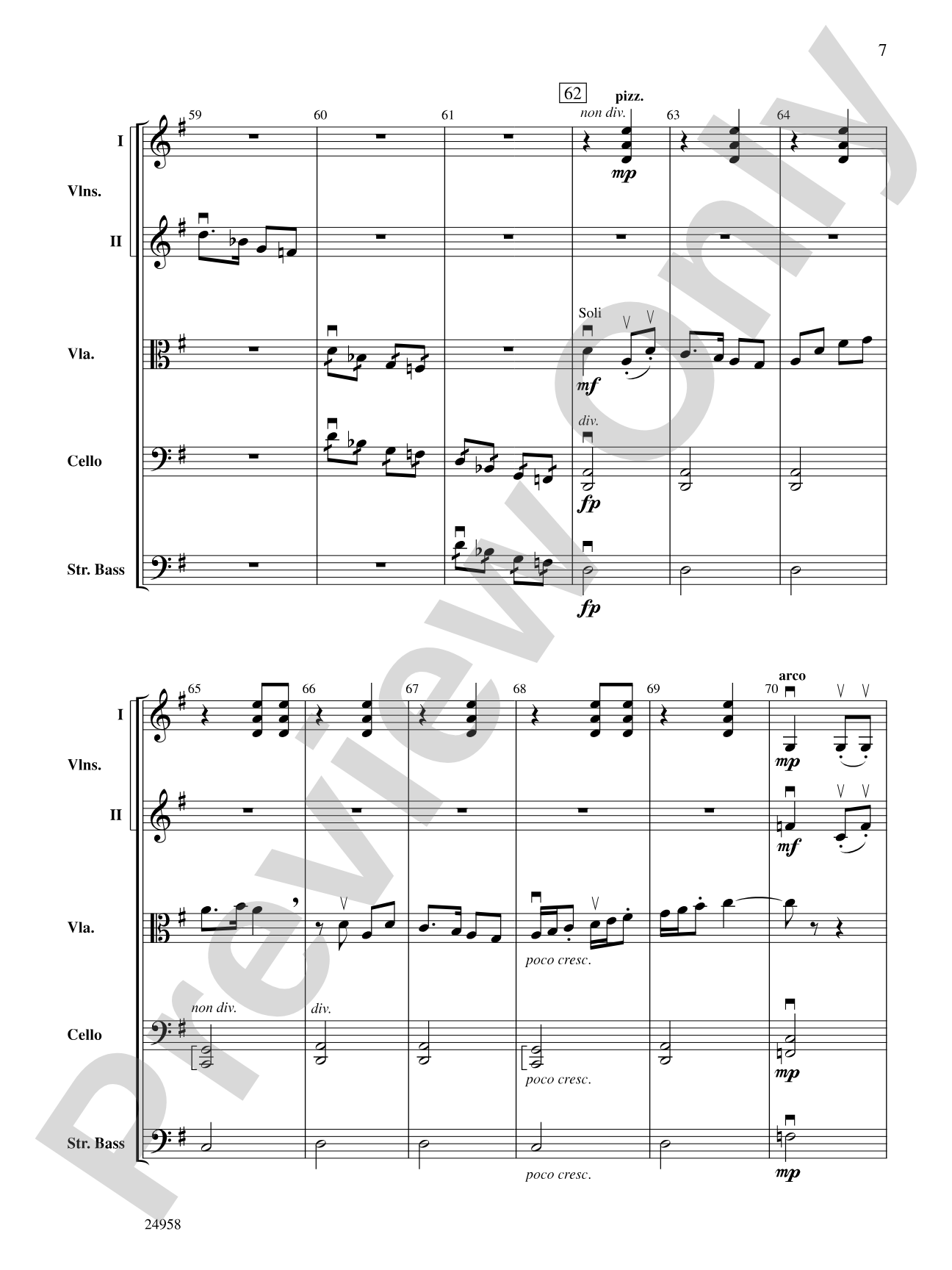
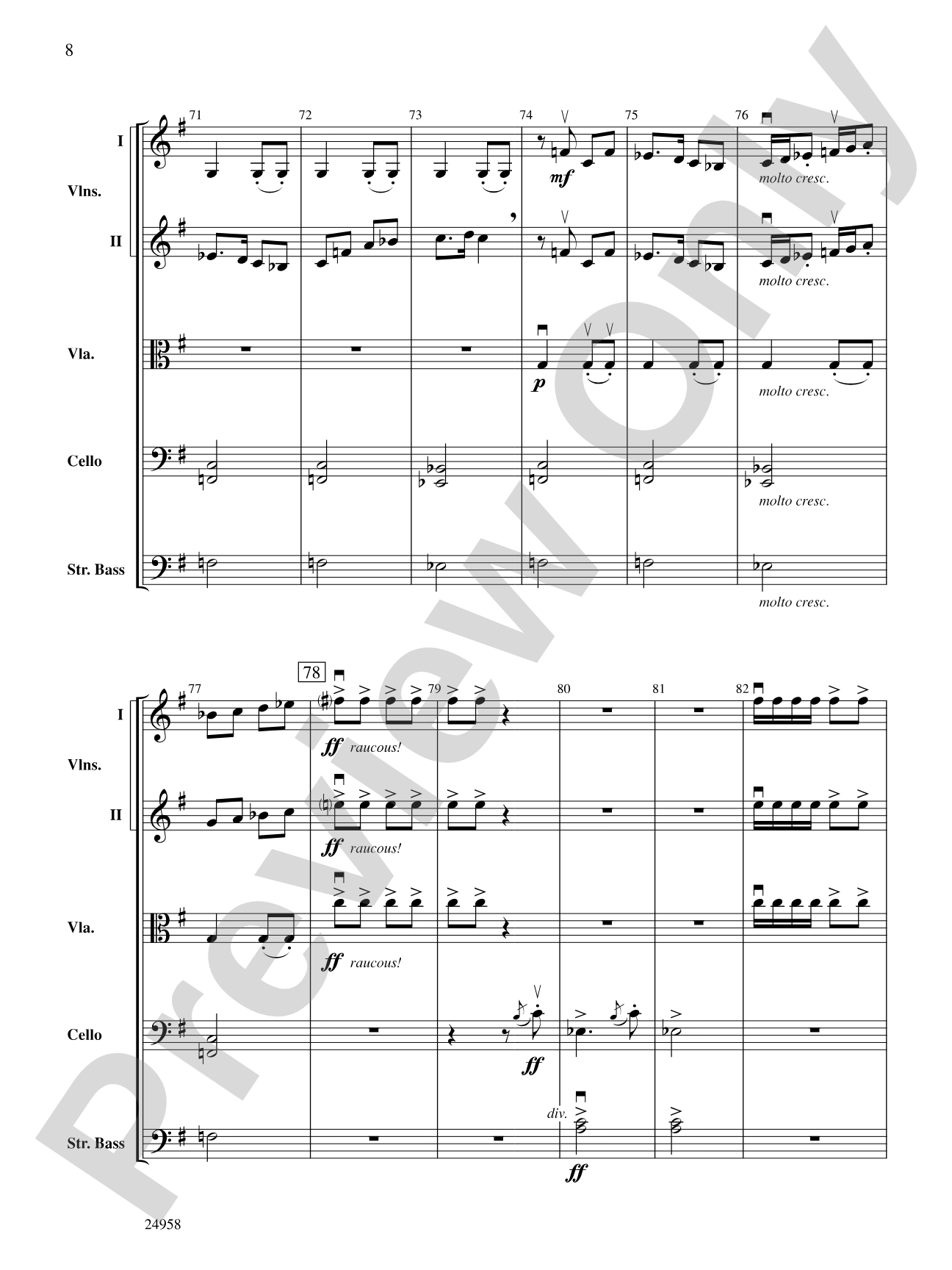
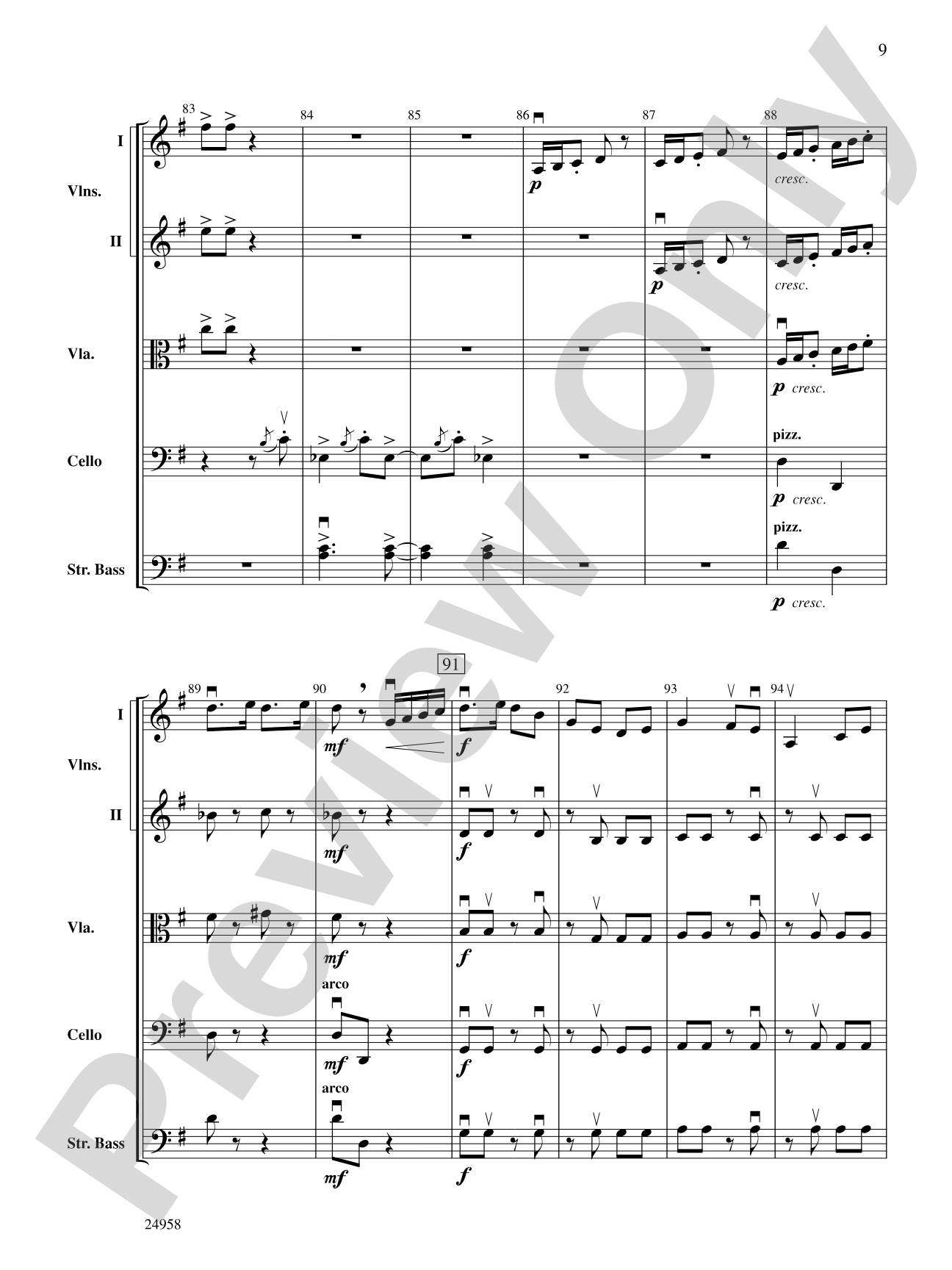
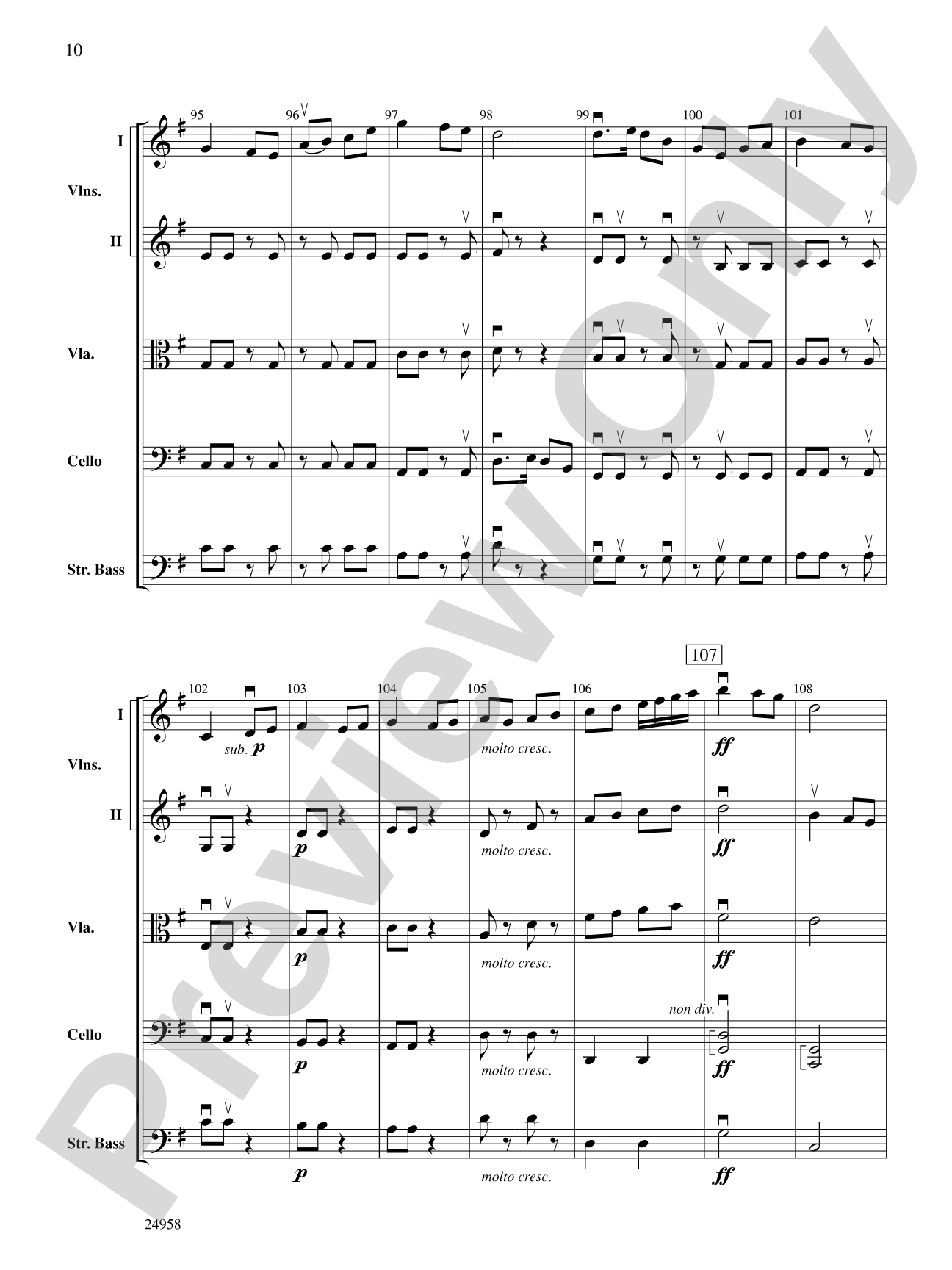
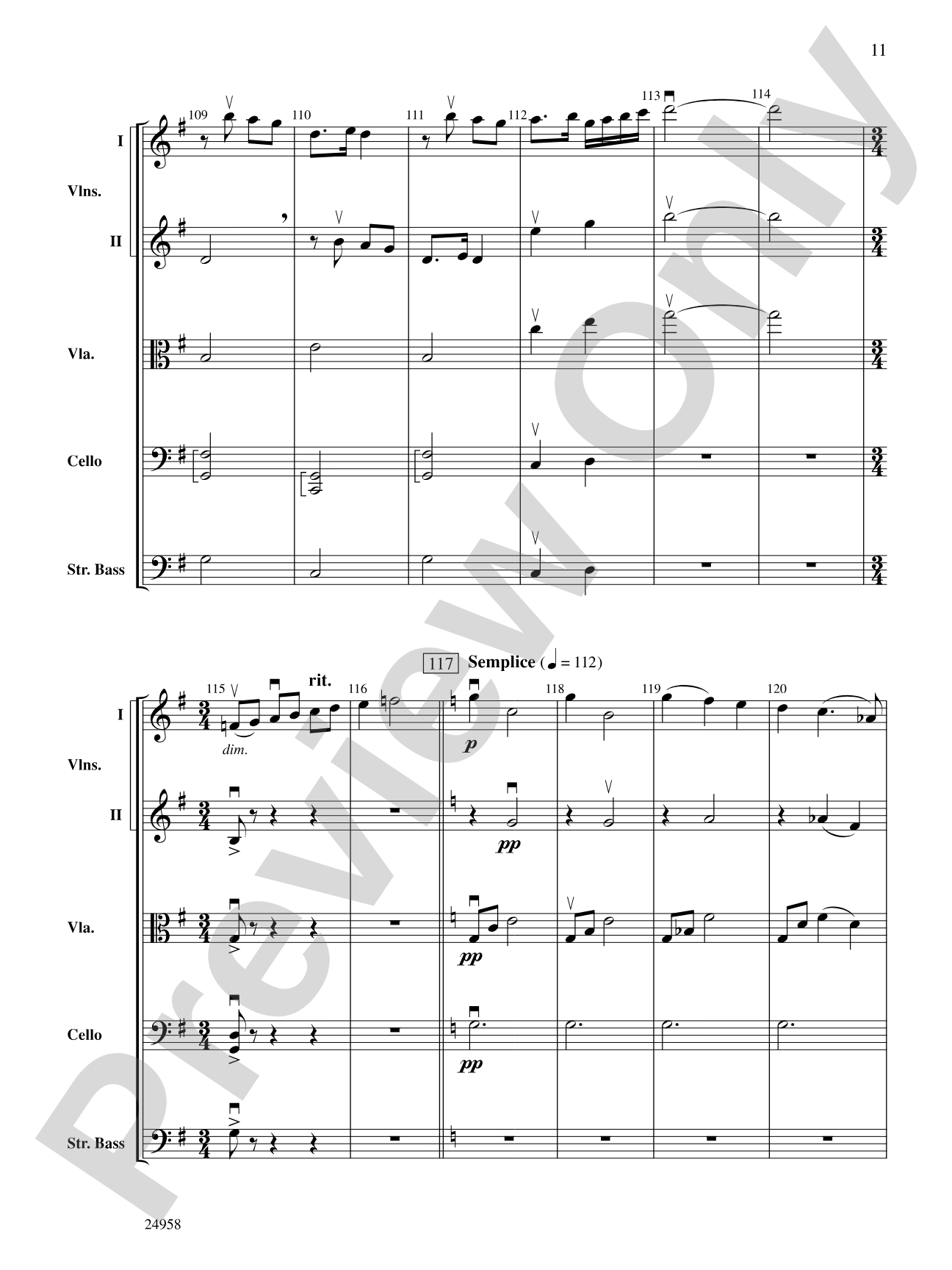
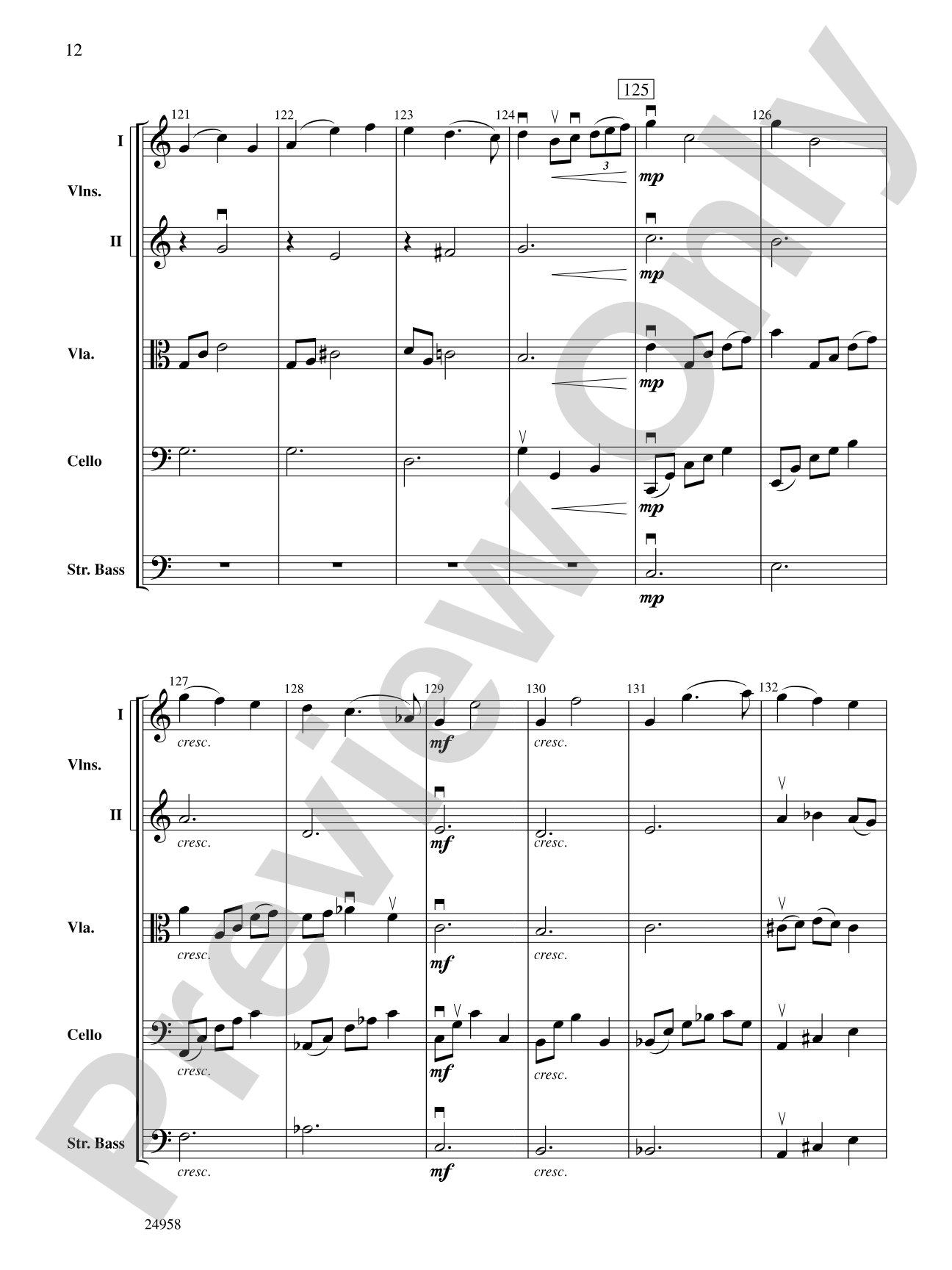
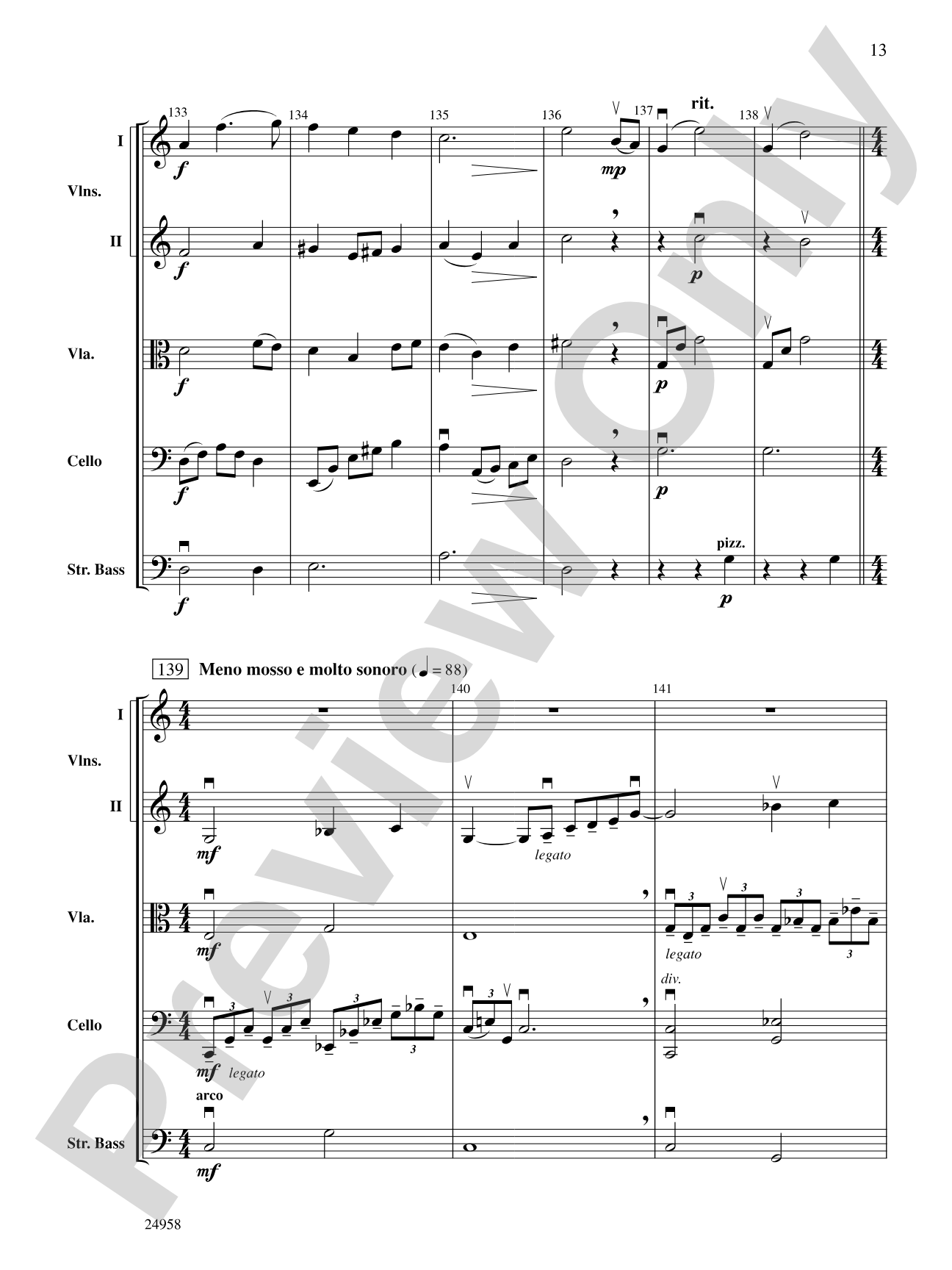
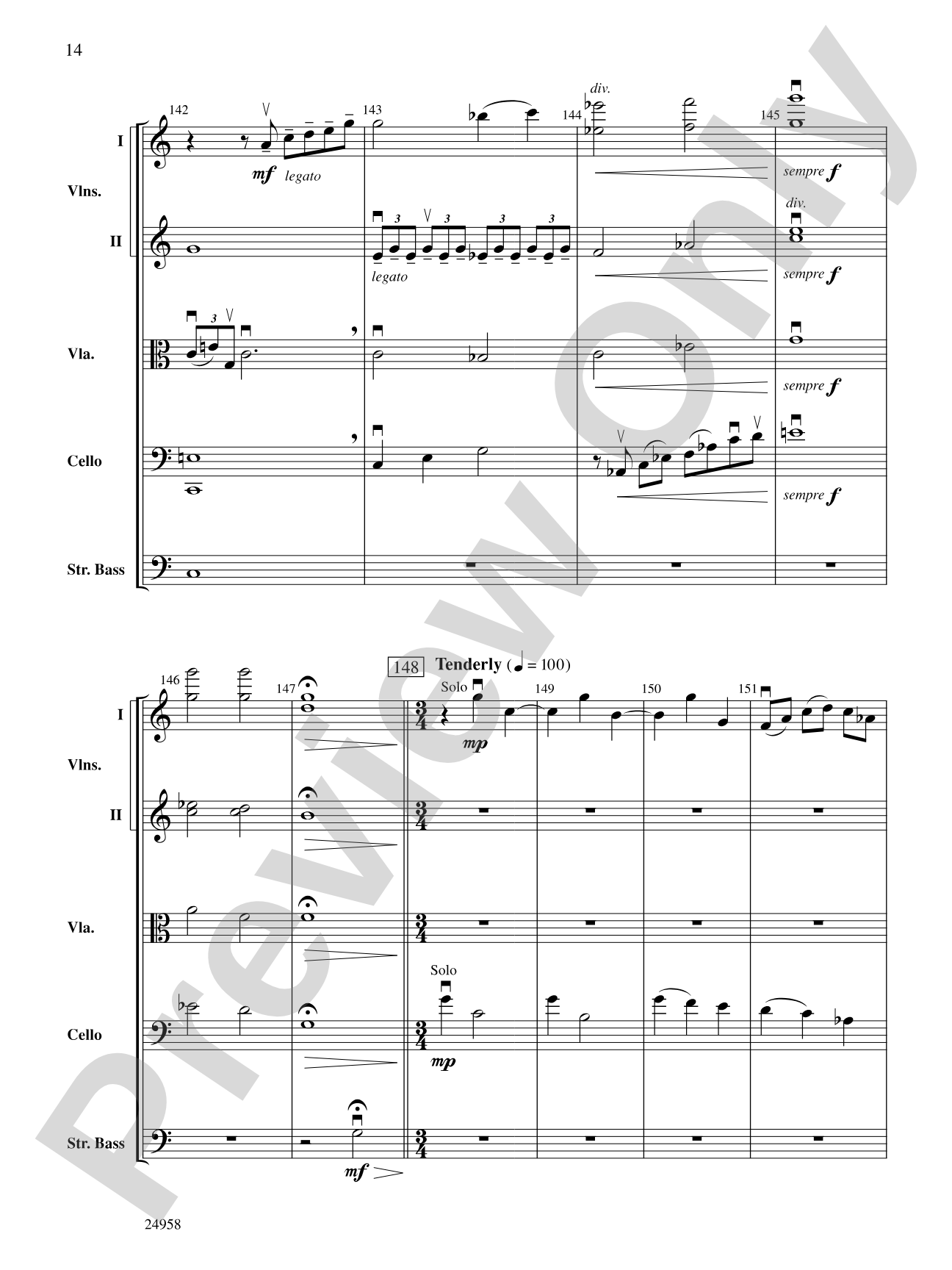
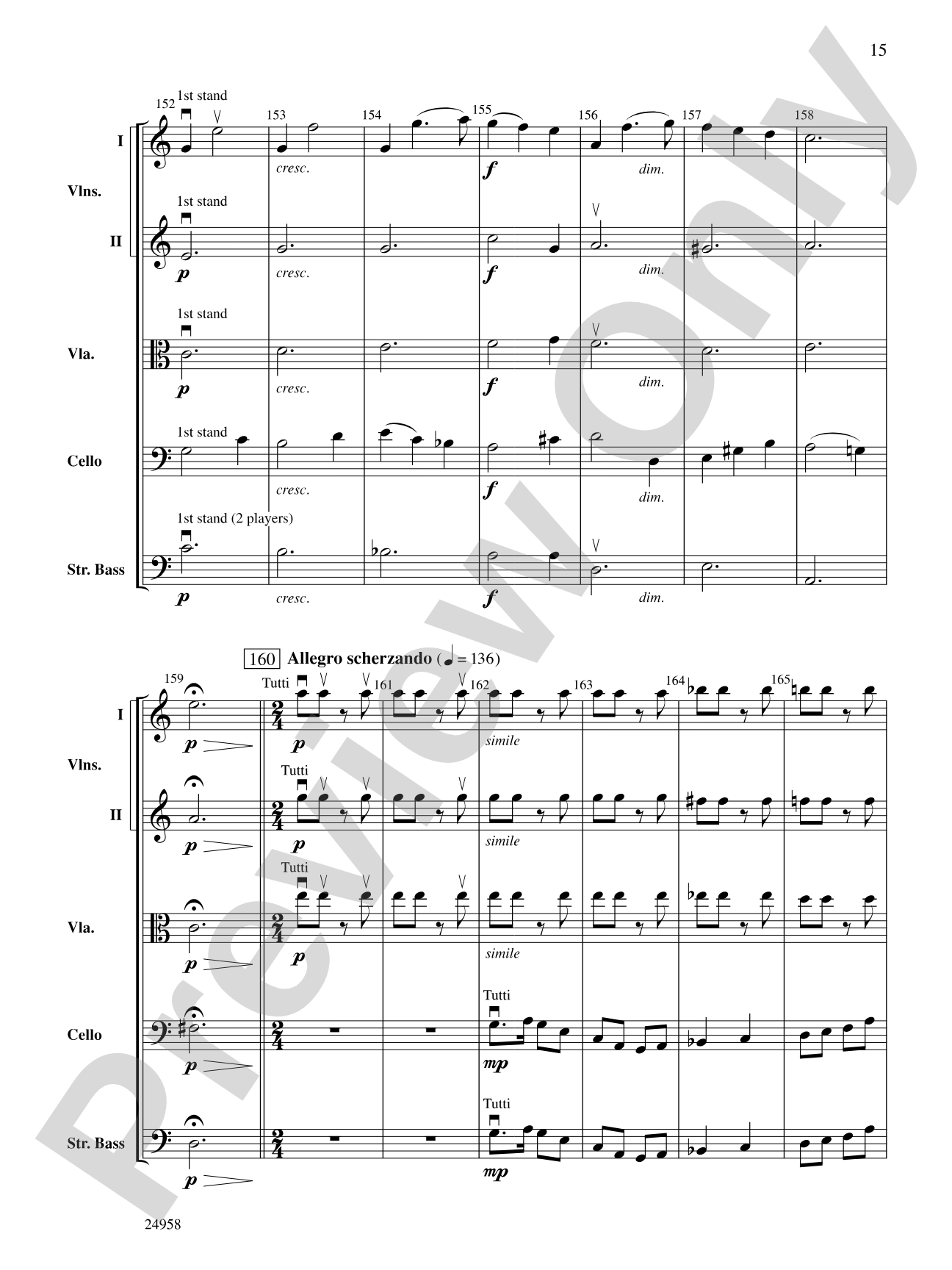
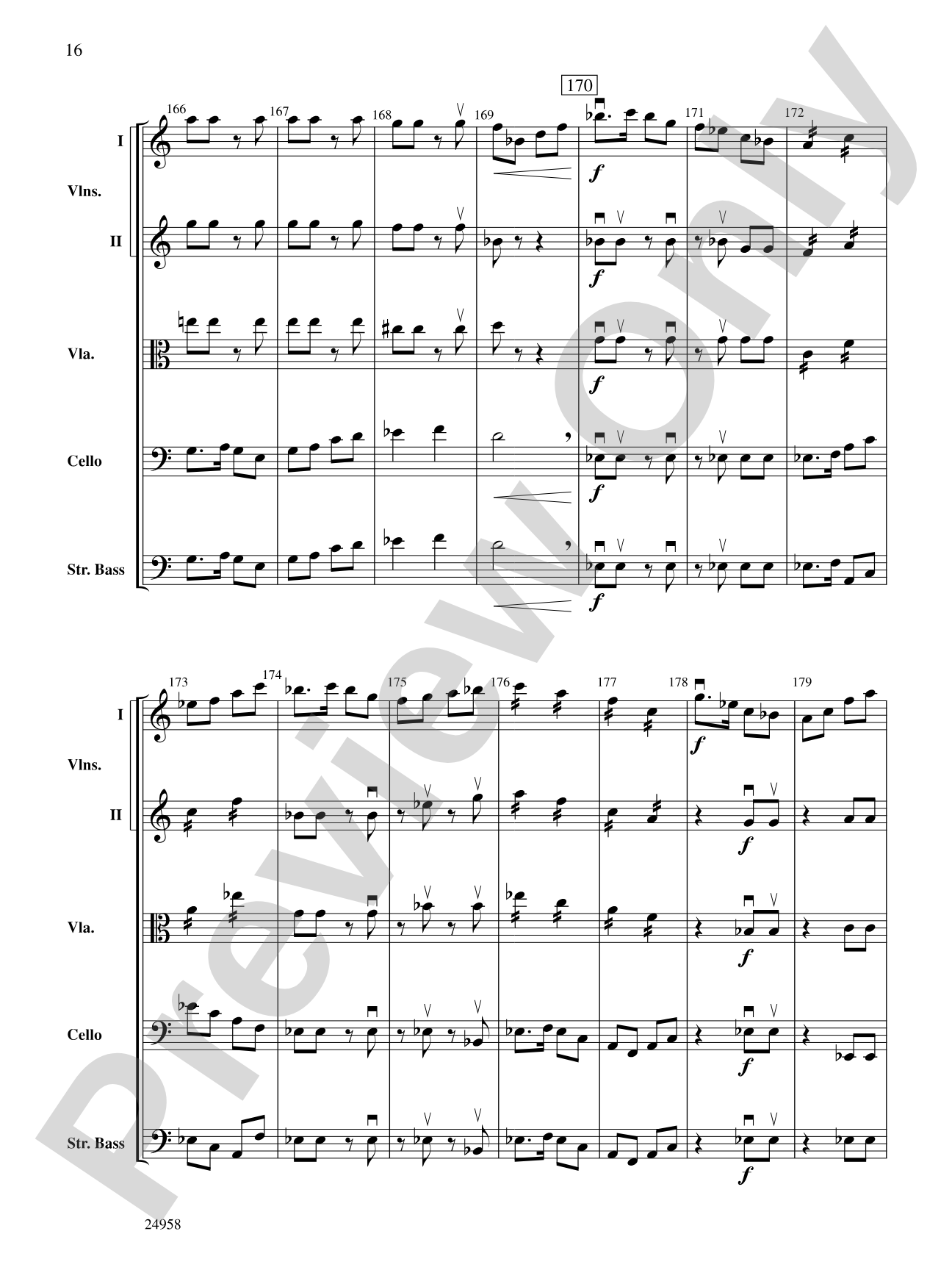
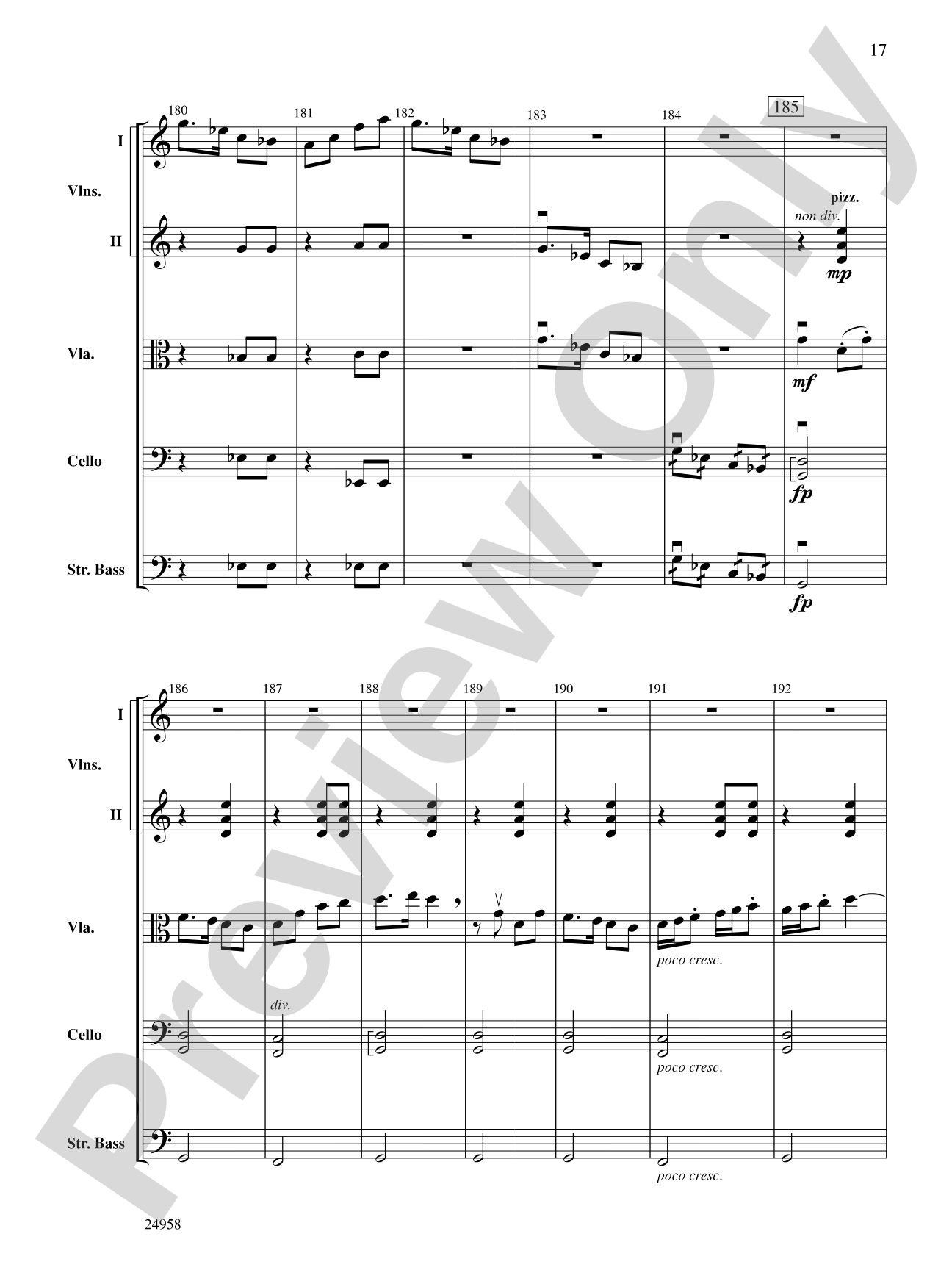
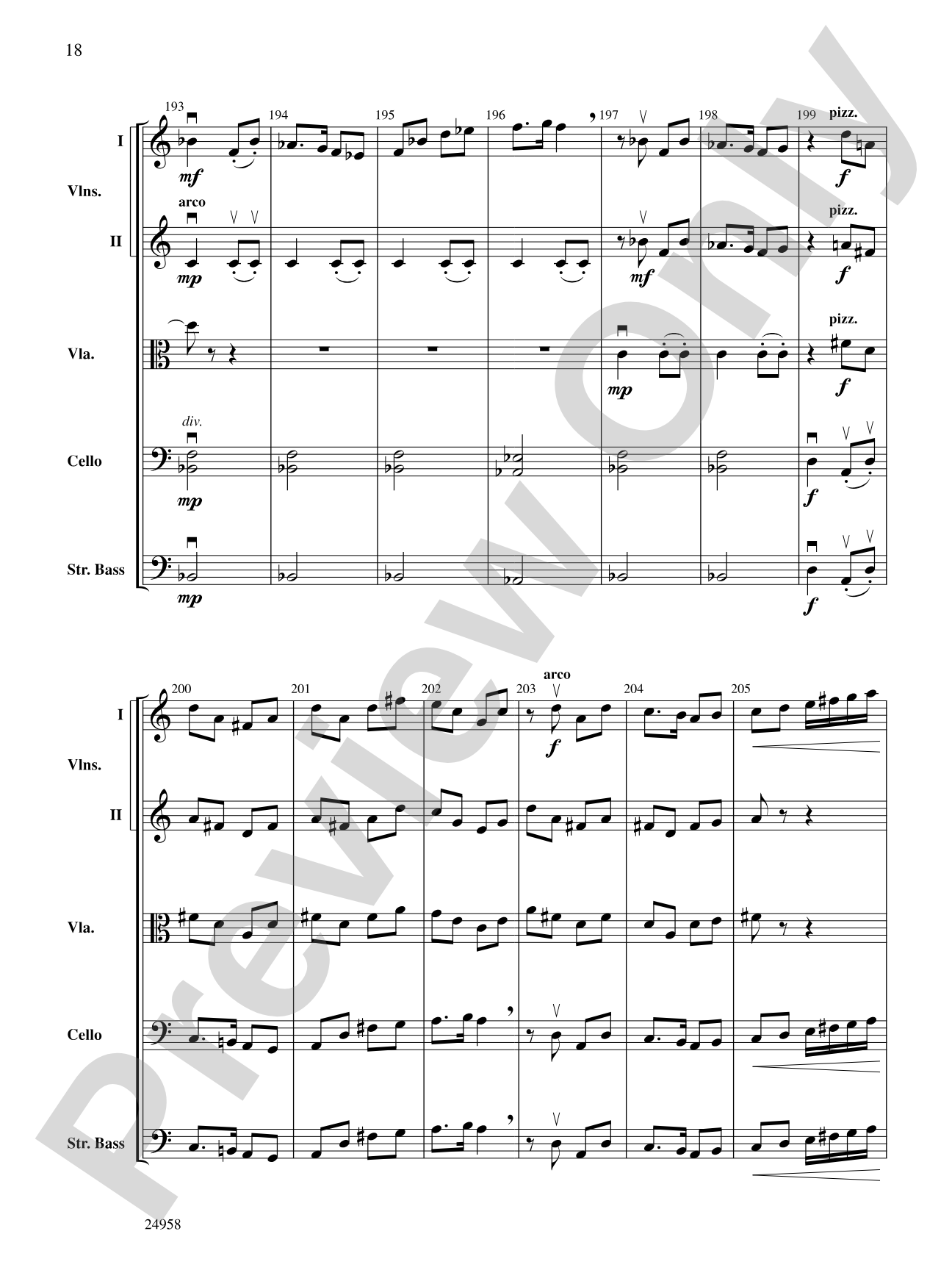
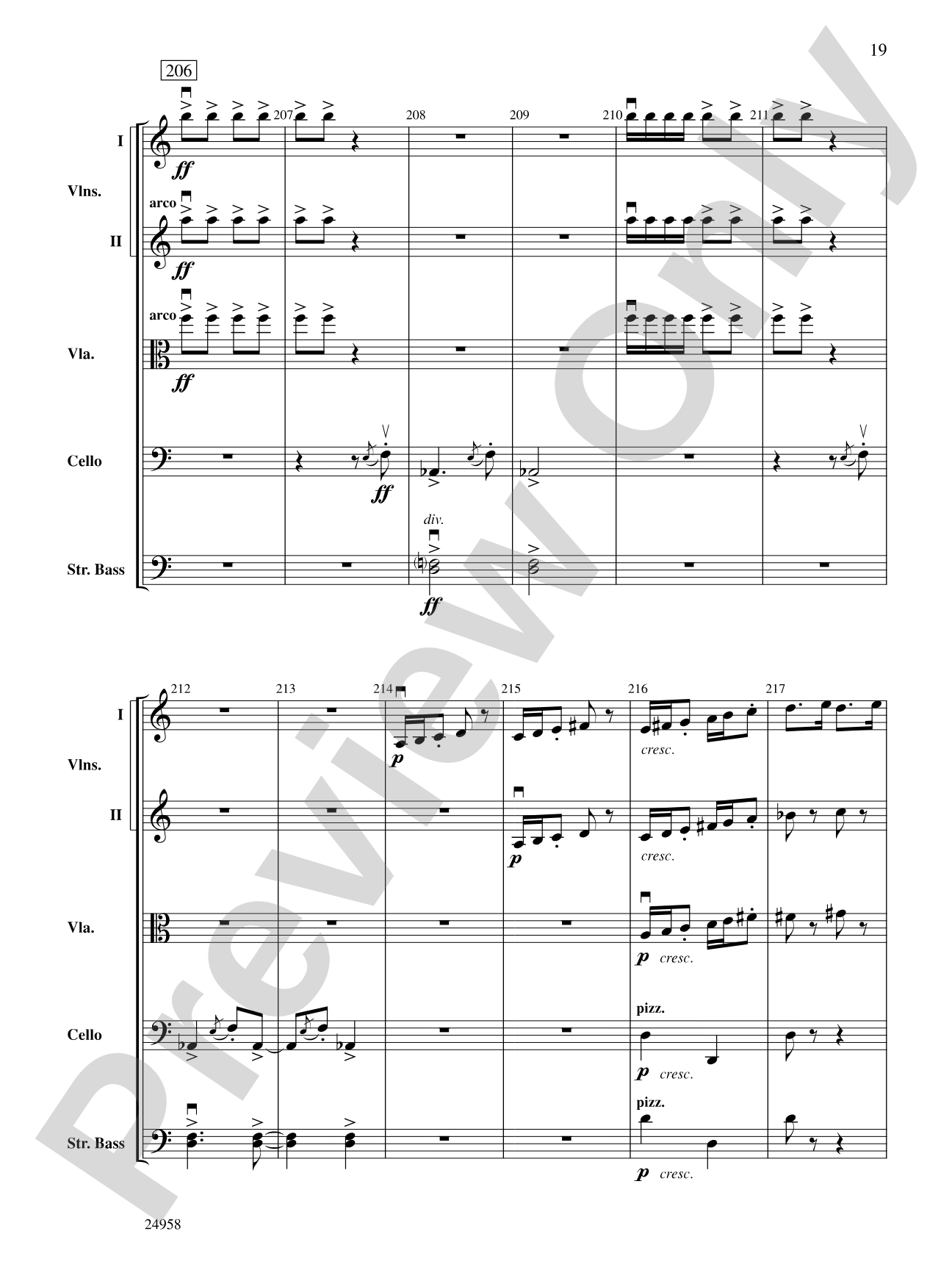
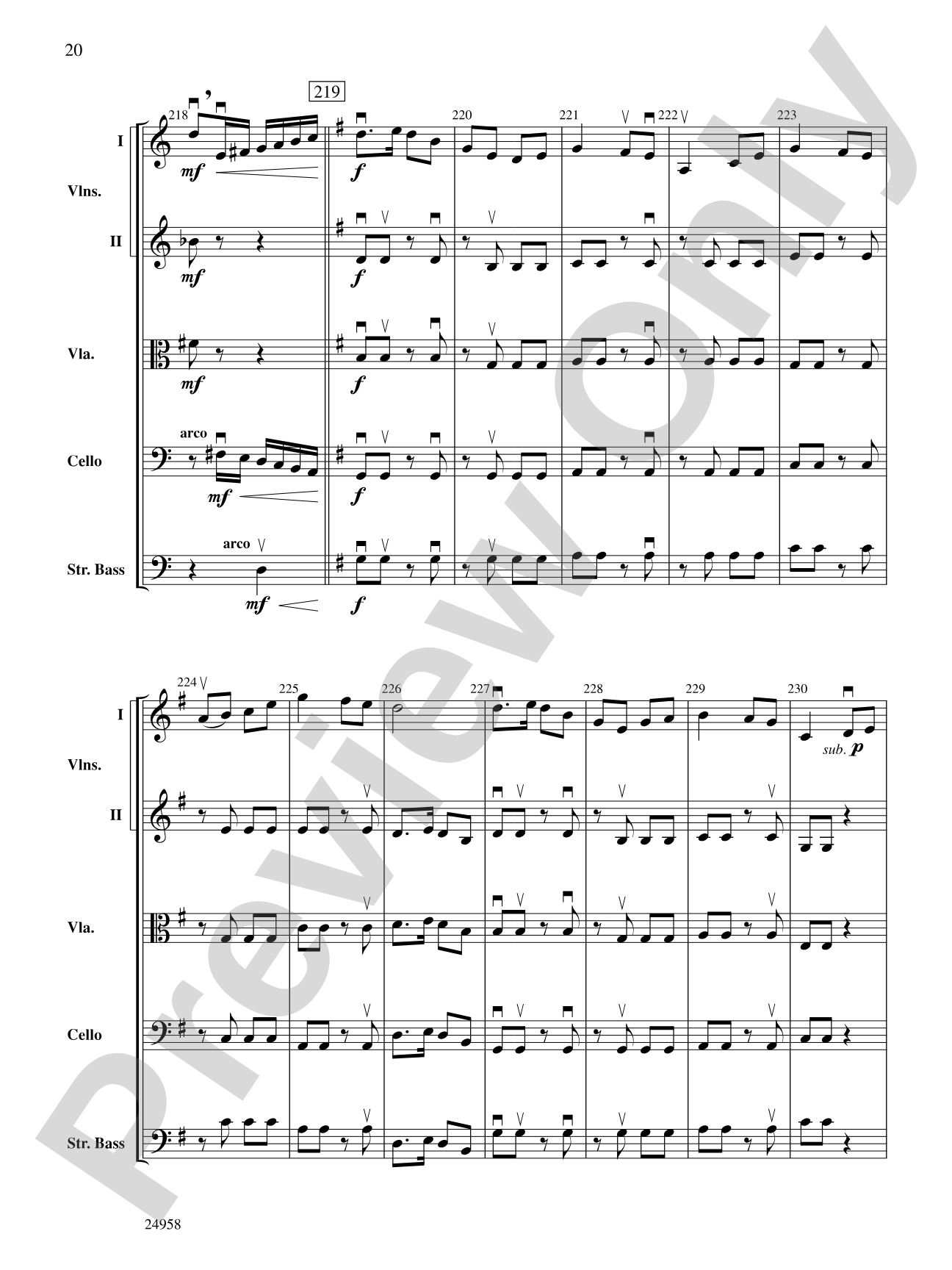
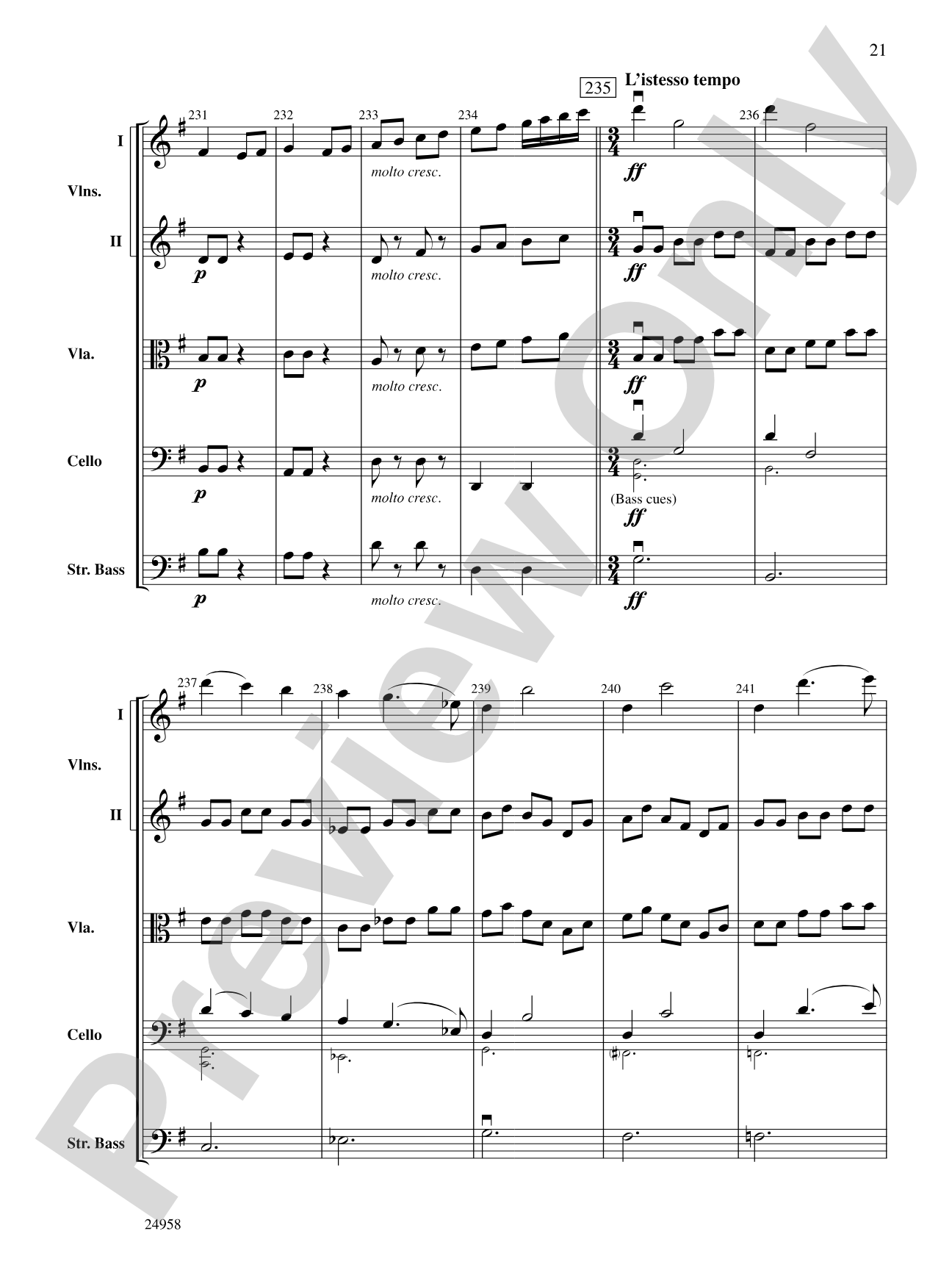
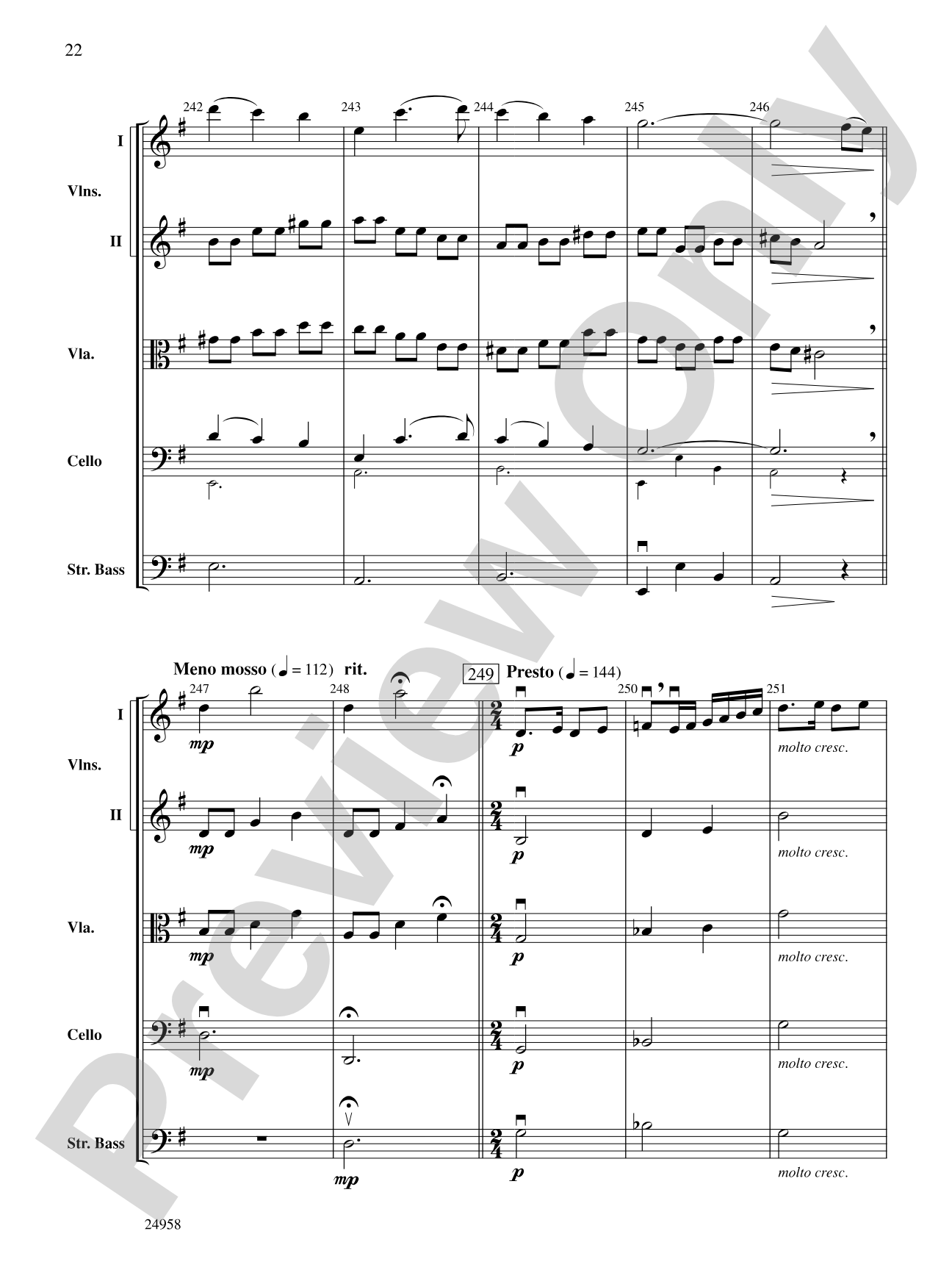
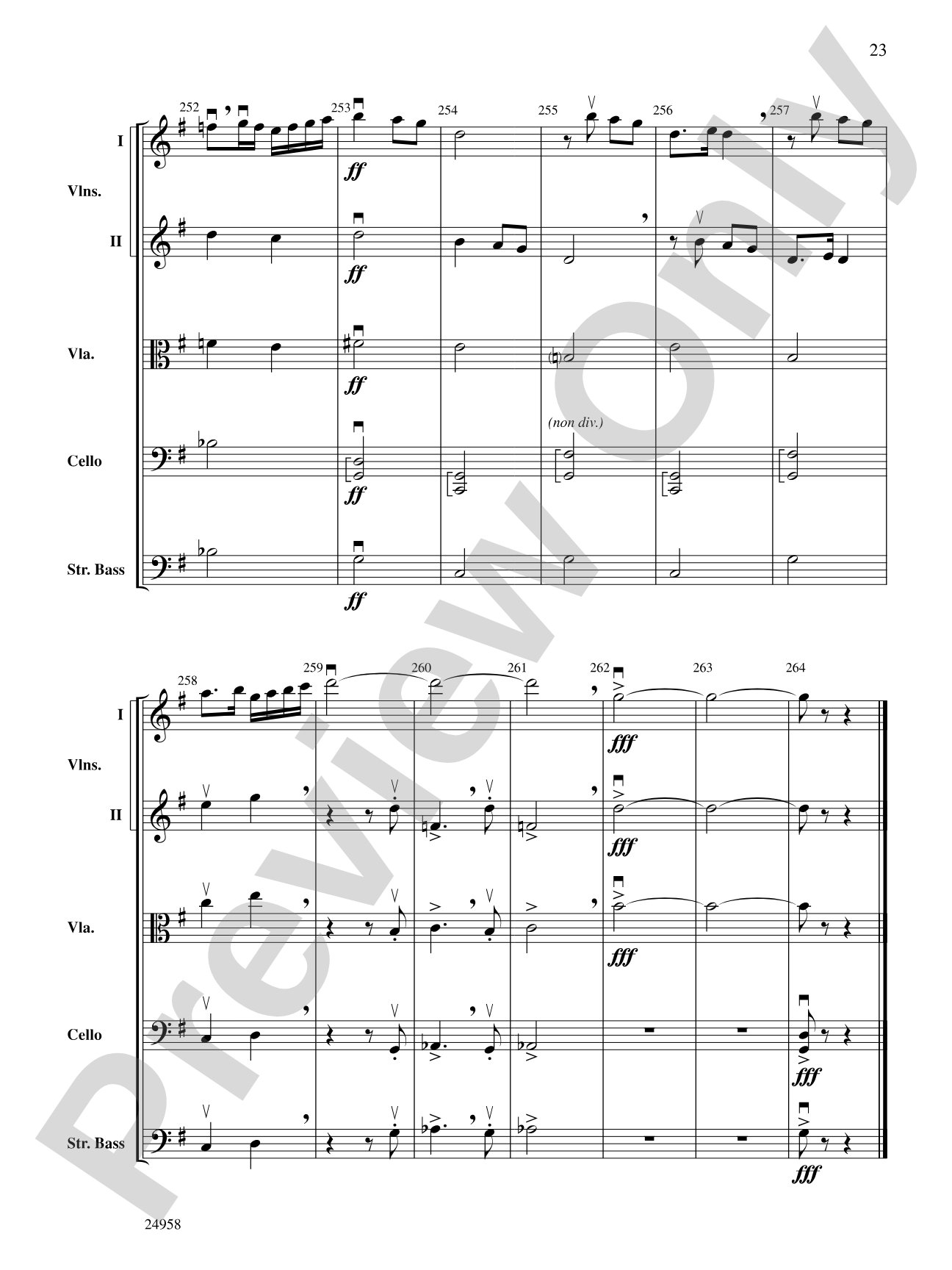
Written in the style of an overture, "Dreams of a Midsummer Night" is not a tone poem depicting specific actions in the play, but instead uses themes to represent characters in Shakespeare's beloved comedy. These themes include: the acrobatic and mischievous sounds of Puck (m. 20), a peasant-like tune representing the rustics (m. 62), Bottom's braying after his head is transformed into that of a donkey's (m. 80), and a simple yet beautiful lover's theme (m. 117). A hint of Debussy's "Claire de Lune" (m. 139), adds to the passion and magic of the night.


Don't just read it, hear it, play along with it, and watch your students grow with it. In MakeMusic Cloud, Dreams of a Midsummer Night: Score comes alive with professional accompaniment, adjustable tempo, and built-in practice tools that turn solo practice into real progress.
Open in the Player
Jump straight in and assign it today.
Start Your Free Trial
Open this title and explore the full library in minutes.
Sample Audio
1
Audio File
--:--
0:00
0:00
Sample Video
No sample videos found.
Additional Details
Series:
Highland/Etling String Orchestra
Publisher:
Alfred Music
Page Count:
124
SKU:
00-PR-0000941
More about this title
About the Composer: Richard Meyer

Richard Meyer brings three decades of string teaching experience to his compositions, having built one of Southern California's largest middle school orchestra programs from 29 students to 200. His work as music director of the Pasadena Youth Symphony Orchestra for 16 years and his guest conducting across North America, Europe, and Australia has shaped his understanding of what works in ensemble settings at every level.
Beyond the podium, Meyer has authored string method materials used nationwide and served as string editor for Alfred Publishing Company. His "Giving Bach" program, launched in 2009, demonstrates his commitment to using music as a tool for reaching underserved student populations. With nearly 200 published compositions and arrangements, he writes from deep knowledge of what students can accomplish and what teachers need.
Why we love this
Meyer captures Shakespeare's magic without resorting to literal tone painting. Instead of chasing every scene, he gives you four distinct character themes that work as genuine musical material, allowing your students to recognize Puck's mischief, the rustics' earthiness, and the lovers' yearning through melody alone. The Debussy reference feels earned rather than borrowed, and the whole piece moves with the theatrical pacing of an actual overture.
What to expect
Playful, romantic, and touched with Shakespearean mischief. The piece invites you into a moonlit forest where character themes dance in and out of focus, sometimes colliding with comic effect. There's elegance here alongside the fun, and moments of genuine beauty that remind you why "A Midsummer Night's Dream" has endured for centuries.
Who it's for
String orchestras at the intermediate or early advanced level who are ready for genuine musical storytelling without being overwhelmed by technical demands. This works equally well for middle school ensembles with stronger players and high school groups seeking quality programmatic literature that doesn't require extensive rehearsal time.
How to get the most out of it
- Balance Puck's acrobatic theme (m. 20) with clarity and light articulation; avoid letting it muddy in the lower strings, which should support rather than double.
- Shape the lover's theme (m. 117) as a genuine singing line with careful attention to phrase direction and dynamic shape, especially if it's divided among multiple sections.
- Let the Debussy reference (m. 139) breathe with generous vibrato and a warm, sustained tone quality to highlight the shift in character.
- Mark Bottom's braying (m. 80) for tuning stability in advance, since the effect depends on precise intonation to land the humor without sounding chaotic.
How to use it
This works as an overture to a concert exploring Shakespeare and music, or as a standalone piece within a spring concert that might include other character-driven or literary works. The grade 3.5 difficulty and moderate length make it an ideal closer for a program where you want to send the audience out smiling without rushing them off.
Skills your students will build
- Reading programmatic cues and musical characterization without tone painting
- Balancing thematic material across sections (maintaining clarity when themes pass between parts)
- Dynamic contrast and phrasing in a multimovement overture form
- Intonation stability in passages requiring humor or special effects
- Vibrato control and tone color variation for character differentiation