

Dragonhunter: Score
By Richard Meyer
Grade: 1
Item: 00-PR-0000458
$10.00
Pickup currently not available
Description
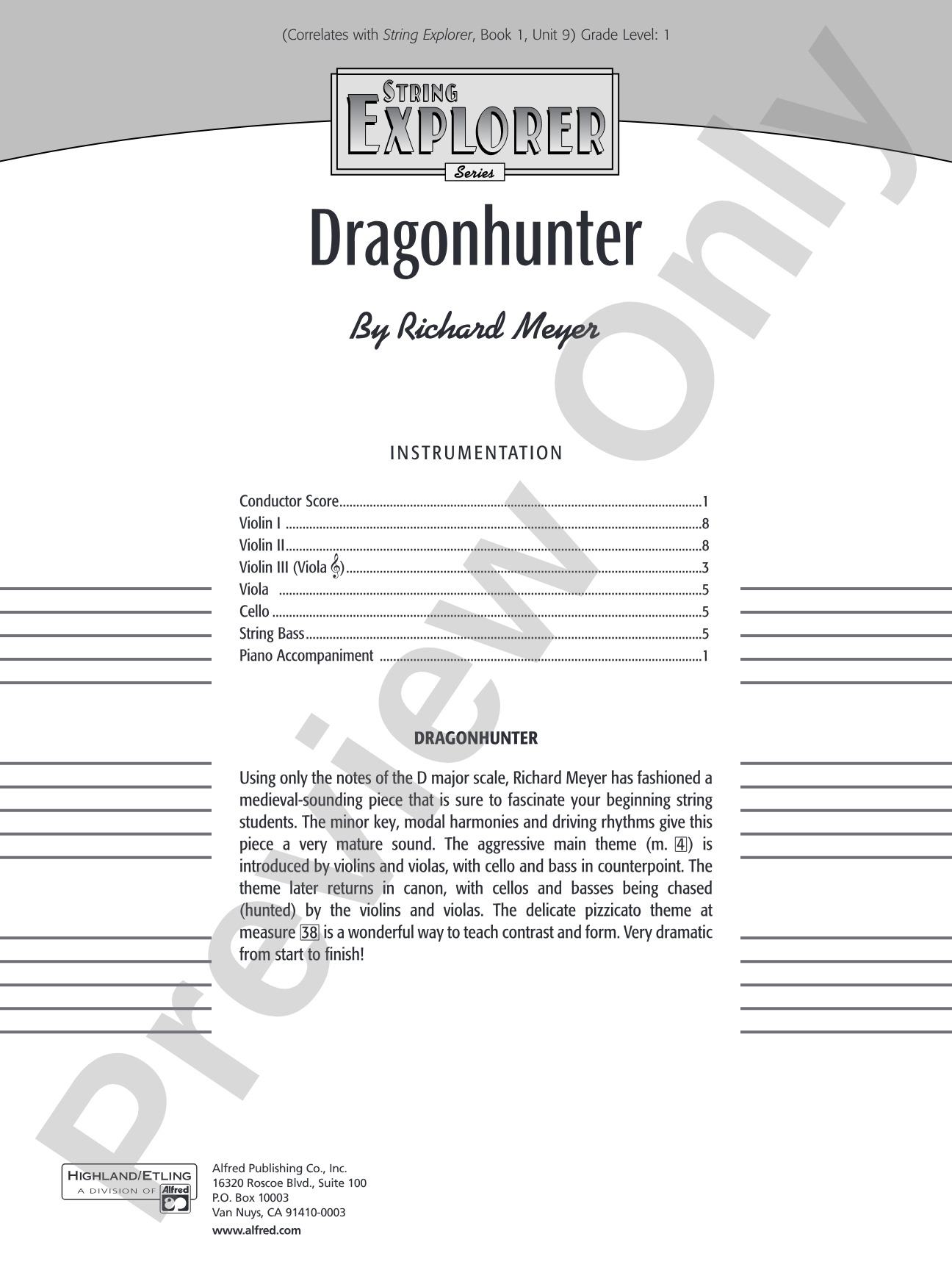
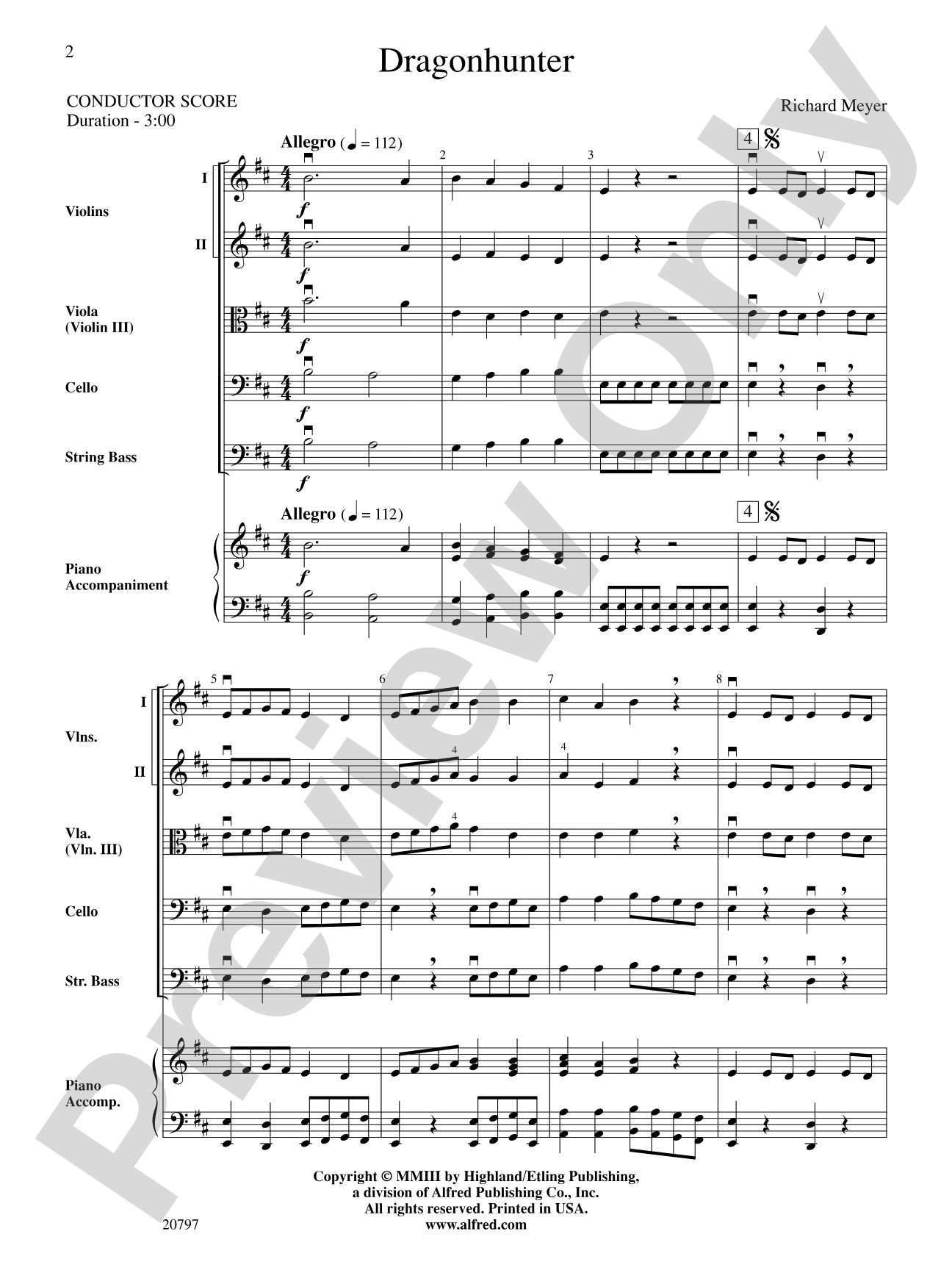
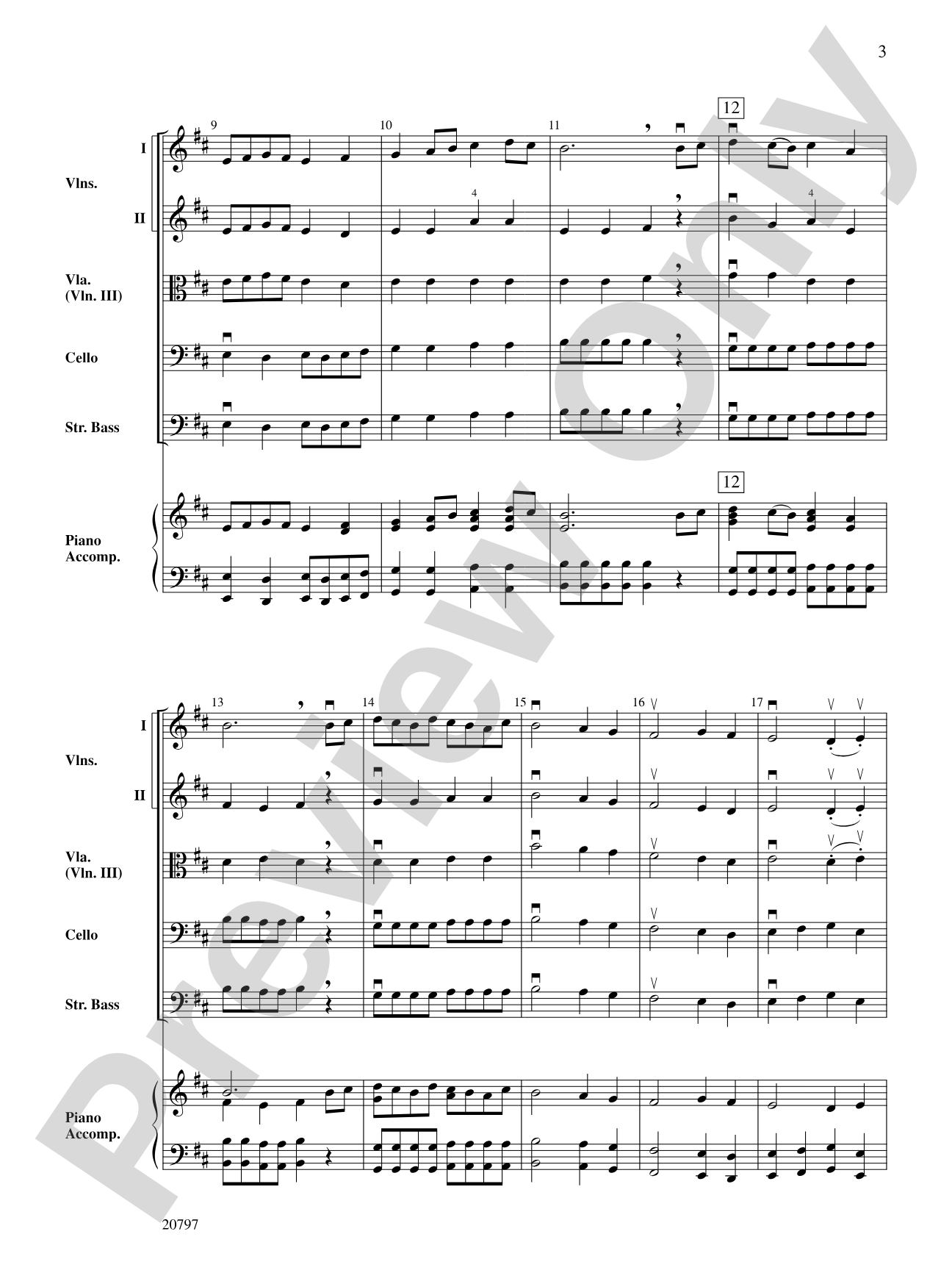
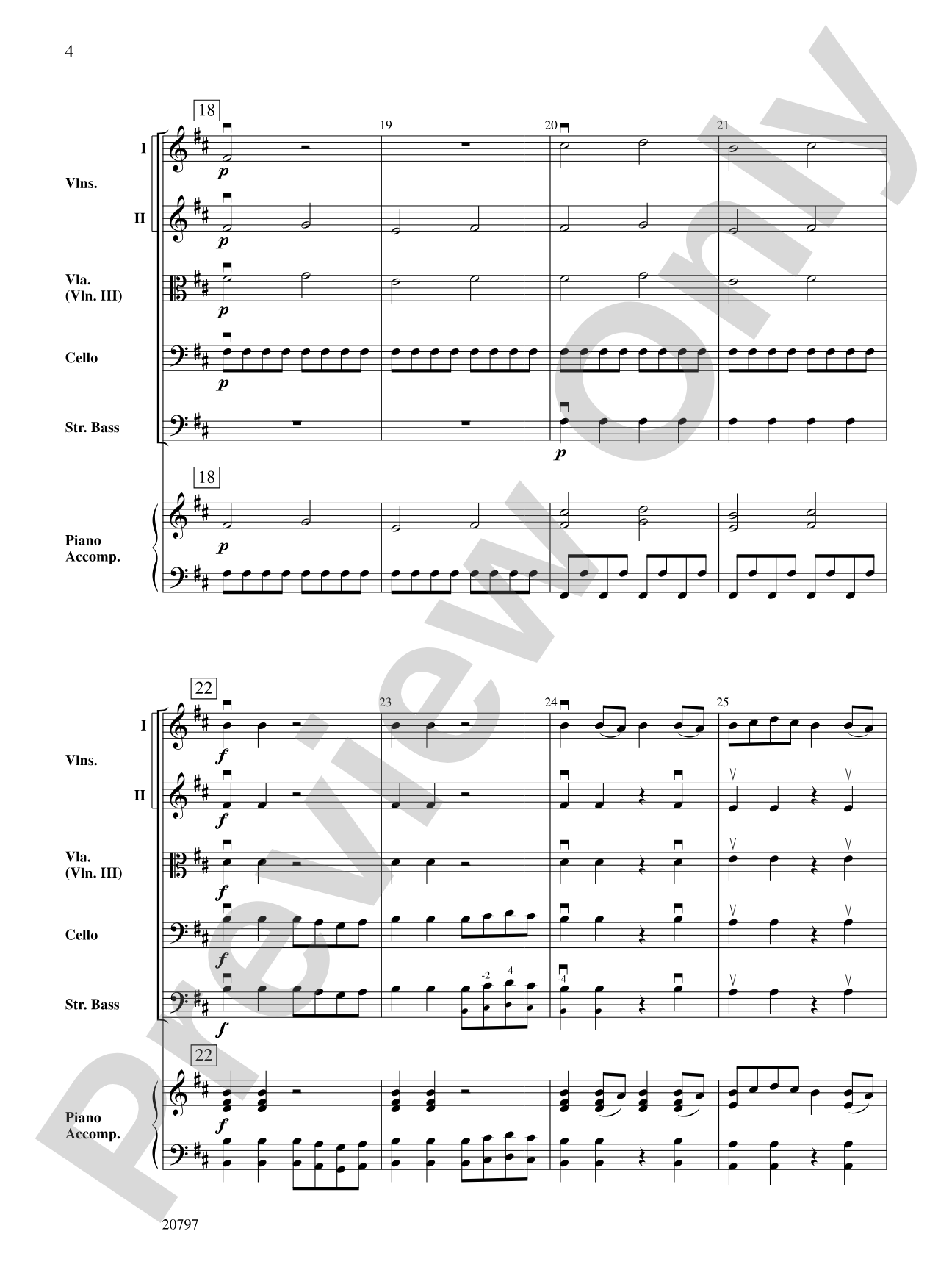
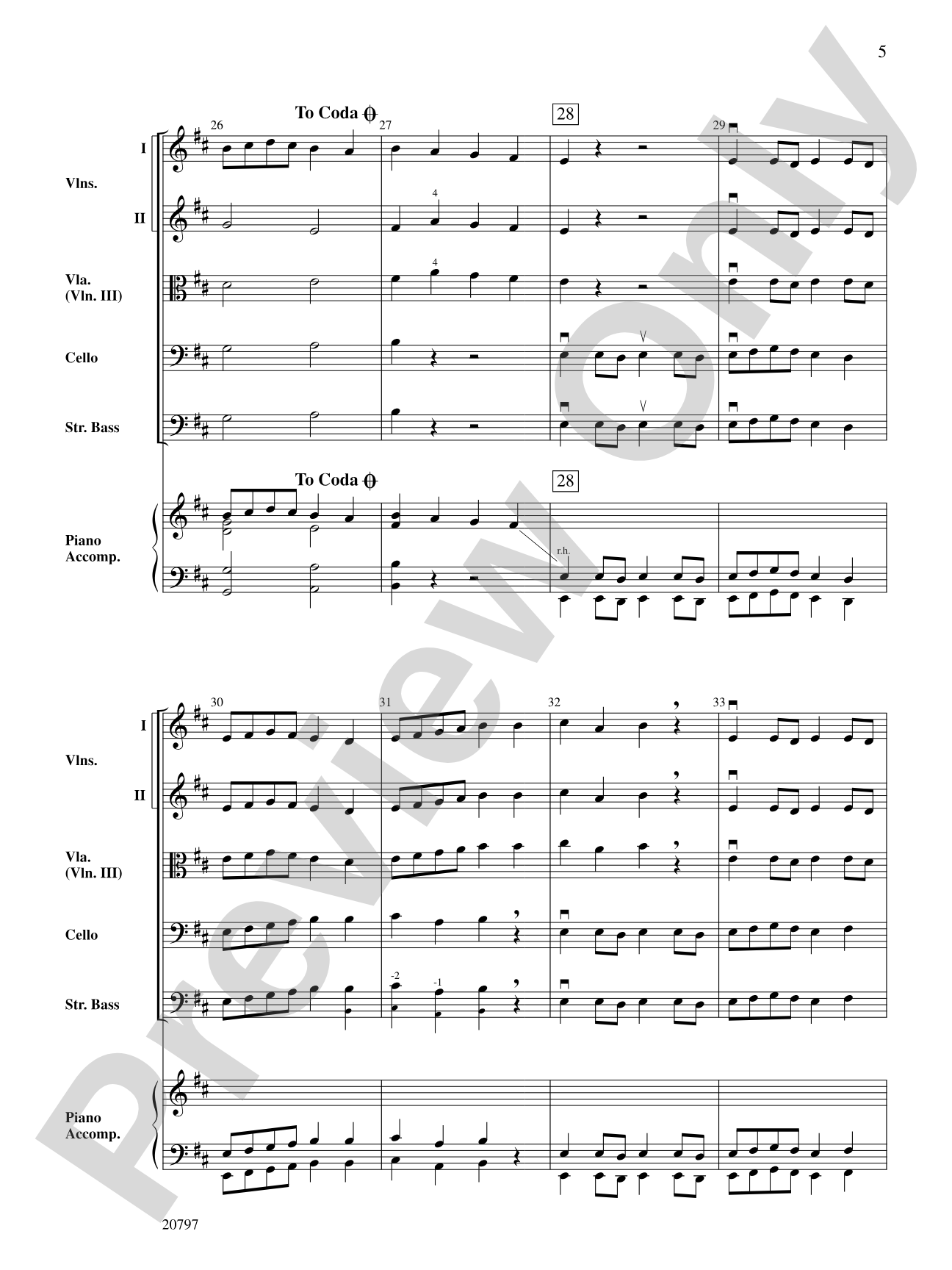
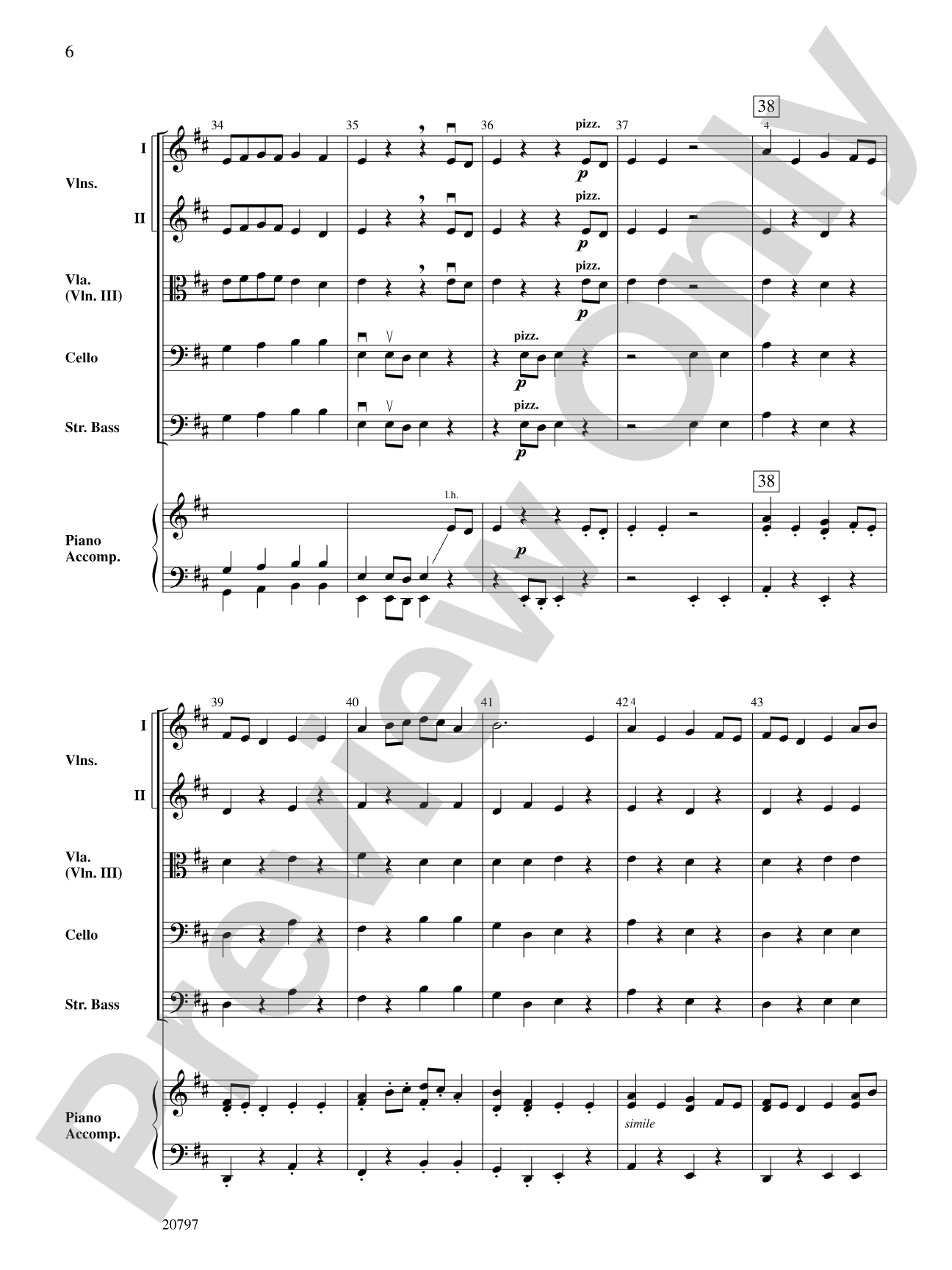
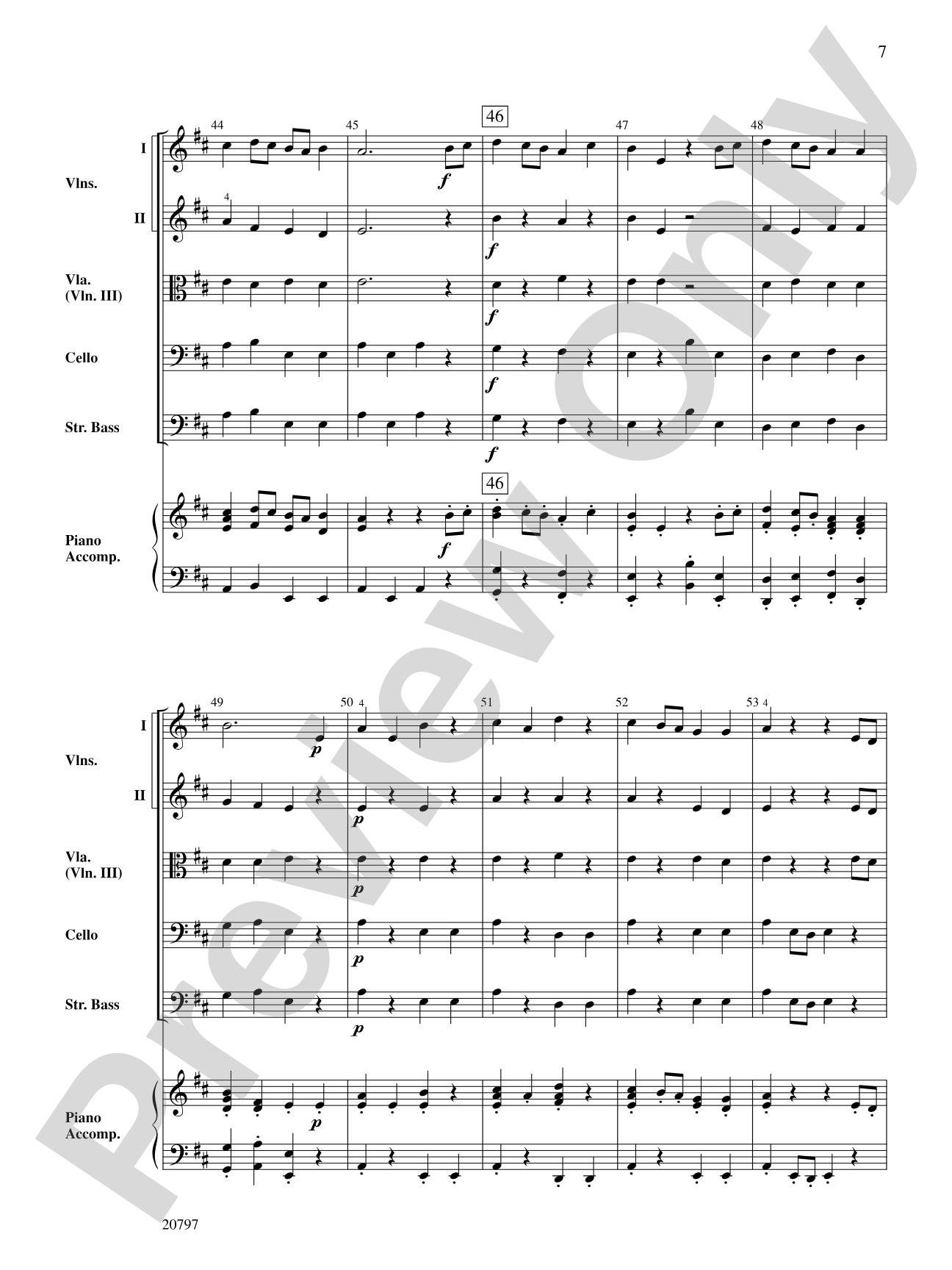
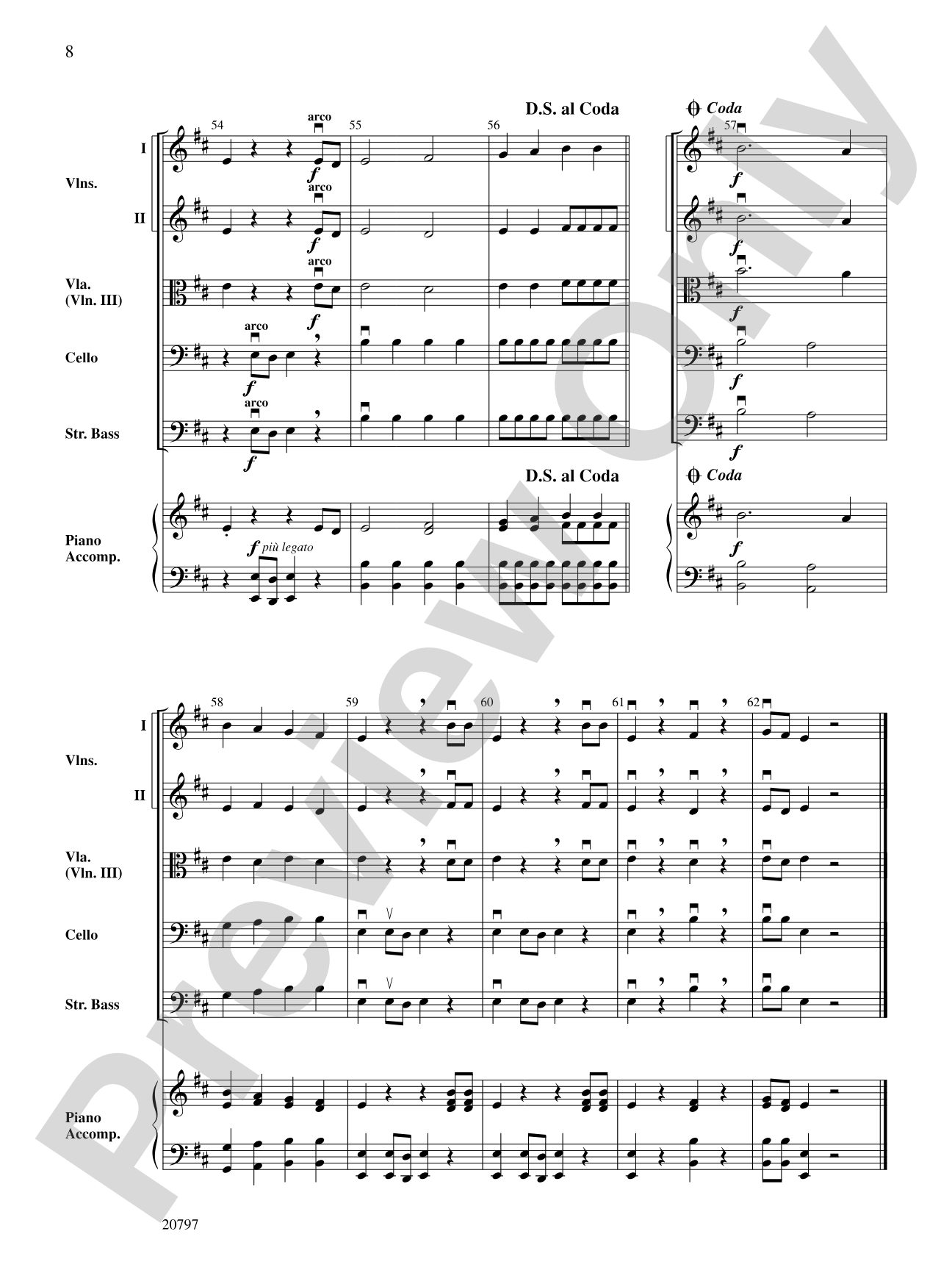
Using only the notes of the D major scale, Richard Meyer has fashioned a medieval-sounding piece that is sure to fascinate your beginning string students. The minor key, modal harmonies and driving rhythms give this piece a very mature sound. The aggressive main theme is introduced by violins and violas, with cello and bass in counterpoint. The theme later returns in canon, with cellos and basses being chased (hunted) by the violins and violas. Very dramatic from start to finish! (2:51) This title is available in MakeMusic Cloud.


Don't just read it, hear it, play along with it, and watch your students grow with it. In MakeMusic Cloud, Dragonhunter: Score comes alive with professional accompaniment, adjustable tempo, and built-in practice tools that turn solo practice into real progress.
Open in the Player
Jump straight in and assign it today.
Start Your Free Trial
Open this title and explore the full library in minutes.
Sample Audio
1
Audio File
--:--
0:00
0:00
Sample Video
Additional Details
Series:
Highland/Etling String Explorer
Publisher:
Alfred Music
Page Count:
72
SKU:
00-PR-0000458
More about this title
About the Composer: Richard Meyer

Richard Meyer brings three decades of string teaching experience to his compositions, having shaped orchestras at every level from elementary through high school in Southern California public schools. At Oak Avenue Intermediate School, he transformed a 29-student program into a thriving ensemble of 200 players while directing the district's elementary string initiative. His work extends beyond the classroom: he conducted the Pasadena Youth Symphony Orchestra for 16 years, leading international tours across Vienna, Australia, and Canada, and he founded the "Giving Bach" program, which has earned national recognition for bringing interactive concerts to underserved student populations throughout the region.
As a composer, Meyer has established himself as a prolific voice in string education, with nearly 200 published works and arrangements to his credit. He served as string editor for Alfred Publishing Company for 16 years and co-authored the widely-adopted String Explorer Series and Sight-read It for Strings. Meyer remains active as a guest conductor and clinician, having presented at the A.S.T.A. National Conference, the Texas Orchestra Directors' Association Conference, and string workshops at Ohio State University and Birch Bay.
Why we love this
Meyer constructs a genuinely theatrical piece from Grade 1 materials by anchoring everything to the D major scale, creating harmonic sophistication that surprises students and audiences alike. The canonic writing (where cellos and basses lead and violins and violas pursue) gives young players an immediate sense of dramatic purpose, transforming a technical exercise into storytelling. This is the rare Grade 1 work that sounds mature without being fragile.
What to expect
Medieval and menacing. The D major scale yields open fifths and an almost modal bleakness that feels old-world, while the driving rhythms and aggressive theme push the piece forward with kinetic energy. The canonic writing creates genuine tension as one section hunts another, building to a climax that feels earned rather than imposed.
Who it's for
Developing string orchestras at the middle school level and advanced elementary programs ready for programmatic thinking. Young players familiar with basic position work and confident ensemble playing will find both the modal color and rhythmic energy accessible, while conductors can use this as a gateway to teaching character and narrative through instrumentation.
How to get the most out of it
- Shape the main theme with clear dynamic contrasts between the aggressive opening statement and the canonic passages; the 'hunt' works best when the pursuing voices actively chase their prey rather than simply doubling the original line.
- Balance the viola and cello counterpoint in the opening so both lines are audible; young violas especially benefit from encouragement to project their accompaniment figure.
- Lock the rhythmic drive in the ensemble before sectioning out the canon; if the pulse wavers, the dramatic momentum collapses.
- Allow the piece to breathe slightly at transitions between the theme and its restatement, but maintain intensity through the silence so the return feels inevitable rather than abrupt.
How to use it
Program this as a festival or contest piece where it will stand out for its dramatic flair without requiring advanced technique. It also pairs well on a concert with lighter folk-inspired fare, providing contrast and demonstrating your ensemble's range of character and maturity in a single concert arc.
Skills your students will build
- Playing and sustaining major scale passages in first and second position across all four string voices
- Reading and executing canonic writing with ensemble precision
- Balancing and protecting counterpoint lines so each voice remains audible within a texture
- Responding to dramatic musical narrative and tempo/dynamic direction to communicate character