


Dragonfly: String Orchestra Conductor Score & Parts
By Doug Spata
Grade: 2.5
Item: 00-PK-0005753

$49.00
Pickup currently not available
Buy Extra Parts (Digital PDF Download)
| Product | Price | Quantity |
|---|---|---|
| Dragonfly: Score | $9.00 | |
| Dragonfly: 1st Violin | $5.99 | |
| Dragonfly: 2nd Violin | $5.99 | |
| Dragonfly: Viola | $5.99 | |
| Dragonfly: Cello | $5.99 | |
| Dragonfly: String Bass | $5.99 |
Parts Added to Cart!
Description
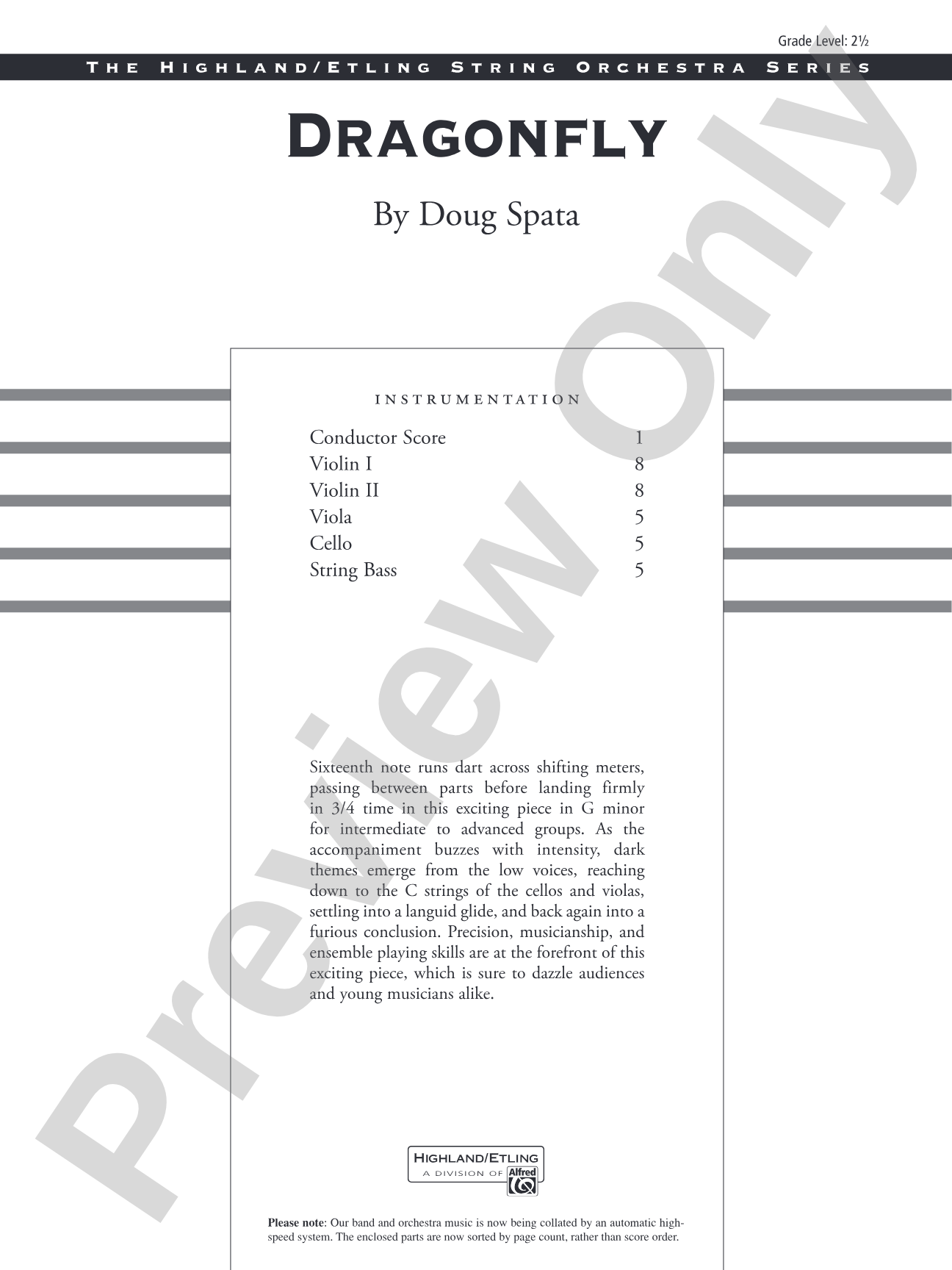
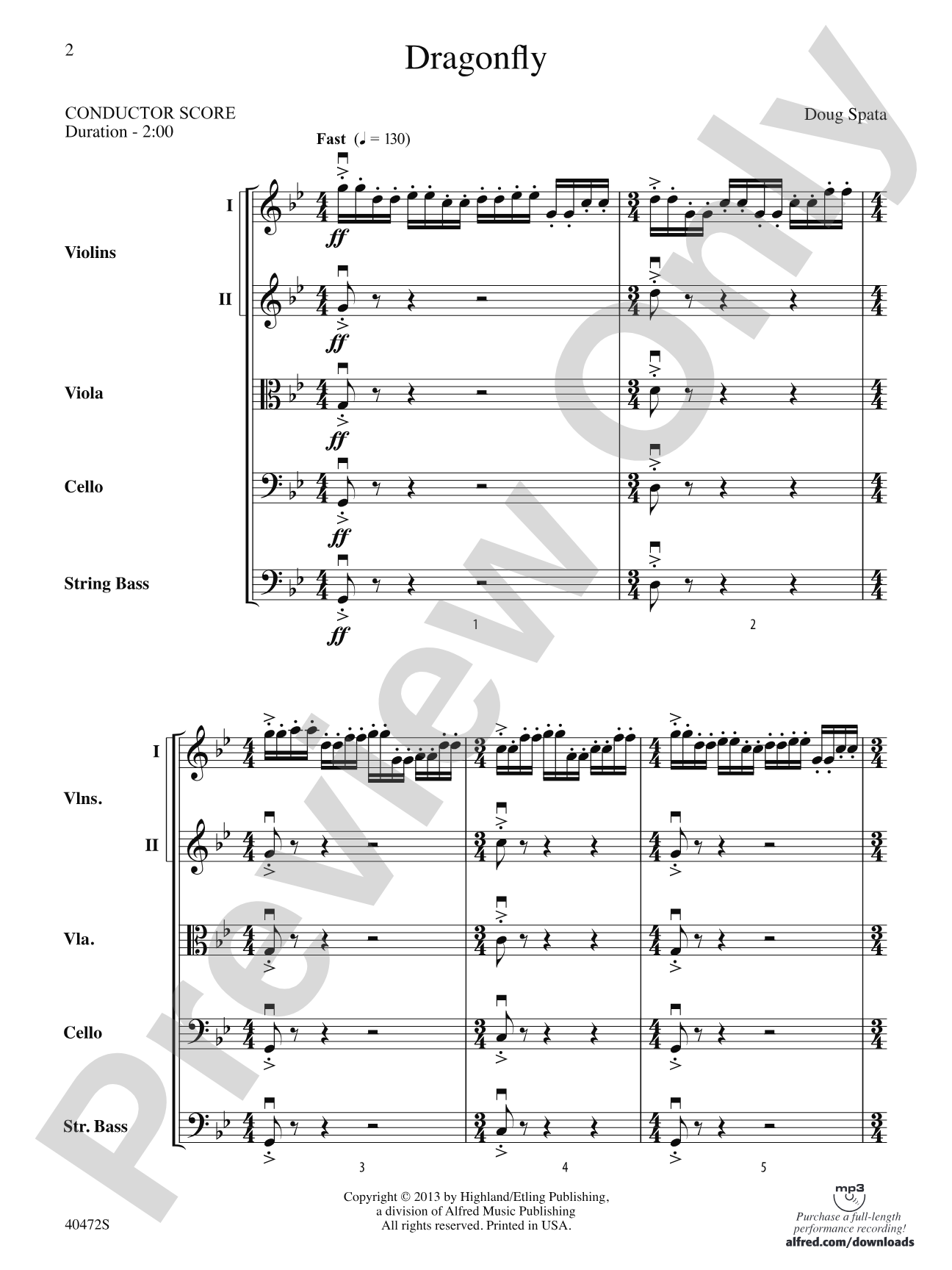
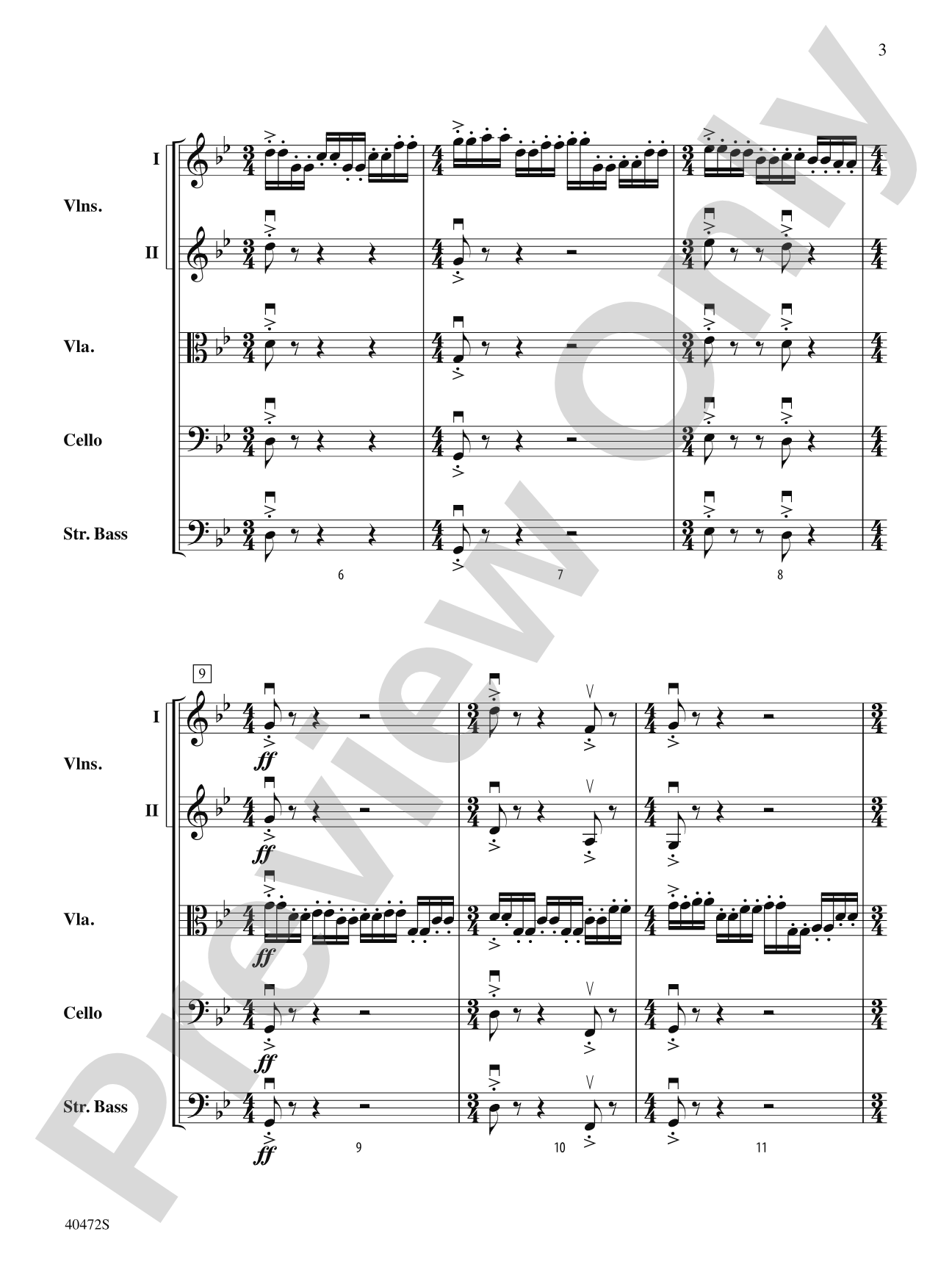
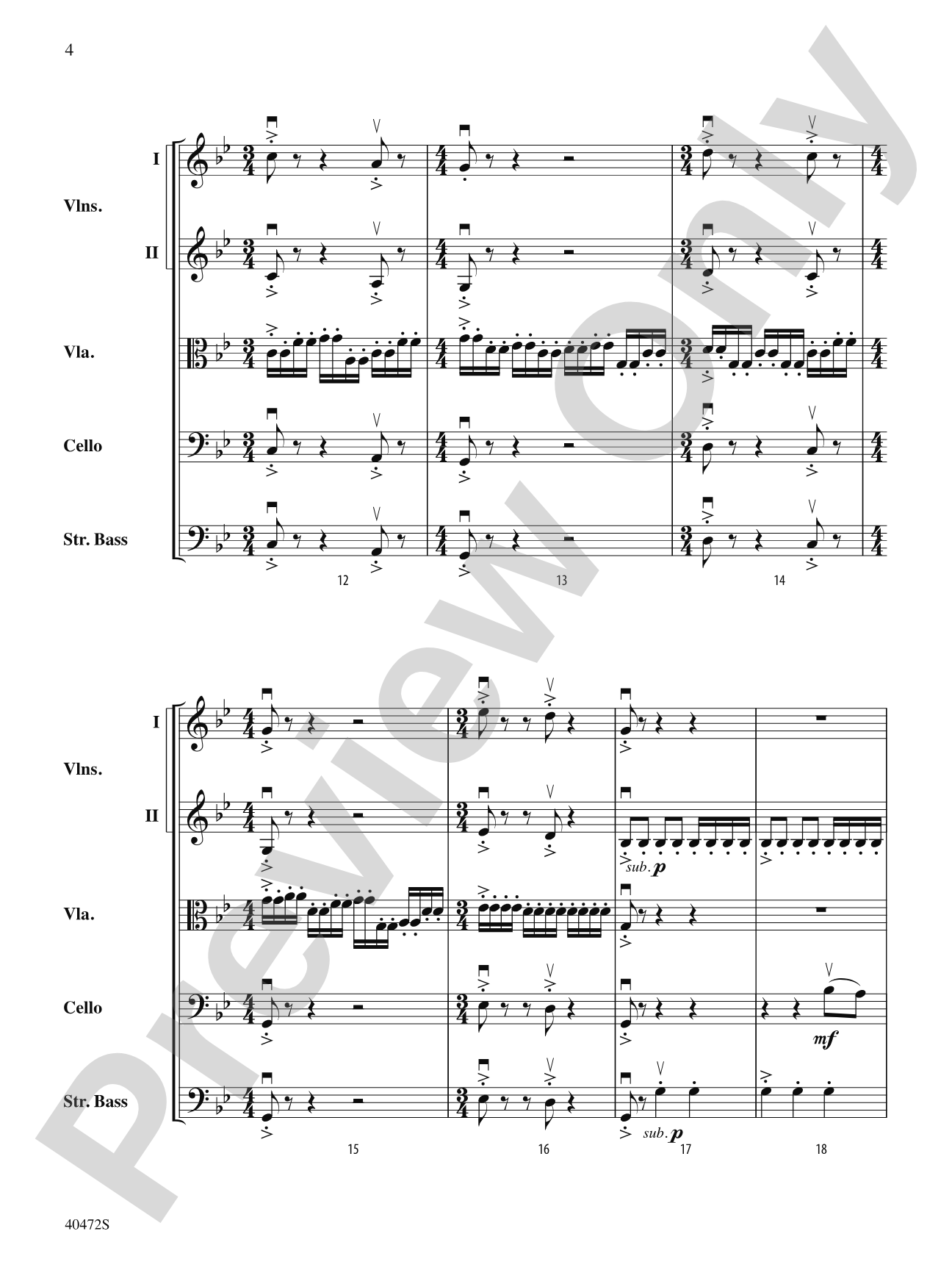
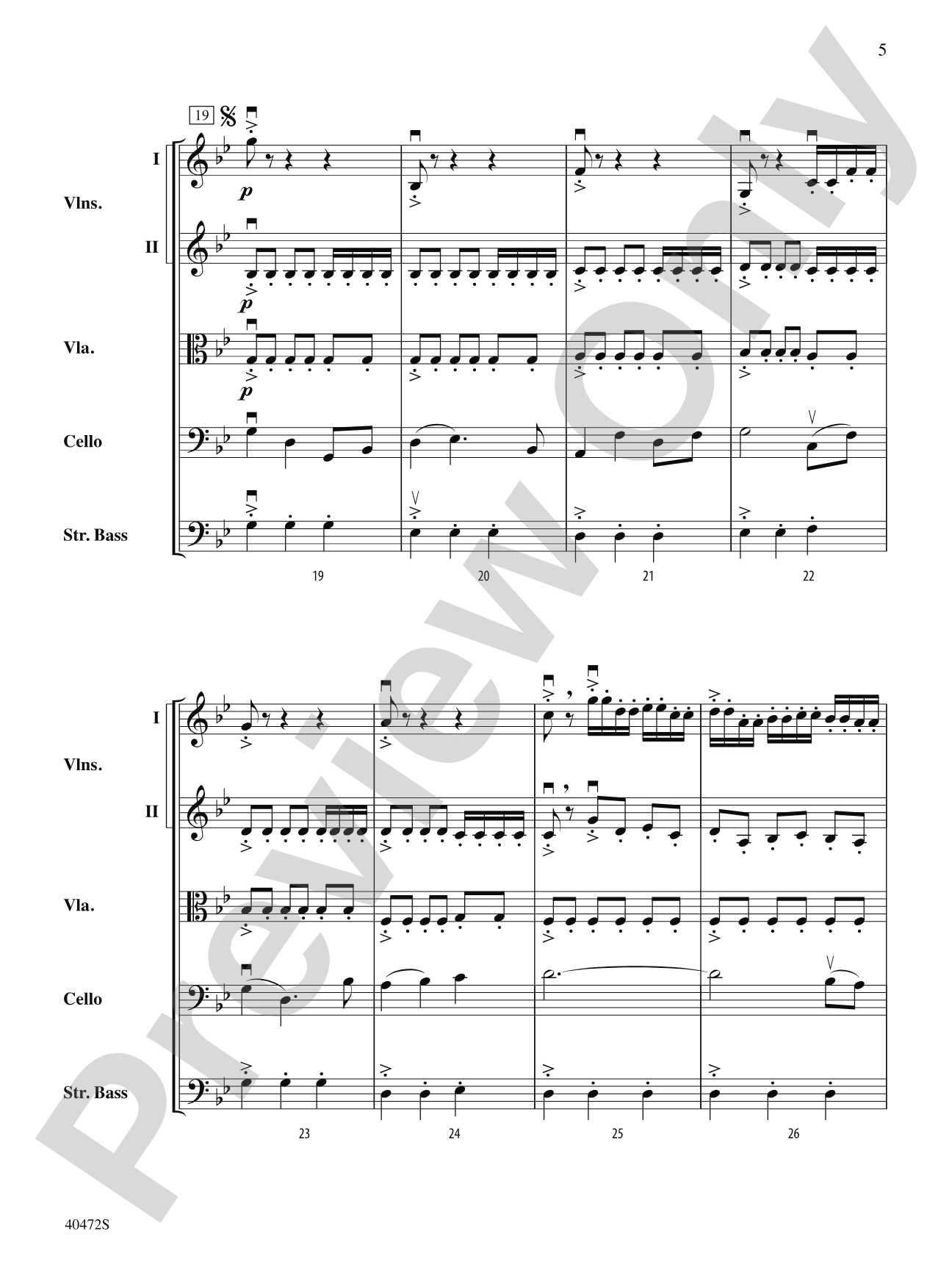
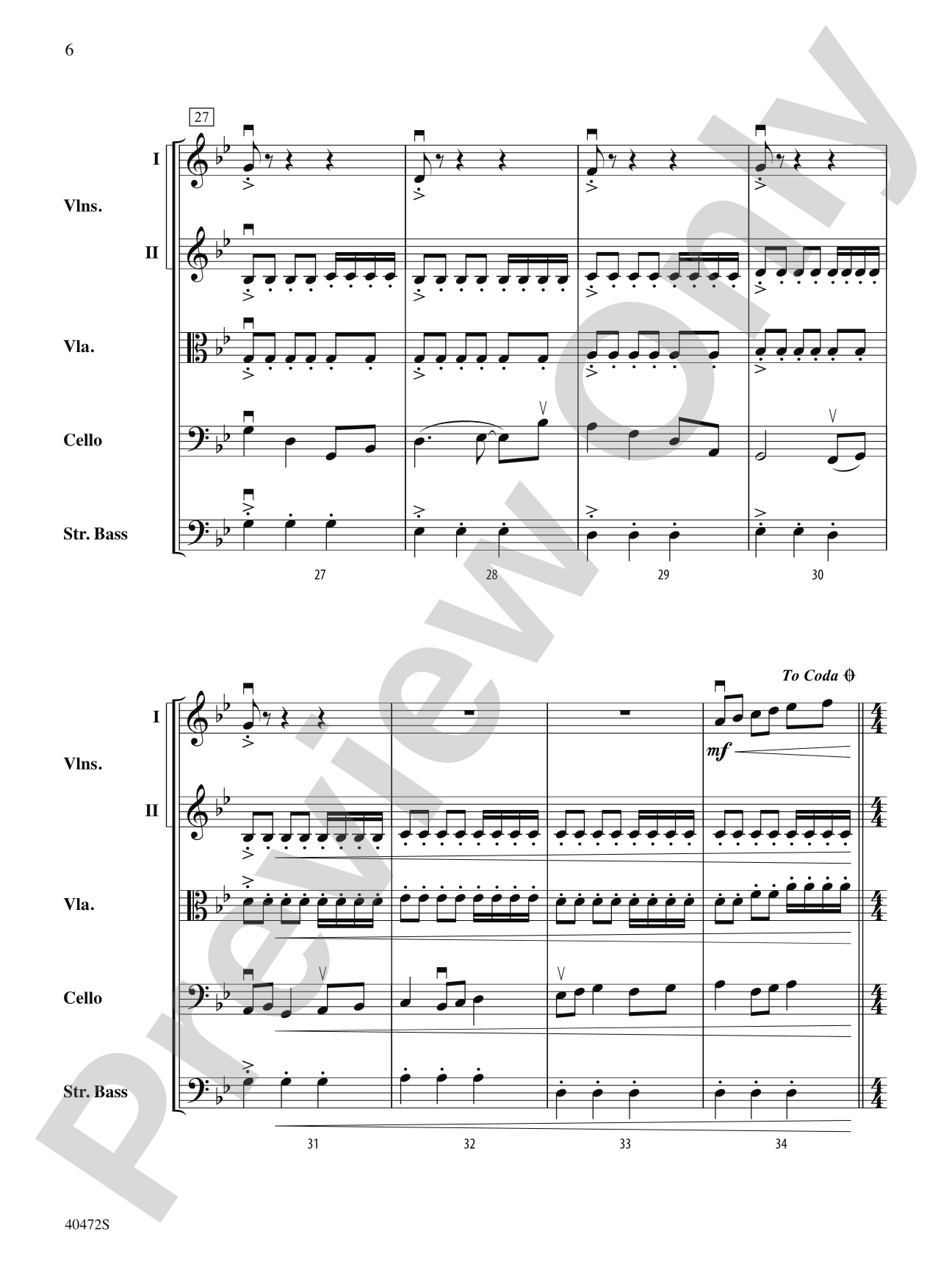
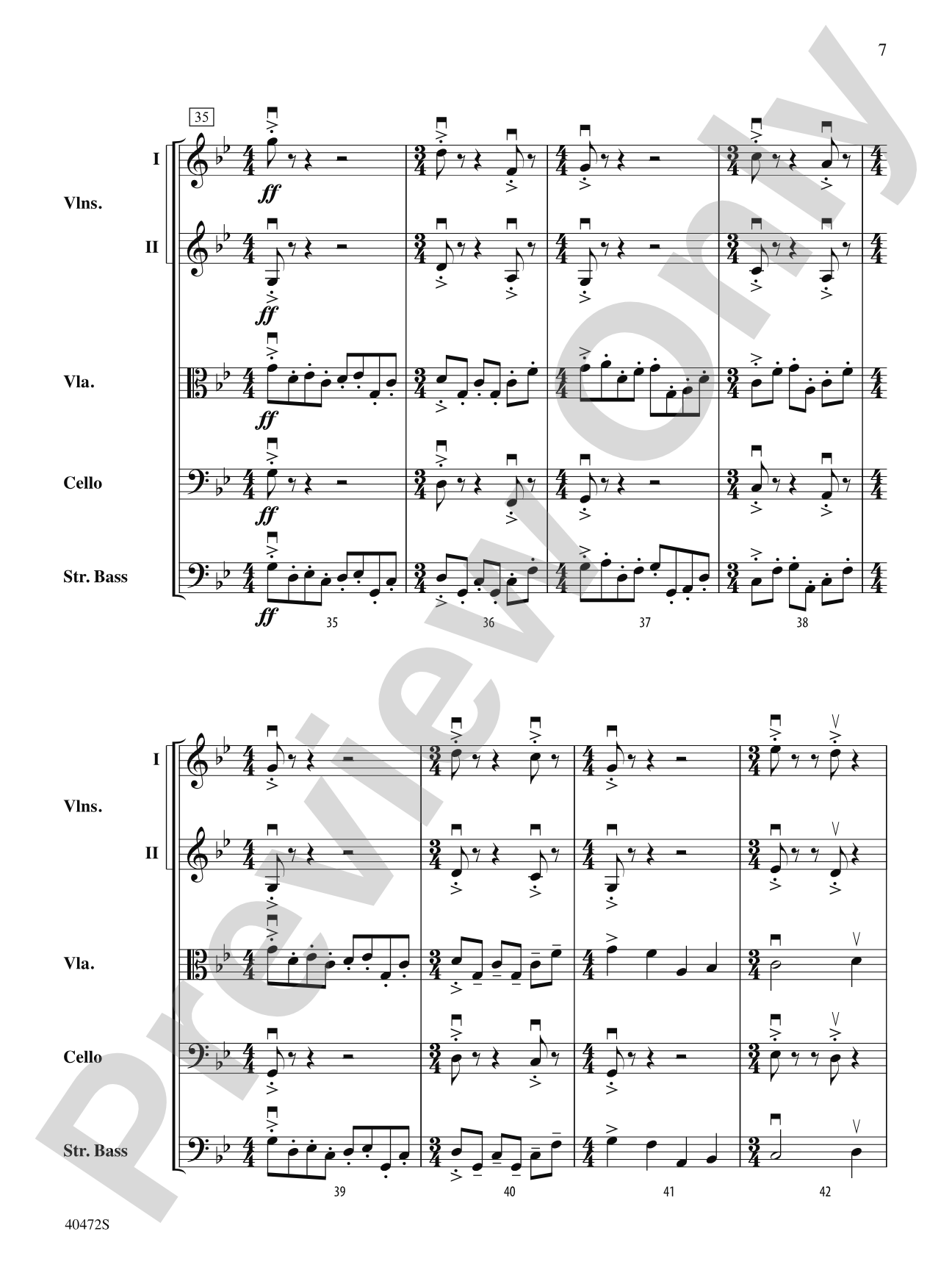
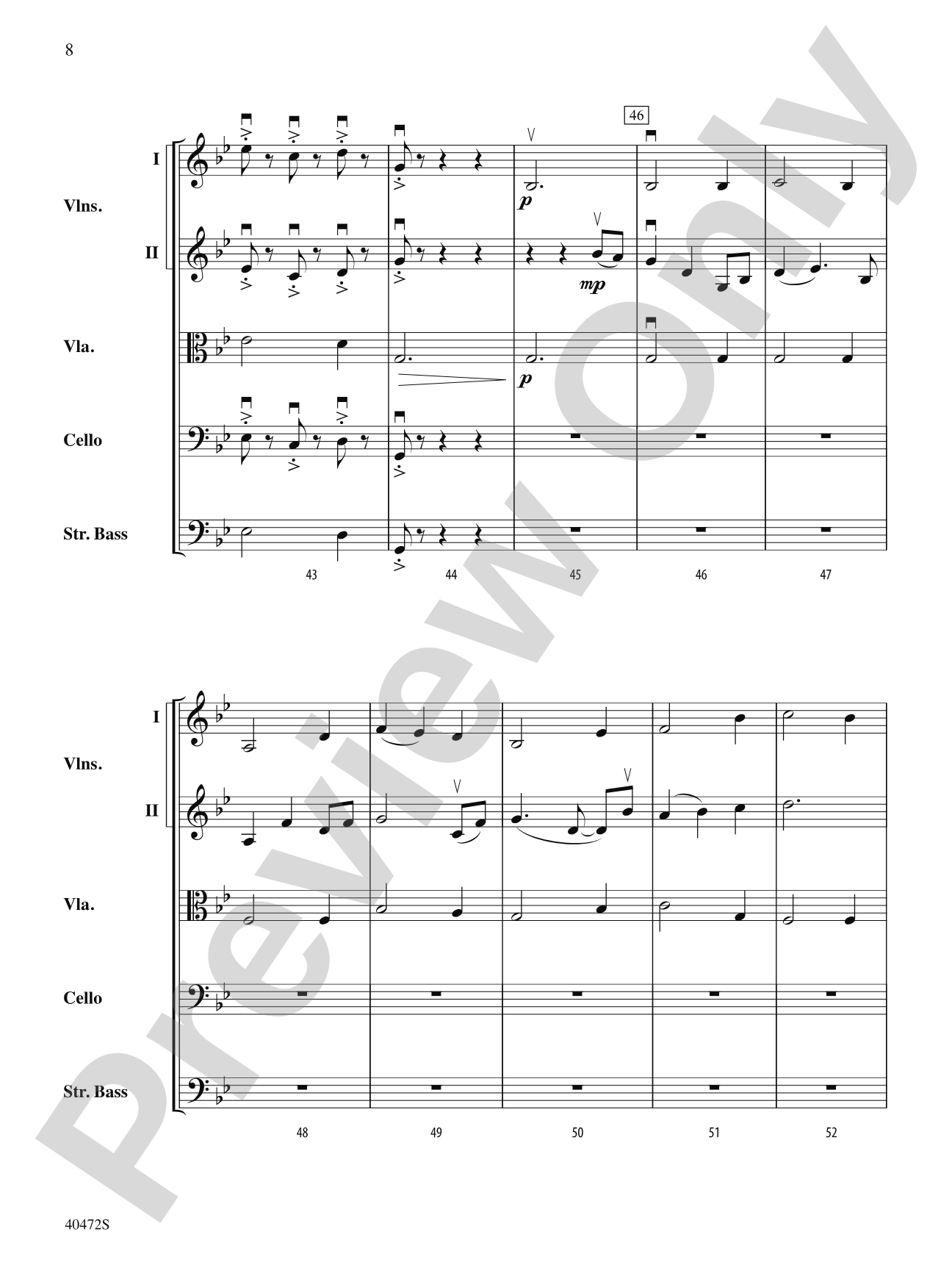
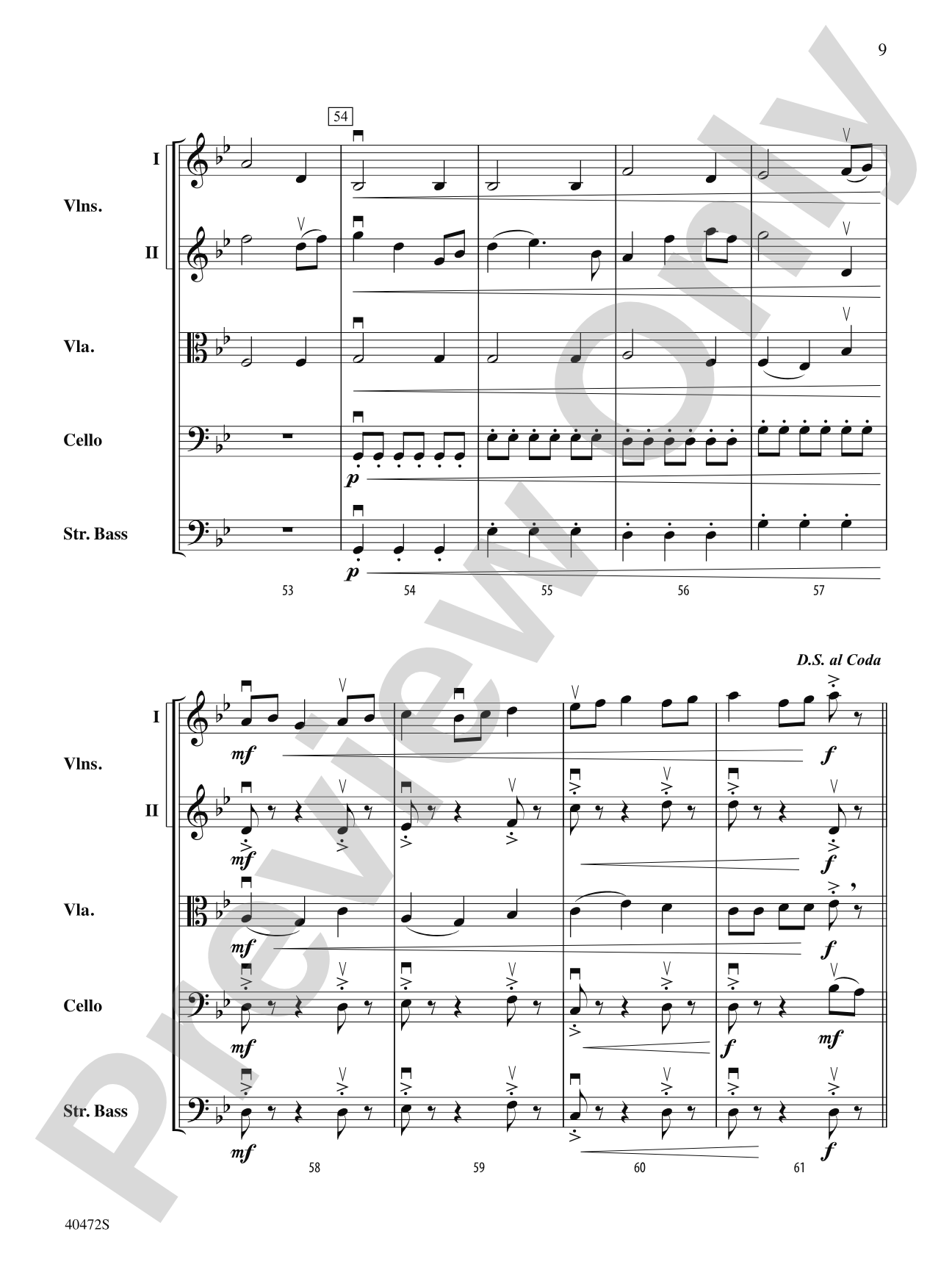
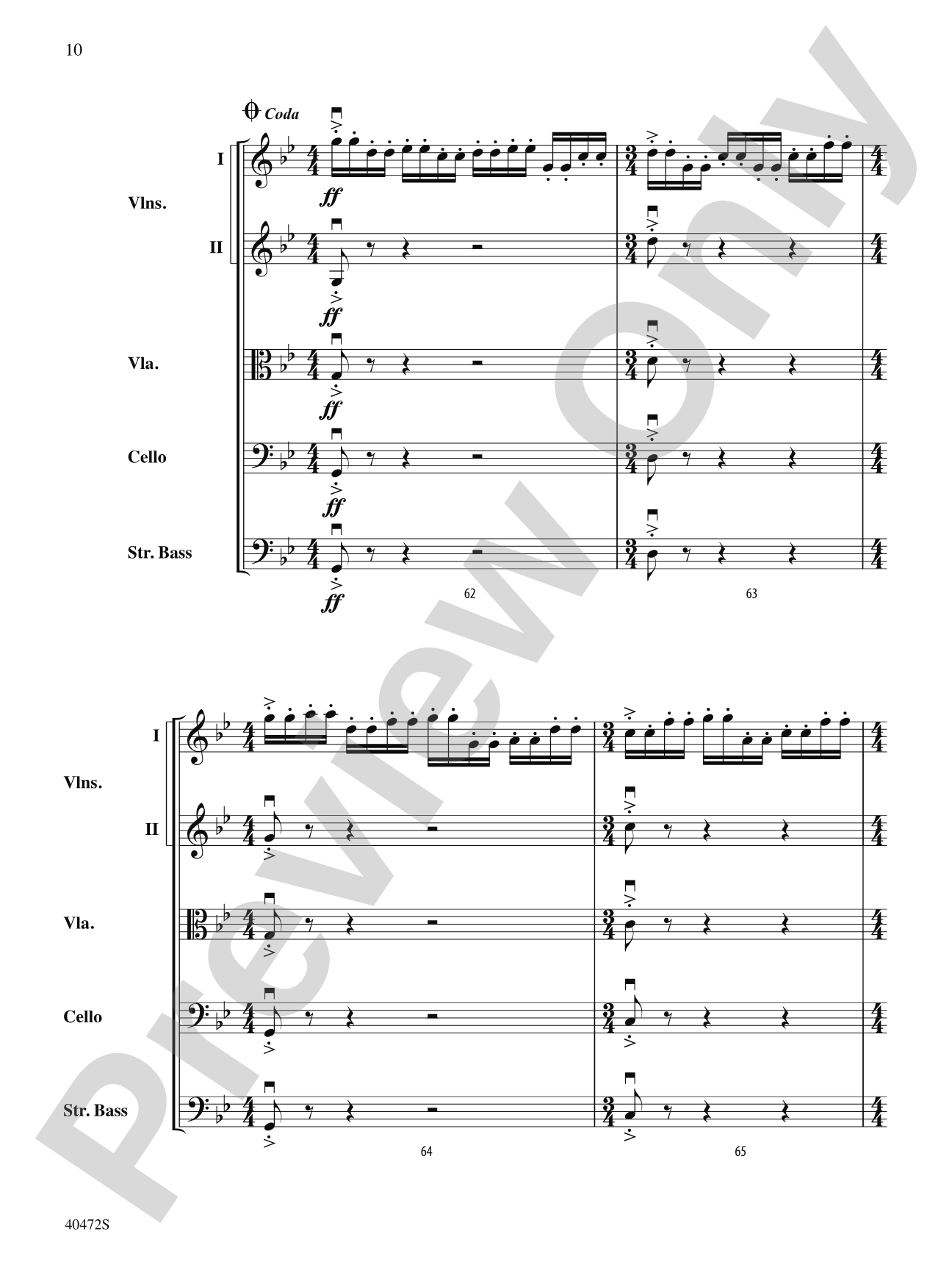
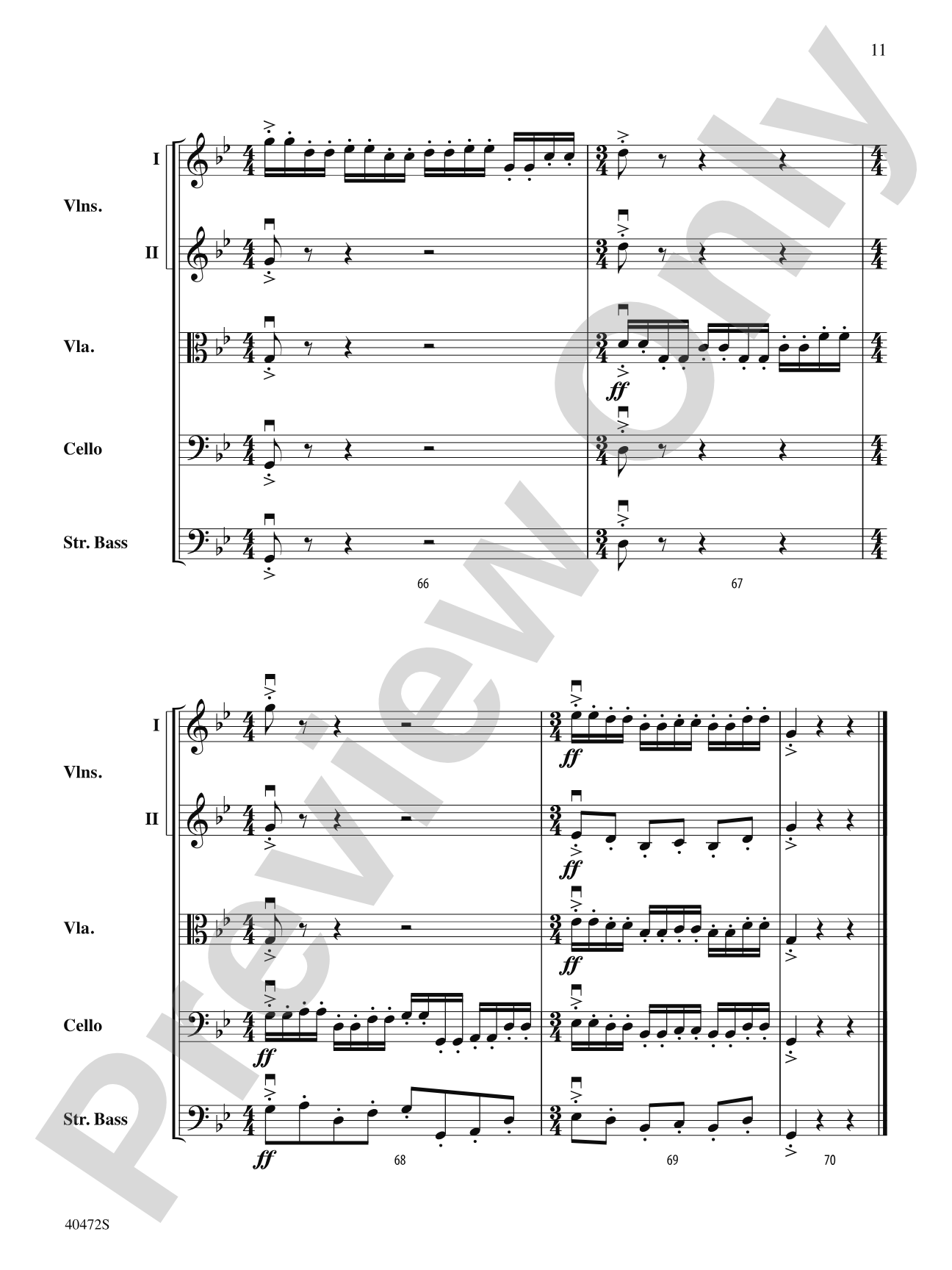
Sixteenth-note runs dart across shifting meters, passing between parts before landing firmly in 3/4 time in this exciting piece in G minor for intermediate to advanced groups. As the accompaniment buzzes with intensity, dark themes emerge from the low voices, reaching down to the C strings of the cellos and violas, settling into a languid glide, and back again into a furious conclusion. Precision, musicianship, and ensemble playing skills are at the forefront of this exciting piece, which is sure to dazzle audiences and young musicians alike. This title is available in MakeMusic Cloud.


Don't just read it, hear it, play along with it, and watch your students grow with it. In MakeMusic Cloud, Dragonfly: String Orchestra Conductor Score & Parts comes alive with professional accompaniment, adjustable tempo, and built-in practice tools that turn solo practice into real progress.
Open in the Player
Jump straight in and assign it today.
Start Your Free Trial
Open this title and explore the full library in minutes.
Sample Audio
1
Audio File
--:--
0:00
0:00
Sample Video
Additional Details
Series:
Highland/Etling String Orchestra
Publisher:
Alfred Music
Page Count:
124
SKU:
00-PK-0005753
More about this title
About the Composer: Doug Spata

Doug Spata came to composition through the orchestra rehearsal room. A clarinetist by training, his years directing student ensembles shaped his deep understanding of what works on the string stage, and he has devoted much of his creative output to writing for strings. His compositions have earned recognition across the country and internationally, performed by student orchestras, professional groups, and chamber ensembles alike.
Beyond his prolific string writing, Spata's catalog spans opera, ballet, symphonies, and large ensemble works. His ability to craft music that excites both young musicians and seasoned performers has made him a trusted voice in music education and concert halls.
Why we love this
Spata nails the challenge of intermediate-to-advanced repertoire: the piece demands real musicianship without relying on technical excess. The meter shifts and rhythmic energy keep students engaged during rehearsal, while the dramatic arc (dark low register writing building to a frenzied climax) gives audiences something genuinely exciting to witness. This is the kind of concert piece that makes young string players feel accomplished.
What to expect
Frenetic energy punctuated by moments of dark, brooding intensity. Sixteenth-note figures buzz and dart like wings before the music opens into something heavier and more mysterious in the lower strings, then surges forward again into a fierce final push. The piece moves between restlessness and menace without ever becoming static.
Who it's for
Intermediate to advanced string orchestras seeking a concert or festival piece with genuine musical substance. The writing challenges players to manage rhythmic complexity and shifting tonality while building strong ensemble awareness and intonation across a wide range.
How to get the most out of it
- Establish clear subdivisions during rehearsal before students lock into the prevailing meter. The sixteenth-note runs cut across shifting meters early on, so solidifying the pulse against the rhythmic figure prevents rhythmic slippage.
- Balance the low voice writing carefully. With cellos and violas reaching down to C strings, the dark themes can easily overwhelm the upper parts; use dynamic shaping and seating adjustments to let those lower lines sing without burying the ensemble's center.
- Shape the transition into the final 3/4 section as a pivot moment. Once the piece settles there, resist dragging; the furious conclusion needs clean articulation and forward momentum to land with impact.
How to use it
Program this as a concert showpiece that demonstrates your orchestra's rhythmic precision and dynamic range. It works well pairing with a slower, more lyrical work earlier in the concert, or alongside other contemporary string writing that challenges students to think beyond Romantic-era repertoire. The dramatic trajectory also makes it a strong festival contest selection.
Skills your students will build
- Managing shifting meters while maintaining pulse and ensemble cohesion
- Reading and executing rapid sixteenth-note passages across multiple parts
- Balancing dynamic layers and bringing out distinct voice lines in thick textures
- Sustaining intonation across extended range writing, especially in lower registers
- Responding to dramatic shifts in character and tempo for expressive, mature performances