
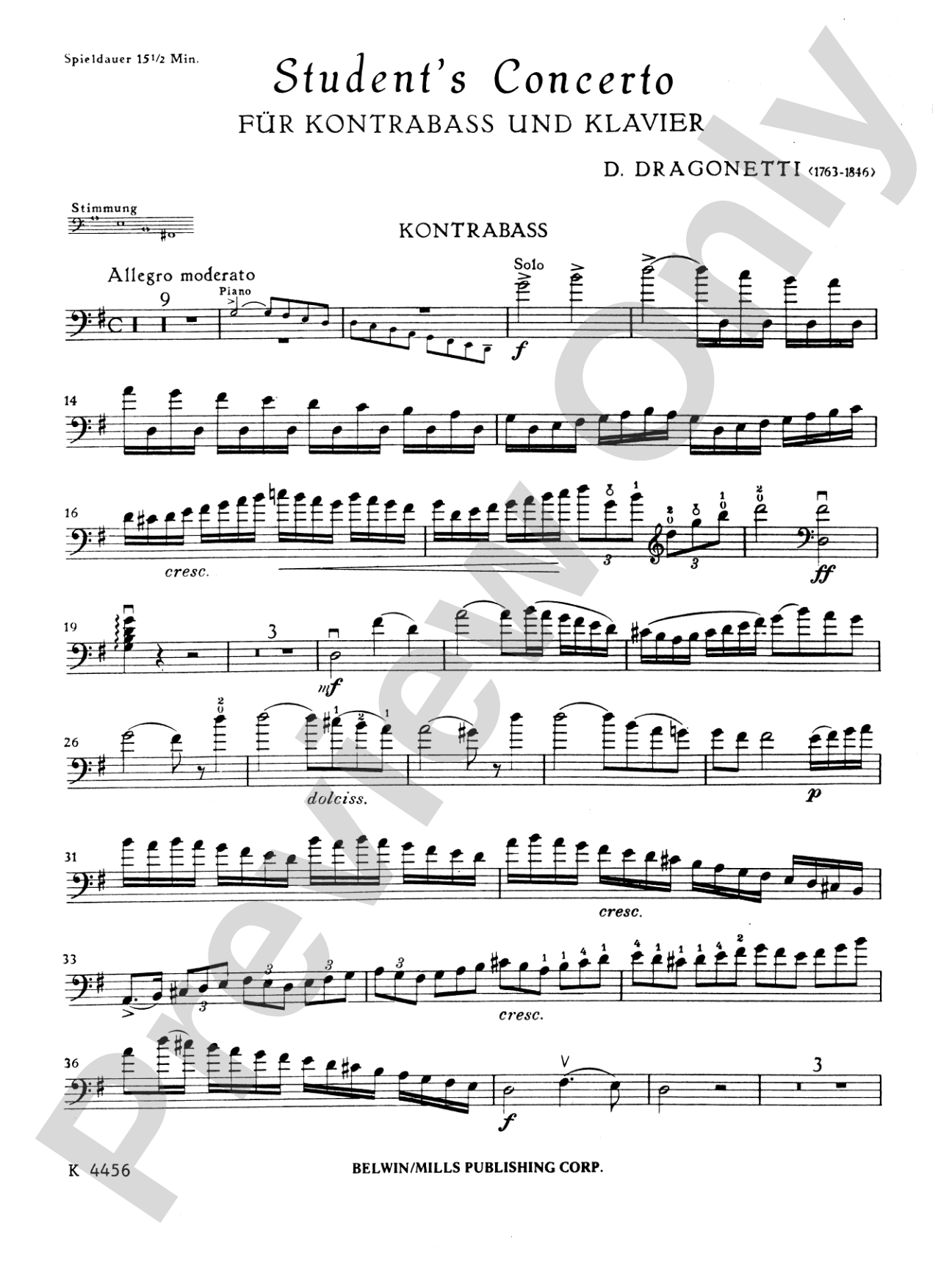
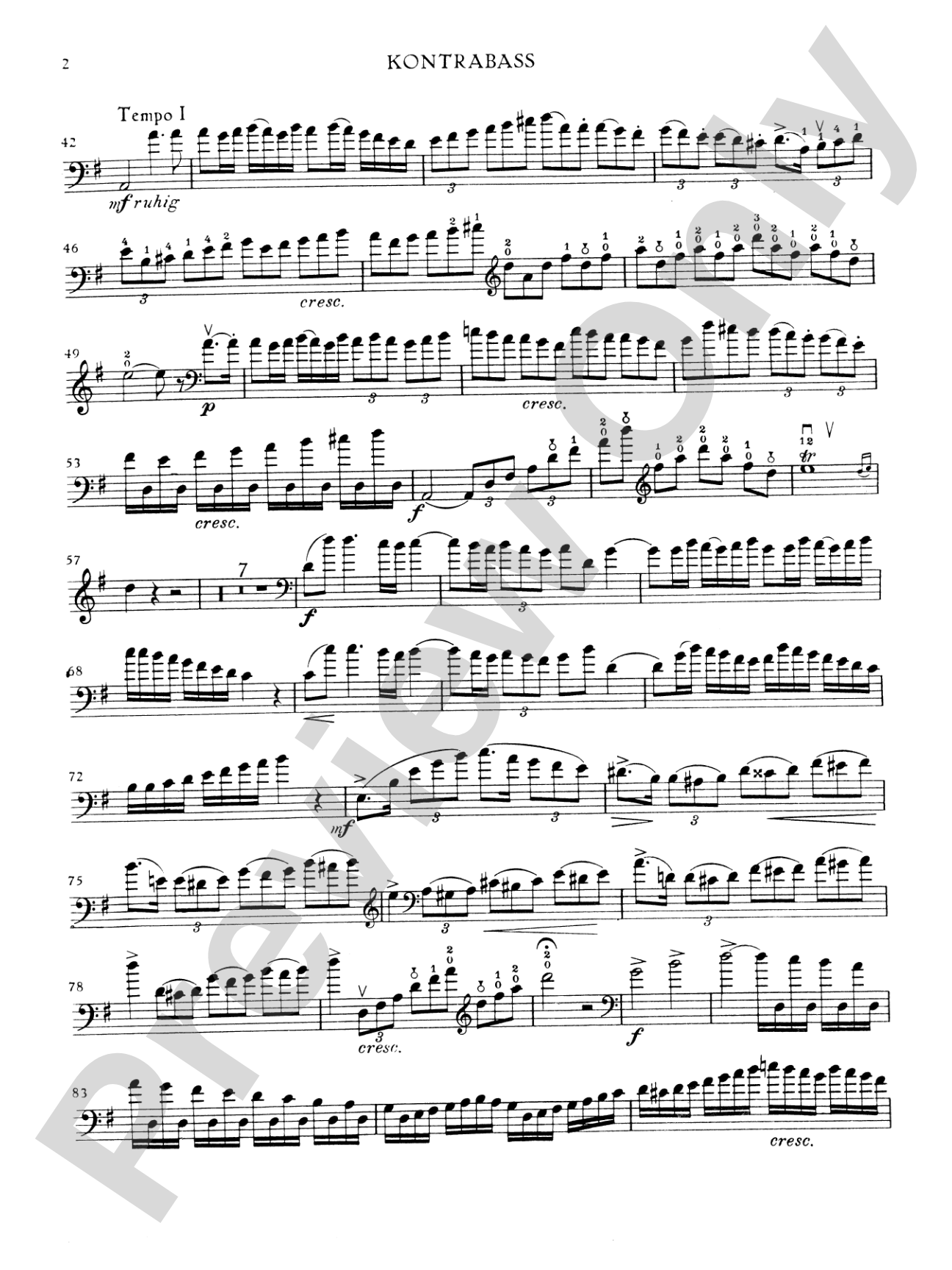
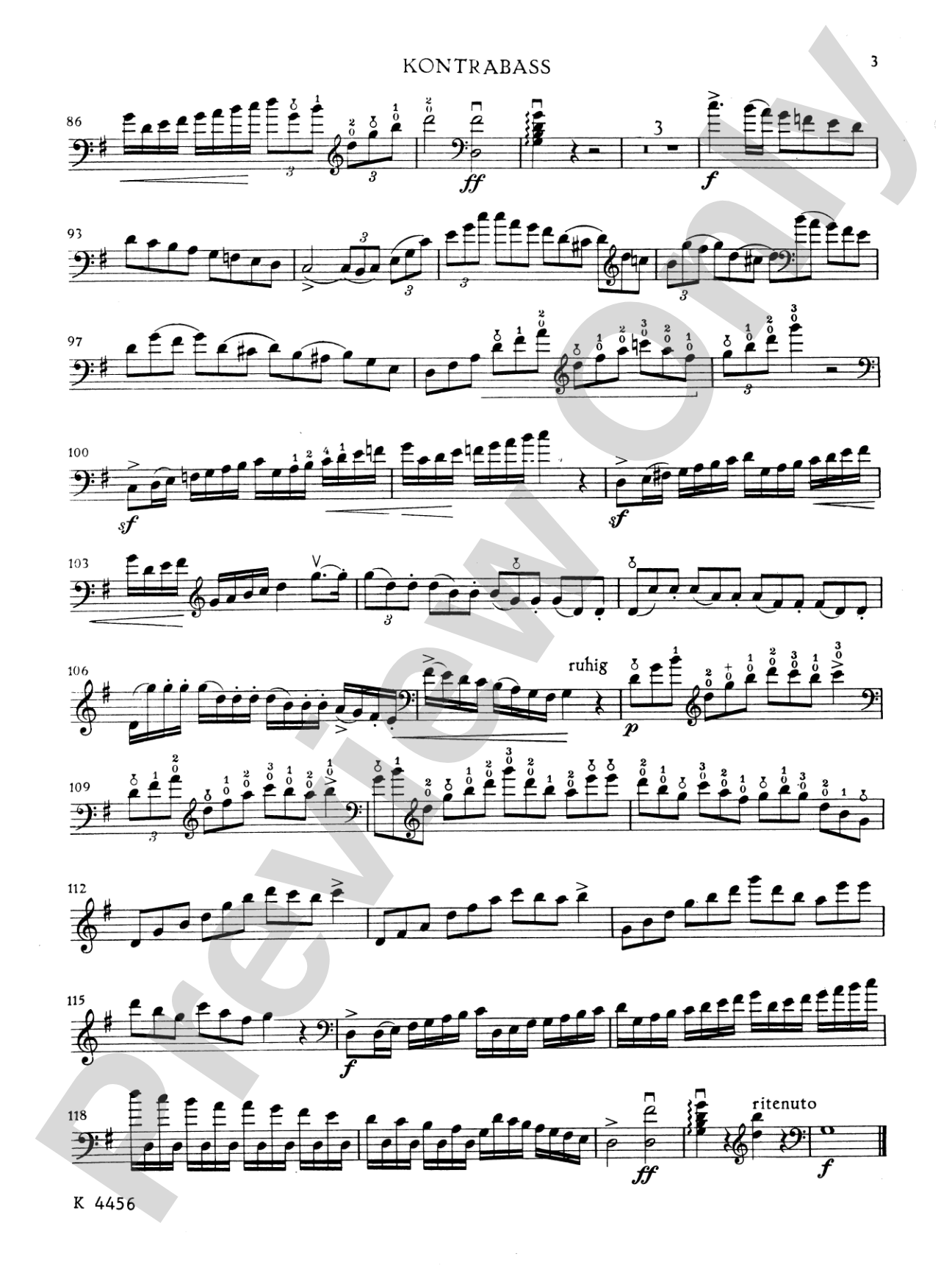
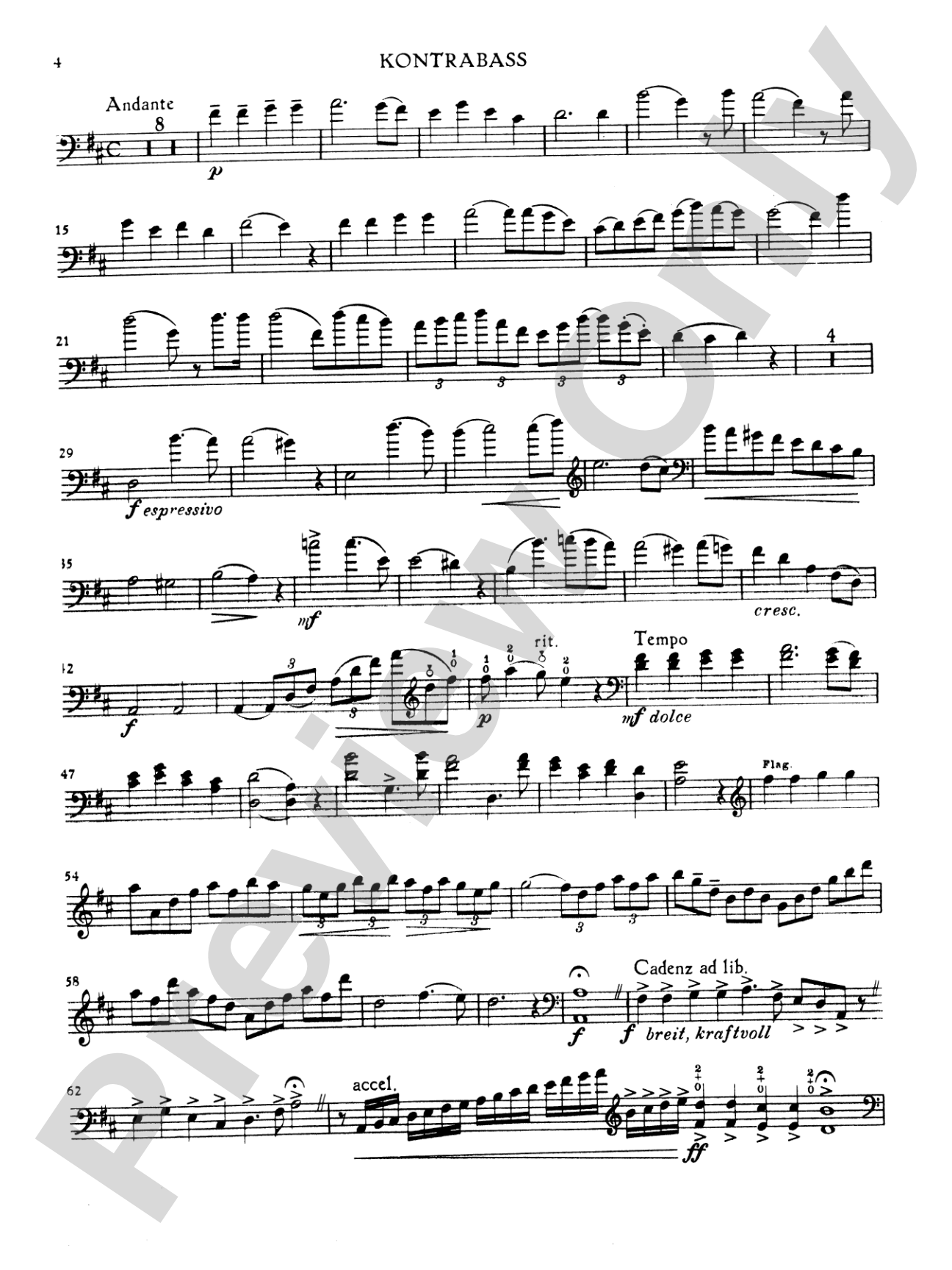
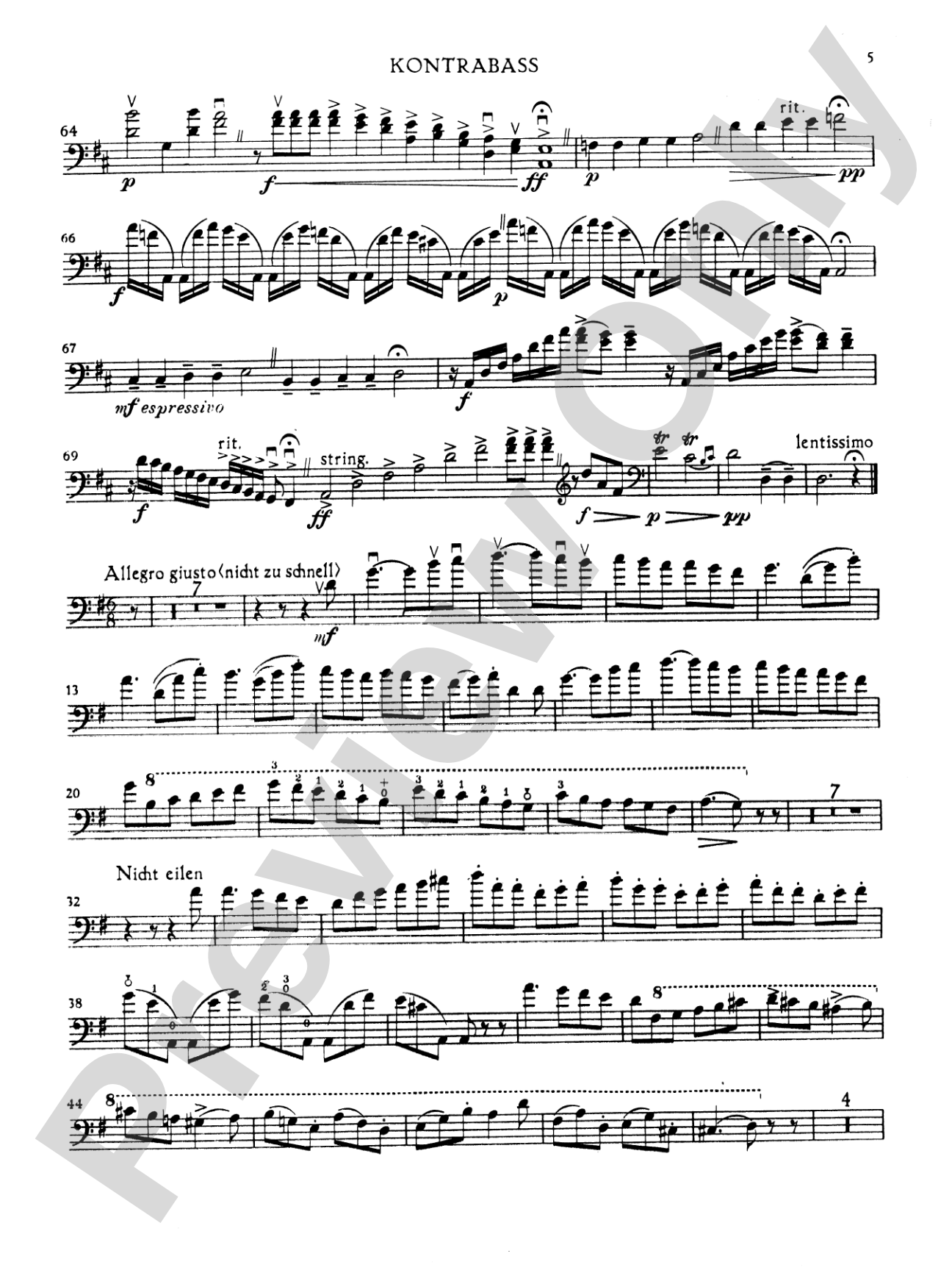
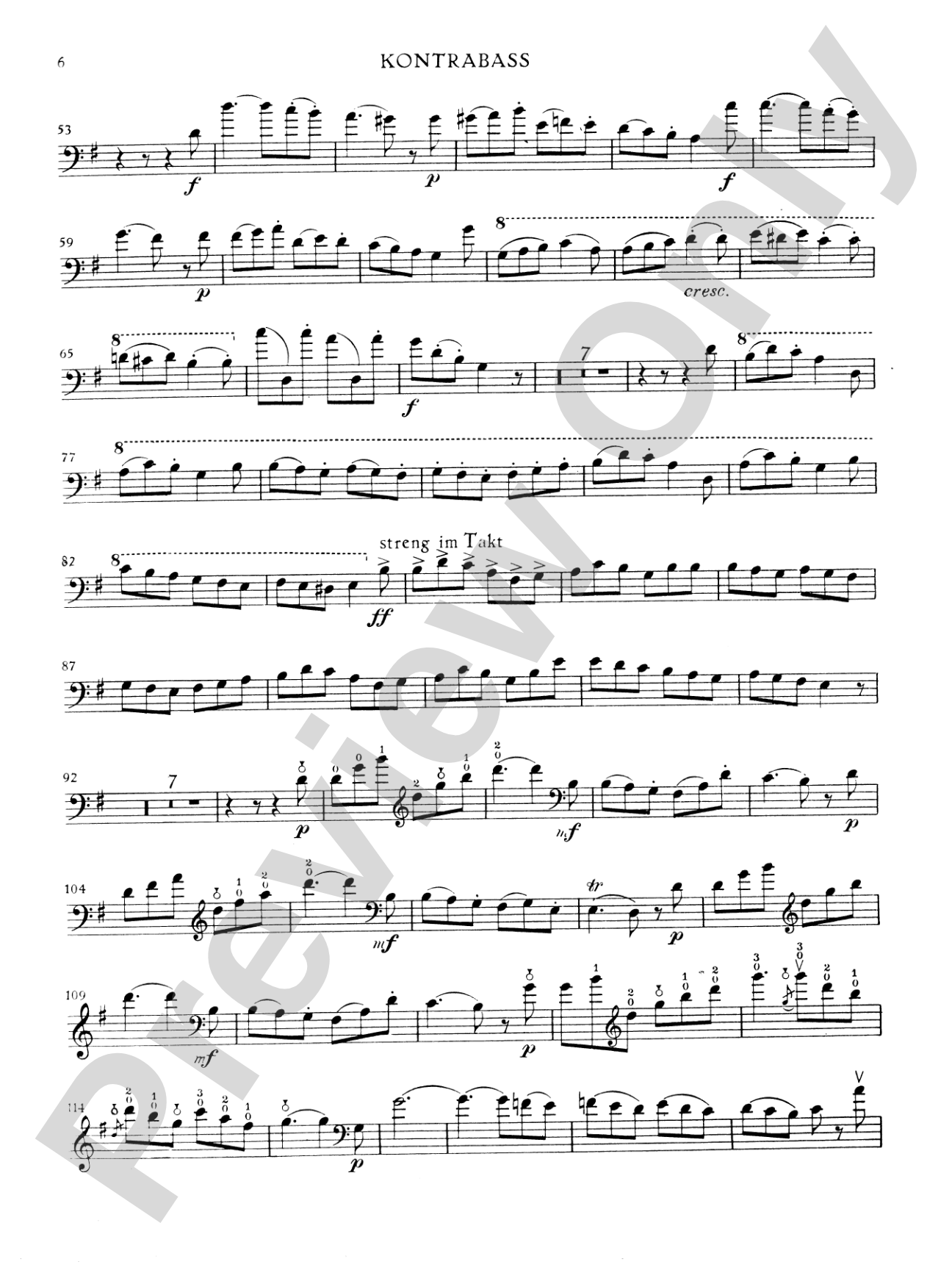
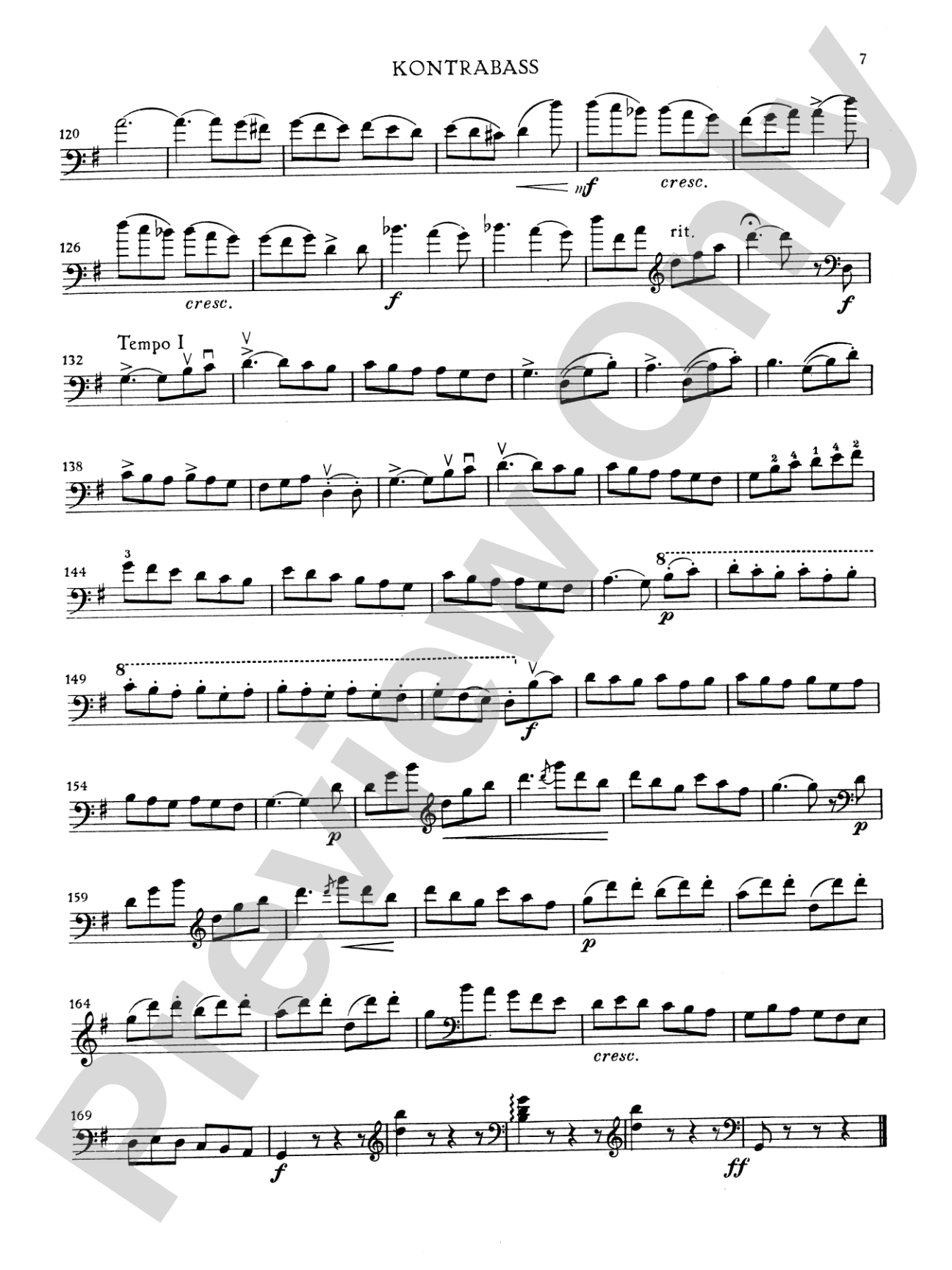


Dragonetti: Student's Concerto in A Major: String Bass Book
By Domenico Dragonetti
Item: 00-PK-0003518

$9.99
Pickup currently not available
Buy Extra Parts (Digital PDF Download)
| Product | Price | Quantity |
|---|---|---|
| Dragonetti: Student's Concerto in A Major | $3.99 | |
| Dragonetti: Student's Concerto in A Major | $3.99 |
Parts Added to Cart!
Related Items
Student's Concerto in A Major: String Bass Book |
$9.95
|
View |
Description
Expertly arranged String Concerto for Bass and Piano by Domenico Dragonetti from the Kalmus Edition series. This is from the Classical and Romantic eras.


Don't just read it, hear it, play along with it, and watch your students grow with it. In MakeMusic Cloud, Dragonetti: Student's Concerto in A Major: String Bass Book comes alive with professional accompaniment, adjustable tempo, and built-in practice tools that turn solo practice into real progress.
Open in the Player
Jump straight in and assign it today.
Start Your Free Trial
Open this title and explore the full library in minutes.
Sample Audio
No sample audio found.
Sample Video
No sample videos found.
Additional Details
Series:
Kalmus Edition
Publisher:
Alfred Music
Page Count:
24
SKU:
00-PK-0003518
More about this title
About the Composer: Domenico Dragonetti
Domenico Dragonetti (1763-1846) was the most celebrated double bass virtuoso of his era and fundamentally changed how the instrument was perceived. A prolific composer who wrote over 100 works for bass, he elevated the double bass from a purely accompanying role to a solo instrument capable of technical brilliance and expressive depth. His concertos and sonatas became foundational repertoire for bass students and remain central to classical bass pedagogy today.
Dragonetti's career spanned Europe, and he performed for royalty and in major concert halls throughout his life. His compositions reflect the Classical and early Romantic sensibilities of his time while showcasing the technical capabilities he himself possessed as a performer. For teachers and serious students, his works offer access to the historical roots of modern bass repertoire.
Why we love this
Dragonetti's concertos are rare opportunities to program a genuine classical masterwork that sits comfortably in the technical range of advancing high school and early collegiate bassists. The writing balances rewarding passage work with lyrical phrasing, giving students both technical challenges and genuine musical substance. This piece proves to audiences and students alike that the bass is a legitimate solo voice, not just an accompaniment instrument.
What to expect
A graceful, technically engaging journey through the early nineteenth-century bass repertoire. The music balances elegance with virtuosity, offering lyrical moments that sing like an Italian opera melody alongside brilliant passagework that shows off the instrument's agility and range. There is dignity in every phrase and genuine joy in the musical conversation between bass and piano.
Who it's for
This concerto is ideal for advanced high school and college bass students preparing for competitions, juries, or recital programs. It demands secure intonation, confident passage work, and mature musical interpretation but remains accessible to disciplined students in their final years of secondary study or early college.
How to get the most out of it
- Shape the opening theme with careful attention to phrase direction; use vibrato selectively to add warmth without obscuring the melodic line
- Balance the faster passages between clarity and singing tone. Dragonetti's runs require even bow distribution and clear articulation without sacrificing legato
- Listen closely to the piano part to track harmonic context and support the accompanimental figures; this awareness keeps the solo line grounded
- Mark breath points thoughtfully to honor the classical phrase structure, avoiding arbitrary breaks that interrupt the musical architecture
How to use it
Feature this on a junior or senior recital, or as the centerpiece of a string bass competition entry. The 24-page length and classical pedigree make it suitable for formal concert programs where you want to demonstrate serious artistry. It pairs well with twentieth-century works, creating a program that traces the bass's evolution as a solo instrument.
Skills your students will build
- Intonation security across the full range of the instrument
- Rapid finger work and even bow control in passage work
- Lyrical phrasing and vibrato control in slower sections
- Reading and interpreting classical-era notation and style
- Musical independence and balanced listening with a piano accompanist
- Sustained focus and technical stamina across a full concerto movement