
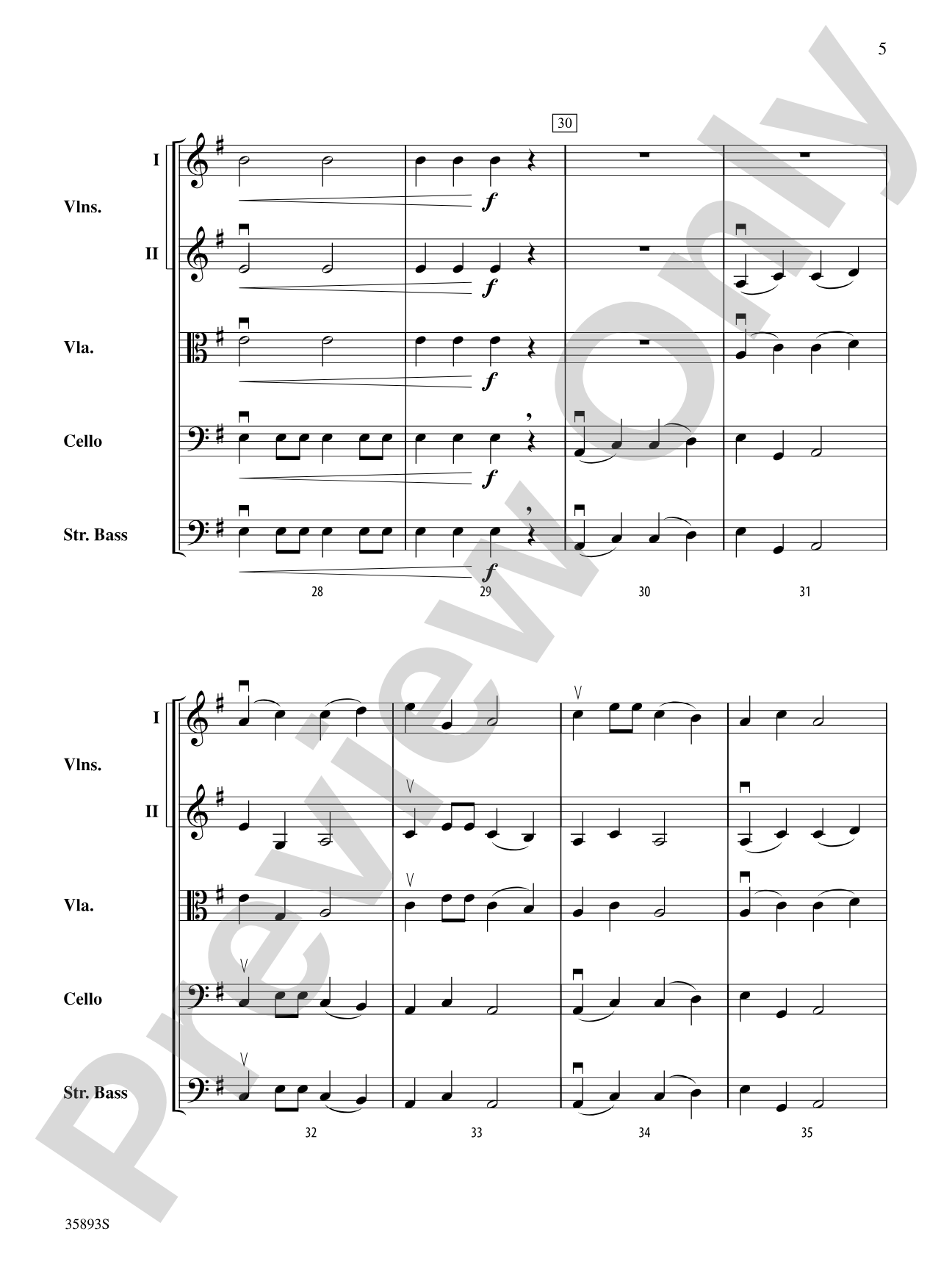
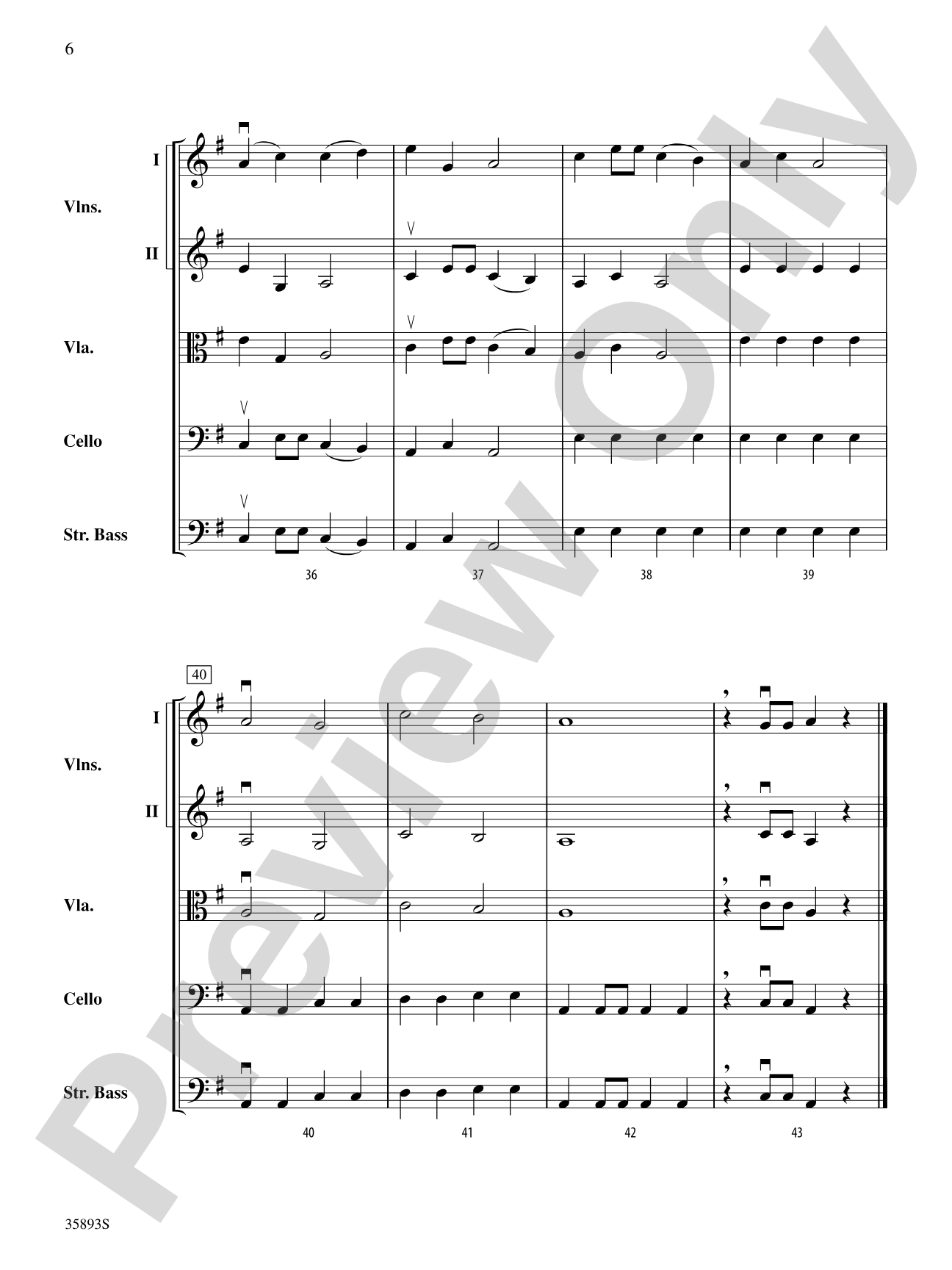



Dragon Dance: String Orchestra Conductor Score & Parts
By Michael Story
Grade: 1
Item: 00-PK-0004689

$42.00
Pickup currently not available
Buy Extra Parts (Digital PDF Download)
| Product | Price | Quantity |
|---|---|---|
| Dragon Dance: Score | $6.00 | |
| Dragon Dance: 1st Violin | $7.99 | |
| Dragon Dance: 2nd Violin | $7.99 | |
| Dragon Dance: Viola | $7.99 | |
| Dragon Dance: Cello | $7.99 | |
| Dragon Dance: String Bass | $7.99 |
Parts Added to Cart!
Related Items
Dragon Dance: Concert Band Conductor Score & Parts |
$50.00
|
View | |
Dragon Dance: Flexible Band/String Ensemble Score & Parts |
$55.00
|
View | |
Dragon Dance: Concert Band Conductor Score & Parts |
$50.00
|
View | |
Dragon Dance: Concert Band Conductor Score |
$8.00
|
View | |
Dragon Dance: String Orchestra Conductor Score & Parts |
$40.00
|
View | |
Dragon Dance: String Orchestra Conductor Score |
$6.00
|
View | |
Dragon Dance: Flexible Band/String Ensemble Score & Parts |
$55.00
|
View | |
Dragon Dance: Flexible Band/String Ensemble Score |
$8.00
|
View |
Description
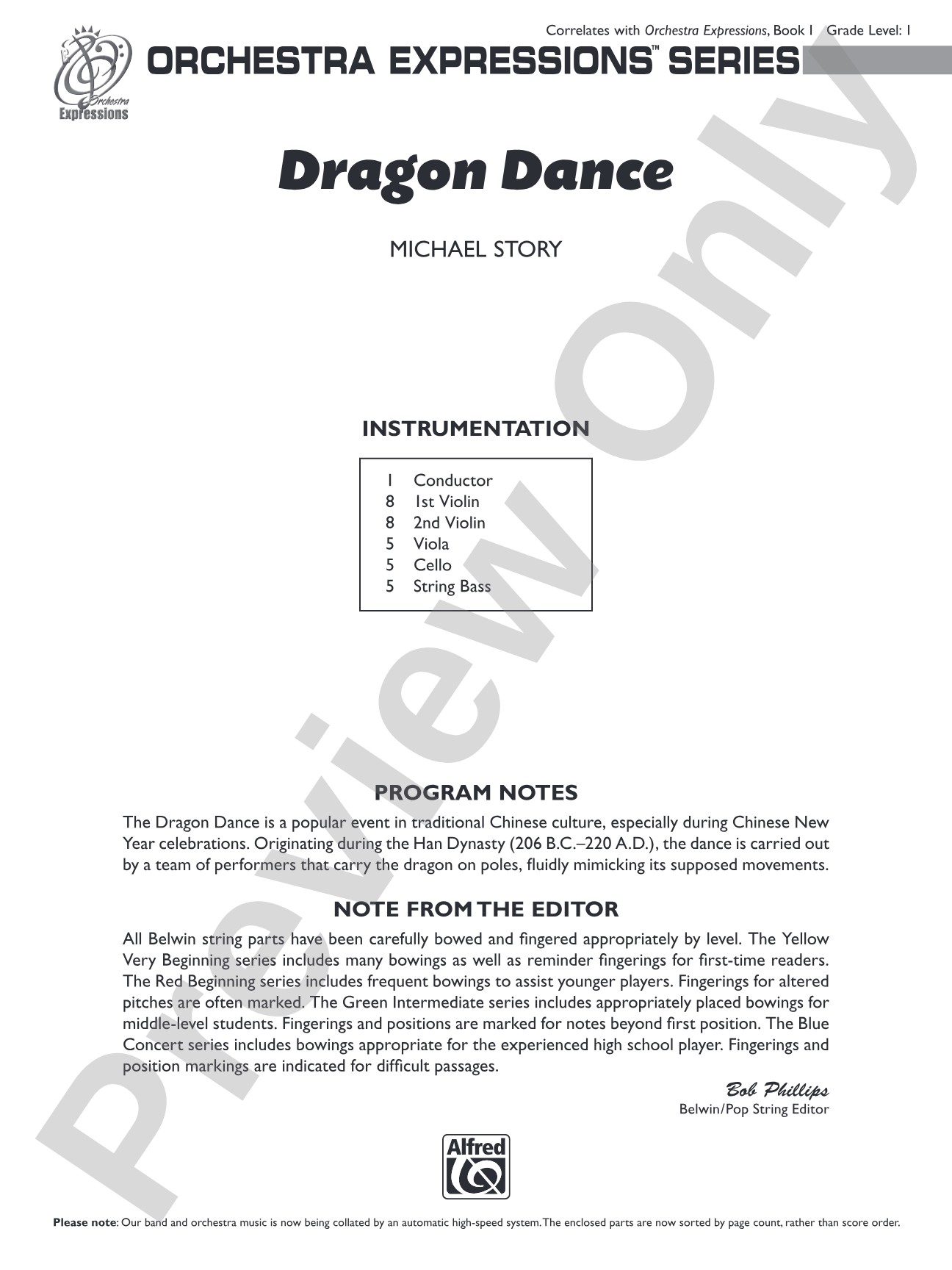
Celebrate the Chinese New Year in style with this original tune and be ready for cross-curricular study. Close your eyes as you listen and you will see the performers, carrying the dragon on poles, fluidly mimicking its supposed movement.


Don't just read it, hear it, play along with it, and watch your students grow with it. In MakeMusic Cloud, Dragon Dance: String Orchestra Conductor Score & Parts comes alive with professional accompaniment, adjustable tempo, and built-in practice tools that turn solo practice into real progress.
Open in the Player
Jump straight in and assign it today.
Start Your Free Trial
Open this title and explore the full library in minutes.
Sample Audio
1
Audio File
--:--
0:00
0:00
Sample Video
No sample videos found.
Additional Details
Series:
Orchestra Expressions
Publisher:
Alfred Music
Page Count:
62
SKU:
00-PK-0004689
Instrumentation:
string
More about this title
About the Composer: Michael Story
Michael Story is an award-winning composer whose work spans band, orchestra, and choir literature. His compositions are known for their accessibility, strong melodic sense, and ability to engage young musicians while maintaining musical integrity. Story has become a trusted voice in music education, with pieces performed in schools and at festivals across North America.
Why we love this
Dragon Dance captures the visual spectacle of its subject through fluid, lyrical writing that Grade 1 orchestras can actually execute musically. The piece invites young musicians to think beyond the notes on the page and imagine the cultural celebration they're portraying, making it an ideal bridge between music and social studies.
What to expect
Graceful and flowing, with a lyrical quality that evokes the sinuous movement of a ceremonial dragon. The music unfolds gently, inviting the ensemble to move together as one organism rather than a collection of individual players.
Who it's for
String orchestras at the beginning level (Grade 1) who want an engaging piece that connects music to culture and history. Directors seeking cross-curricular material that excites young players while staying within appropriate technical bounds will find this valuable.
How to get the most out of it
- Encourage players to listen as an ensemble rather than watch the conductor. The flowing, dance-like character thrives when musicians respond to each other's sound, not just visual cues.
- Shape the melodic line with natural phrasing rather than mechanical rhythm. Think of the dragon's movement as undulating and continuous, never choppy or segmented.
- Balance the textural layers so the melody emerges clearly while accompanying voices remain supportive. Grade 1 voicing often clusters all parts together, so deliberate volume control is essential.
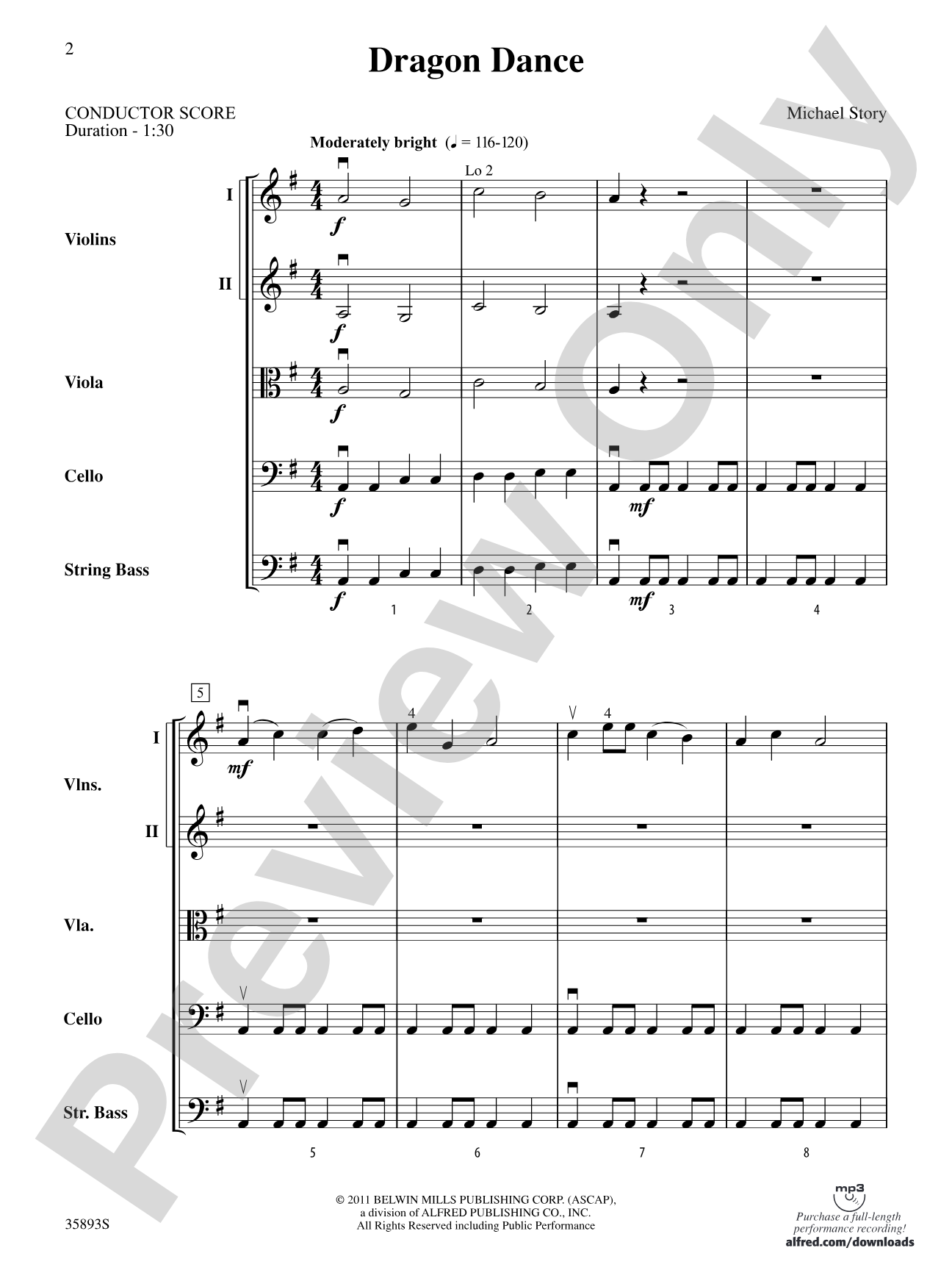
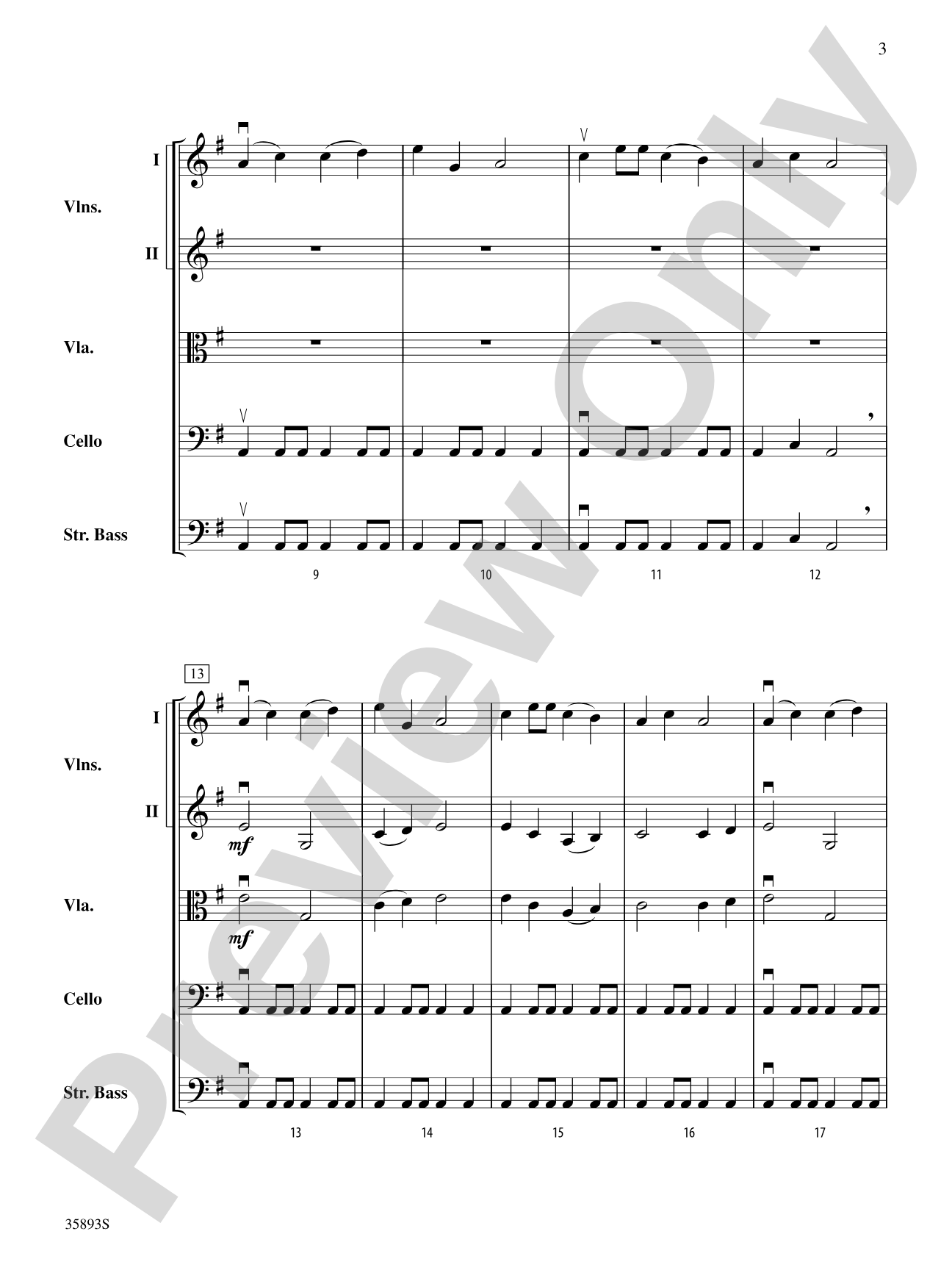
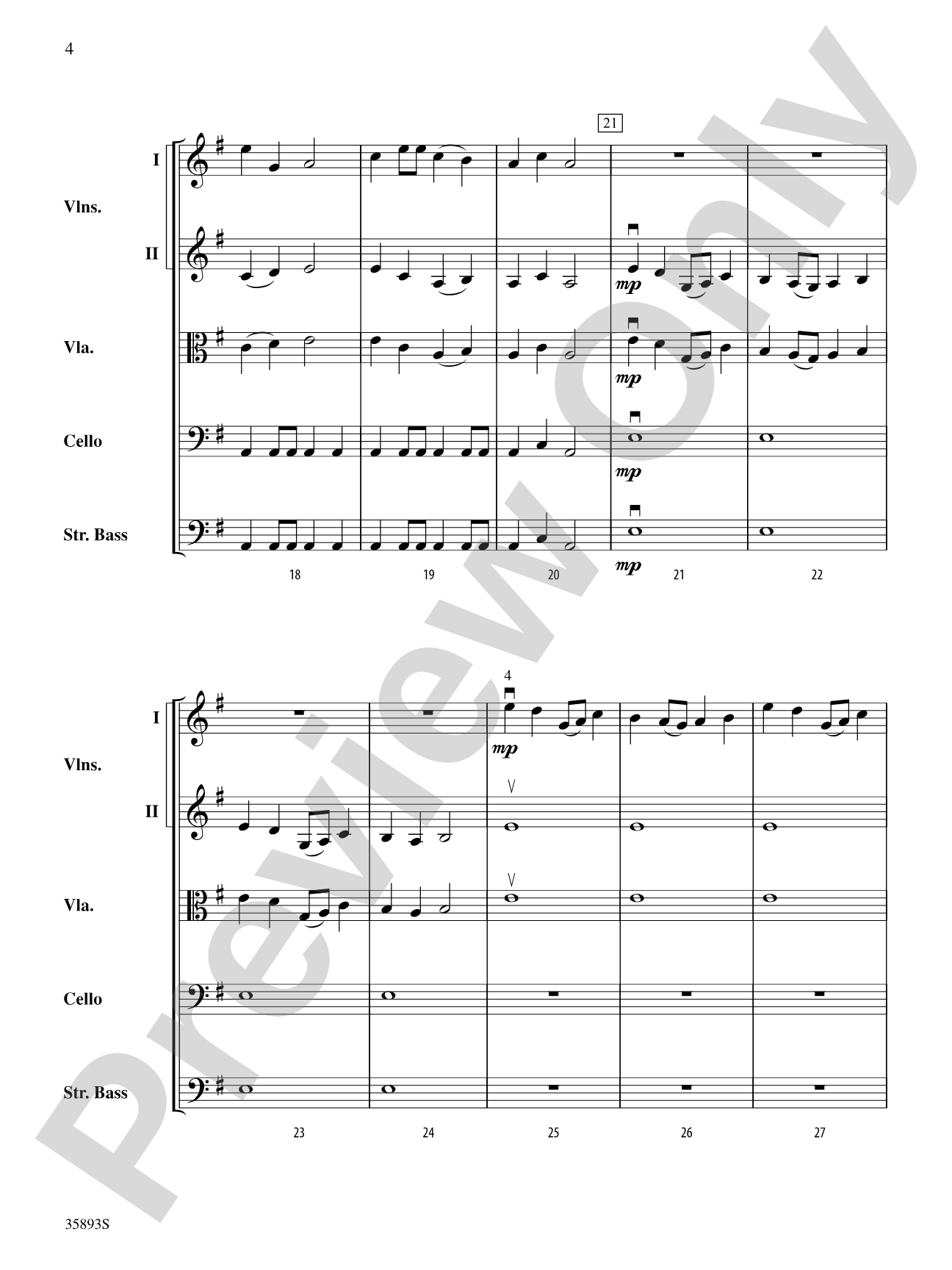
- Use the full conductor score to map where different sections carry the primary material, then rehearse those transitions specifically to ensure the musical line never breaks.
How to use it
Position this as a celebration opener or encore that introduces audience members to world music traditions. It works especially well during Chinese New Year programming or in a concert that explores music from different cultures, offering a lighter moment that still demonstrates ensemble musicianship.
Skills your students will build
- Sustaining legato lines across phrase boundaries without breath breaks
- Listening and responding to ensemble balance rather than individual part focus
- Executing fluid tempo at moderate speeds with natural phrasing
- Connecting musical expression to visual imagery and cultural context