




Downtown Suite for Strings
By Jay-Martin Pinner
Grade: 2
Item: 00-PK-0001907

$47.00
Pickup currently not available
Buy Extra Parts (Digital PDF Download)
Parts Added to Cart!
Description
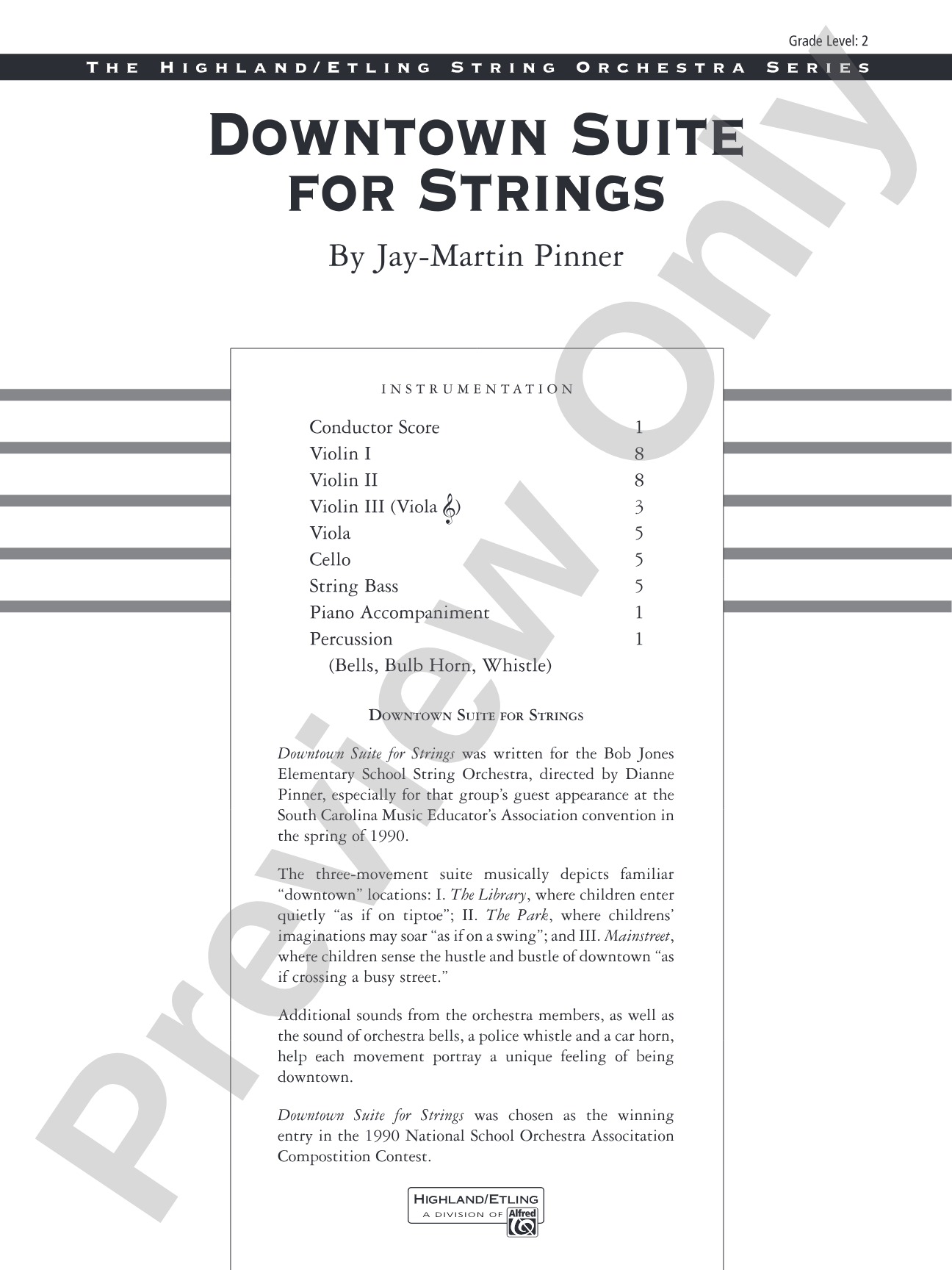
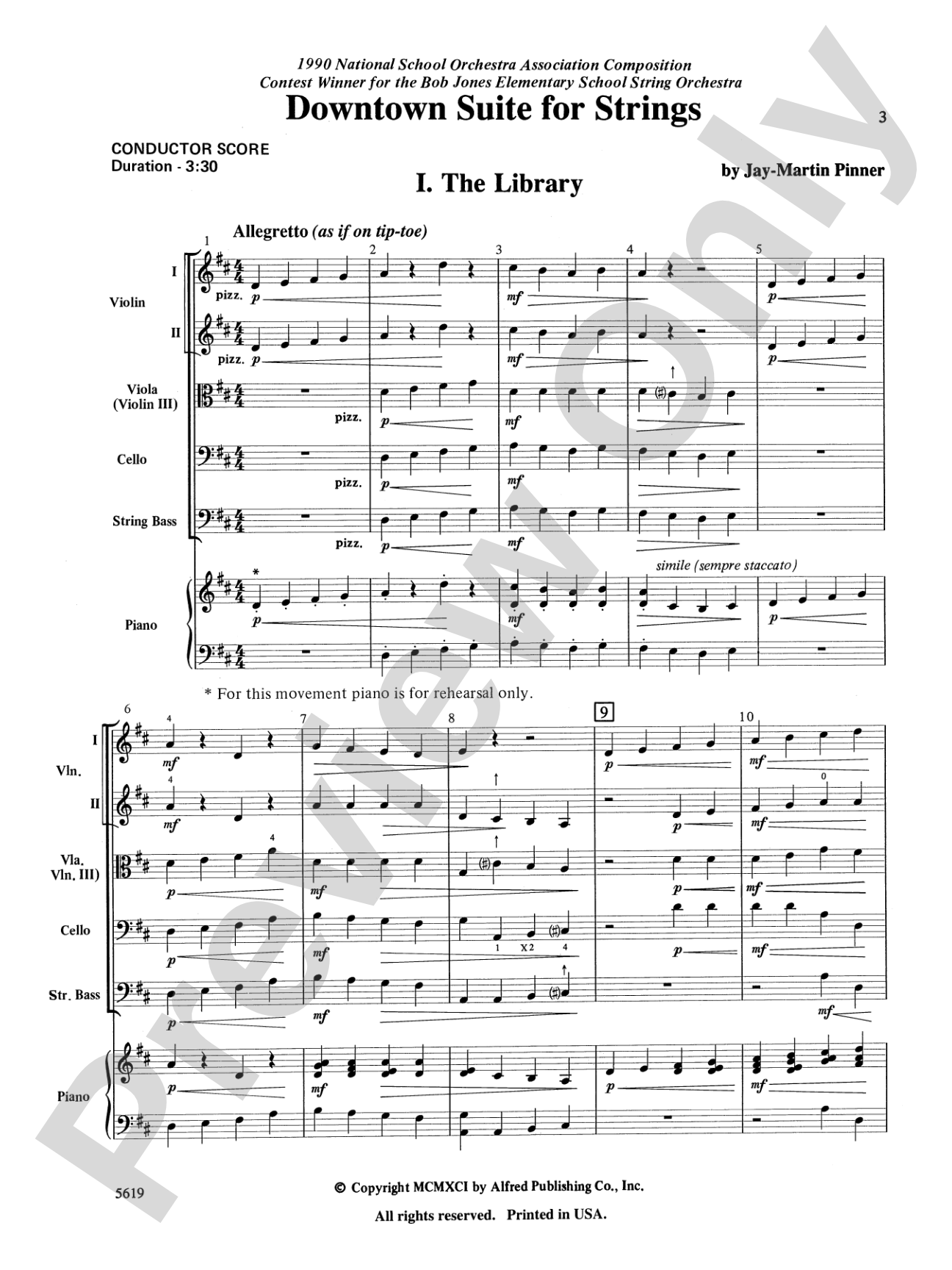
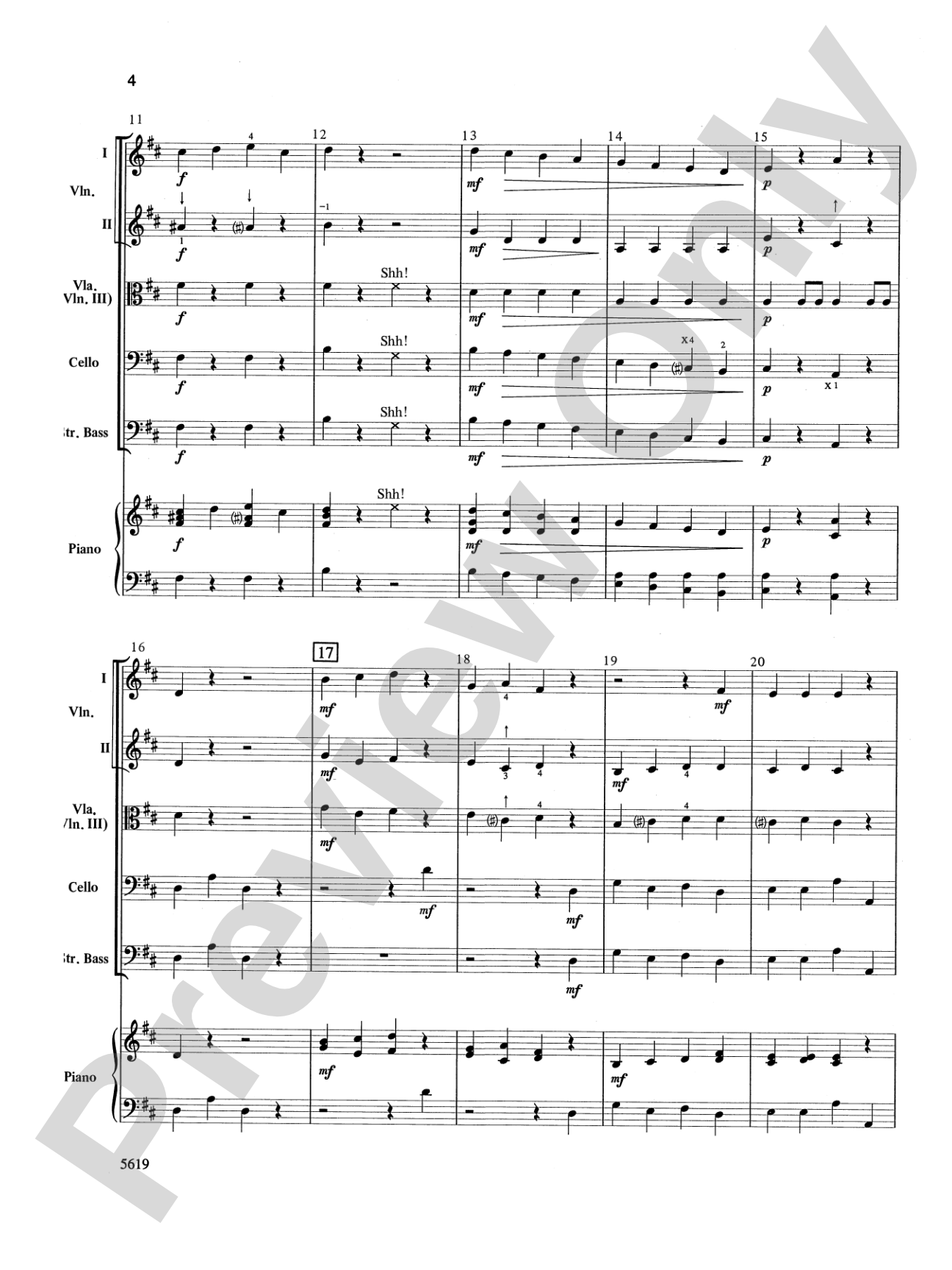
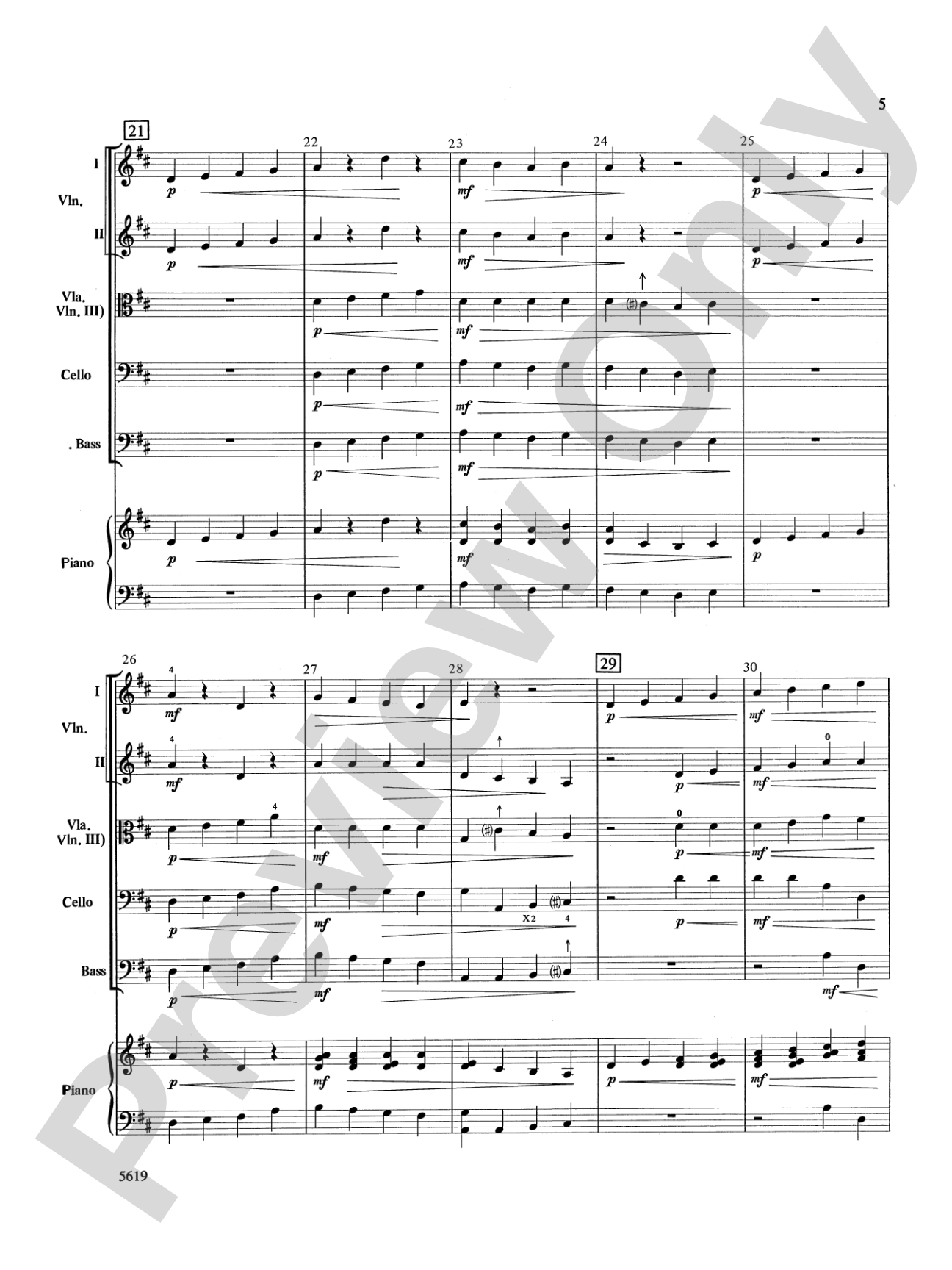
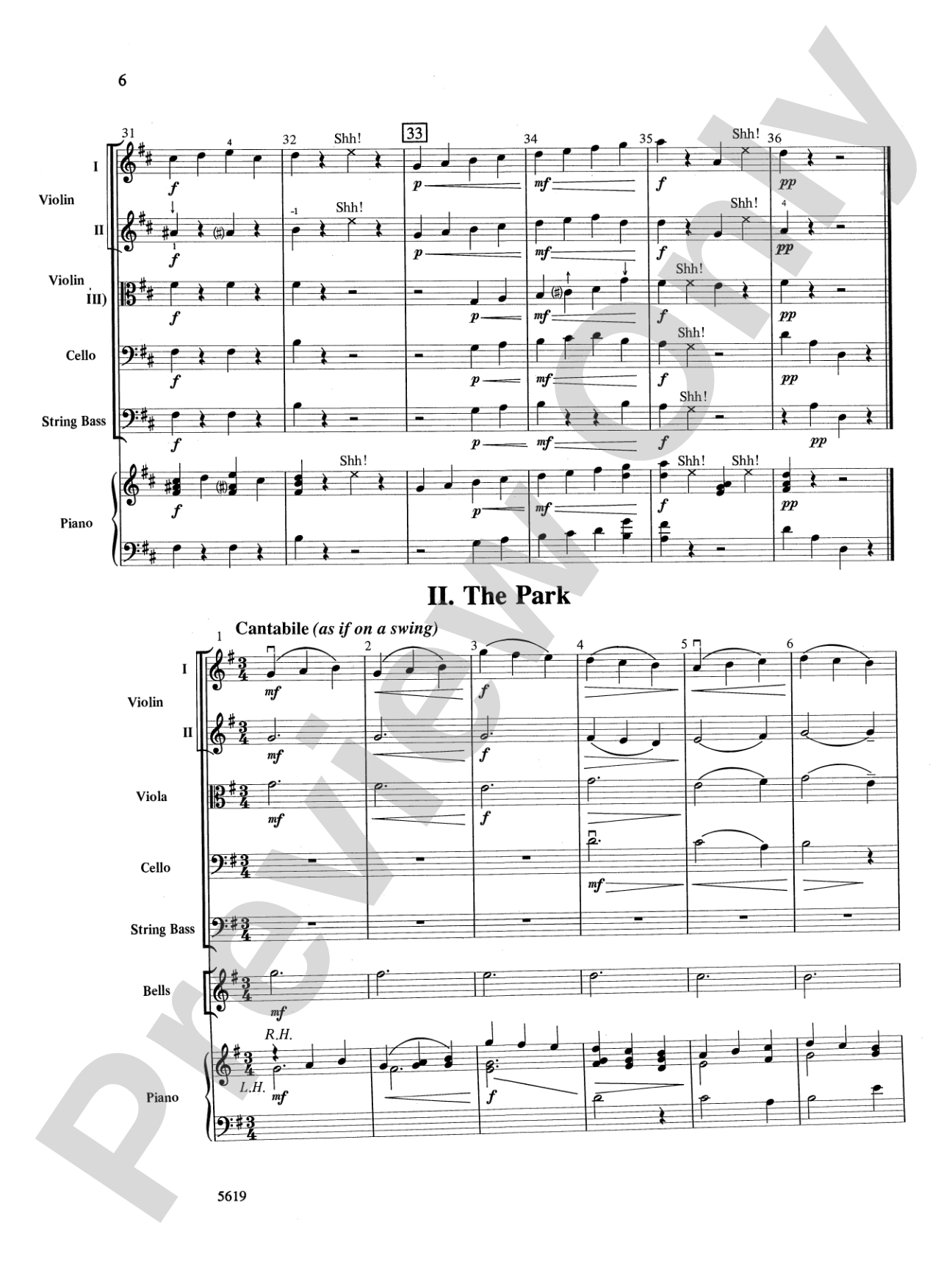
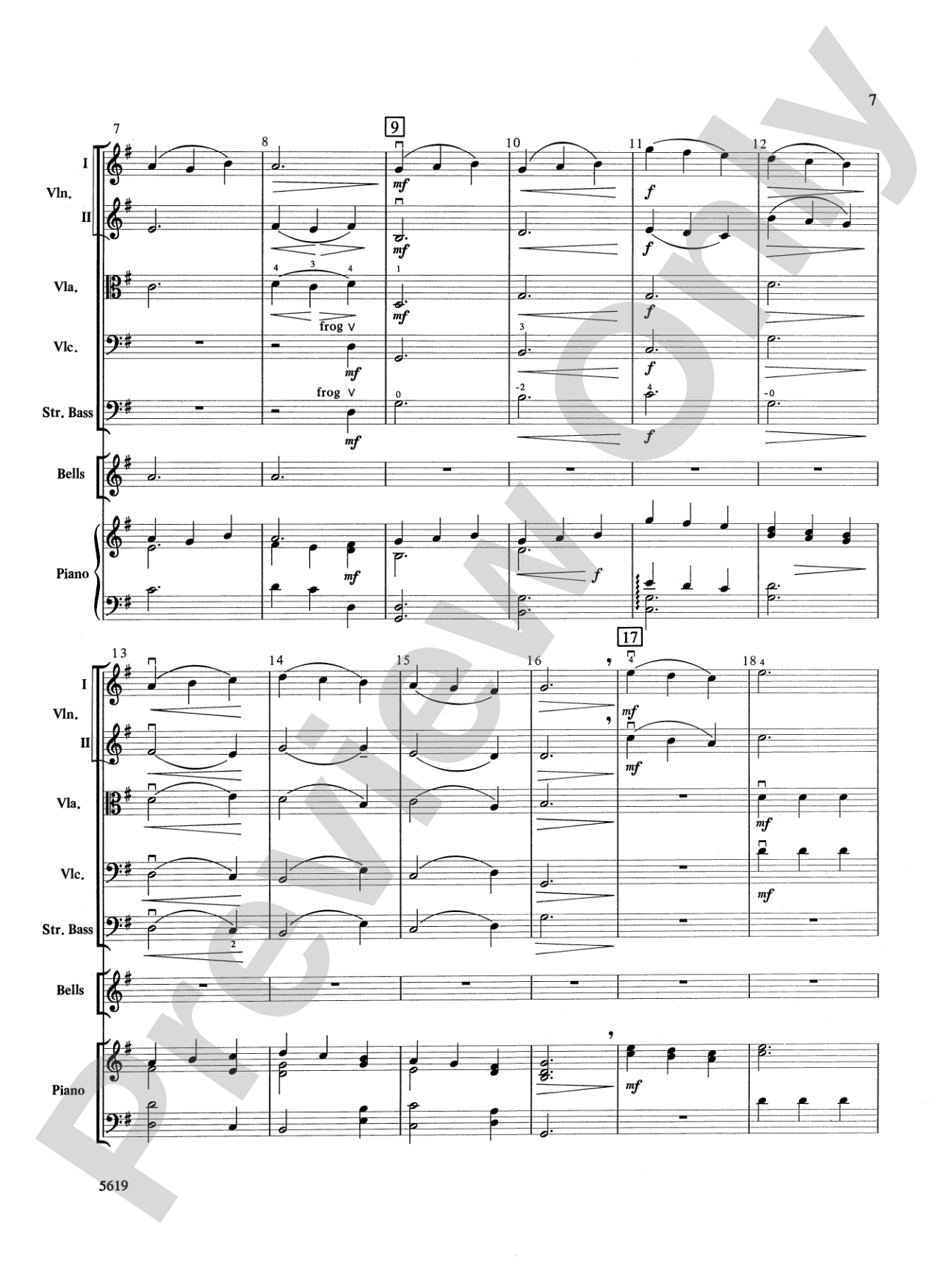
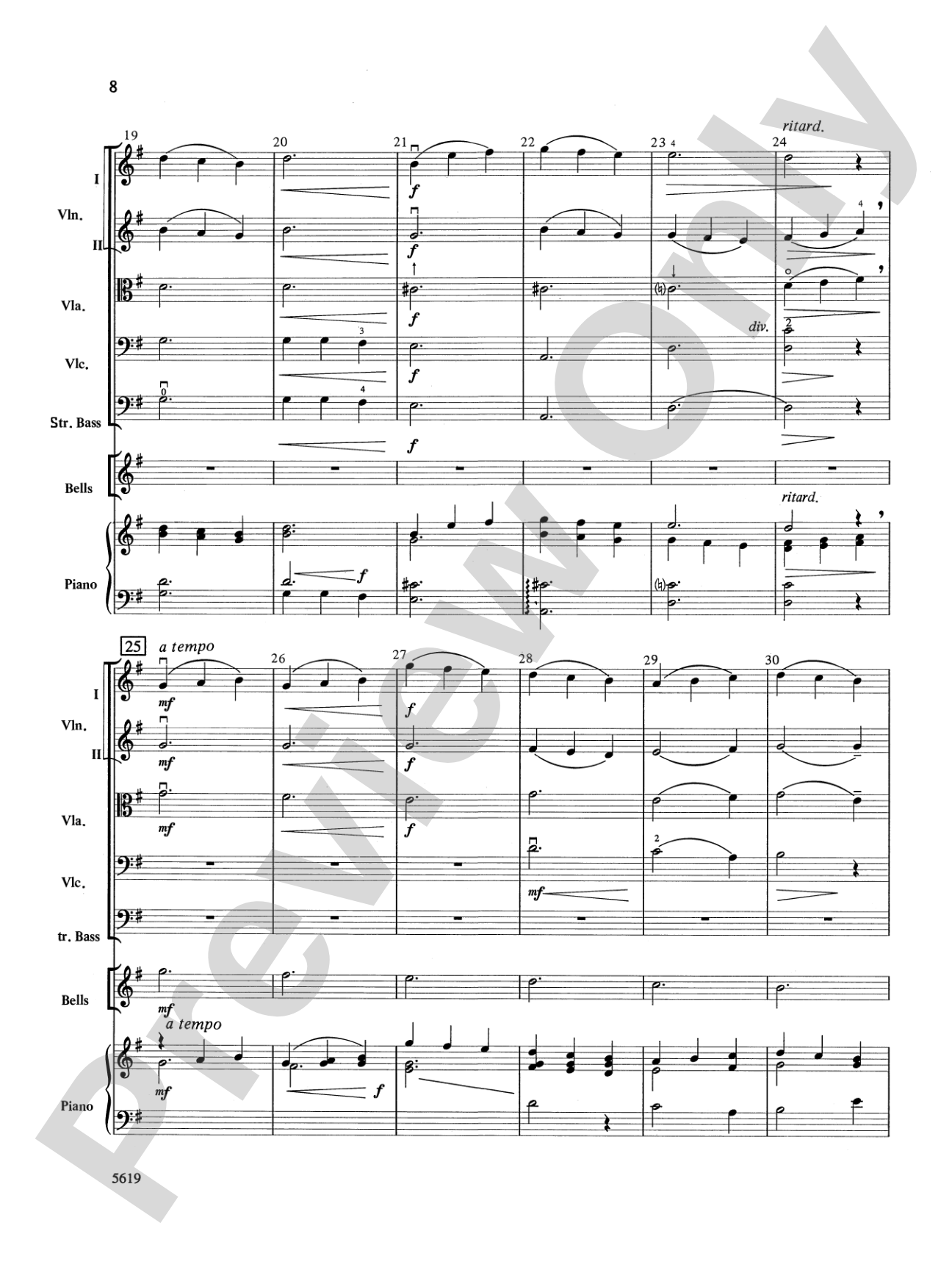
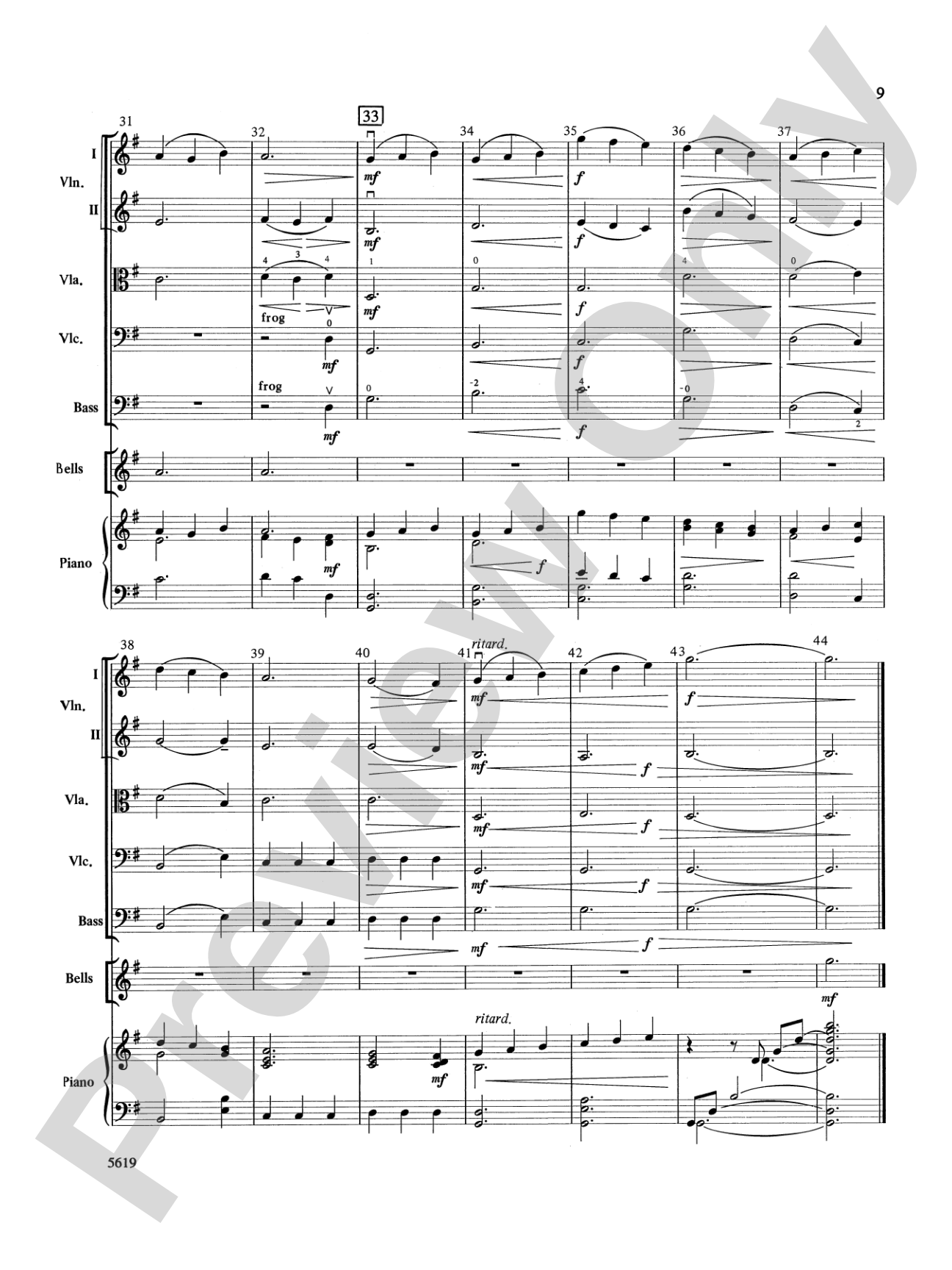
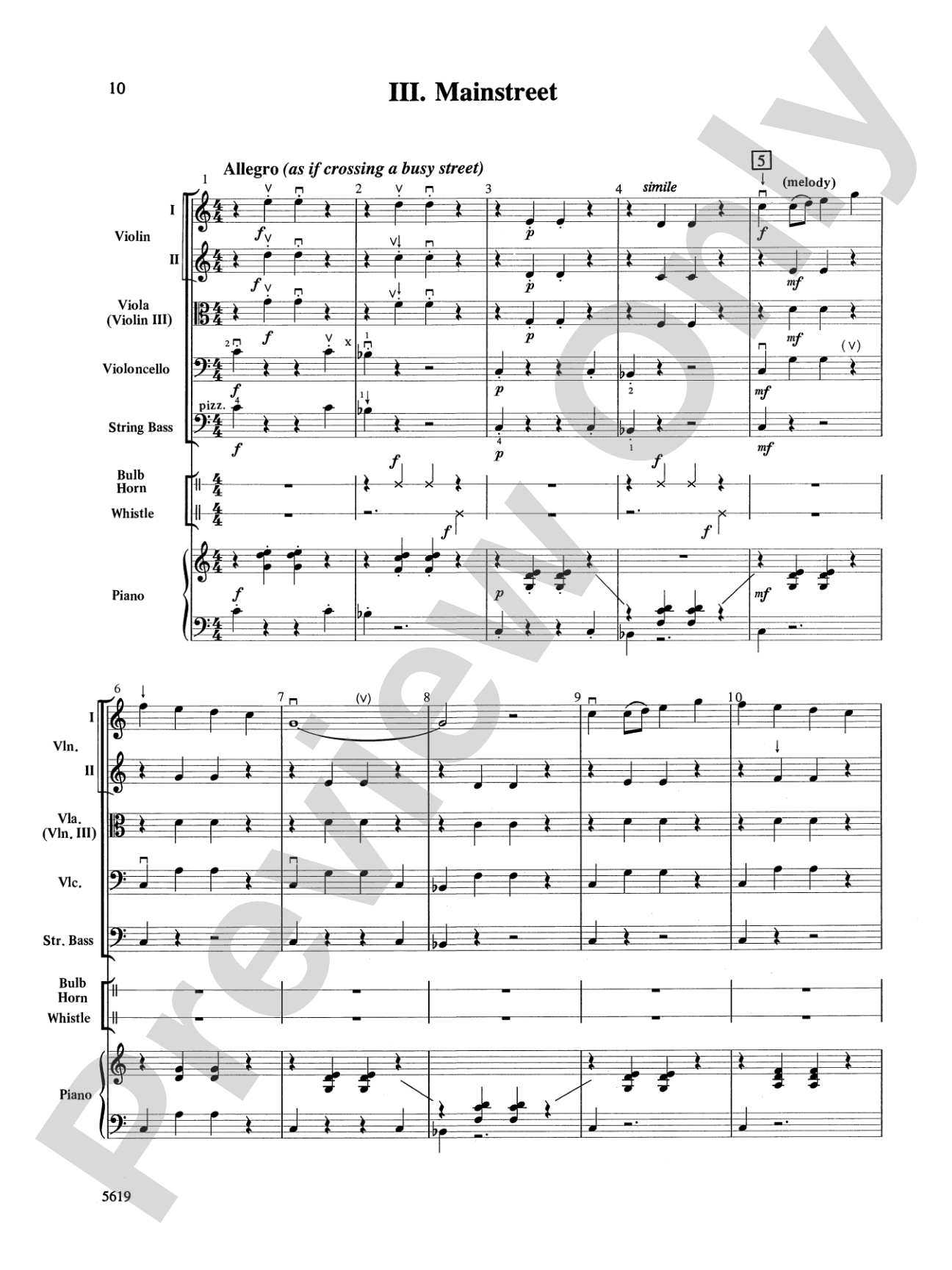
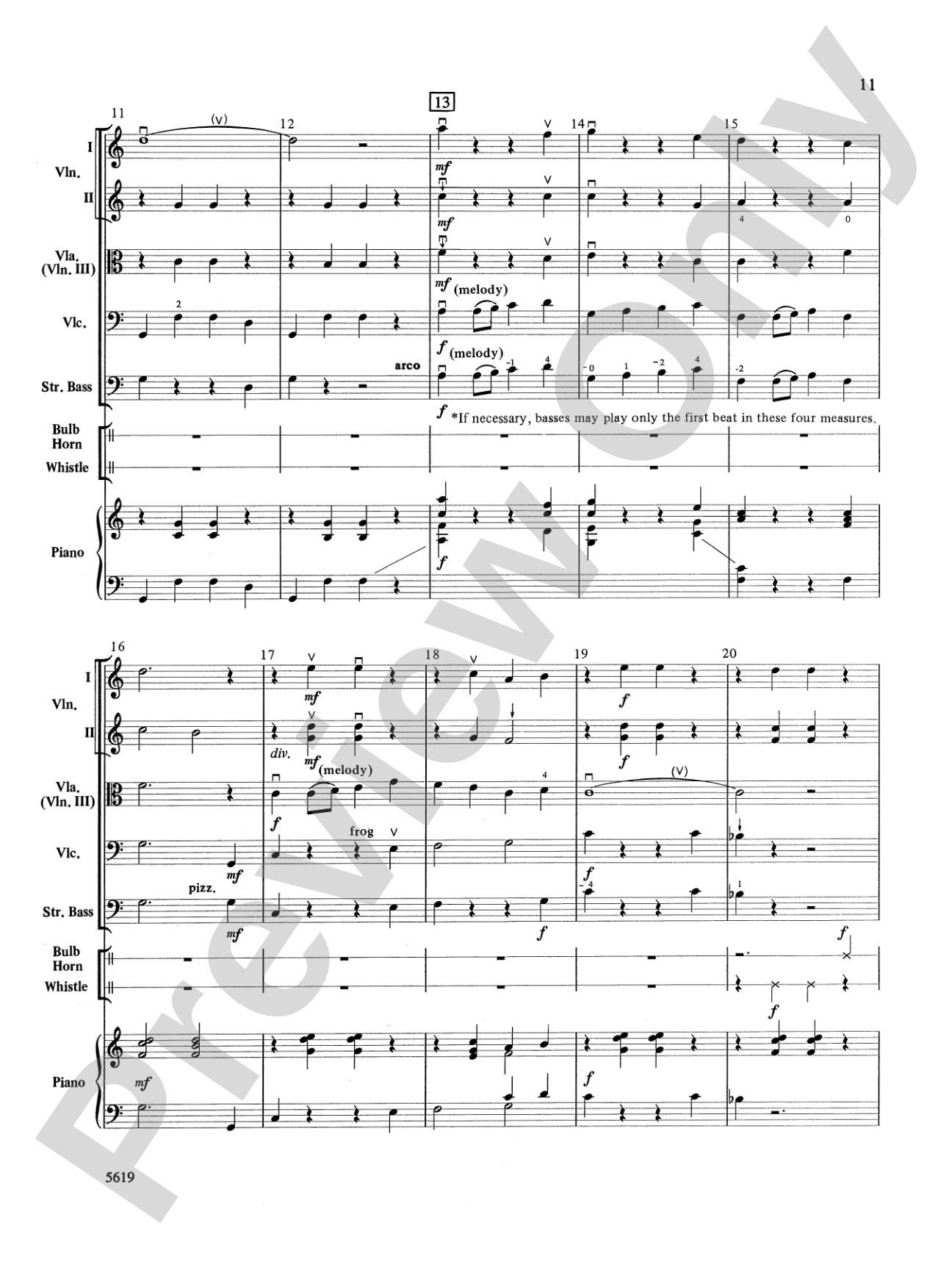
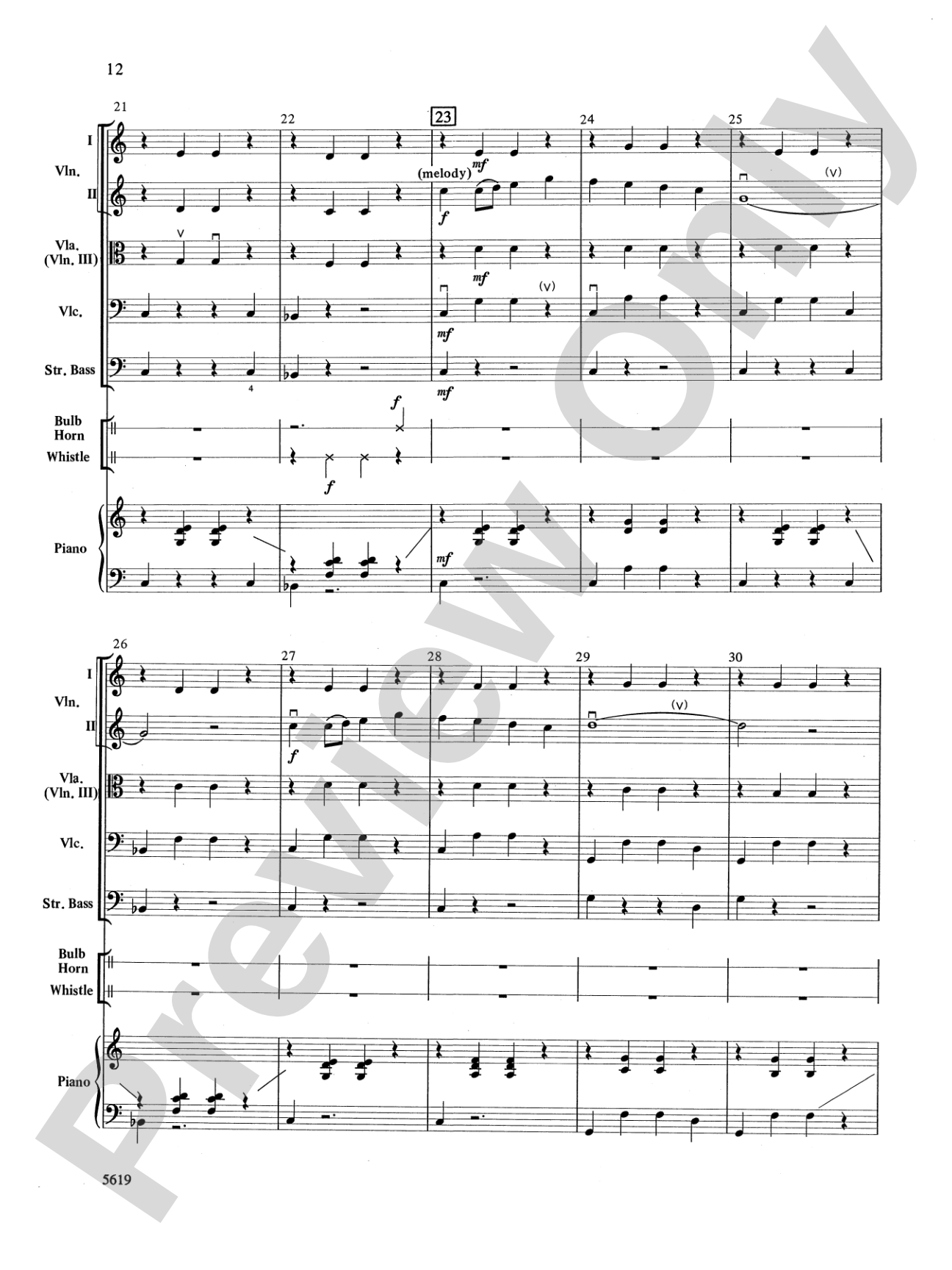
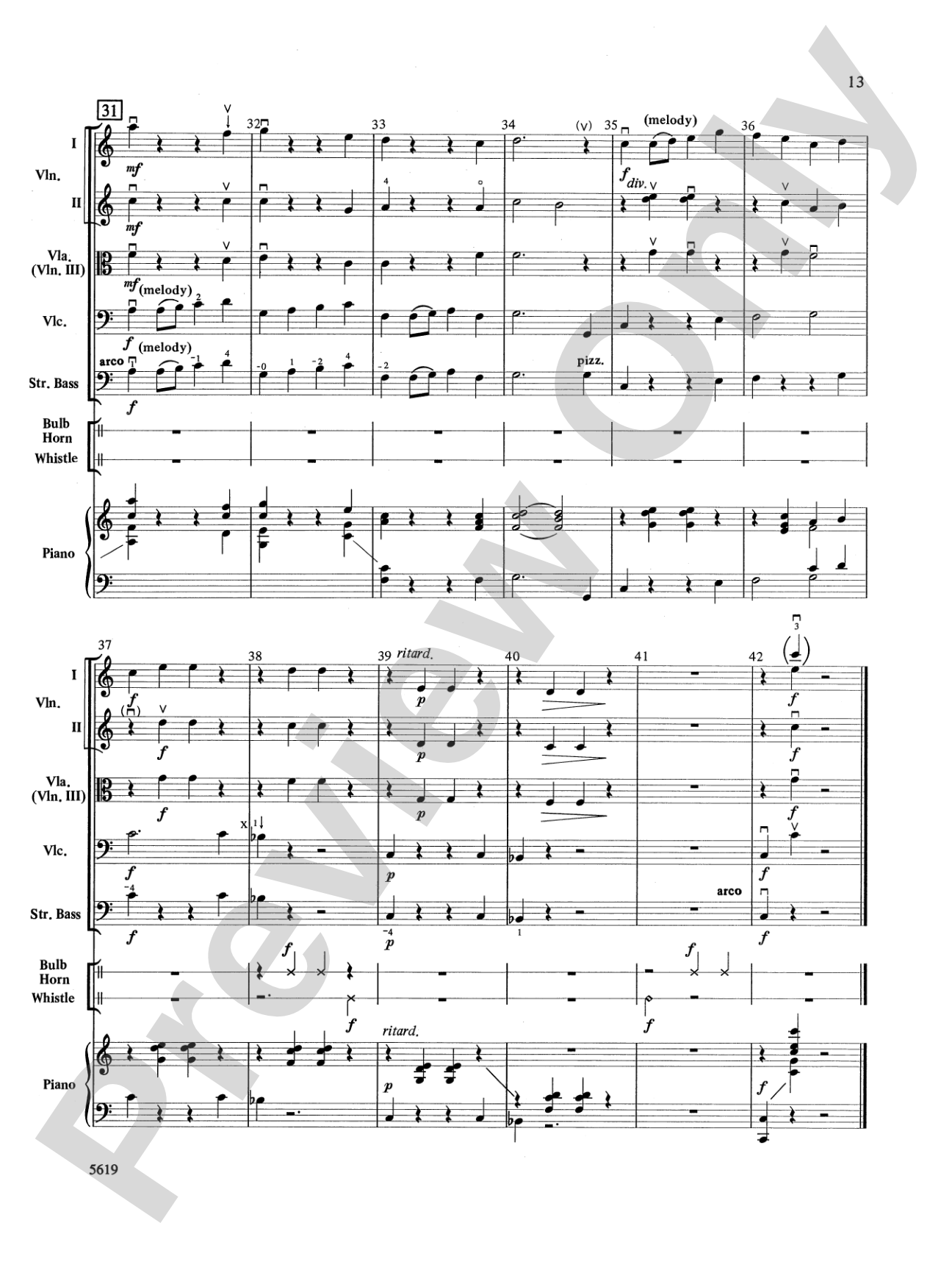
Presenting the unanimous winner of the 1990 NSOA Composition Contest! Jay-Martin Pinner has created a delightful, yet simple piece in three movements. Although written for elementary string orchestra, these highly visual pieces offer abundant expressive possibilities and musical challenges for more technically advanced groups as well.


Don't just read it, hear it, play along with it, and watch your students grow with it. In MakeMusic Cloud, Downtown Suite for Strings comes alive with professional accompaniment, adjustable tempo, and built-in practice tools that turn solo practice into real progress.
Open in the Player
Jump straight in and assign it today.
Start Your Free Trial
Open this title and explore the full library in minutes.
Sample Audio
1
Audio File
--:--
0:00
0:00
Sample Video
No sample videos found.
Additional Details
Series:
Highland/Etling String Orchestra
Publisher:
Alfred Music
Page Count:
2
SKU:
00-PK-0001907
More about this title
Why we love this
Pinner won the 1990 NSOA Composition Contest for good reason: this suite respects the constraints of early string orchestra while refusing to sound elementary. The three movements give each section real opportunities to shine, and the piece scales beautifully whether you're teaching second-year violins or polishing it with more experienced players.
What to expect
Three distinct scenes unfold with warmth and clarity. The piece offers genuine musical satisfaction at an accessible level, with enough expressive detail to keep players engaged without overwhelming them.
Who it's for
Beginning string orchestras ready to move beyond single-movement pieces, and intermediate groups seeking elegant repertoire that deepens musicality without excessive technical demands. This suite works equally well for students in their first or second year of orchestra and for more advanced ensembles exploring sophisticated phrasing and ensemble balance.
How to get the most out of it
- Balance the melodic lines across sections rather than allowing one part to dominate; the visual clarity at this level depends on hearing all three movements as distinct conversations.
- Work dynamics before worrying about tempo; Pinner's expressive markings do most of the interpretive work, and students will find passages more musical when they commit to the written changes.
- Keep bow changes clean and consistent within each movement; this reinforces technical habits and prevents the piece from sounding rushed.
How to use it
Program this as a full suite in spring concerts or break the movements across different programs throughout the year. The three-movement structure also makes it ideal for demonstrating how form and contrast work in ensemble writing.
Skills your students will build
- Playing in three distinct musical characters within a single work
- Managing dynamic contrast and phrase shaping in ensemble context
- Balance and blend across all string sections
- Reading and responding to expressive markings with musical intention