


Down To The Nightclub: Jazz Ensemble Conductor Score & Parts
By David Garibaldi / By Emilio Castillo / By Stephen Kupka / As performed by Tower Of Power / Arranged by Paul Murtha
Grade: 5
Item: 35-PK00185730
$60.00
Pickup currently not available
Buy Extra Parts (Digital PDF Download)
Parts Added to Cart!
Description
The masters of funk, Tower of Power, are as relevant and active today as ever before. This hit from the '70s features a moderate tempo groove with an occasional 7/8 measure thrown in for kicks. Paul's arrangement for mature bands also includes an optional open section for any soloist.


Down To The Nightclub: Jazz Ensemble Conductor Score & Parts isn't in MakeMusic Cloud just yet...but it could be. Let us know you'd like to see it, and you'll help shape what comes next. In the meantime, start a free trial and dive into thousands of interactive titles your students can play along with today.
Request This Title
Tell us you want it.
Start Your Free Trial
Explore everything that's ready to play right now.
Sample Audio
No sample audio found.
Sample Video
No sample videos found.
Additional Details
Publisher:
Hal Leonard
SKU:
35-PK00185730
More about this title
About the Composer: David Garibaldi
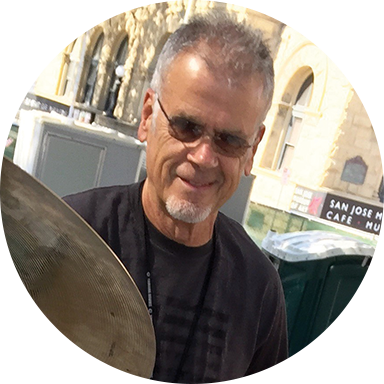
David Garibaldi picked up drumsticks at age 10 in the San Francisco Bay Area and turned professional by 17. His most formative years came as the powerhouse drummer for Tower of Power starting in 1970, a tenure that shaped his approach to funk and R&B drumming for an entire decade. From 1980 through 1985, he claimed the Modern Drummer Reader's Poll in the R&B/Funk category five consecutive times, earning a permanent spot on the publication's honor roll for his influence on percussion.
Why we love this
Murtha captures the authentic groove DNA of Tower of Power without overcomplicating the ensemble parts, making this accessible for Grade 5 bands while keeping the funk integrity intact. The rhythmic surprise of those 7/8 measures tests students' adaptability without derailing the pocket, and the optional solo section gives you flexibility to feature your strongest soloists or streamline for groups still building confidence.
What to expect
Solid, propulsive, unapologetically funky. The groove sits in that sweet spot where students feel the pocket physically and the occasional metric twist keeps everyone honest and engaged. It's the sound of a working band that knows exactly what it's doing.
Who it's for
Directors programming Grade 5 ensembles who want to work with genuine funk repertoire rather than watered-down pop arrangements. Bands with solid rhythmic foundation and a rhythm section ready to anchor grooves will thrive with this material.
How to get the most out of it
- Lock the bass and drums into a unified interpretation of the groove; even slight timing differences between these voices will muddy the funk feel. Listen back to the original recording to hear how tight that pocket sits.
- Shape the horn hits as short, punchy articulations rather than letting them breathe. Tower of Power's horns cut through with precision, not warmth.
- Prepare students for the 7/8 bar by isolating it in sectional rehearsals before full-band run-throughs. Count through the shift explicitly so nobody gets caught off guard in performance.
- If using the optional solo section, establish clear expectations about harmonic limits and phrase length beforehand so soloists stay grounded in the arrangement's architecture.
How to use it
Pair this with other 1970s funk or soul pieces for a concert exploring that era's influence on contemporary ensemble writing. It works equally well as a spring concert standout or as part of a jazz night showcasing different grooves across your curriculum.
Skills your students will build
- Maintaining pocket in syncopated grooves across extended sections
- Navigating metric shifts (7/8 within a 4/4 framework) without losing collective time
- Articulating short, defined rhythmic figures in horn sections
- Soloing over changes and comping chord structures (for soloists in optional section)
- Listening for and playing complement rather than unison in funky ensemble textures