
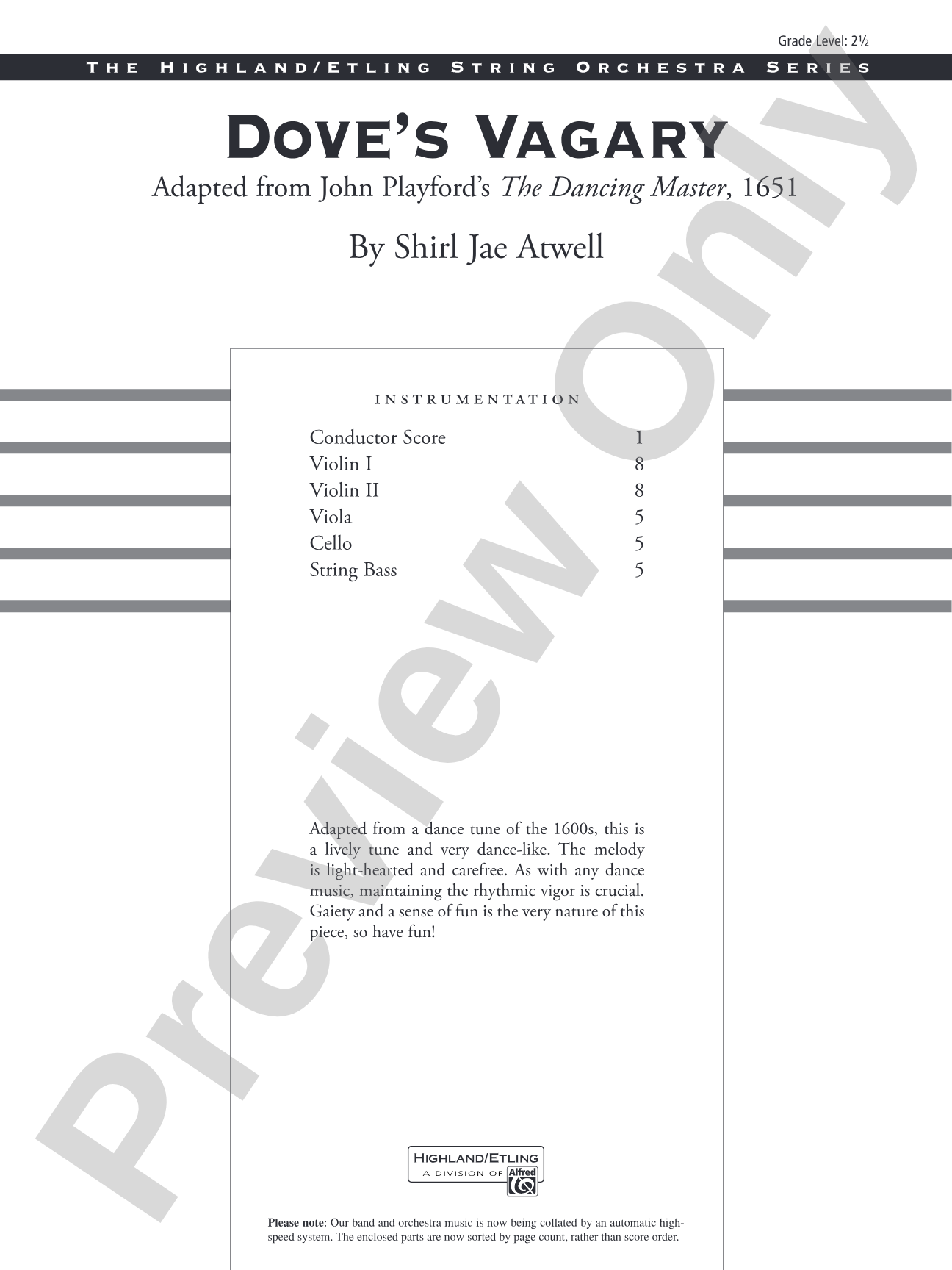
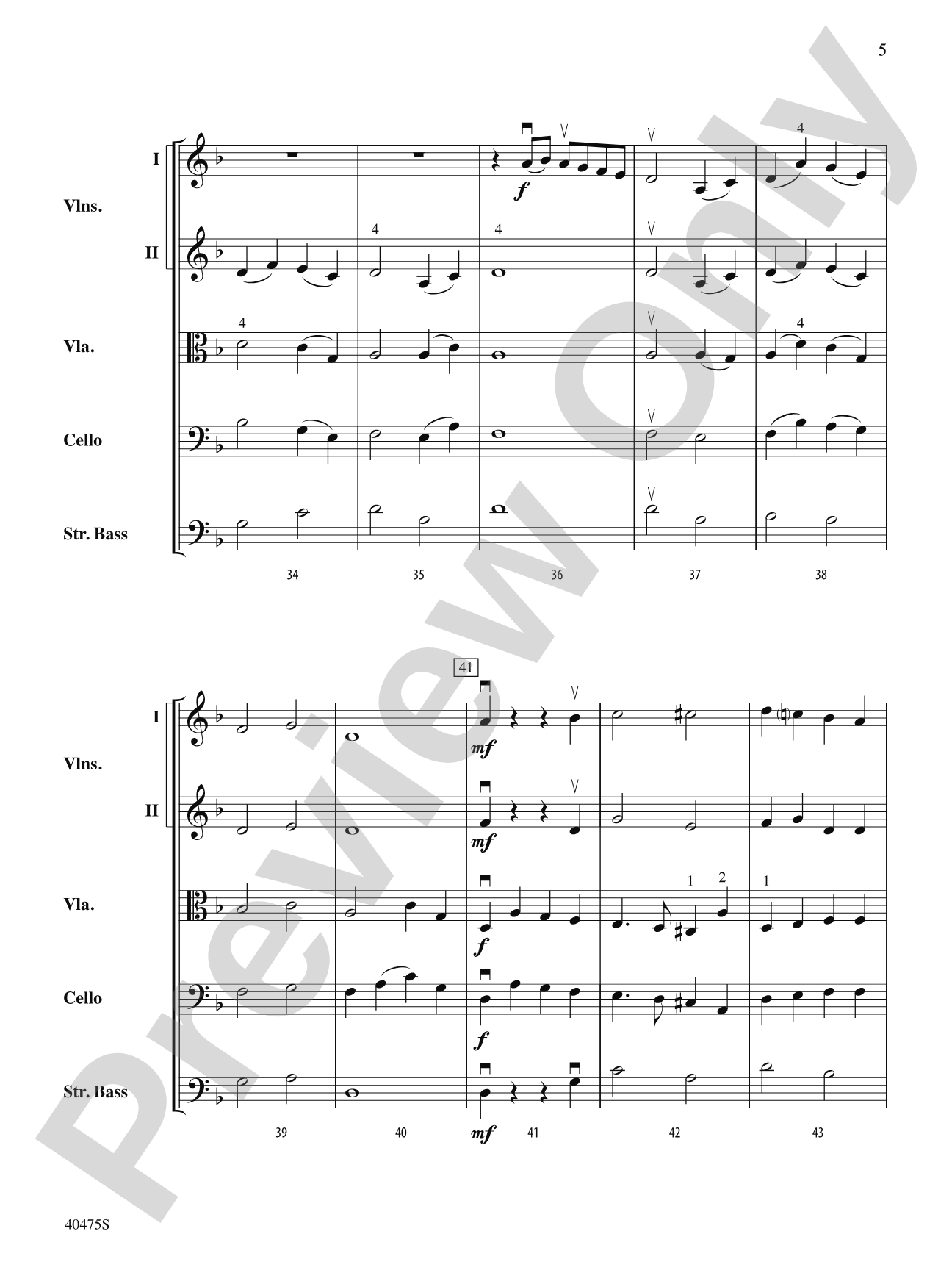
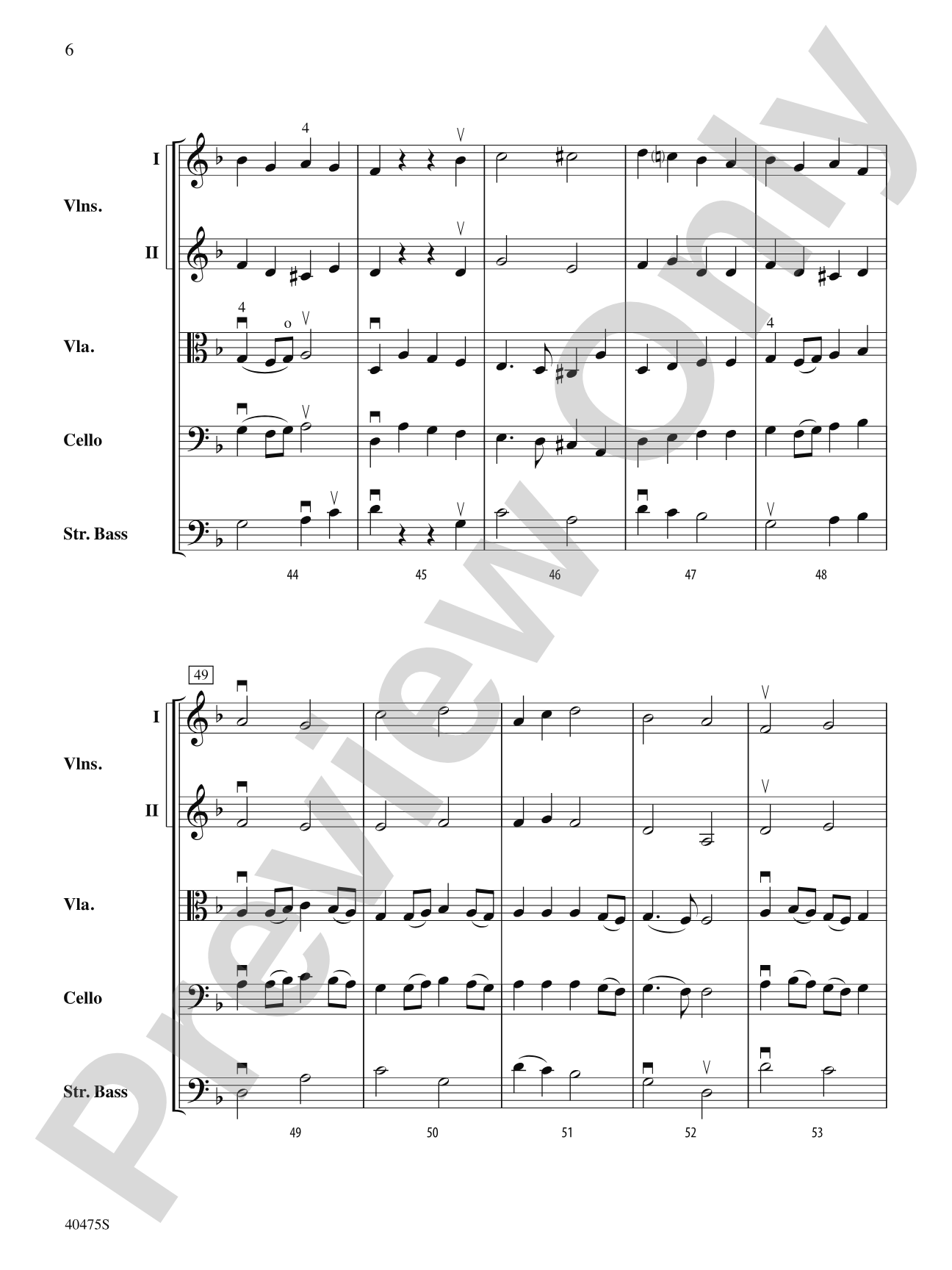
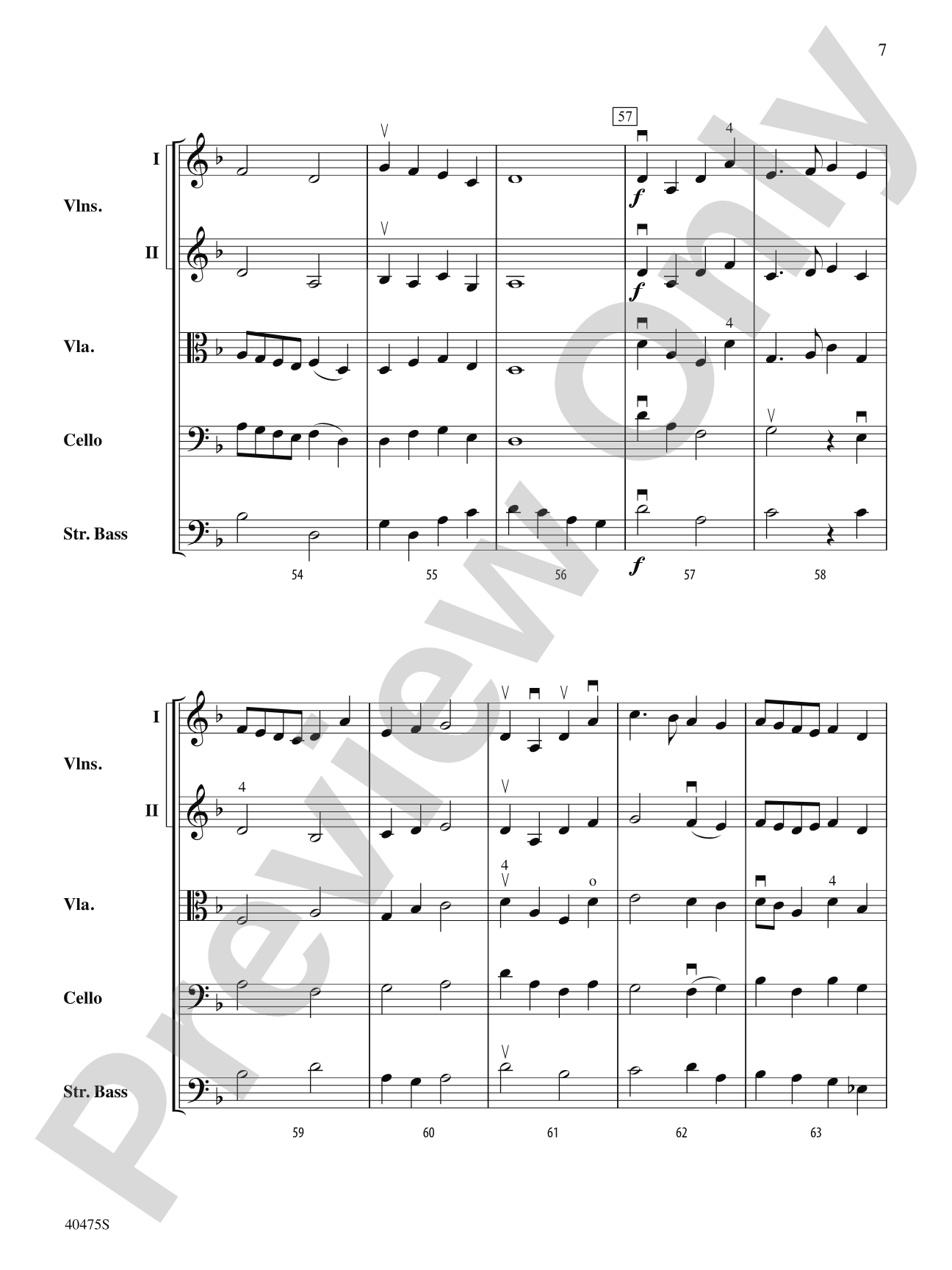
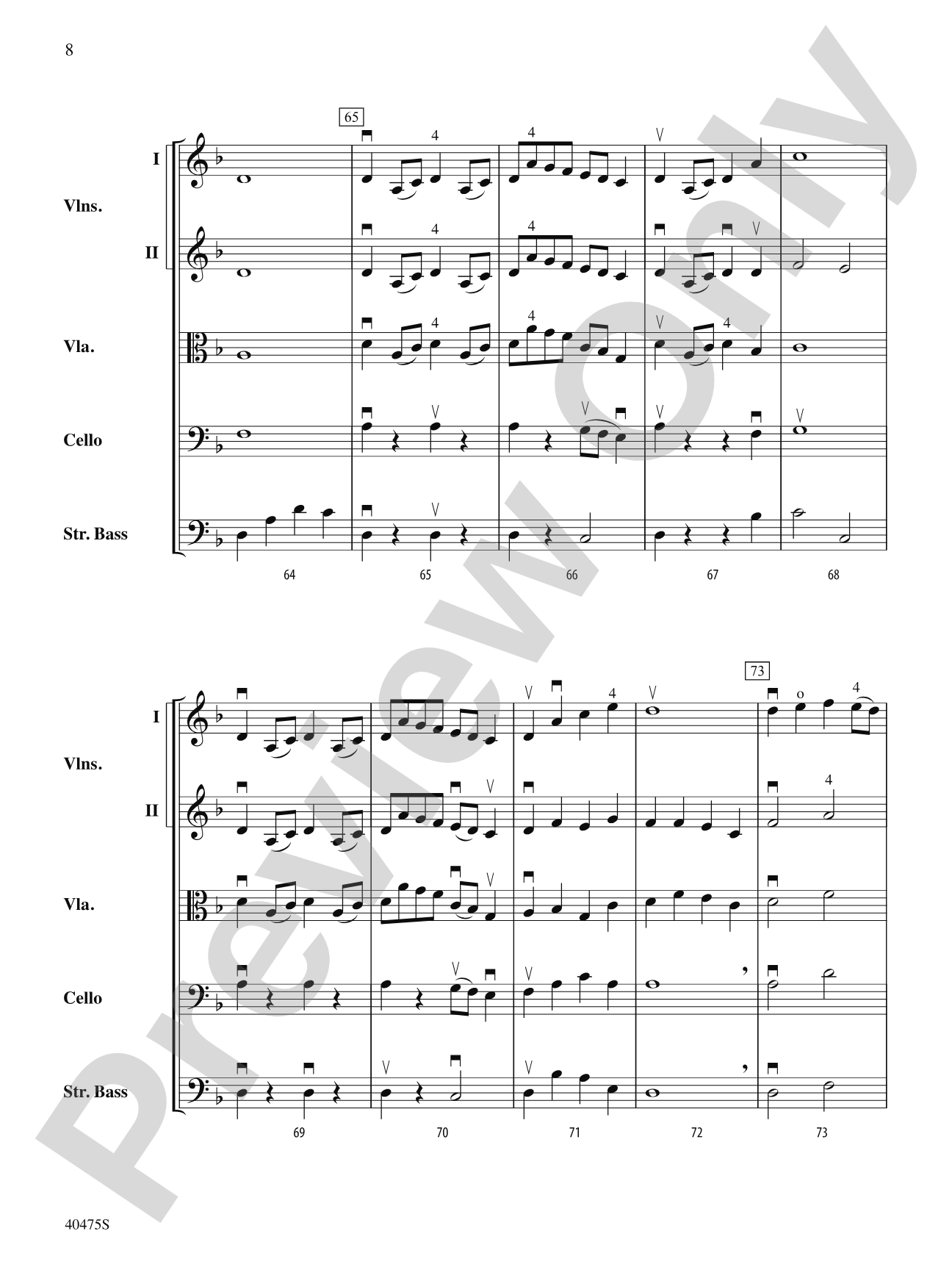
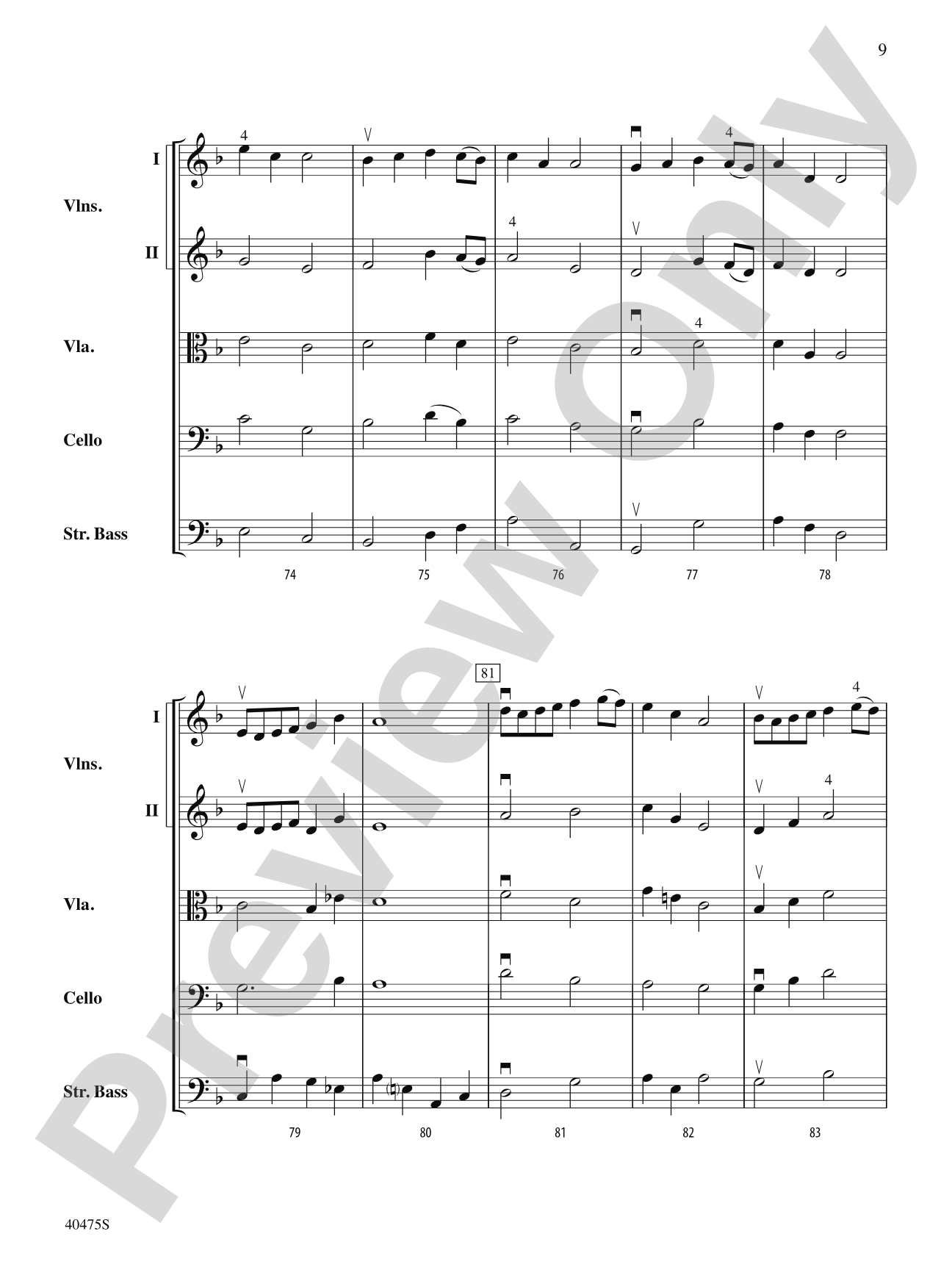
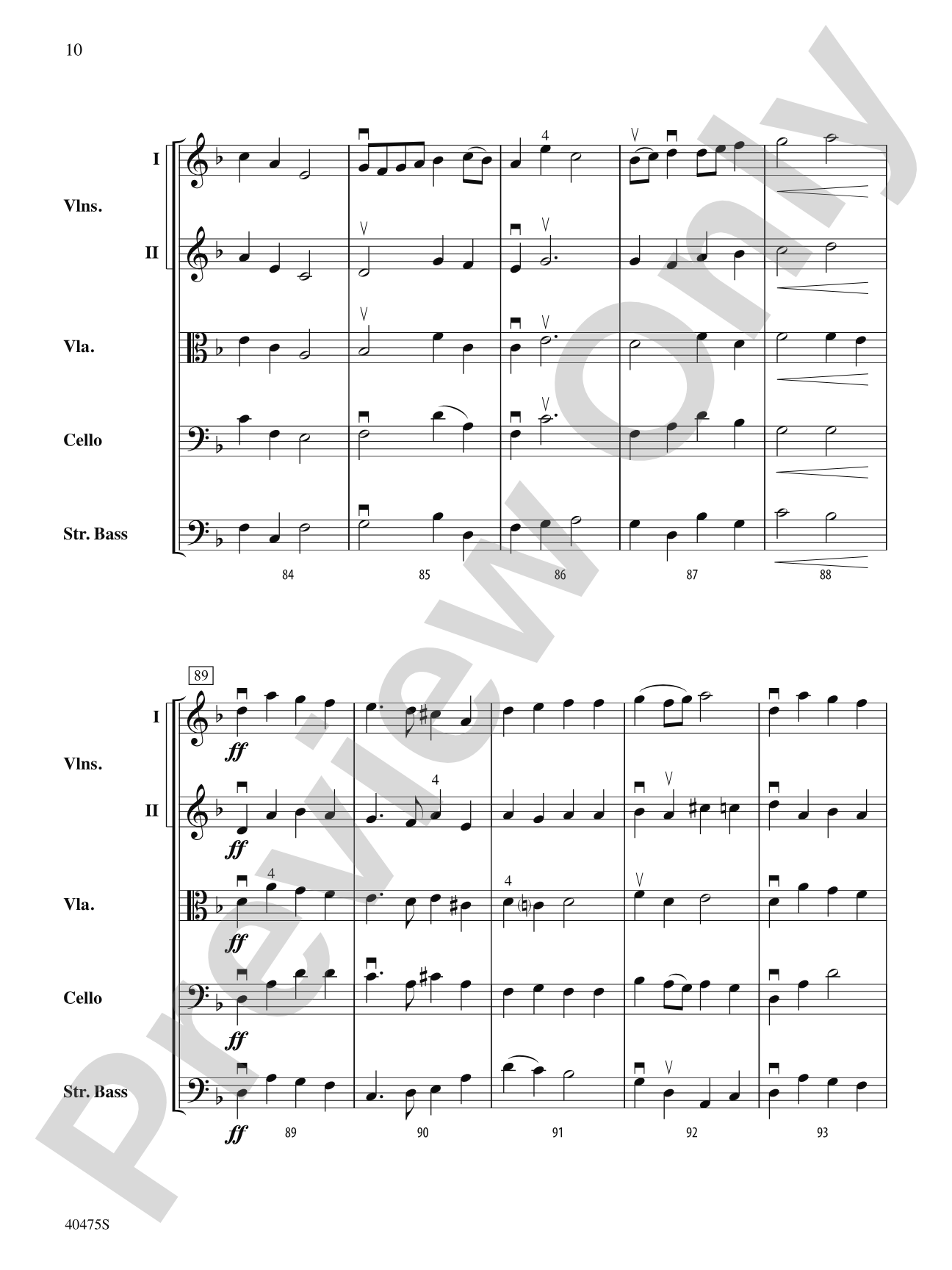
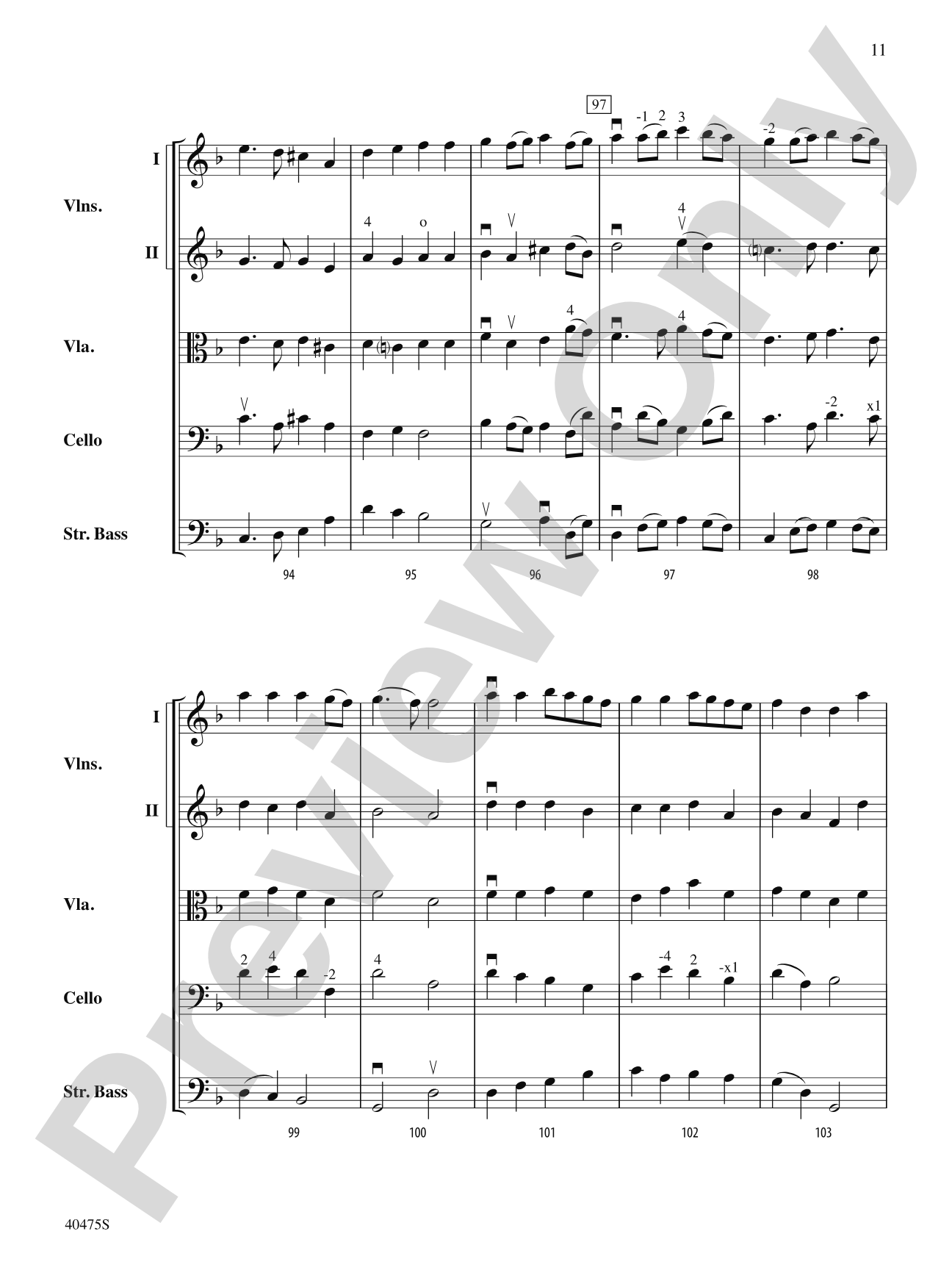
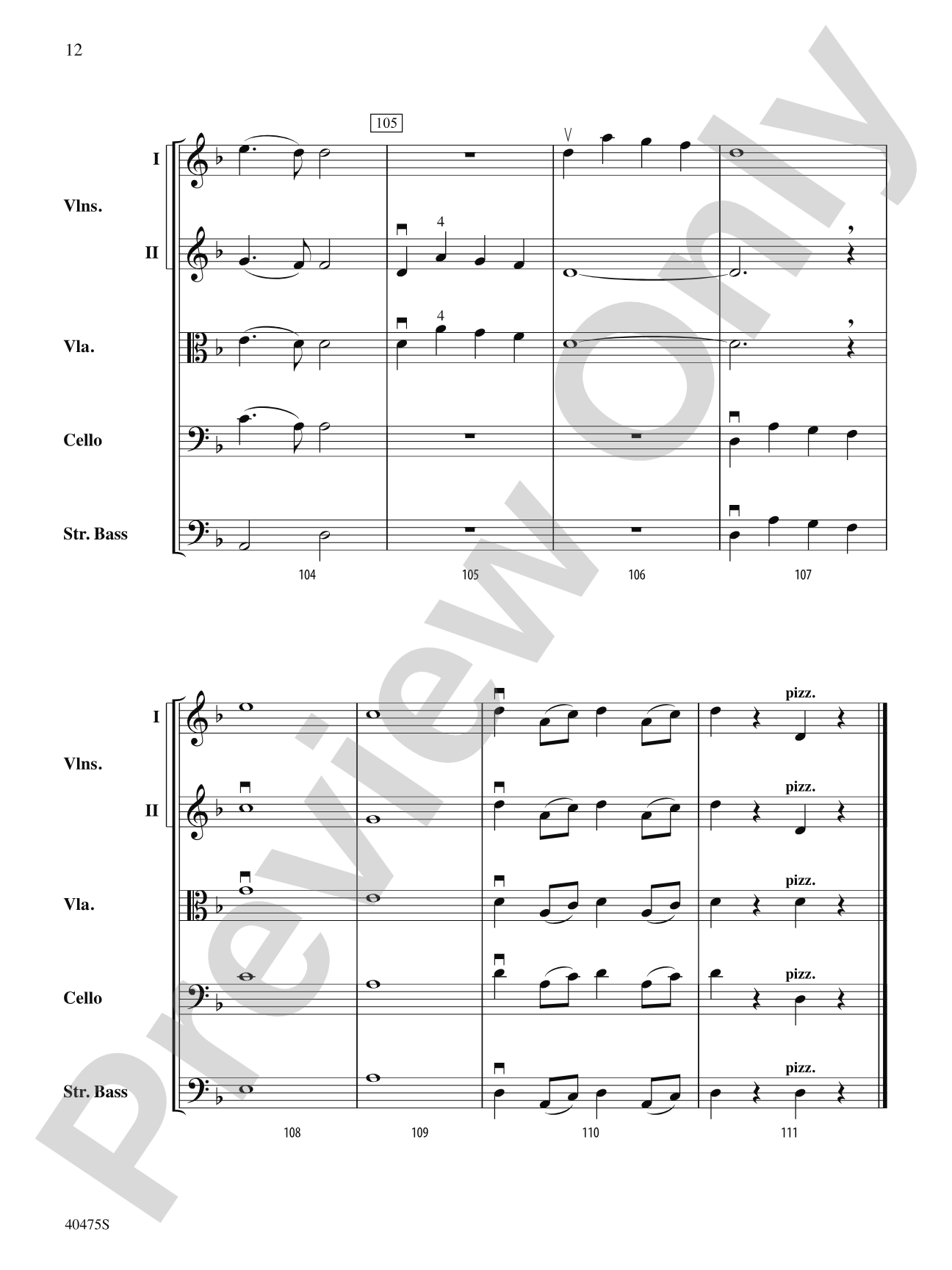

Dove's Vagary: Score
Adapted from John Playford's The Dancing Master, 1651
By Shirl Jae Atwell
Grade: 2.5
Item: 00-PR-0004317
$9.00
Pickup currently not available
Description
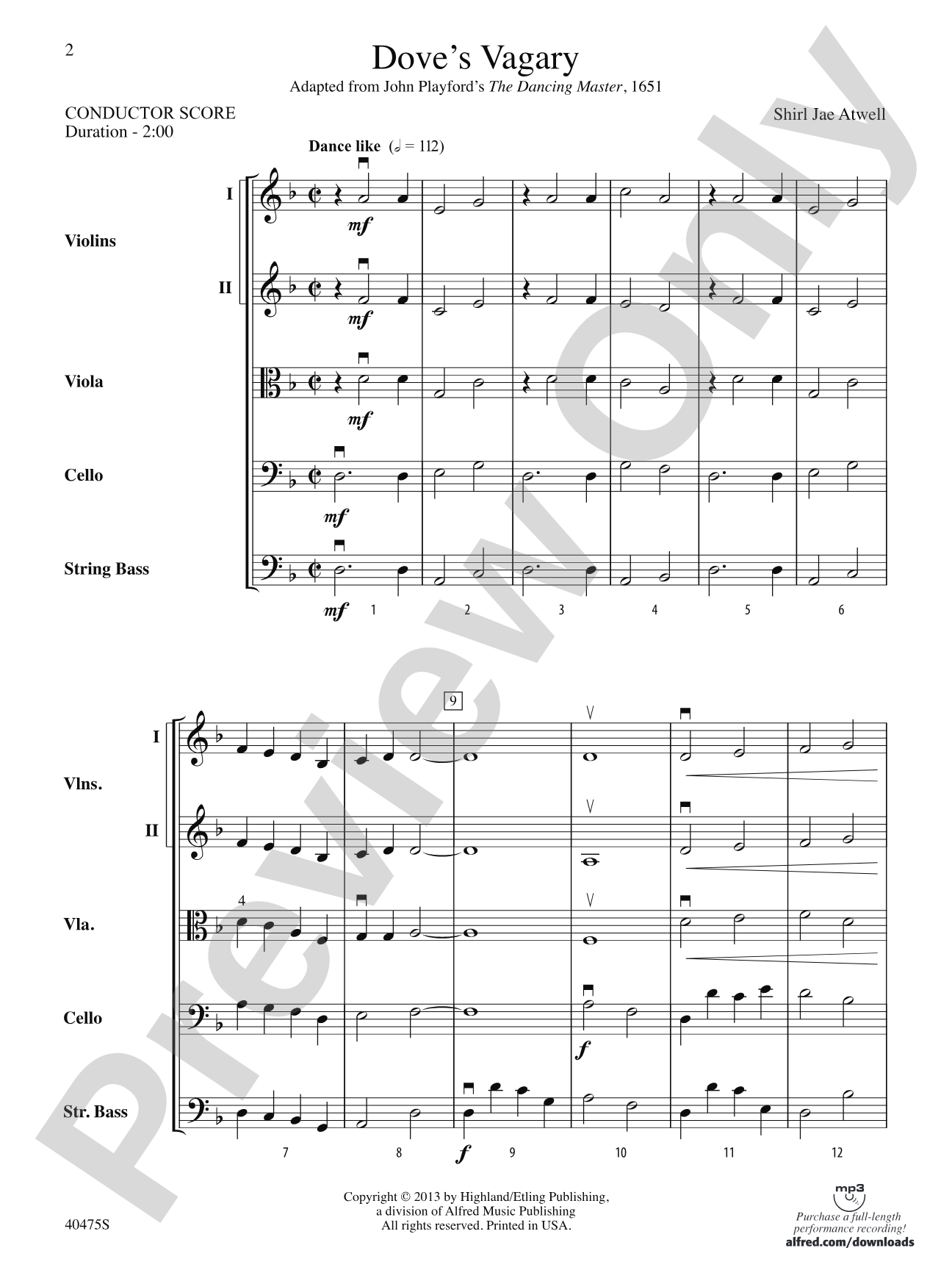
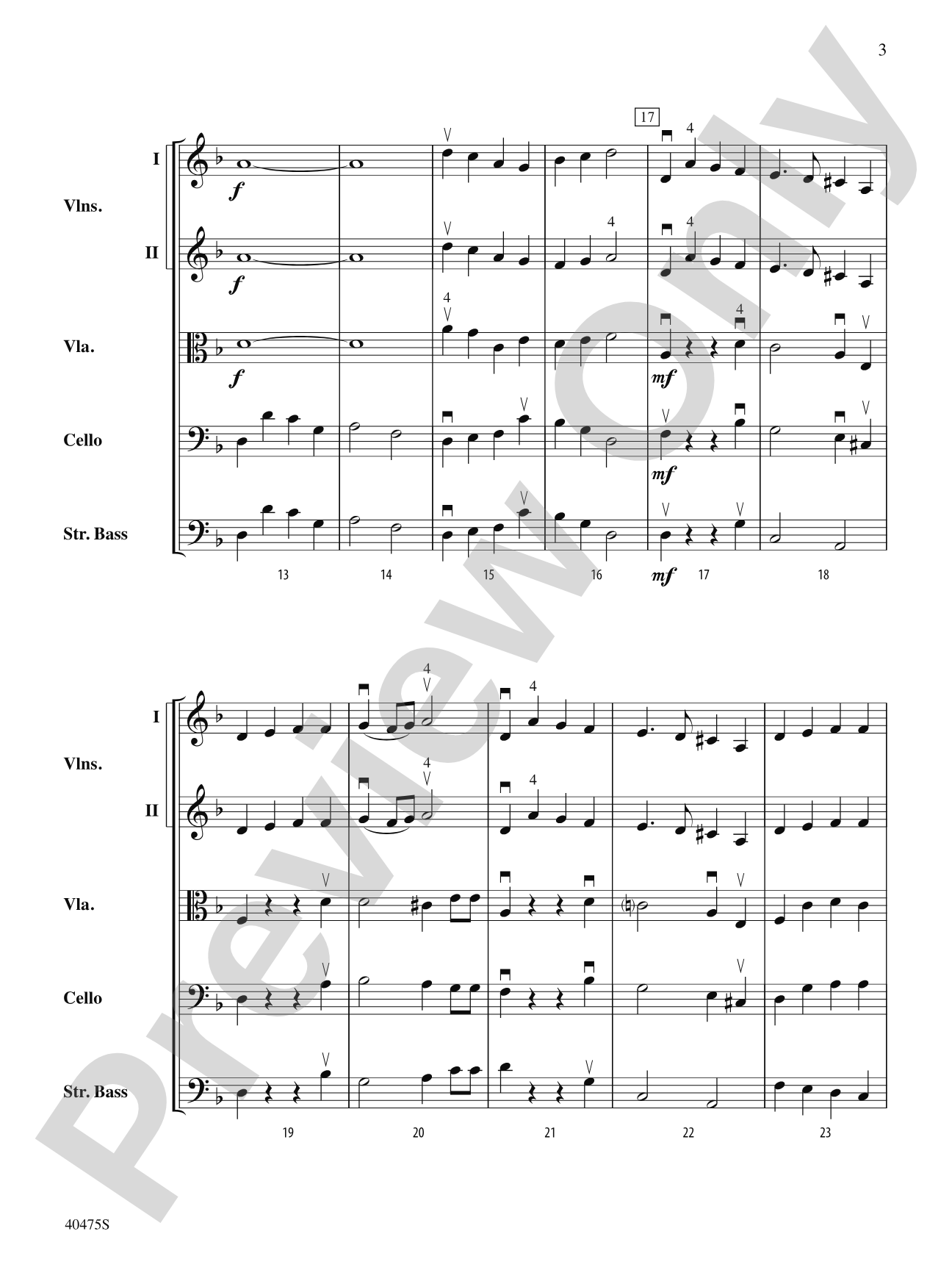
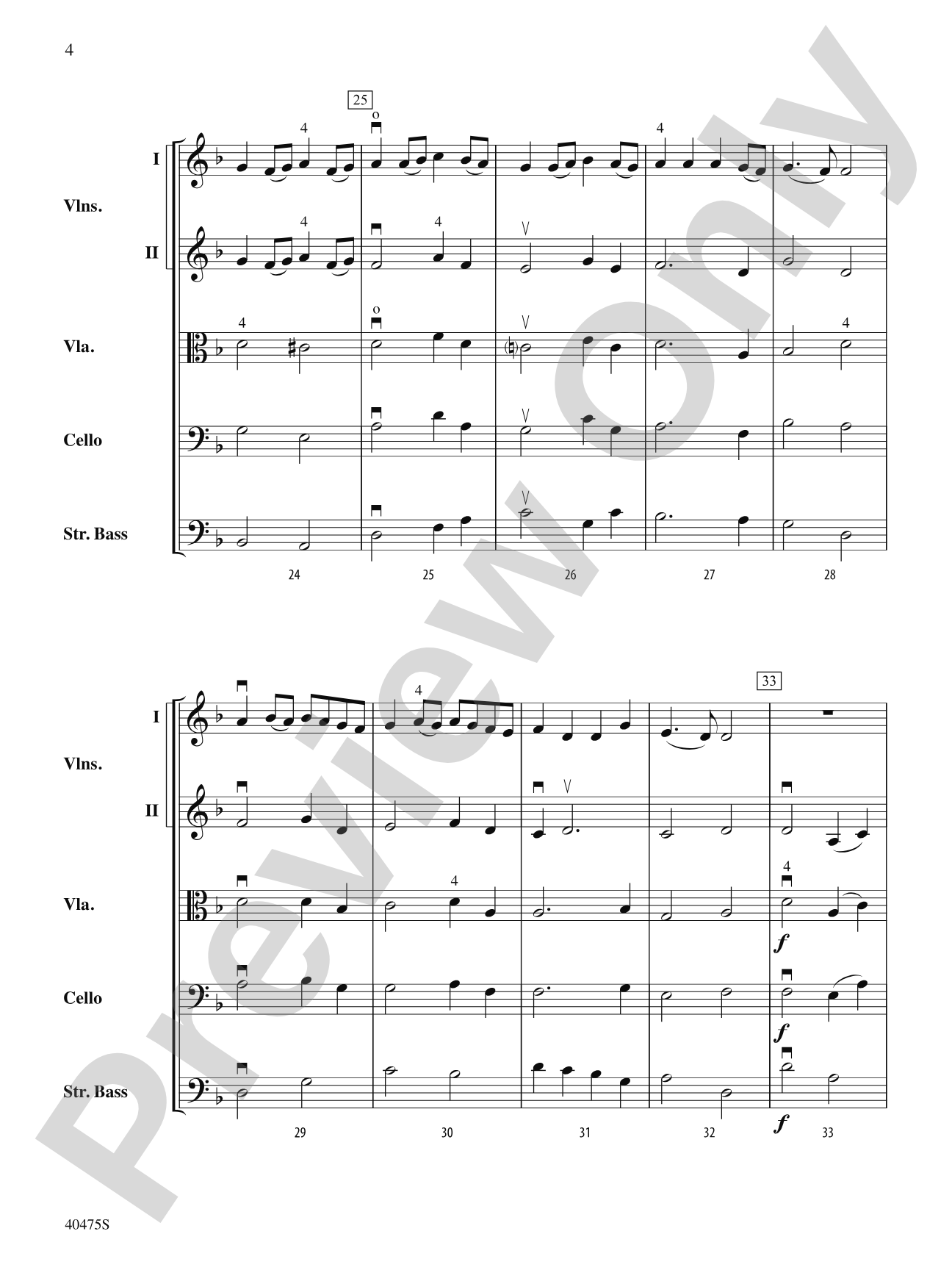
Adapted from a dance tune of the 1600s, this is a very dance-like, lively tune. The melody is light-hearted and carefree. As with any dance music, maintaining the rhythmic vigor is crucial. Gaiety and a sense of fun is the very nature of this piece, so have fun!


Don't just read it, hear it, play along with it, and watch your students grow with it. In MakeMusic Cloud, Dove's Vagary: Score comes alive with professional accompaniment, adjustable tempo, and built-in practice tools that turn solo practice into real progress.
Open in the Player
Jump straight in and assign it today.
Start Your Free Trial
Open this title and explore the full library in minutes.
Sample Audio
1
Audio File
--:--
0:00
0:00
Sample Video
No sample videos found.
Additional Details
Series:
Highland/Etling String Orchestra
Publisher:
Alfred Music
Page Count:
124
SKU:
00-PR-0004317
More about this title
About the Composer: Shirl Jae Atwell

Shirl Jae Atwell studied music theory and composition at the University of Louisville, where she earned her Master of Music Theory/Composition degree, and continued her compositional training through four years of post-graduate work at the University of South Carolina. Her output spans opera, ballet, orchestral suites, and string orchestra works, many of which have been premiered by regional orchestras and ensembles across the United States.
Atwell's achievements include winning the 1996 National School Orchestra Association composition contest for her string orchestra piece Modus á Four and the 1997 Texas Orchestra Directors Association contest for Drifen. Her ballet Lucy, featuring choreography by Alun Jones and premiered by the Louisville Ballet in 1999, received an Arts & Culture Emmy Award in 2000 and earned recognition from the National Catholic Association for Communicators. Six of her scores were selected for the permanent collection of the Paris Bibliothèque Internationale de Musique Contemporaine.
Why we love this
Atwell taps into the infectious energy of 17th-century dance music and makes it immediately accessible to young string orchestras. The arrangement respects the simplicity of the source material while giving each section the chance to carry the melodic line, so students hear themselves contributing to something genuinely joyful rather than just filling in accompaniment parts.
What to expect
A sprightly romp through 17th-century dance traditions, full of swagger and good humor. The melody bounces along with an infectious ease that makes audiences smile and players feel the satisfaction of bringing a well-known folk idiom to life.
Who it's for
Grade 2.5 string orchestras ready to explore a piece with historical roots and genuine performance appeal. This works equally well for concert and festival programming, giving younger ensembles a chance to play something recognizable and fun without sacrificing musical substance.
How to get the most out of it
- Keep the pulse consistent and slightly brisk; this dance thrives on rhythmic momentum, so resist the urge to slow down during ensemble passages even as intonation improves.
- Shape the melody with gentle dynamic swells to highlight the "light-hearted and carefree" character, particularly when the theme passes between sections.
- Balance the texture so that the primary melody projects clearly while inner voices support rather than compete; this clarity matters at concert tempo.
How to use it
Program this as a contrasting lighter selection alongside a more substantial work, or use it to open a concert and establish an engaged, energetic tone. It also serves as a solid festival choice where judges appreciate musicianship in a straightforward, approachable context.
Skills your students will build
- Maintaining rhythmic vitality and consistent pulse in dance-form music
- Passing the melodic line between sections with clear phrasing and balance
- Responding to stylistic context (17th-century dance idioms) to shape interpretation
- Reading string parts at Grade 2.5 level with mixed position work and dynamic control