

Double Trouble: Score
By Lauren Bernofsky
Grade: 1.5
Item: 98-DST6218S
$10.00
Pickup currently not available
Description
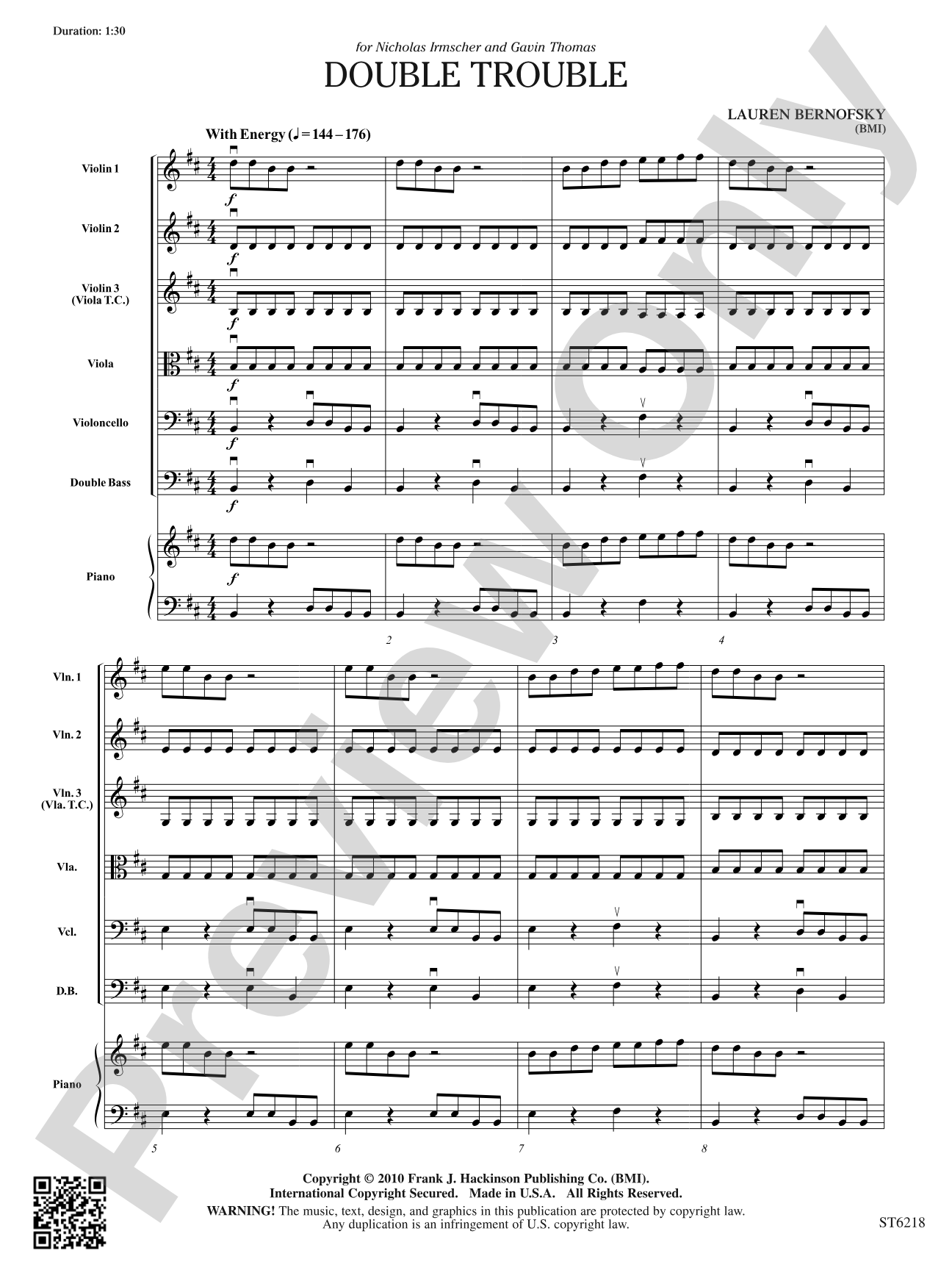
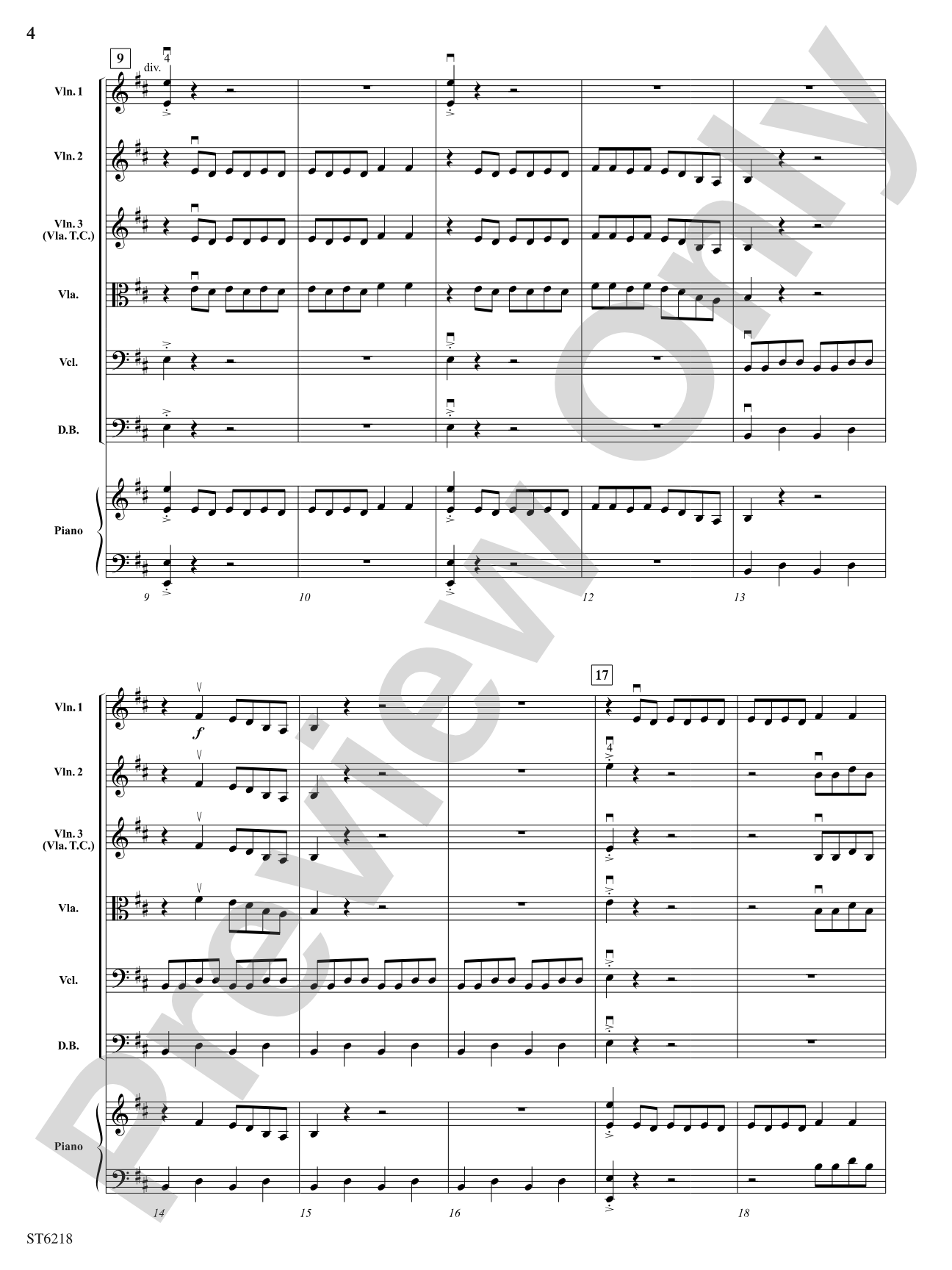
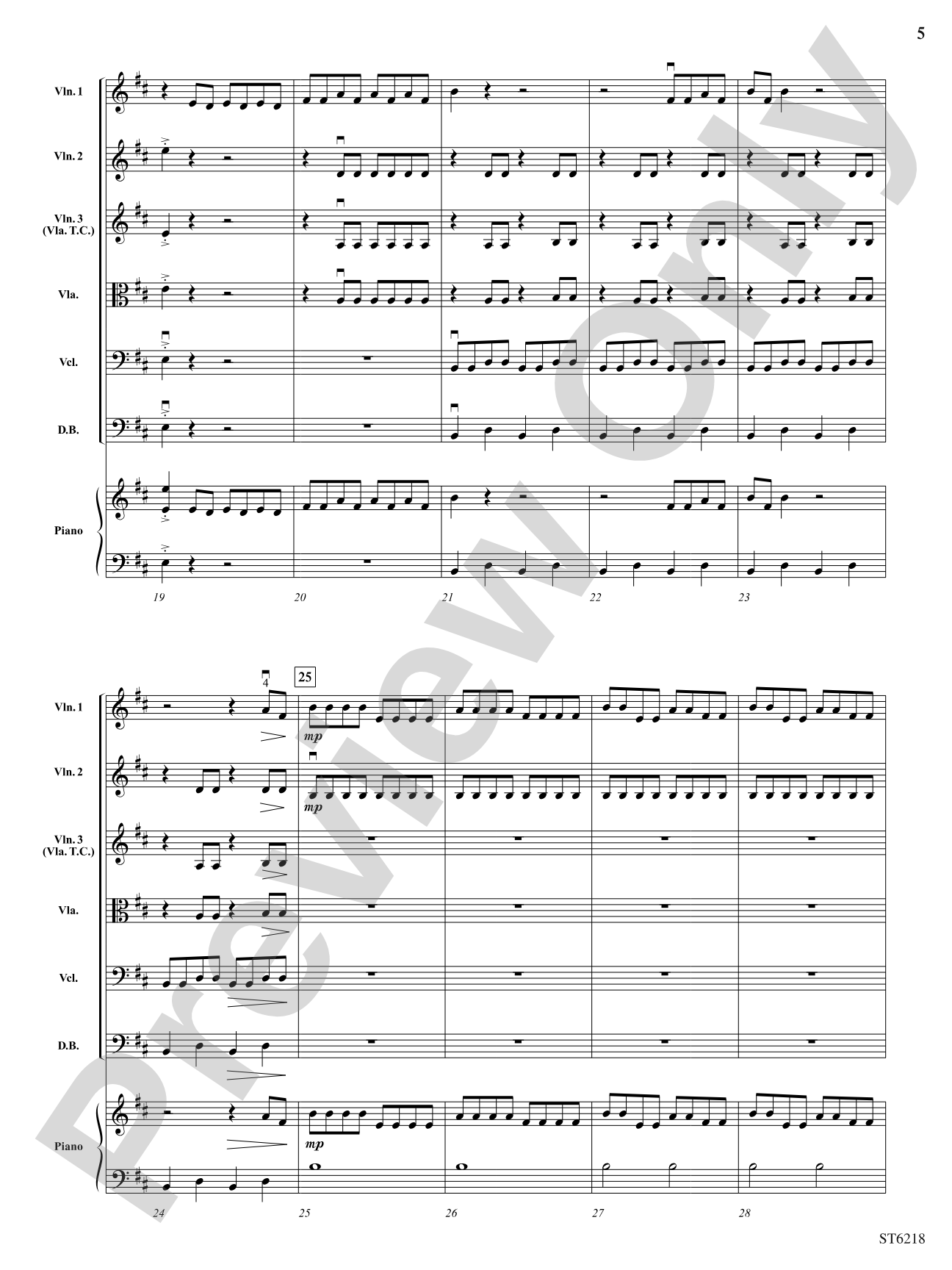
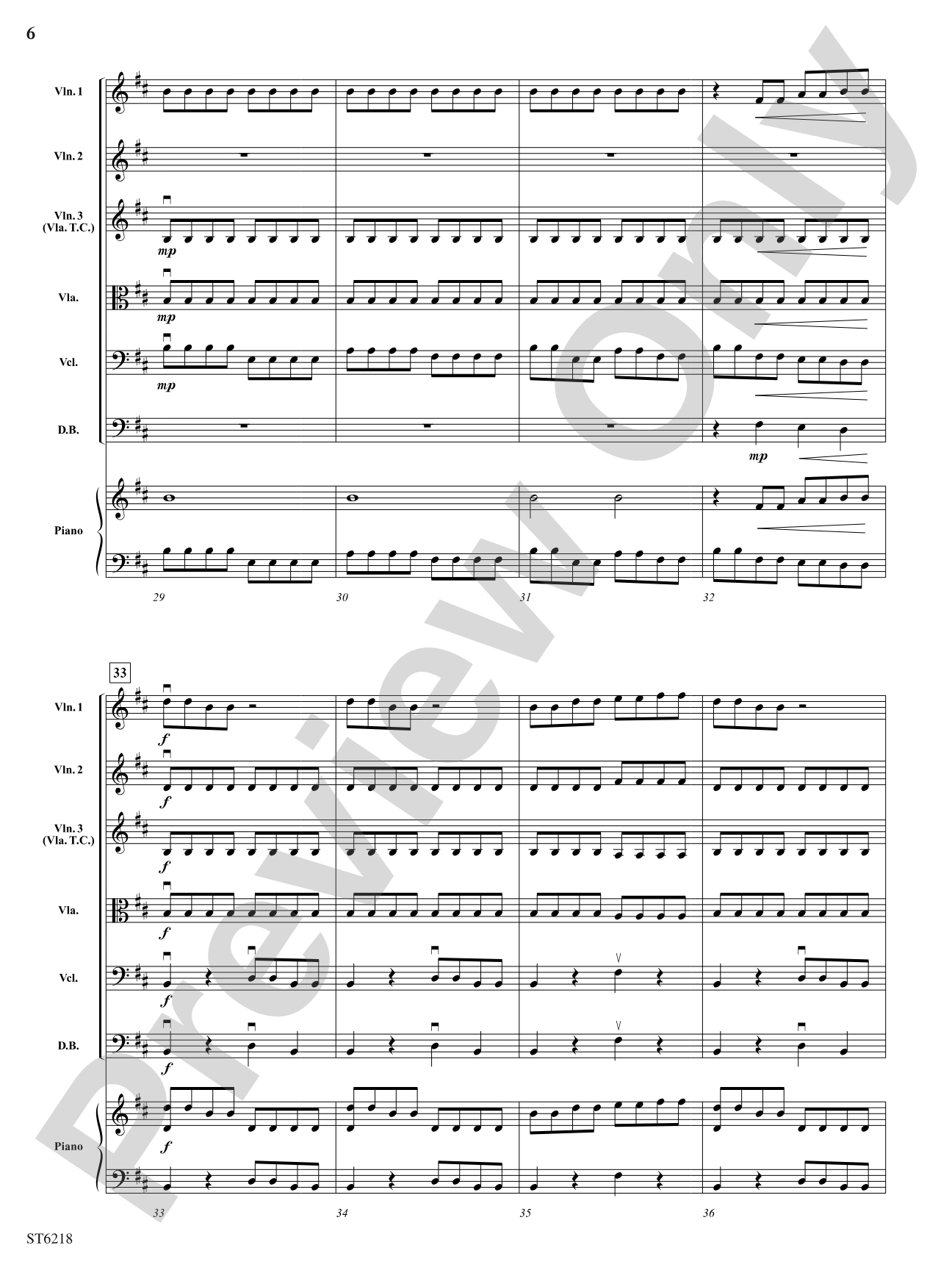
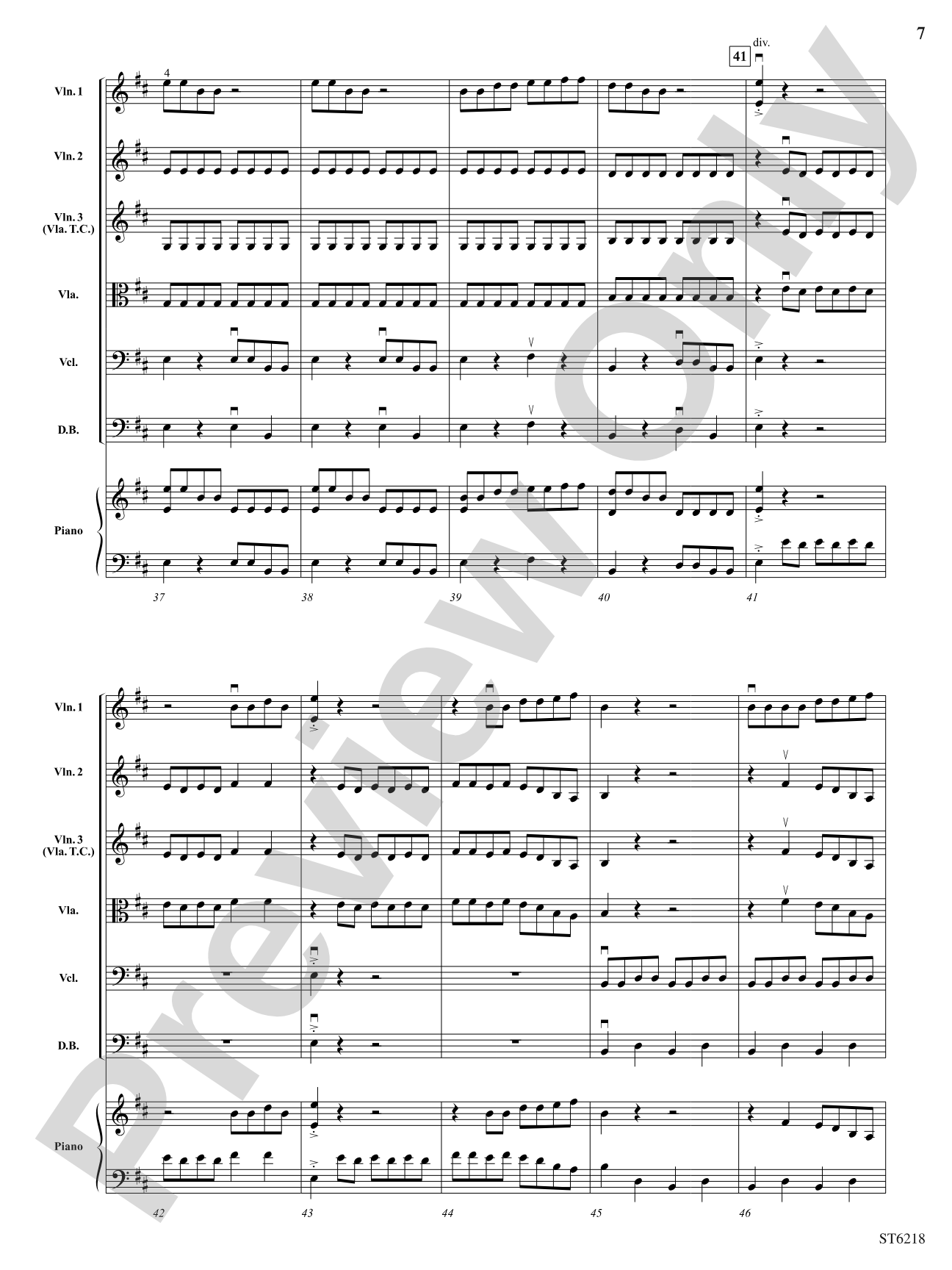
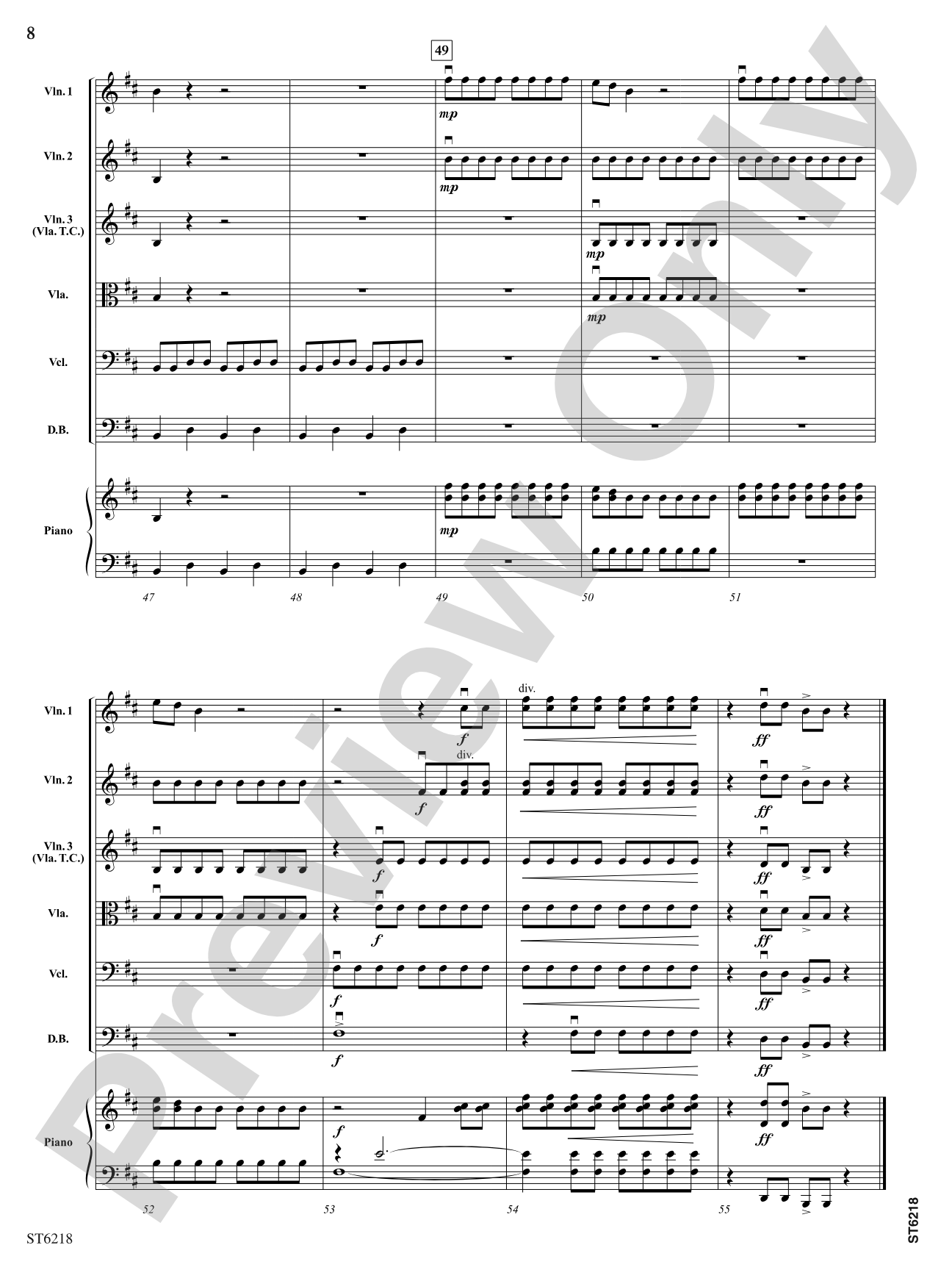
With hints of blues and rock, this clever work gets its title from the repeated double eighth notes that occur throughout the music. Ideal for working on bow control and basic rhythms, the basic groove is also sure to be a hit with your students and audience. Fun!


Double Trouble: Score isn't in MakeMusic Cloud just yet...but it could be. Let us know you'd like to see it, and you'll help shape what comes next. In the meantime, start a free trial and dive into thousands of interactive titles your students can play along with today.
Request This Title
Tell us you want it.
Start Your Free Trial
Explore everything that's ready to play right now.
Sample Audio
1
Audio File
--:--
0:00
0:00
Sample Video
No sample videos found.
Additional Details
Series:
FJH Beginning Strings
Publisher:
The FJH Music Company, Inc.
SKU:
98-DST6218S
More about this title
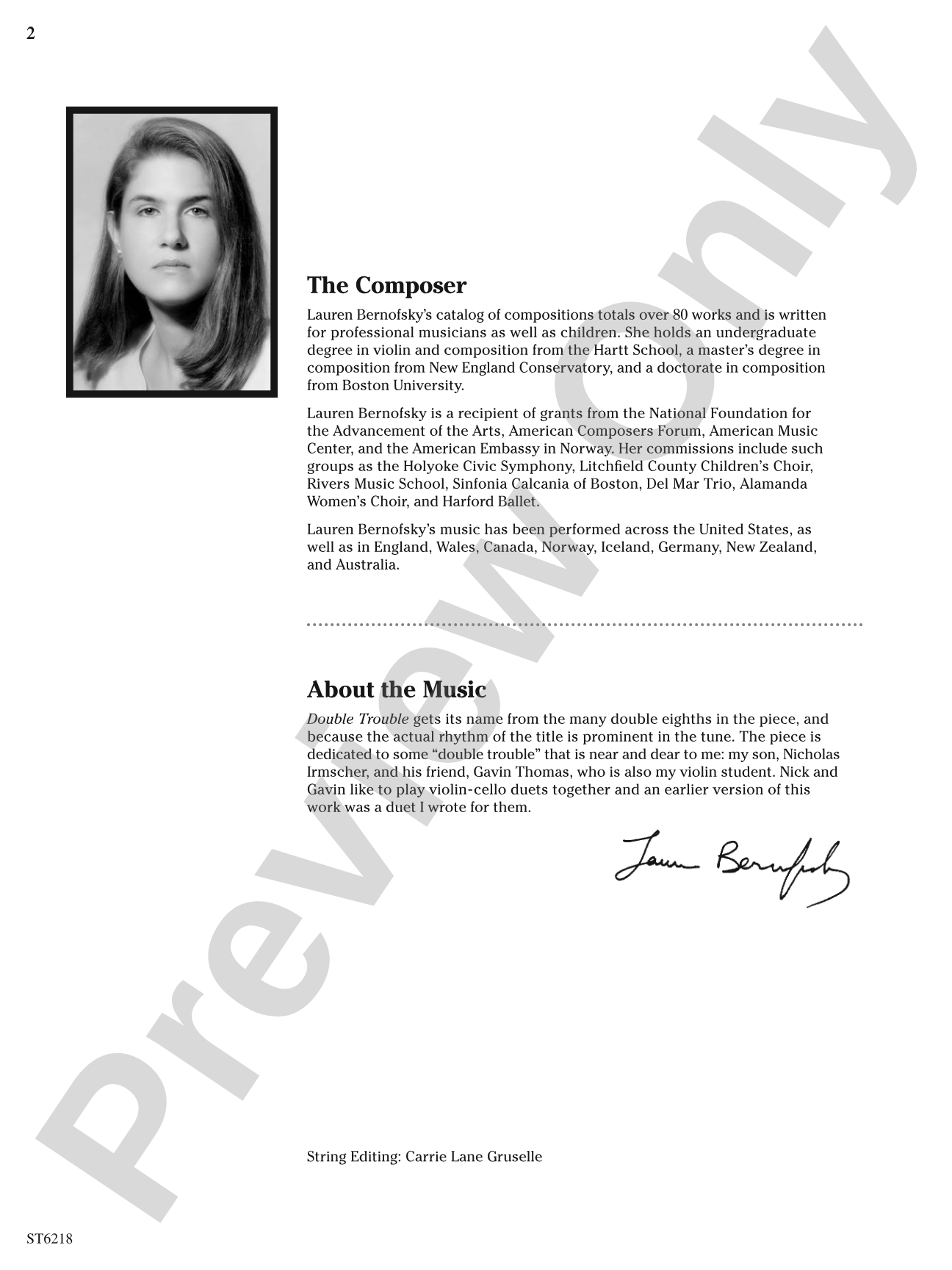
About the Composer: Lauren Bernofsky

Lauren Bernofsky is a prolific composer whose catalog spans over a hundred works across solo, chamber, orchestral, operatic, and ballet contexts. Her music consistently earns recognition for its distinctive voice: praised by conductor Lukas Foss as a "master composer," her work balances emotional depth with intellectual rigor, blending technical sophistication with lyrical expression. Major honors include the National Flute Association's Newly Published Music Competition, the Opera Puppets Award at Boston Metro Opera for her opera Mooch the Magnificent, and the Dalai Lama Composition Contest, whose winning choral work Prayer of Shantideva was premiered at a special prayer service attended by the Dalai Lama himself.
Bernofsky holds degrees from The Hartt School (Bachelor's in violin and composition), New England Conservatory (Master's in composition), and Boston University (Doctorate of Musical Arts in composition). Her works have been commissioned by orchestras, chamber ensembles, and dance companies across the country, and her compositions have been featured on PBS, in the International Trumpet Guild journal, and in academic dissertations. She has taught at the Peabody Institute and Interlochen Center for the Arts, and regularly conducts clinics at national and international festivals.
Why we love this
Bernofsky gives Grade 1.5 orchestras an immediate musical win here. The repeated double eighth notes that inspired the title give young players a clear rhythmic anchor while the blues and rock undertones make the groove genuinely fun to execute, not just pedagogically useful. This is the rare early-level piece that feels authentic and groovy to young musicians rather than cutesy.
What to expect
Playful, energetic, and contemporary. The double eighth notes create a propulsive, almost hypnotic quality reminiscent of blues shuffle grooves, while the rock sensibility keeps the energy bright and accessible. Young musicians feel like they're playing "real" music rather than exercises, and audiences recognize the style immediately.
Who it's for
String orchestra conductors teaching Grade 1.5 ensembles who want to introduce blues and rock idioms without abandoning musical integrity. Players at this level thrive on repertoire that sounds more advanced than it reads, and this piece delivers exactly that through its rhythmic appeal and contemporary groove.
How to get the most out of it
- Isolate the double eighth-note figure in sectionals before rehearsing tutti passages. Have each section practice the rhythm at a steady tempo without the melody to lock in the signature texture.
- Experiment with bow weight and speed to shape the blues feel. Younger players often press too hard on repeated notes, so demonstrate how a lighter touch with consistent bow speed creates better articulation and sustain.
- Let the rhythm section (cellos and basses) establish the groove clearly in early rehearsals. Once the underlying pulse is rock solid, the rest of the orchestra will lock in more easily.
- Record a rehearsal and listen back as an ensemble. Young players benefit from hearing how their collective sound compares to their individual parts.
How to use it
Program this as a contrast piece in a concert of traditional string repertoire. Its contemporary idiom and contest-appropriate level make it ideal for festival performances or pops-style concerts, where it can serve as a bridge between classical and more casual audience expectations.
Skills your students will build
- Bow control and consistency on repeated note figures
- Understanding of blues and rock rhythmic feels in a string context
- Rhythmic precision in basic eighth-note patterns
- Ensemble cohesion through a clear, repetitive groove
- Reading and executing dynamic and articulation markings that shape contemporary styles