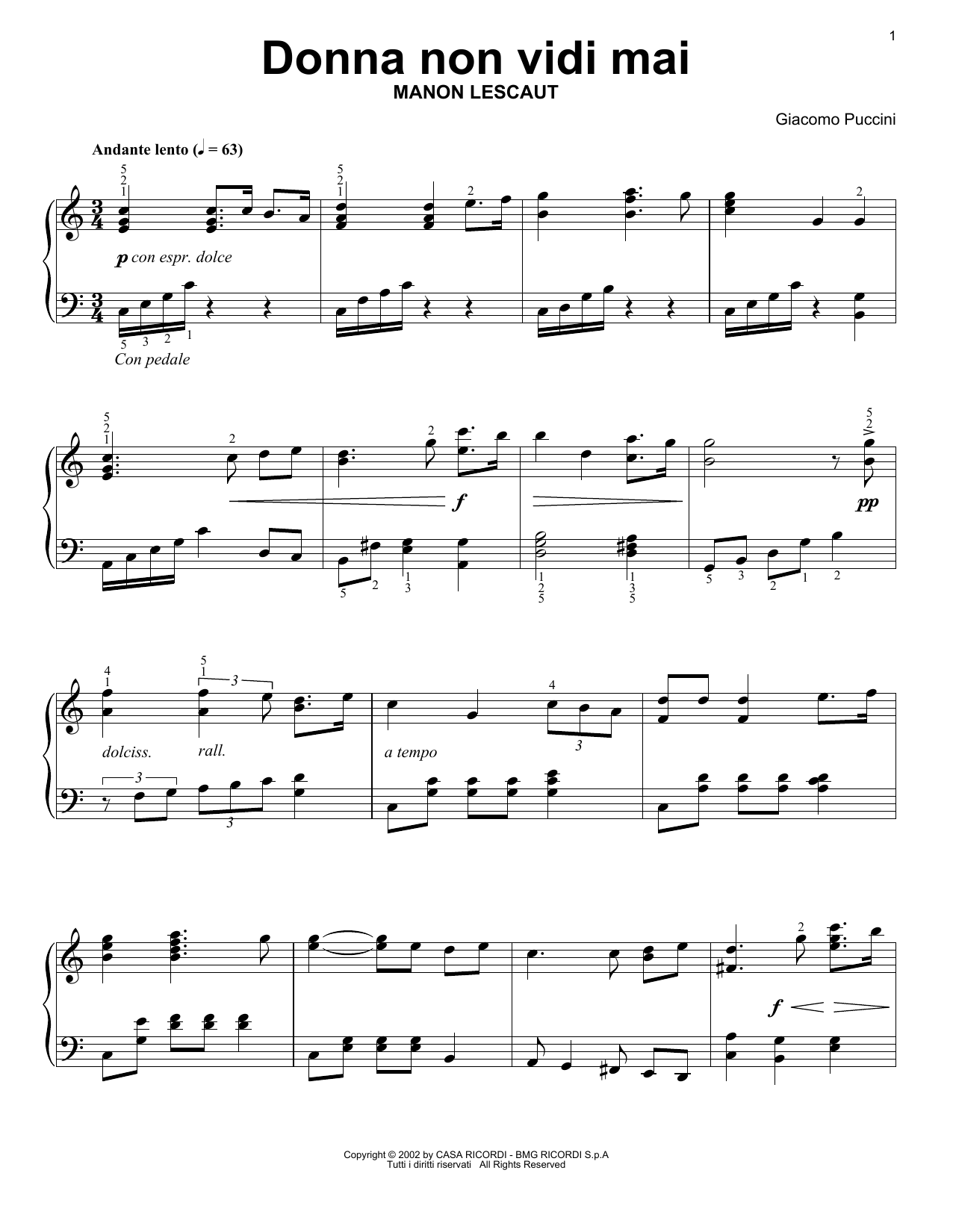
Giacomo Puccini (1858-1924) shaped operatic music through his gift for melody and orchestration. His works dominated late 19th and early 20th century stages, establishing him as a master of dramatic storytelling through music. For educators, Puccini's output represents an essential reference point: his operas contain some of the most singable, memorable lines in the classical canon, and his harmonic language bridges Romantic tradition with modern chromaticism.
Puccini's influence extends beyond the opera house into music education. His themes appear in countless arrangements and reductions, making his compositional approach accessible to developing musicians. Students who study his melodies gain insight into how lyrical writing captures emotional depth without unnecessary complexity, a lesson applicable across genres and skill levels.